Over 80 percent of american homeowners say their living spaces directly affect their mood and well-being. Interior design is more than just picking colors or placing furniture. It shapes how every moment at home feels. Whether you want a cozy retreat or a stunning space for gatherings, understanding design principles and styles helps you create a home you truly love. This guide breaks down the basics, giving you the confidence to make informed choices for any american interior.
Table of Contents
- Defining Interior Design Basics And Principles
- Popular Interior Design Styles Explained
- Choosing Colors, Materials, And Textures
- Space Planning And Furniture Layout Essentials
- Avoiding Common Beginner Design Mistakes
Key Takeaways
| Point | Details |
|---|---|
| Understanding Design Elements | Interior design is based on seven core elements—space, line, form, light, color, texture, and pattern—that interact to create cohesive environments. |
| Principles of Design | Balance, emphasis, rhythm, unity, and proportion are essential principles that guide the arrangement of design elements for effective spatial experiences. |
| Choosing Styles and Materials | Selecting a design style should reflect personal preference and functionality, while color, materials, and textures should consider emotional impact and sustainability. |
| Avoiding Common Mistakes | Beginners should pay attention to scale, lighting, and color relationships to create harmonious spaces, and embrace experimentation to enhance their design skills. |
Defining Interior Design Basics and Principles
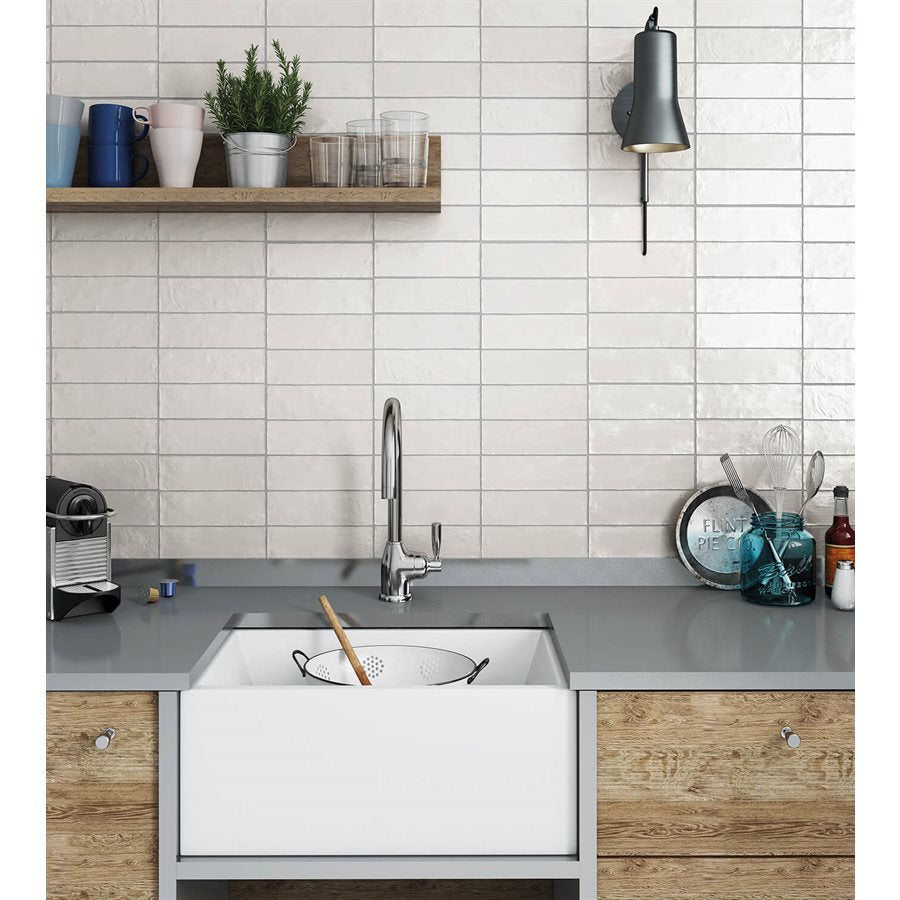
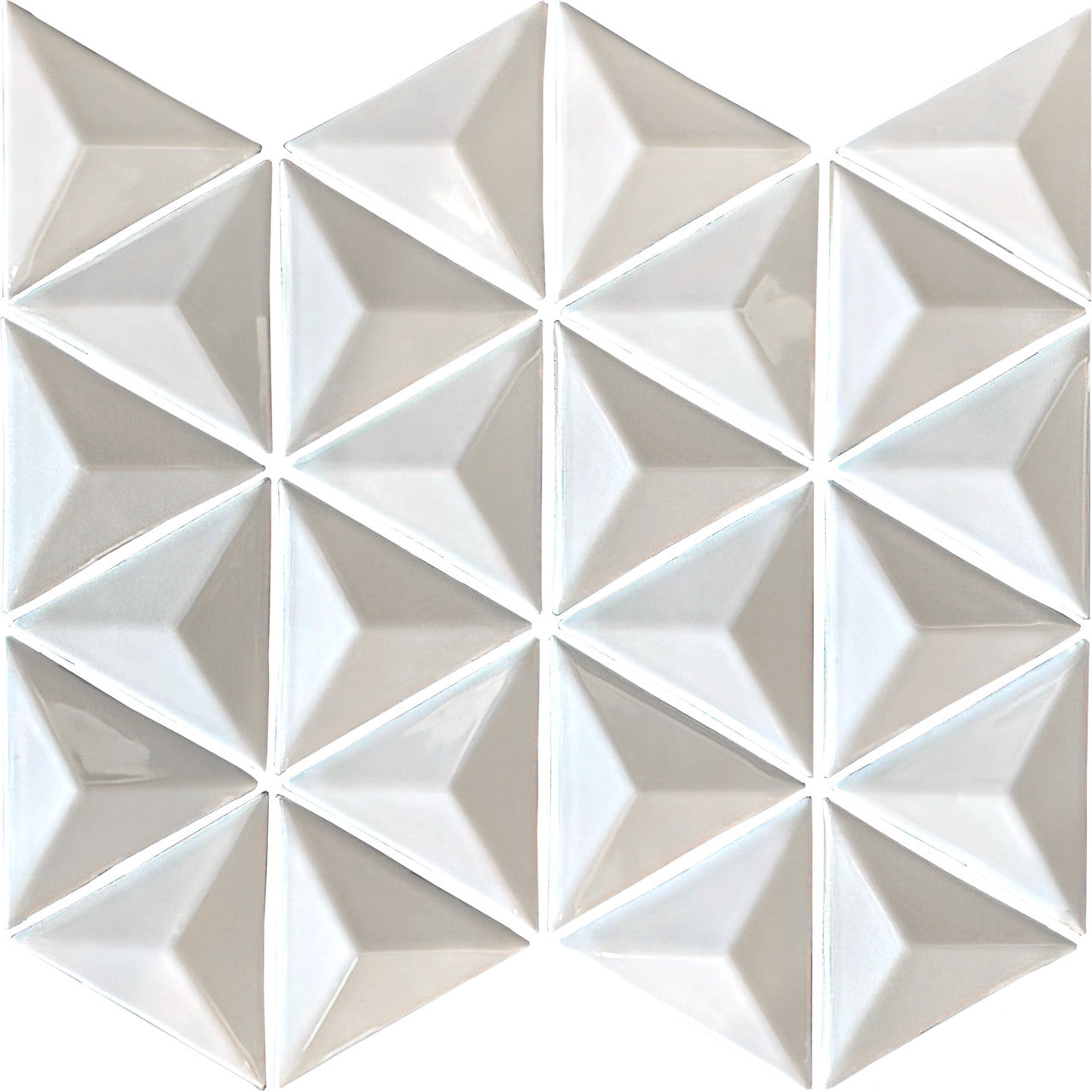
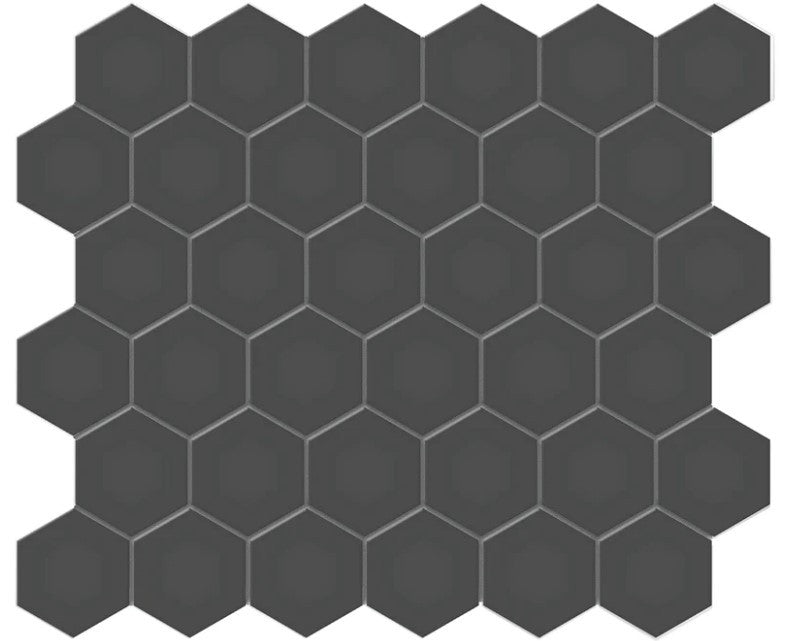
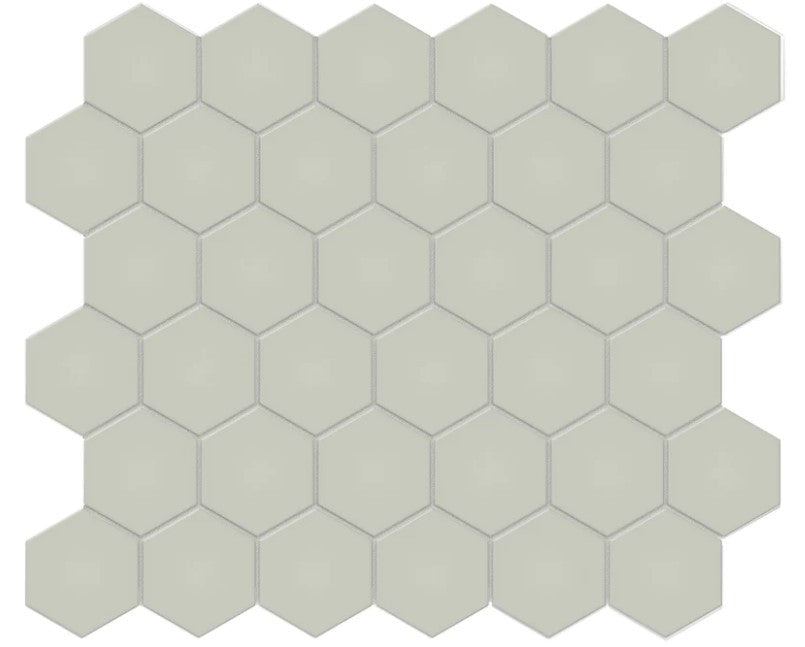
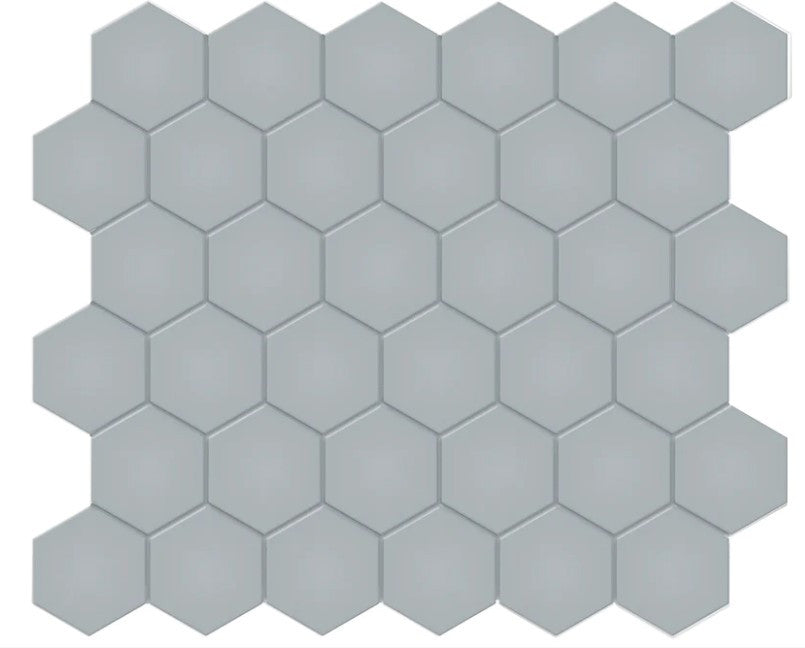
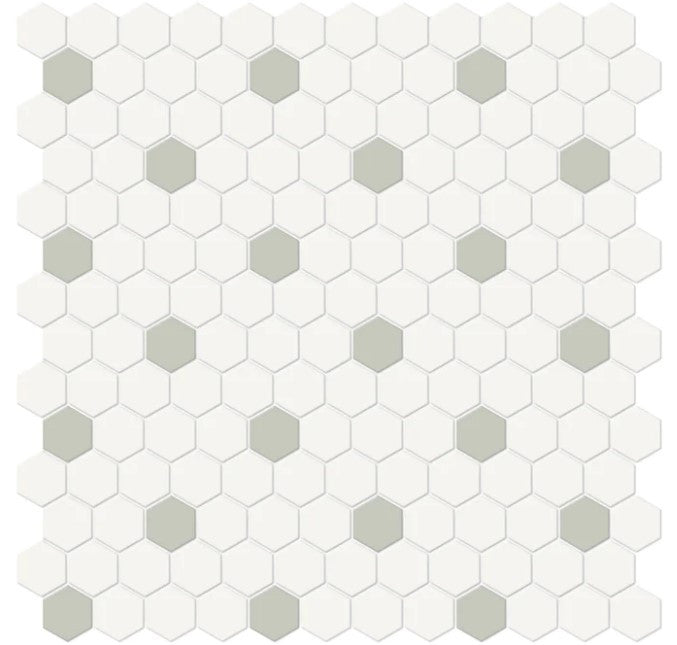
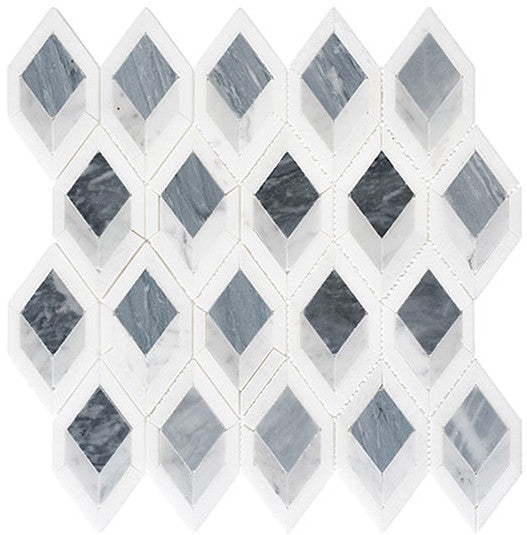
Interior design is a sophisticated art form that transforms spaces by strategically combining visual and functional elements. At its core, design involves understanding how fundamental design elements interact to create harmonious, purposeful environments. Geometric tile shapes can play a crucial role in establishing visual interest and structural dynamics within a space.
Design fundamentally revolves around seven key elements: space, line, form, light, color, texture, and pattern. Each element serves a specific purpose in creating cohesive interiors. Space represents the physical boundaries and volume of a room, while lines guide the eye and create visual movement. Form refers to the three-dimensional shape of objects, providing structure and definition. Light dramatically influences mood and perception, highlighting architectural features and creating depth.
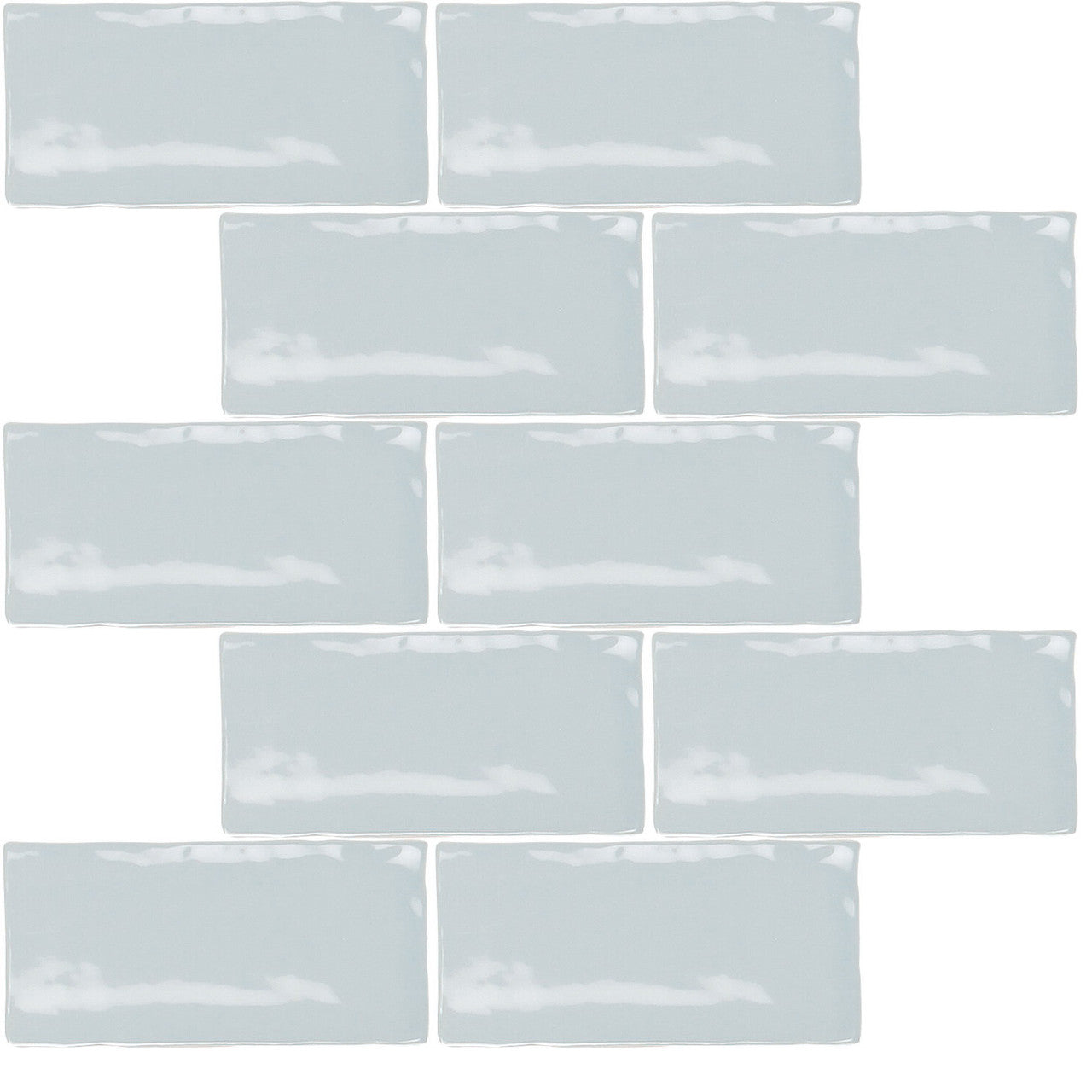
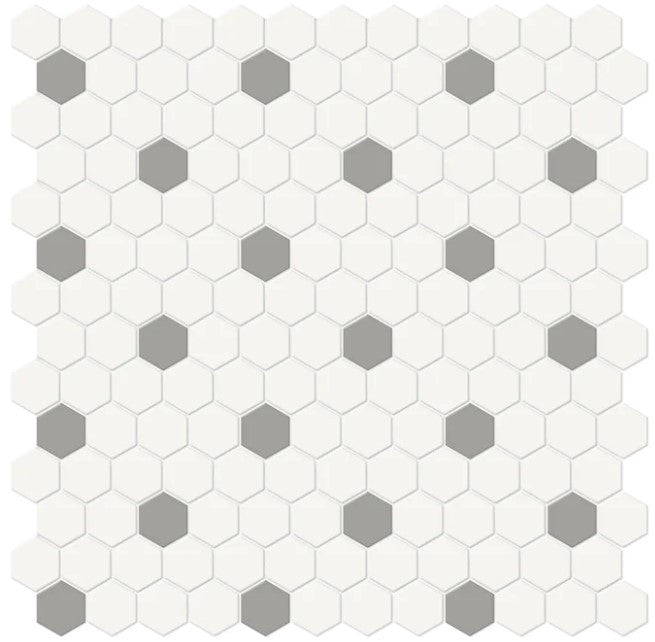
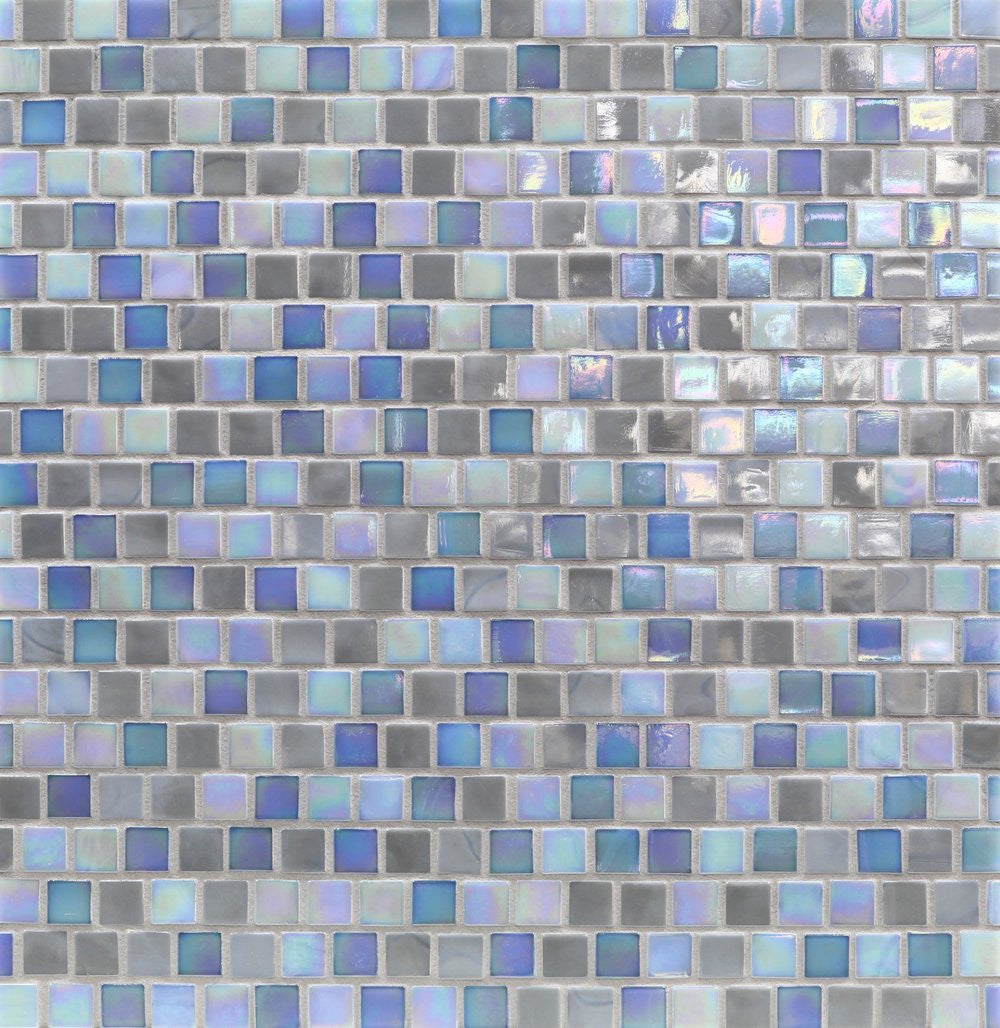
The principles of design—balance, emphasis, rhythm, unity, and proportion—serve as the framework for transforming these elements into compelling spatial experiences. Balance ensures visual stability, whether through symmetrical arrangements or more dynamic asymmetrical compositions. Emphasis creates focal points that draw attention, while rhythm establishes consistent visual patterns that guide perception. Mixing tile patterns can be an excellent way to incorporate these design principles, adding visual complexity and interest to interior spaces.
Successful interior design requires a delicate balance between aesthetic appeal and functional practicality. Designers must consider not just how a space looks, but how it feels and performs for its inhabitants. By thoughtfully integrating design elements and principles, professionals can create environments that are not only visually stunning but also deeply responsive to human needs and experiences.
Popular Interior Design Styles Explained
Interior design styles represent unique visual languages that reflect cultural, historical, and personal aesthetic preferences. From minimalist approaches to ornate traditional designs, these styles offer diverse ways to express individual personality through spatial arrangement and decor. Nature-inspired interiors demonstrate how design styles can incorporate organic elements to create harmonious living spaces.
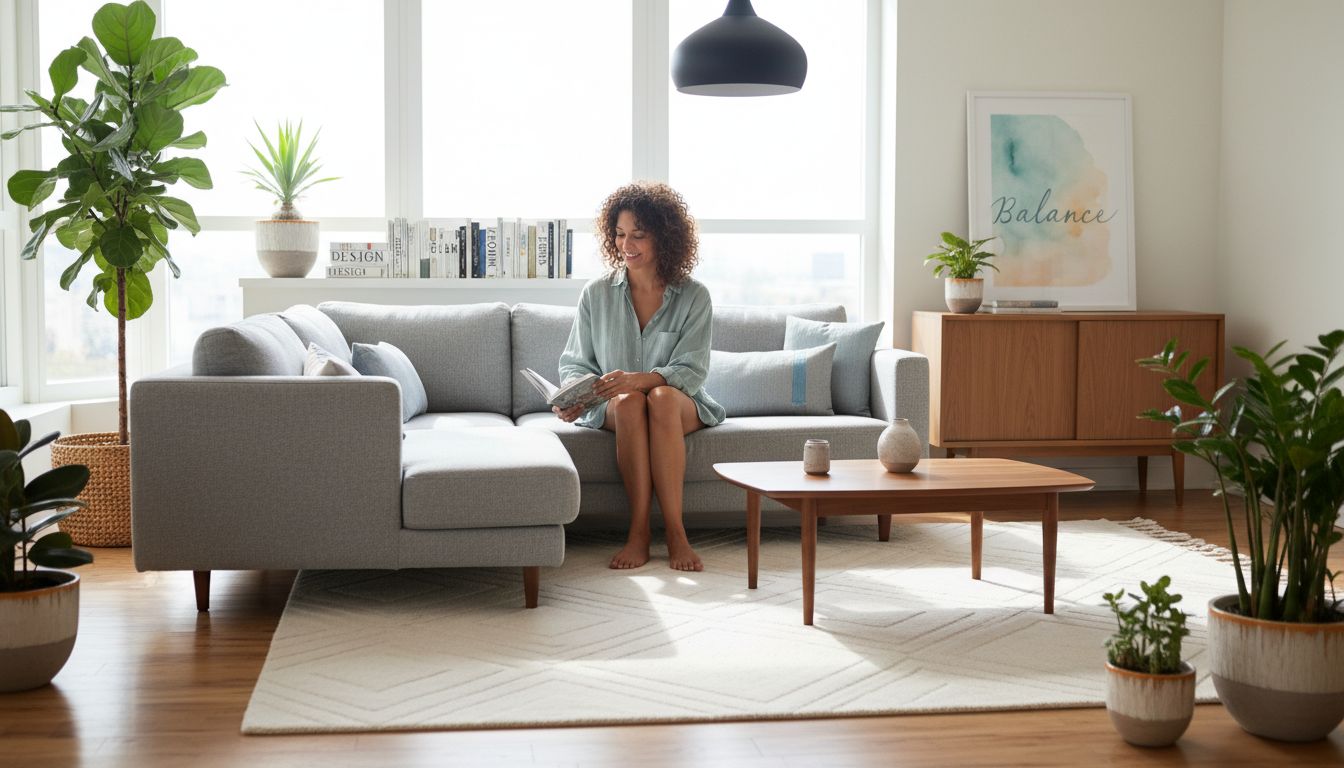
Several prominent design styles have emerged as significant influences in contemporary interior design. Mid-Century Modern emphasizes clean lines, organic curves, and functional simplicity, featuring iconic furniture with tapered legs and geometric forms. Scandinavian design prioritizes minimalism, functionality, and light color palettes, focusing on creating bright, uncluttered spaces that maximize natural illumination. Bohemian styles embrace eclectic, free-spirited aesthetics with rich textures, vibrant colors, and globally inspired decorative elements that create layered, personalized environments.
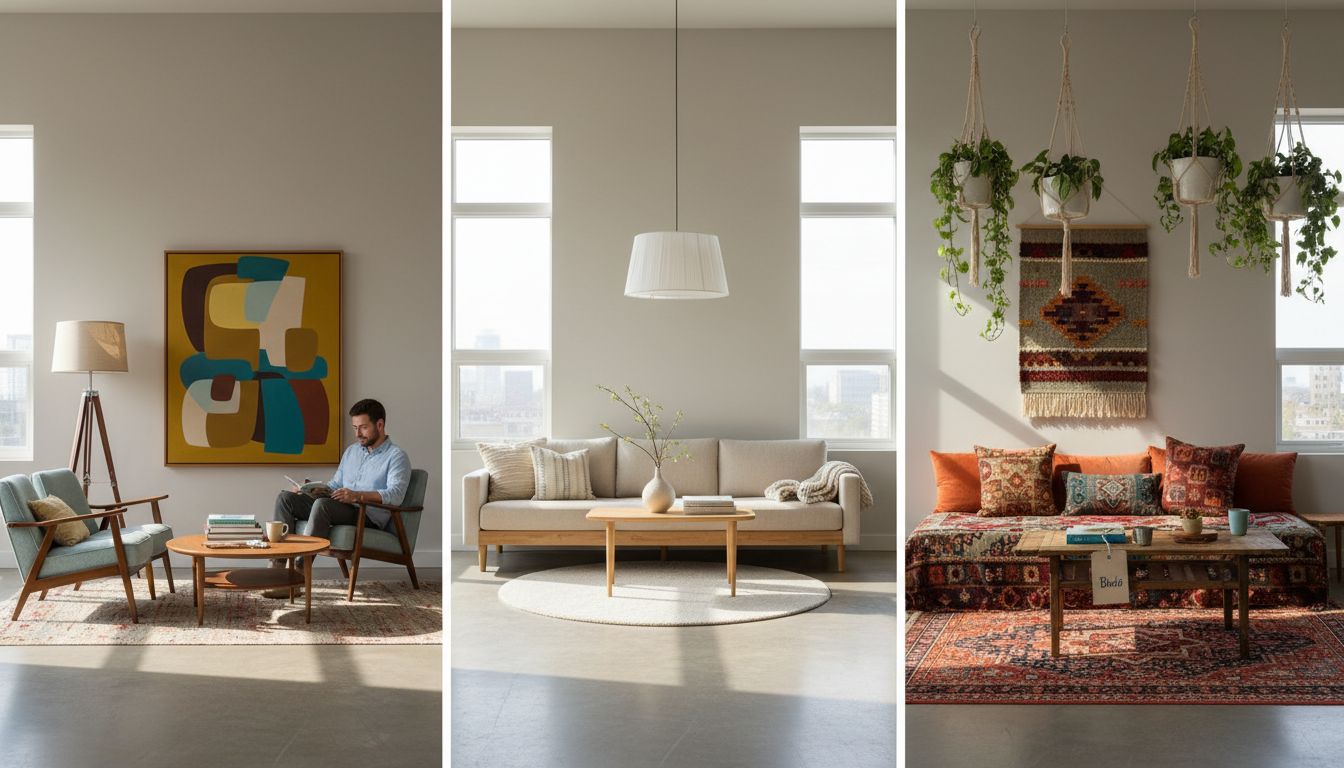
Other notable design styles include Industrial Chic, which celebrates raw architectural elements like exposed brick, metal fixtures, and utilitarian design principles, and Contemporary design, characterized by current trends that blend multiple stylistic influences with an emphasis on clean, sophisticated aesthetics. Coastal design draws inspiration from seaside environments, utilizing light colors, natural textures, and relaxed, breezy atmospheres that evoke maritime tranquility. Each style offers unique opportunities for personal expression and spatial transformation.
Choosing a design style involves understanding personal preferences, architectural context, and lifestyle requirements. While some individuals prefer strict adherence to a particular style, many contemporary designers advocate for a more flexible, hybrid approach that combines elements from multiple aesthetic traditions. The key is creating a space that feels authentic, comfortable, and reflective of individual personality while maintaining visual coherence and functional harmony.
Choosing Colors, Materials, and Textures
Selecting the right colors, materials, and textures is a critical aspect of interior design that transforms spaces from mere rooms to personalized environments. Color psychology in design plays a pivotal role in creating emotional connections and setting the overall mood of an interior space. The interplay between color, texture, and material can dramatically influence how individuals perceive and experience a room.
When approaching color selection, designers must consider multiple factors beyond aesthetic preferences. Psychological impact is paramount, with different colors evoking distinct emotional responses. Warm tones like reds and oranges can create energy and intimacy, while cool blues and greens promote calmness and relaxation. Texture introduces depth and tactile complexity, transforming visual experiences through materials like smooth marble, rough stone, soft fabrics, or sleek metals. Natural materials such as wood, stone, and organic textiles can add warmth and authenticity to interior spaces, creating a sense of connection with the environment.
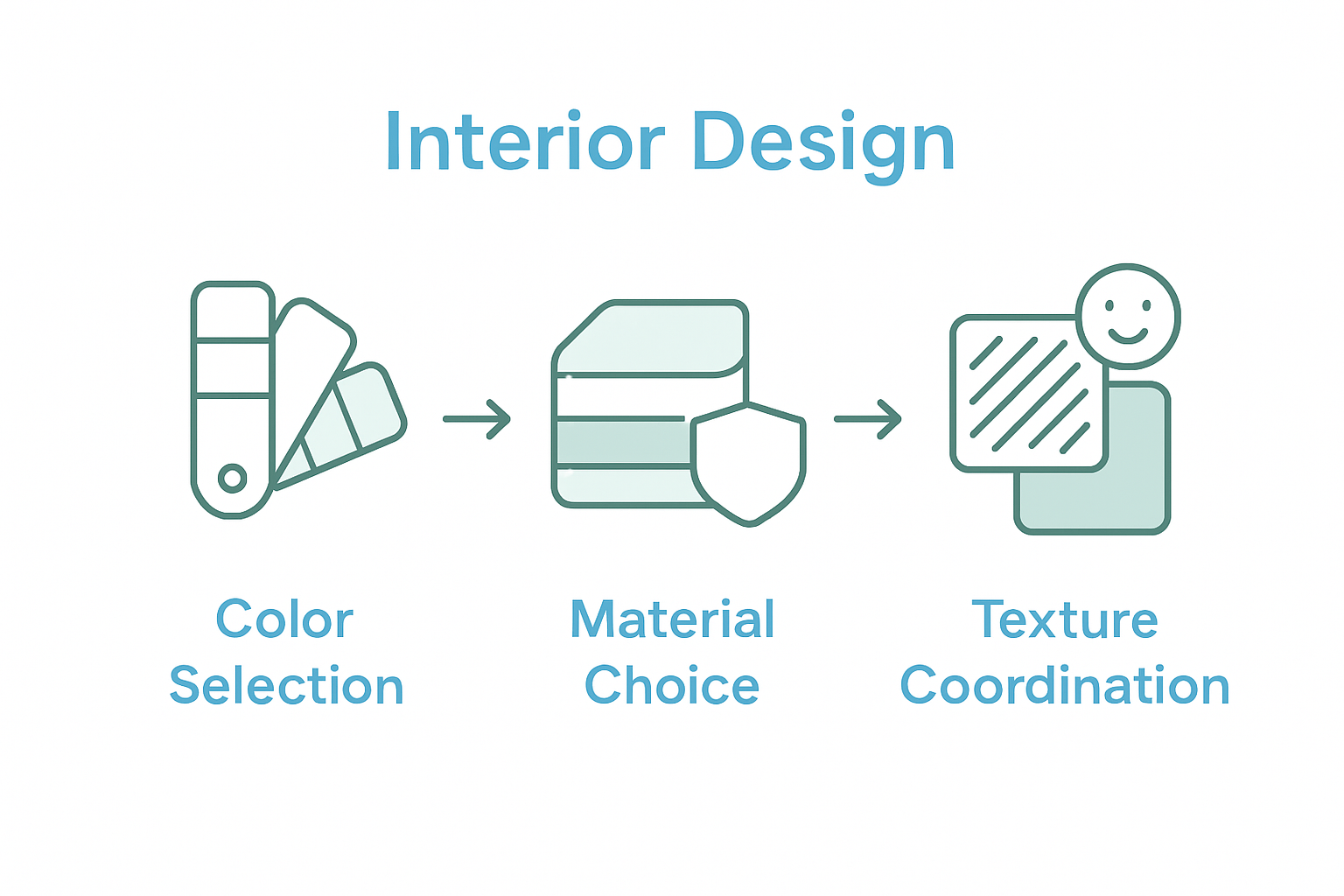
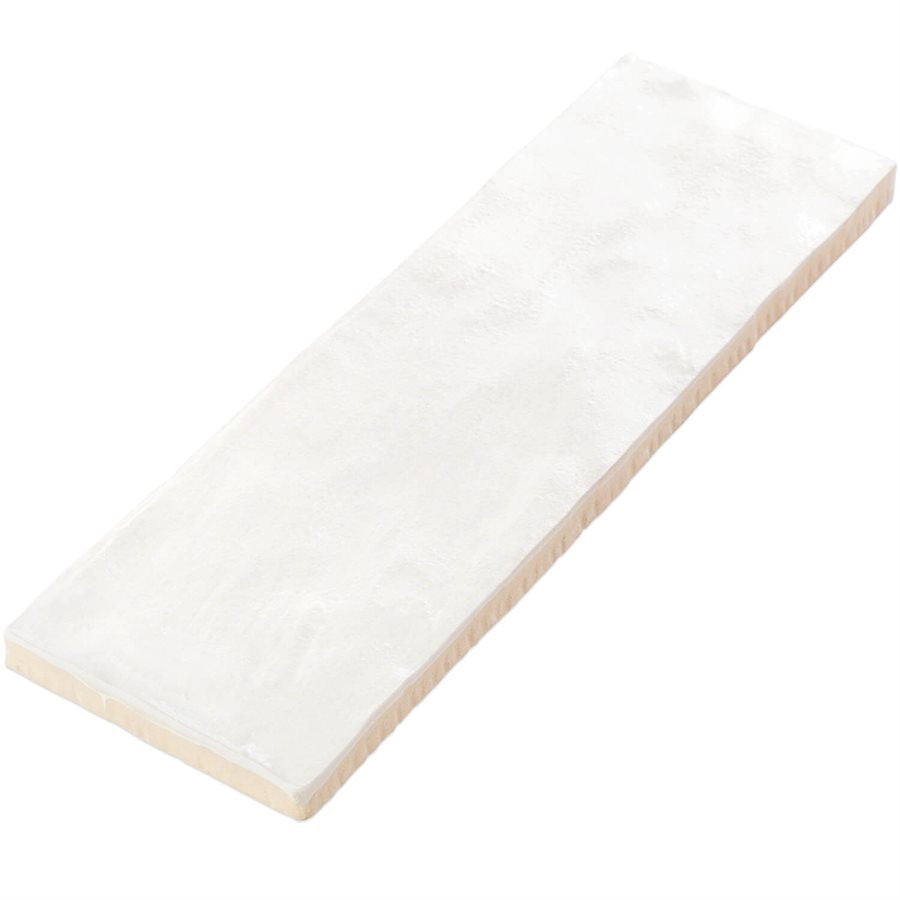
Materials selection goes beyond visual appeal, encompassing practical considerations of durability, maintenance, and environmental sustainability. Sustainable design principles encourage selecting materials that minimize environmental impact while maintaining aesthetic and functional quality. Ceramic tiles, natural stone, recycled materials, and low-emission finishes represent intelligent choices for environmentally conscious interior design. Textural variety can be achieved by combining different materials strategically—pairing smooth surfaces with rough textures, or integrating soft textiles with hard architectural elements to create visual and sensory intrigue.
Ultimately, successful material and color selection requires a holistic approach that balances personal style, functional requirements, and design principles. Designers and homeowners should view color, texture, and material as interconnected elements that work together to create cohesive, expressive spaces. Experimenting with samples, understanding lighting conditions, and considering the specific context of each room will help create interiors that are not just visually stunning, but also emotionally resonant and functionally superior.
Space Planning and Furniture Layout Essentials
Space planning is the foundational art of transforming physical environments into functional, aesthetically pleasing living spaces. High contrast interior design demonstrates how strategic spatial arrangements can create visual drama and enhance the overall perception of a room. Understanding the fundamental principles of space planning allows designers and homeowners to maximize both functionality and visual appeal.
Spatial flow is the critical backbone of effective interior design, determining how people move through and interact with a space. Designers must consider multiple factors when arranging furniture, including traffic patterns, room dimensions, natural light sources, and intended functional zones. The goal is creating harmonious environments that feel both intuitive and comfortable. Furniture placement should facilitate smooth movement, create conversational areas, and establish clear visual hierarchies within a room. Key strategies include maintaining adequate clearance between furniture pieces, creating focal points, and ensuring each area serves a distinct purpose without feeling fragmented.
Practical space planning involves careful measurement and strategic thinking. Professionals recommend starting with accurate room dimensions and creating scaled furniture layouts that account for architectural features like windows, doors, and structural elements. Multi-functional furniture pieces can be particularly effective in smaller spaces, offering flexibility and maximizing available square footage. Consider pieces that serve multiple purposes—such as storage ottomans, extendable dining tables, or modular seating arrangements—which provide versatility without compromising aesthetic integrity.
Ultimately, successful space planning is about balancing form and function, creating environments that not only look beautiful but also support the daily rhythms of life. It requires a nuanced understanding of human behavior, spatial perception, and design principles. By thoughtfully considering scale, proportion, and functionality, designers can transform ordinary rooms into extraordinary living experiences that feel both personally meaningful and professionally curated.
Avoiding Common Beginner Design Mistakes
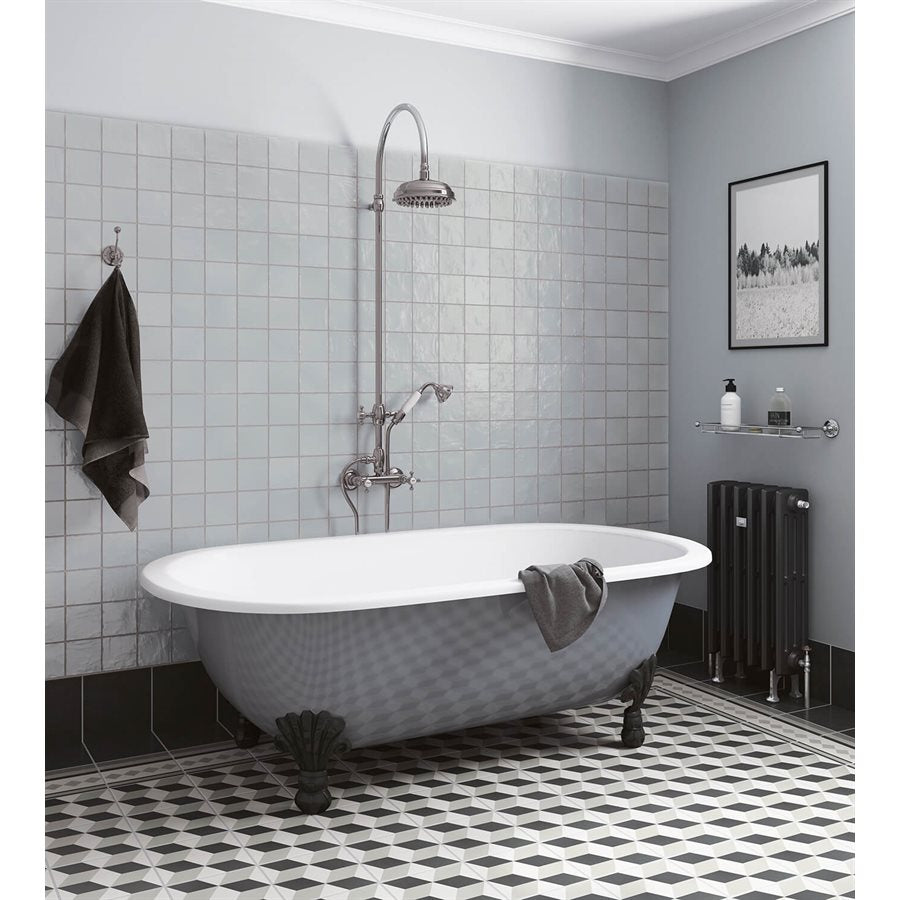
Every interior design journey comes with potential pitfalls that can derail even the most well-intentioned projects. Calming color schemes demonstrate how thoughtful design choices can transform spaces, but beginners often stumble through common mistakes that compromise their vision. Understanding these potential errors is the first step toward creating truly remarkable interiors.
One of the most frequent design missteps involves improper scale and proportion. Beginners often select furniture that either overwhelms or underwhelms a space, creating visual disharmony. This mistake can make rooms feel cramped or uncomfortably sparse. Proper furniture selection requires careful measurement and an understanding of spatial relationships. Another critical error is neglecting lighting design, which plays a crucial role in establishing mood and functionality. Many novice designers underestimate the importance of layered lighting—combining ambient, task, and accent lighting to create depth and flexibility within a space.
Color selection presents another significant challenge for beginners. Inexperienced designers frequently make the mistake of choosing colors in isolation, without considering how they interact with existing elements, natural light, and the overall room context. Matching colors without understanding their psychological impact and visual relationships can lead to jarring or emotionally disconnected spaces. Additionally, many novices struggle with creating visual unity while maintaining interesting variety. The key is finding a delicate balance between cohesion and contrast, ensuring that different design elements communicate harmoniously without becoming monotonous.
Ultimately, successful interior design requires a holistic approach that goes beyond surface-level aesthetics. Beginners should embrace a learning mindset, understanding that design is both an art and a science. Practical solutions include creating mood boards, collecting samples, and spending time observing how spaces feel and function in real life. By approaching design with patience, curiosity, and a willingness to experiment, novices can transform potential mistakes into valuable learning experiences that ultimately elevate their design skills.
Transform Your Interior Design Vision with TileChoices.com
Starting your interior design journey can feel overwhelming when it comes to selecting the right elements like colors, textures, and materials that truly bring your space to life. This guide highlights common challenges such as achieving harmony in space planning, choosing functional and aesthetically pleasing tiles, and avoiding beginner mistakes that affect scale and lighting. Your goal is to create rooms that are not only beautiful but also feel personalized and practical.
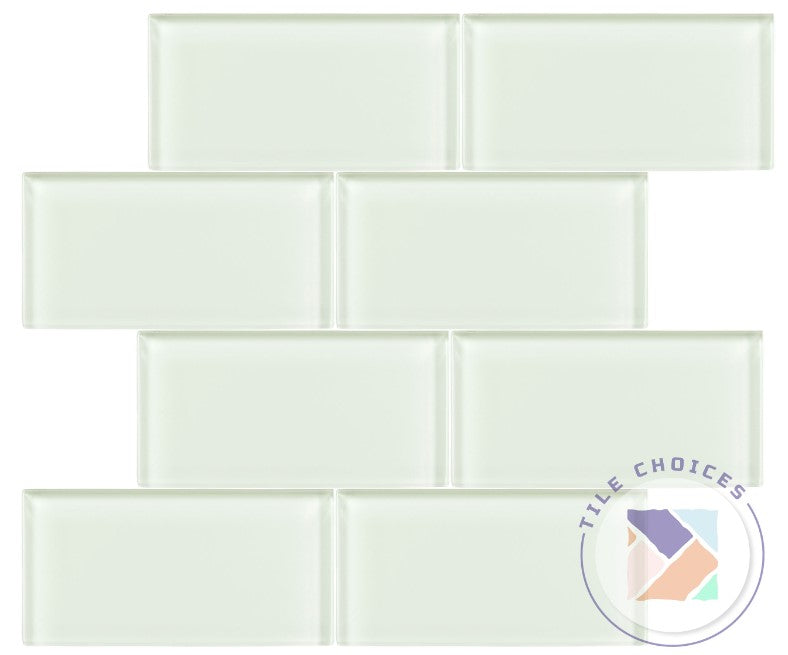
At TileChoices.com, we understand these exact needs. Our extensive collection of high-quality tiles—from ceramic to natural stone—offers you effortless solutions that blend style and durability. Whether you want to enhance your kitchen backsplash or create stunning bathroom walls, our curated selections help you implement design principles with confidence. Explore how mixing tile patterns can add visual interest or discover nature-inspired interiors to bring warmth and authenticity to your home.
Ready to turn your interior design ideas into reality? Visit TileChoices.com today to shop materials that support your vision and get inspired with expert tips to avoid common pitfalls. Start creating the beautiful, functional spaces you deserve now.