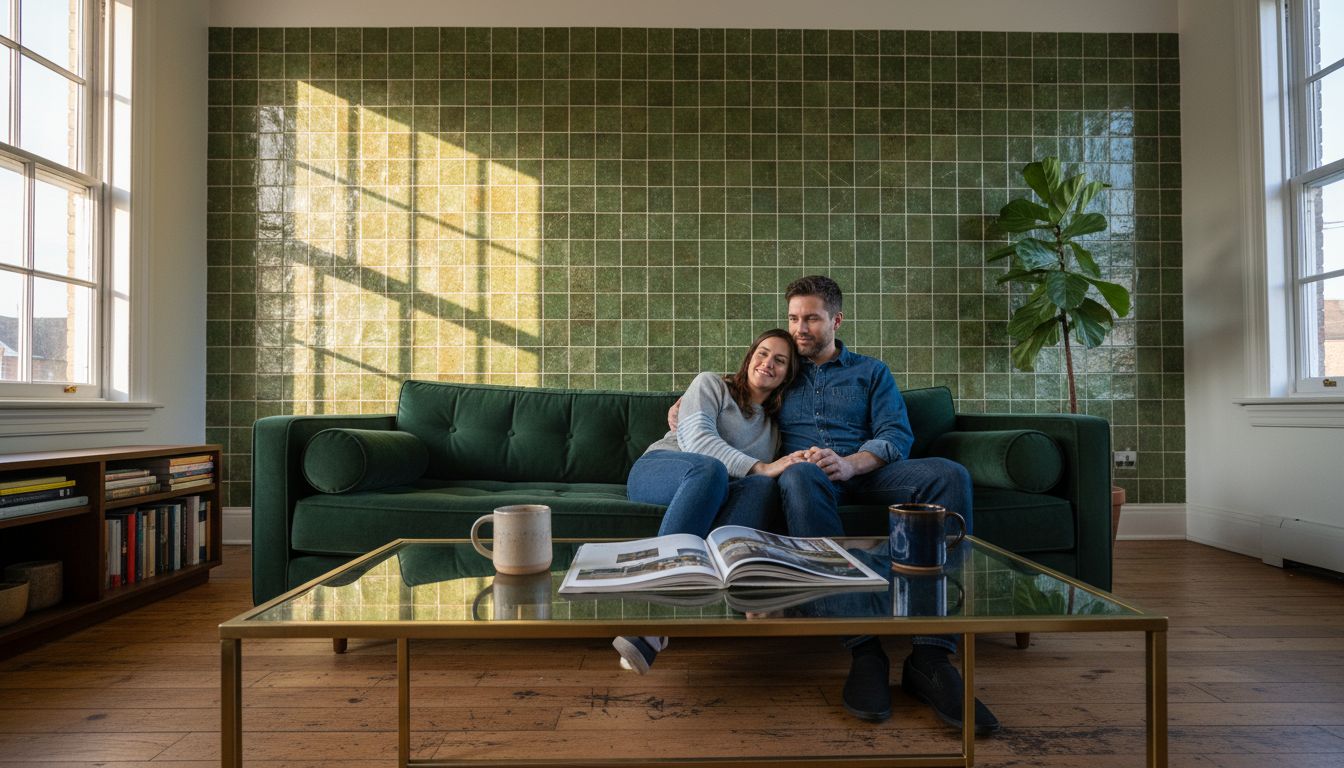
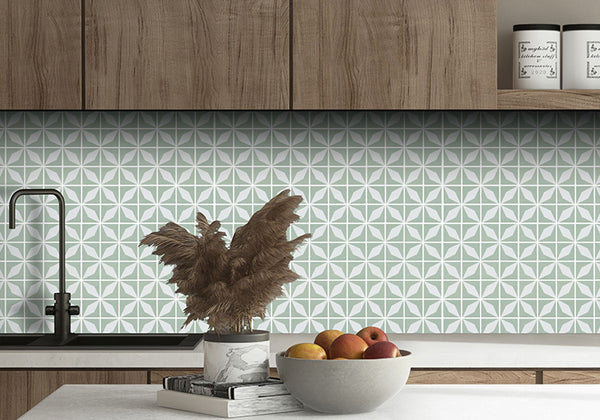
Over 60 percent of American homeowners say color choices drive their interior design decisions. The rise of green pattern tiles reflects a growing demand for spaces that feel both natural and innovative. With bold botanical motifs and precise geometric styles, these eye-catching tiles offer endless ways to transform any room. Learn how American preferences for sustainability and creative expression are shaping the future of tile design—making green patterns a standout choice for modern living.
Table of Contents
- Defining Green Pattern Tile Styles And Uses
- Popular Materials And Distinct Pattern Choices
- Design Applications In Residential And Commercial Spaces
- Green Pattern Tile Installation And Durability Factors
- Comparing Green Pattern Tile To Other Tile Trends
Key Takeaways
| Point | Details |
|---|---|
| Versatile Aesthetics | Green pattern tiles blend ecological design with various patterns, enhancing interior spaces with visual narratives. |
| Material Variability | Options like ceramic, porcelain, and cement offer unique properties for diverse applications and sustainability. |
| Functional Design Applications | These tiles are valuable in both residential and commercial settings, influencing mood and functionality through strategic design choices. |
| Installation Importance | Proper installation techniques and material selection are essential for ensuring durability and visual appeal in green pattern tiles. |
Defining Green Pattern Tile Styles and Uses
Green pattern tiles represent a dynamic intersection of color psychology and design innovation, offering homeowners and designers a powerful tool for transforming interior spaces. These distinctive tiles blend ecological aesthetics with geometric and organic design elements, creating visual narratives that extend beyond traditional decorative boundaries. Consumer preferences for ceramic tile designs reveal that color and pattern significantly impact aesthetic appeal and functional use in modern interiors.
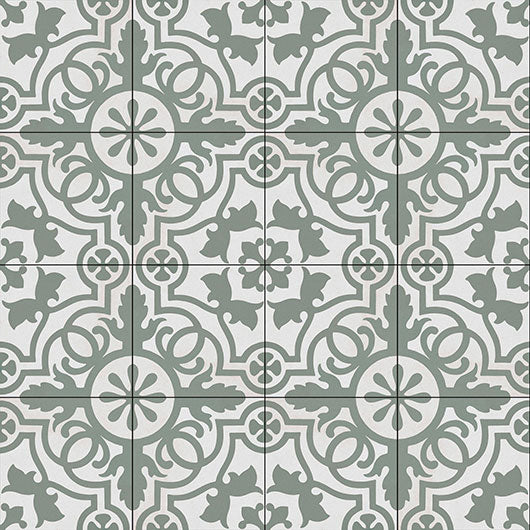
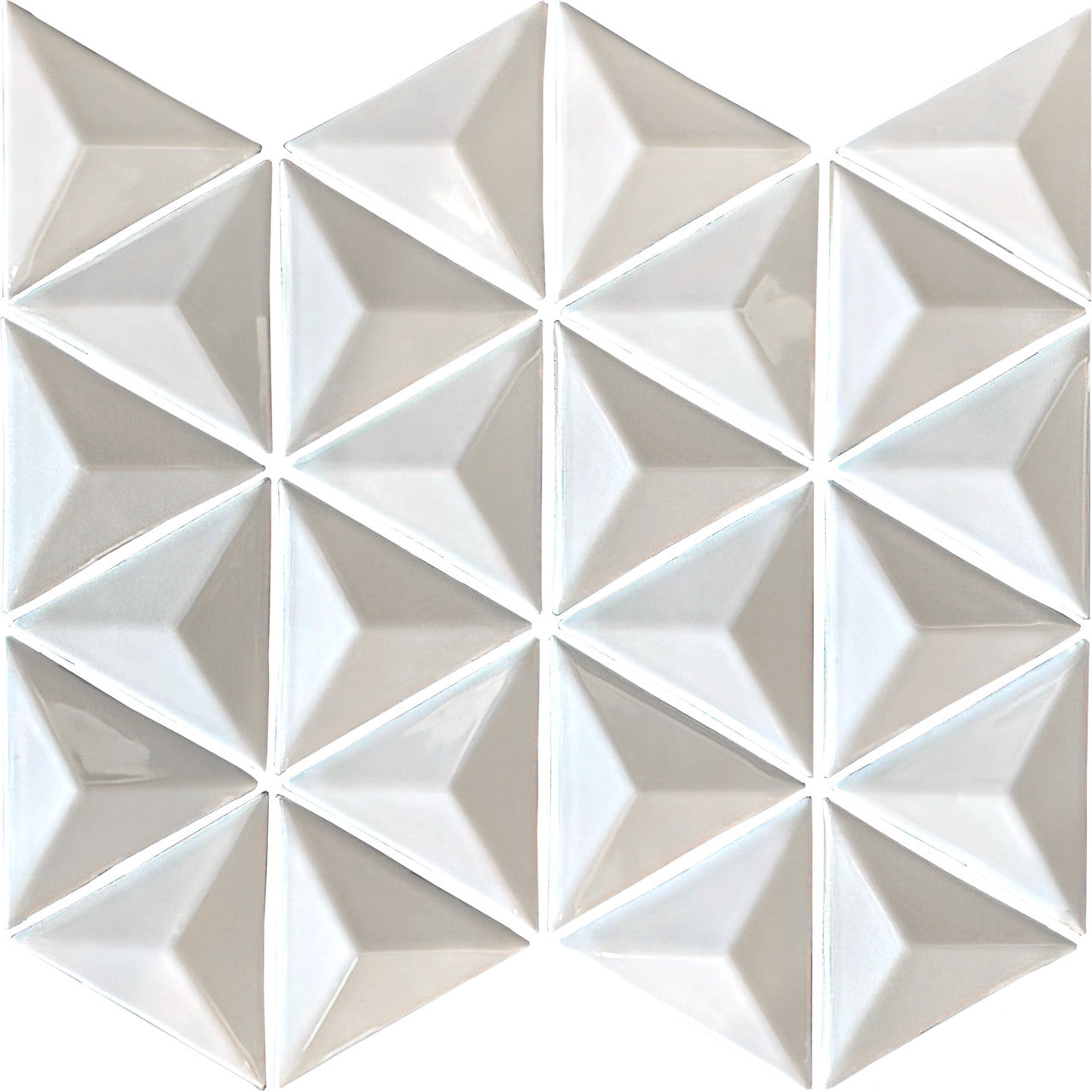
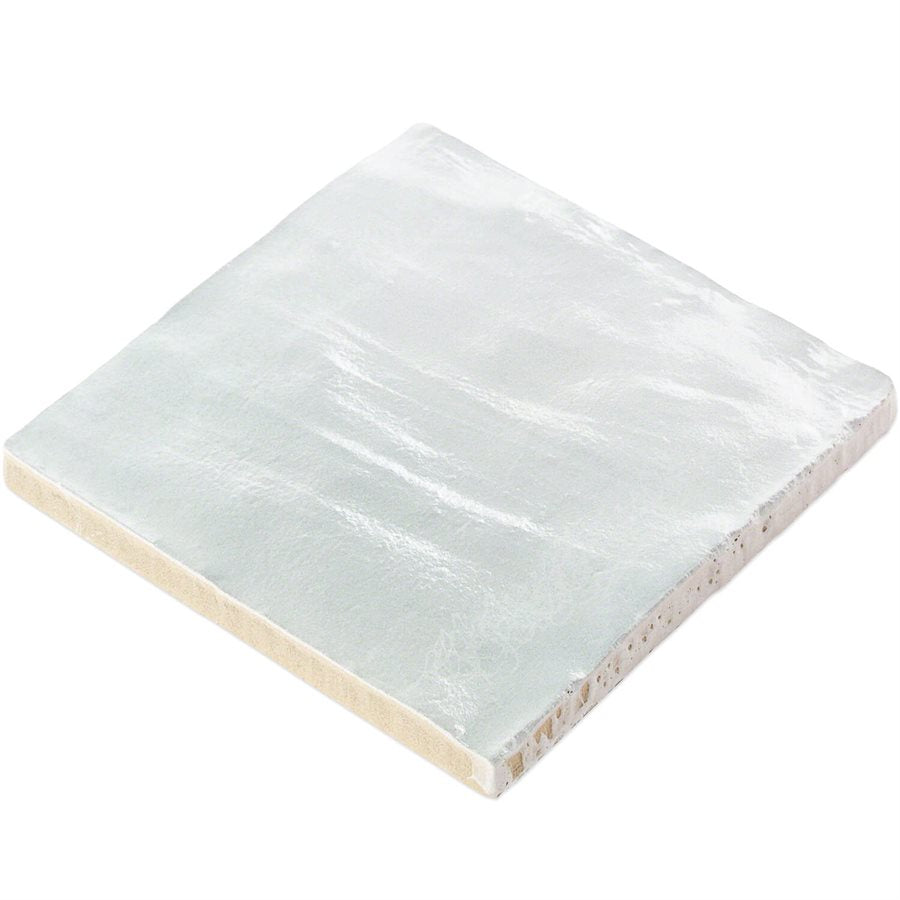
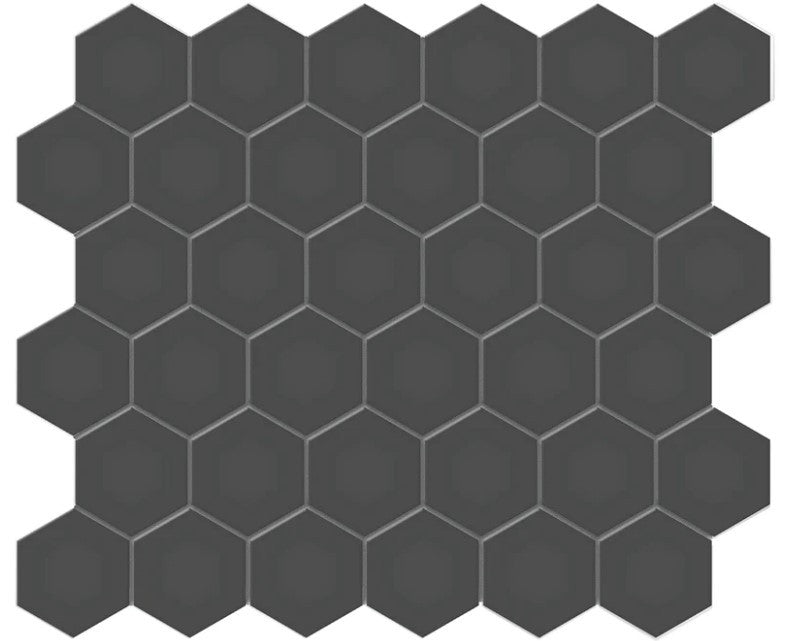
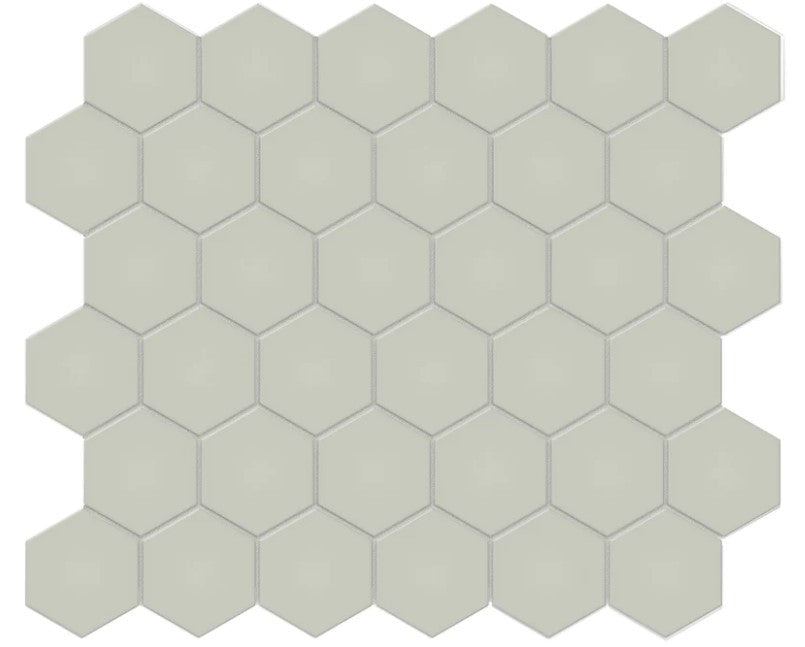
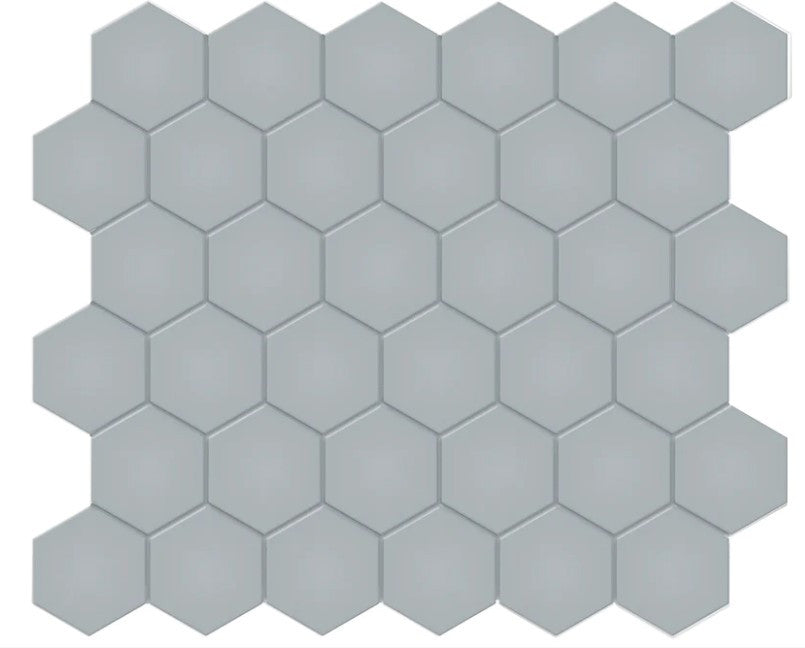
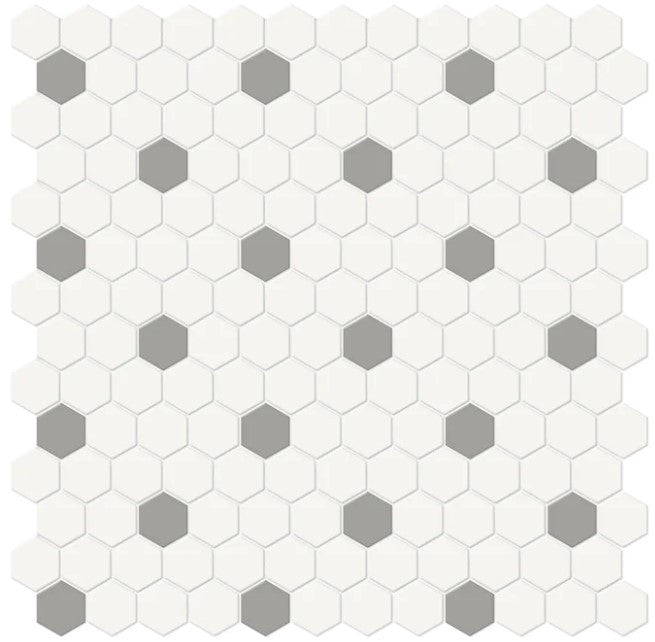
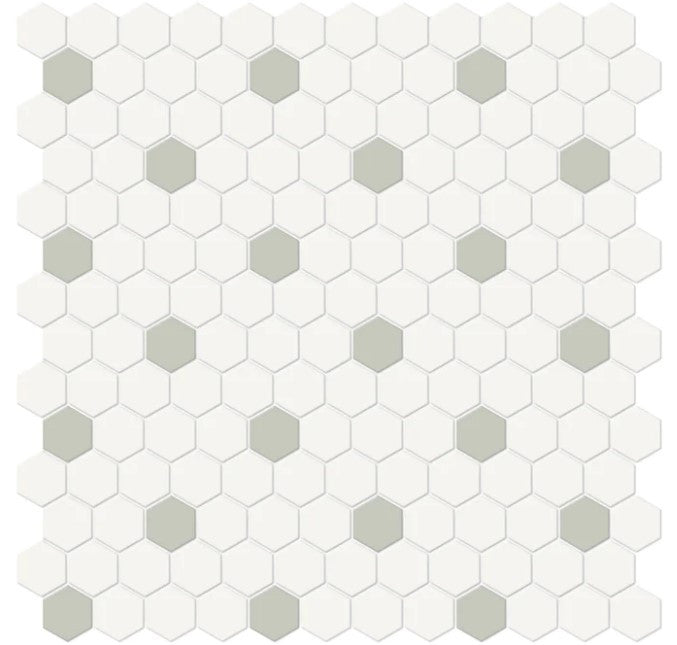
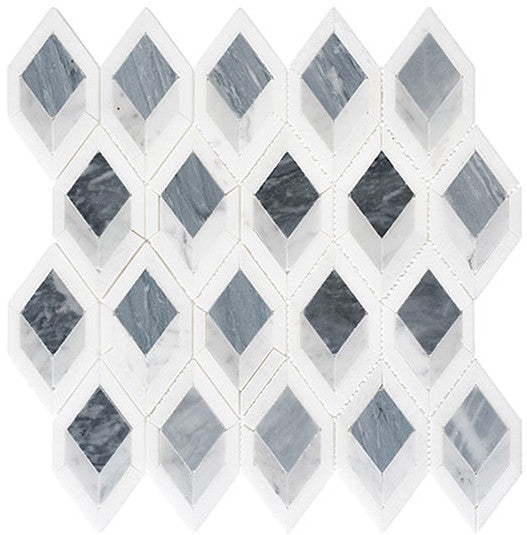
The spectrum of green pattern tiles encompasses multiple stylistic approaches, ranging from subtle mint geometric arrangements to bold emerald botanical motifs. Geometric patterns typically feature mathematical precision with shapes like hexagons, triangles, and chevrons, while organic patterns incorporate natural inspirations such as leaves, vines, and abstract landscape representations. Diverse cement tile patterns demonstrate how cultural influences and design evolution contribute to these intricate visual compositions.
Designers leverage green pattern tiles across various interior contexts to achieve specific aesthetic and psychological effects. Common applications include:
- Kitchen backsplashes that introduce vibrant energy
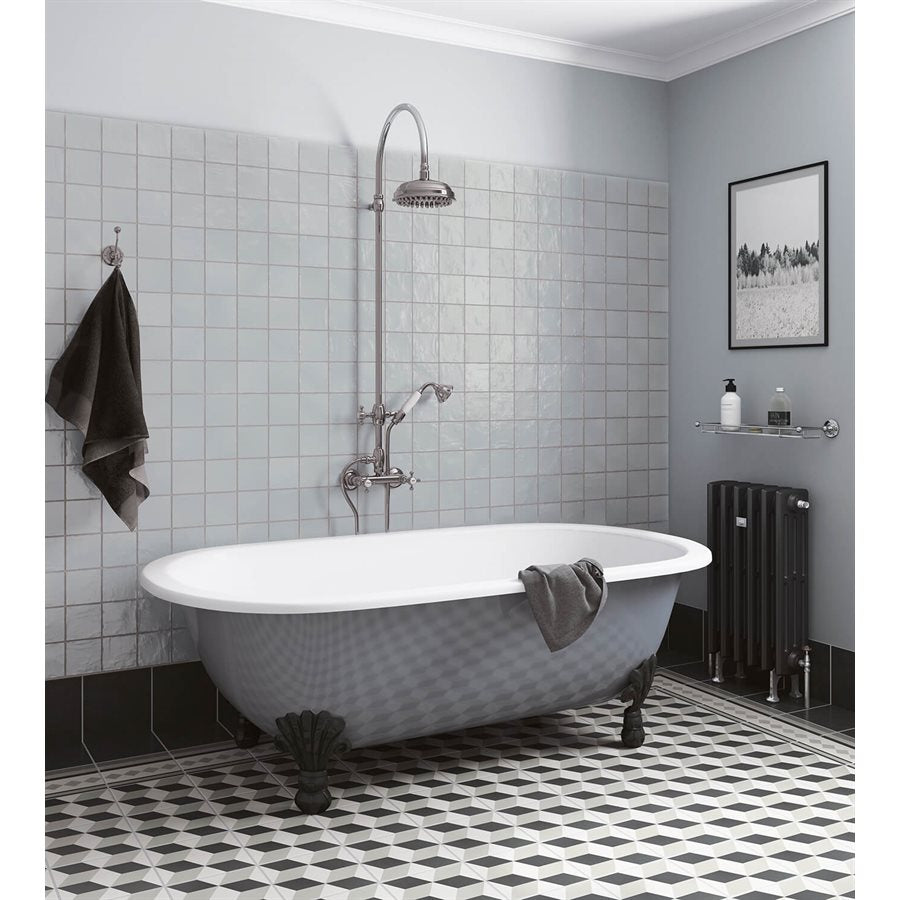
- Bathroom accent walls creating serene, nature-inspired environments
- Flooring designs that establish visual movement and depth
- Fireplace surrounds offering sophisticated, textural elements
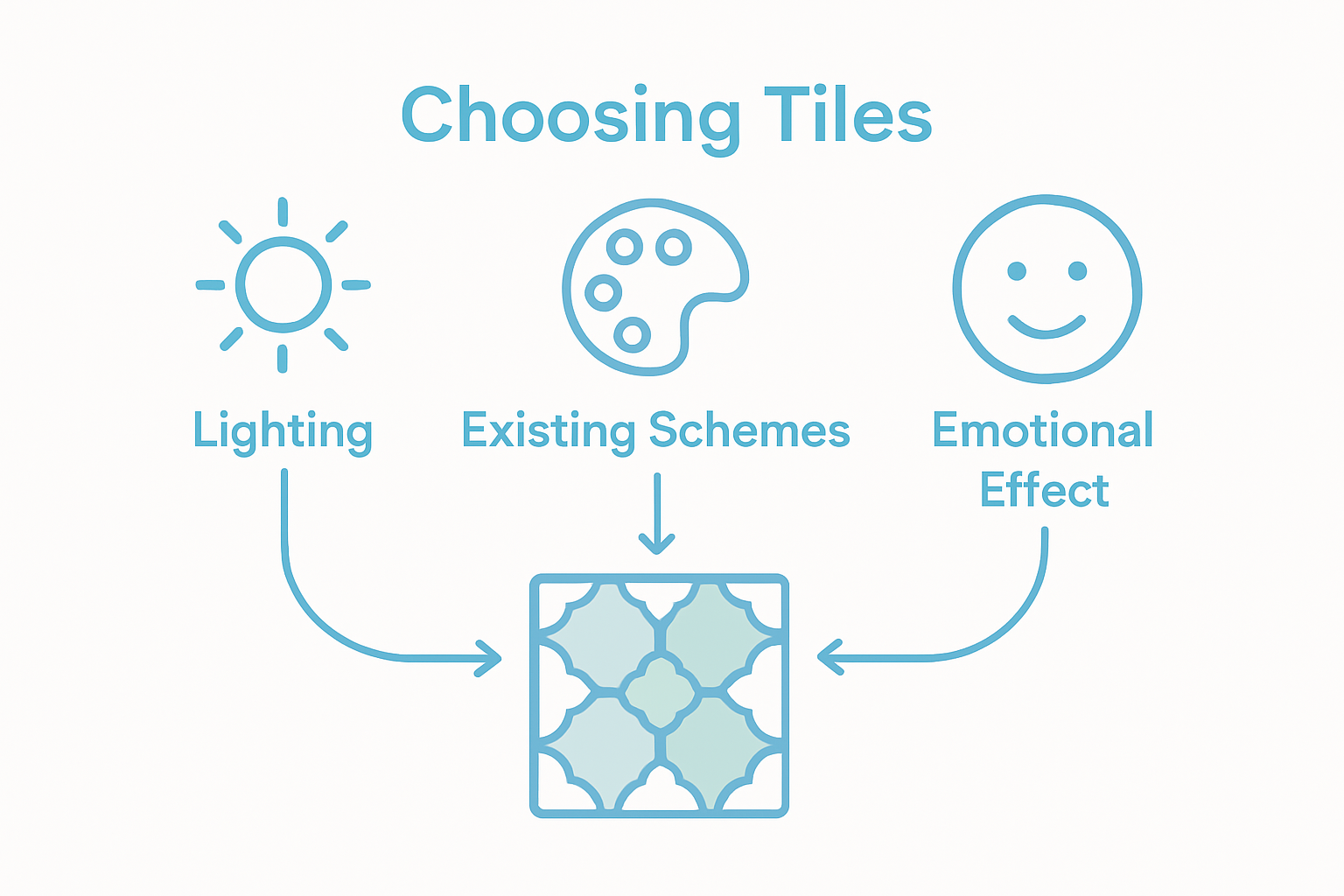
When selecting green pattern tiles, consider factors like room lighting, existing color schemes, and the specific emotional atmosphere you want to create. Lighter green tones can make spaces feel more expansive and refreshing, while deeper green patterns introduce sophistication and grounding energy.
Popular Materials and Distinct Pattern Choices
Green pattern tiles offer an impressive range of materials and design options, each contributing unique characteristics to interior spaces. Ceramic tile production techniques are evolving to minimize environmental impact, presenting designers and homeowners with increasingly sustainable choices that balance aesthetic appeal and ecological responsibility.
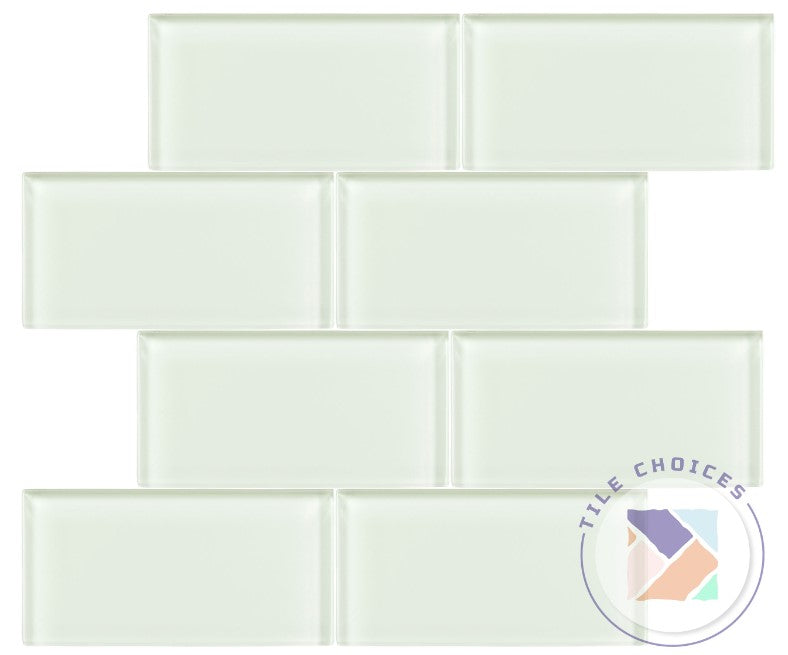
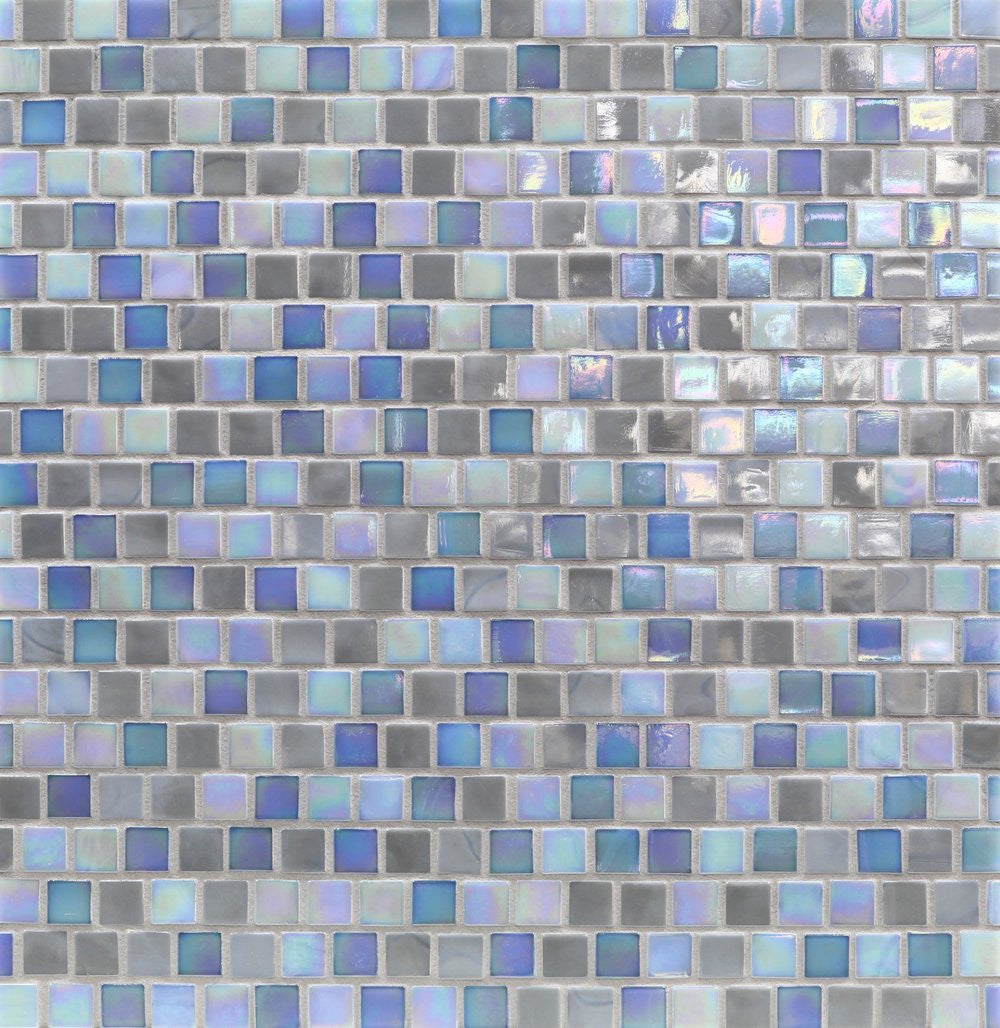
The primary materials for green pattern tiles include ceramic, porcelain, cement, and glass, each providing distinct visual and functional properties. Ceramic tiles remain the most versatile, offering intricate pattern possibilities with excellent durability. Porcelain tiles deliver superior density and moisture resistance, making them ideal for high-traffic areas and spaces requiring robust performance. Cement tiles provide rich, handcrafted appearances with complex geometric and organic patterns, while glass tiles introduce luminosity and depth to green design schemes.
When exploring pattern choices, designers typically categorize green tiles into several distinctive styles:
- Geometric Patterns: Precise shapes like hexagons, triangles, and chevrons
- Botanical Patterns: Natural motifs featuring leaves, vines, and floral elements
- Abstract Patterns: Contemporary designs with fluid, non-representational forms
- Gradient Patterns: Tiles featuring seamless color transitions within green spectrum
Life cycle analyses of ceramic tile production reveal that material selection significantly impacts environmental sustainability. Homeowners and designers increasingly prioritize tiles manufactured through responsible processes, selecting materials that minimize waste and energy consumption while maintaining exceptional aesthetic and functional qualities.
Design Applications in Residential and Commercial Spaces
Green pattern tiles offer remarkable versatility across diverse interior environments, transforming both residential and commercial spaces with their distinctive visual language. Consumer preferences for ornamental flooring design demonstrate how strategic tile selection can dramatically enhance aesthetic and functional attributes of different interior settings.
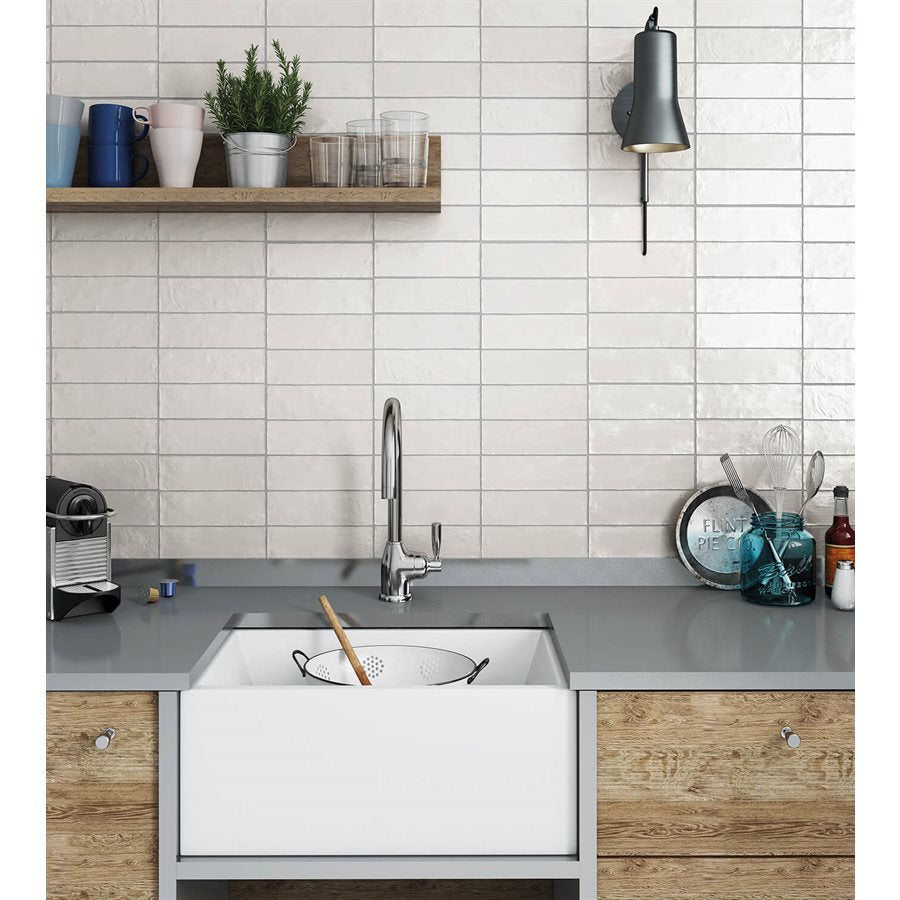
In residential contexts, green pattern tiles create powerful design statements across multiple spaces. Kitchen environments benefit from intricate green tile backsplashes that introduce vibrant energy and visual depth. Bathroom designs leverage these tiles to establish serene, nature-inspired atmospheres, while living room accent walls use green geometric or botanical patterns to create focal points that reflect individual style and environmental consciousness. Mixing tile patterns for stunning spaces becomes an art form when designers thoughtfully combine different green tile styles.
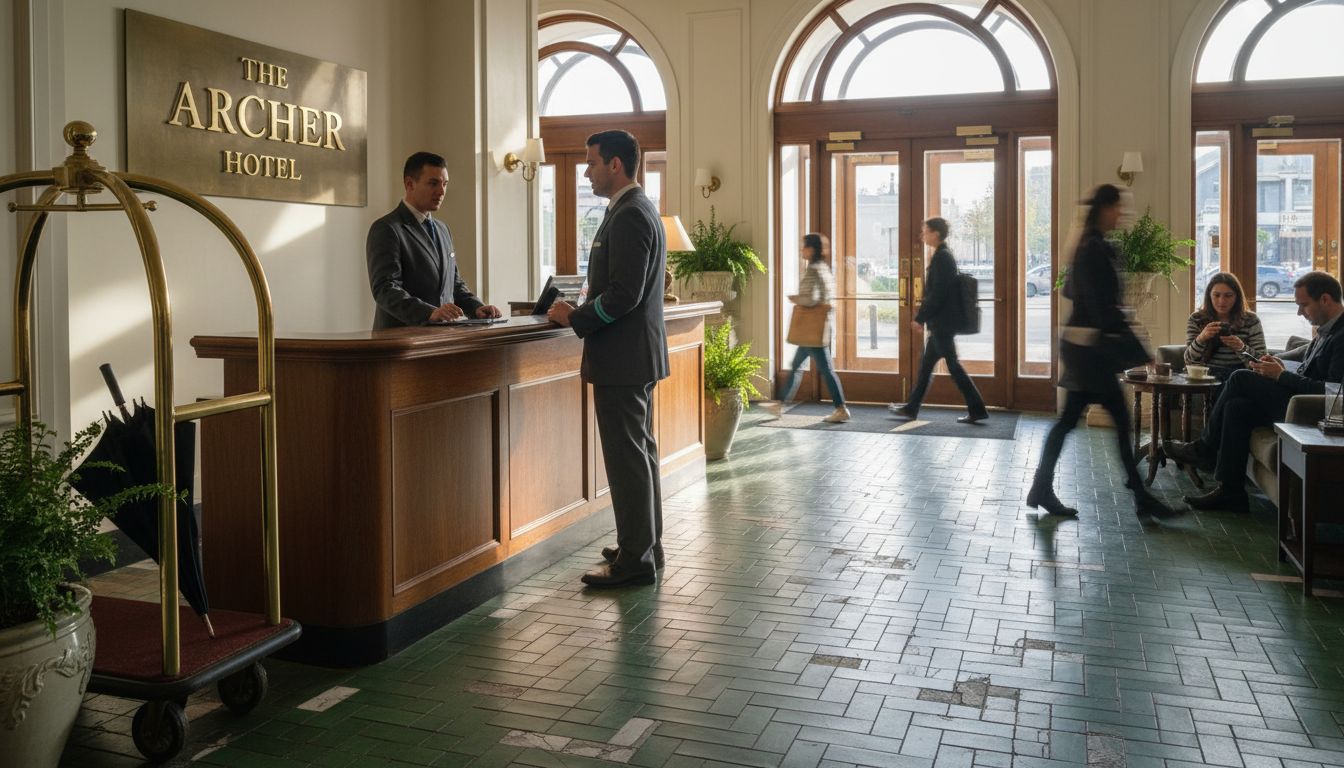
Commercial applications of green pattern tiles extend beyond traditional aesthetic considerations, incorporating functional and psychological design principles. Spaces like:
- Corporate lobbies using sophisticated emerald geometric tiles
- Healthcare facilities implementing calming sage green patterns
- Hospitality environments creating immersive, nature-inspired experiences
- Retail spaces designing engaging, dynamic visual landscapes
Designers must consider factors like lighting, spatial dimensions, and intended emotional response when selecting green pattern tiles. Lighter green tones can make spaces feel more expansive and refreshing, while deeper, more saturated greens introduce sophistication and a sense of grounded elegance across residential and commercial design contexts.
Green Pattern Tile Installation and Durability Factors
Ceramic tile recycling and sustainable installation methods are transforming the approach to green pattern tile implementation, emphasizing both environmental responsibility and long-term performance. Proper installation techniques are critical to ensuring the longevity and aesthetic appeal of green pattern tiles across residential and commercial spaces.
Subfloor Preparation represents the foundational element of successful tile installation. Contractors must assess surface flatness, structural integrity, and moisture conditions before beginning the installation process. Porcelain and ceramic green pattern tiles require a level substrate with minimal deflection, typically demanding:
- Careful assessment of existing surface conditions
- Potential use of leveling compounds
- Ensuring proper moisture barrier implementation
- Addressing any structural irregularities before tile placement
Innovative ceramic tile production strategies highlight the importance of material selection in determining overall tile durability. The selection process involves evaluating multiple factors:
- Wear Resistance: Measuring the tile’s ability to withstand foot traffic
- Water Absorption Rate: Determining suitability for moisture-prone areas
- Breaking Strength: Assessing the tile’s structural integrity
- Chemical Resistance: Evaluating performance against potential staining agents
Professional installation requires precise techniques, including selecting appropriate adhesives, using correct grout application methods, and implementing proper expansion joint strategies. Homeowners should consider professional installation for complex green pattern tile projects, especially in areas with challenging environmental conditions or intricate design requirements.
Comparing Green Pattern Tile to Other Tile Trends
Life cycle analyses in the ceramic tile industry reveal significant differences between green pattern tiles and traditional tile trends, highlighting their unique environmental and aesthetic characteristics. Unlike conventional tile options, green pattern tiles represent a sophisticated fusion of design innovation and ecological consciousness.
Compared to traditional solid-color or minimalist tile designs, green pattern tiles offer distinct advantages. Geometric variations and botanical motifs provide more visual complexity than standard monochromatic tiles, creating depth and narrative within interior spaces. Neutral tile trends typically emphasize uniformity, whereas green pattern tiles introduce:
- Dynamic visual storytelling
- Increased textural complexity
- Enhanced spatial dimensionality
- Stronger emotional design connections
Consumer preferences for ornamental flooring demonstrate that green pattern tiles outperform other trends in several key dimensions. Sustainability-conscious consumers increasingly prefer tiles that combine aesthetic appeal with environmental responsibility. Other tile trends like marble-look, concrete-inspired, or terracotta designs often lack the nuanced ecological narrative embedded in green pattern tile collections.
Key comparative advantages of green pattern tiles include superior adaptability across design contexts, from minimalist modern interiors to eclectic bohemian spaces. Their ability to integrate natural color psychology with sophisticated design elements sets them apart from more traditional tile trends, offering designers and homeowners a more expressive and environmentally mindful flooring solution.
Elevate Your Space with Green Pattern Tiles from TileChoices.com
Transforming your interior with green pattern tiles brings nature’s calming energy and sophisticated style into your home or commercial space. This article highlights the importance of choosing the right tile patterns and materials to create vibrant yet serene environments. If you want to avoid common challenges like improper installation, poor durability, or mismatched designs, rely on expert guidance and a broad tile selection tailored to your unique aesthetic and functional needs.
At TileChoices.com, we offer a vast range of high-quality ceramic, porcelain, glass, and cement tiles that capture stunning green geometric and botanical patterns. Our curated collections enable you to find the perfect tiles for kitchen backsplashes, bathroom walls, floors, and fireplace surrounds. Plus, with detailed product information and customizable options, you can gain confidence in your choices and ensure your project reflects both style and sustainability.
Ready to transform your interiors with green pattern tiles that combine beauty and durability? Explore our comprehensive tile collections today and take advantage of our easy sample requests and expert customer support to bring your vision to life. Start designing a space that feels refreshing and timeless now.