
No reviews
The appeal of iridescent glass tiles goes well beyond aesthetics. Here is why designers, contractors, and homeowners consistently reach for them when a project calls for something truly special.
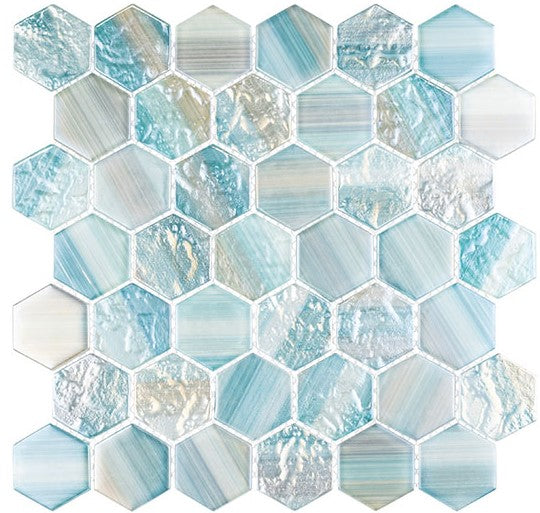
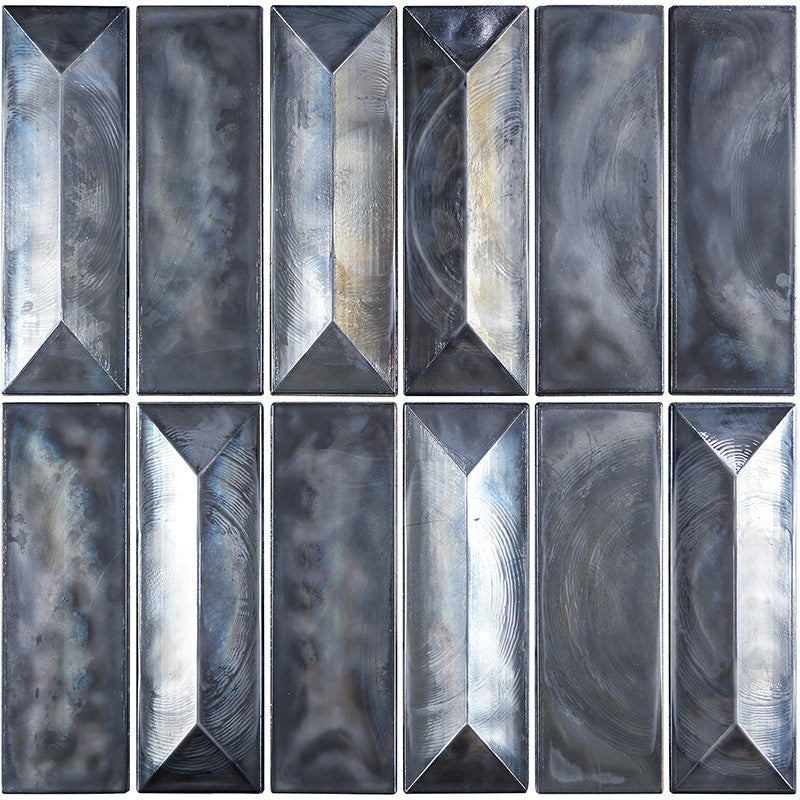
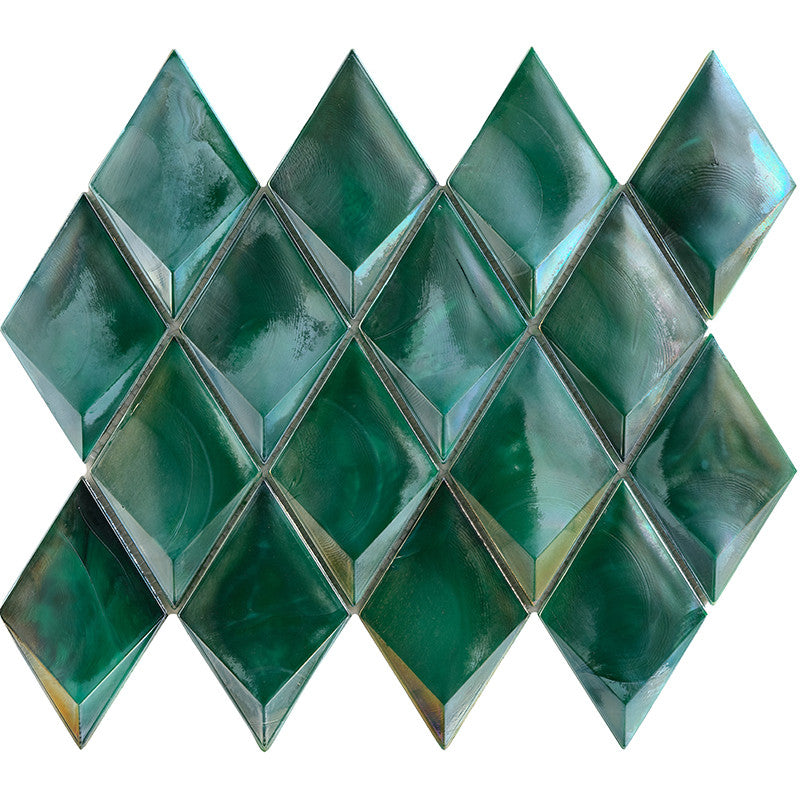
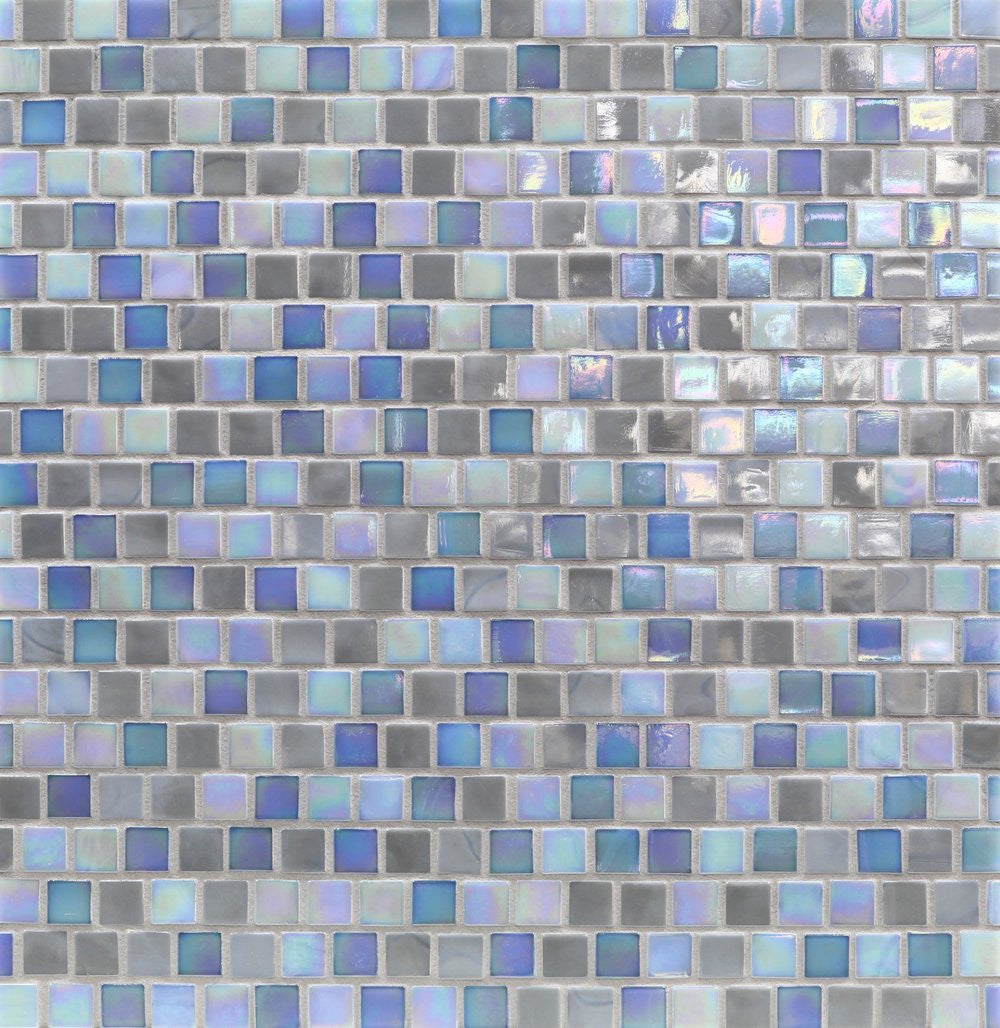
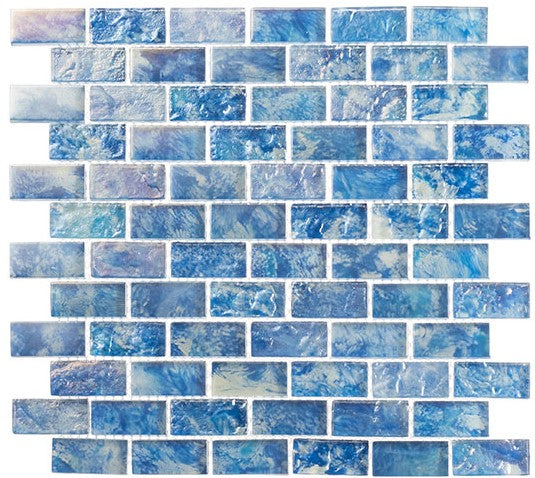
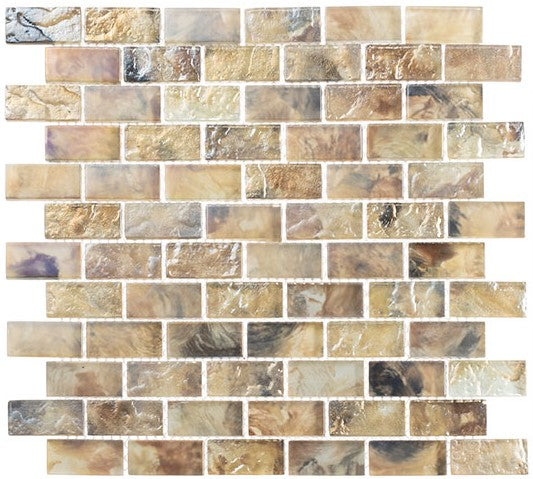
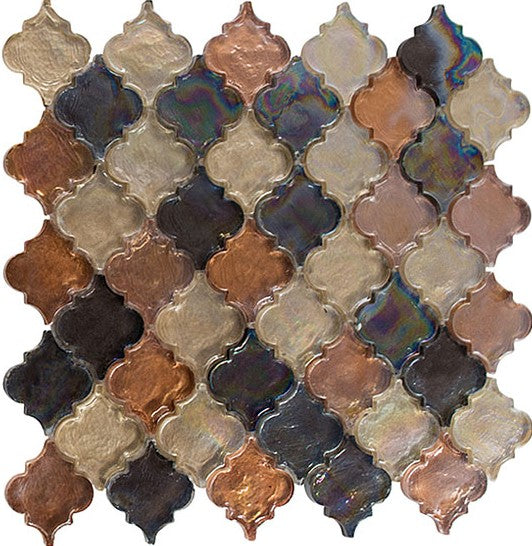
The defining characteristic of iridescent glass tile is its thin-film coating, a special glazing process that bends and separates light into the full visible spectrum. The result is a surface that shifts from one color to another as you move around the room. In a kitchen, this means your backsplash appears soft and subtle in morning light, then bursts into jewel-toned brilliance under evening pendant lights. In a shower, the steam and diffused light create an almost gemstone-like glow that turns a daily routine into a sensory experience.
Glass is inherently non-porous, which means iridescent glass tiles will not absorb water, harbor bacteria, or stain from common household spills. A quick wipe with a damp cloth is all that is needed for routine cleaning. Unlike natural stone, glass tiles do not require sealing. Their scratch-resistant surface holds up beautifully in kitchens, bathrooms, and even commercial applications where heavy use is a concern.
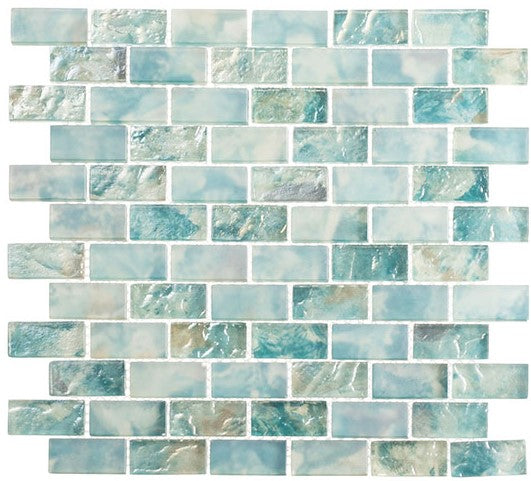
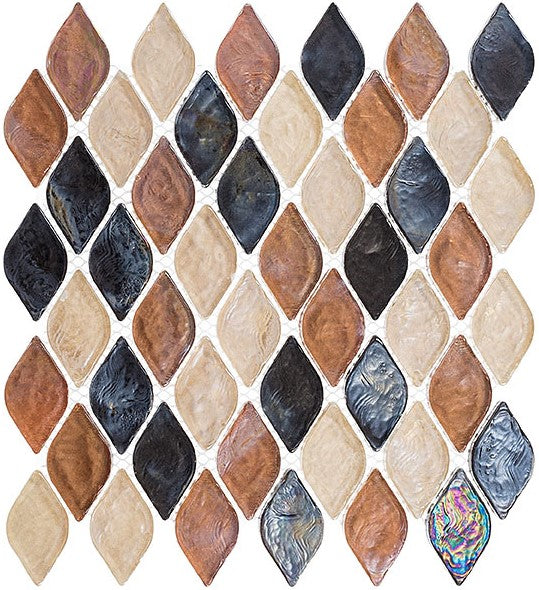
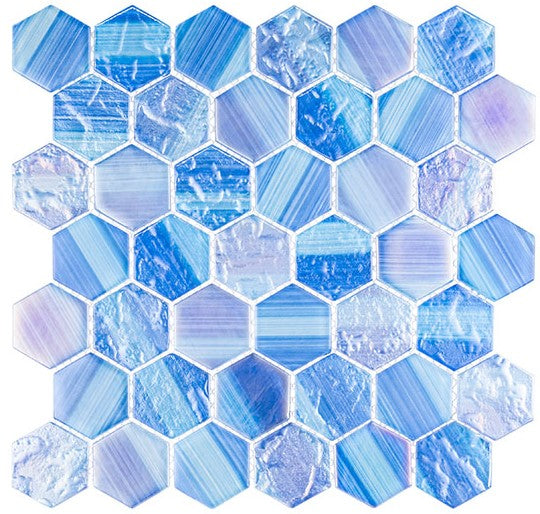
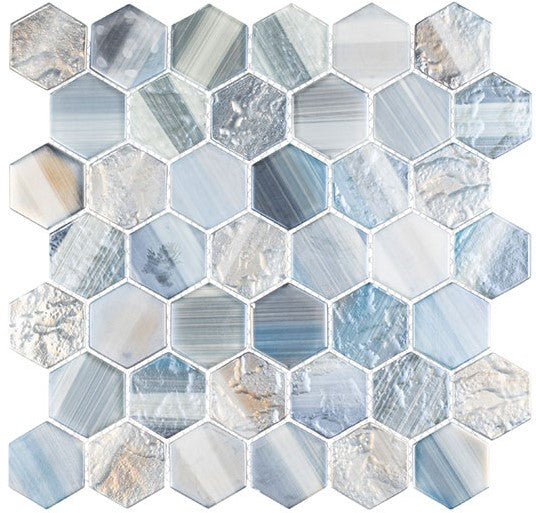
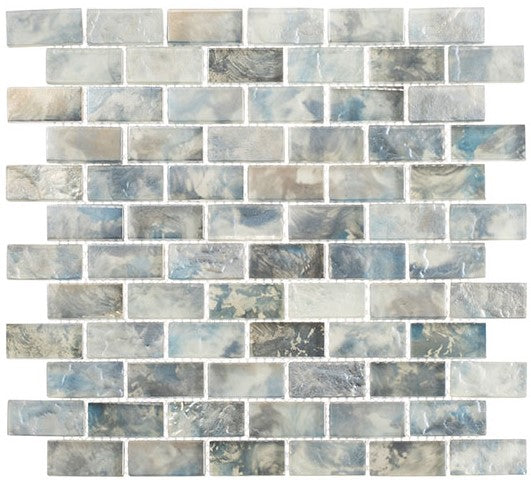
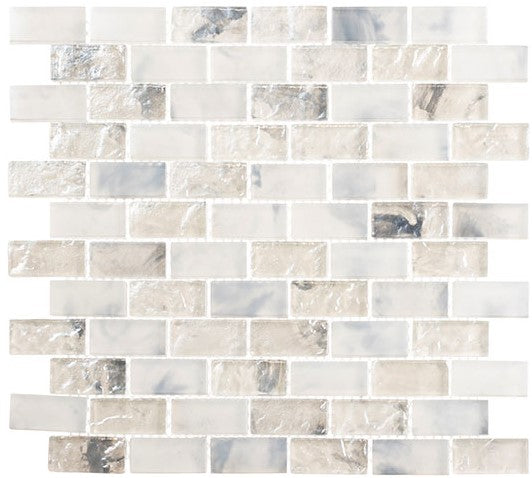
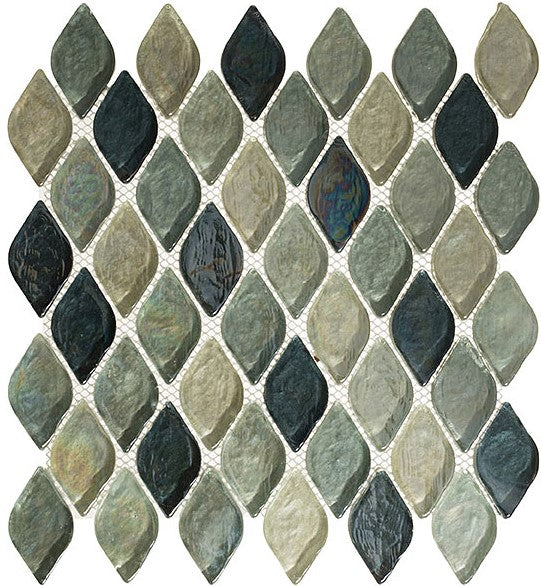
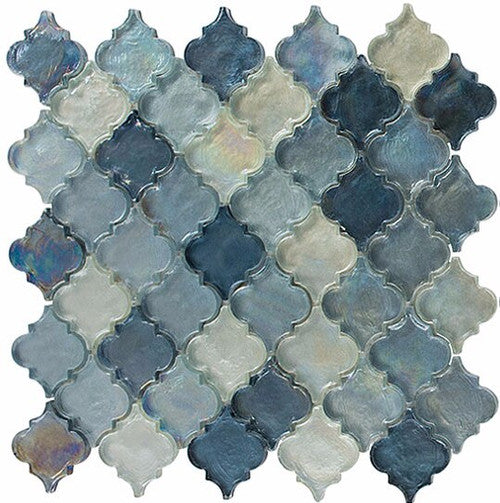
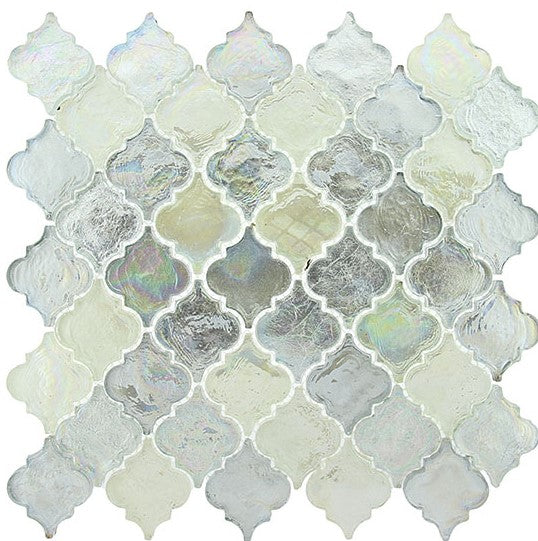
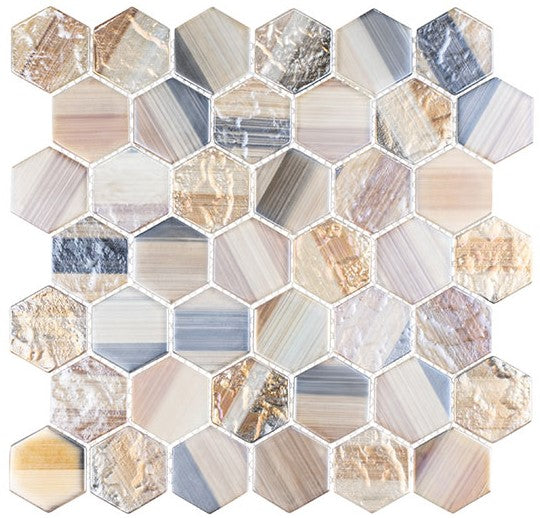
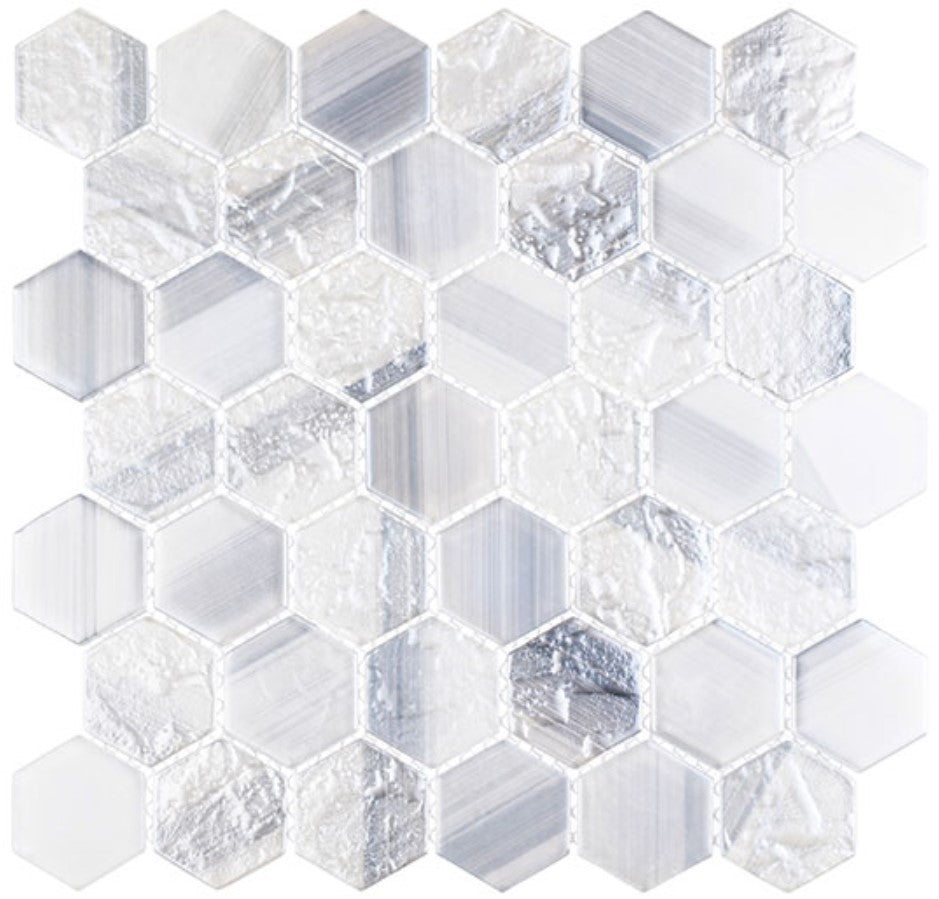
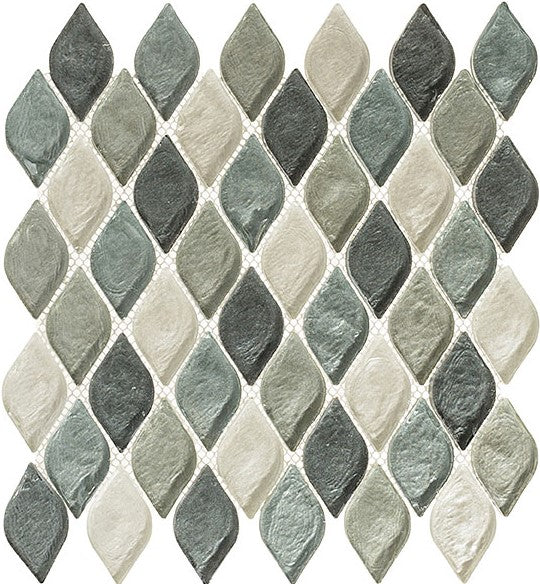
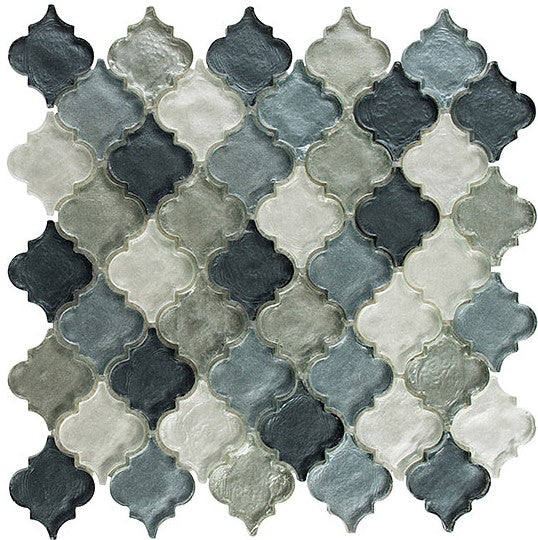
Our iridescent glass tile collection includes a range of mosaic formats, from classic square and rectangular subway-style tiles to arabesque, hexagon, and geometric designs. This variety allows the same shimmering finish to read very differently depending on the shape you choose: hexagon tiles deliver a contemporary, honeycomb pattern; arabesque tiles bring a Moorish elegance; and small-format square mosaics create a more traditional, textured look. Browse our glass mosaic tile collection or explore by shape using our hexagon tiles, arabesque tiles, and subway tile categories.
Because iridescent glass tiles both reflect and refract light, they visually expand any room they are installed in. In smaller bathrooms, shower enclosures, or compact kitchen spaces, this property makes the area feel noticeably larger and more open, a practical benefit that goes hand-in-hand with the visual drama.
One of the strongest arguments for iridescent glass tiles is their adaptability. Below are the most popular applications and what makes this tile type particularly well-suited to each.
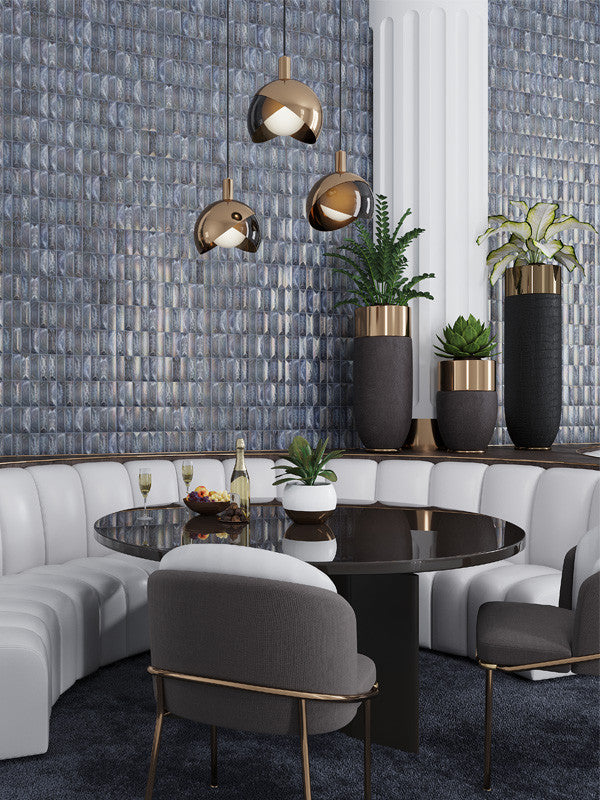
A kitchen backsplash is the single most impactful design surface in any kitchen, and iridescent glass tile maximizes that impact. The color-shifting finish catches light from overhead pendants, under-cabinet lighting, and natural daylight through windows, creating a dynamic surface that never looks flat or static. Paired with white or gray cabinetry, iridescent tiles add depth and interest without clashing. Paired with dark or bold cabinetry, they act as a luminous counterpoint.
For guidance on choosing the right material for your backsplash, read our expert post on the best kitchen backsplash tile options. You can also browse our full kitchen backsplash tile collection.
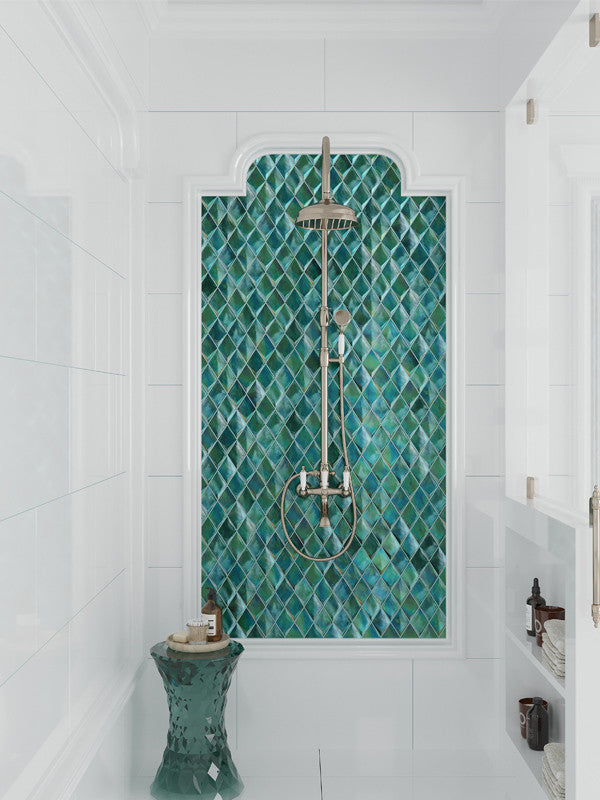
Iridescent glass tiles are among the finest choices for shower walls. Their non-porous surface resists the moisture and humidity that showers produce, and the luminous finish turns steam-filled moments into something approaching a spa experience. Small mosaic formats work especially well on shower walls because they conform easily to curved surfaces and niches, and the dense grout grid provides excellent water resistance.
If you are planning a full shower renovation, our guides on shower tile trends and expert tips for shower feature walls are essential reading. You can also explore our dedicated shower wall tile collection.
A floor-to-ceiling iridescent glass tile feature wall behind a freestanding bathtub or as a bathroom accent wall creates a focal point that rivals anything you would find in a high-end hotel. The shifting shimmer brings an ever-changing visual texture to what might otherwise be a flat painted surface. Our guide to bathroom feature wall tiles covers everything from material selection to layout planning, and our feature wall tile collection offers curated picks across multiple finishes.
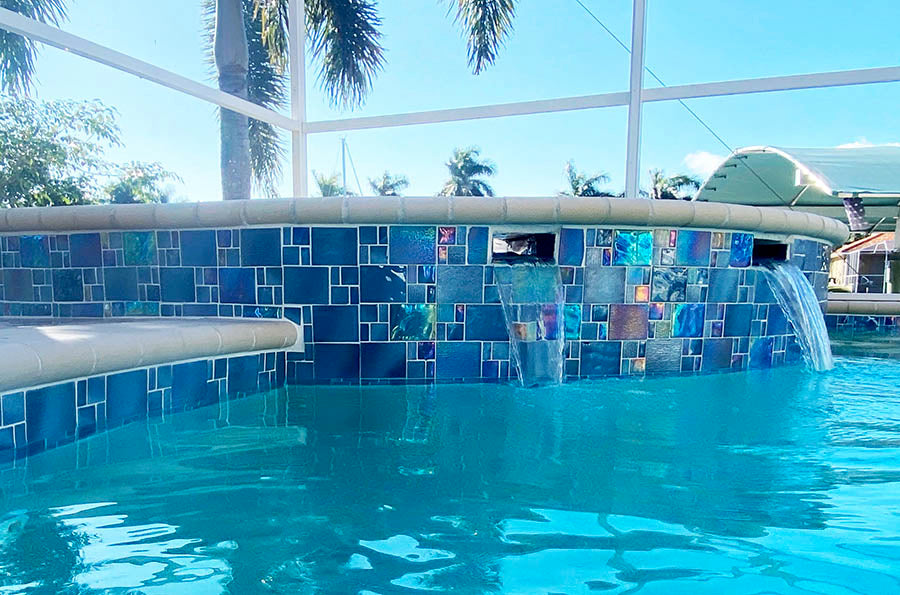
Iridescent glass tiles are a standout choice for pool interiors, waterlines, and spa surrounds. The way the finish interacts with moving water and shifting sunlight produces a mesmerizing, living quality that no other tile finish can achieve. Glass is also chemically resistant, UV-stable, and algae-resistant, all critical performance factors in a pool environment.
If your project is pool-focused, see our dedicated iridescent pool tile collection and our comprehensive post on swimming pool tile styles. Our broader glass pool tile collection is also worth exploring if you are open to other glass finishes.
Iridescent glass tiles framing a fireplace create a dramatic contrast between the warmth of the fire and the cool, shimmering surface of the tile. The light cast by flames activates the color-shifting quality of iridescent glass in a particularly striking way. Browse our fireplace tile collection for inspiration.
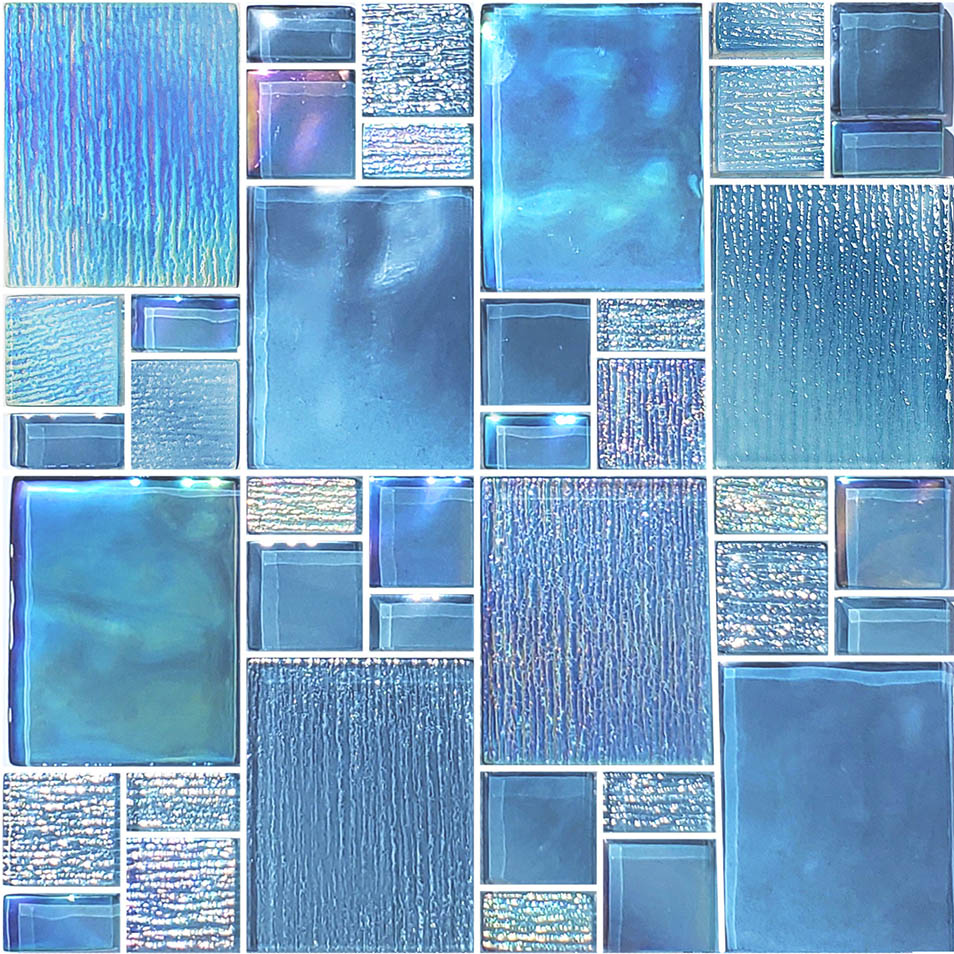
Although the iridescent finish itself produces multiple hues depending on light angle, each tile has a dominant base color that anchors the look. Our collection includes tiles with blue-green, grey, teal, aqua, pearl, and multi-tone base colors. For coastal and spa-inspired interiors, blue-aqua and teal bases are the most popular. For more neutral, versatile applications that work in a wider range of color palettes, grey and pearl-toned tiles offer maximum flexibility. Browse by color using our blue tile, green tile, and gray tile category pages.
Grout color has an outsized effect on how iridescent glass tiles read in a finished installation. A grout that closely matches the tile's base color creates a seamless, flowing look where the tile pattern is subtle and the shimmer is the star. A contrasting darker grout emphasizes the tile shape and pattern, creating a more graphic, structured result. Unsanded grout is typically recommended for glass mosaic tiles to protect the surface during installation. Browse our grout collection to find the right match for your project.
Iridescent glass tiles are fundamentally light-activated. The richer and more directional your lighting, the more dramatic the color-shift effect will be. For kitchens, directional under-cabinet LED strips angled toward the backsplash will maximize shimmer. For bathrooms, combining overhead ambient light with vanity side-lighting creates depth. If you are installing iridescent tile in a space with limited natural light, warm-white LED sources (2700K–3000K) tend to produce the most flattering interaction with the iridescent coating.
Our collection includes both standard and recycled glass iridescent tiles. Recycled glass tiles carry an environmental benefit, many use post-consumer glass cullet as a primary raw material — without sacrificing visual quality. If sustainability is a priority for your project, our recycled glass tile collection is worth exploring alongside this iridescent finish category.
Glass tiles are unforgiving of imperfect substrates because the transparency of glass can reveal unevenness behind the tile. Ensure your surface is flat, clean, and solid before beginning installation. For shower applications, always install a waterproofing membrane before tiling, our guide to bathroom waterproofing walks through this process in detail.
Always use white thinset mortar when installing clear or translucent glass tiles. Grey thinset can show through the glass and alter the tile's color appearance. Use a non-sag, polymer-modified white thinset for wall applications. Apply with a 3/16" V-notch trowel for smaller mosaic formats.
Use unsanded grout for joints under 1/8 inch (typical for small glass mosaics) and sanded or epoxy grout for wider joints. Glass tiles themselves do not require sealing, but grout joints in shower applications benefit from a penetrating grout sealer to reduce staining and simplify cleaning. See our full tile guides for installation walkthroughs by application type.
If you are exploring iridescent glass tiles, these related collections are worth browsing as you narrow down your selection:
Every tile in this collection is carefully selected based on real-world performance, design relevance, and long-term durability. We don’t list thousands of random products — we curate materials that meet professional installation standards.
Our collections are guided by Bruno Mendolini, a tile expert with over 25 years of experience and deep roots in the Italian tile industry.