
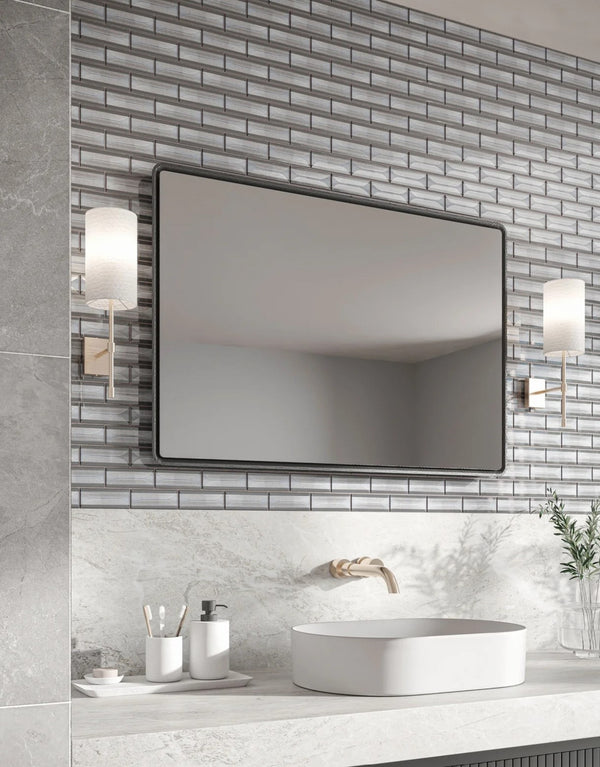
Choosing the perfect feature wall tiles for your bathroom can feel overwhelming. You want a design that stands out but also holds up to constant moisture and daily use. It’s not just about picking something pretty—your choice affects everything from cleaning routines to the atmosphere of the space.
This guide will show you how to make smart decisions that combine style and real-world function. You’ll discover how tiles protect your walls, create visual interest, and help define zones within your bathroom. Get ready for simple steps and expert tips that make your bathroom both beautiful and durable.
Table of Contents
- 1. Understanding the Role of Feature Wall Tiles
- 2. Selecting the Best Tile Material for Bathrooms
- 3. Exploring Popular Shapes and Patterns
- 4. Considering Color Schemes for Visual Impact
- 5. Balancing Texture with Easy Maintenance
- 6. Calculating Tile Size for Streamlined Installation
- 7. Matching Tiles to Bathroom Fixtures and Hardware
Quick Summary
| Key Message | Explanation |
|---|---|
| 1. Feature Tiles Enhance Design | Feature wall tiles create visual interest while protecting walls from moisture in bathrooms. |
| 2. Choose the Right Tile Material | Select water-resistant, durable, and easy-to-clean materials suitable for your bathroom’s conditions. |
| 3. Consider Shape and Pattern | Utilize unique shapes and patterns to elevate the overall aesthetic and visual flow of the space. |
| 4. Color Impacts Perception | Colors influence ambiance; lighter shades can make a bathroom feel larger and brighter. |
| 5. Coordinate with Fixtures | Matching tiles with bathroom fixtures creates visual harmony and enhances the overall design aesthetic. |
1. Understanding the Role of Feature Wall Tiles
Feature wall tiles are far more than just decorative elements in bathroom design. They serve as strategic design components that transform ordinary spaces into extraordinary visual experiences.
In bathroom design, feature wall tiles play a multifaceted role that goes beyond simple aesthetics. Tiles act as protective and decorative surfaces that shield walls from moisture while creating stunning visual focal points.
Key functions of feature wall tiles include:
- Creating Visual Interest: Introducing unique textures, colors, and patterns that draw the eye
- Defining Spatial Zones: Helping to segment different areas within bathroom layouts
- Moisture Protection: Providing a durable barrier against water damage and humidity
- Easy Maintenance: Offering smooth surfaces that facilitate simple cleaning and upkeep
The National Kitchen & Bath Association emphasizes that feature wall tiles are strategic design elements. They don’t just cover walls—they transform bathroom environments.
Feature wall tiles are the visual storytellers of your bathroom, communicating style while delivering essential functional performance.
By selecting the right feature wall tiles, homeowners can dramatically enhance their bathroom’s aesthetic appeal and practical functionality. The tiles become more than surface coverings—they’re design statements that reflect personal style and practical sensibilities.
Pro tip: When choosing feature wall tiles, consider both visual harmony with existing decor and the specific moisture challenges in your bathroom environment.
2. Selecting the Best Tile Material for Bathrooms
Choosing the right tile material is crucial for creating a beautiful and functional bathroom that withstands moisture and daily wear. Your selection will impact both the aesthetic appeal and long-term performance of your space.
Porcelain tiles offer exceptional durability for bathroom environments, making them a top choice among homeowners and design professionals. These tiles combine stunning visual qualities with remarkable moisture resistance and structural integrity.
Key considerations when selecting bathroom tile materials include:
- Water Resistance: Critical for preventing moisture damage
- Durability: Ability to withstand frequent use and cleaning
- Slip Resistance: Safety factor for wet bathroom surfaces
- Maintenance Requirements: Ease of cleaning and long-term care
Different tile materials offer unique advantages:
- Porcelain: Dense, low water absorption, highly durable
- Ceramic: Affordable, wide design options, good water resistance
- Natural Stone: Beautiful, unique patterns, requires more maintenance
- Glass: Modern aesthetic, reflects light, easier to clean
Not all tiles are created equal. Your bathroom demands a material that balances beauty, functionality, and longevity.
Consider your specific bathroom conditions. High-moisture areas like shower walls require different tile properties compared to powder rooms or main bathroom walls.
Pro tip: Always request tile samples and test them in your actual bathroom lighting and environment before making a final selection.
3. Exploring Popular Shapes and Patterns
Bathroom feature wall tiles are not just functional surfaces but opportunities for creative expression through strategic shape and pattern selection. Your tile choices can dramatically transform a space from ordinary to extraordinary.
Geometric tile shapes offer remarkable design versatility for creating unique visual experiences in bathroom environments. Understanding the interplay between tile shapes and layout patterns is key to achieving a stunning feature wall.
Popular tile shapes include:
- Square: Classic and symmetrical design
- Rectangular: Creates elongation and movement
- Hexagonal: Modern and dynamic appearance
- Arabesque: Intricate and decorative profile
Design patterns that can elevate your bathroom include:
- Herringbone: Dynamic diagonal arrangement
- Subway: Traditional horizontal or vertical layout
- Grid: Precise and orderly configuration
- Mosaic: Intricate small-piece composition
- Vertical Stack: Contemporary vertical alignment
Tile shapes and patterns are visual storytellers that communicate your bathroom’s unique personality and design aesthetic.
Consider how different shapes interact with lighting and create visual depth. Rectangular tiles laid vertically can make ceilings appear higher while horizontal layouts can visually expand wall space.
Pro tip: Order sample tiles and create mock layouts using painter’s tape to visualize how different shapes and patterns will look in your actual bathroom space.
4. Considering Color Schemes for Visual Impact
Color is a powerful design tool that can transform your bathroom from ordinary to extraordinary. Your tile color choices do far more than simply cover walls they create an entire sensory experience.
Color selection dramatically influences bathroom perception and can make spaces feel larger, brighter, or more intimate.
Key color strategy considerations include:
- Spatial Perception: Lighter colors expand visual space
- Mood Setting: Cool tones create calm environments
- Fixture Coordination: Colors that complement existing elements
- Light Reflection: Hues that maximize natural and artificial lighting
Color palette recommendations for different bathroom styles:
- Modern Minimalist: Neutral grays and whites
- Warm Contemporary: Soft earth tones
- Dramatic Statement: Deep blues or charcoal accents
- Spa-Like Retreat: Soft greens and aqua tones
- Classic Elegance: Cream and taupe combinations
Color is not just a visual choice. It is an emotional language that speaks silently through your bathroom design.
Consider how different color temperatures interact with your bathroom’s natural lighting. Cool blues can make a small space feel more expansive while warm terracotta tones create intimate atmospheres.
Pro tip: Always test tile color samples in your actual bathroom lighting and at different times of day to understand how they truly perform.
5. Balancing Texture with Easy Maintenance
Textured bathroom tiles add visual intrigue and tactile dimension but can become maintenance nightmares if not carefully selected. Smart homeowners know how to achieve beautiful design without creating endless cleaning challenges.
Large-format tiles reduce maintenance complexity while preserving aesthetic richness and style versatility.
Key maintenance considerations for textured tiles include:
- Surface Porosity: Less porous surfaces collect less grime
- Grout Line Minimization: Fewer lines mean easier cleaning
- Material Selection: Engineered materials resist staining better
- Finish Type: Smoother finishes require less intensive maintenance
Texture strategy options:
- Subtle raised patterns
- Low-profile textural elements
- Matte finishes with minimal crevices
- Large-format tiles with minimal grout
- Engineered stone with protective treatments
Texture is not just about appearance. It is a strategic design choice that impacts long-term bathroom maintenance and cleanliness.
Consider how different tile textures interact with moisture and cleaning requirements. Some beautiful surfaces might look amazing but become problematic in high-humidity bathroom environments.
Pro tip: Always request maintenance recommendations from tile manufacturers and request samples to test cleaning ease before final installation.
6. Calculating Tile Size for Streamlined Installation
Tile size is far more than a visual choice. It’s a strategic decision that impacts installation complexity, aesthetic appeal, and overall bathroom design efficiency.
Tile dimensions influence installation precision and can dramatically affect your project’s final look and feel.
Key considerations for tile size selection:
- Wall Area Proportions: Matching tile size to room dimensions
- Grout Line Management: Reducing maintenance challenges
- Visual Flow: Creating balanced and harmonious layouts
- Installation Complexity: Minimizing cutting and waste
Tile size calculation strategies:
- Measure total wall height and width
- Divide wall area by potential tile dimensions
- Aim for minimal tile cutting at edges
- Consider tile thickness and substrate requirements
- Plan for balanced visual symmetry
Strategic tile sizing transforms installation from a technical challenge into an art form.
Larger tiles can make small bathrooms appear more spacious while reducing grout lines. However, they require precise measurements and potentially more complex cutting techniques.
Pro tip: Always create a paper template or digital mockup of your tile layout to visualize potential cutting requirements and optimize tile placement before purchasing materials.
7. Matching Tiles to Bathroom Fixtures and Hardware
Coordinating bathroom tiles with fixtures and hardware is an art form that transforms ordinary spaces into sophisticated design experiences. Your tile choices should harmonize seamlessly with every metallic and ceramic element in the room.
Coordinating tile and fixture finishes creates visual continuity and elevates your bathroom’s overall aesthetic appeal.
Key coordination strategies include:
- Color Harmony: Matching metallic undertones
- Finish Consistency: Aligning surface textures
- Style Synchronization: Creating unified design language
- Proportion and Scale: Balancing visual weight
Fixture and tile matching techniques:
- Select a dominant metallic finish
- Use color wheel principles for complementary tones
- Consider undertones in both tiles and hardware
- Test samples under actual bathroom lighting
- Maintain consistent visual weight
Successful bathroom design is a delicate dance of materials, colors, and textures working in perfect harmony.
Carefully selected tiles can transform hardware from mere functional elements into intentional design statements. Think of your bathroom as a curated composition where every element speaks the same visual language.
Pro tip: Create a physical mood board with tile samples, hardware swatches, and paint chips to visualize how different elements interact before making final selections.
Below is a comprehensive table summarizing the key concepts, recommendations, and practical strategies outlined in the article regarding feature wall tiles in bathroom design.
| Topic | Description | Key Recommendations |
|---|---|---|
| Role of Feature Wall Tiles | Enhance aesthetics and functionality while protecting walls from moisture. | Select tiles that complement the space and cater to functional needs. |
| Tile Material Selection | Choose materials that are water-resistant, durable, and easy to maintain. | Consider porcelain, ceramic, natural stone, and glass for specific areas. |
| Shapes and Patterns | Explore various tile shapes and patterns to create unique design expressions. | Use shapes and layouts like subway, herringbone, grid, and mosaic to define style. |
| Color Scheme Design | Leverage colors to influence space perception and ambiance. | Test color samples in various lighting conditions before final selection. |
| Textural Considerations | Balance texture for visual appeal while ensuring maintenance simplicity. | Opt for low-profile textures and minimal grout lines. |
| Tile Sizing Strategy | Optimize tile size for aesthetic balance and efficient installation. | Measure carefully to minimize waste and maintain symmetry. |
| Fixture Coordination | Harmonize tiles with bathroom fixtures and hardware styles and finishes. | Create a mood board to ensure cohesive design. |
Elevate Your Bathroom Design with Expert Tile Choices
Choosing the perfect feature wall tiles is a challenge that blends style and function. This article highlights key concerns like selecting the right material for moisture resistance, balancing texture with easy maintenance, and matching tiles to your bathroom fixtures. These important design goals ensure your bathroom becomes a stunning, durable space that reflects your personal style without adding cleaning hassles or installation headaches.
At TileChoices.com, we understand these challenges and offer a vast selection of high-quality tiles including porcelain, ceramic, glass, and natural stone that are ideal for bathroom feature walls. You can order samples to see how different colors and textures perform under your lighting and discover tile options that provide both protective functionality and captivating aesthetics. Explore our curated collections and expert design resources to find the right size, shape, and color that perfectly complement your fixtures and hardware.
Ready to transform your bathroom with tiles that tell your style story while standing up to everyday use? Visit TileChoices.com now to browse premium tiles, request free samples, and start planning your project with confidence. Your dream bathroom feature wall is just a few clicks away.
Frequently Asked Questions
What are feature wall tiles and why are they important in bathroom design?
Feature wall tiles are decorative tiles that enhance visual appeal and serve functional purposes such as moisture protection. Choosing the right feature wall tiles can transform your bathroom into a beautiful and functional space, making it essential to consider both aesthetics and durability in your selection.
How do I select the best tile material for my bathroom feature wall?
Start by prioritizing water resistance, durability, and slip resistance for your tile material. For example, consider using porcelain tiles, which offer excellent performance in terms of moisture resistance, making them a safe choice for bathroom applications.
What color schemes work best for bathroom feature wall tiles?
Consider using lighter colors to create an illusion of a more spacious area or soothing tones for a calming atmosphere. Test out color samples under your bathroom’s lighting to see how different shades interact before making a final decision.
How can I match my feature wall tiles with existing bathroom fixtures and hardware?
To achieve harmony, match the color and finish of your tiles to that of your fixtures and hardware. For instance, if you have brushed nickel fixtures, choose tiles that complement that metallic hue to create a cohesive look throughout the bathroom.
What tile shapes and patterns should I consider for my bathroom feature wall?
Explore different tile shapes such as hexagonal or rectangular for a modern look, and consider patterns like herringbone or subway for added visual interest. Lay out your selected tiles in your planned layout before installation to envision how the shapes and patterns will interact in the space.
How do I calculate the right tile size for my bathroom wall?
Measure the total wall area and choose tile sizes that minimize cutting while ensuring balanced visual symmetry. For example, if your wall is 10 feet by 8 feet, calculate the area and select tile sizes that fit well within those dimensions to streamline installation.