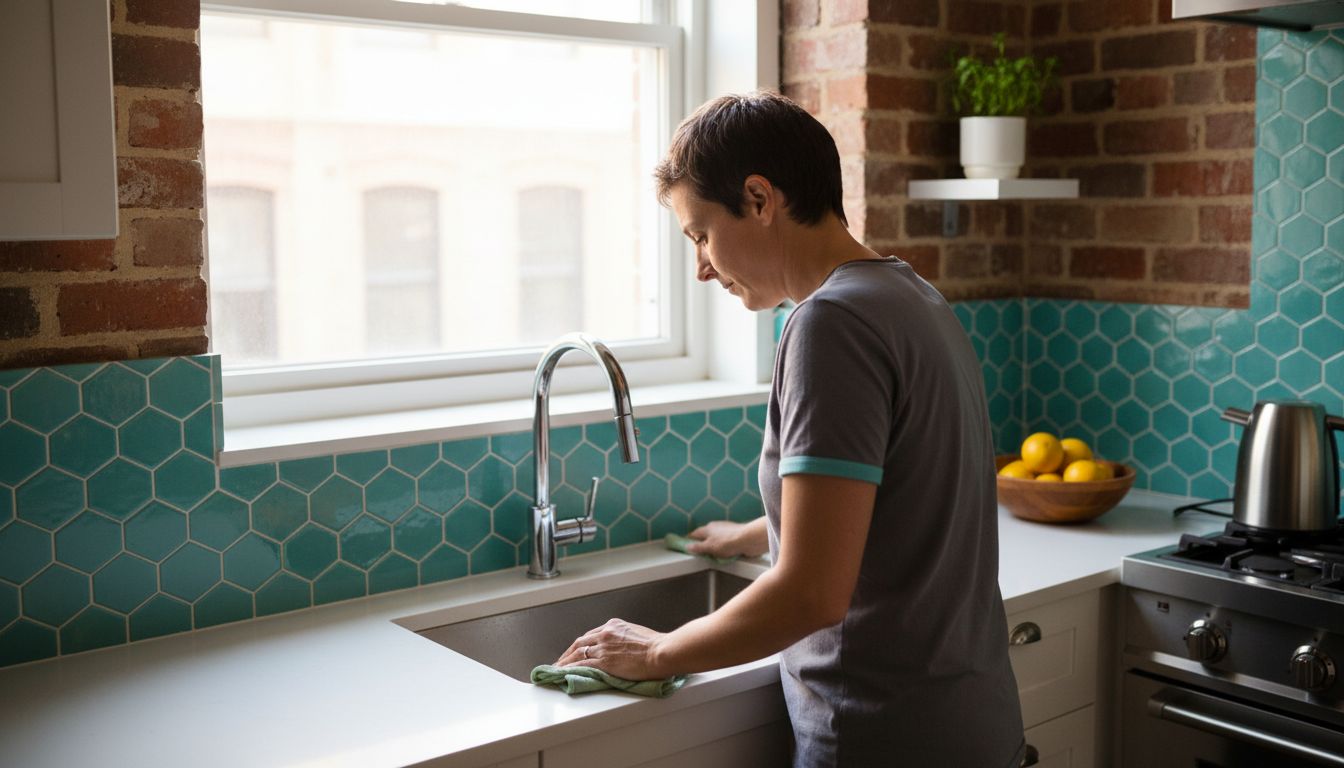
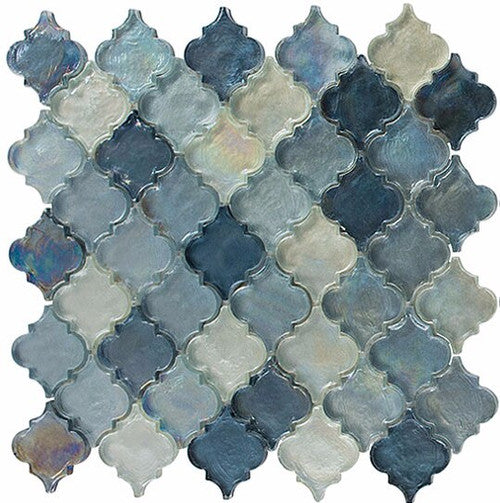
Most American homeowners are surprised to learn that arabesque wall tiles trace their roots to centuries-old Islamic design, yet they are more popular than ever in modern interiors. The blend of meticulous geometry and creative artistry adds an unmistakable layer of depth to any space. With options that celebrate both history and contemporary style, these tiles offer an accessible way for anyone to bring timeless elegance and cultural flair into everyday American homes.
Table of Contents
- Defining Arabesque Wall Tile Styles
- Types of Arabesque Tile Materials and Finishes
- Design Applications in Modern Interiors
- Installation, Care, and Maintenance Essentials
- Comparing Arabesque Tile to Other Patterns
Key Takeaways
| Point | Details |
|---|---|
| Arabesque Tiles as Art | Arabesque tiles transform spaces with their intricate geometric designs, embodying a blend of historical and contemporary aesthetics. |
| Material Versatility | A variety of materials, including ceramic and natural stone, allow arabesque tiles to enhance visual appeal while ensuring durability in various settings. |
| Design Flexibility | These tiles can be used as focal points in different environments, including accent walls and backsplashes, to inject cultural sophistication into modern interiors. |
| Maintenance Importance | Proper installation and regular maintenance are crucial for preserving the visual complexity and integrity of arabesque tiles over time. |
Defining Arabesque Wall Tile Styles
Arabesque wall tiles represent a sophisticated decorative approach rooted in centuries of artistic tradition. These intricate tile designs emerge from the rich visual language of Islamic geometric patterns, characterized by complex, interlacing lines and mesmerizing symmetrical motifs. Unlike standard geometric designs, arabesque styles transform walls into dynamic canvases that blur the boundaries between architectural surface and artistic expression.
The fundamental essence of arabesque wall tiles lies in their intricate geometric compositions. These designs typically feature intertwining organic shapes, scrolling vegetal patterns, and mathematically precise line work that creates a sense of infinite movement. Inspired by traditional Zellij mosaic techniques, modern arabesque tiles incorporate both historical craftsmanship and contemporary aesthetic sensibilities. Designers appreciate these tiles for their ability to introduce visual complexity without overwhelming a space.
When exploring arabesque wall tile styles, you’ll encounter several distinctive variations:
- Classic Islamic Pattern: Featuring precise geometric interconnections
- Floral Arabesque: Emphasizing organic, curving botanical motifs
- Minimalist Arabesque: Streamlined designs with subtle geometric elements
- Contemporary Interpretation: Modern color palettes and simplified line work
These versatile tiles work brilliantly in multiple design contexts, from accent walls in living rooms to sophisticated bathroom installations. Their ability to add visual depth and cultural sophistication makes them a favorite among interior design professionals seeking to create truly memorable spaces.
Types of Arabesque Tile Materials and Finishes
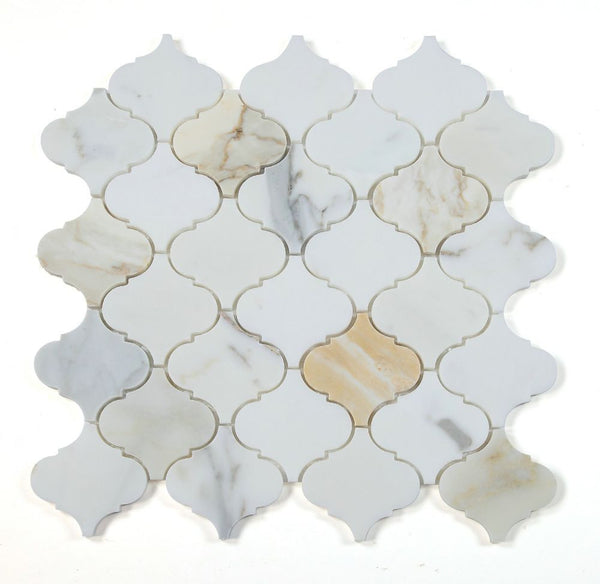
Arabesque tiles offer remarkable versatility through a diverse range of materials and finishes that can dramatically transform interior spaces. Ceramic tiles remain the most popular choice for arabesque designs, providing excellent durability, affordability, and a wide spectrum of color and texture options. These tiles can be crafted with intricate geometric patterns that capture the essence of traditional arabesque aesthetics while meeting modern design requirements.
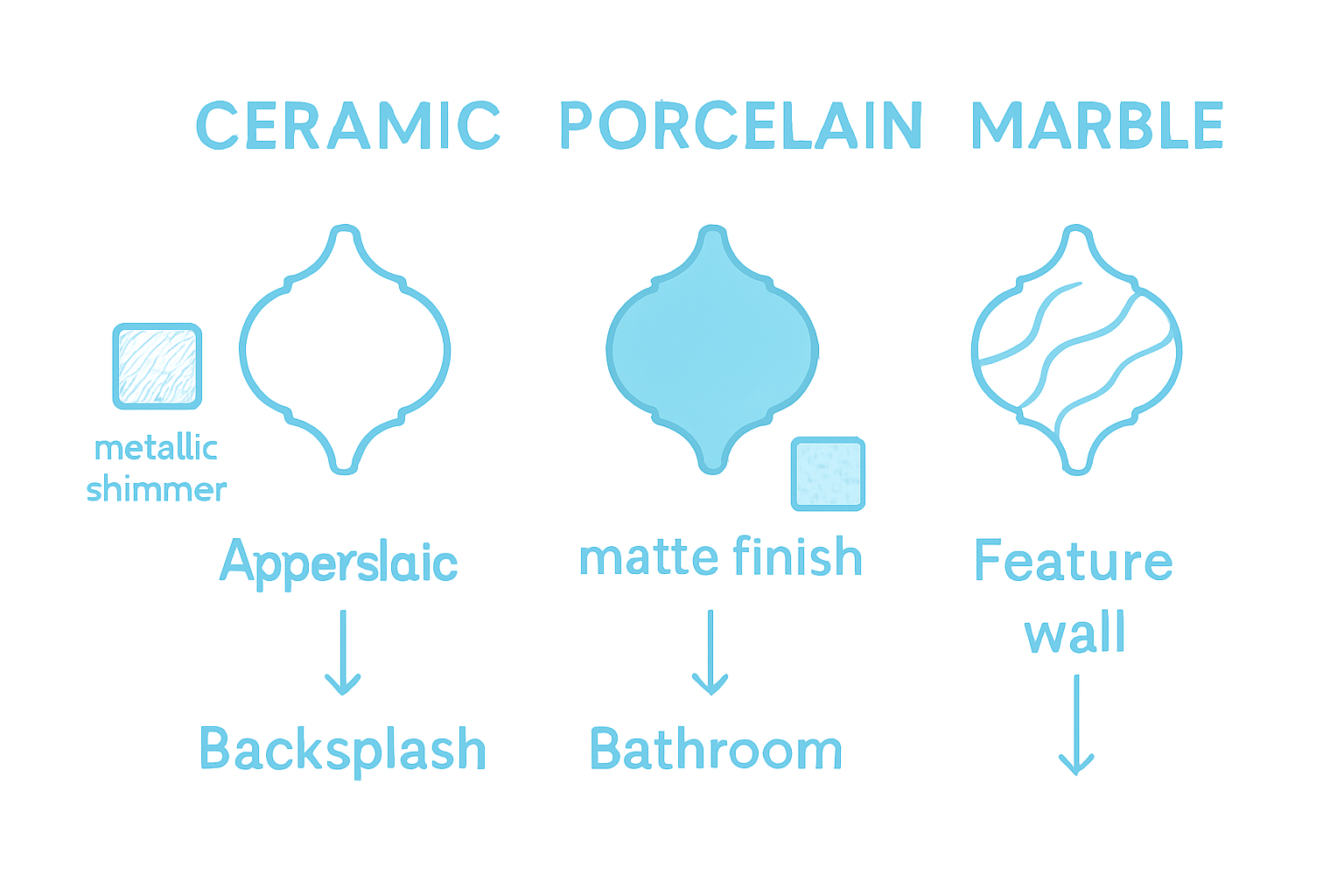
Ceramic is not the only material suitable for arabesque tile designs. Natural stone variations like marble, travertine, and slate bring unique textural qualities that elevate the geometric complexity of arabesque patterns. Porcelain tiles offer additional benefits, including enhanced moisture resistance and increased durability, making them ideal for bathrooms, kitchens, and other high-traffic areas where decorative yet practical surfaces are essential.
When considering finishes, arabesque tiles present an exciting array of aesthetic possibilities:
- Glossy Finish: Reflects light, creating a luminous and elegant surface
- Matte Finish: Provides a sophisticated, understated look with minimal glare
- Textured Finish: Adds depth and visual complexity to geometric patterns
- Metallic Finish: Introduces contemporary shimmer and modern sophistication
The selection of material and finish can significantly impact the overall design narrative of a space. Metallic finish tiles can transform traditional arabesque patterns into cutting-edge design statements, while natural stone options maintain a connection to historical artistic traditions. Homeowners and designers can leverage these diverse material choices to create truly personalized and expressive interior environments.
Design Applications in Modern Interiors
Arabesque wall tiles have emerged as a transformative design element in contemporary interior spaces, offering designers unprecedented flexibility in creating visually compelling environments. High contrast design principles play a crucial role in highlighting the intricate geometric patterns of arabesque tiles, allowing them to become focal points in both residential and commercial settings. These tiles transcend traditional decorative boundaries, functioning not just as surface coverings but as sophisticated artistic statements that can dramatically alter spatial perception.
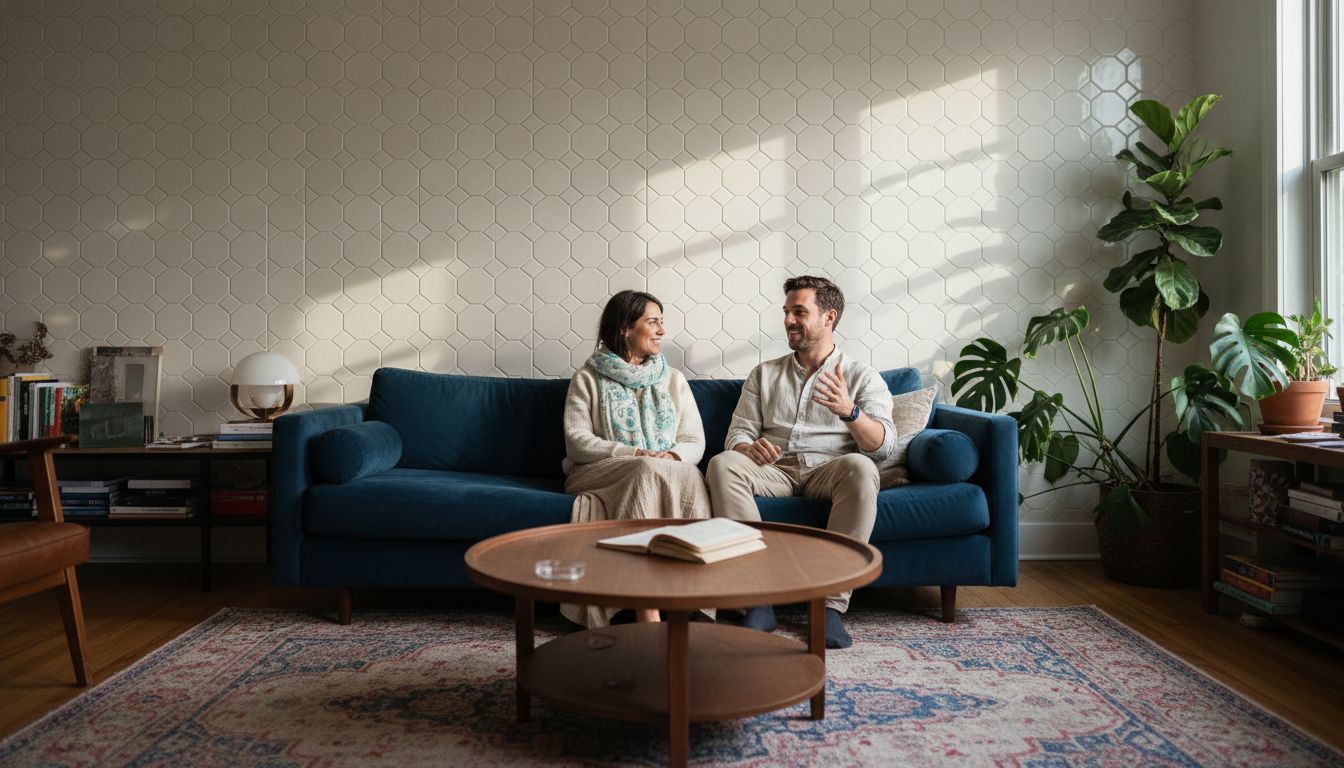
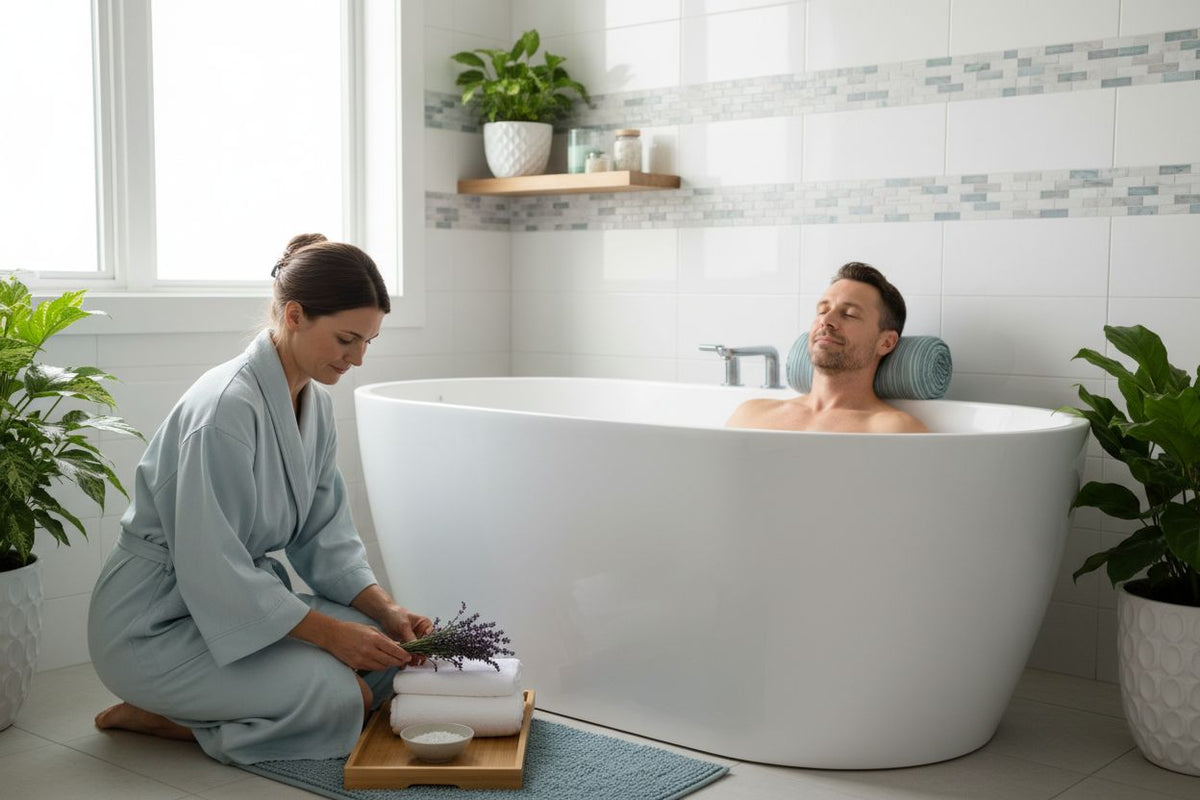
The versatility of arabesque tiles enables their integration across multiple interior design contexts. Accent walls become dynamic canvases when adorned with these intricate patterns, while bathrooms and kitchens benefit from their ability to introduce visual complexity without overwhelming the space. Designers increasingly leverage arabesque tiles to create visual rhythm, using them strategically to break monotonous surfaces and inject cultural sophistication into modern architectural environments.
When implementing arabesque tiles in contemporary interiors, several key design strategies emerge:
- Focal Wall Treatment: Creating dramatic statement walls in living rooms
- Bathroom Elegance: Enhancing shower spaces and vanity areas
- Kitchen Backsplash Design: Adding intricate visual interest
- Transitional Spaces: Generating visual continuity between different areas
Mastering pattern mixing techniques allows designers to integrate arabesque tiles seamlessly with other design elements. By carefully balancing geometric complexity with surrounding decor, these tiles can transform ordinary spaces into extraordinary visual experiences that reflect both contemporary aesthetics and timeless artistic traditions.
Installation, Care, and Maintenance Essentials
Successful installation of arabesque wall tiles requires meticulous planning and precision. Cutting ceramic tile demands specialized techniques to preserve the intricate geometric patterns characteristic of arabesque designs. Professional installers recommend careful measurement, precise cutting tools, and strategic placement to maintain the visual integrity of these complex tile patterns.
Surface preparation is critical for long-term tile durability and aesthetic appeal. Walls must be completely smooth, clean, and structurally sound before installation. Professionals typically recommend using high-quality tile adhesive specifically designed for intricate geometric tiles, ensuring maximum adhesion and minimizing the risk of future displacement. Grout selection also plays a crucial role, with neutral or complementary colors helping to enhance the tile’s geometric design without overwhelming the visual pattern.
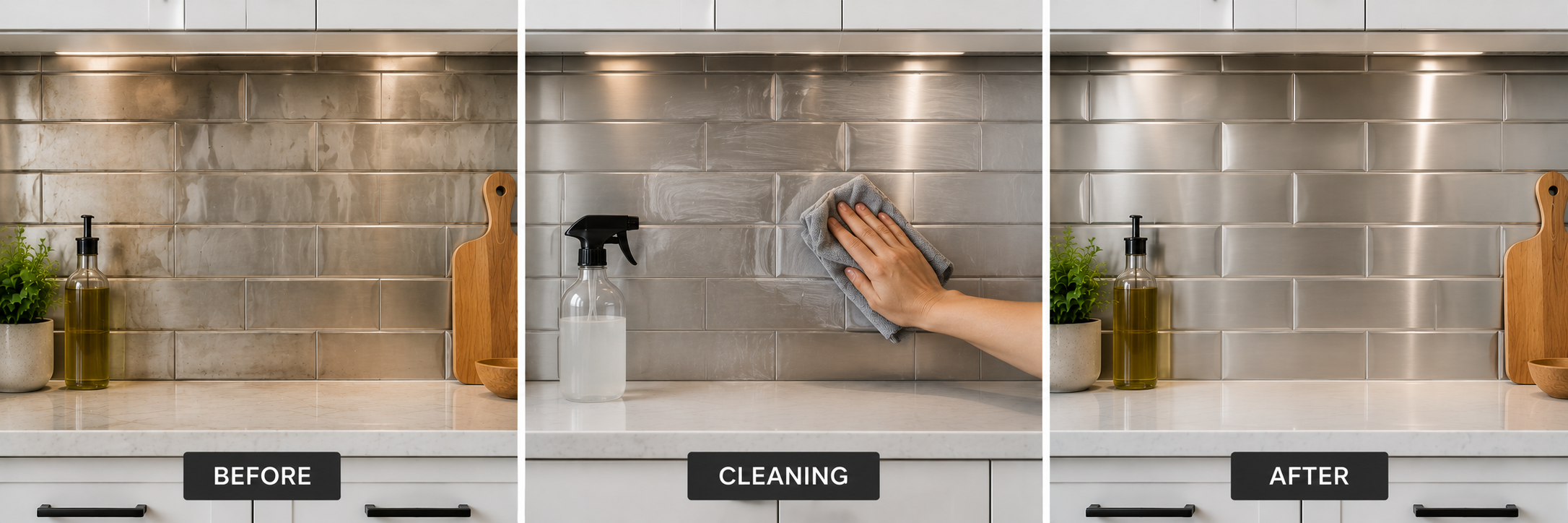
Maintenance of arabesque wall tiles involves several key strategies:
- Regular Cleaning: Use soft cloths and pH neutral cleaners
- Grout Protection: Apply grout sealer annually to prevent staining
- Damage Prevention: Avoid abrasive cleaning tools
- Periodic Inspection: Check for loose tiles or grout deterioration
Proper care extends beyond routine cleaning. Homeowners should avoid harsh chemicals, minimize direct water exposure in non-bathroom settings, and address any potential moisture issues promptly. By implementing these maintenance protocols, arabesque tiles can retain their stunning visual complexity and structural integrity for many years, transforming spaces with their enduring artistic elegance.
Comparing Arabesque Tile to Other Patterns
Arabesque tiles distinguish themselves through an extraordinary level of geometric complexity that sets them apart from more traditional tile patterns. Geometric tile shapes reveal significant variations in design philosophy, with arabesque patterns offering a uniquely intricate approach that transcends simple repetitive layouts. Where hexagonal or herringbone patterns provide structured uniformity, arabesque designs create visual narratives that seem to flow and transform across surfaces.
Pattern characteristics emerge as a critical differentiator between arabesque and alternative tile designs. Geometric patterns like chevron or subway tiles maintain predictable, linear arrangements, whereas arabesque tiles introduce organic, interconnected lines that create a sense of movement and depth. This fundamental distinction allows arabesque tiles to function not just as surface coverings, but as genuine artistic expressions that dynamically engage architectural spaces.
Key comparative elements between arabesque and other tile patterns include:
- Visual Complexity: Arabesque > Geometric > Linear patterns
- Cultural Origins: Islamic art influences vs. Western design traditions
- Spatial Impact: Dynamic movement vs. static representation
- Design Versatility: High adaptability across design contexts
When designing with patterned tiles, designers must consider how different patterns interact with architectural environments. Arabesque tiles offer unparalleled sophistication, transforming ordinary surfaces into extraordinary visual experiences that challenge conventional design expectations and invite viewers to explore intricate, mesmerizing geometric landscapes.
Elevate Your Space with Stunning Arabesque Wall Tiles
Bringing the intricate beauty of arabesque wall tiles into your home can transform any room into a captivating masterpiece. If you are looking to capture the essence of complex geometric patterns combined with durable materials and stylish finishes, the challenge lies in finding high-quality tiles that meet both aesthetic and practical needs. Whether you want a glossy surface for luminous effects or a textured finish to add depth, choosing the right material and design is essential to achieve the sophisticated look described in the article.
At TileChoices.com, you will find an extensive selection of ceramic, porcelain, and natural stone tiles crafted to bring arabesque designs to life. Our curated collections are perfect for accent walls, kitchen backsplashes, and bathroom installations that require both elegance and resilience. Explore our understanding metallic finish tiles to add modern shimmer or learn expert tips on cutting ceramic tile to preserve intricate patterns during installation. Do not wait to elevate your interior with the timeless cultural sophistication and visual impact arabesque tiles offer. Start your project today by visiting TileChoices.com and make your space uniquely memorable.