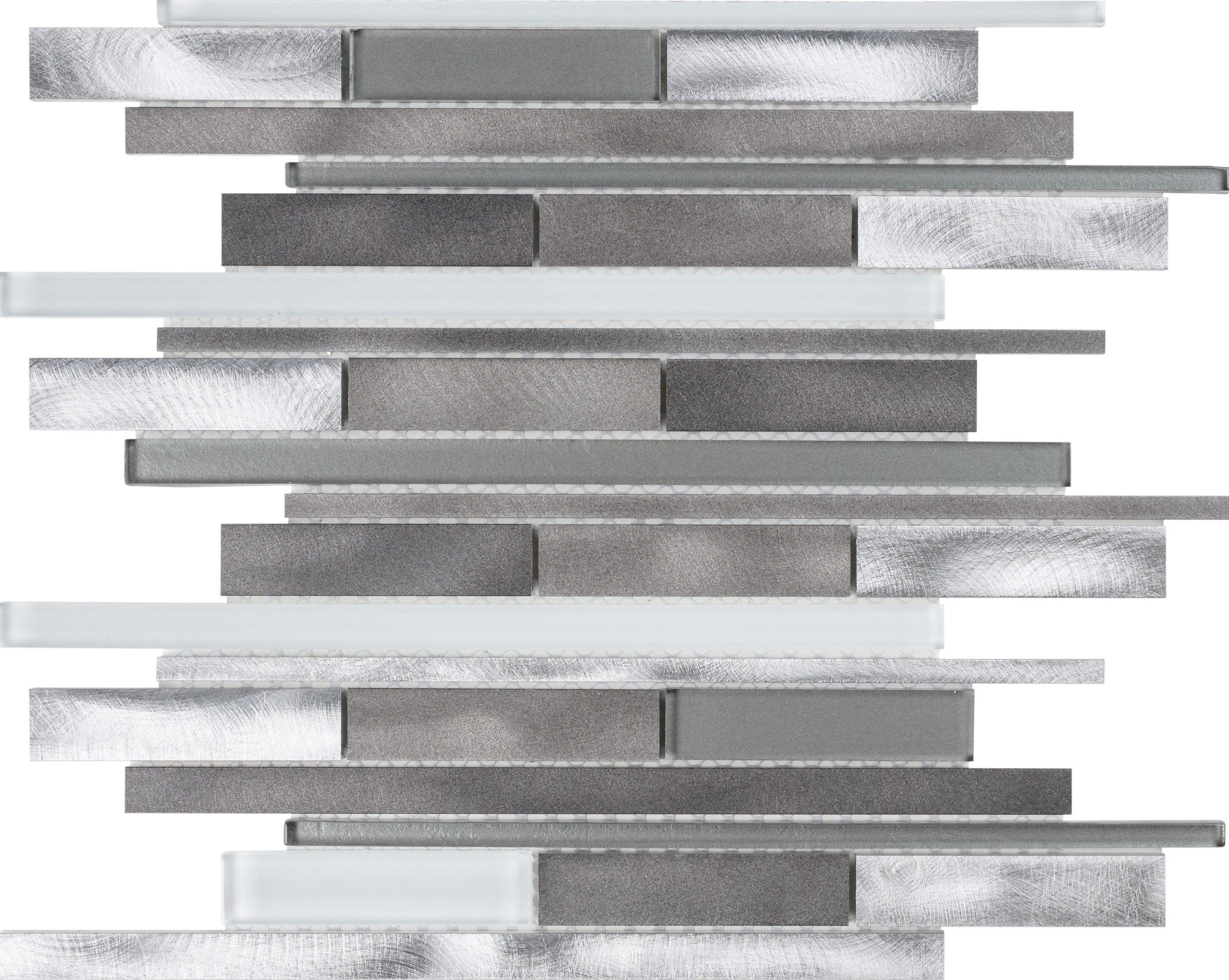


Aluminum mosaic tile occupies a unique space in the metal tile category. Unlike stainless steel or copper, aluminum is exceptionally lightweight, which makes it one of the easiest metal tile materials to work with on vertical surfaces. Its reflective metallic surface interacts with both natural and artificial light, visually expanding smaller spaces and adding dimension to larger ones. The result is a material that is equally at home in compact city kitchens and expansive open-plan living spaces.
From a durability standpoint, aluminum is naturally resistant to corrosion and does not rust, giving it a performance advantage over iron-based metal tiles in humid environments. When installed correctly with the right thinset and grout, aluminum mosaic tile is well-suited for kitchen and bathroom wall applications where moisture and steam are everyday realities. For a deeper look at how different metal tile types perform and what they require for long-term care, read our complete Metal Tile Installation and Care Guide.
Aluminum tile is classified as a wall tile and performs best in vertical applications. Its mesh-mounted mosaic format makes installation straightforward for experienced DIYers and professionals alike, while its neutral metallic tones make it easy to pair with virtually any existing color palette or material combination.
The kitchen backsplash is the single most popular application for aluminum mosaic tile. The reflective surface adds brightness behind a range or cooktop, bouncing light across the counter and making the workspace feel larger and more open. Aluminum tile pairs naturally with white, gray, and dark-stained cabinetry, as well as quartz, marble-look, and concrete countertops. It also sits comfortably alongside stainless steel appliances, creating a cohesive, professional kitchen aesthetic without requiring an expensive full renovation.
If you are still weighing your material options, our detailed guide on the pros and cons of popular kitchen backsplash tile materials breaks down aluminum, ceramic, glass, stone, and porcelain side-by-side so you can make a fully informed decision. You can also explore top kitchen backsplash trends for 2026 to see how metal tile fits into the current design landscape.
Aluminum mosaic tile works beautifully as a bathroom accent tile, particularly behind vanities, in shower niches, and as a feature strip on shower walls. Its moisture-resistant surface handles the humidity of a bathroom environment well, provided it is installed with suitable waterproofing and sealed grout joints. It is important to note that aluminum tile is not recommended for continuous water exposure, such as a shower floor or a wall that receives a constant direct stream from a showerhead. For those applications, consider our dedicated shower wall tile collection for materials engineered specifically for wet zones.
Beyond kitchens and bathrooms, aluminum mosaic tile is an outstanding choice for interior accent walls and feature walls. A single wall clad in brushed aluminum mosaic creates a sophisticated focal point in living rooms, home bars, media walls, and entryways. The metallic surface interacts with lighting in a way that ceramic and porcelain cannot replicate, shifting in appearance from morning to evening as natural light changes. Explore the full range of feature wall tile options to see how aluminum fits alongside other bold wall tile materials.
Aluminum tile can be used on fireplace surrounds, provided it is kept at least six inches from the fireplace opening where direct heat exposure is a factor. The metallic shimmer of aluminum mosaic tile adds drama to a fireplace wall, particularly in modern and industrial-style spaces. For more design inspiration and installation guidance in this application, read our post on 9 inspiring fireplace tile design ideas.
Aluminum mosaic tile is available in a range of formats, surface treatments, and color tones that suit everything from minimalist modern interiors to layered, mixed-material designs. The most common finishes include brushed, matte, and lightly textured surfaces that reduce glare while retaining the characteristic metallic quality of the material. Many aluminum tile designs combine the metal surface with glass inserts or contrasting tile shapes, creating a mosaic effect that adds visual complexity and warmth.
Random linear mosaics are among the most popular formats for aluminum tile because the irregular arrangement of tile pieces creates natural movement and prevents the backsplash from looking flat or repetitive. Stacked linear and brick-format mosaics are also widely used, offering a cleaner, more structured look that suits contemporary and transitional kitchens. If you are undecided on layout direction, our post on backsplash layout patterns that make a statement offers a thorough visual breakdown of how each pattern changes the overall feel of a space.
One of aluminum tile's greatest strengths is its ability to complement other materials without competing with them. Pair it with glass mosaic tile for a reflective, light-filled combination that suits contemporary bathrooms and kitchens. Combine it with natural stone for a warm, grounded contrast that works in transitional and organic modern spaces. Aluminum tile also layers well with wood elements, dark grout, and matte concrete surfaces, where its metallic sheen adds brightness without overwhelming the design.
Aluminum mosaic tile is installed in much the same way as ceramic or glass mosaic tile, with a few important distinctions specific to metal tile. Always use a premium polymer-modified thinset mortar formulated for non-porous materials. Because the tile surface does not absorb adhesive, full back-buttering coverage is critical to prevent hollow spots that could lead to tile failure over time.
For cutting, use a wet saw fitted with a diamond-rimmed blade and cut the tile face-up to protect the metallic finish from chipping. Smooth any sharp cut edges with a diamond hand pad before installation. When grouting, always use an unsanded or epoxy grout, never a sanded grout, which can scratch the aluminum surface. Apply flexible caulk rather than grout at perimeter joints, inside corners, and anywhere the tile meets cabinetry, countertops, or walls, to allow for natural expansion and contraction.
If you are weighing the decision between a DIY installation and hiring a professional, our guide on DIY vs. professional backsplash installation covers the key factors, skill level, timeline, tile complexity, and budget, to help you choose the right approach for your project.
Aluminum tile is one of the easiest metal tiles to maintain. Regular cleaning with a soft microfiber cloth and a mild, pH-neutral cleaner is all that is required to keep the surface looking polished. Avoid abrasive scrubbers, steel wool, and harsh chemical cleaners that contain bleach, ammonia, or acidic compounds, all of which can discolor or damage the finish over time. After cleaning, dry the surface thoroughly to prevent streaking or water marks. With minimal maintenance, a well-installed aluminum mosaic tile backsplash will retain its contemporary appearance for many years.
Aluminum is one of several distinctive metal tile options available at Tile Choices. If you are still exploring the right metal finish for your project, consider comparing aluminum tile alongside the other metal tile materials in our collection:
For a broader look at how metal tile fits into modern interior design trends and which finish might suit your style best, read our blog post on stylish metal tiles for modern home design.
Choosing tile online is a big decision, and seeing the material in person, in your own lighting, alongside your existing cabinets and countertops, makes all the difference. Tile Choices offers samples on most aluminum tile products with free shipping, so you can test the look and feel before placing a full order. Use the sample option on any product page to get started, or contact our team at 614-515-7816 or sales@tilechoices.com with any questions.
Every tile in this collection is carefully selected based on real-world performance, design relevance, and long-term durability. We don’t list thousands of random products — we curate materials that meet professional installation standards.
Our collections are guided by Bruno Mendolini, a tile expert with over 25 years of experience and deep roots in the Italian tile industry.