No reviews
No reviews
No reviews
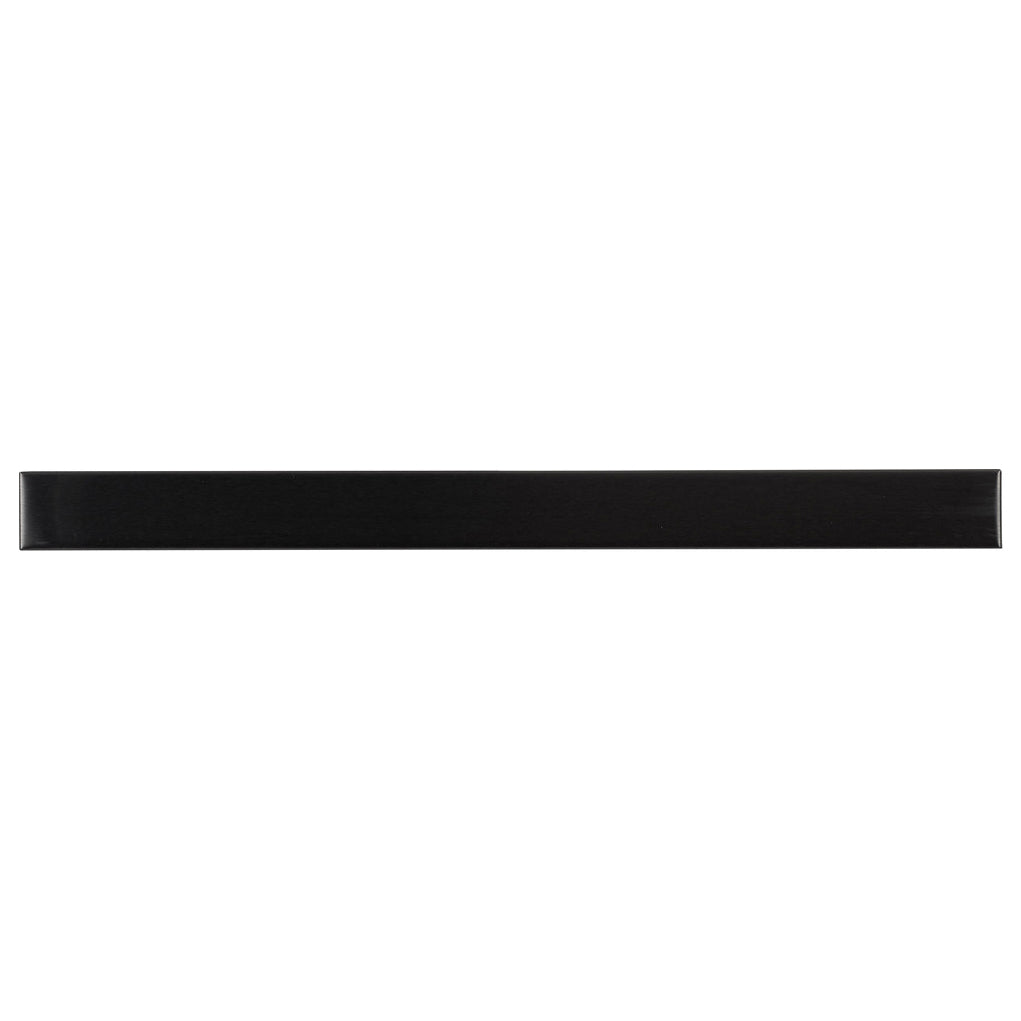
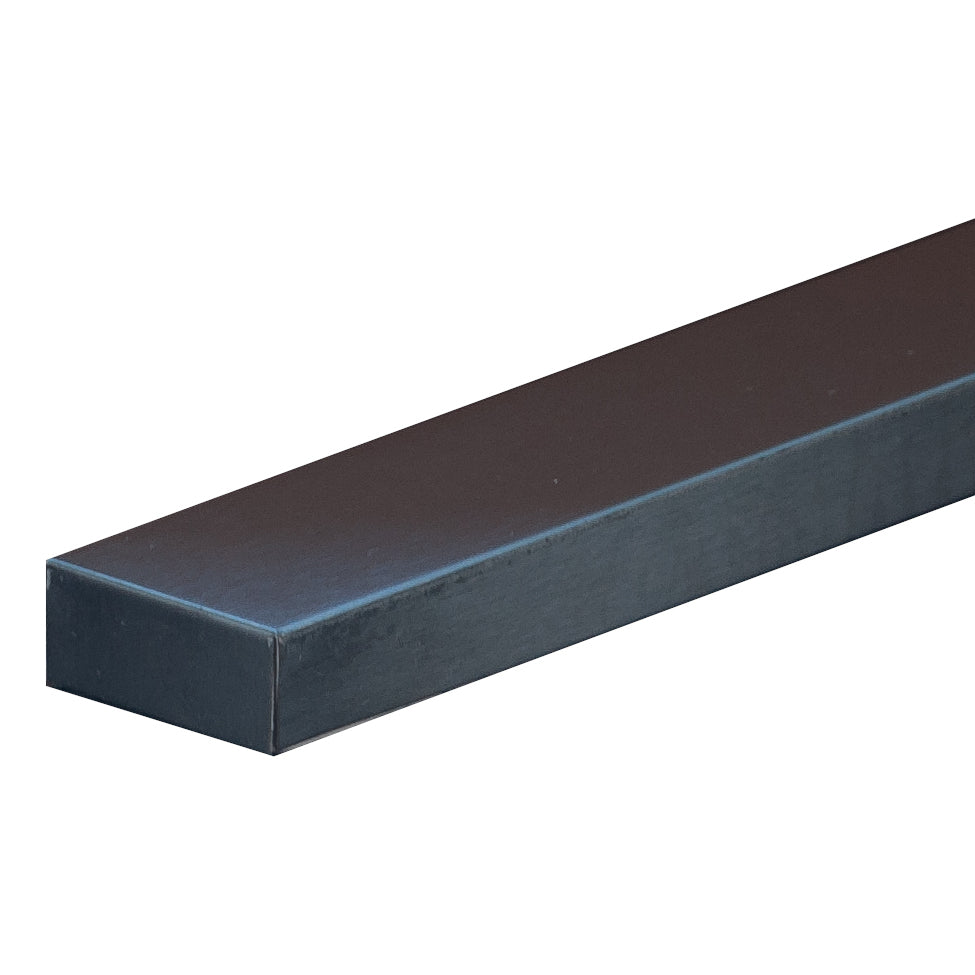
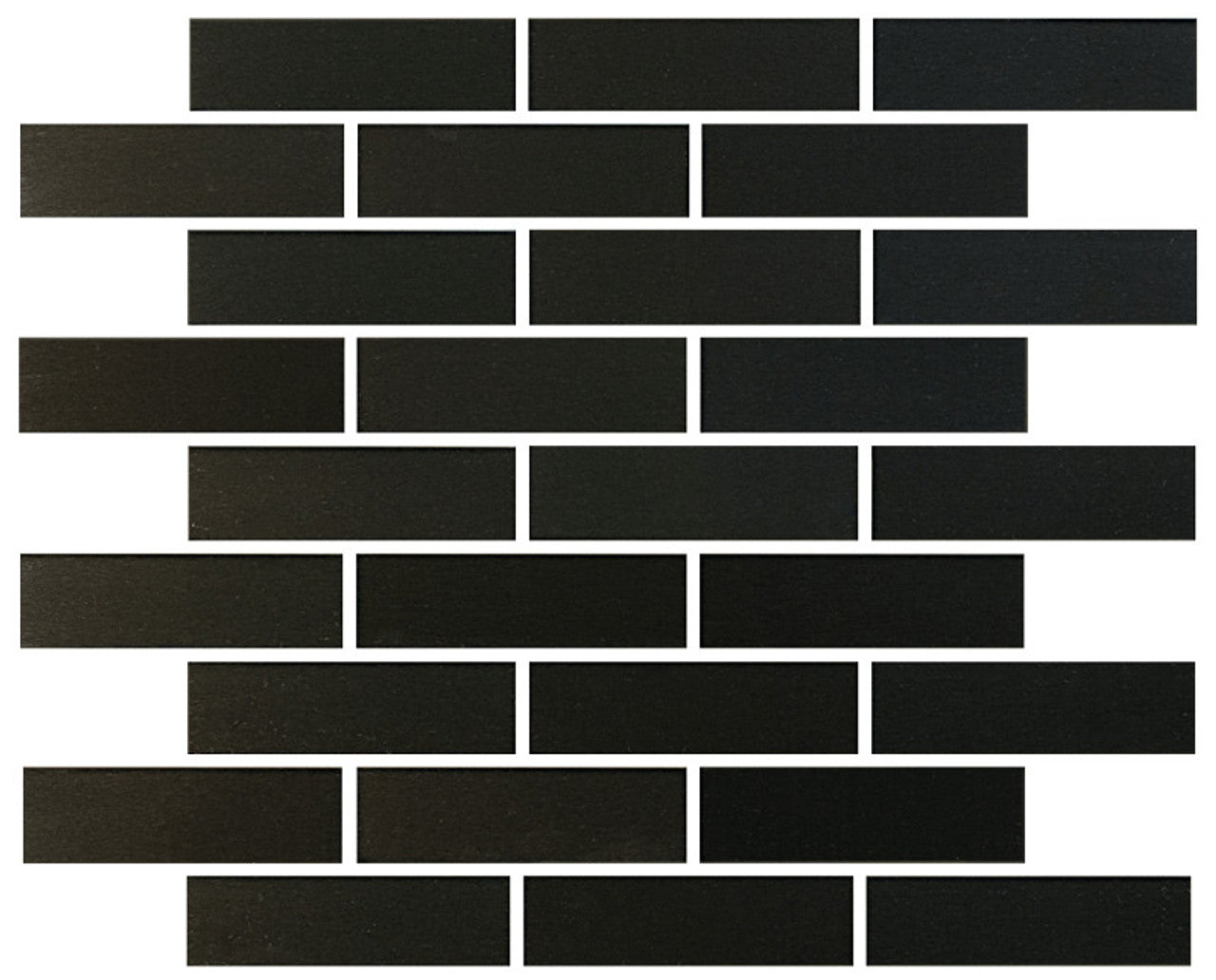
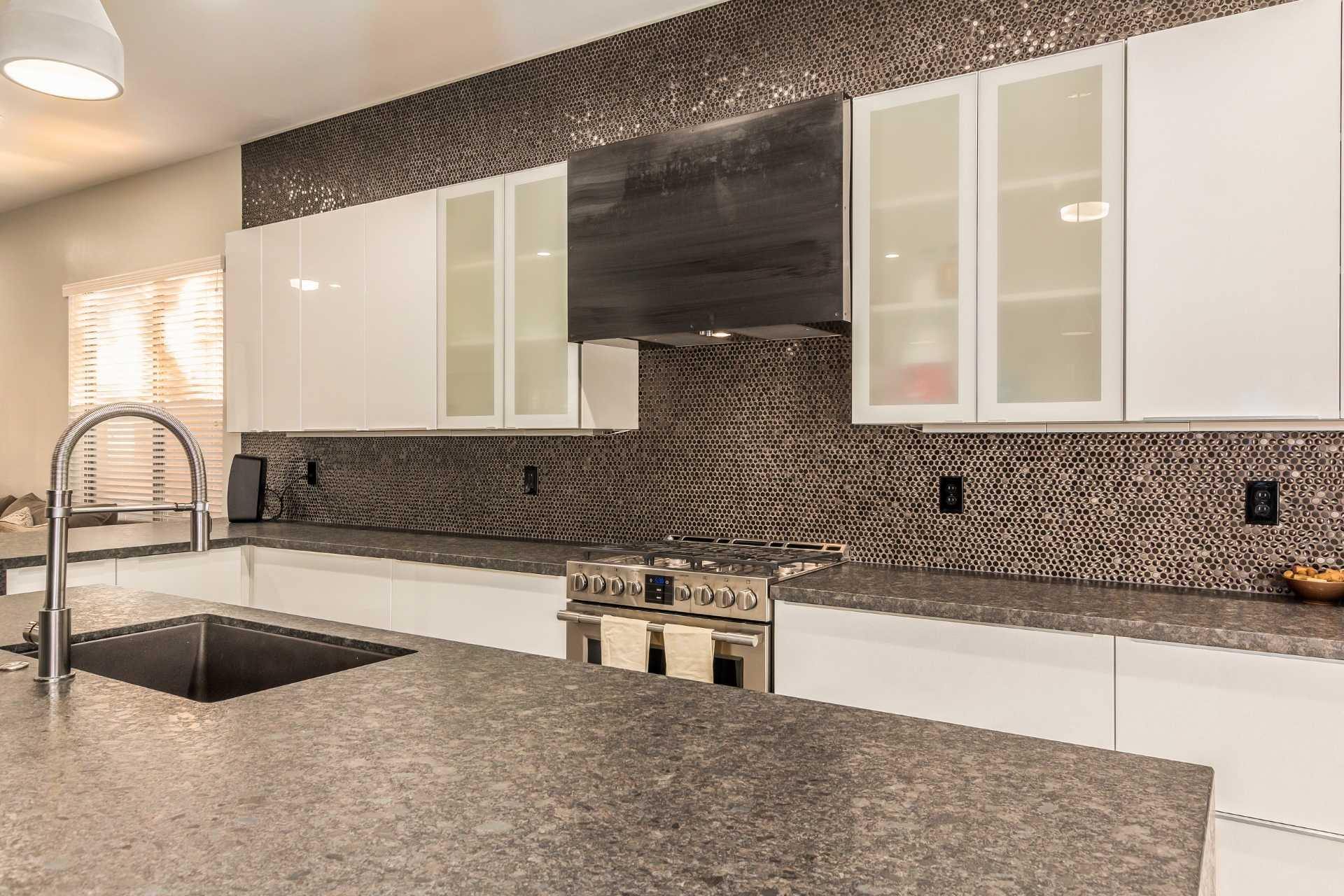
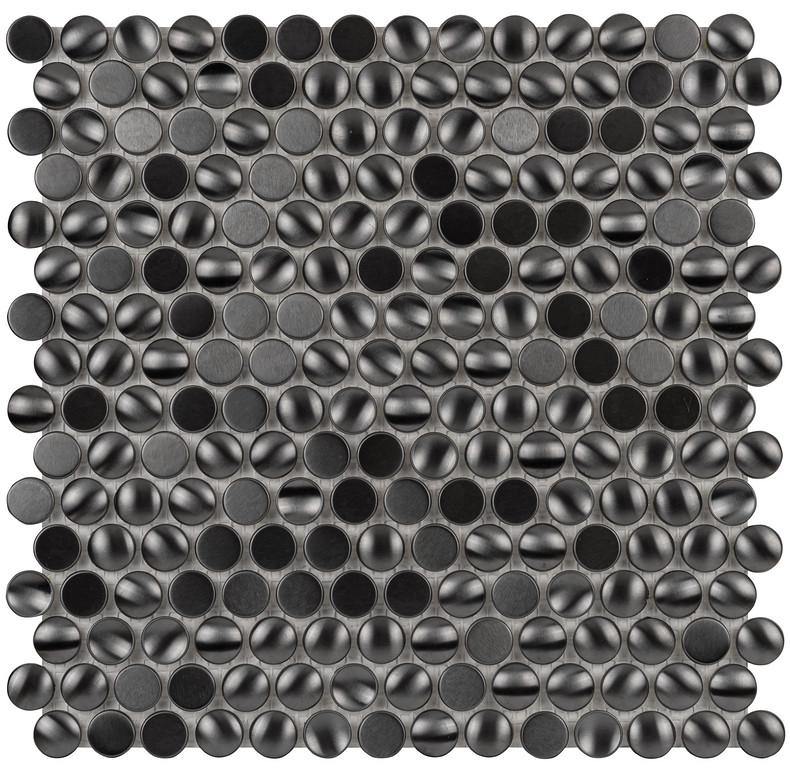
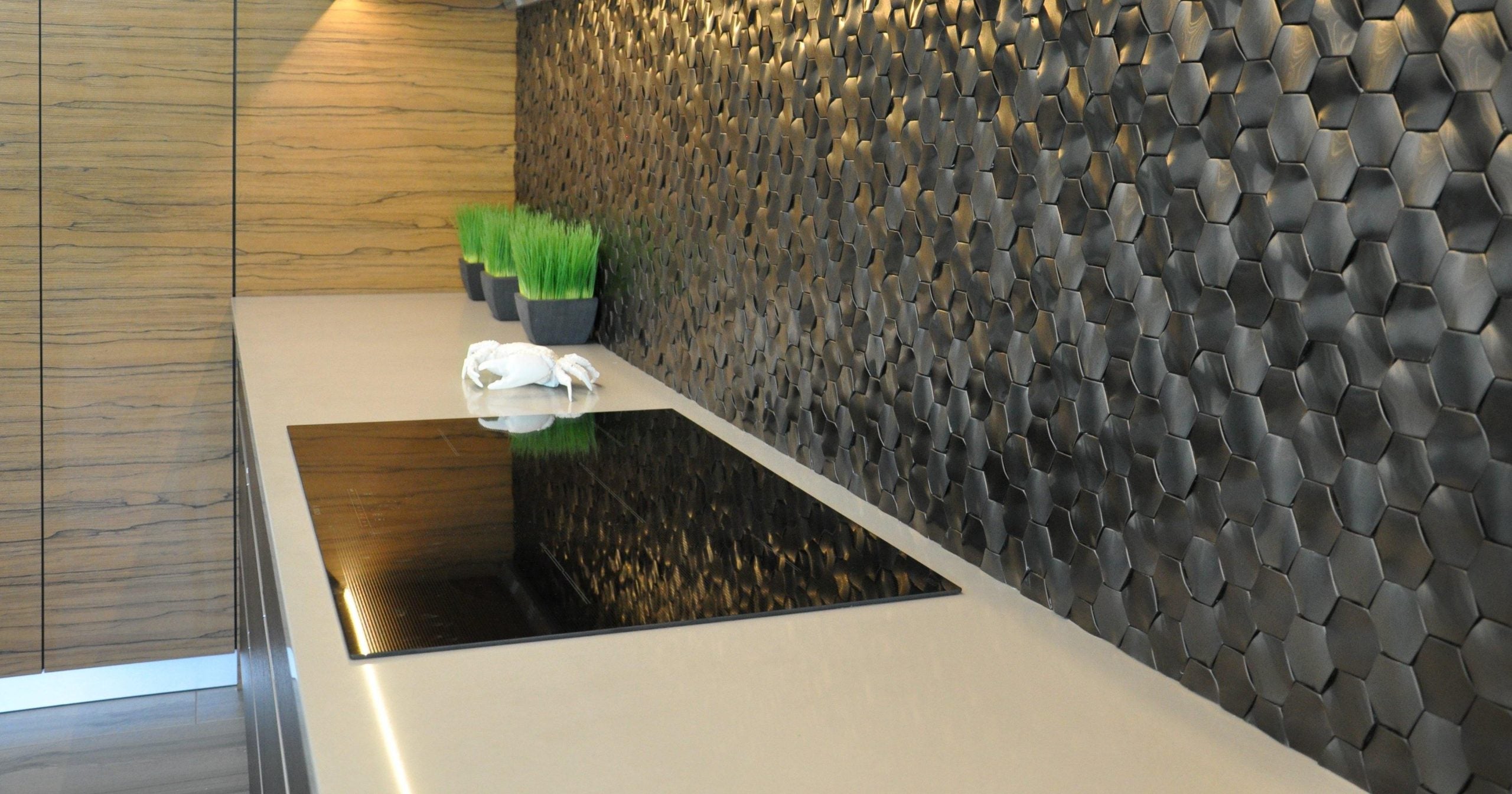
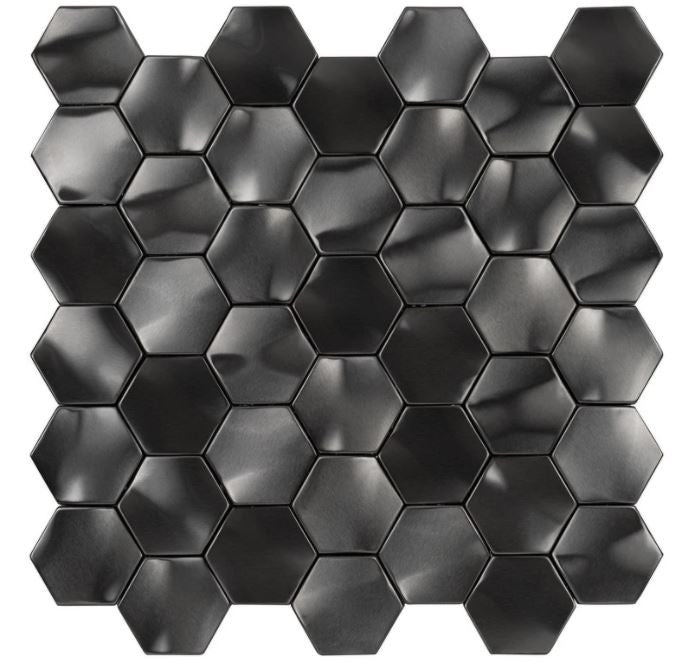
Gun metal is a dark gray-charcoal alloy tone, richer than standard gray, cooler than black, and far more textured than either. The brushed finish is the defining characteristic: instead of a reflective, polished surface, the metal is mechanically abraded to create a soft, linear sheen that diffuses light rather than reflecting it directly. The result is a finish that looks expensive and refined rather than flashy.
This finish sits in a unique design sweet spot. It has the industrial confidence of raw metal, the sophistication of a matte surface, and enough warmth from its depth to pair with a wide variety of materials, concrete, natural stone, white quartz, dark wood, and matte black fixtures all work exceptionally well alongside it.
To better understand how brushed and other metallic finishes behave in real installations, read our blog post on choosing the right tile finish.
Brushed gun metal is one of the most versatile finishes in our metal tile collection. It reads as neutral enough to work in many color palettes while still making a clear, confident design statement. Here's where it performs best:
The kitchen backsplash is where brushed gun metal truly shines. Dark metallic tile creates a striking contrast against white, cream, or light wood cabinetry, and it coordinates beautifully with stainless steel appliances, a natural pairing. The brushed texture helps mask fingerprints and cooking splatter better than polished metal, making it far more practical for a working kitchen.
Gun metal subway tiles installed in a standard horizontal stack or an offset pattern give kitchens a sleek, architectural look. For something more dynamic, the hexagon and windmill mosaic formats in this collection add geometric complexity without becoming busy. If you're planning a full kitchen refresh, our guide on how to choose the perfect kitchen backsplash tile walks through every decision point, material, color, size, layout, and budget.
For a broader look at what's trending this year, see our top kitchen backsplash trends for 2026.
A fireplace is one of the highest-impact design moments in any room, and brushed gun metal tile is built for it. The dark tone creates visual drama and focal-point energy, while the metal's natural heat resistance makes it an appropriate choice for the surround area surrounding the firebox. Paired with dark grout, gun metal tiles create a seamless, sculptural look that elevates the entire living space.
Our blog on stylish fireplace backsplash ideas explores how metal tile fits into modern, industrial, and transitional fireplace designs.
Brushed gun metal tiles work extremely well in bathrooms, particularly for vanity backsplashes, niche surrounds, and accent walls. Their dark, textured surface creates a spa-like atmosphere when paired with light stone, large-format porcelain, or white wall tile. The contrast between light and dark materials is a hallmark of high-end bathroom design.
One important note: Tile Choices does not recommend brushed gun metal metal tiles for direct shower walls or shower niches where they would receive constant water exposure. For those applications, consider our shower wall tile collection. For vanity areas and bathroom feature walls with minimal water contact, these tiles perform beautifully.
For full guidance on selecting tiles for every part of the bathroom, see our bathroom tile selection guide.
Gun metal tile is a natural choice for interior feature walls in both residential and commercial settings. In living rooms, home offices, and dining areas, a full or partial gun metal tile wall creates a backdrop that makes furniture and art stand out. In commercial spaces, restaurant feature walls, bar fronts, hotel lobbies, retail environments, the industrial sophistication of brushed gun metal reads as intentional and premium.
For inspiration on getting the most from a feature wall installation, explore the Tile Choices feature wall blog.
This collection includes several tile formats to suit different applications and design intentions:
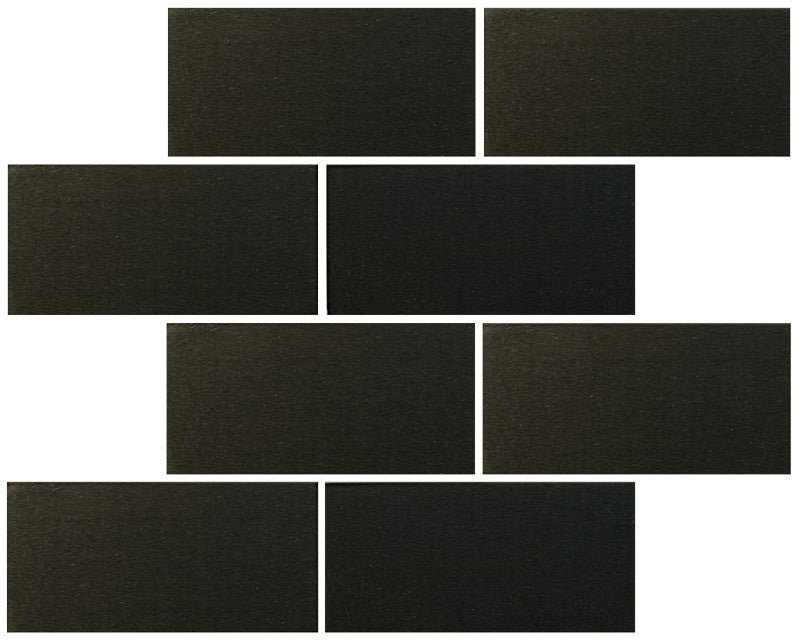
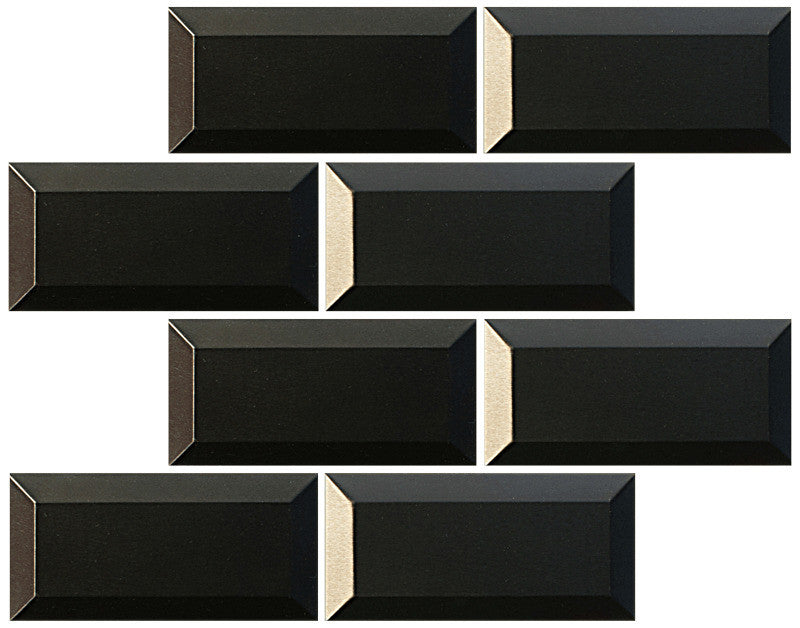
The 3 x 6 subway format is the most classic option, clean, architectural, and adaptable to both modern and transitional spaces. The beveled subway variant adds a dimensional edge profile that catches light differently, giving the tile additional visual depth and a more crafted, intentional look. Both formats work well in traditional running bond layouts or vertical stacks.
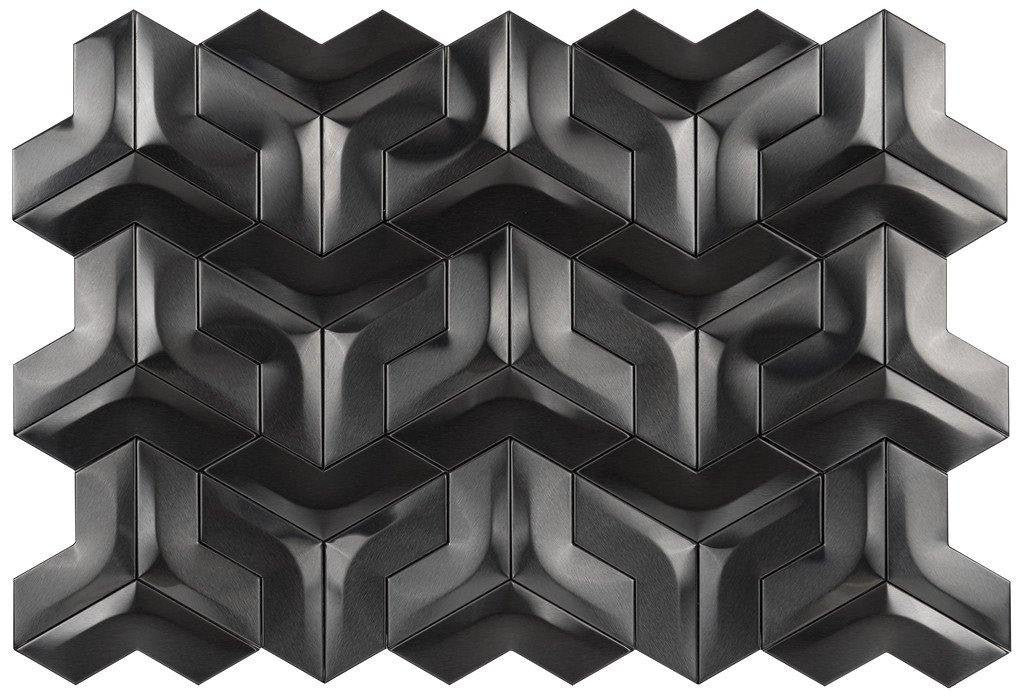
The rolling hexagon mosaic format introduces geometric complexity and movement. Hexagonal shapes have a strong design presence without feeling dated, and in gun metal they take on an especially modern, almost architectural quality. This format works particularly well for kitchen backsplashes, bathroom feature walls, and fireplace surrounds where you want a more decorative focal point.
The windmill mosaic pattern uses a pinwheel-style arrangement of rectangular tiles to create a dynamic, repeating geometric design. It's one of the most distinctive formats in this collection, ideal for accent features, niche insets, and spaces where you want the tile itself to be the design statement.
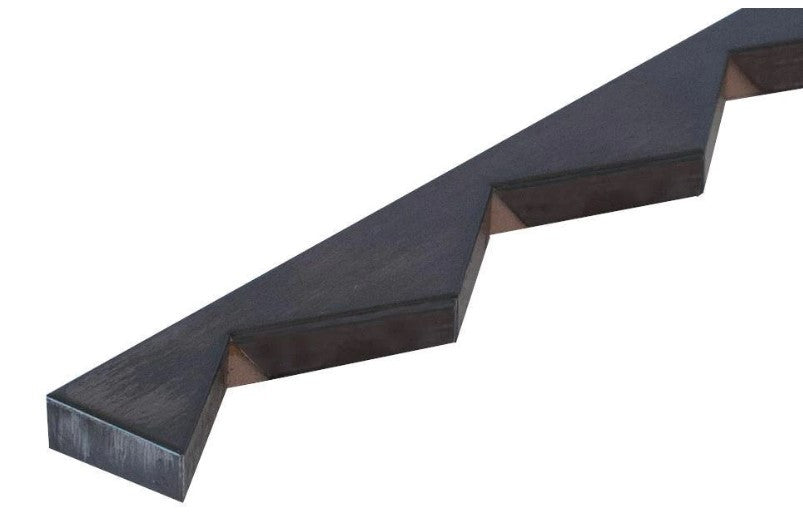
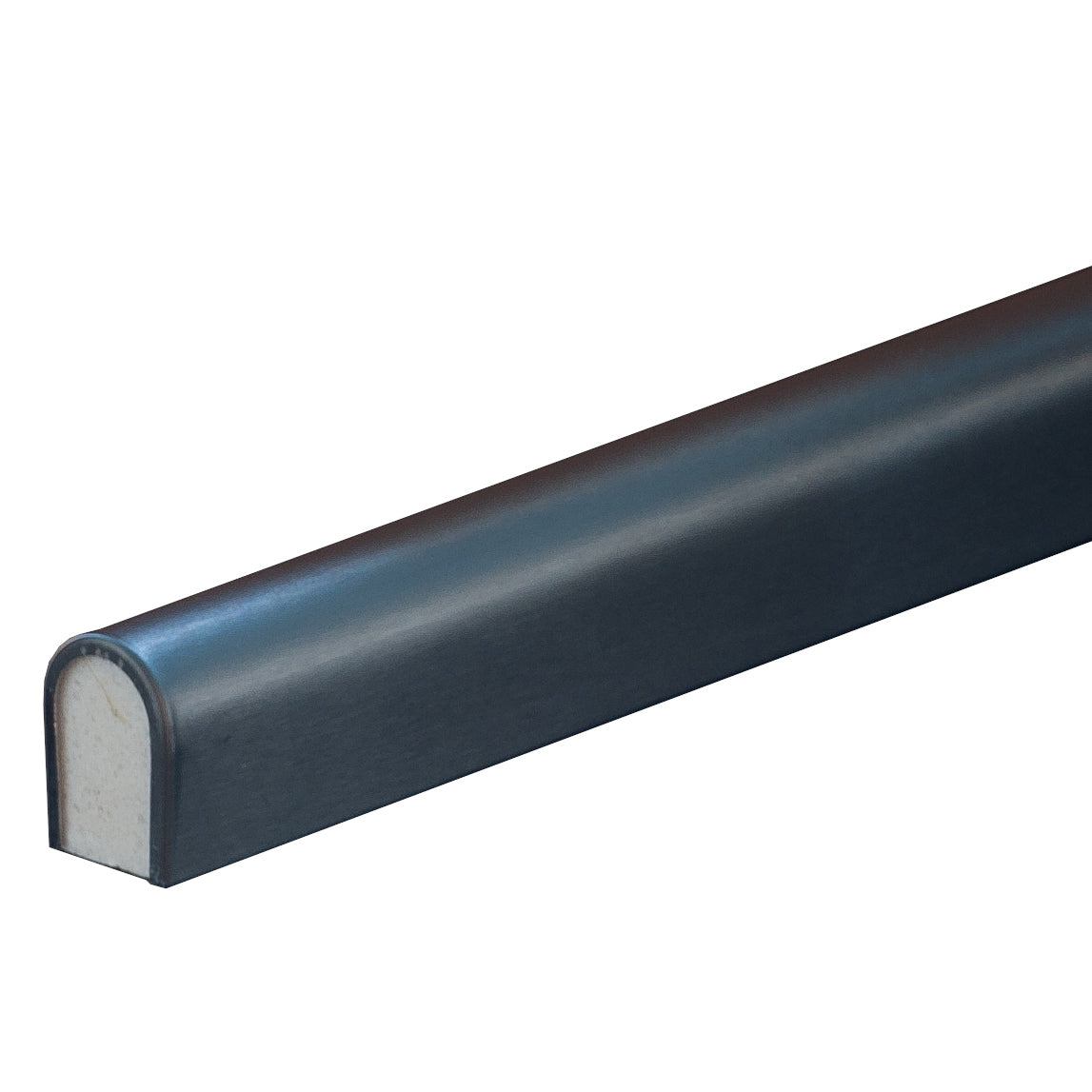
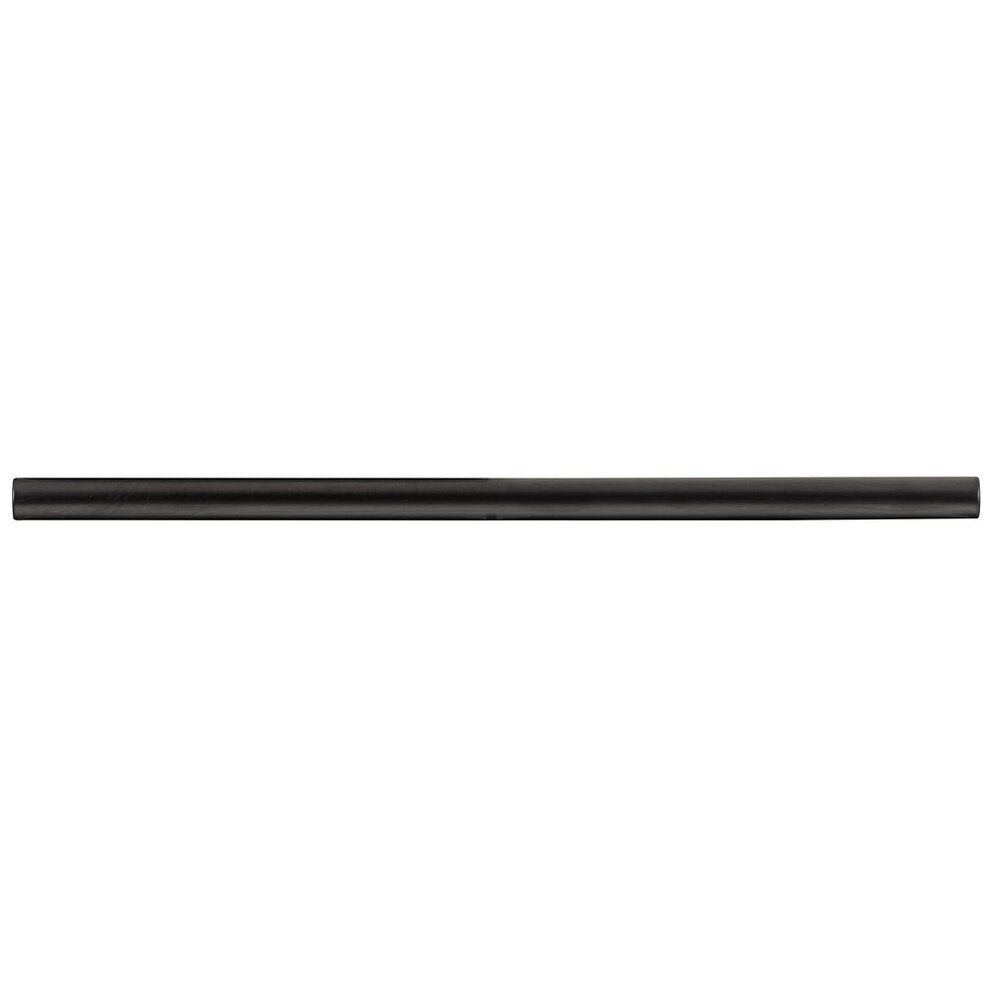
The 1 x 4 brickset format offers a more refined, elongated look that emphasizes horizontal movement. It's popular for full-height backsplashes, bar walls, and applications where the linear direction of the layout adds to the overall design composition. The linear trim and flat liner options are ideal for borders, transitions, and accent banding used alongside other tile materials.
The 3D dimes format adds a dimensional, textural element to the gun metal finish. Small circular forms press out from the surface, creating a tactile depth that photographs beautifully and interacts dynamically with both natural and artificial light. This is a strong choice for accent features, kitchen range hoods, and fireplace surrounds where you want texture as well as color.
Part of what makes brushed gun metal tile so broadly useful is how it behaves with other materials. Because it's neither warm nor cool in an extreme way, sitting at the intersection of charcoal gray and deep blue-black, it pairs across a wide range of palettes and material types.
White and off-white shaker cabinets paired with gun metal tile backsplash is one of the most enduringly popular kitchen combinations. The contrast is high-impact without being garish. For a more tonal, monochromatic approach, pair gun metal tile with dark charcoal or navy cabinetry and black hardware. Quartz countertops in white, light gray, or veined marble-look finishes all complement the tile's depth.
Brushed gun metal tile reads as a neutral in most rooms. Light wood floors, concrete-look porcelain, and large-format gray or white tile flooring all work well beneath gun metal backsplash or wall tiles. For full-room design guidance on mixing materials, our guide to mixing tile patterns offers practical strategies.
Matte black, brushed nickel, and dark bronze fixtures are natural pairings for gun metal tile. The shared dark tone creates a cohesive finish palette throughout the space. For a more unexpected combination, brushed brass or warm gold hardware creates an intentional contrast that adds richness and warmth to the cool gun metal surface.
Brushed gun metal tile integrates well into several interior design styles:
The original home for gun metal aesthetics. Pair with exposed concrete, brick, raw steel shelving, and Edison bulb lighting for a fully committed industrial look. Gun metal tile grounds the palette while adding a refined surface material to the raw industrial mix.
In modern interiors, gun metal tile functions as a sophisticated neutral. Its dark tone adds depth and contrast in spaces that might otherwise feel stark, while the brushed finish keeps it from becoming too reflective or high-maintenance looking.
Transitional kitchens and bathrooms that blend classic architecture with modern finishes benefit from gun metal tile as an updated alternative to standard subway tile. The beveled subway format in particular bridges both aesthetics naturally.
In high-end residential settings, brushed gun metal tile pairs with marble, dark walnut, and polished concrete to create a layered, expensive-looking material palette. The metal element adds an industrial edge that prevents the overall design from feeling overly traditional.
For a comprehensive look at how metal tile fits into modern home design, see our blog post on stylish metal tiles for modern home design.
Brushed gun metal is one of several metallic finishes available at Tile Choices. If you're comparing options across the metal tile range, here's how gun metal relates to the others:
Stainless steel tiles offer a brighter, more reflective metallic surface, either polished or brushed. Where gun metal reads as dark and moody, stainless is clean, light, and high-shine. It's an excellent choice for modern kitchens where you want maximum brightness and a classic professional appliance-adjacent look.
Aluminum tiles are lightweight and tend toward a matte, medium-toned silver finish. They sit tonally between stainless steel and gun metal, less dark than gun metal but less bright than polished stainless. A good option for applications where you want metallic texture without the darker drama of gun metal.
Antique copper tiles bring warmth, patina, and richness that gun metal doesn't. If your space leans rustic, vintage, or warmly industrial, think warm wood tones, terracotta, and earthy palettes, copper may be the better direction. For cool, modern, and minimalist spaces, gun metal holds the edge.
Browse the complete metal tile collection to compare all available finishes, formats, and price points side by side.
Brushed gun metal tiles are installed using standard thin-set mortar on a properly prepared wall substrate. Mesh-mounted mosaic sheets make installation more straightforward, as tiles are pre-spaced and can be positioned as full sheets rather than individual pieces.
Grout selection matters significantly with dark metal tile. Unsanded or epoxy grout in a dark or matching tone is recommended, epoxy grout is particularly well suited to metal tile because it won't scratch or etch the metallic finish during application. Avoid sanded grout, which can abrade and damage the brushed surface texture.
For ongoing care, clean with a soft cloth and a mild, non-abrasive cleaner. The brushed texture naturally conceals fingerprints and smudges better than polished metal surfaces. Avoid acidic, bleach-based, or highly alkaline cleaners, which can discolor or damage metal tile finishes over time.
Full installation and care instructions are available in our metal tile installation and care guide. For a broader overview of how different materials compare for backsplash applications, read our analysis of the pros and cons of popular kitchen backsplash tile materials.
Every tile in this collection is carefully selected based on real-world performance, design relevance, and long-term durability. We don’t list thousands of random products — we curate materials that meet professional installation standards.
Our collections are guided by Bruno Mendolini, a tile expert with over 25 years of experience and deep roots in the Italian tile industry.