
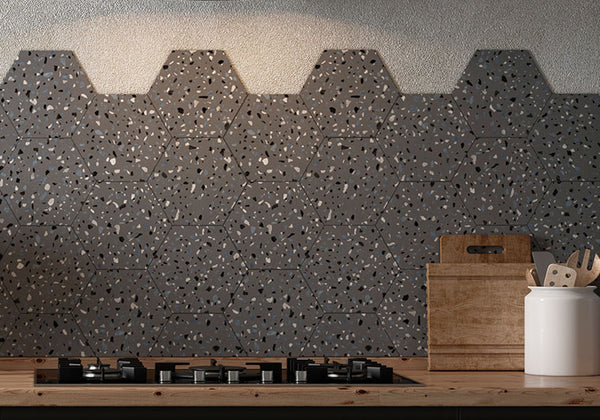
Most American homeowners are surprised to learn that nearly 40 percent regret their initial tile finish choice after installation. The finish you select does more than change how a space looks. It decides how easily a floor cleans, how it holds up to wear, and even how safe it feels underfoot. Unpacking the facts about tile finishes will help you sidestep common misconceptions and choose a style that truly works for your needs.
Table of Contents
- Defining Tile Finish And Common Misconceptions
- Popular Types Of Tile Finishes Explained
- Key Features Of Each Finish Style
- Real-World Applications For Different Finishes
- Maintenance, Durability, And Cost Implications
- Mistakes To Avoid When Selecting Finishes
Key Takeaways
| Point | Details |
|---|---|
| Tile Finish Affects Performance | Tile finishes are essential not only for aesthetics but also for durability and maintenance; they must align with specific environments. |
| Common Misconceptions | Many believe all tile finishes are equally durable; however, the suitable finish depends on the tile’s intended use and surroundings. |
| Maintenance and Cost Implications | Different finishes have varying maintenance needs and costs; glossy tiles may look appealing but require more upkeep than matte options. |
| Selection Mistakes to Avoid | Prioritizing visual appeal over functional performance can lead to costly errors; understanding environmental demands is crucial for successful tile selection. |
Defining Tile Finish and Common Misconceptions
Tile finishes represent the surface texture, appearance, and protective layer applied to tile materials during manufacturing. These finishes are crucial in determining a tile’s aesthetic appeal, durability, and functional performance. Ceramic tiles, created from natural clay and sometimes recycled materials, showcase how complex tile production can be, with multiple finish options available.
Contrary to popular belief, tile finish is not just about visual appearance but also significantly impacts performance and maintenance requirements. Homeowners and designers often misunderstand that a particular finish isn’t universal across all tile types. Glossy finishes, for instance, might look stunning in a showroom but can be challenging in high-traffic areas due to potential slipping risks and visible scratches. Understanding the nuanced differences between glazed and unglazed tiles helps in making more informed design choices.
Tile finishes generally fall into several primary categories: glazed, unglazed, polished, matte, and textured. Each finish offers unique characteristics that influence its suitability for specific environments. A polished porcelain tile might be perfect for a sleek bathroom, while a textured ceramic tile could provide better slip resistance for an outdoor patio. The key is matching the tile’s finish with its intended use, understanding that aesthetics and functionality must work together harmoniously.
Common misconceptions about tile finishes include the belief that all tiles are equally durable or that a beautiful finish guarantees long-term performance. Realistic expectations require understanding how different finishes interact with specific environments. A glossy marble tile might look luxurious but could quickly show wear in a busy kitchen, whereas a matte porcelain tile could provide both elegance and practical resilience. Selecting the right tile finish is about balancing visual preferences with practical considerations of wear, cleaning, and maintenance.
Popular Types of Tile Finishes Explained
Tile finishes represent a sophisticated world of design and functionality, offering homeowners and designers multiple options to transform spaces. Common tile types like ceramic, porcelain, and mosaic showcase diverse manufacturing processes and applications, each bringing unique characteristics to interior and exterior design projects.
Traditional tile finishes encompass several primary categories, each with distinct aesthetic and performance attributes. Glazed tiles provide a smooth, sealed surface with vibrant color options, while unglazed tiles offer natural, textured appearances. Exploring the nuanced differences between various tile finishes reveals how surface treatments dramatically impact a tile’s visual appeal and practical functionality.
Specialized finishes extend beyond basic glazing techniques. Some innovative approaches include terrazzo-style finishes like polished, honed, brushed, acid-etched, and sandblasted surfaces, which provide unique textural experiences. Polished finishes create sleek, reflective surfaces ideal for modern interiors, while textured finishes like sandblasted or brushed options deliver enhanced slip resistance perfect for outdoor areas or high-traffic zones.
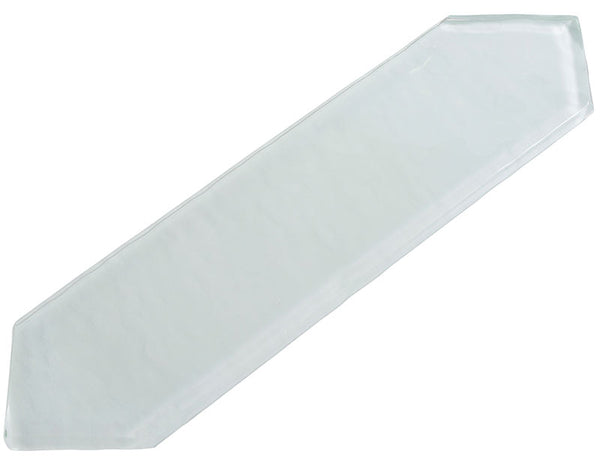
Each tile finish serves a specific purpose beyond mere aesthetics. Matte finishes minimize visible scratches and fingerprints, making them excellent for busy household environments. Glossy finishes reflect light and can make smaller spaces feel more expansive. Textured finishes provide grip and visual depth, transforming functional surfaces into design statements. Understanding these nuanced characteristics allows designers and homeowners to select tile finishes that perfectly balance visual appeal with practical performance requirements.
Key Features of Each Finish Style
Different tile finishes offer unique characteristics that dramatically transform spaces, making material selection a critical design decision. Glossy tiles dramatically enhance light and spatial perception, though they can introduce slip hazards in certain environments, requiring careful consideration of placement and functionality.
Polished finishes represent the pinnacle of sleek, sophisticated design, creating reflective surfaces that amplify light and create an illusion of expanded space. Terrazzo-style surface treatments like polished, honed, brushed, acid-etched, and sandblasted techniques provide designers with an incredible range of textural possibilities, allowing for unprecedented creative expression in architectural design. Polished surfaces work exceptionally well in modern, minimalist interiors, while brushed and textured finishes deliver more rustic, organic aesthetics.
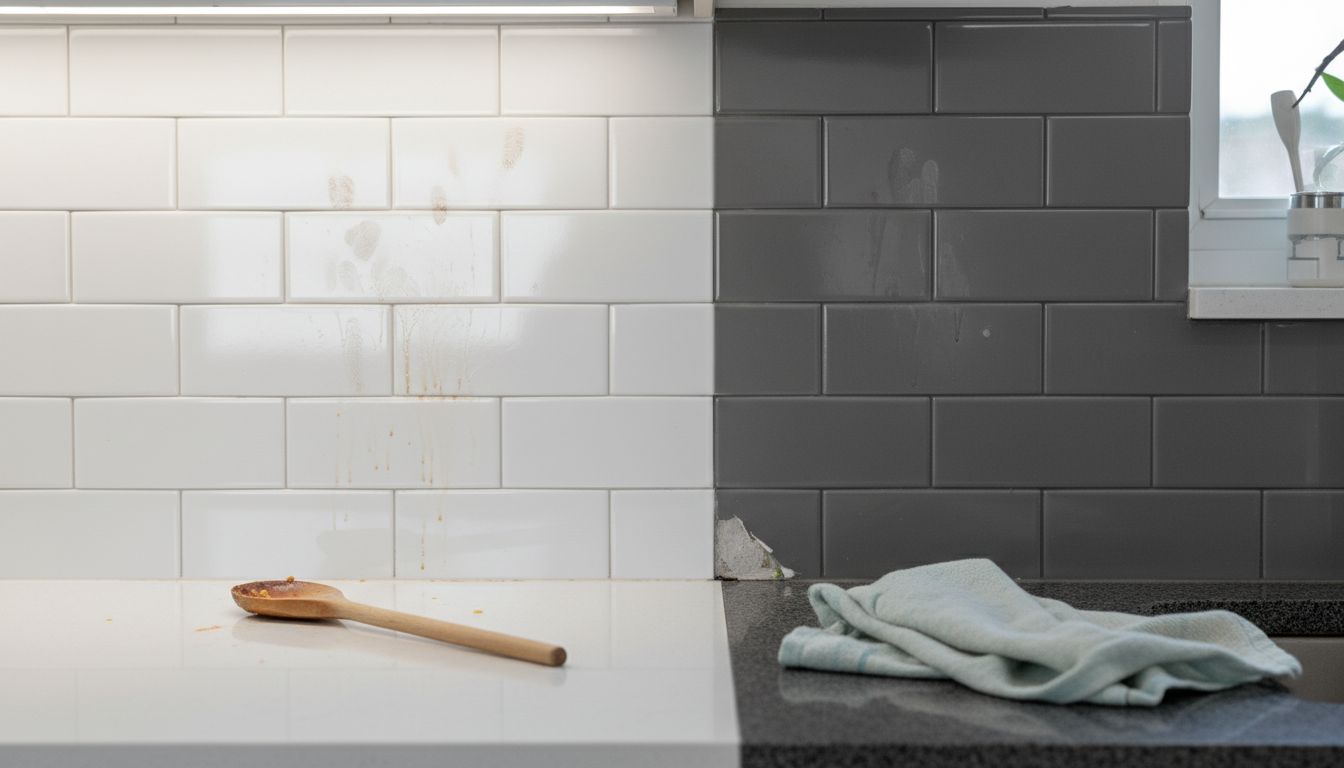
Matte finishes offer practical advantages that make them increasingly popular in residential and commercial settings. Unlike glossy surfaces, matte tiles effectively hide smudges, fingerprints, and minor imperfections, making them ideal for high-traffic areas and spaces prone to frequent use. These finishes provide superior slip resistance, which is particularly important in bathrooms, kitchens, and outdoor environments where moisture can create potential safety hazards.
Each finish style carries distinct performance characteristics beyond pure aesthetics. Acid-etched finishes provide unique visual textures that can transform ordinary surfaces into artistic statements, while sandblasted techniques deliver robust, slip-resistant surfaces perfect for outdoor applications. The key is understanding how different finish styles interact with specific environments, lighting conditions, and functional requirements. Selecting the right tile finish means balancing visual preferences with practical considerations of maintenance, durability, and intended use.
Real-World Applications for Different Finishes
Selecting the appropriate tile finish requires careful consideration of specific environmental and functional requirements. Glossy tiles excel in spaces where light enhancement and visual expansion are priorities, while simultaneously presenting potential slip risks in certain contexts, making strategic placement critical for both aesthetic and safety objectives.
Commercial and residential spaces demand different tile finish approaches based on their unique usage patterns. Terrazzo-style finishes offer remarkable versatility, with options ranging from polished surfaces ideal for modern interiors to sandblasted treatments perfect for industrial settings. Polished finishes work brilliantly in high-end corporate lobbies and contemporary home designs, creating sleek, reflective environments that communicate sophistication and precision.
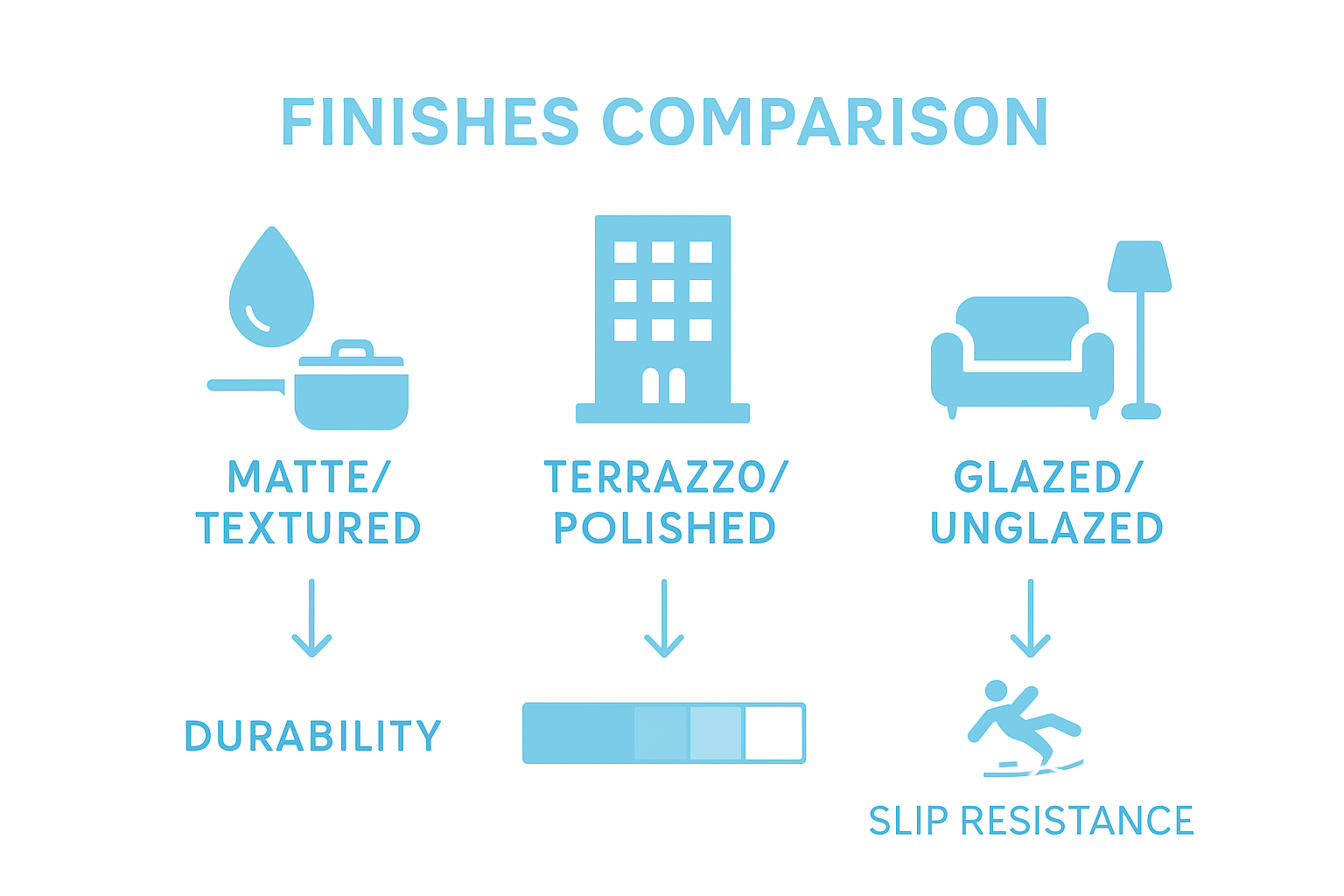
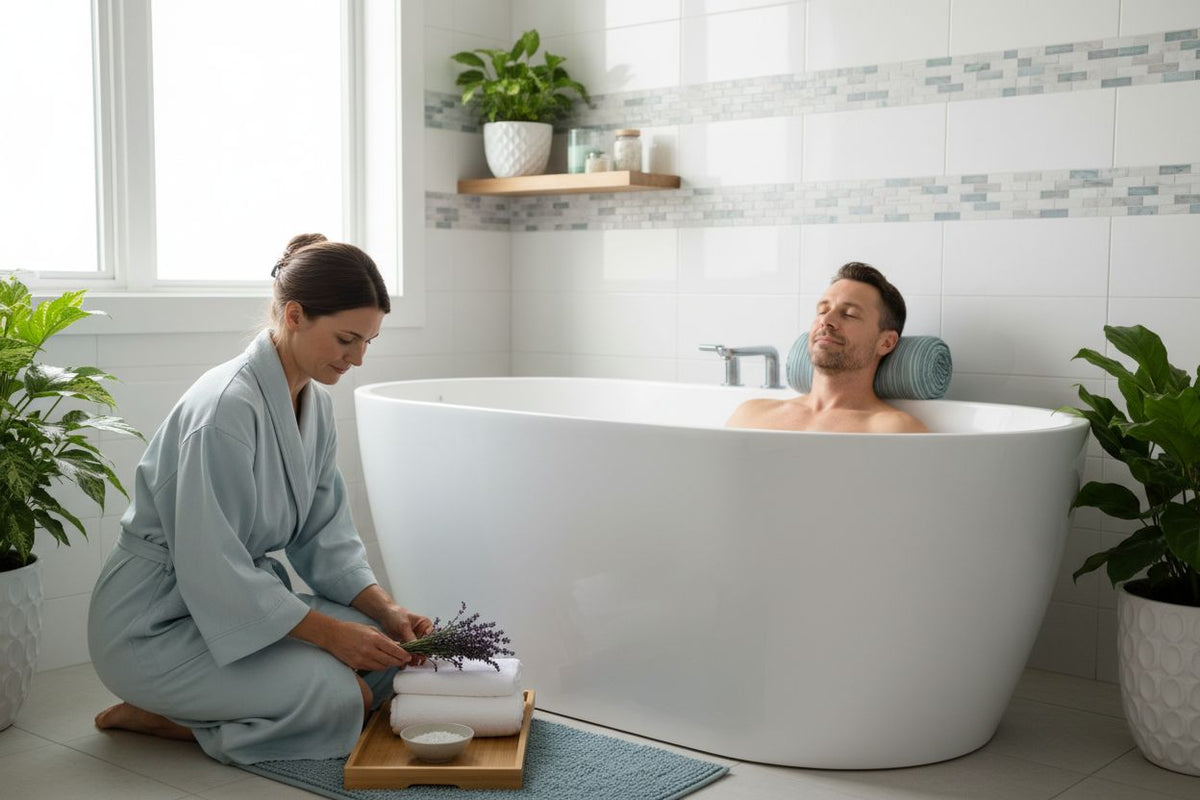
Specific environments require targeted finish selections. Bathrooms and kitchens benefit from matte or textured finishes that provide superior slip resistance, while entryways and living spaces might leverage glossy tiles to create a sense of expansiveness. Outdoor patios demand robust, weather-resistant finishes like sandblasted or acid-etched treatments that can withstand environmental challenges while maintaining aesthetic integrity.
Understanding the nuanced performance characteristics of different tile finishes allows designers and homeowners to make informed decisions. Acid-etched finishes can transform ordinary surfaces into artistic statements, brushed finishes deliver rustic charm, and honed surfaces offer elegant, understated sophistication. The ultimate goal is matching tile finish to functional requirements while simultaneously achieving desired aesthetic outcomes, creating spaces that are both beautiful and purposefully designed.
Maintenance, Durability, and Cost Implications
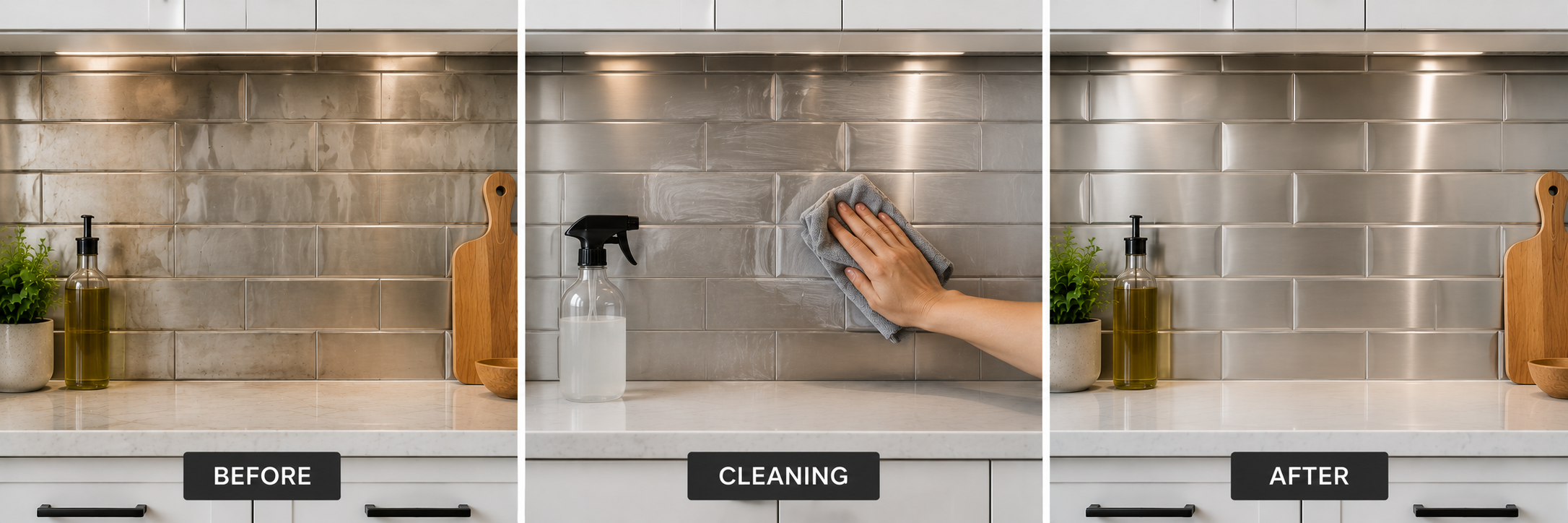
Tile finishes represent a significant investment, with long-term performance directly tied to maintenance requirements and initial selection. Glossy tiles demand more frequent cleaning due to their tendency to show water spots and smudges, while matte finishes inherently hide dirt more effectively, making them a pragmatic choice for busy households and commercial spaces.
Maintenance complexity varies dramatically across different tile finish types. Terrazzo-style finishes demonstrate nuanced maintenance needs, with polished surfaces offering easier upkeep compared to more textured treatments like acid-etched or sandblasted finishes. Polished tiles typically require minimal effort to maintain their shine, while brushed and textured finishes might need specialized cleaning techniques to preserve their unique aesthetic characteristics.
Cost implications extend beyond initial purchase price, encompassing long-term maintenance, replacement frequency, and performance durability. Glossy tiles often carry a higher aesthetic premium but may require more frequent replacement in high-traffic areas. Matte and textured finishes, while potentially less expensive initially, provide superior durability and can potentially reduce long-term maintenance expenses. Factors like foot traffic, environmental exposure, and intended use dramatically influence the total cost of ownership for different tile finishes.
Understanding the economic lifecycle of tile finishes requires considering multiple variables. Homeowners and designers must balance aesthetic preferences with practical considerations, evaluating not just initial costs but ongoing maintenance expenses. Some finishes might require professional cleaning or specialized sealants, adding to their total expense. The most cost-effective approach involves selecting a finish that aligns with the specific environmental demands of the space, balancing visual appeal, durability, and maintenance requirements to create a sustainable, beautiful design solution.
Mistakes to Avoid When Selecting Finishes
Selecting tile finishes requires strategic decision-making to prevent costly errors that can compromise both aesthetic appeal and functional performance. Inadequate surface preparation remains a critical mistake that can lead to tile failure, particularly in areas requiring robust waterproofing, emphasizing the importance of thorough professional installation and preparation.
Homeowners and designers frequently make fundamental selection errors by prioritizing visual appeal over practical functionality. Glossy tiles might look stunning in a showroom but can become problematic in high-traffic areas, showing scratches and watermarks rapidly. Professional tile evaluations recommend examining installations under intended lighting conditions and from standard viewing distances to ensure the chosen finish genuinely meets both aesthetic and performance expectations.
Common missteps in tile finish selection include neglecting environmental context, overlooking maintenance requirements, and failing to consider long-term durability. Selecting a high-maintenance glossy finish for a busy family kitchen, for instance, creates unnecessary cleaning challenges. Bathroom installations demand slip-resistant finishes, while outdoor spaces require tiles capable of withstanding temperature fluctuations and moisture exposure. Understanding these nuanced requirements prevents expensive redesign or premature replacement.
The most significant mistake is treating tile selection as a purely aesthetic decision, disconnected from functional performance. Successful tile finish selection involves comprehensive evaluation of factors like foot traffic, cleaning frequency, moisture exposure, and intended use. Designers must balance visual preferences with practical considerations, recognizing that the most beautiful tile becomes a liability if it cannot withstand its intended environment. Careful research, professional consultation, and realistic performance expectations are crucial to avoiding costly tile selection mistakes.
Find the Perfect Tile Finish That Balances Beauty and Durability
Choosing the right tile finish is more than just picking a look. As this article highlights, understanding the difference between polished, matte, glazed, and textured finishes can save you from costly mistakes later. Whether you’re worried about slip resistance in bathrooms or long-term maintenance in busy kitchens, getting the finish right matters for both safety and style.
Explore the wide range of tile options at TileChoices.com where you can discover detailed product descriptions and high-quality images to help you visualize your ideal space. With curated collections spanning ceramic, porcelain, natural stone, and more, you can confidently find tiles that fit your specific use case and aesthetic preference. Don’t wait to transform your home or commercial project with stylish, durable finishes designed to perform. Start your journey now at TileChoices.com and take advantage of sample requests and expert customer support to make informed decisions today.