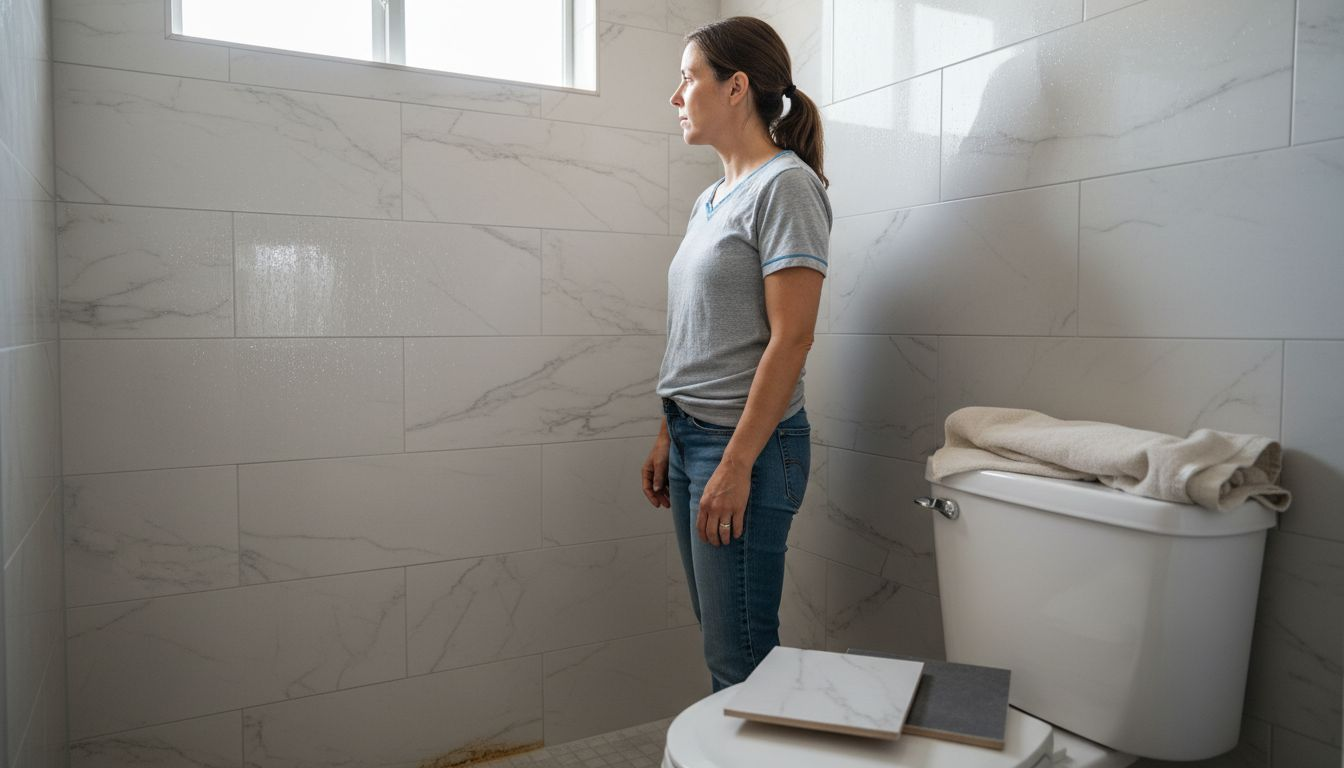
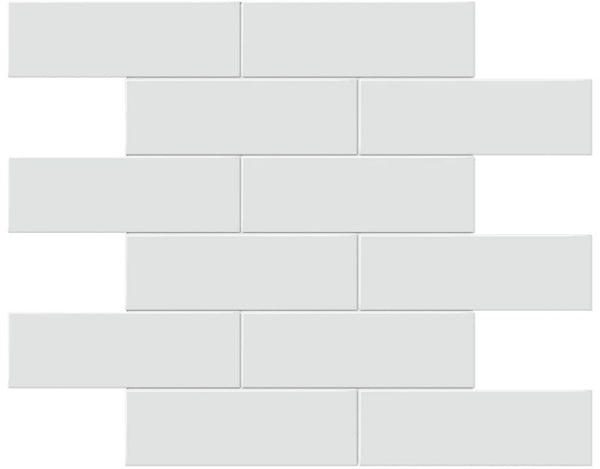
More than 60 percent of American homeowners say a modern, low maintenance bathroom is a top priority when renovating. Updating your shower feature wall with the right tile can dramatically influence not only your daily living experience but also your property value. From selecting materials built to withstand years of use to choosing designs that catch the eye, you will discover clear and practical guidance for creating a stunning and resilient bathroom that meets the highest American standards.
Table of Contents
- 1. Choose The Right Tile Material For Lasting Durability
- 2. Pick Colors And Patterns That Enhance Your Space
- 3. Use Tile Size And Layout To Create Visual Impact
- 4. Select Grout Colors For A Seamless Look
- 5. Add Texture With Matte Or Glossy Finishes
- 6. Incorporate Accent Borders Or Niches For Style
- 7. Care For Your Shower Feature Wall Tiles Properly
Quick Summary
| Key Message | Explanation |
|---|---|
| 1. Choose Water-Resistant Materials | Select porcelain or ceramic tiles for durability and low maintenance in shower walls. |
| 2. Understand Color Psychology | Use analogous color schemes to create a cohesive and soothing bathroom atmosphere. |
| 3. Optimize Tile Size and Layout | Large tiles enhance space perception; smaller tiles add texture. |
| 4. Select Appropriate Grout Colors | Match grout to tile for harmony; use contrast to highlight patterns. |
| 5. Ensure Proper Maintenance | Regular inspections and use of pH-neutral cleaners are crucial for long-lasting beauty. |
1. Choose the Right Tile Material for Lasting Durability
Selecting the right tile material is crucial for creating a stunning and long lasting shower feature wall. Your choice impacts not just aesthetics but also performance, maintenance requirements, and overall durability.
Porcelain and ceramic tiles emerge as top contenders for shower walls due to their exceptional water resistance and design versatility. According to industry standards like ANSI A137.1:2022, porcelain tiles with water absorption rates below 0.5% provide superior waterproofing and structural integrity.
When evaluating tile materials, consider factors beyond just appearance. Water absorption, surface texture, and long term durability are critical. Textured or matte finishes offer additional slip resistance which is especially important in wet environments like shower spaces.
Natural stone tiles present another elegant option but come with higher maintenance demands. They require regular sealing to prevent water penetration and potential damage. In contrast, porcelain and ceramic tiles offer more straightforward care and consistent performance.
While vinyl tiles might seem attractive for their softer feel, they generally lack the robust durability needed for sustained shower wall performance. Prioritize materials specifically engineered for wet areas to ensure your feature wall remains beautiful and functional for years.
Pro tip: Always request tile samples and test them in your specific bathroom lighting and environment before making a final selection to understand how they truly look and perform.
2. Pick Colors and Patterns That Enhance Your Space
Designing a shower feature wall isn’t just about selecting tiles it’s about creating a visual experience that transforms your bathroom. Understanding color psychology and design principles can help you craft a space that feels intentional and harmonious.
Color selection plays a critical role in setting the mood and perception of your bathroom. Analogous color schemes offer a sophisticated approach to creating visual unity. By selecting colors adjacent to each other on the color wheel, you can develop a cohesive palette that feels both soothing and visually engaging.
Color Theory Fundamentals
In tile design, consider three key elements: hue, saturation, and value. These components determine how colors interact and influence the emotional atmosphere of your space. A light blue with soft gray undertones can create a calm spa like environment, while bold charcoal and white tiles might generate a modern dramatic statement.
When exploring patterns, balance is essential. Large format tiles can make a small shower feel more spacious, while intricate mosaic designs add visual complexity and interest. Consider your bathroom’s overall size and lighting when selecting tile patterns to ensure the feature wall enhances rather than overwhelms the space.
For those seeking visual drama, experiment with geometric layouts or unexpected color transitions. A herringbone pattern in neutral tones or a subtle ombré effect can elevate your shower from functional to extraordinary.
Pro tip: Always purchase tile samples and view them in your actual bathroom lighting before making a final decision to understand how colors and patterns truly interact in your specific environment.
3. Use Tile Size and Layout to Create Visual Impact
Tile size and layout are powerful design tools that can dramatically transform your shower feature wall from ordinary to extraordinary. Strategic selection of tile dimensions and placement can create visual illusions, enhance spatial perception, and reflect your personal aesthetic.
Large format tiles can make a small shower feel more expansive by reducing visual interruptions. Conversely, smaller mosaic tiles can add intricate texture and visual complexity to larger spaces. Tile layout planning requires thoughtful consideration of both aesthetic and functional requirements.
Strategic Size Selection
When choosing tile sizes, consider your shower’s architectural dimensions. In compact bathrooms, large tiles with minimal grout lines create a sense of openness. Rectangular tiles laid horizontally can make walls appear wider, while vertical placement can create the illusion of increased height.
Geometric patterns offer additional design opportunities. Herringbone layouts add dynamic movement, while grid patterns provide clean minimal sophistication. Mixing tile sizes within the same wall can create focal points and break visual monotony.
Beyond aesthetics, tile layout impacts practical considerations. Proper installation ensures smooth surfaces and prevents water retention in grout lines. Consider tiles with minimal size variations to maintain a level surface and simplify maintenance.
Innovative Layout Techniques
Experiment with unexpected arrangements. Diagonal tile placement can introduce energy and movement. Alternating tile sizes or creating asymmetrical patterns can transform a standard shower wall into a design statement.
Pro tip: Always purchase extra tiles and create a layout mock up before final installation to visualize the complete design and ensure your chosen pattern achieves the desired visual effect.
4. Select Grout Colors for a Seamless Look
Grout might seem like a minor detail, but it plays a crucial role in defining the overall aesthetic and functionality of your shower feature wall. Your grout color can either create a harmonious backdrop or become a bold design statement.
Grout Color Strategy
Choosing the right grout color involves understanding how different approaches impact visual perception. Grout color selection dramatically transforms tile appearance by either blending seamlessly or creating deliberate contrast.
Matching grout color to your tile creates a smooth uniform look that visually expands the space. This approach works exceptionally well in smaller showers where you want to create an illusion of openness. Neutral tones like light gray or beige are excellent universal choices that complement multiple tile styles.
Contrasting grout colors can highlight intricate tile patterns and add visual interest. A white tile with dark gray grout creates dramatic geometric definition. However exercise caution darker grout lines can make spaces feel more compartmentalized and potentially smaller.
Technical Considerations
Beyond aesthetics, grout type matters. Unsanded grout works best for narrow tile joints and delicate materials, while sanded grout provides better structural support for wider joints. Regardless of color, always choose grout specifically designed for wet environments to ensure long term durability.
Consider your tile material when selecting grout. Ceramic and porcelain tiles offer more color flexibility, while natural stone might require more nuanced color matching to preserve its inherent beauty.
Pro tip: Purchase grout samples and test them against your tiles in the actual bathroom lighting before making a final decision to see how colors interact in your specific space.
5. Add Texture With Matte or Glossy Finishes
The texture of your shower feature wall tiles can transform an ordinary space into a stunning visual experience. Matte and glossy finishes offer unique aesthetic and functional characteristics that go far beyond simple surface appearance.
Understanding Surface Textures
Tile finish selection requires careful consideration of both visual appeal and practical performance. Matte finishes provide a sophisticated soft look with minimal light reflection, creating a modern understated elegance that works beautifully in contemporary bathroom designs.
Glossy tiles offer a completely different aesthetic. Their reflective surface amplifies light, making smaller shower spaces feel more expansive and vibrant. These tiles intensify color saturation and create a sleek polished appearance that catches and bounces light throughout the room.
Functional Considerations
Beyond aesthetics, texture plays a critical role in shower safety. Matte finishes typically provide better slip resistance due to their less reflective surface. This makes them an excellent choice for shower walls where moisture and potential slipping are constant concerns.
Specialty matte finishes range from velvety smooth to subtly rough, offering multiple texture options. Some incorporate oxides like magnesium to create unique surface qualities that add depth and visual interest to your tile design.
Mixing tile textures can create dynamic visual contrast. Consider combining a glossy feature tile with surrounding matte tiles or using textured tiles as accent pieces to break up uniform surfaces.
Pro tip: Always request physical tile samples and observe them in your bathroom’s specific lighting conditions to truly understand how matte and glossy finishes will interact with your space.
6. Incorporate Accent Borders or Niches for Style
Transform your shower from a basic functional space into a design masterpiece by strategically integrating accent borders and architectural niches. These design elements are not just decorative touches but powerful ways to personalize and enhance your bathroom’s visual narrative.
Architectural Storytelling
Architectural niches offer more than simple storage solutions. They break up tile expanses, introducing depth and shadow that create visual intrigue and architectural interest. A well designed niche can become a focal point that elevates your entire shower design.
Functional Design Strategies
Consider niches as multifunctional design elements. They provide convenient storage for shower essentials while simultaneously offering an opportunity to introduce contrasting tiles or decorative accents. A mosaic tile inner lining or a slightly different tile texture can transform an ordinary recessed shelf into a stunning design feature.
accent borders serve as visual guides that frame and define shower spaces. They can highlight specific architectural elements, create visual separation, or draw attention to unique tile patterns. A thin metallic border or a row of uniquely colored tiles can add sophistication and break up large tile expanses.
Creative Placement Techniques
Experiment with niche placement and sizing. Asymmetrical niches or multiple smaller niches can create more visual interest than a single centered shelf. Consider placing niches at varying heights or using them to create unexpected geometric patterns within your tile design.
For those seeking a minimalist approach, recessed niches with the same tile as the surrounding wall can create a seamless look. Alternatively, bold contrasting tiles can turn your niche into a statement piece that commands attention.
Pro tip: Plan your niche and border designs during the initial tile layout stage to ensure precise installation and optimal visual integration.
7. Care for Your Shower Feature Wall Tiles Properly
Protecting your shower feature wall tiles goes beyond simple aesthetics. Proper maintenance ensures your investment remains beautiful and functional for years to come, preventing costly repairs and preserving your bathroom’s visual appeal.
Understanding Tile Maintenance
Waterproofing and maintenance are crucial for extending the lifespan of your shower tiles. Regular care prevents common issues like efflorescence, mold growth, and surface degradation.
Key Maintenance Strategies
Routine inspection forms the foundation of tile care. Look for early signs of grout deterioration, such as small cracks or discoloration. These seemingly minor issues can quickly escalate into significant water damage if left unaddressed.
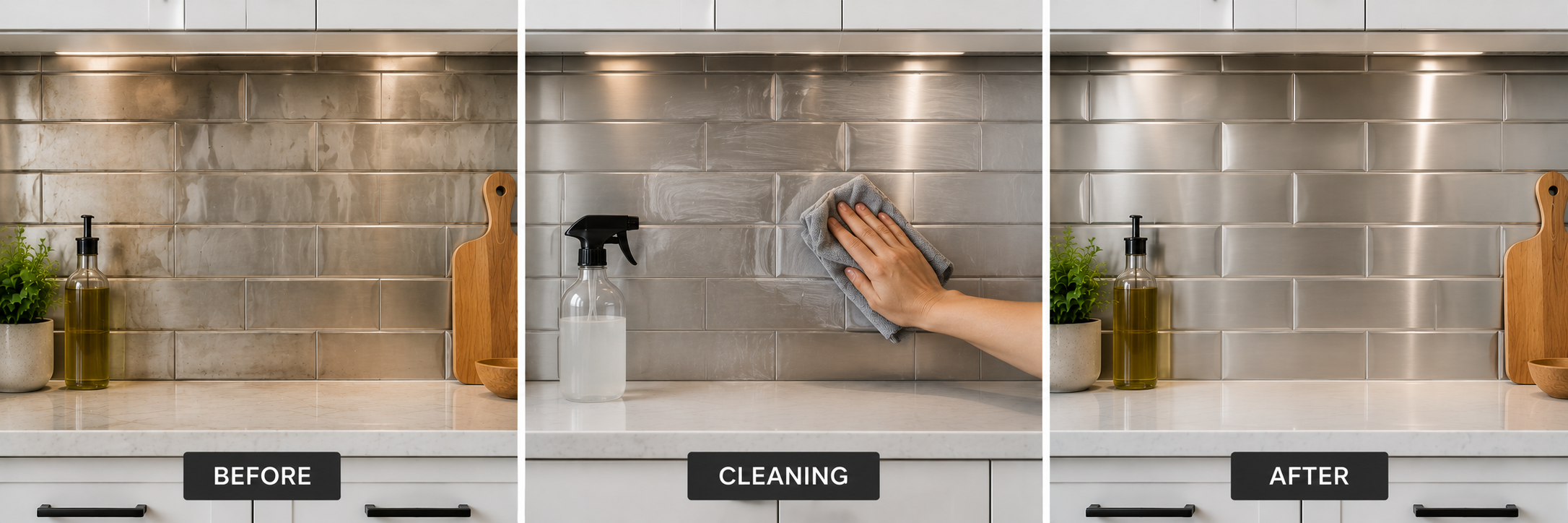
Use pH neutral cleaners specifically designed for tile surfaces. Harsh chemicals can strip protective sealants and damage tile finishes. Soft cloths or non abrasive sponges work best for regular cleaning, preventing scratches that could compromise tile integrity.
Moisture Management
Ventilation plays a critical role in tile maintenance. After showering, use exhaust fans or open windows to reduce moisture buildup. Keeping the shower area dry prevents mold and mildew growth, which can cause unsightly stains and potential health risks.
For natural stone tiles, periodic resealing is essential. These materials are more porous and require additional protection against water penetration and staining. Consult with a professional about the recommended sealing frequency for your specific tile type.
Addressing Common Challenges
Efflorescence a white powdery residue can occur when moisture carries salt deposits to the tile surface. Prevent this by ensuring proper waterproofing during installation and maintaining consistent humidity levels in your bathroom.
Pro tip: Create a monthly maintenance schedule that includes thorough tile inspection, gentle cleaning, and checking grout lines to catch potential issues before they become major problems.
Below is a comprehensive table summarizing the main topics and guidelines discussed throughout the provided article about designing and maintaining a stunning and long-lasting shower feature wall.
| Topic | Key Details | Considerations |
|---|---|---|
| Choosing Tile Material | Opt for ceramic or porcelain for durability and water resistance. Natural stone adds elegance but requires maintenance. | Evaluate water absorption, surface texture, and long-term durability. |
| Selecting Colors and Patterns | Use analogous color schemes for harmony, and explore color theory for mood setting. | Test tile samples in your bathroom lighting to ensure the desired effect. |
| Tile Size and Layout | Use large tiles for expansiveness, and mosaic tiles for visual texture. Choose layouts that align with your architecture. | Plan layouts to avoid water retention and achieve proper visual balance. |
| Grout Selection | Coordinate grout color with tiles for uniformity, or contrast for emphasis. | Choose grout designed for wet areas to prevent deterioration. |
| Surface Textures | Matte finishes provide elegance and slip resistance, while glossy finishes enhance light reflection. | Combine textures for engaging contrast. |
| Integrating Accents | Niche designs and borders add depth and visualization. Use mosaics or geometric patterns for accents. | Test placement and size carefully to match your aesthetic goals. |
| Maintenance | Regular inspection, appropriate cleaning products, and proper ventilation are essential. | Create a maintenance schedule to address issues early and protect the finish. |
Transform Your Shower Feature Wall with Expert Tile Choices
Creating a stylish, durable shower feature wall involves more than picking beautiful tiles. This article highlights key challenges such as choosing the right tile material, perfecting color harmony, selecting tile size and layout, and integrating accents for a personalized look. You need tile options that combine lasting quality with design flexibility while addressing practical concerns like water resistance and easy maintenance.
At TileChoices.com, you will discover a vast collection of premium tile materials including porcelain, ceramic, natural stone, and glass—all curated to help you achieve the elegant textures and colors described in the expert tips. Whether you want to explore grout color ideas or experiment with matte versus glossy finishes, our detailed product descriptions and sample request feature empower you to make confident decisions for your bathroom renovation.
Ready to design a shower wall that reflects your unique style and stands the test of time Visit TileChoices.com today to browse tiles that meet both your aesthetic and functional needs Learn more about planning your tile layout or explore design inspiration in our blog section to jumpstart your project.