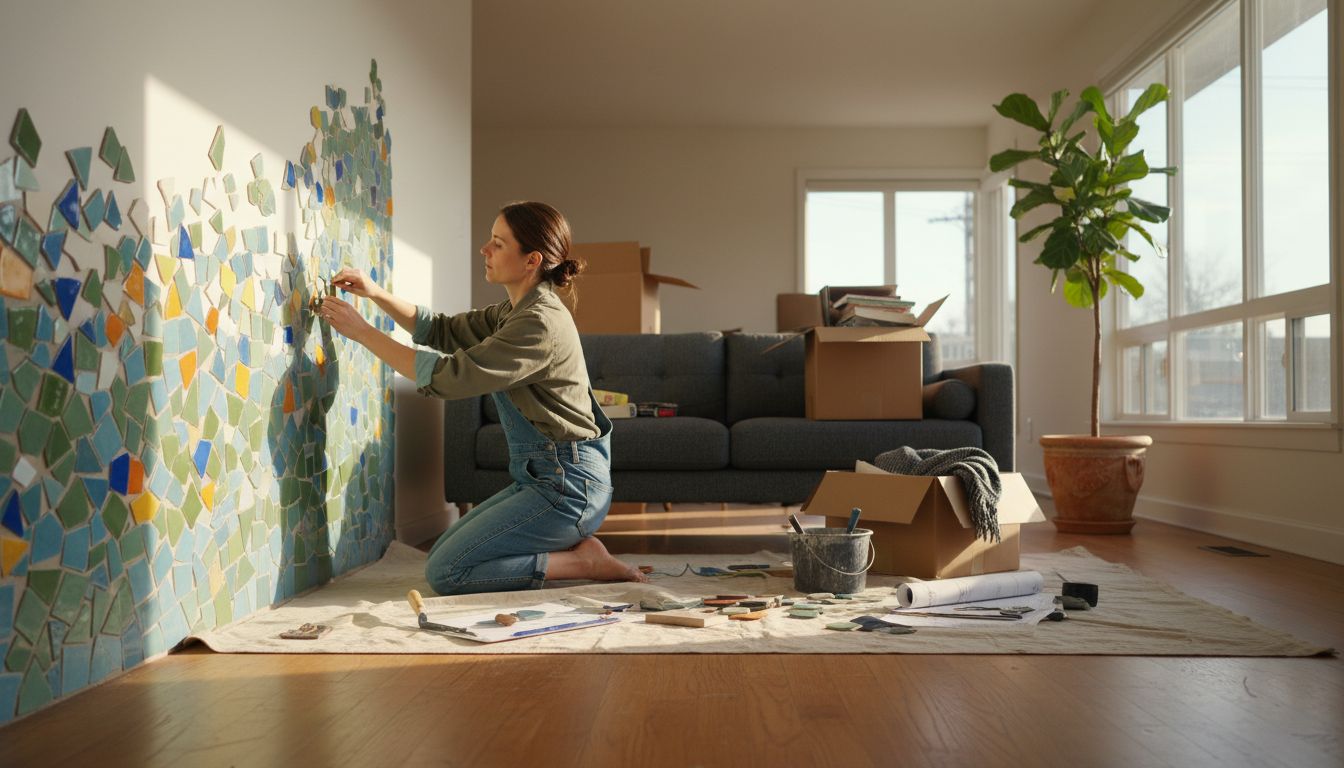
Nearly every american homeowner dreams of a space that feels unique and personal yet over 60 percent admit they are unsure how to add character without a complete remodel. A thoughtfully designed feature wall offers a simple way to introduce bold style and transform any room with minimal effort. This guide will show you how to create a standout feature wall with the right tile choices, smart planning, and a touch of creativity.
Table of Contents
- 1. Understand The Purpose Of A Feature Wall
- 2. Choose The Right Tile Material For Durability
- 3. Select Colors And Patterns For Maximum Impact
- 4. Plan Your Layout For Visual Balance
- 5. Mix And Match Textures For Added Depth
- 6. Coordinate Feature Tiles With Room Decor
- 7. Proper Installation And Maintenance Tips
Quick Summary
| Takeaway | Explanation |
|---|---|
| 1. Create a Visual Focal Point | A feature wall serves as an anchor, enhancing a room’s aesthetic and making it uniquely inviting. |
| 2. Select Durable Tile Materials | Choose tiles like ceramic or stone that resist wear and maintain visual appeal over time for long-lasting results. |
| 3. Strategically Choose Colors and Patterns | Colors and patterns should either harmonize or contrast effectively with existing decor to create a striking feature wall. |
| 4. Plan Layout for Visual Harmony | Position your feature wall thoughtfully to enhance the room’s design, considering furniture placement and natural light interaction. |
| 5. Maintain Your Feature Wall | Proper installation and regular maintenance are essential to ensure your feature wall stays stunning and functional for years. |
1. Understand the Purpose of a Feature Wall
A feature wall is more than just a design trend it’s a strategic approach to transforming an ordinary room into an extraordinary space. By creating a visual focal point, you can instantly elevate the aesthetic appeal and personality of any interior environment.
In the world of interior design, a feature wall serves as a deliberate visual anchor that breaks up the monotony of uniform wall treatments. According to interior design principles, these specialized walls introduce dramatic visual interest by highlighting architectural elements and contributing significant depth to a room’s overall aesthetic.
Think of a feature wall like a statement piece of art in your home. It draws the eye, creates conversation, and establishes a unique character within the space. Unlike standard wall treatments, a feature wall can employ contrasting colors, textures, or materials to craft a compelling visual centerpiece that reflects your personal style.
Practically speaking, this means you can transform a bland room into something remarkable with thoughtful tile selection. Whether you choose bold geometric patterns, rich textural stone tiles, or subtle gradient ceramics, your feature wall becomes an opportunity to express creativity and enhance spatial dynamics.
The key is intentionality. Your feature wall should not feel random but should complement the room’s existing design elements while providing just enough contrast to capture attention. By understanding its purpose as a strategic design tool, you can create a focal point that truly transforms your living space.
2. Choose the Right Tile Material for Durability
Not all tiles are created equal when designing a stunning feature wall. Your material selection can make the difference between a beautiful space that stands the test of time and one that quickly shows wear and tear.
Durability is the cornerstone of an exceptional feature wall. According to tile performance research, certain materials offer superior longevity and resilience. Ceramic and mosaic tiles emerge as top contenders for feature walls, especially in high traffic areas that demand both aesthetic appeal and practical performance.
When evaluating tile materials, consider three critical factors: wear resistance, moisture tolerance, and maintenance requirements. Stone veneer tiles, for instance, provide remarkable durability while adding rich textural depth to your wall. These robust materials not only enhance visual appeal but also create a surface that can withstand daily interactions without compromising your design vision.
Practical recommendations include selecting tiles with high Porcelain Enamel Institute (PEI) ratings for areas with significant foot traffic or potential impacts. Ceramic tiles typically offer excellent durability with relatively low maintenance needs. For spaces exposed to humidity or temperature fluctuations, consider tiles designed for high traffic areas that provide superior resistance to environmental stressors.
Remember that your feature wall is an investment. Choosing the right material means balancing aesthetic preferences with practical performance ensuring your design remains stunning for years to come.
3. Select Colors and Patterns for Maximum Impact
Your feature wall is a visual storyteller transforming a mundane room into a captivating space. The colors and patterns you select are the primary language of this narrative.
Designing a powerful feature wall requires strategic color and pattern selection. Color psychology research reveals that different hues can dramatically influence mood and perception. When choosing tiles, consider how bold colors create striking focal points while softer complementary tones provide balance and sophistication.
Contrast becomes your secret weapon in creating visual drama. Professional designers recommend mixing tile textures like combining glossy and matte finishes to generate depth and intrigue. This technique draws the eye and makes your feature wall feel intentional and professionally curated.
Practical application involves understanding your room’s existing color palette. Select tiles that either harmonize subtly or create deliberate visual tension. For instance, a neutral room can handle a vibrant geometric pattern, while a colorful space might benefit from more understated tile designs.
Remember that patterns tell a story. Geometric tiles communicate modern precision. Organic patterns suggest warmth and natural movement. Your choice should reflect both your personal aesthetic and the room’s overall design language. Choose wisely and your feature wall will become the room’s most compelling conversation starter.
4. Plan Your Layout for Visual Balance
A feature wall is not just about selecting beautiful tiles it is about creating a thoughtful composition that transforms your entire room. Strategic placement and layout can make the difference between a stunning design and a visual misfire.
Placement is the foundation of visual harmony. Interior design experts recommend positioning your feature wall as a deliberate backdrop that anchors key furniture pieces. Mixing tile patterns requires understanding how different textures and arrangements interact within the space.
Think of your feature wall as a canvas where depth and dimension play crucial roles. Incorporating three dimensional elements or varying tile textures creates visual interest that draws the eye and adds architectural complexity. This approach transforms a simple wall into a dynamic design element that breathes life into your room.
Practical implementation involves measuring your space and considering furniture placement. Behind a sofa or bed are ideal locations for feature walls, creating a natural focal point that grounds the room’s design. Consider the flow of natural light how it will interact with your tile selections and create shadows and highlights.
Remember that balance is about more than symmetry. Your feature wall should feel intentional yet not overwhelming. Allow negative space to frame your design and let the tiles tell a story that complements rather than competes with your room’s existing aesthetic.
5. Mix and Match Textures for Added Depth
Texture is the secret ingredient that transforms a flat surface into a captivating design experience. Your feature wall can become a sensory masterpiece by strategically layering different materials and finishes.
Texture creates visual intrigue and tactile complexity. Professional designers understand that combining materials like wood and stone can dramatically enhance a room’s depth and sensory appeal. Mixing tile patterns becomes an art form when you consider how different textures interact and complement each other.
Consider creating contrast through unexpected material combinations. Smooth ceramic tiles might sit alongside rough stone surfaces or sleek glass elements. This approach introduces dimensional complexity that makes your feature wall feel alive and dynamic. The goal is to create a surface that invites both visual exploration and physical touch.
Practical implementation involves selecting materials with complementary yet distinct characteristics. Think about how light will interact with your chosen textures. Matte surfaces absorb light while glossy tiles reflect it creating subtle shifts in perception throughout the day. Incorporating three dimensional elements like slightly raised tiles or recessed patterns can further enhance the wall’s visual interest.
Remember that texture tells a story. Each material you select contributes to the room’s overall narrative creating a feature wall that is not just seen but experienced. Your design should feel intentional sophisticated and deeply personal.
6. Coordinate Feature Tiles With Room Decor
Your feature wall should feel like a natural extension of your room not an afterthought. Creating harmony between your tiles and existing decor requires a thoughtful approach that blends intention with creativity.
Color coordination is the foundation of a cohesive design. High contrast interior design principles suggest that your feature wall should complement rather than compete with surrounding elements. This means analyzing your room’s existing color palette and selecting tiles that either subtly echo or intentionally enhance those tones.
Think of your feature wall as a visual bridge connecting different design elements in the space. Consider the undertones of your furniture the texture of your flooring and the overall mood of the room. A modern minimalist space might benefit from sleek monochromatic tiles while a rustic environment could welcome natural stone or textured ceramic options.
Practical implementation involves creating a mood board before making final selections. Gather tile samples furniture swatches and paint chips to visualize how different materials interact. Pay attention to lighting conditions how natural and artificial light will impact the tile colors throughout the day.
Remember that coordination does not mean uniformity. Your feature wall should add depth personality and visual interest while maintaining a sense of intentional design. Aim for tiles that feel like they were always meant to be part of your room’s unique story.
7. Proper Installation and Maintenance Tips
A stunning feature wall is only as good as its installation and ongoing care. Without proper techniques and maintenance, even the most beautiful tiles can quickly lose their luster and appeal.
Installation precision determines long term performance. Professional tile setters understand that preparation is key. This means ensuring your wall surface is completely clean smooth and structurally sound before applying any tiles. Understanding heat resistant tiles can also help you select materials appropriate for specific areas with temperature variations.
When it comes to maintenance different tile materials demand unique care strategies. Natural stone tiles require periodic sealing to prevent staining and moisture absorption. Ceramic and porcelain options are more forgiving but still benefit from regular cleaning using pH neutral solutions that preserve their finish.
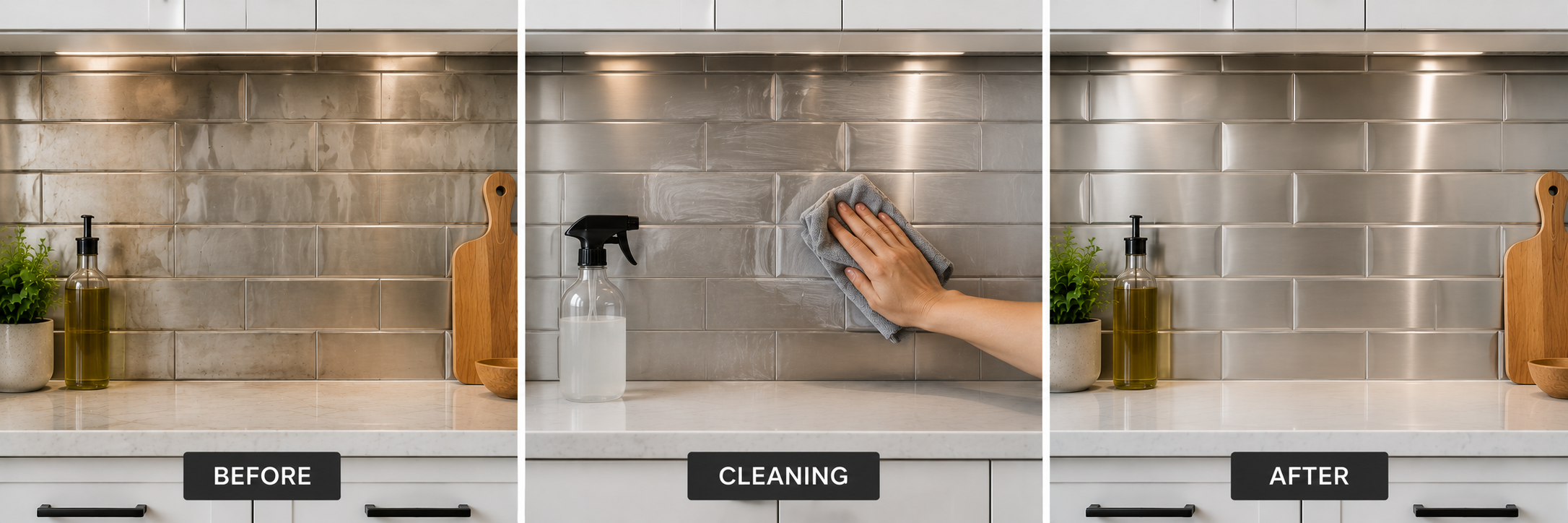
Practical application involves developing a consistent maintenance routine. Use soft microfiber cloths for routine dusting avoid abrasive cleaning tools and address any spills or stains immediately. For areas with high humidity consider applying a protective sealant that helps prevent moisture damage and extends the life of your feature wall.
Remember that each tile type tells a different maintenance story. Some materials like vinyl coated surfaces offer easier cleaning while natural materials might require more specialized attention. Your goal is creating a feature wall that remains as captivating years from now as it was on installation day.
Below is a comprehensive table summarizing the main concepts, steps, and considerations for creating a feature wall as discussed in the article.
| Concept | Description | Key Considerations |
|---|---|---|
| Purpose of a Feature Wall | A strategic design element to transform a space and introduce visual interest. | Should align with existing design and create a focal point. |
| Choosing Tile Material | Durability and aesthetics are crucial; materials like ceramic and mosaic are recommended. | Consider wear resistance, moisture tolerance, and maintenance needs. |
| Color and Pattern Selection | Colors and patterns define the wall’s impact, influencing mood and perception. | Use contrast to create visual drama; align with the room’s palette. |
| Layout Planning | Placement and composition ensure visual balance and harmony in the space. | Consider furniture placement; utilize natural light effectively. |
| Mixing Textures | Different textures add depth and sensory appeal to the wall. | Combine materials to enhance complexity and visual interest. |
| Decorating Coordination | The wall should integrate seamlessly with existing room decor. | Coordinate colors and textures with furniture and lighting. |
| Installation and Maintenance | Proper techniques and care extend the wall’s durability and appearance. | Ensure precise installation and consistent maintenance, adjusting care per material type. |
Elevate Your Space With Stunning Feature Wall Tiles
Designing a feature wall that truly stands out requires careful material selection, color harmony, and texture balance. If you want a wall that not only draws attention but also lasts for years under daily wear and tear you need tiles that combine durability with style. Many homeowners struggle with finding the right tiles that offer both visual impact and practical performance to create a focal point that complements their existing decor.
At TileChoices.com, we understand these challenges and offer an extensive range of high-quality ceramic, porcelain, stone, and textured tiles designed for feature walls. Our detailed product descriptions and curated collections make it easier to choose tiles that match your vision and withstand everyday use. Whether you want to experiment with bold patterns or subtle textures our site also provides valuable design guidance to help you plan a layout that brings balance and depth.
Ready to transform your interior with tiles that combine beauty and resilience Visit TileChoices.com now. Explore our vast selection and order samples to see how different options will look in your space. Take the first step toward creating the feature wall that reflects your personal style and stands tough for years to come.