Choosing the right subway tile is only half the design decision. The layout pattern you choose can completely transform how that tile looks in your kitchen, bathroom, shower, or accent wall. The exact same subway tile can feel timeless, modern, dramatic, minimalist, or highly custom depending entirely on installation pattern.
That is why subway tile layout planning deserves just as much attention as tile color, material, or grout selection.
In this guide, we break down the most popular subway tile layout patterns, explain where each works best, and help you decide which layout makes the most sense for your project.
If you are still comparing tile styles, browse our full subway tile collection for inspiration.
Why Subway Tile Layout Matters So Much
Subway tile is simple by design. That simplicity is exactly what makes layout so powerful.
Because subway tile relies on clean rectangular geometry, the installation pattern becomes a dominant visual feature rather than a subtle background detail.
Layout influences:
- how modern or traditional the design feels
- whether walls appear taller or wider
- how bold the pattern becomes
- how visible grout lines feel
- how architectural the finished installation appears
- how expensive or custom the design feels
If you are newer to subway tile design, start with our foundational guide What Is Subway Tile?.
Classic Offset Subway Tile Pattern
What It Is
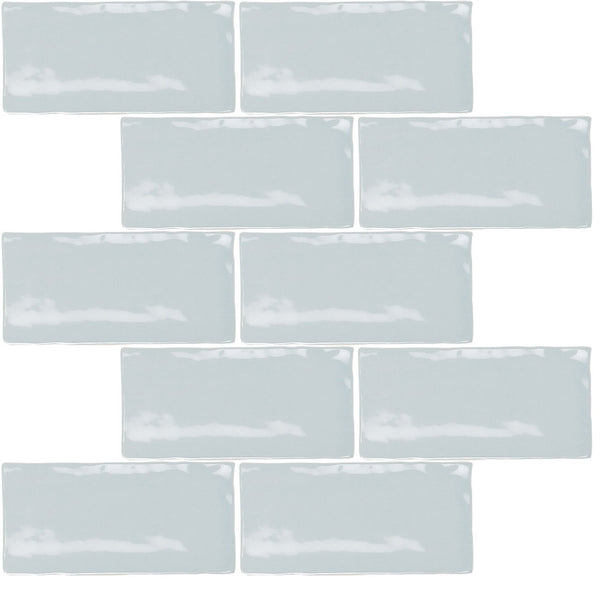
The classic offset layout—sometimes called a brick pattern—is the most recognizable subway tile installation style.
Each row is staggered horizontally so vertical grout joints do not align directly with the row above or below.
This is the pattern most homeowners associate with traditional subway tile.
Best For
- classic kitchen backsplashes
- traditional bathrooms
- timeless shower walls
- farmhouse kitchens
- transitional homes
Why It Works
This pattern feels familiar, balanced, and historically authentic to subway tile’s architectural origins.
It remains one of the safest long-term design choices.
Kitchen inspiration can be found in Best Subway Tile for Kitchen Backsplashes.
Potential Drawback
Because it is so common, some homeowners looking for a more current or distinctive design may prefer alternative layouts.
Straight Stacked Subway Tile
What It Is
In a straight stacked layout, subway tiles align directly above and beside each other in a clean grid.
No staggering.
No brick effect.
Just organized alignment.
Best For
- modern kitchens
- minimalist bathrooms
- European-inspired interiors
- clean architectural designs
- contemporary shower walls
Why It Works
Stacked subway tile feels intentional, crisp, and modern.
It transforms a historically traditional tile into something distinctly contemporary.
Potential Drawback
Installation precision becomes more visually important because alignment imperfections are easier to spot.
Vertical Subway Tile
What It Is
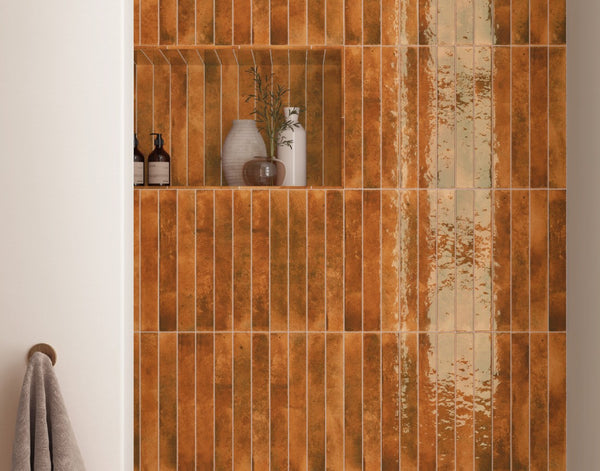
Vertical subway tile rotates the rectangular tile upright rather than horizontally.
This simple orientation change dramatically alters the visual impact.
Best For
- small bathrooms
- shower walls
- modern backsplashes
- accent walls
- minimalist remodels
Why It Works
Vertical layouts naturally pull the eye upward, helping walls feel taller and more dramatic.
This is one of the most effective ways to modernize subway tile.
Bathroom examples can be found in Subway Tile Bathroom Ideas.
Potential Drawback
Not every traditional kitchen style benefits from vertical orientation, depending on cabinet and architectural context.
Vertical Stacked Subway Tile
What It Is
Vertical stacked subway tile combines upright orientation with direct alignment.
This creates one of the cleanest and most modern subway tile looks available.
Best For
- luxury bathrooms
- modern showers
- designer powder rooms
- architectural kitchen backsplashes
Why It Works
The layout feels intentional, upscale, and current.
It is especially effective with elongated subway tile formats.
Herringbone Subway Tile
What It Is
Herringbone arranges rectangular tiles in an interlocking zigzag pattern.
This introduces movement, complexity, and strong visual energy.
Best For
- backsplash focal walls
- feature shower walls
- luxury bathrooms
- designer kitchens
Why It Works
Herringbone instantly elevates subway tile beyond standard installations.
It creates visual motion and sophistication while preserving subway tile familiarity.
Potential Drawback
It can feel visually busy in small spaces if paired with aggressive grout contrast.
Double Herringbone Subway Tile
What It Is
A more dramatic variation of standard herringbone using grouped tile movement.
Best For
- statement walls
- high-end bathrooms
- feature backsplashes
Why It Works
This layout feels highly custom and visually rich.
Chevron-Inspired Subway Layouts
Chevron concepts can sometimes be approximated using rectangular tile arrangements depending on installation design.
These create directional movement and designer impact but require thoughtful planning.
Basketweave-Inspired Subway Tile Patterns
Certain elongated subway tile installations can mimic woven or basket-inspired layouts.
These feel more decorative and less historically traditional.
Horizontal Running Bond Variations
Classic offset does not always mean a 50% stagger.
Variations include:
- 1/3 offset
- slight stagger
- custom proportion staggering
These subtler shifts can modernize the traditional look without abandoning it.
Best Subway Tile Layout for Kitchen Backsplashes
Strong kitchen options include:
- classic offset
- straight stacked
- vertical stack
- herringbone feature areas
The best choice depends on cabinetry, lighting, countertop materials, and overall design style.
Browse our kitchen backsplash tile collection.
Best Subway Tile Layout for Bathrooms
Bathrooms often benefit from layouts that help maximize visual height and sophistication.
Popular options include:
- vertical subway tile
- vertical stacked
- soft offset
- feature herringbone walls
Browse our bathroom tile collection.
Best Subway Tile Layout for Showers
Showers often benefit from layouts that feel architecturally intentional.
Strong choices:
- vertical stack
- elongated stacked subway tile
- feature wall herringbone
- clean offset installations
See our shower wall tile collection.
How Grout Changes Layout Appearance
Layout and grout work together.
Matching grout creates softer visual continuity.
Contrasting grout emphasizes geometry and pattern.
For grout strategy, see Best Grout Colors for Subway Tile.
Ceramic vs Glass Layout Considerations
Material influences how layout feels visually.
Ceramic often feels softer and more traditional.
Glass creates sharper reflectivity and more dramatic modern effects.
Compare materials in Glass vs Ceramic Subway Tile.
Explore our ceramic tile collection and glass tile collection.
Is Subway Tile Still Stylish?
Absolutely.
Modern subway tile success often comes down to updated execution rather than abandoning the category entirely.
For deeper trend analysis, see Is Subway Tile Outdated?.
Installation Planning Tips
Before choosing a layout, consider:
- wall dimensions
- tile size
- grout color
- lighting
- architectural focal points
- edge treatment
- installation complexity
If DIY installation is part of your plan, our upcoming guide How to Install Subway Tile will help.
For broader education, visit our Tile Guides.
Final Thoughts
The best subway tile layout depends on the design story you want your space to tell.
Classic offset remains timeless. Straight stack feels modern. Vertical layouts create height. Herringbone introduces luxury and movement.
The beauty of subway tile is not just in the tile itself—but in how you choose to install it.
Ready to compare styles? Browse the full Tile Choices subway tile collection.