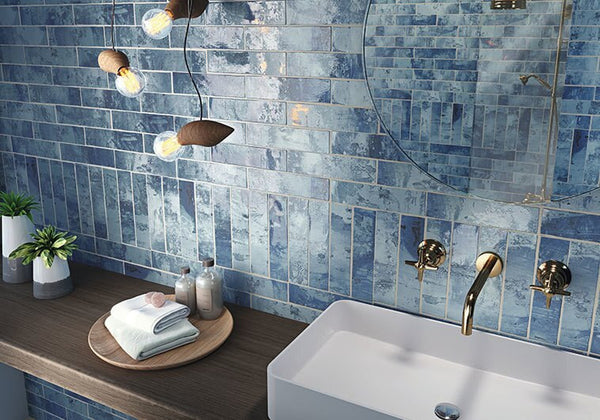
Subway tile is one of the most recognizable tile styles in home design, and for good reason. It has remained popular for more than a century because it offers something few design materials can match: timeless appeal, design flexibility, and practical performance. Whether you are creating a classic white kitchen backsplash, a modern bathroom wall, or a contemporary shower design, subway tile continues to be one of the most trusted choices for homeowners, interior designers, builders, and remodelers.
But what exactly is subway tile? Why has it remained relevant for so long? And how do you choose the right subway tile style for your project?
In this guide, we will break down the history of subway tile, explain the most popular sizes and materials, explore layout options, and show how subway tile continues to evolve in modern design.
If you are actively shopping, you can explore our full subway tile collection to compare ceramic, porcelain, glass, glossy, matte, beveled, and modern subway tile styles.
What Is Subway Tile?
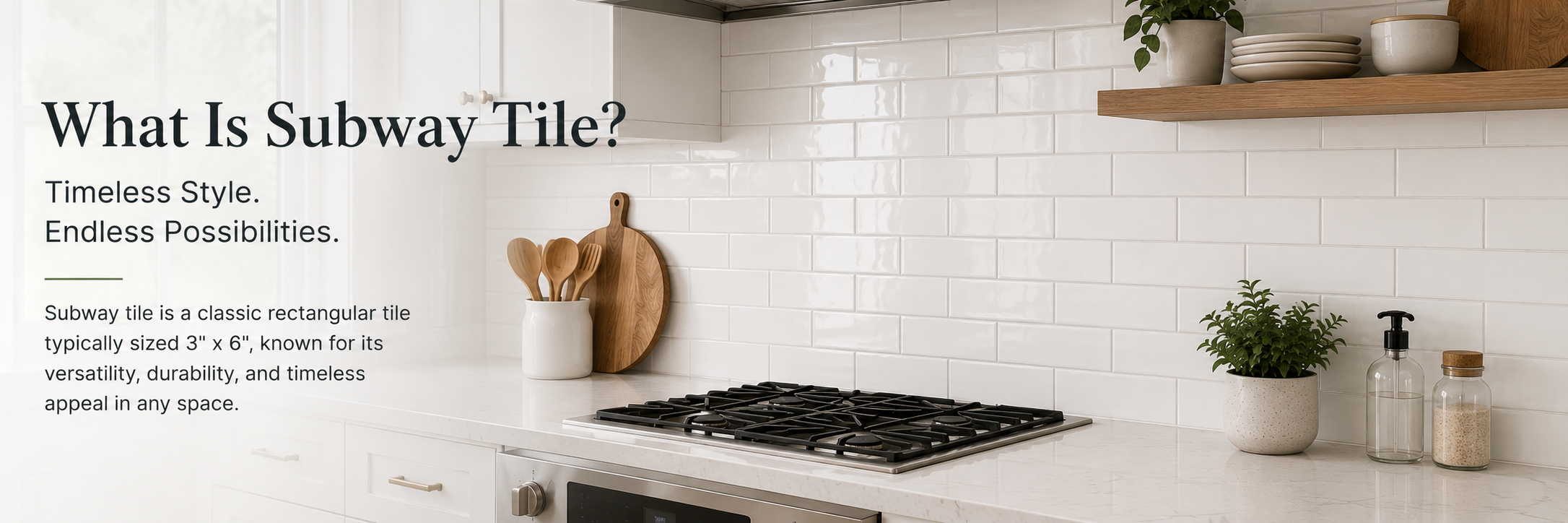
Subway tile refers to a rectangular tile format traditionally associated with clean lines, simple proportions, and classic wall installations. The most recognizable subway tile size is 3 x 6 inches, installed in a staggered brick pattern, but today the subway tile category has expanded far beyond its original form.
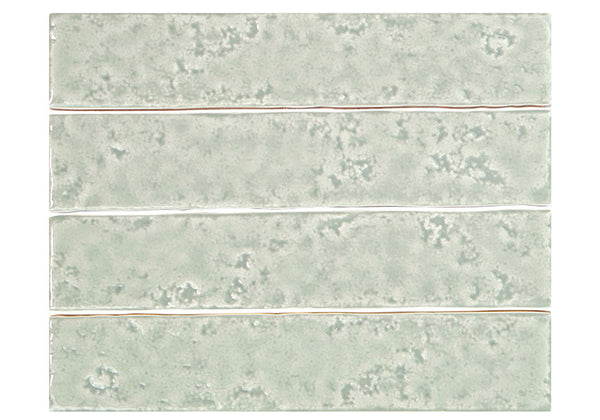
Modern subway tiles now include elongated rectangles, handmade-look surfaces, oversized formats, stacked installations, textured finishes, glass options, porcelain styles, and bold designer colors. While the shape remains simple, the design possibilities are far from limited.
Subway tile is commonly used in:
- Kitchen backsplashes
- Bathroom walls
- Shower surrounds
- Shower niches
- Laundry rooms
- Mudrooms
- Wet bars
- Accent walls
- Fireplace surrounds
Its versatility comes from its ability to adapt. The same rectangular tile can look classic, modern, minimalist, farmhouse-inspired, coastal, transitional, or highly custom depending on layout, grout color, finish, and surrounding materials.
The History of Subway Tile
Subway tile gets its name from the early 1900s, when this tile style became associated with public transit architecture, particularly in New York City subway stations. Designers needed a wall material that could deliver several practical benefits at once: durability, hygiene, easy maintenance, and light reflection.
Glossy white ceramic tile became the obvious solution.
The smooth glazed surface was easy to clean, an important feature in public spaces. The reflective finish helped brighten underground stations by bouncing available light throughout darker environments. The rectangular format also created a clean and orderly appearance that aligned with the architectural sensibilities of the time.
Over time, this once purely practical material transitioned into residential interiors, where kitchens and bathrooms benefited from the same easy-clean, moisture-friendly characteristics.
What started as an industrial design solution eventually became one of the most iconic decorative tile formats in home design.
Why Subway Tile Has Stayed Popular for Over 100 Years
Timeless Simplicity
Some tile trends burn bright and fade quickly. Subway tile has survived because it is rooted in simplicity rather than novelty. Rectangular geometry is visually clean, easy to coordinate, and adaptable across changing design movements.
Subway tile works beautifully in:
- Traditional kitchens
- Modern bathrooms
- Farmhouse interiors
- Coastal homes
- Minimalist spaces
- Industrial-inspired rooms
- Luxury transitional designs
Versatile Installation Patterns
Unlike some decorative tile shapes that create only one visual effect, subway tile can transform dramatically depending on installation pattern.
A classic offset layout feels timeless. A vertical stack feels distinctly modern. Herringbone introduces movement and sophistication. Straight stack layouts feel architectural and minimalist.
We will dive deeper into this in our guide to subway tile layout patterns.
Material Flexibility
Subway tile is available in multiple materials, making it useful across a wide range of applications.
Popular subway tile materials include:
- Ceramic subway tile
- Porcelain subway tile
- Glass subway tile
- Natural stone-inspired subway tile
- Handmade-look subway tile
- Beveled subway tile
- Textured subway tile
If you are deciding between finishes, our guide comparing glass vs ceramic subway tile may help narrow the options.
Popular Subway Tile Sizes
While 3 x 6 remains the classic reference point, subway tile sizing has evolved significantly.
3 x 6 Subway Tile
This is the traditional subway tile size most homeowners recognize immediately. It remains a timeless choice for backsplashes, bathroom walls, and shower surrounds.
2 x 8 Subway Tile
A slimmer elongated option that feels more modern while maintaining subway tile familiarity.
2.5 x 10 Subway Tile
This size has become a designer favorite because it bridges timeless and contemporary aesthetics. It feels elevated without becoming overly trendy.
For inspiration, see our upcoming guide to white subway tile ideas.
3 x 12 Subway Tile
Longer proportions create cleaner visual lines and often pair beautifully with stacked layouts.
4 x 12 Subway Tile
Larger subway tile formats can create a more dramatic and upscale appearance, particularly in bigger kitchens and spacious showers.
Ceramic vs Porcelain vs Glass Subway Tile
Ceramic Subway Tile
Ceramic subway tile remains one of the most common choices due to affordability, versatility, and broad style availability.
Ceramic works especially well for:
- Kitchen backsplashes
- Bathroom walls
- Accent walls
- Laundry rooms
Explore more options in our ceramic tile collection.
We will also cover this more deeply in our upcoming comparison of ceramic vs porcelain subway tile.
Porcelain Subway Tile
Porcelain subway tile tends to be denser and may offer stronger moisture resistance depending on product specifications. It is often selected for more demanding applications.
Porcelain can be an excellent choice for bathrooms and shower walls where durability matters.
Glass Subway Tile
Glass subway tile offers light reflection, visual depth, and a sleek polished appearance.
Glass works particularly well in kitchens where backsplash lighting can enhance the material’s dimensional quality.
Browse our glass tile collection for additional ideas.
Where Subway Tile Works Best
Kitchen Backsplashes
Subway tile is arguably most associated with kitchen backsplashes because it balances practicality and aesthetics so effectively.
It works beautifully with white cabinets, wood tones, painted cabinetry, quartz countertops, butcher block, marble looks, and modern slab kitchens.
For dedicated inspiration, visit our upcoming guide to best subway tile for kitchen backsplashes.
You can also browse our full kitchen backsplash tile collection.
Bathroom Walls
Bathroom subway tile remains a top choice because it creates clean lines without overwhelming smaller spaces.
Vertical layouts can make walls feel taller, while light subway tile colors help bathrooms feel brighter and more open.
See our upcoming guide to subway tile bathroom ideas.
Explore our bathroom tile collection.
Shower Walls
Subway tile performs beautifully on shower walls when the selected product is rated appropriately.
Glossy subway tile can brighten enclosed showers, while matte subway tile creates a softer, more contemporary feel.
See our shower wall tile collection for more options.
Fireplace Surrounds
Subway tile can also create elegant fireplace surrounds, especially in minimalist, farmhouse, or transitional spaces.
Popular Subway Tile Layout Patterns
Classic Offset
The most traditional subway tile pattern. Timeless, balanced, and familiar.
Straight Stack
Tiles line up in a grid, creating a cleaner modern appearance.
Vertical Stack
One of the most popular contemporary subway tile trends. Vertical layouts emphasize height and create strong visual movement.
Herringbone
Herringbone adds sophistication, motion, and designer appeal.
Is Subway Tile Outdated?
Not at all.
What may feel dated is a very specific execution, not the tile shape itself.
Design trends evolve, but subway tile remains relevant because it adapts.
Modern updates include:
- elongated sizes
- vertical installations
- stacked layouts
- bold grout contrasts
- handmade-look glazes
- textured finishes
- designer colors
We explore this fully in is subway tile outdated?
Subway Tile Installation Considerations
Successful subway tile design depends on more than selecting the tile itself.
Key considerations include:
- grout color selection
- layout planning
- edge trim strategy
- substrate preparation
- tile spacing consistency
- wet-area suitability
For installation guidance, see our upcoming DIY resource: how to install subway tile.
For grout planning, visit best grout colors for subway tile.
Final Thoughts
Subway tile has earned its reputation as one of the most dependable and versatile wall tile formats available. Its history may begin in public transit architecture, but its staying power comes from design adaptability.
Whether you prefer classic white ceramic subway tile, sleek glass subway tile, elongated modern formats, or bold designer colors, subway tile remains one of the safest long-term investments in kitchen and bathroom design.
Ready to compare styles? Browse the full Tile Choices subway tile collection and explore options for kitchens, bathrooms, showers, and more.
For additional design education, visit our Tile Guides resource center.