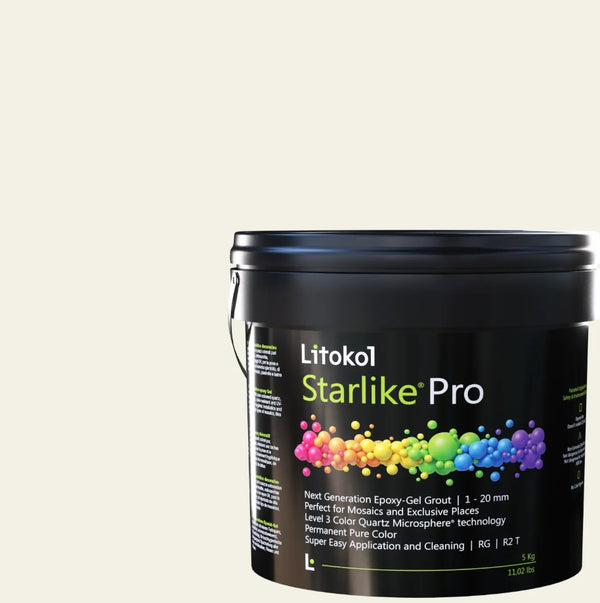
Choosing the right subway tile is only part of the design decision. Grout color has just as much power to influence the final look of your installation, and in some cases, even more. The exact same subway tile can look timeless, modern, bold, soft, dramatic, minimalist, or completely different depending on the grout color you pair with it.
That is why grout should never be treated as an afterthought.
Whether you are planning a kitchen backsplash, bathroom wall, shower surround, or decorative accent wall, this guide will help you understand how grout color changes subway tile design, what grout colors work best with different tile styles, and how to choose the right look for your project.
If you are still selecting tile, browse our full subway tile collection for inspiration.
Why Grout Color Matters So Much with Subway Tile
Subway tile has a simple rectangular shape, which means grout lines become a major visual design element. Unlike some mosaic or heavily patterned surfaces where grout blends into the composition, subway tile creates highly readable lines and geometry.
This means grout affects:
- how visible the tile pattern appears
- whether the installation feels soft or graphic
- how modern or traditional the tile appears
- how much contrast exists in the design
- how clean or busy the final wall feels
- how much maintenance grout may visually require
If you are newer to subway tile design, our foundational guide What Is Subway Tile? explains why this tile style remains so popular.
Matching Grout vs Contrasting Grout
Matching Grout
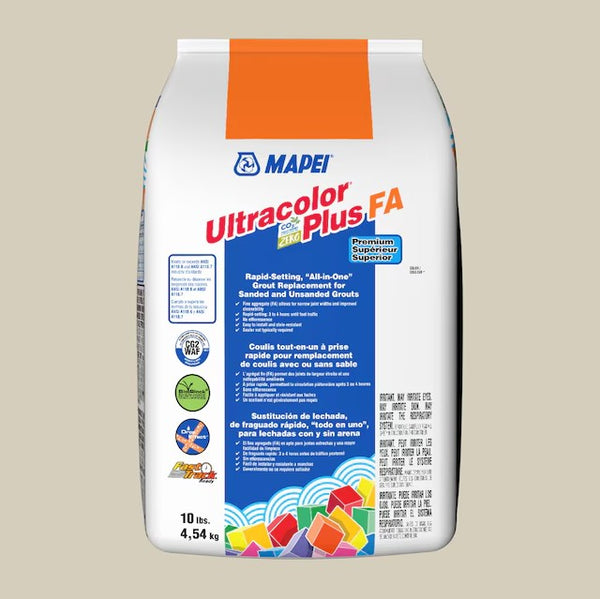
Matching grout uses a grout color that closely blends with the tile itself.
Examples:
- white subway tile + white grout
- cream subway tile + warm beige grout
- gray subway tile + gray grout
- green subway tile + coordinating muted grout
This creates a softer, more seamless appearance where the tile surface becomes the focus instead of the grid pattern.
Matching grout often works well when you want:
- clean visual continuity
- a softer aesthetic
- less aggressive pattern emphasis
- a more timeless or subtle look
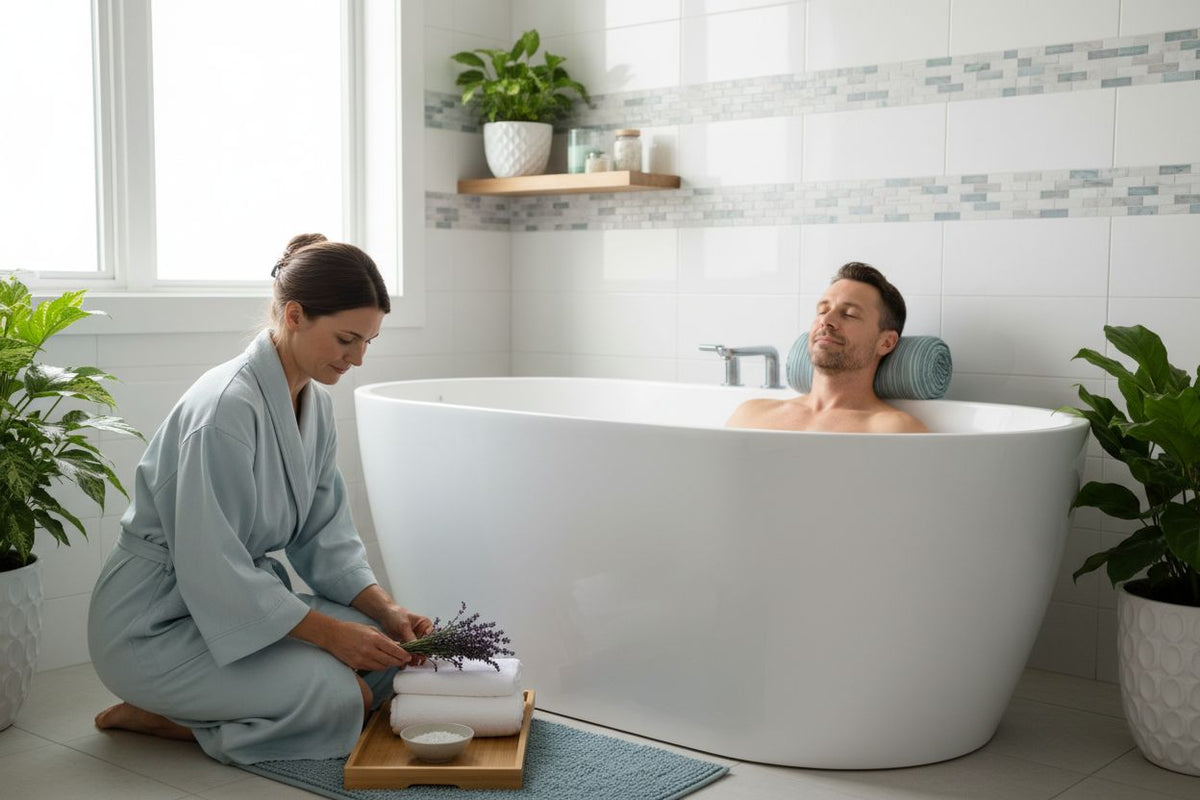
- spa-inspired bathroom design
Contrasting Grout
Contrasting grout intentionally highlights the subway tile shape.
Examples:
- white subway tile + gray grout
- white subway tile + charcoal grout
- light tile + darker grout
- dark tile + lighter grout
This creates stronger geometry and a more graphic appearance.
Contrasting grout often works well when you want:
- visual drama
- more modern contrast
- stronger pattern visibility
- architectural emphasis
- industrial-inspired looks
Best Grout Color for White Subway Tile
White Grout with White Subway Tile
This is the most classic subway tile combination.
It creates a clean, bright, timeless appearance that works beautifully in kitchens, bathrooms, and shower walls.
Best for:
- traditional kitchens
- minimalist bathrooms
- bright contemporary spaces
- spa-inspired shower designs
Potential downside:
White grout can visually show discoloration or maintenance issues more noticeably over time depending on installation environment and maintenance habits.
Light Gray Grout with White Subway Tile
One of the most versatile modern combinations.
Light gray introduces subtle contrast without making the pattern feel overly bold.
This is often an excellent compromise between pure white continuity and stronger contrast.
Charcoal or Dark Gray Grout with White Subway Tile
This creates the strongest graphic contrast.
The subway tile pattern becomes highly visible, which can look striking in the right design.
Best for:
- industrial kitchens
- modern black-and-white interiors
- high-contrast design concepts
Potential downside:
Every grout line becomes visually emphasized, including layout imperfections.
For additional white design inspiration, see White Subway Tile Ideas.
Browse our white tile collection.
Best Grout Colors for Kitchen Subway Tile Backsplashes
Kitchen backsplash grout selection should balance design goals with practical maintenance considerations.
Popular Kitchen Grout Choices
- soft gray
- warm gray
- light taupe
- white
- charcoal (selectively)
Kitchen-specific considerations include:
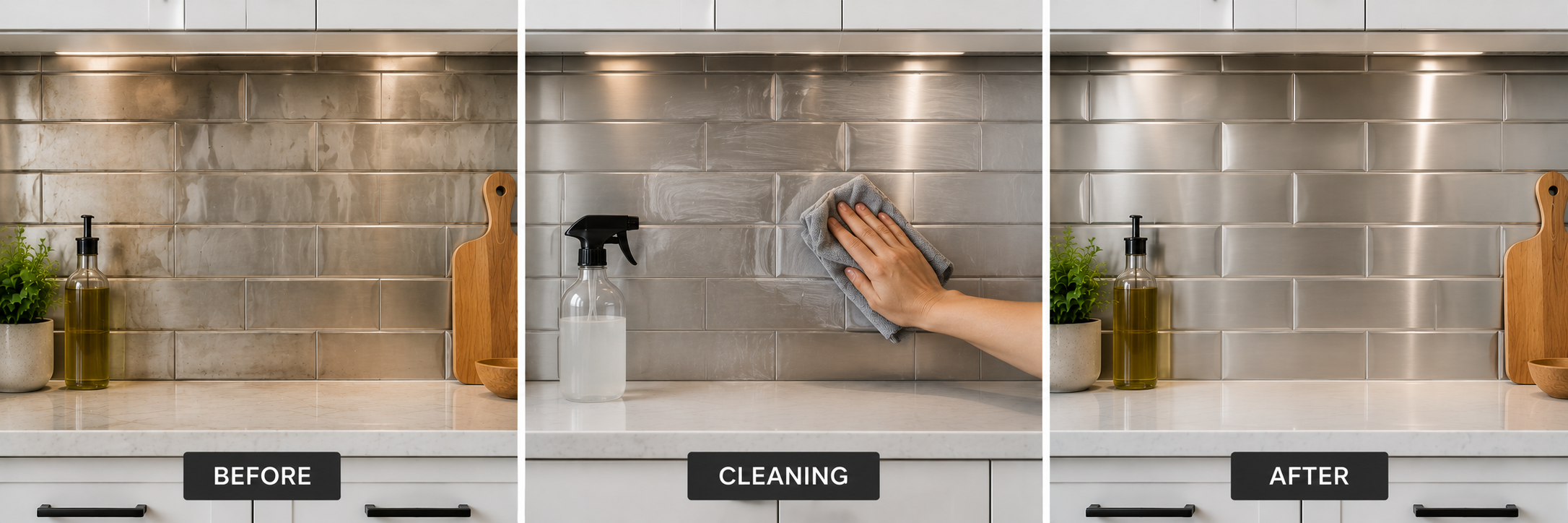
- cooking grease exposure
- cleaning frequency
- cabinet color coordination
- countertop material
- lighting conditions
Kitchen backsplash planning? See Best Subway Tile for Kitchen Backsplashes.
Browse our kitchen backsplash tile collection.
Best Grout Colors for Bathroom Subway Tile
Bathrooms offer slightly different grout priorities because moisture and lighting conditions behave differently.
Popular Bathroom Grout Choices
- white
- warm gray
- soft greige
- subtle matching tones
- occasionally bold contrast
Bathrooms often benefit from grout that feels softer and calmer rather than highly graphic.
Bathroom inspiration can be found in Subway Tile Bathroom Ideas.
Explore our bathroom tile collection.
Best Grout Colors for Subway Tile Showers
Shower grout decisions require special consideration because moisture exposure and maintenance expectations matter more.
Strong shower grout choices often include:
- soft gray
- warm neutral tones
- coordinated matching grout
- carefully chosen darker tones
Extremely bright white grout can look beautiful, but some homeowners prefer slightly forgiving tones depending on maintenance preferences.
See our shower wall tile collection.
Best Grout Colors by Subway Tile Color
White Subway Tile
- white
- light gray
- charcoal
Gray Subway Tile
- matching gray
- slightly darker gray
- warm greige
Green Subway Tile
- soft gray
- warm taupe
- subtle neutral tones
Blue Subway Tile
- light gray
- soft white
- coastal-inspired neutrals
Black Subway Tile
- charcoal
- black
- high-contrast white (dramatic applications)
Grout Color and Tile Layout Pattern
Grout impact changes depending on installation pattern.
Classic Offset Layout
Contrasting grout strongly emphasizes the traditional brick pattern.
Vertical Stack Layout
Matching grout often keeps the look cleaner and more modern.
Straight Stack Layout
Strong contrast can make the grid feel highly architectural.
Herringbone Layout
Too much contrast can make herringbone visually busy.
Explore layout ideas in Subway Tile Layout Patterns.
Ceramic vs Glass Subway Tile Grout Considerations
Grout behaves visually differently depending on tile material.
Ceramic Subway Tile
Ceramic often tolerates broader grout experimentation because the material typically feels visually softer.
Glass Subway Tile
Glass is more reflective and can make grout contrast feel sharper.
Compare materials in Glass vs Ceramic Subway Tile.
Browse our glass tile collection and ceramic tile collection.
Common Grout Mistakes to Avoid
Choosing Grout Last
Grout should be considered as part of the design plan, not a rushed installation decision.
Ignoring Lighting
Lighting changes grout perception dramatically.
Overusing Extreme Contrast
High contrast can look stunning—or overwhelming.
Not Considering Maintenance Preferences
Some grout colors visually reveal maintenance issues more quickly than others.
Is Contrasting Grout Still in Style?
Yes, but it should be used intentionally.
Modern design often favors more nuanced contrast rather than extremely stark black-and-white pairings everywhere.
For broader design evolution, see Is Subway Tile Outdated?.
Installation Planning
Before finalizing grout:
- review tile samples
- consider lighting
- evaluate surrounding finishes
- think about maintenance expectations
- confirm installation layout
If DIY installation is planned, our upcoming guide How to Install Subway Tile will help.
For broader educational resources, visit our Tile Guides.
Final Thoughts
The best grout color for subway tile depends on the design experience you want to create. Matching grout produces subtle continuity, while contrasting grout creates stronger geometry and visual drama.
The most successful subway tile installations treat grout as a design decision—not an afterthought.
Ready to compare tile styles? Browse the full Tile Choices subway tile collection.