Glass and ceramic subway tile are two of the most popular choices for kitchen backsplashes, bathroom walls, shower surrounds, and decorative wall applications. Both offer strong design flexibility, timeless appeal, and broad style options—but they create noticeably different visual experiences and may perform differently depending on the application.
So which is better: glass subway tile or ceramic subway tile?
The honest answer is that the better choice depends on your project goals, design style, maintenance expectations, and installation environment.
In this guide, we compare glass vs ceramic subway tile across appearance, durability, maintenance, kitchen use, bathroom applications, design flexibility, and long-term practicality so you can make a confident decision.
If you are currently shopping, browse our full subway tile collection to compare styles and finishes.
Quick Answer: Glass vs Ceramic Subway Tile
If you want the shortest answer:
- Choose ceramic subway tile if you want timeless versatility, broad design selection, softer visual warmth, and strong overall value.
- Choose glass subway tile if you want brightness, reflectivity, visual depth, and a cleaner, more contemporary aesthetic.
Neither option is universally "better." They simply excel in different ways.
If you are newer to this tile category, start with our foundational guide: What Is Subway Tile?
Visual Appearance: The Biggest Difference
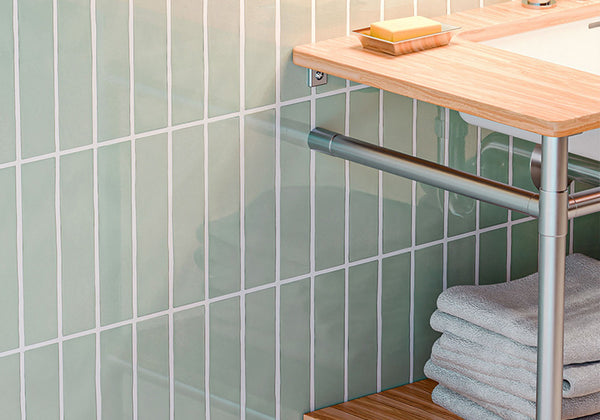
Ceramic Subway Tile Look
Ceramic subway tile tends to create a warmer, softer, more grounded visual effect.
Even glossy ceramic usually reflects light differently than glass. The finish often feels less mirror-like and more traditionally architectural.
Ceramic subway tile works beautifully in:
- traditional kitchens
- transitional homes
- farmhouse interiors
- organic modern bathrooms
- classic shower walls
Ceramic also offers handmade-look options, surface variation, texture, beveled profiles, and artisanal finishes that can create significantly more character than some smoother glass installations.
Explore our ceramic tile collection.
Glass Subway Tile Look
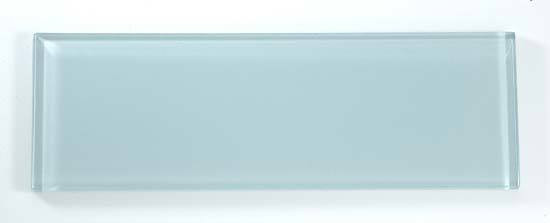
Glass subway tile creates a noticeably brighter and more reflective visual experience.
Because light passes through or reflects differently off glass surfaces, the tile often appears more dimensional, luminous, and crisp.
Glass subway tile works especially well in:
- smaller kitchens
- darker kitchens needing brightness
- modern interiors
- coastal-inspired spaces
- contemporary bathrooms
Explore our glass tile collection.
Best Choice for Kitchen Backsplashes
Why Ceramic Subway Tile Works So Well in Kitchens
Ceramic subway tile has been a kitchen favorite for decades because it balances practicality and design flexibility exceptionally well.
Advantages include:
- broad color options
- classic timeless appeal
- easy integration with many cabinet styles
- multiple finish choices
- designer handmade-look options
- strong long-term visual adaptability
Ceramic subway tile can feel traditional, modern, farmhouse-inspired, transitional, or luxurious depending on execution.
For kitchen-focused design help, see Best Subway Tile for Kitchen Backsplashes.
Browse more options in our kitchen backsplash tile collection.
Why Glass Subway Tile Excels in Kitchens
Glass performs especially well when brightness is a design priority.
Benefits include:
- light reflection
- visual depth
- clean modern appearance
- color vibrancy
- excellent performance in smaller spaces
Glass subway tile can make a darker backsplash wall feel more alive, especially under cabinet lighting.
Kitchen Verdict
If you want timeless versatility and warmth, ceramic often wins.
If you want brightness, polish, and stronger reflectivity, glass often wins.
Best Choice for Bathrooms
Ceramic Subway Tile in Bathrooms
Ceramic remains one of the strongest bathroom wall choices because it works across a wide range of aesthetics.
It performs beautifully in:
- full bathroom walls
- shower surrounds
- vanity feature walls
- powder rooms
Ceramic’s wide style range makes it easy to create classic or modern bathroom designs.
See our bathroom-focused inspiration guide: Subway Tile Bathroom Ideas.
Explore our bathroom tile collection.
Glass Subway Tile in Bathrooms
Glass subway tile can be exceptional in bathrooms because reflective surfaces help amplify both natural and artificial light.
This can be especially useful in:
- small bathrooms
- window-limited bathrooms
- guest baths
- contemporary bathroom remodels
Glass often creates a cleaner, spa-like visual effect.
Bathroom Verdict
Both are excellent options.
Ceramic offers broader style flexibility.
Glass offers more visual brightness and sleekness.
Maintenance Comparison
Ceramic Maintenance
Ceramic subway tile is generally straightforward to maintain.
Most glazed ceramic surfaces clean easily and resist everyday backsplash or bathroom moisture exposure well when properly installed.
Glass Maintenance
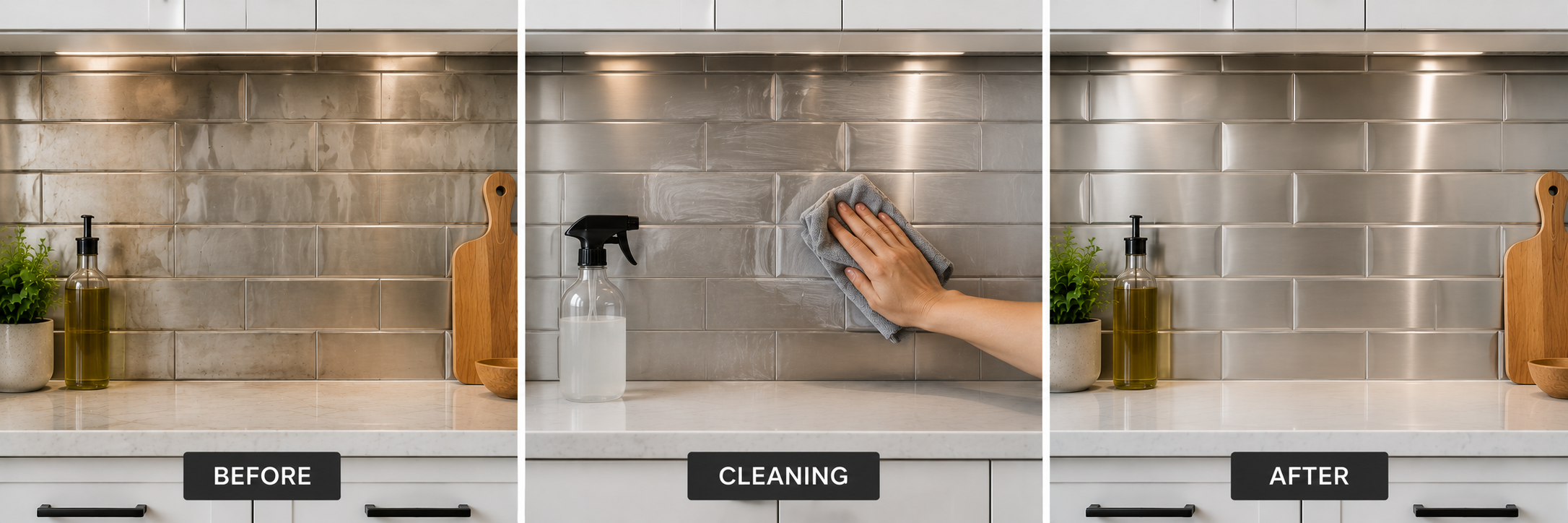
Glass tile itself is easy to wipe clean, but fingerprints, smudges, water spotting, and streaking may show more visibly depending on finish and lighting.
This is especially noticeable in high-gloss kitchens with direct task lighting.
Maintenance Verdict
Ceramic often feels lower maintenance visually because smudging and spotting tend to be less noticeable.
Design Flexibility Comparison
Ceramic Strengths
- handmade looks
- textured finishes
- matte options
- beveled styles
- traditional aesthetics
- modern adaptations
Glass Strengths
- light reflection
- clean polished appearance
- color clarity
- visual depth
- modern sophistication
Design Verdict
Ceramic offers broader stylistic range.
Glass offers stronger niche aesthetic impact.
Grout Considerations
Grout matters significantly with both materials.
Matching grout creates softer continuity.
Contrasting grout emphasizes tile geometry and layout pattern.
For detailed grout strategy, see Best Grout Colors for Subway Tile.
Layout Pattern Compatibility
Both ceramic and glass subway tile work in multiple layouts:
- classic offset
- straight stack
- vertical stack
- herringbone
See our dedicated guide: Subway Tile Layout Patterns.
Is One More Timeless Than the Other?
Ceramic generally wins the timelessness conversation because of its deeper association with traditional subway tile history.
Glass tends to lean more modern and contemporary.
That said, timelessness often depends more on design execution than material alone.
We explore broader trend relevance in Is Subway Tile Outdated?
When to Choose Ceramic Subway Tile
Ceramic may be your better choice if you want:
- classic design flexibility
- warmer visual texture
- handmade looks
- lower perceived maintenance
- traditional styling options
- broader aesthetic versatility
When to Choose Glass Subway Tile
Glass may be the better fit if you want:
- maximum brightness
- light reflection
- clean modern styling
- contemporary kitchens
- spa-like bathrooms
- stronger visual polish
Installation Considerations
Both materials require proper substrate preparation and installation planning.
If DIY installation is part of your project, our upcoming guide How to Install Subway Tile will be useful.
For broader tile education, visit our Tile Guides.
Final Thoughts
Glass vs ceramic subway tile is less about right versus wrong and more about selecting the material that best aligns with your design goals.
If you want timeless flexibility, ceramic is difficult to beat.
If you want brightness, reflection, and modern polish, glass may be the stronger choice.
Ready to compare styles? Browse the full Tile Choices subway tile collection.