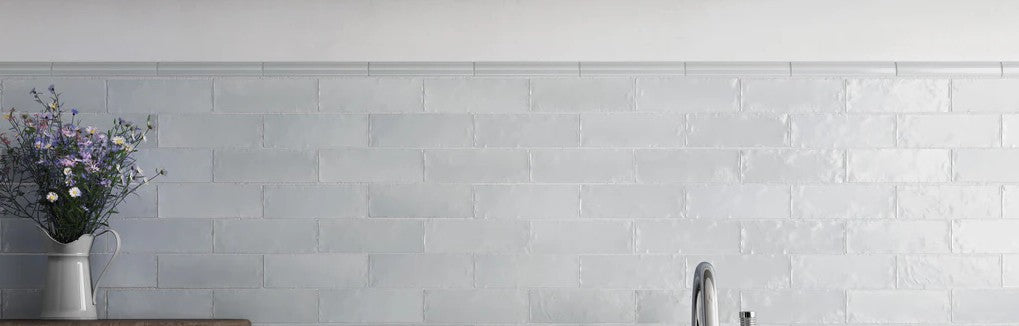
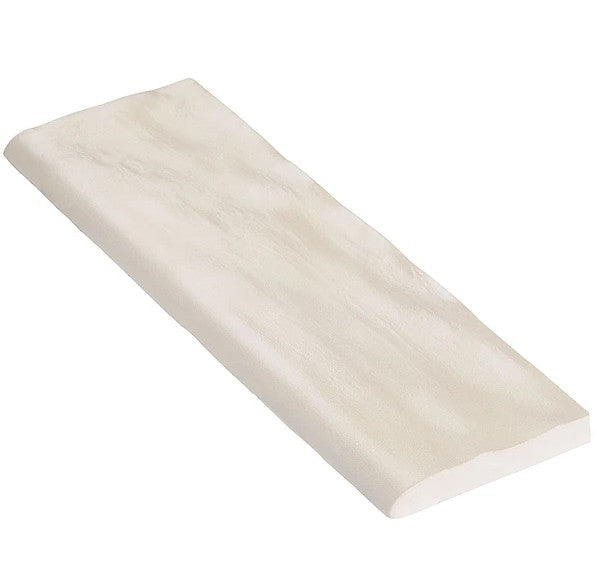
When planning a tile project—whether for a kitchen backsplash, bathroom wall, or shower surround—most people focus on the field tile and design aesthetic. But one of the most overlooked details that can elevate your project from average to professional-grade is the use of bullnose tile. Bullnose tiles are designed to finish the edges of your tile installation cleanly and smoothly, providing both visual appeal and functional protection.
In this comprehensive guide, we’ll explain what bullnose tile is, when and where to use it, the different types available, and expert tips on incorporating it into your tile designs. If you want your installation to look complete and polished, bullnose tile is a must-have.
What Is Bullnose Tile?
Bullnose tile is a tile piece with a rounded, finished edge. It’s typically used as a trim to cover the exposed edges of field tiles, providing a seamless transition and protecting corners or ends from chipping. The curved edge of bullnose tiles eliminates the need for additional finishing materials like metal trim or caulk and gives tiled areas a clean, refined appearance.
Bullnose tiles are most commonly available in ceramic, porcelain, or natural stone. They are usually produced to match or complement a specific tile collection, ensuring consistency in color and finish.
Key Characteristics of Bullnose Tile
- One finished, rounded edge (or multiple, depending on configuration)
- Available in 3"x12", 4"x12", 6"x6", and other dimensions
- Made from the same material as the coordinating field tile
- Offered in matching or coordinating finishes and colors
Why Use Bullnose Tile?
Bullnose tile serves both a functional and aesthetic purpose. Here are the top reasons to incorporate bullnose pieces into your next tile project:
1. Creates a Clean, Professional Finish
Without bullnose, exposed tile edges can look rough or unfinished. Bullnose provides a smooth transition that gives your installation a custom, high-end look. Whether you're tiling a shower wall, a niche, or a backsplash, bullnose tile is what makes the edges look intentional and complete.
2. Protects Tile Edges from Damage
The edges of ceramic and porcelain tiles can be vulnerable to chipping, especially in high-traffic or wet areas. Bullnose tiles add an extra layer of durability by shielding the sharp tile edges, which helps extend the life of your tile installation.
3. Enhances Safety
Sharp edges on unfinished tile can pose a safety hazard, especially in showers, around children, or in areas where people may brush against the surface. Bullnose tiles reduce this risk with their smooth, rounded profiles.
4. Offers Design Versatility
Bullnose tiles can be used in a variety of layouts and orientations—horizontal, vertical, or as a frame around decorative tile work. They can also act as a transitional border between different types of materials, such as tile and drywall or tile and wood.
Where to Use Bullnose Tile
1. Kitchen Backsplashes
When a backsplash stops mid-wall or meets a countertop edge, bullnose tile finishes the side neatly. This prevents raw tile edges from showing and protects from moisture or cooking splatter.
2. Bathroom Walls and Wainscoting
Bullnose tile is ideal for capping off half-walls or wainscoting in bathrooms. It provides a polished end and keeps exposed edges from appearing unfinished or vulnerable to damage.
3. Shower Enclosures and Niches
Shower walls and niches often involve multiple transitions, such as where tile meets drywall or glass. Bullnose tiles are perfect for finishing the perimeter of a shower surround, the outer edge of niches, and around built-in benches or ledges.
4. Bathtub Surrounds
The edge of a tiled bathtub apron or surround can look harsh without a finished edge. Bullnose tiles soften the visual line and provide a durable, water-resistant finish.
5. Accent Walls and Fireplaces
For vertical installations like fireplace surrounds or accent walls, bullnose tile offers a way to transition the tiled section to the wall seamlessly, creating a refined, decorative edge.

Types of Bullnose Tile
1. Surface Bullnose
Surface bullnose tiles have a single rounded edge along the longer side and are typically rectangular. They’re used to finish the edges of a tile wall or countertop.
2. Corner Bullnose (Double Bullnose)
Double bullnose tiles have two adjacent finished edges, perfect for outside corners, such as where two tiled walls meet. These are especially useful for shower curbs and niches.
3. Baseboard Bullnose
These tiles resemble traditional baseboards and are ideal for use where tiled walls meet floors. They offer both visual separation and functional protection.
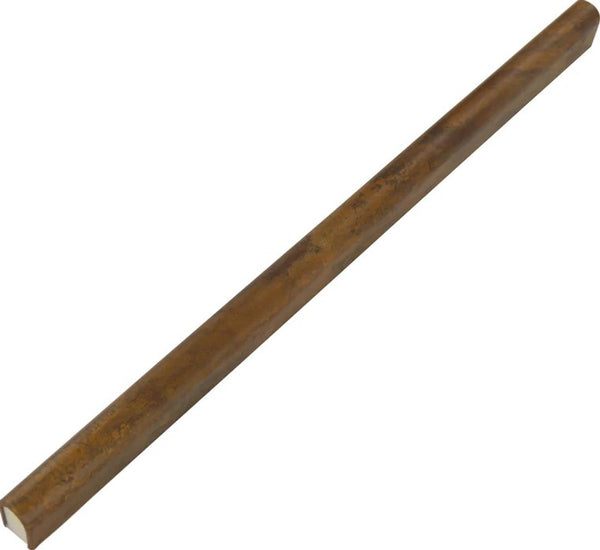
4. Quarter-Round or Pencil Trim
Though not technically bullnose, quarter-round and pencil trim tiles serve similar purposes. These rounded trim pieces finish edges or corners and are often used with glass or mosaic tiles that lack dedicated bullnose options.
Alternatives to Bullnose Tile
If your tile collection doesn’t include bullnose options, you still have choices:
- Metal Trim Profiles: Brands like Schluter offer sleek metal edge trims in various finishes for a modern look.
- Mitered Tile Edges: Cut tiles at 45-degree angles to create a corner, though this requires precise installation and may weaken the edge.
- Custom Edge Glazing: For handmade or natural stone tiles, some manufacturers offer custom glazing or finishing for raw edges.

Tips for Working with Bullnose Tile
- Order Ahead: Not all tile collections include bullnose, and stock may be limited. Plan early in your project.
- Coordinate Finish: Ensure the bullnose tiles match your field tile in color, finish, and thickness for a seamless look.
- Use as Accent: Bullnose tile can double as a decorative border or frame for mirrors, insets, or mosaics.
- Don’t Skip It: Skipping bullnose might seem like a way to cut costs, but it often leads to visible imperfections and costly repairs later.
Conclusion: Why Bullnose Tile Makes the Difference
Bullnose tile may seem like a minor detail, but it plays a major role in the quality, durability, and visual appeal of your tile installation. From kitchen backsplashes and bathroom walls to showers and fireplace surrounds, bullnose tiles help you finish strong—literally and stylistically.
Whether you’re aiming for a rustic farmhouse vibe, modern minimalist lines, or classic elegance, bullnose tile enhances the final look while ensuring edges are safe and long-lasting. Investing in the right trim is not just about aesthetics—it’s about craftsmanship and attention to detail.