
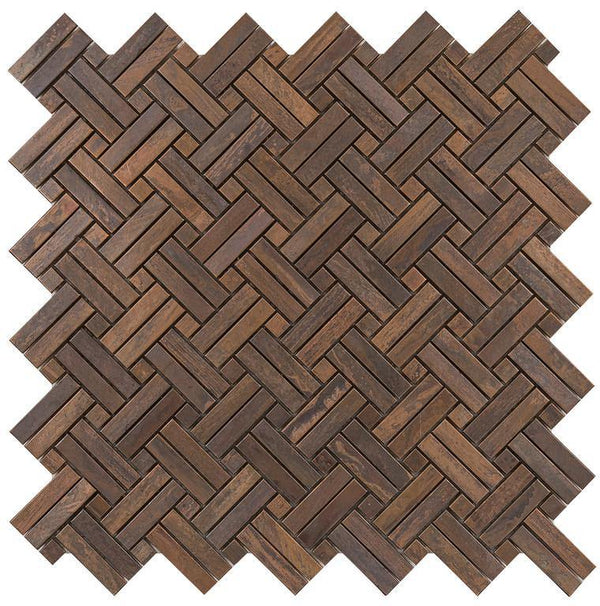
Choosing the right tile pattern can completely change the atmosphere of your kitchen or bathroom. Many homeowners worry that intricate looks like basket weave are difficult to work with or out of place in a modern home. In reality, basket weave tiles offer both style and strength, drawing inspiration from classic weaving techniques found throughout history. This article clears up misconceptions and helps you discover how basket weave tiles can bring lasting beauty and versatility to your next renovation.
Table of Contents
- Basket Weave Tiles Defined And Debunked
- Types Of Basket Weave Tile Patterns
- Key Applications In Home Renovations
- Installation Costs And Material Considerations
- Avoiding Common Design And Placement Errors
Key Takeaways
| Point | Details |
|---|---|
| Versatile Design | Basket weave tiles can be used in various materials and styles, from traditional to modern, enhancing any space. |
| Installation Insights | Although the pattern may seem complex, skilled installers can achieve a precise layout efficiently with proper planning. |
| Maintenance Requirements | Basket weave tiles do not need special maintenance beyond standard tile care, but consider slightly higher grout maintenance. |
| Cost Considerations | Installation costs for basket weave patterns are higher due to the intricate layout, usually 15–25% more than simpler designs. |
Basket Weave Tiles Defined and Debunked
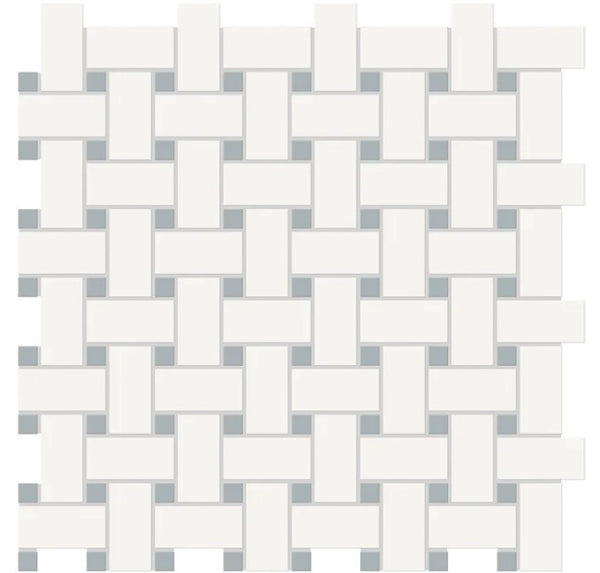
Basket weave tiles get their name from their visual resemblance to actual woven baskets. The pattern consists of rectangular tiles arranged in an alternating over-and-under pattern, much like woven textile basketweave structures). In your kitchen or bathroom, this means rectangular tiles (typically in 2x1 or similar proportions) are laid so they appear to interlock, creating depth and visual interest on your walls or floors. What makes this pattern so compelling is that it works with multiple tile materials—ceramic, porcelain, glass, natural stone, and even metal finishes—giving you flexibility to match your home’s aesthetic.
Let’s clear up some common misconceptions about basket weave tiles. First, the pattern is not difficult to install, despite appearances. While it looks intricate, experienced tileset professionals can lay basket weave efficiently, and the repetitive nature of the over-under arrangement actually becomes routine once the pattern is established. Second, basket weave tiles are not limited to traditional or rustic designs. Modern homes use these tiles in sleek, minimalist settings with neutral colors, contemporary finishes, and large-format rectangles that feel decidedly current. The pattern enhances bathrooms with clean lines and kitchens with modern cabinetry just as effectively as traditional spaces. Third, the basket weave arrangement creates strength through its interlocking structure, meaning tiles in this configuration tend to be stable and durable when properly installed.
One major myth worth debunking: basket weave tiles do not require special maintenance beyond what other patterned tiles demand. Grout lines are cleaned the same way, and the tiles themselves respond to standard tile care. However, the increased grout lines (because you’re using more individual tiles) do mean slightly more grout to maintain compared to large-format tiles. This is not a deal-breaker, but it’s honest information worth considering during your planning phase. The real advantage comes from the visual impact. In modest sized bathrooms or kitchens, a basket weave backsplash can make the space feel larger and more intentional. The diagonal visual movement created by the pattern draws the eye and creates a focal point that single-format tiles cannot replicate.
When selecting basket weave tiles from TileChoices.com, focus on the tile dimensions and material that match your renovation goals. Smaller basketweave patterns work well in compact spaces, while larger rectangular tiles create bold statements in spacious kitchens. Consider how the grout color will interact with your tile color—a contrasting grout can emphasize the pattern, while matching grout creates a more seamless, contemporary look.
Here is a comparison of common basket weave tile materials and their ideal applications:
| Material | Best Used For | Durability Level |
|---|---|---|
| Ceramic | Backsplash, accent wall | Moderate |
| Porcelain | Bathroom floors, wet areas | Very high |
| Natural Stone | Feature wall, luxury spaces | High (with sealing) |
| Glass | Decorative accents | Moderate |
| Metal Finish | Contemporary walls | Moderate |
Pro tip: Order samples of your chosen basket weave tiles and grout combination before committing to your full purchase, as the pattern’s visual effect changes dramatically depending on lighting conditions and how the colors interact on your specific wall or floor.
Types of Basket Weave Tile Patterns
Basket weave tile patterns aren’t one-size-fits-all. Different arrangements create distinct visual effects, and understanding your options helps you choose the right pattern for your space. The most common basket weave configurations mimic traditional two-over-two-under weaving structures), where rectangular tiles alternate in a repeating pattern that creates that signature interlocking look. This classic approach works beautifully in both traditional and contemporary kitchens and bathrooms because the rhythm feels balanced without being boring.
The classic two-by-two basket weave is your standard option, where each rectangular tile sits over two horizontal tiles, then under two vertical tiles. This pattern creates a gentle, uniform visual flow across your wall or floor. Then there’s the brick basketweave, which takes inspiration from actual brickwork. In this variation, tiles offset like staggered bricks, creating a slightly different visual rhythm than the traditional two-by-two. Brick basketweave works exceptionally well in kitchen backsplashes because it draws the eye horizontally and can make narrower spaces feel wider. You’ll also encounter herringbone-inspired basketweave, which angles tiles diagonally in V-shaped patterns. This creates the most dramatic visual impact and works best in larger spaces where the pattern has room to breathe. When choosing basketweave tile sizes and configurations, remember that smaller tiles create busier patterns while larger rectangular tiles feel more modern and streamlined.
The specific dimensions of your tiles dramatically affect how each pattern reads. A 2x1 tile ratio produces crisp, clean lines, while a 3x1 ratio creates longer visual lines that can elongate a room. Some homeowners mix tile sizes within basketweave patterns to create custom, personalized layouts, though this requires careful planning and professional installation. Material selection interacts with pattern choice too. Glossy ceramic basketweave in neutral tones reads as contemporary and sleek, while matte natural stone basketweave feels more organic and grounded. The grout color you select also influences the pattern’s visual strength. Contrasting grout emphasizes the over-under effect, making the pattern pop, while matching grout creates visual continuity that makes the tiles feel like a cohesive surface.
Pro tip: Visit your local home improvement store or request samples from TileChoices.com to see how different basketweave patterns look in your actual lighting conditions—the same pattern can appear dramatically different under natural light versus kitchen pendant lights.
Key Applications in Home Renovations
Basket weave tiles shine in specific areas of your home, and knowing where they work best helps you maximize both their visual and functional impact. The most popular application is the kitchen backsplash, where basket weave tiles create an eye-catching focal point without overwhelming the space. A 2x1 tile backsplash in soft gray ceramic or natural stone reads as sophisticated and intentional, transforming an ordinary wall into a design statement. The pattern draws the eye upward, making even modest kitchens feel taller and more thoughtfully designed. Backsplashes also benefit from basket weave’s stylish, durable composition because they face cooking splashes and steam without losing their appeal. You’ll also see basket weave tiles appearing on bathroom accent walls, where they add personality without the commitment of an all-over pattern.
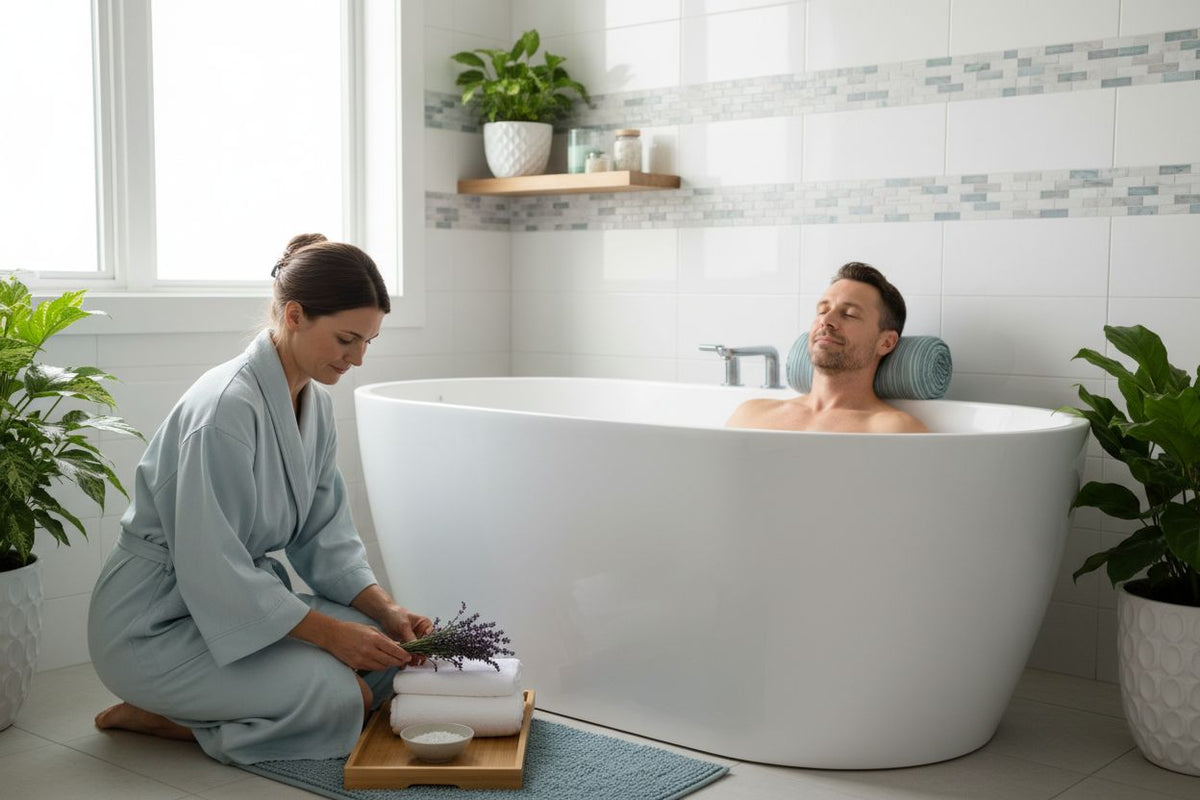
Bathroom floors represent another excellent application, particularly in master bathrooms or powder rooms where you want to make a statement. Basket weave flooring in larger rectangular tiles creates a modern, spa-like atmosphere. The pattern’s visual movement makes smaller bathrooms feel more spacious, while in larger bathrooms it anchors the room with sophistication. Porcelain basket weave tiles excel here because they offer superior water resistance and durability compared to ceramic. Consider pairing basket weave flooring with neutral wall colors to let the pattern shine without visual chaos.
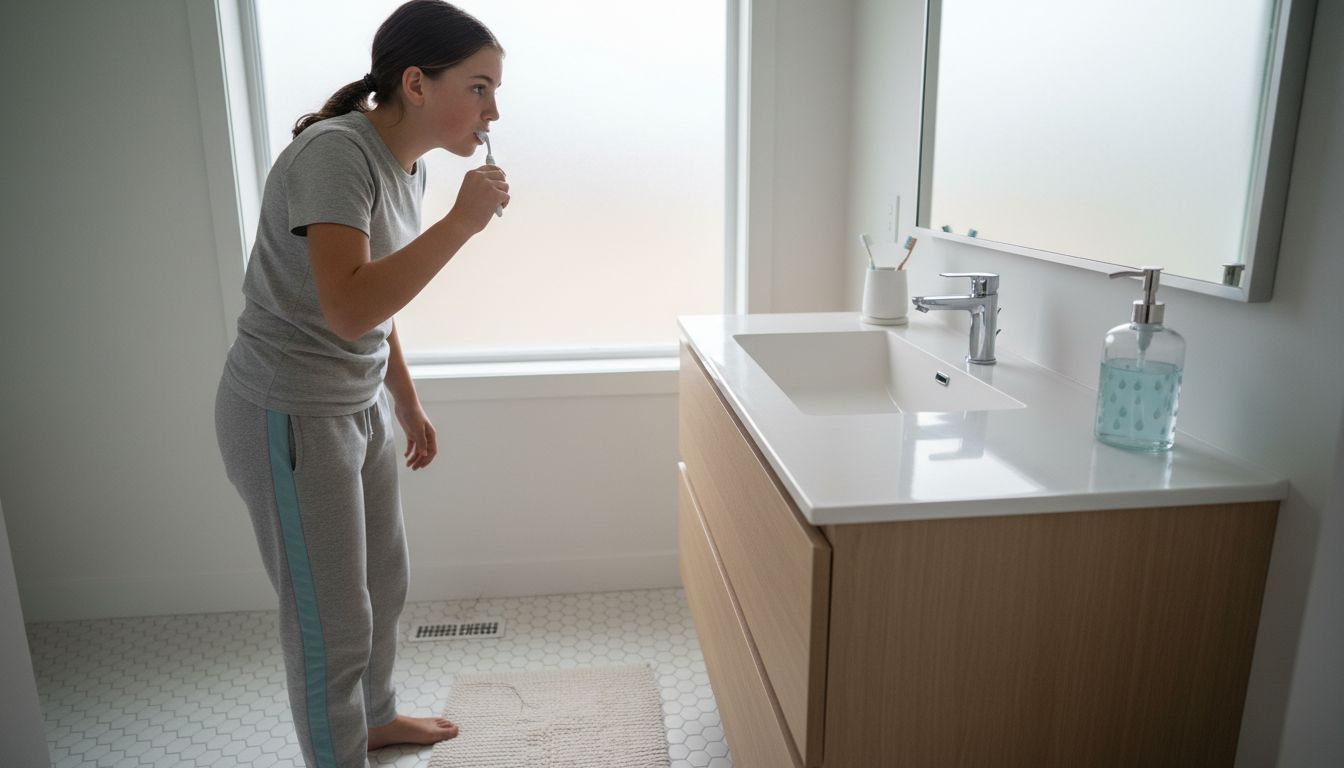
Don’t overlook entry halls and mudrooms as viable canvas for basket weave tiles. These high-traffic areas need durability, and basket weave’s toughness and dimensional stability make it ideal for handling foot traffic. A basket weave floor in a mudroom creates a polished first impression while solving practical concerns about moisture and durability. Some homeowners use basket weave tiles as fireplace accents or shower walls, where the pattern becomes a focal point. These applications work beautifully because they’re contained spaces where the pattern doesn’t compete with other elements. When planning your bathroom remodeling project, consider how basket weave tiles can anchor your design and create cohesive visual flow throughout the space.
The key is choosing locations where basket weave becomes a planned design feature rather than an afterthought. Avoid overusing the pattern across multiple rooms unless you’re committed to a cohesive, patterned aesthetic throughout your home.
Pro tip: Start with a smaller application like a backsplash or powder room to test how you feel about basket weave tiles in your specific home lighting before committing to larger floor installations.
Installation Costs and Material Considerations
Basket weave tile projects involve more than just purchasing tiles. Your total investment depends heavily on material choice and labor complexity. The pattern itself increases installation time because tileset professionals must carefully cut and position each rectangular tile to maintain the over-under visual effect. This precision work costs more than laying large-format, single-direction tiles. Budget approximately 15 to 25 percent more in labor costs compared to straight-lay installations. The TCNA Handbook provides comprehensive guidelines for basket weave installation, specifying how pattern complexity directly impacts both labor time and material waste. Expect waste between 15 and 20 percent with basket weave patterns, compared to roughly 10 percent with simpler layouts.
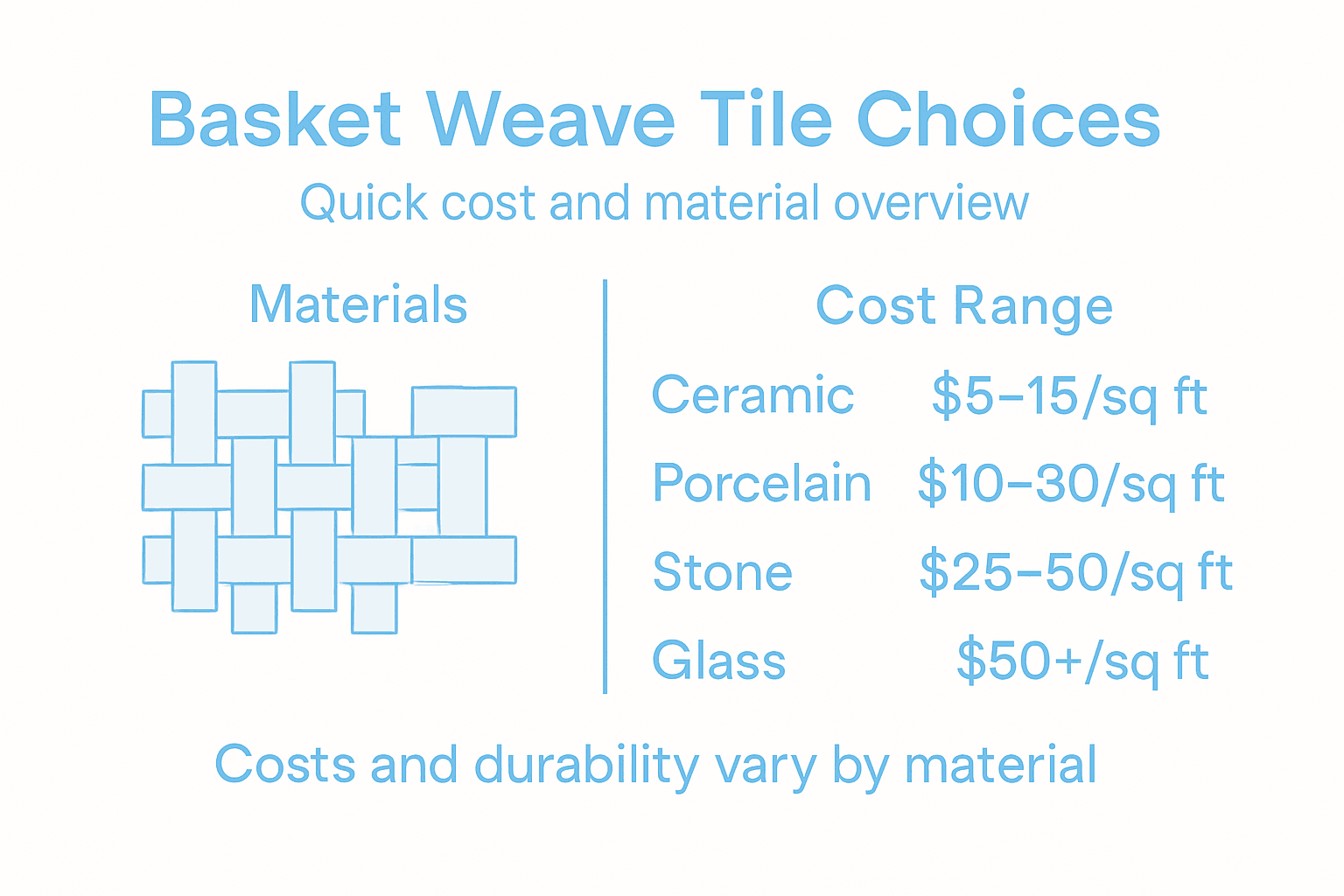
Material costs vary dramatically depending on what you choose. Ceramic tiles are the most budget-friendly option, typically ranging from 2 to 8 dollars per square foot. Porcelain basket weave tiles cost between 5 and 15 dollars per square foot but offer superior durability and water resistance, making them ideal for bathrooms and kitchens. Natural stone (marble, slate, or travertine) ranges from 10 to 30 dollars per square foot and requires sealing before installation. Glass basket weave tiles fall between porcelain and high-end stone in pricing. When assessing material factors like strength and durability, consider your specific application. A powder room backsplash can work beautifully with ceramic, but a heavily used bathroom floor demands porcelain’s superior longevity.
Labor costs typically range from 5 to 15 dollars per square foot, depending on your region and contractor experience. Complex patterns like herringbone basketweave push labor costs toward the higher end. For a 50-square-foot kitchen backsplash using porcelain tiles with brick basketweave pattern, expect total material and installation costs between 1,500 and 3,500 dollars. Grout and sealant costs add another 100 to 300 dollars. Don’t forget potential prep work. If your existing surface requires substrate replacement or leveling, add another 500 to 2,000 dollars.
When planning your budget, get quotes from at least two experienced installers who understand patterned tile work. Request itemized estimates showing material costs, labor hours, and any additional charges. Understanding how tile installation costs break down helps you make informed decisions about where to invest premium materials versus where budget-friendly options work perfectly.
The following table summarizes cost considerations for basket weave tile projects:
| Factor | Cost Range (per sq. ft.) | Impact on Total Cost |
|---|---|---|
| Tile Material | $2 – $30 | Major cost driver |
| Labor (patterned install) | $5 – $15 | 15–25% higher than simple layouts |
| Additional Materials | $2 – $6 | Grout, sealant, prep work |
| Expected Waste | 15% – 20% | Increases material needed |
Pro tip: Request a mockup or sample installation from your contractor showing how the basket weave pattern will look at full scale in your actual space before committing to the full project.
Avoiding Common Design and Placement Errors
Basket weave tile installations fail more often due to poor planning than poor execution. The most critical mistake homeowners and even inexperienced installers make is failing to center the pattern properly. When you don’t plan your layout in advance, you end up with tiny slivers of tile at one edge and large cuts at the other, completely destroying the visual harmony the pattern should create. Ensuring a centered and balanced layout means your cut tiles should always be larger than half a tile width, placed strategically at edges where they’re less noticeable. A professional installer starts by measuring your space, determining where the pattern begins, and working backward from opposite edges to ensure symmetry. This planning stage takes time but prevents expensive mistakes. If your backsplash is 48 inches wide and your tiles are 2 inches, map out exactly where cuts occur before the first tile goes down.
Another common error is mixing grout line widths or allowing grout lines to shift out of alignment. The basket weave pattern depends on consistent, straight grout lines running horizontally and vertically. Even a quarter-inch deviation compounds across multiple tiles, and suddenly your perfectly aligned pattern looks crooked. Use spacers religiously and check alignment every few rows with a level. Poor alignment doesn’t just look amateur; it also compromises the structural integrity of your installation because grout lines serve as stress relief points. Additionally, using tiles inappropriate for the surface type creates durability problems that appear months after installation. Ceramic tiles in a shower will absorb water and fail. Porcelain belongs in wet areas. Natural stone needs proper sealing. Glossy-finish tiles on floors create slipping hazards. Match your tile selection to your specific application.
Pattern execution mistakes plague many installations. Some installers miss the actual over-under rhythm entirely, treating basket weave as regular brick lay. Others start the pattern mid-wall, creating visual confusion about whether tiles should go over or under. The pattern should feel logical and consistent from corner to corner. Grout color matters more than many realize. Using bright white grout with light tiles creates a chaotic grid effect that overpowers the basket weave pattern. Matching grout to your tile color allows the interlocking pattern to shine. Testing your grout color on a sample before full installation prevents this regrettable mistake.
Dimensional inconsistency within the same tile lot creates invisible but noticeable problems. Some tiles measure slightly larger or smaller than others due to manufacturing variation. Sorting tiles before installation and grouping similarly sized pieces prevents the pattern from looking warped. This takes extra time but separates professional installations from mediocre ones.
Pro tip: Have your contractor create a full layout drawing showing exactly where every cut tile goes before installation begins, and request to approve this layout before work starts.
Elevate Your Space with Basket Weave Tiles from TileChoices.com
Basket weave tiles bring captivating style and timeless strength to your home whether used on kitchen backsplashes, bathroom floors, or accent walls. If you want to avoid common layout pitfalls and achieve the perfect over-under pattern that enhances your space instantly, choosing the right tile material and professional guidance is essential. At TileChoices.com we understand the challenges of selecting the ideal basket weave tiles that balance durability and visual impact for your unique renovation goals.
Discover our vast collection of ceramic, porcelain, natural stone, and glass basket weave tiles designed to meet every aesthetic and functional need. Order samples to experience how grout and lighting influence the final look, and rely on our expert support to plan your installation flawlessly. Don’t wait until project delays or costly mistakes happen. Start transforming your kitchen, bathroom, or entryway today by exploring our tile selections and learning how our resources ease tile choice and installation. Let TileChoices.com be your trusted partner for stylish and lasting basket weave tile solutions developed just for modern homes.