
Bold design choices start with a smart approach. Nearly 60 percent of American homeowners prioritize both style and practicality when planning kitchen or bathroom renovations. Whether you want a sleek minimalist look or crave striking visual impact, choosing the right tile pattern can transform your space. You will discover practical steps for assessing your renovation goals, selecting materials, and finding patterns that deliver the modern aesthetic and functionality you need.
Table of Contents
- Step 1: Assess Your Space And Renovation Goals
- Step 2: Determine Your Preferred Tile Styles And Materials
- Step 3: Evaluate Suitable Tile Pattern Options
- Step 4: Visualize Patterns With Samples And Layouts
- Step 5: Verify Pattern Cohesion With Room Design
Quick Summary
| Key Insight | Explanation |
|---|---|
| 1. Assess your space effectively | Evaluate room dimensions, lighting, and function to guide tile selection decisions. |
| 2. Choose suitable tile materials | Select materials like porcelain or natural stone based on room usage and aesthetic goals. |
| 3. Visualize tile patterns accurately | Use physical samples or digital tools to preview how patterns will look in your space. |
| 4. Ensure pattern cohesion | Match tile designs with existing decor and components for a harmonious overall aesthetic. |
| 5. Test under various lighting | Observe tile samples in different lighting throughout the day to make an informed choice. |
Step 1: Assess Your Space and Renovation Goals
Successfully selecting tile patterns starts with a comprehensive evaluation of your renovation objectives and physical space characteristics. Understanding the specific requirements and aesthetic goals will guide your tile selection process and help you create a cohesive design that meets both functional and stylistic needs.
Begin by carefully examining the room’s dimensions, lighting conditions, and intended usage. Matching tile patterns to room function requires strategic thinking about spatial dynamics and visual impact. Consider how different geometric shapes and layout configurations can enhance or visually transform your space. High traffic areas like kitchen floors might benefit from more durable, larger format tiles with minimal grout lines, while bathroom walls could showcase intricate pattern designs that add visual interest.
Your renovation goals should drive tile selection—whether you aim to create a minimalist modern aesthetic, add warmth to a cold space, or make a bold design statement. Pay attention to how natural and artificial lighting interact with potential tile choices, as reflective surfaces and color tones can dramatically alter a room’s perceived size and atmosphere.
Pro tip: Take multiple tile samples home and observe them in your actual space under different lighting conditions throughout the day to make the most informed decision.
Step 2: Determine Your Preferred Tile Styles and Materials
Selecting the right tile styles and materials is crucial for creating a cohesive and functional design that reflects your personal aesthetic and meets your practical renovation needs. This step involves exploring the diverse world of modern tile options and understanding how different materials and patterns can transform your space.
Modern tile styles encompass a wide range of design possibilities, from geometric shapes like hexagons and rectangles to diverse finishes that range from sleek matte to luxurious glossy surfaces. Ceramic, porcelain, natural stone, and glass each offer unique characteristics that can elevate your renovation project. Consider the room’s purpose when selecting materials—porcelain tiles work exceptionally well in high traffic areas due to their durability, while natural stone can add elegant texture to spaces like bathrooms or accent walls.
Your choice should balance aesthetic appeal with practical considerations. Neutral color palettes remain popular in modern design, providing versatility and timeless elegance. Think about how tile patterns and materials will interact with your existing decor, lighting, and overall room layout. Some homeowners prefer a single tile type for a clean, minimalist look, while others enjoy mixing different tiles to create visual interest and depth.
Pro tip: Always order tile samples and view them in your actual space under different lighting conditions to ensure the color, texture, and style truly match your vision.
Here’s how popular tile materials compare for typical renovation needs:
| Material | Durability | Appearance | Best for |
|---|---|---|---|
| Ceramic | Moderate | Wide color range | Bathroom walls, kitchens |
| Porcelain | Highly durable | Smooth finishes | High traffic floors |
| Natural Stone | Unique patterns | Textured look | Accent walls, bathrooms |
| Glass | Water resistant | Glossy finishes | Backsplashes, small areas |
Step 3: Evaluate Suitable Tile Pattern Options
Selecting the right tile pattern transforms your space from ordinary to extraordinary, turning your renovation vision into a stunning reality. Understanding the nuanced world of tile layouts will help you make informed design choices that complement your home’s architecture and personal style.
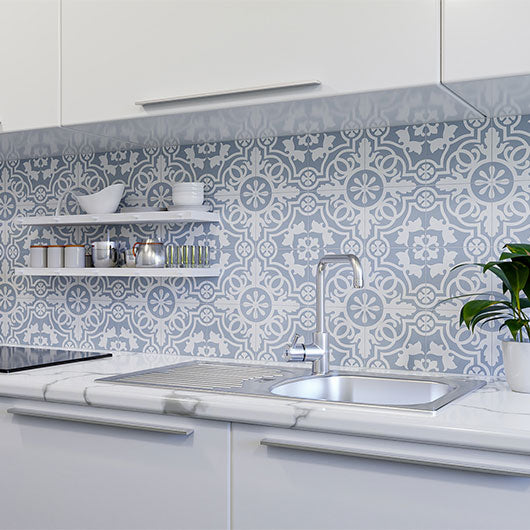
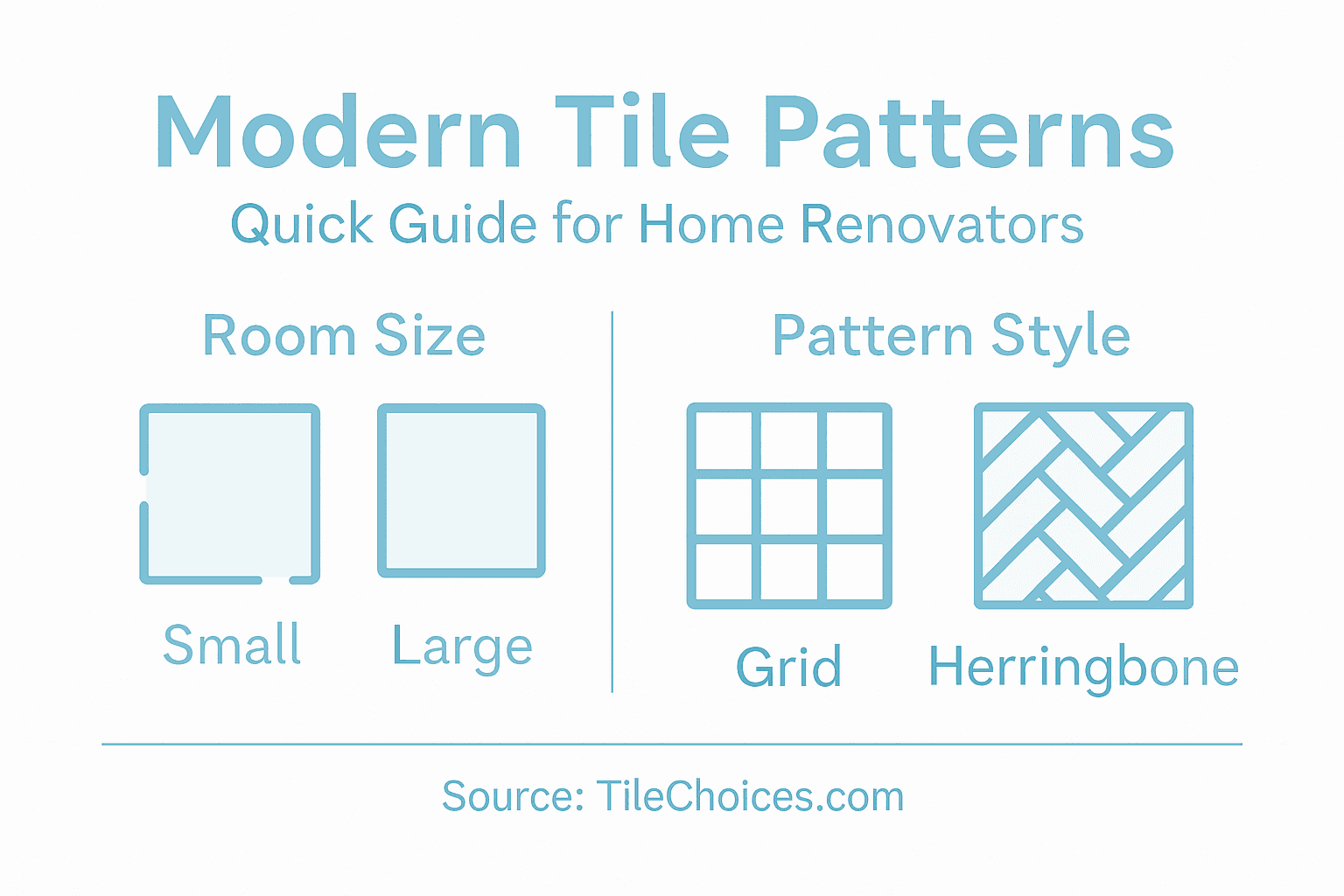
Tile patterns range dramatically from classic grid configurations to dynamic herringbone arrangements. Each pattern offers unique visual effects that can dramatically alter a room’s perception of space and depth. Grid patterns provide clean modern looks perfect for smaller areas, while herringbone designs inject dynamic energy into larger spaces. Consider classic layouts like subway, diagonal, and basketweave—each creates a distinct mood and spatial impression that can dramatically enhance your room’s aesthetic.

Your tile pattern selection should harmonize with the room’s function, size, and overall design theme. Larger rooms can handle more complex patterns like herringbone or diagonal layouts, which create visual movement and interest. Smaller spaces benefit from simpler grid or linear patterns that make the area feel more expansive. Always consider how the pattern will interact with your existing furniture, lighting, and architectural elements to create a cohesive design narrative.
Pro tip: Create a small mockup or use digital visualization tools to preview how different tile patterns will look in your actual space before making a final commitment.
Here’s a summary of common tile pattern options and their visual impact:
| Pattern Type | Visual Effect | Ideal Room Size | Typical Mood Created |
|---|---|---|---|
| Grid | Clean, modern | Small to medium | Minimalist, spacious feel |
| Herringbone | Dynamic, energetic | Large | Sophisticated, lively |
| Diagonal | Expands perception | Medium to large | Dramatic, open |
| Basketweave | Intricate, classic | Medium | Traditional, charming |
| Subway | Timeless, linear | Any | Versatile, neat |
Step 4: Visualize Patterns with Samples and Layouts
Transforming tile design concepts into tangible reality requires strategic visualization techniques that help you confidently preview how patterns will look in your actual space. This crucial step bridges the gap between imagination and execution, ensuring your renovation meets your aesthetic expectations.
Utilize multiple methods to bring your tile pattern vision to life. Order physical tile samples from your preferred suppliers and arrange them in your space to understand how colors, textures, and layouts interact with existing elements. Many tile retailers offer digital visualization tools that allow you to upload room photos and digitally experiment with different tile configurations. These tools enable you to test various patterns without financial commitment, helping you make more informed design decisions.
Consider creating physical mockups by temporarily laying out tile samples on your floor or wall. Use painter’s tape to outline potential pattern layouts, allowing you to walk around and experience how different arrangements impact the room’s visual dynamics. Pay close attention to lighting conditions at different times of day, as natural and artificial light can dramatically transform how tile patterns appear and feel within your space.
Pro tip: Take high resolution photos of your sample layouts and mockups in different lighting conditions to review and compare them side by side before making your final selection.
Step 5: Verify Pattern Cohesion with Room Design
Achieving seamless tile pattern integration requires a holistic approach that considers every visual and functional aspect of your space. This critical step ensures your chosen tile design harmonizes with the room’s existing elements and overall aesthetic vision.
Pattern cohesion involves strategic balancing of multiple design components including room size, lighting conditions, architectural features, and existing color palettes. Start by comparing your tile samples against your current furnishings, wall colors, and decorative elements. Look for complementary or intentionally contrasting tones that create visual interest without overwhelming the space. Pay special attention to how natural and artificial lighting interact with the tile patterns, as different illumination can dramatically transform the perception of color and texture.
Consider the room’s functional requirements alongside aesthetic goals. A busy kitchen might need more durable and low maintenance tile patterns, while a bathroom could accommodate more intricate designs. Take time to assess how the tile pattern will flow with architectural features like windows, doorways, and built in furniture. The goal is to create a cohesive design narrative that feels intentional and thoughtfully composed, making your space feel both beautiful and purposefully designed.
Pro tip: Create a mood board combining tile samples, paint swatches, and fabric textures to visualize how different design elements will interact before making your final selection.
Elevate Your Renovation with Perfect Tile Patterns from TileChoices.com
Choosing the right tile patterns can transform any space but the challenge lies in finding durable, stylish options that match your vision and functional needs. Whether you want to create dynamic herringbone layouts or timeless subway patterns, navigating material choices and patterns can feel overwhelming. You need high-quality tiles and reliable guidance to confidently bring your renovation goals to life while ensuring pattern cohesion, lighting harmony, and room suitability.
At TileChoices.com, we understand these challenges and offer a vast selection of ceramic, porcelain, natural stone, and glass tiles perfect for every modern home renovation. Explore our curated collections that cater to diverse design styles and durability requirements. Take advantage of our sample request feature to test tile textures and colors in your space before finalizing your layout. Don’t wait to transform your home with stylish, practical tile solutions that align with your vision and lifestyle. Start planning your project today at TileChoices.com and experience how the right tile pattern can revolutionize your space.