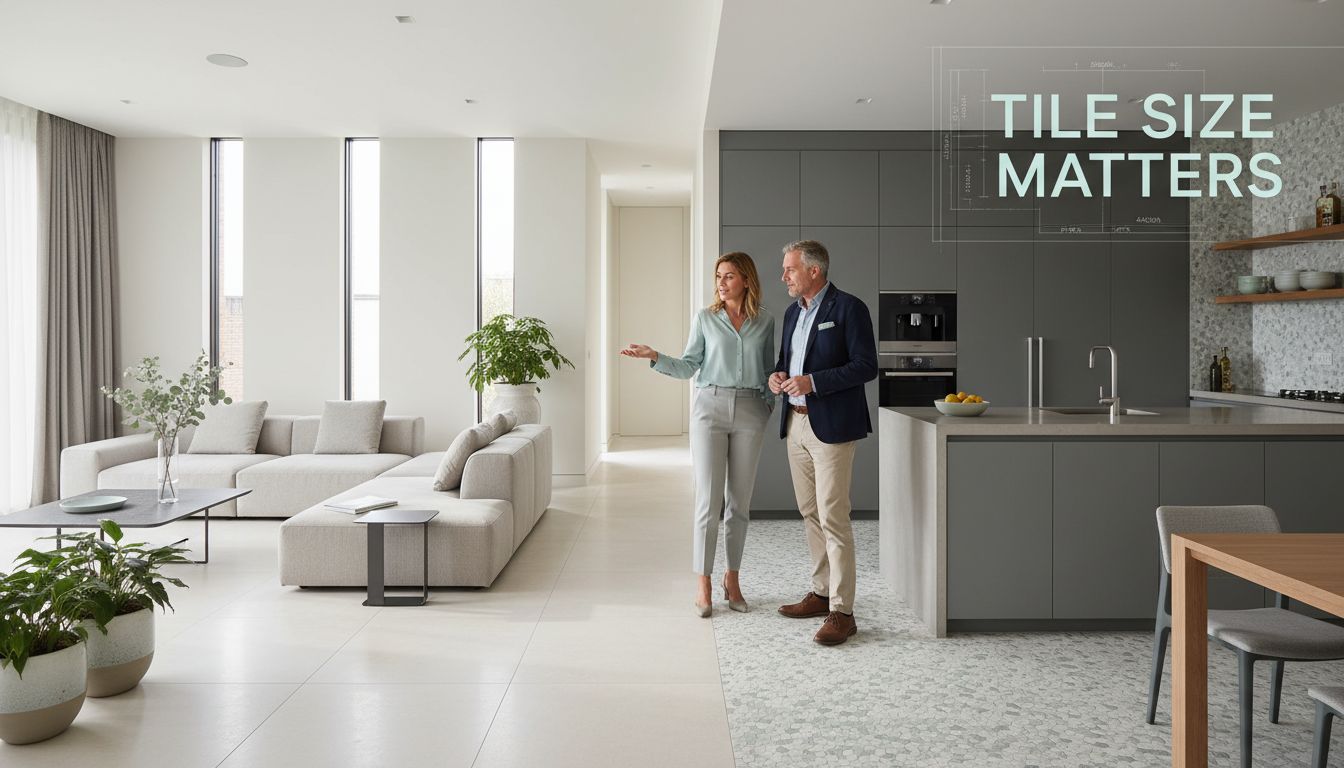
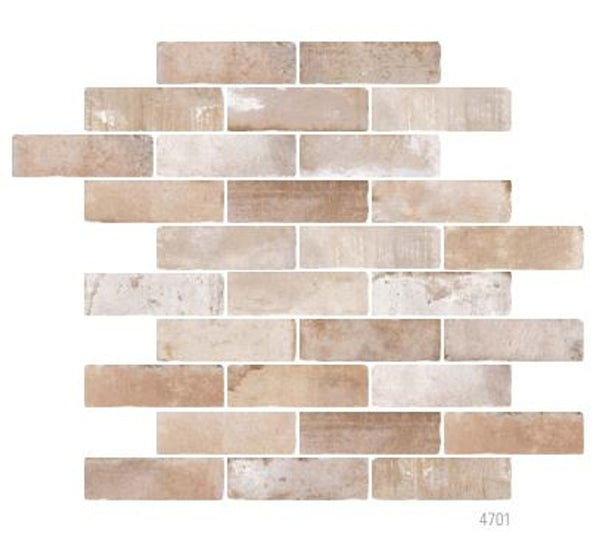
Choosing the right tile size can completely transform the feel of any room. Experts have found that using larger tiles can make small spaces look noticeably bigger, while smaller tiles add texture and detail perfect for intricate designs. This choice matters because tile dimensions affect everything from installation and maintenance to visual flow and cost. By understanding how tile sizes shape your space, you can create interiors that look more open, seamless, and thoughtfully designed.
Table of Contents
- Defining Tile Size And Its Importance
- Comparing Tile Sizes And Common Types
- Design Impact Of Tile Size Choices
- Installation Challenges By Tile Dimension
- Cost Implications Of Different Tile Sizes
Key Takeaways
| Point | Details |
|---|---|
| Tile Size Affects Design | The choice of tile size directly influences room perception, visual aesthetics, and functional performance. Larger tiles can create an illusion of space, while smaller tiles add texture and complexity. |
| Installation Complexity Varies | Different tile sizes introduce varying levels of installation complexity, necessitating specific techniques and professional expertise to achieve optimal results. |
| Cost Implications Exist | Tile size can significantly impact overall project costs, factoring in material prices, installation labor, and long-term maintenance expenses. |
| Strategic Selection Required | Careful consideration of room dimensions, architectural style, and personal preferences is necessary for choosing the most suitable tile size to enhance both aesthetics and functionality. |
Defining Tile Size and Its Importance
Tile size represents the physical dimensions of individual tiles, serving as a critical design element that dramatically impacts both visual aesthetics and functional performance in interior spaces. According to Design Times, tile size can strategically influence room perception, with larger tiles capable of making compact spaces appear more expansive.
Understanding tile dimensions goes beyond mere measurements. Tile size directly affects several key design considerations including room proportions, visual flow, grout requirements, installation complexity, and overall spatial dynamics. Smaller tiles introduce intricate patterns and visual texture, while larger formats create seamless, modern appearances with fewer interruptions.
The selection of tile size requires thoughtful evaluation of multiple factors. Room dimensions, architectural style, intended application, and personal aesthetic preferences all play pivotal roles in determining the most suitable tile size. For instance, smaller tiles work exceptionally well in bathrooms or kitchens with complex geometries, whereas large-format tiles excel in open living areas, creating an illusion of expanded space and minimalist elegance.
Professional designers recognize that tile size is not just a technical specification but a powerful design tool. By carefully selecting tile dimensions, you can transform a mundane space into a visually compelling environment that reflects sophisticated design sensibilities. When exploring understanding geometric tile shapes, consider how different sizes and formats can dramatically alter your interior’s visual narrative.
Comparing Tile Sizes and Common Types
Tile sizes range dramatically, from petite mosaic tiles measuring just 1x1 inch to expansive large-format porcelain tiles spanning up to 60x120 inches. Urban Matter highlights the growing popularity of large-format tiles, which offer significant aesthetic and functional advantages in both residential and commercial environments.
Common tile sizes typically include:
- Small Tiles: 1x1 to 4x4 inches (ideal for intricate designs)
- Medium Tiles: 6x6 to 12x12 inches (versatile for multiple applications)
- Large Tiles: 18x18 to 24x24 inches (creates seamless looks)
- Extra-Large Format: 30x30 inches and above (minimalist, contemporary aesthetic)
Each tile size presents unique design opportunities and challenges. Smaller tiles work exceptionally well in spaces requiring detailed patterns or curved surfaces, such as shower floors or kitchen backsplashes. Conversely, larger tiles create visual continuity, reduce grout lines, and can make rooms appear more spacious. When exploring tile options, understanding the different types of floor tiles becomes crucial in making an informed selection.
Professional designers recommend matching tile size to room dimensions and intended aesthetic. Compact spaces benefit from smaller tiles that add visual complexity, while open areas shine with large-format tiles that create a sense of expansiveness. The key is balancing proportions, considering factors like room size, lighting, architectural style, and personal design preferences to select the most harmonious tile dimensions.
Design Impact of Tile Size Choices
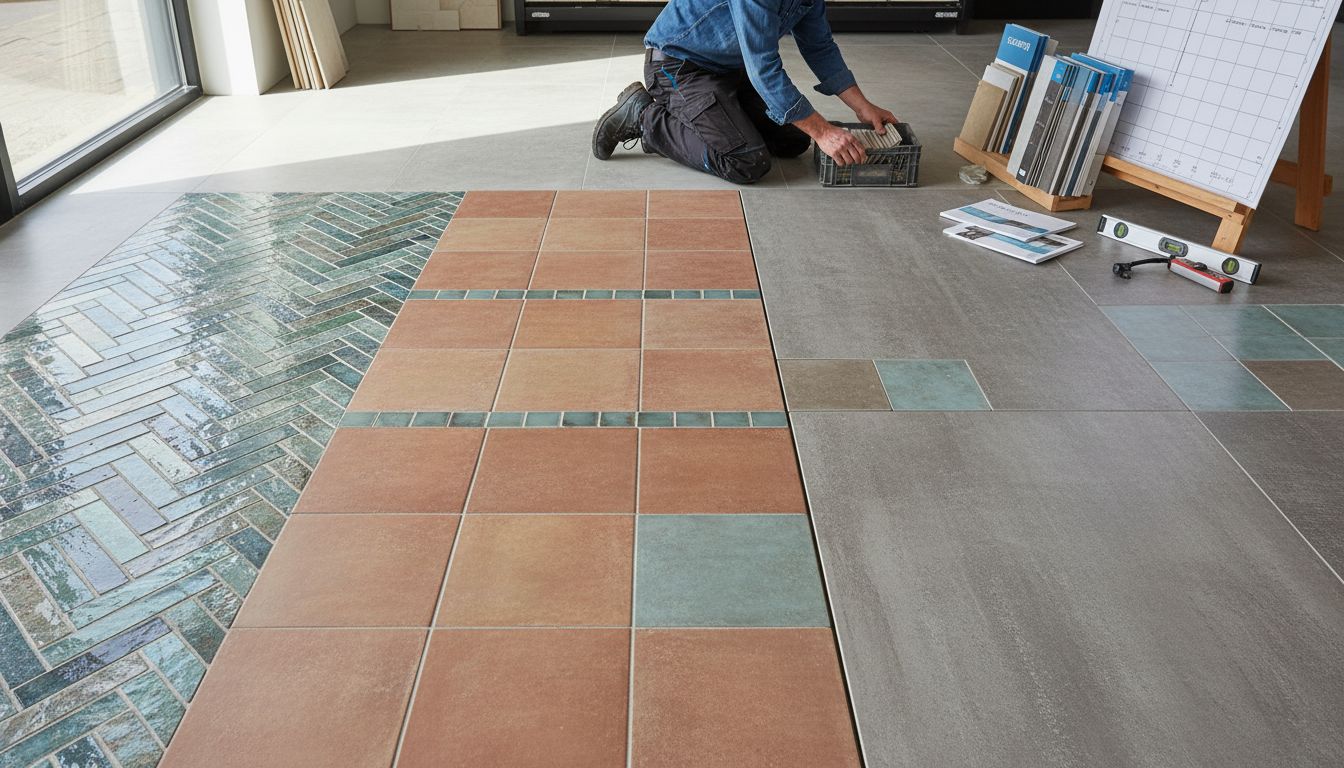
Illustr Arch reveals that tile size is more than a mere aesthetic choice—it’s a powerful design tool that fundamentally transforms spatial perception. Different tile dimensions can dramatically alter a room’s visual dynamics, creating illusions of space, depth, and movement that profoundly impact how we experience an interior environment.
The psychological impact of tile size manifests through several key design principles:
- Visual Expansion: Large tiles create an illusion of broader, more open spaces
- Complexity and Texture: Small tiles introduce intricate visual patterns
- Spatial Flow: Tile size influences how the eye moves through a room
- Architectural Dialogue: Tiles can complement or contrast with existing architectural elements
Professional designers strategically leverage tile sizes to achieve specific design objectives. Compact spaces benefit from large-format tiles that minimize visual interruptions, while complex areas like kitchens or bathrooms can use smaller tiles to add visual interest and accommodate unique geometric configurations. When designing small bathrooms, understanding how tile size impacts perceived space becomes crucial for creating functional and aesthetically pleasing environments.
Ultimately, tile size selection is a nuanced art form that balances visual aesthetics, functional requirements, and spatial dynamics. By carefully considering factors like room dimensions, lighting, architectural style, and intended emotional response, designers can transform ordinary spaces into extraordinary experiences through strategic tile size selection.
Installation Challenges by Tile Dimension
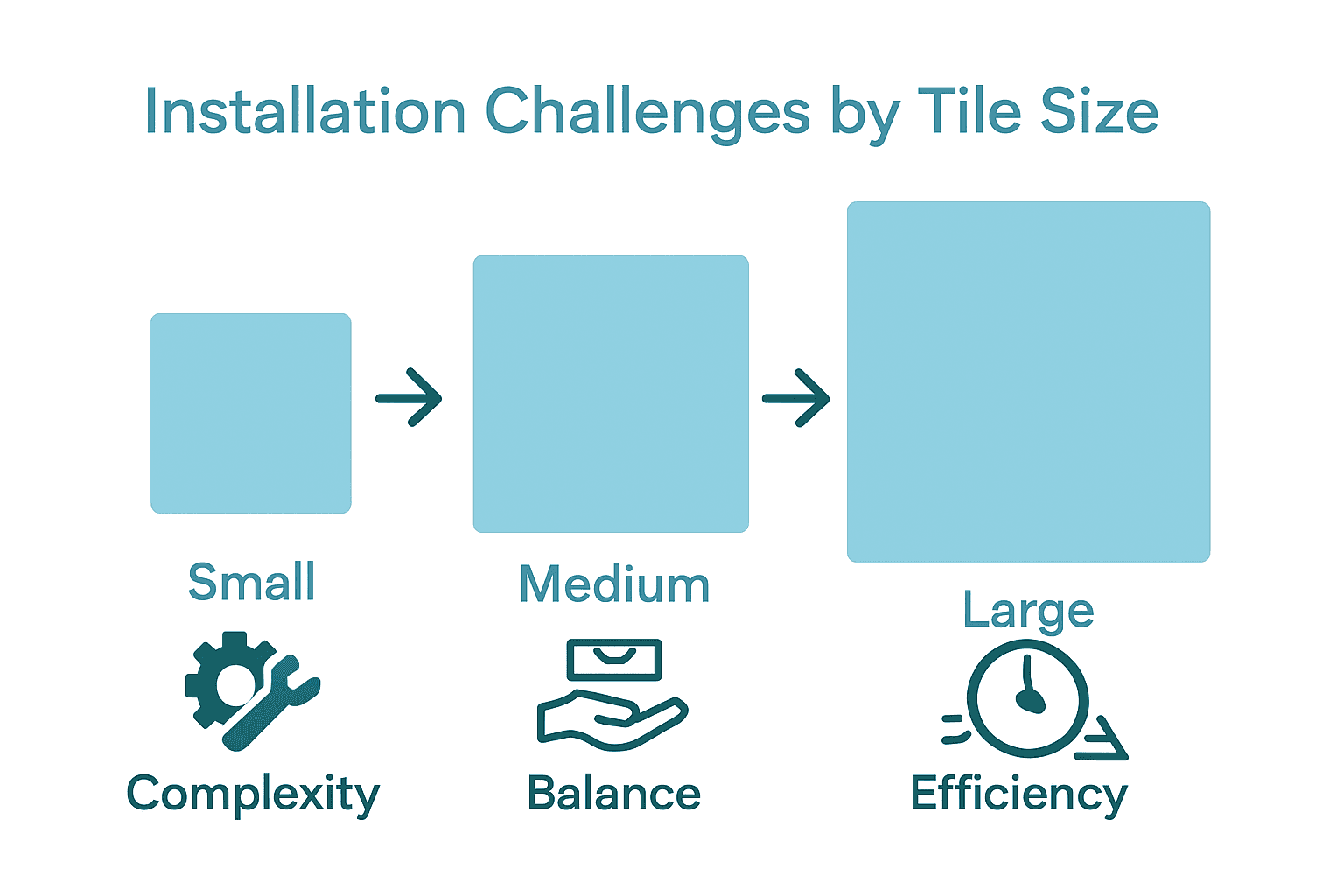
Urban Matter reveals that tile size dramatically impacts installation complexity, with each dimension presenting unique technical challenges that require specialized skills and precise preparation. Different tile sizes demand distinct installation techniques, making professional expertise critical for achieving a flawless finish.
Key installation challenges vary by tile dimension:
-
Small Tiles (1-4 inches):
- Require intricate cutting
- Demand precise grout application
- More labor-intensive installation
-
Large Format Tiles (24+ inches):
- Require absolutely level subfloors
- Need specialized handling to prevent breakage
- Demand advanced adhesive techniques
-
Medium Tiles (6-18 inches):
- Most forgiving installation process
- Standard tools and techniques work well
- Balanced between complexity and ease
When preparing for tile installation, understanding subfloor requirements becomes paramount. Tile subfloor preparation is crucial, especially for larger tiles that magnify any underlying surface imperfections. Professionals must meticulously assess and level surfaces, ensuring a smooth, stable foundation that can support the specific weight and dimensional characteristics of chosen tiles.
Professional installers recognize that tile size isn’t just an aesthetic choice—it’s a complex technical decision. Larger tiles require more precise substrate preparation, specialized cutting tools, and advanced adhesive techniques. Smaller tiles demand intricate craftsmanship and patience. By understanding these dimensional nuances, homeowners can make informed decisions that balance design aspirations with practical installation considerations.
Cost Implications of Different Tile Sizes
Urban Matter reveals that tile size significantly influences overall project costs, with nuanced financial considerations extending far beyond the initial material purchase price. Homeowners and contractors must navigate a complex landscape of expenses that include material costs, installation complexity, labor rates, and long-term maintenance requirements.
Cost breakdowns by tile size reveal interesting financial dynamics:
-
Small Tiles (1-4 inches):
- Higher per-square-foot material costs
- More labor-intensive installation
- Increased grout material expenses
- Potentially higher long-term maintenance costs
-
Large Format Tiles (24+ inches):
- Lower installation labor costs
- Fewer grout lines reduce maintenance expenses
- Higher material costs per individual tile
- Potential savings in overall project time
-
Medium Tiles (6-18 inches):
- Balanced material and labor costs
- Standard installation techniques
- Moderate maintenance requirements
Professional installers understand that tile size selection involves strategic financial planning. When understanding the cost of tile installation, buyers must consider not just upfront expenses but long-term value. Larger tiles might have higher initial costs but can provide significant savings through reduced labor, faster installation, and decreased maintenance requirements over the project’s lifetime.
Ultimately, smart tile selection balances aesthetic preferences with financial pragmatism. While larger tiles offer potential cost efficiencies, the specific context of each project—including room dimensions, substrate conditions, and design goals—will determine the most economically sensible tile size. Homeowners should consult professionals who can provide nuanced advice tailored to their unique space and budgetary constraints.
Find the Perfect Tile Size for Your Space with TileChoices.com
Choosing the right tile size is fundamental to transforming your space both visually and functionally As highlighted in the article, tile dimensions affect everything from room perception to installation complexity and cost Whether you are struggling to balance aesthetic appeal with practical installation challenges or want to create an expansive, seamless look with large-format tiles TileChoices.com offers a vast collection of options tailored to your needs
Explore our high-quality tiles ranging from small intricate mosaics to extra-large contemporary formats Our detailed product descriptions and images help you envision how different tile sizes can shape your kitchen backsplash or bathroom walls You can also request samples and get expert guidance for precise subfloor preparation and installation challenges Don’t wait to create your ideal space Visit TileChoices.com now to start your tile journey and bring your design goals to life
Learn more about matching tile size and style in our expert guides such as understanding geometric tile shapes and designing small bathrooms for tailored ideas that fit your unique project.