Bold geometric patterns are reshaping how American homeowners approach urban renovations. In cities across the United States, black herringbone tiles are fast becoming the hallmark of modern kitchen and bathroom transformations. With more than 60 percent of contemporary remodels featuring statement tilework, this distinctive design instantly adds architectural depth and style. Discover how choosing the right black herringbone tile can bring lasting durability and sophisticated flair to your next renovation.
Table of Contents
- Defining Black Herringbone Tile Patterns
- Popular Materials and Design Variations
- Essential Features and Performance Factors
- Installation Methods and Maintenance Tips
- Comparing Costs and Common Pitfalls
- Top Uses in Kitchens and Bathrooms
Key Takeaways
| Point | Details |
|---|---|
| Design Versatility | Black herringbone tiles can enhance spaces with a sophisticated and modern aesthetic, making them suitable for various applications, especially in kitchens and bathrooms. |
| Material Selection | Choosing high-quality materials, like ceramic and porcelain, is essential for durability and visual appeal, ensuring long-term performance. |
| Installation Importance | Precise installation techniques are crucial for achieving the geometric pattern’s integrity, requiring skilled professionals to minimize errors and waste. |
| Ongoing Maintenance | Regular maintenance, including sealing grout lines and using appropriate cleaning products, is vital to preserving the tiles’ appearance and longevity. |
Defining Black Herringbone Tile Patterns
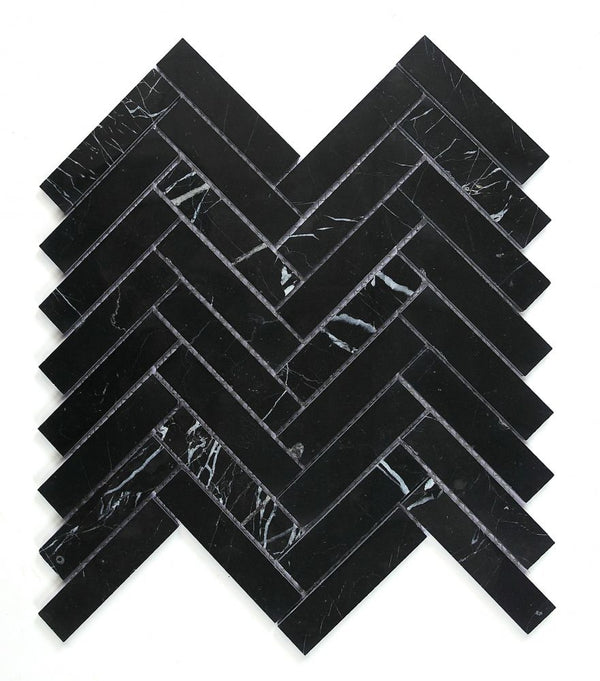
Black herringbone tiles represent a sophisticated geometric design that transforms interior spaces with architectural precision. This distinctive pattern derives its name from its resemblance to the skeleton of a herring fish, characterized by rectangular tiles arranged in a precise, broken zigzag formation. The herringbone pattern’s distinctive arrangement creates a visually dynamic surface that adds depth and movement to floors, walls, and backsplashes.
Unlike traditional linear tile layouts, herringbone patterns involve rectangular tiles positioned at a calculated 45-degree angle, creating interlocking V-shaped configurations. In black tile applications, this geometric arrangement becomes especially striking, offering a bold architectural statement that simultaneously feels contemporary and timeless. The intricate positioning requires exceptional installation skill, as each tile must align perfectly to maintain the pattern’s clean, structured aesthetic.
The versatility of black herringbone tiles extends beyond pure aesthetics. Scientific research demonstrates how structured patterns can enhance functional performance, suggesting that these tiles are not merely decorative but can contribute to spatial dynamics. In modern home design, black herringbone tiles work exceptionally well in spaces seeking a sophisticated, high-contrast look - particularly in kitchens, bathrooms, and accent walls where geometric precision can dramatically elevate the overall design narrative.
Pro tip: When selecting black herringbone tiles, always order 10-15% extra material to account for cuts, potential breakage, and ensuring pattern continuity during installation.
Popular Materials and Design Variations
Black herringbone tiles offer remarkable versatility through diverse material compositions and design adaptations. Material selection significantly influences the tile’s performance, aesthetic appeal, and durability, with ceramic, porcelain, natural stone, and glass presenting unique characteristics for modern home design. Ceramic and porcelain remain popular choices, providing exceptional strength and consistent color saturation that highlights the dramatic black herringbone pattern.
Design variations extend beyond material selection, incorporating nuanced approaches to tile dimensions, orientation, and color gradation. Traditional herringbone configurations typically utilize rectangular tiles in 2:1 or 3:1 block ratios, but contemporary designers are experimenting with unconventional proportions. Herringbone patterns demonstrate remarkable adaptability across different materials, allowing homeowners to create visually compelling surfaces that range from subtle and understated to bold and graphic.
Natural stone variations like marble, slate, and granite introduce additional complexity to black herringbone tile designs. These materials offer inherent texture and depth, creating sophisticated visual narratives that transform ordinary surfaces into architectural statements. Designers frequently combine different tile materials within the same herringbone layout, generating intricate visual contrasts that elevate interior spaces and challenge traditional design expectations.
Pro tip: When selecting black herringbone tiles, request material samples and examine them under different lighting conditions to understand how texture, finish, and color will interact in your specific space.
Here’s a comparison of popular black herringbone tile materials:
| Material Type | Visual Appeal | Durability | Typical Applications |
|---|---|---|---|
| Ceramic | Matte or glossy finish | Good for interior use | Kitchen walls, floors |
| Porcelain | Deep, uniform color | Extremely durable | Bathrooms, high-traffic areas |
| Natural Stone | Unique natural textures | Varies; can be porous | Feature walls, luxury spaces |
| Glass | High shine, reflective | Good but brittle | Backsplashes, accents |
Essential Features and Performance Factors
Black herringbone tiles demand exceptional performance characteristics that extend far beyond their striking visual appeal. Performance factors require careful evaluation including material durability, wear resistance, and precision of installation. The geometric complexity of the herringbone pattern amplifies the importance of selecting high-quality tiles that can maintain structural integrity under varying environmental conditions.
Material composition plays a critical role in determining tile performance, with ceramic and porcelain offering superior durability and low maintenance requirements. Modern manufacturing techniques have significantly improved tile resilience, enabling black herringbone tiles to withstand high-traffic areas, temperature fluctuations, and potential moisture exposure. Advanced surface treatments now provide enhanced scratch resistance and stain protection, ensuring that the dramatic black color remains vibrant and consistent over extended periods.
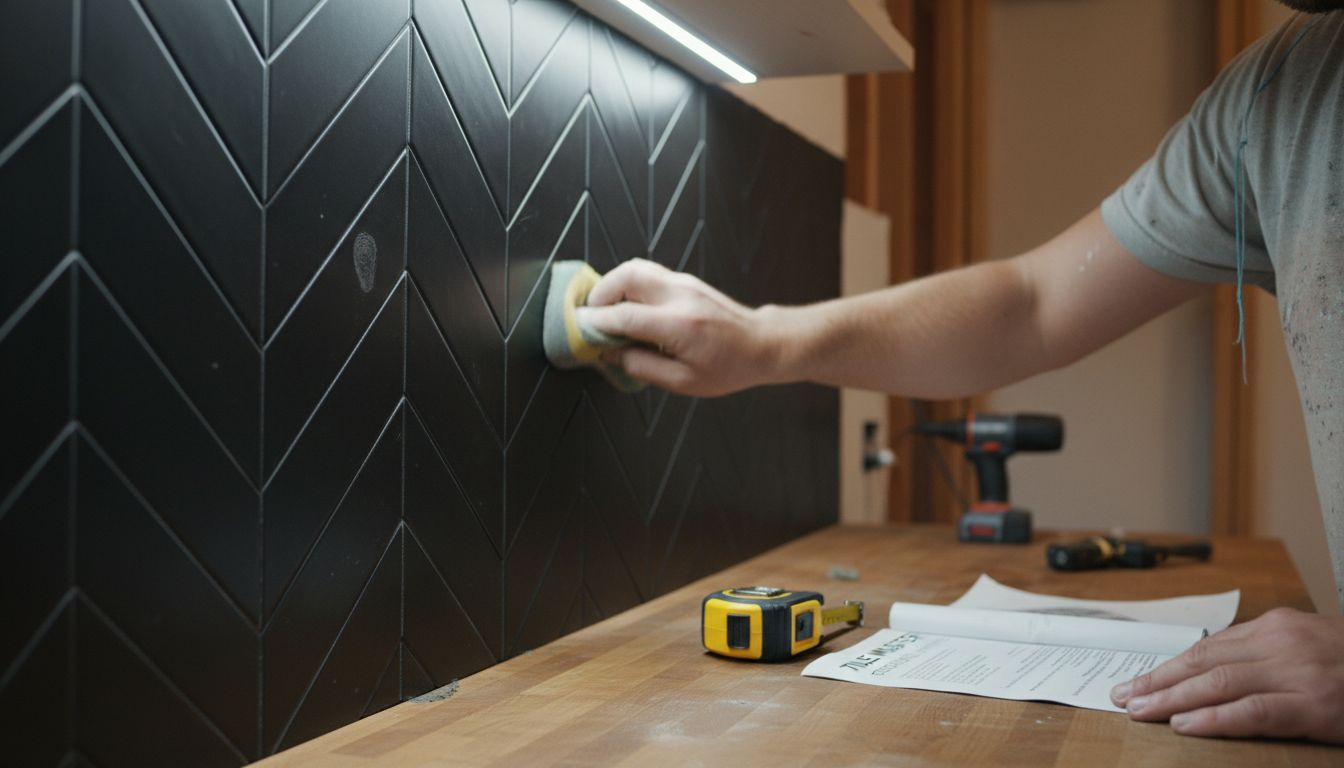
Safety considerations remain paramount when selecting tile materials for residential applications. Contemporary tile manufacturers must comply with strict environmental and health regulations, eliminating hazardous substances like asbestos and implementing sustainable production methods. Homeowners should prioritize tiles with comprehensive certifications that demonstrate compliance with current safety standards, ensuring not just aesthetic excellence but also long-term health and environmental responsibility.
Pro tip: Always request comprehensive technical specifications and performance certifications when selecting black herringbone tiles, focusing on metrics like water absorption rate, scratch resistance, and load-bearing capacity.
Installation Methods and Maintenance Tips
Professional tile installation techniques require meticulous preparation and precision, especially when working with complex black herringbone tile patterns. Successful installation begins with a perfectly level and clean subfloor, ensuring each tile will align correctly and create the distinctive interlocking zigzag design. Professionals recommend starting from the room’s center point and working outward, using laser levels and specialized spacers to maintain consistent angles and gaps.
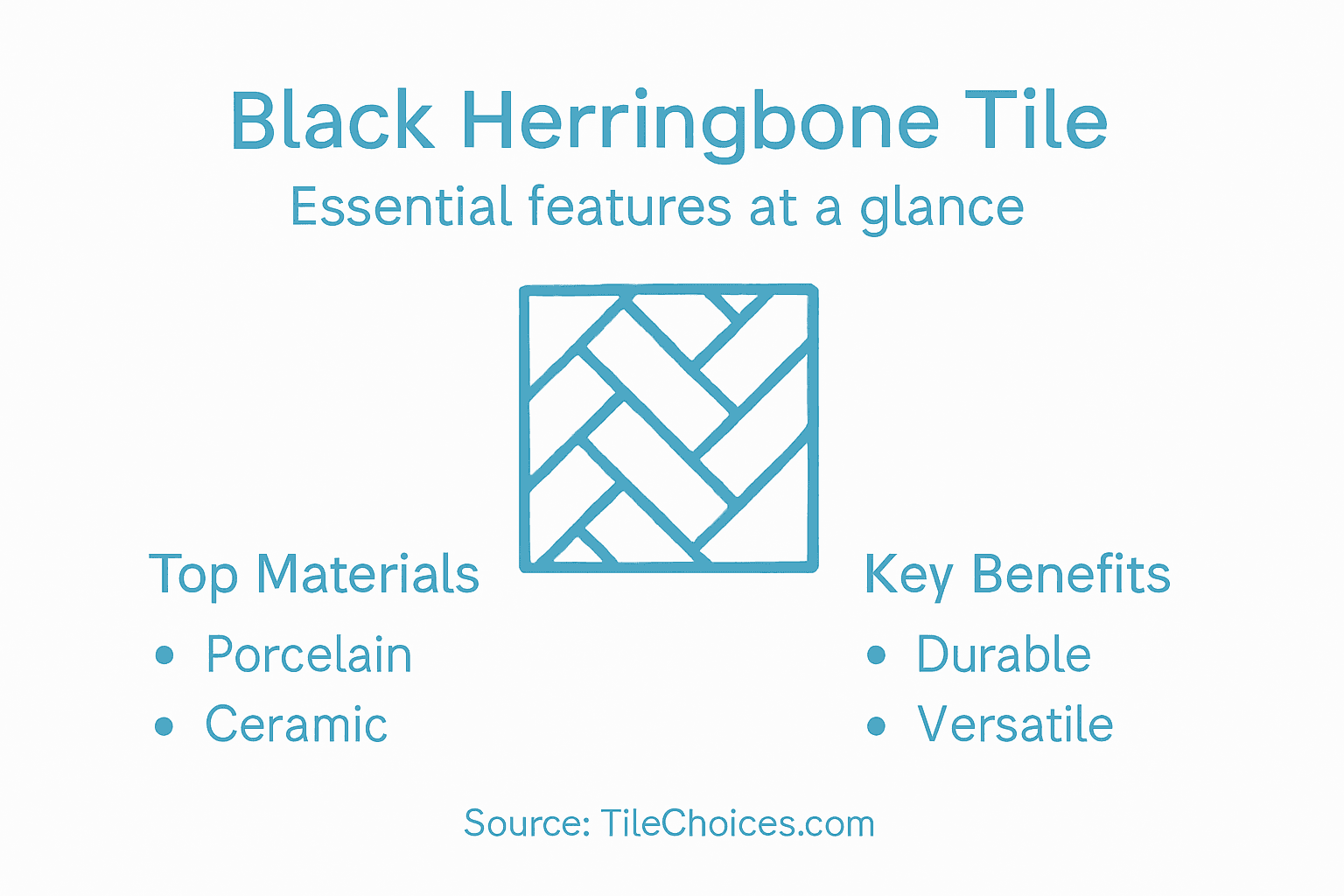
The intricate nature of herringbone patterns demands exceptional cutting skills and strategic tile placement. Installers must calculate precise angles and make careful cuts to ensure seamless connections between tiles, particularly around room edges and architectural obstacles. Specialized wet saws with diamond-tipped blades provide the most accurate cuts, allowing for minimal grout lines and a sophisticated, uniform appearance that maximizes the dramatic impact of black herringbone tiles.
Maintenance strategies require consistent care to preserve the tile’s aesthetic and structural integrity. Regular cleaning with pH-neutral solutions prevents surface damage, while avoiding abrasive tools and harsh chemicals protects both the tile and grout. Sealing grout lines annually helps prevent moisture penetration and staining, particularly crucial for black tiles where imperfections become more visually pronounced. Periodic professional deep cleaning and resealing can significantly extend the tile’s lifespan and maintain its original sophisticated appearance.
Pro tip: Purchase 15% extra tiles during installation to account for cuts, potential breakage, and future replacement needs, ensuring you have matching tiles for repairs.
Comparing Costs and Common Pitfalls
Tile installation project costs demonstrate significant complexity, particularly with black herringbone designs. Material expenses range from $15 to $50 per square foot, with professional installation potentially adding another $10 to $30 per square foot. Black herringbone tiles command premium pricing due to their intricate pattern and precise manufacturing requirements, making careful budgeting essential for homeowners seeking this sophisticated design element.
Common installation pitfalls can dramatically escalate project expenses and compromise aesthetic outcomes. Inexperienced installers frequently underestimate the complexity of herringbone patterns, leading to misalignments, uneven tile cuts, and substantial material waste. Unit bid analysis reveals that complex tile patterns often require 20% more material than standard layouts, with potential additional costs stemming from cutting waste, precision tool rentals, and extended labor hours.
Budget considerations extend beyond initial installation, encompassing long-term maintenance and potential repairs. High-quality black herringbone tiles demand specialized cleaning products, periodic professional sealing, and careful maintenance to preserve their dramatic aesthetic. Homeowners should anticipate ongoing maintenance costs of $200 to $500 annually, depending on tile material, room usage, and environmental conditions. Investing in professional installation and premium materials can ultimately reduce long-term expenses by minimizing repair and replacement needs.
Pro tip: Request detailed written quotes from at least three professional installers, ensuring they specify exact material quantities, labor costs, and potential additional expenses for your specific herringbone tile project.
This table summarizes key cost drivers and common pitfalls for black herringbone tile installations:
| Cost Driver | Impact on Budget | Pitfall to Avoid |
|---|---|---|
| Tile Material Quality | Higher cost, better longevity | Choosing low-cost, poor quality tiles |
| Installation Complexity | Increases labor hours | Hiring inexperienced installers |
| Pattern Precision | More material waste | Insufficient overage ordering |
| Maintenance Needs | Ongoing annual fees | Skipping sealing or professional care |
Top Uses in Kitchens and Bathrooms
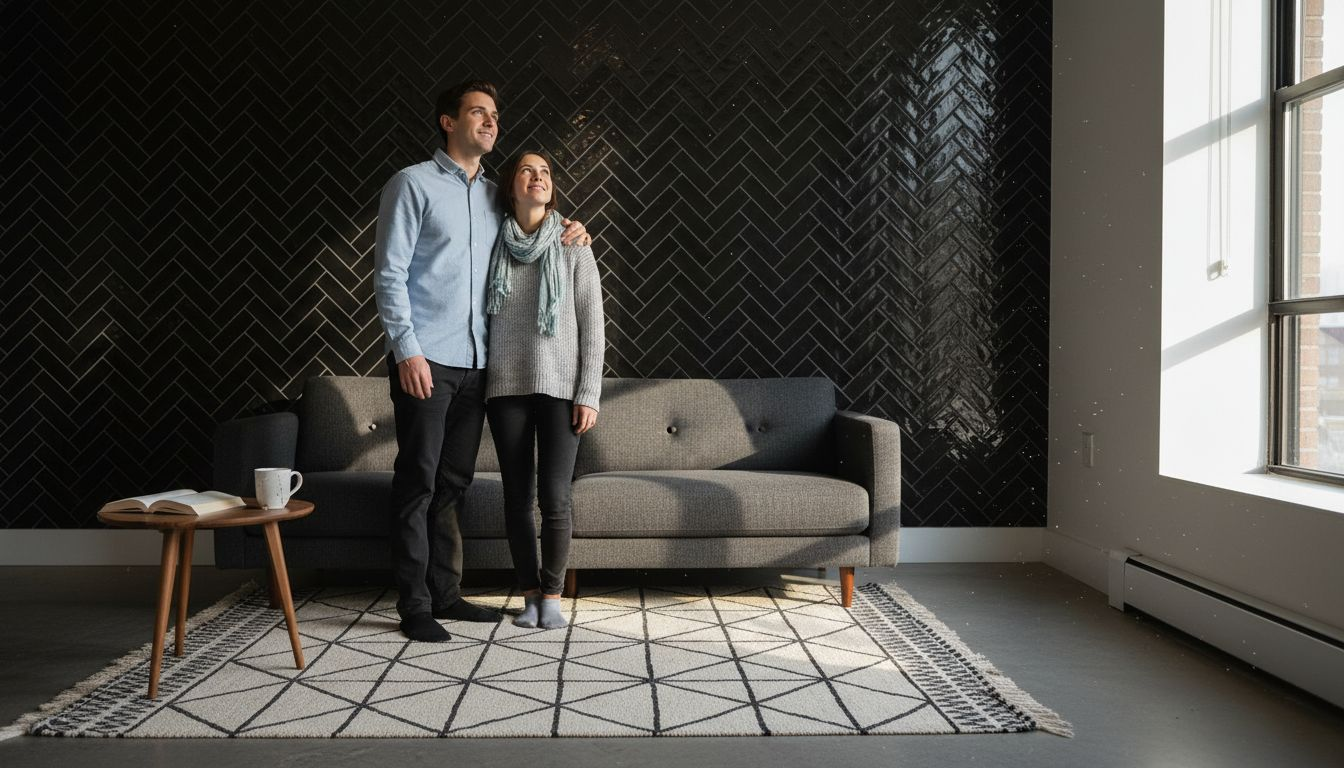
Bathroom and kitchen tile design dramatically transforms spaces through strategic black herringbone tile applications. In modern kitchens, these tiles create stunning backsplashes that provide visual drama and practical protection against cooking splashes. The geometric precision of herringbone patterns adds architectural sophistication, particularly when used as accent walls or continuous surface treatments that seamlessly connect countertop and wall areas.
Bathroom applications showcase black herringbone tiles’ remarkable versatility, with designers leveraging the pattern for shower walls, floor installations, and feature walls. Moisture resistance remains critical when selecting tile materials, making ceramic and porcelain herringbone options particularly appealing. The dark, bold aesthetic of black tiles creates dramatic visual contrast, especially when paired with white fixtures or light-colored grout, transforming bathrooms from functional spaces into design statements.
The most innovative designs integrate black herringbone tiles across multiple surfaces, creating visual continuity and depth. Kitchen applications might include a herringbone backsplash extending from countertop to ceiling, while bathroom designs could feature the pattern as a shower wall accent or full floor coverage. This approach allows homeowners to create a cohesive, intentional design narrative that elevates the entire space, making black herringbone tiles a powerful tool for modern interior transformation.
Pro tip: When using black herringbone tiles in wet areas, always select tiles with a minimum slip resistance rating of R10 and ensure professional sealing to maintain long-term performance and aesthetic quality.
Elevate Your Space with Black Herringbone Tiles from TileChoices.com
Transforming your home with the striking sophistication of black herringbone tiles can be challenging without the right resources. From selecting durable materials like ceramic or porcelain to ensuring the perfect precision in pattern installation the article highlights key goals such as achieving architectural elegance, maintaining high performance, and avoiding costly installation pitfalls. If you are seeking a seamless solution that combines style and quality with expert guidance you are in the right place.
At TileChoices.com we understand these challenges and offer a carefully curated collection of premium black herringbone tiles in a variety of materials and finishes. Whether you want to create a bold kitchen backsplash or a dramatic bathroom feature our tiles come with detailed descriptions and visual inspiration to help you make confident decisions. Take advantage of our sample requests and secure online ordering to start your project today and ensure you have the precise tiles needed to bring your design vision to life.
Explore our high-quality tile selections now and embrace the perfect blend of durability and style for your home. Don’t wait to enhance your space with the timeless appeal of black herringbone patterns. Visit TileChoices.com to find your ideal tiles and transform your modern home design with confidence.