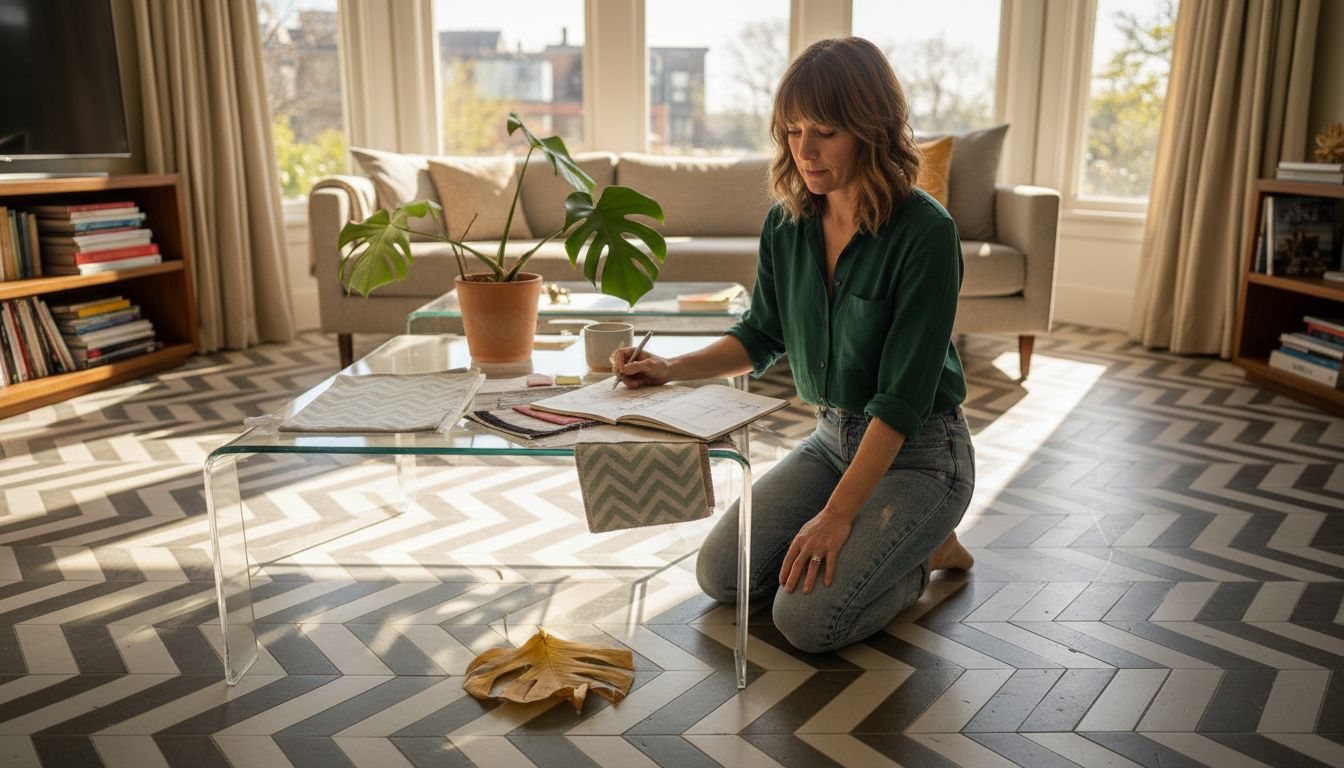
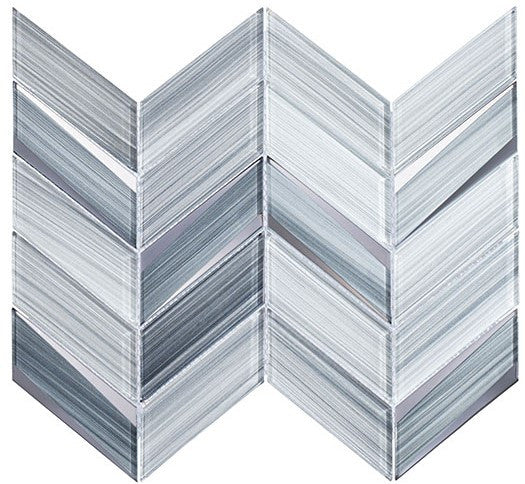
Over 60 percent of American homeowners now explore geometric tile patterns for their renovation projects. With design trends shifting toward bold, modern statements, chevron pattern tile is capturing attention for its signature V-shaped style and dramatic visual flow. Understanding how this intricate tile design stands apart can help you make more confident choices for both residential and commercial spaces, while avoiding the common confusion around chevron myths and installation challenges.
Table of Contents
- Chevron Pattern Tile Defined and Debunked
- Popular Types and Material Options
- How Chevron Installation Differs From Herringbone
- Best Applications for Residential and Commercial Use
- Budget Planning and Common Pitfalls to Avoid
Key Takeaways
| Point | Details |
|---|---|
| Chevron Pattern Tiles Defined | Chevron tiles feature a V-shaped design that creates visual movement and requires precise installation techniques for seamless alignment. |
| Material Versatility | Popular materials for chevron tiles include porcelain, natural stone, and ceramic, providing options for various aesthetics and durability needs. |
| Installation Differences | Chevron tiles require intricate cutting and alignment compared to herringbone patterns, making installation more complex. |
| Budget Considerations | Budgeting for chevron tile projects should include additional material costs for cutting waste, installation fees, and potential subfloor modifications. |
Chevron Pattern Tile Defined and Debunked
Chevron pattern tile represents a sophisticated geometric design characterized by a distinctive V-shaped arrangement that creates dynamic visual movement across surfaces. Unlike traditional linear patterns, chevron tiles feature precise angled cuts that interlock in a continuous zigzag formation, producing an eye-catching architectural element that transforms ordinary spaces into extraordinary design statements.
The technical complexity of chevron tiles lies in their precise 45-degree or 60-degree angle cuts, which require meticulous installation techniques to achieve seamless alignment. Understanding how geometric tile shapes impact design reveals why these patterns have become increasingly popular among designers seeking to introduce visual dynamism and architectural interest into residential and commercial environments.
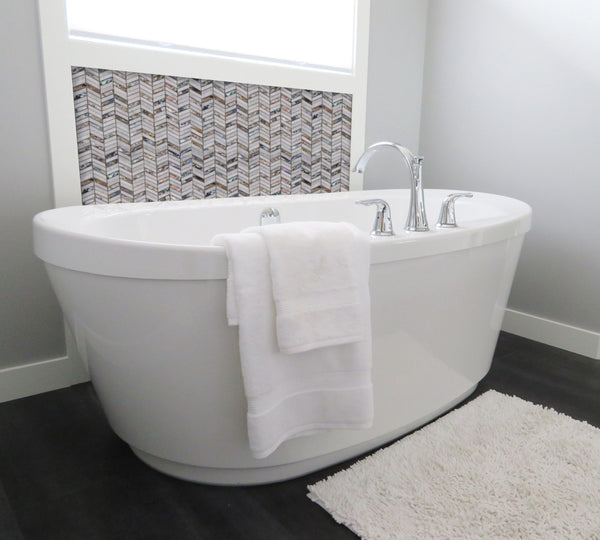
While chevron patterns might appear intimidating, they actually offer remarkable versatility across multiple design contexts. These tiles work brilliantly in spaces ranging from contemporary minimalist kitchens to sophisticated bathroom installations, lending an instantly modern aesthetic. The pattern’s inherent angular geometry creates an optical illusion of movement, making rooms feel more expansive and visually engaging. Typically crafted from materials like porcelain, ceramic, and natural stone, chevron tiles can dramatically elevate interior design by introducing texture, depth, and architectural sophistication with their intricate geometric configuration.
Popular Types and Material Options
Chevron pattern tiles offer a remarkable array of material choices and design variations that cater to diverse aesthetic preferences and functional requirements. Understanding the different types of floor tiles provides essential insight into the versatility of these sophisticated geometric designs, which can transform spaces through their unique material characteristics and visual appeal.
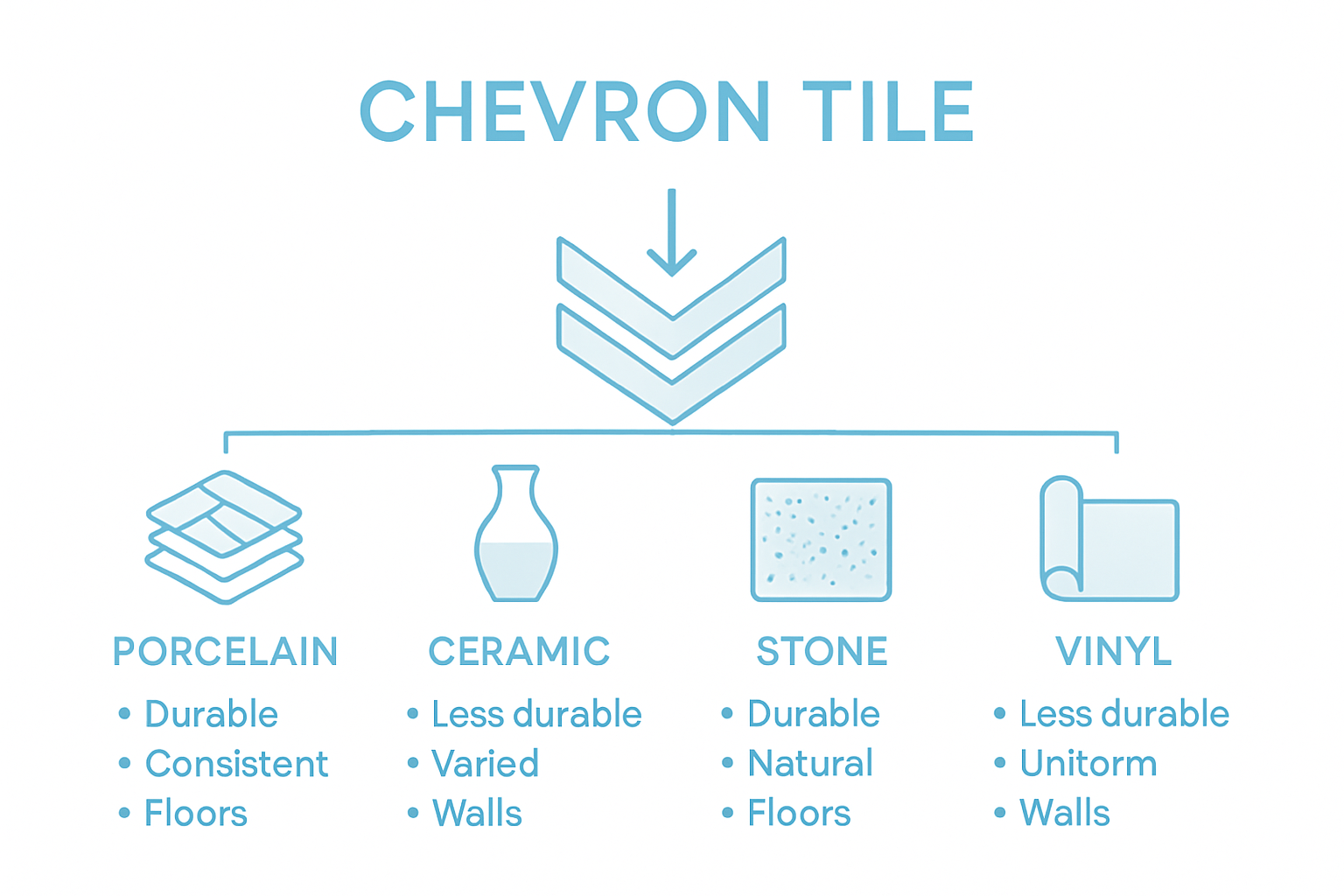
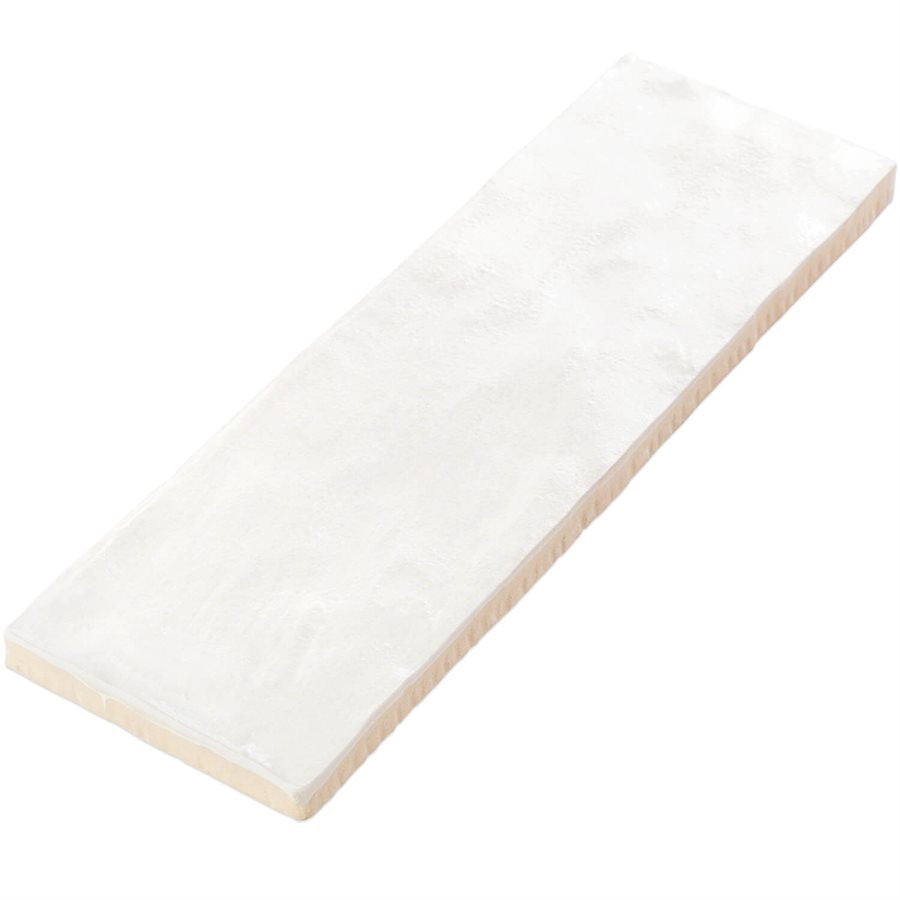
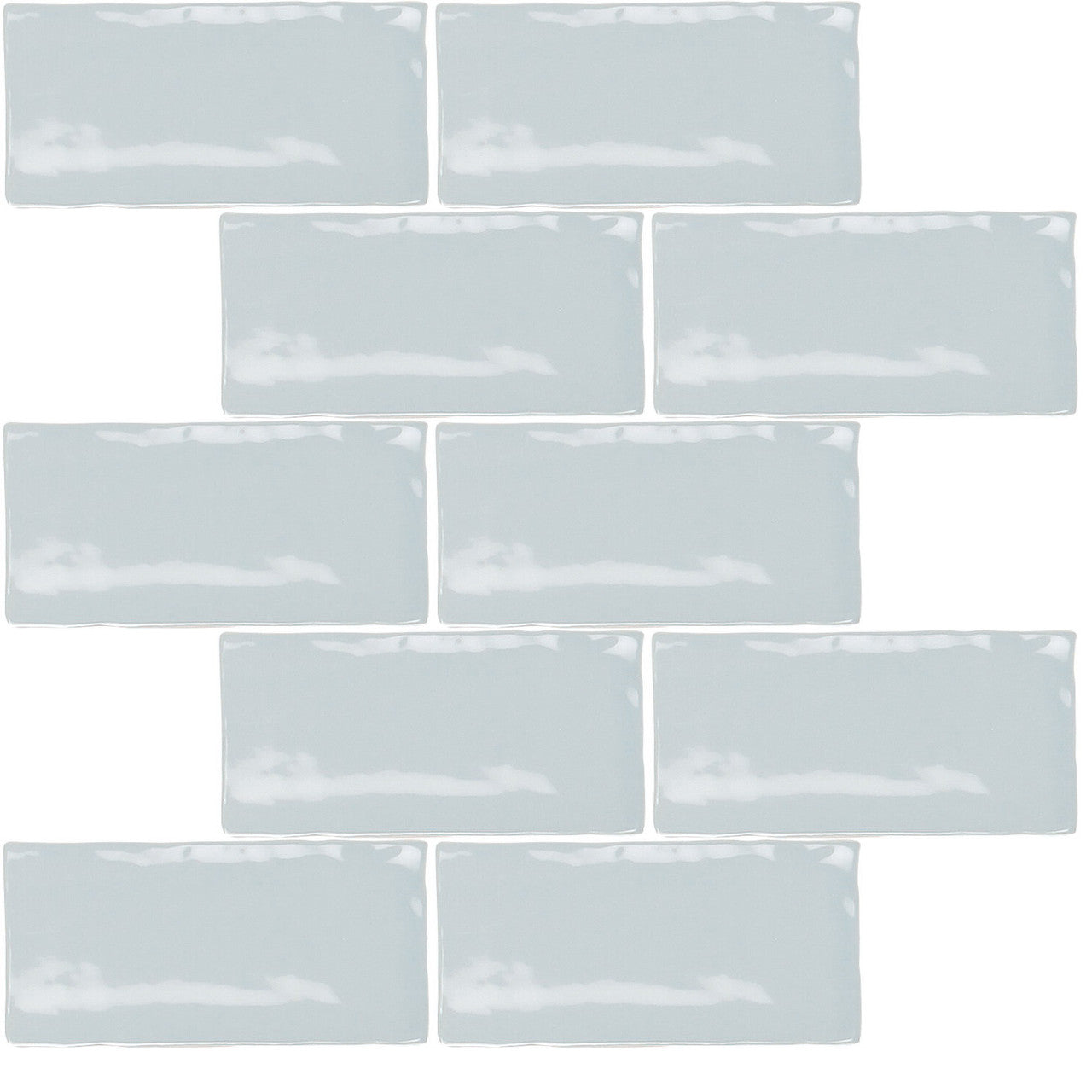
The most popular materials for chevron tiles include high-performance porcelain, natural stone, ceramic, and luxury vinyl. Porcelain chevron tiles stand out for their exceptional durability, water resistance, and ability to mimic natural textures like marble or wood. Natural stone chevron tiles, such as marble, travertine, and slate, bring organic elegance and unique veining patterns that create rich, nuanced visual landscapes. Ceramic options offer affordability and color versatility, while luxury vinyl provides a budget-friendly alternative with impressive design flexibility.
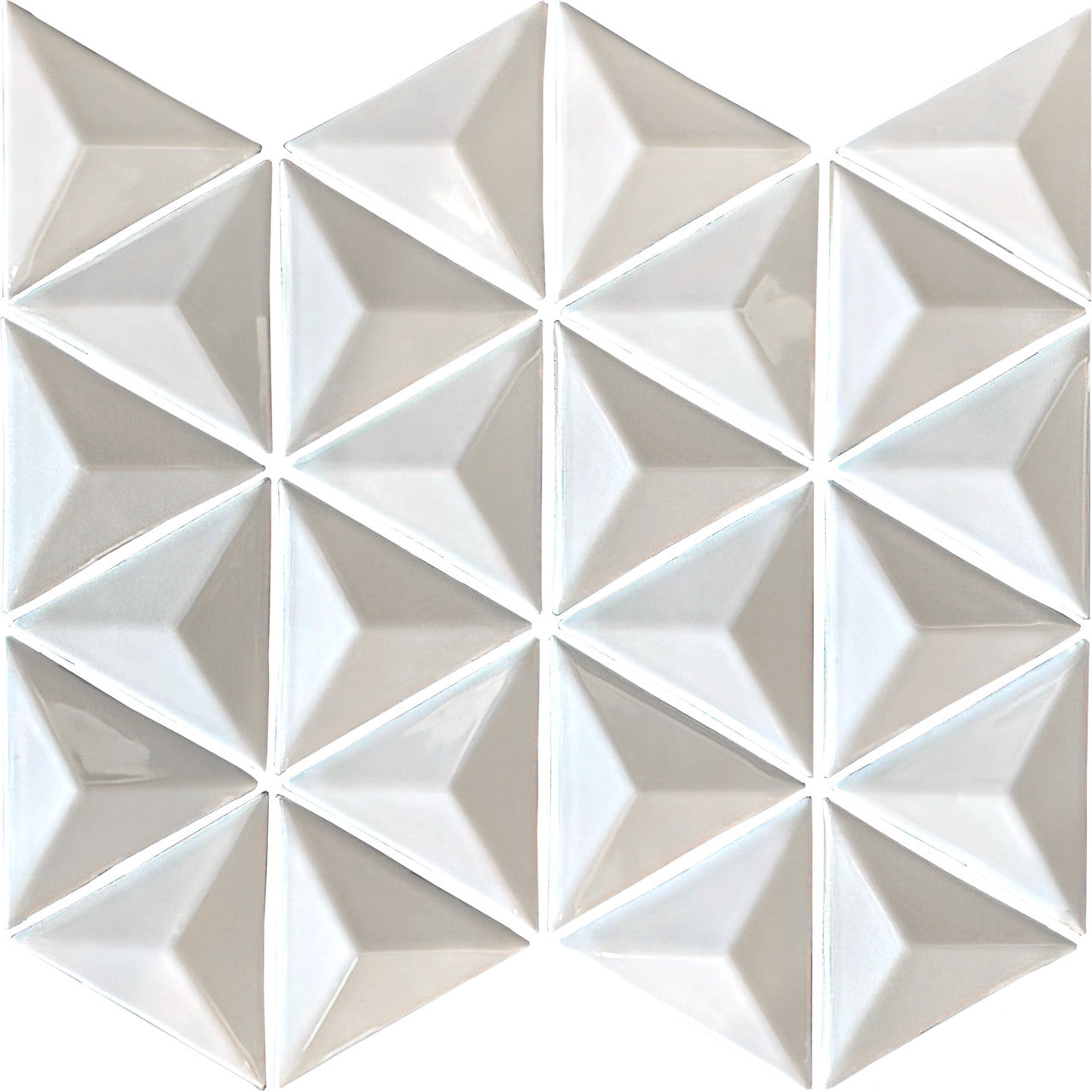
Designers and homeowners can select from multiple chevron tile variations, including classic 45-degree and 60-degree angle configurations. Some contemporary collections feature oversized chevron formats, metallic finishes, and even textured surfaces that add depth and architectural interest. Color palettes range from neutral monochromatic tones to bold, dramatic hues, allowing these tiles to serve as either subtle background elements or striking focal points in interior design schemes. The material and design choices ultimately depend on specific space requirements, aesthetic preferences, and practical considerations like maintenance, durability, and installation complexity.
How Chevron Installation Differs From Herringbone
Chevron and herringbone patterns might appear similar at first glance, but their installation techniques and visual outcomes are distinctly different. Examining the precise geometric configurations reveals critical differences in how these patterns are constructed and perceived in interior design spaces.
The primary distinction lies in tile cutting and alignment. Chevron tiles are precisely cut at 45-degree angles, creating a continuous V-shaped pattern where each tile point meets perfectly with its neighboring tile, generating a smooth, directional zigzag. In contrast, herringbone patterns utilize rectangular tiles placed at 90-degree angles, resulting in a more fragmented, staggered appearance that creates an interlocking, broken visual texture. This fundamental difference means chevron tiles require more intricate cutting and alignment, making their installation significantly more complex and technically demanding.

Designers and installers must carefully consider these nuanced differences when selecting between chevron and herringbone patterns. Chevron tiles offer a more streamlined, contemporary aesthetic with their uninterrupted angular flow, while herringbone patterns provide a more traditional, textured look that can add visual complexity to a space. The choice ultimately depends on the specific design intent, architectural context, and the desired visual impact of the installation.
Best Applications for Residential and Commercial Use
Chevron pattern tiles offer remarkable versatility across residential and commercial environments, transforming spaces with their sophisticated geometric design. Bathroom tile selection strategies highlight the importance of choosing patterns that complement specific architectural contexts and functional requirements.
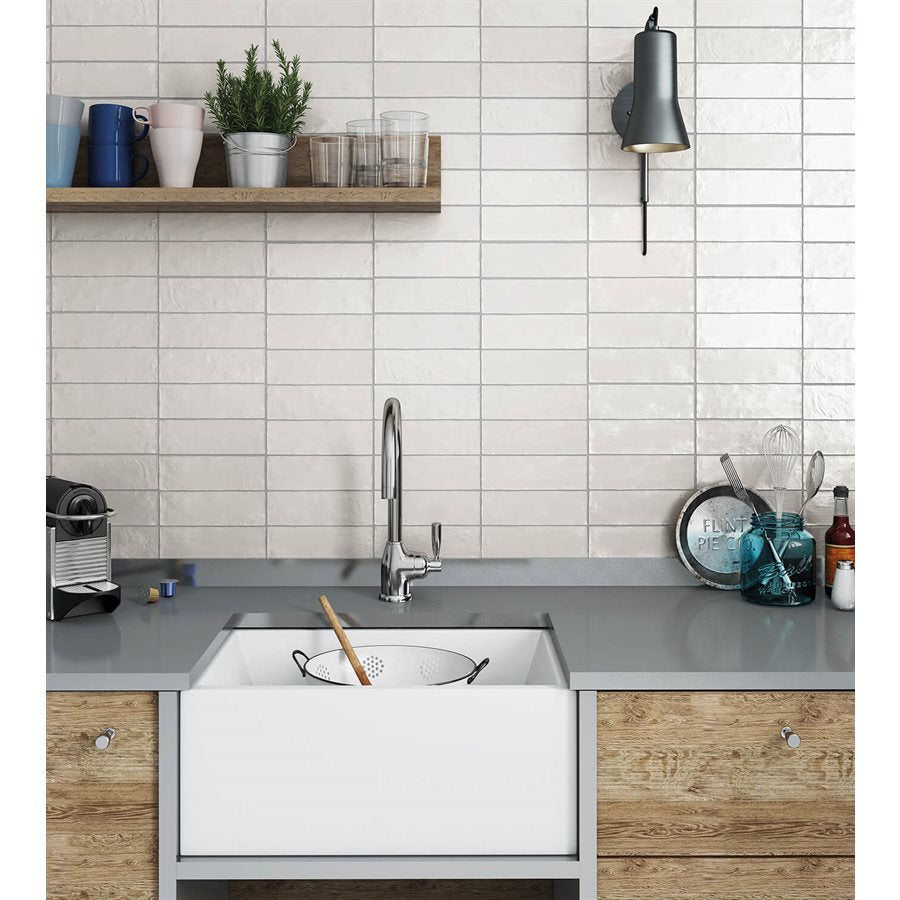
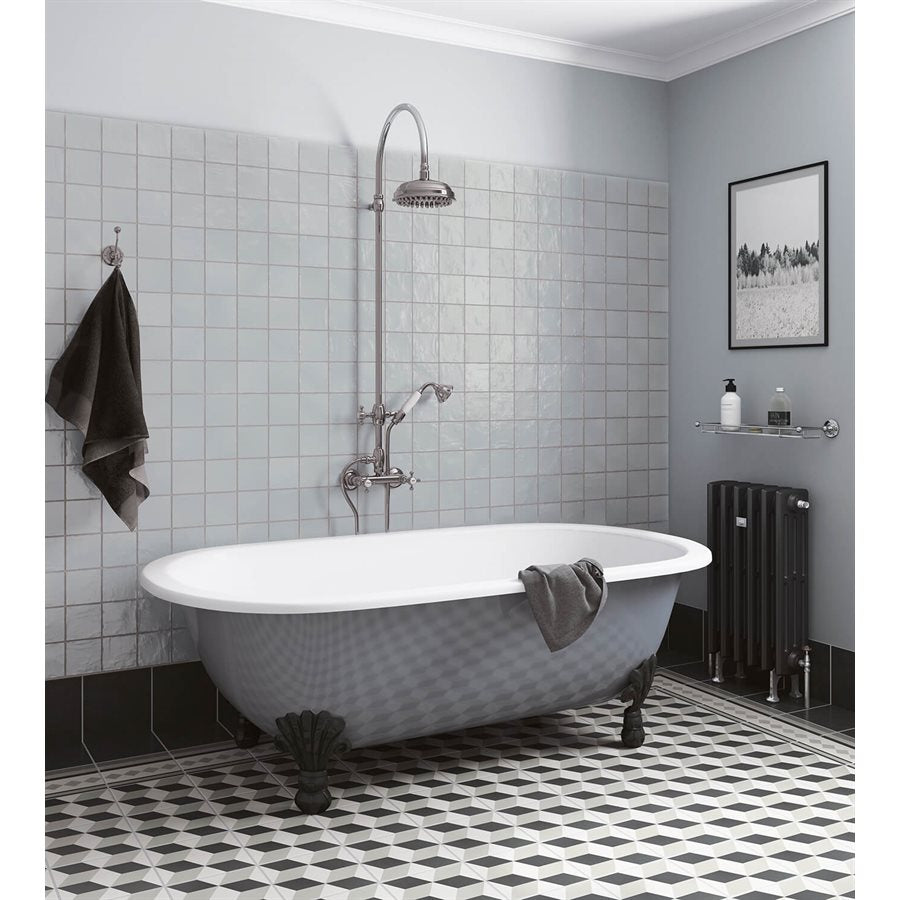
In residential settings, chevron tiles excel in high-impact areas such as kitchen backsplashes, bathroom accent walls, entryways, and living room feature walls. Their dynamic visual movement creates depth and visual interest, making smaller spaces feel more expansive and adding architectural sophistication to home interiors. Porcelain and ceramic chevron tiles work particularly well in moisture-prone areas like bathrooms and kitchens, offering both aesthetic appeal and practical durability. Homeowners can select from neutral tones for subtle elegance or bold colors for dramatic statements.
Commercial spaces benefit equally from chevron tile applications, with designers incorporating these patterns in lobbies, conference rooms, retail environments, and hospitality settings. The geometric precision of chevron tiles communicates a sense of modernity and intentional design, making them ideal for professional environments that want to project innovation and contemporary aesthetic sensibilities. Large-format chevron tiles in commercial spaces can create visual continuity, guide foot traffic, and establish powerful visual narratives that reflect brand identity and design philosophy.
Budget Planning and Common Pitfalls to Avoid
Budgeting for a chevron tile project requires careful consideration of multiple factors beyond initial material costs. Understanding material waste dynamics in tile installation reveals critical insights that can significantly impact overall project expenses and planning strategies.
Chevron tile installations typically require approximately 10-15% additional material to account for cutting waste, pattern matching, and potential breakage during installation. The precise 45-degree angle cuts generate more material waste compared to traditional rectangular tile layouts, which means homeowners and contractors must budget for higher material quantities. Key budget considerations include tile material costs, professional installation fees, specialized cutting tools, surface preparation, and potential subfloor modifications. Ceramic and porcelain chevron tiles offer more economical options, while natural stone and designer collections can dramatically increase project expenses.
Common pitfalls to avoid include underestimating installation complexity, failing to account for waste percentages, and neglecting professional measurement and layout planning. Inexperienced DIY installers often discover that chevron patterns require exceptional precision, potentially leading to costly mistakes. Professional installation is recommended, especially for first-time projects or spaces with challenging architectural features. Homeowners should request detailed quotes that explicitly outline material quantities, waste percentages, labor costs, and potential additional expenses to prevent unexpected budget overruns.
Elevate Your Space with Precision Chevron Pattern Tiles
Navigating the intricate installation and design challenges of chevron pattern tiles can feel overwhelming. From managing precise 45-degree angle cuts to accounting for material waste and ensuring flawless alignment, these sophisticated tiles demand attention to detail and expert guidance. Whether you are a homeowner aiming to transform your kitchen backsplash or a designer crafting a modern commercial lobby, understanding the nuances of chevron tile installation is crucial to achieving that sleek, dynamic look the pattern promises.
At TileChoices.com, we understand these challenges and provide a comprehensive selection of high-quality chevron tiles alongside invaluable design inspiration and project planning resources. Explore our diverse range of porcelain, ceramic, and natural stone options that marry durability with style. Take advantage of our educational content and sample requests to envision the perfect fit for your space. Don’t let installation worries hold you back from elevating your residential or commercial project with geometric precision and modern elegance.
Discover your ideal chevron tile today and take confident steps toward a stunning, architecturally sophisticated space at TileChoices.com. Check out our detailed guides on understanding geometric tile shapes and bathroom tile selection strategies to help you plan with precision and creativity. Start your transformation now with trusted expert support and stylish, functional tiles that bring your vision to life.