If you're planning a backsplash, bathroom remodel, or custom shower, one of the biggest decisions you'll face is choosing between glass and stone mosaic tiles. Both options are widely used, highly versatile, and capable of creating stunning results—but they perform very differently depending on where and how they’re used.
Understanding the strengths and limitations of each material is key to making the right investment. If you’re still exploring styles, take a look at our mosaic tiles collection to see how both glass and stone mosaics look in real applications.
If you're still deciding whether mosaic tiles are the right fit, read our guide on are mosaic tiles still in style.
What Are Glass Mosaic Tiles?
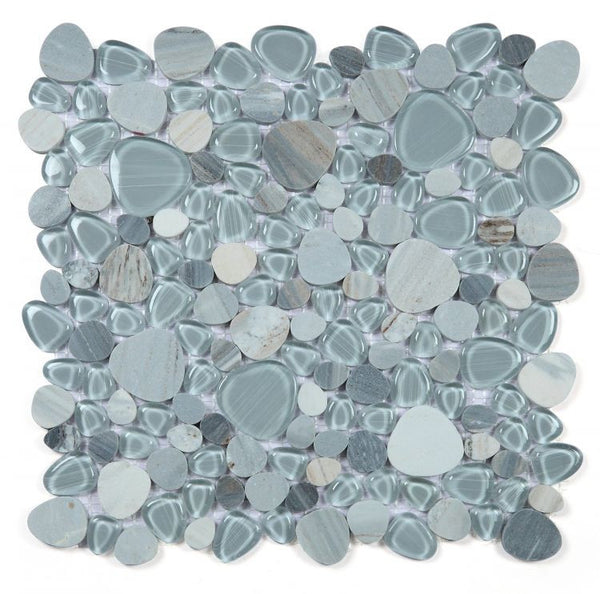
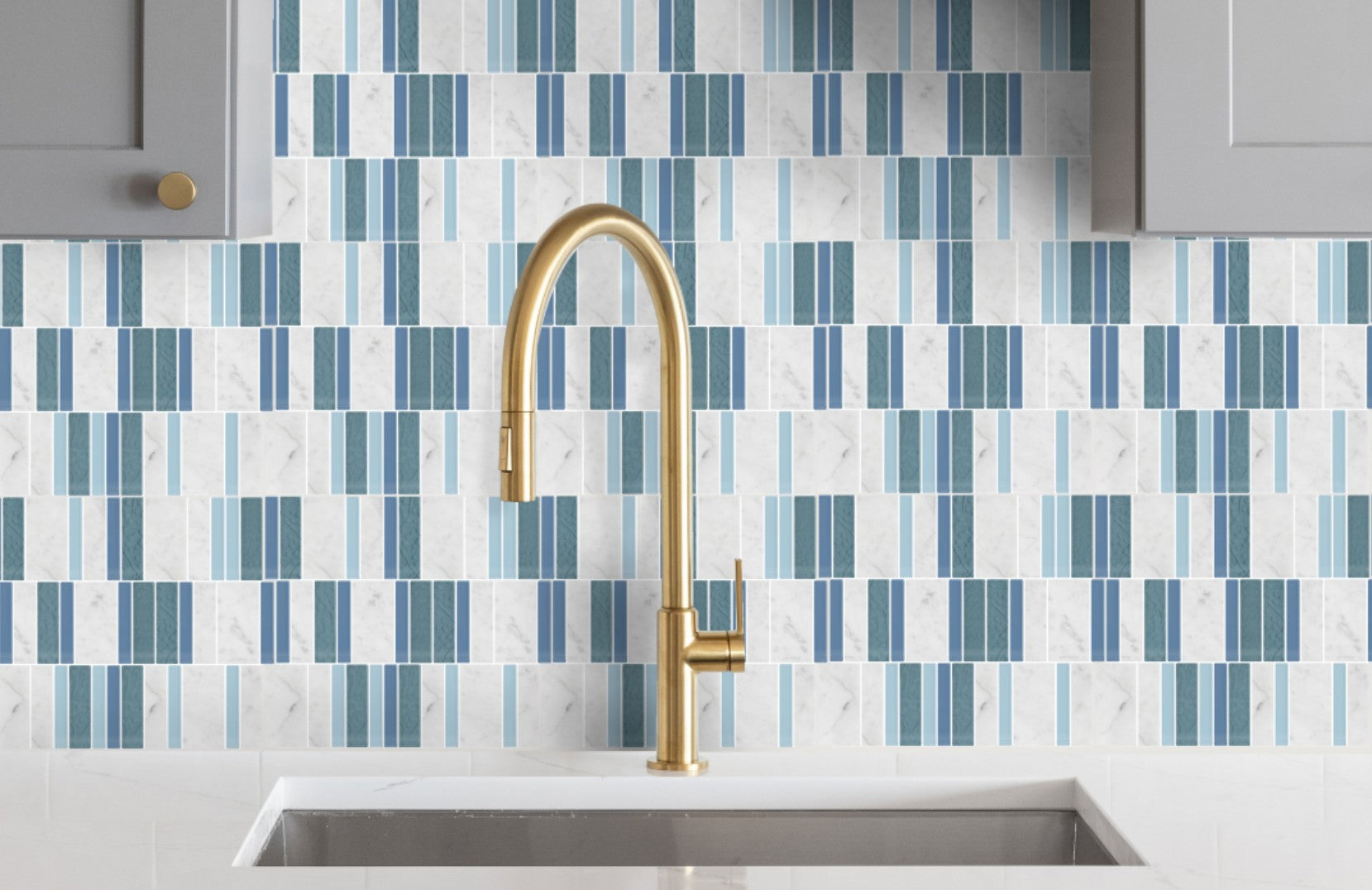
Glass mosaic tiles are made from thin pieces of colored or clear glass, often backed with a coating that enhances their color and reflectivity. They are typically mounted on mesh sheets, making them easier to install and align.
One of the defining characteristics of glass mosaics is how they interact with light. They reflect both natural and artificial light, which can make a space feel brighter, cleaner, and more open.
What Are Stone Mosaic Tiles?
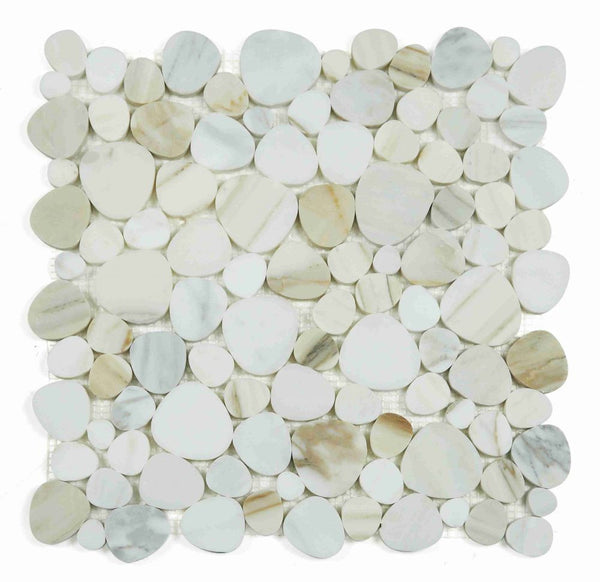
Stone mosaic tiles are crafted from natural materials like marble, travertine, slate, and limestone. Each piece has unique variations in color and texture, which creates a more organic and natural appearance.
Unlike glass, stone mosaics absorb light rather than reflect it, resulting in a softer, more muted aesthetic that works well in warm, earthy designs.
Glass Mosaic Tiles: Advantages
Bright and Reflective
Glass tiles are ideal for smaller or darker spaces because they help reflect light throughout the room. This is especially useful in kitchens or bathrooms that lack natural light.
Low Maintenance
Because glass is non-porous, it resists stains, mold, and mildew. This makes it one of the easiest tile materials to maintain over time.
Modern Aesthetic
Glass mosaics tend to have a clean, contemporary look that pairs well with modern kitchens, sleek bathrooms, and minimalist designs.
Glass Mosaic Tiles: Disadvantages
Shows Water Spots
While glass is easy to clean, it can show water spots, fingerprints, and smudges more easily than other materials—especially in high-use areas.
Higher Cost
Glass mosaics are often more expensive than ceramic or some stone options, particularly for premium finishes.
Stone Mosaic Tiles: Advantages
Natural, Timeless Look
Stone mosaics offer a level of depth and character that manufactured materials can’t fully replicate. Each tile is unique, which creates a more organic and high-end feel.
Textured Surface
Many stone mosaics have a naturally textured surface, which makes them a great choice for areas where slip resistance is important, such as shower floors.
Versatile Design Appeal
Stone tiles work well across a wide range of styles, including traditional, rustic, farmhouse, and spa-inspired bathrooms.
Stone Mosaic Tiles: Disadvantages
Requires Sealing
Natural stone is porous, which means it can absorb moisture and stains if not properly sealed. Regular maintenance is required to keep it looking its best.
More Maintenance
Compared to glass, stone requires more care over time, including sealing and the use of specific cleaning products.
Best Applications for Glass vs Stone Mosaic Tiles
Where Glass Mosaic Tiles Perform Best
- Kitchen backsplashes
- Bathroom walls
- Accent features
Glass is ideal for vertical surfaces where light reflection and easy cleaning are priorities.
Where Stone Mosaic Tiles Perform Best
- Shower floors
- Bathroom flooring
- Spa-style environments
Stone excels in areas where texture and grip are important, especially in wet environments.
Cost Comparison
Glass mosaics generally cost more upfront but require less maintenance over time. Stone mosaics may be more affordable initially but can incur additional costs for sealing and upkeep.
Which Should You Choose?
Choose glass mosaic tiles if you want a modern, low-maintenance, and light-enhancing solution. Choose stone mosaic tiles if you prefer a natural, textured, and timeless aesthetic.
In many cases, the best approach is to combine both materials—using glass for walls and stone for floors.
Explore More Mosaic Tile Guides
- What Are Mosaic Tiles?
- Best Mosaic Tiles for Kitchen Backsplashes
- Bathroom Mosaic Tile Ideas
- Glass vs Stone Mosaic Tiles
- How to Install Mosaic Tile
- Mosaic Tiles for Shower Floors
Ready to start your project? Browse our full mosaic tiles collection to find the perfect style.