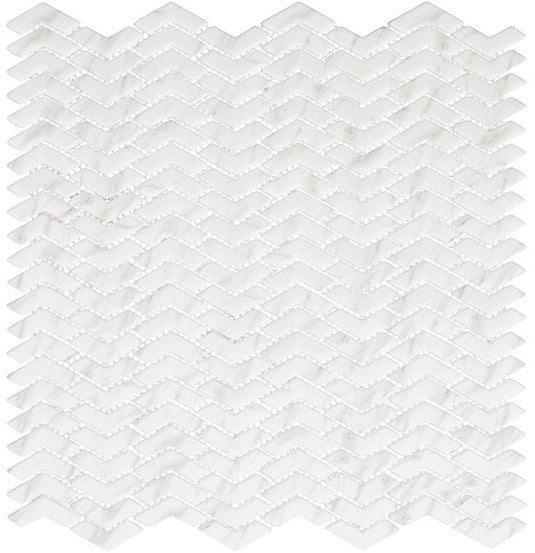
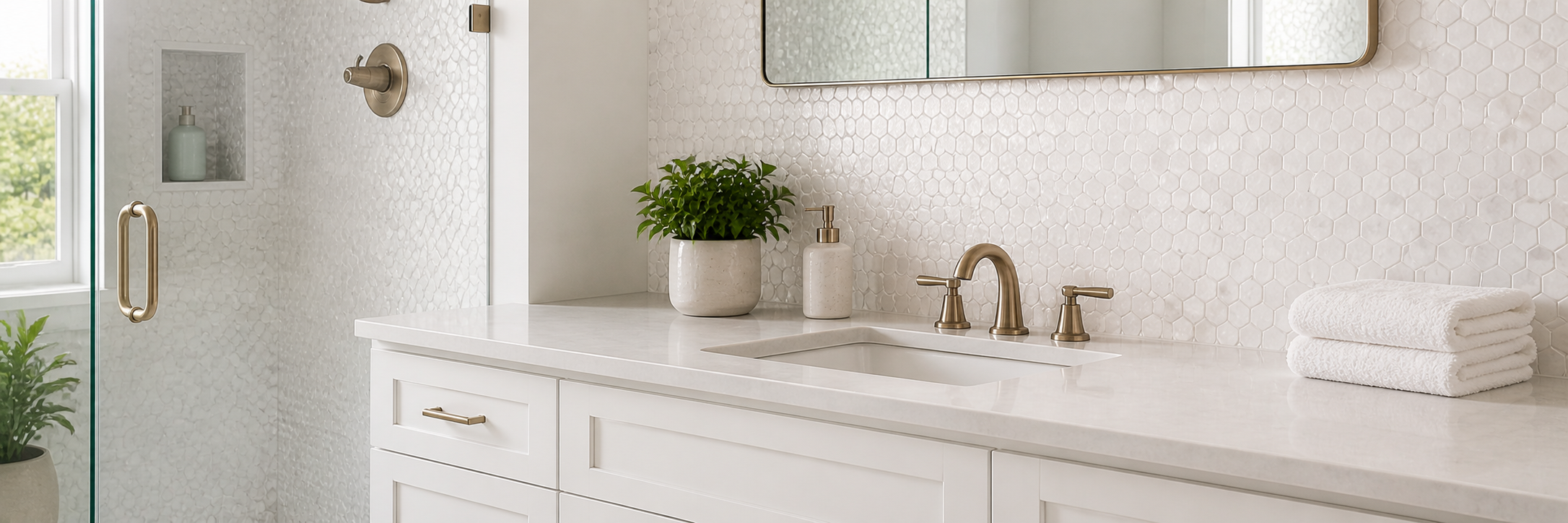
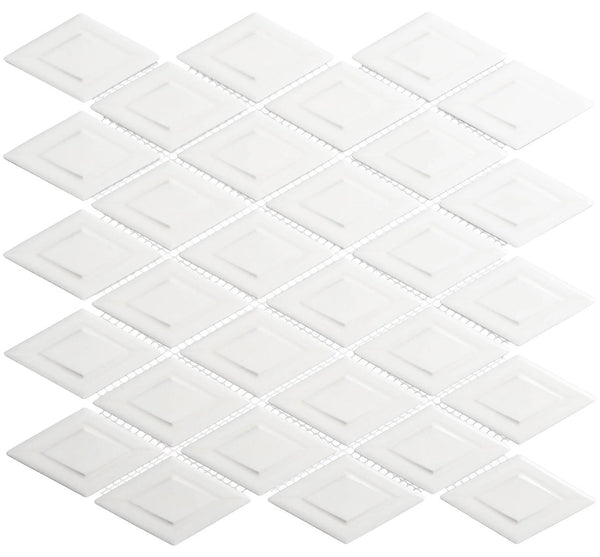
White mosaic tile occupies a unique position in the world of tile design. It delivers the clean, timeless neutrality of a white palette while adding a level of texture, detail, and craftsmanship that larger format tile simply cannot replicate. The small individual pieces, whether glass, porcelain, or ceramic, create a surface with depth and visual rhythm that reads as both classic and deliberately designed.
Mosaic tile has been used in floors, walls, and decorative installations for thousands of years, and white mosaic in particular has been a staple of bathroom and kitchen design for well over a century. If you have seen a vintage bathroom with a penny round floor, a subway-tiled shower with a mosaic niche, or a kitchen backsplash with a fine glass tile grid, you have seen white mosaic tile at work.
This guide covers the full range of white mosaic tile, materials, shapes, sizes, best applications, and design considerations, so you can choose the right option for your specific project. Browse our complete white tile collection and our dedicated glass mosaic tile collection to see what is available.
White Mosaic Tile by Material
The material of a mosaic tile determines its surface quality, durability, water resistance, appropriate applications, and price point. The three most common materials for white mosaic tile are glass, porcelain, and ceramic, each with distinct characteristics worth understanding before you choose.
White Glass Mosaic Tile
White glass mosaic tile is the premium option in the category and one of the most visually distinctive tile materials available. Glass reflects light from within the tile itself, not just off the surface, creating a depth, luminosity, and subtle shimmer that ceramic and porcelain cannot match. In a kitchen or bathroom, white glass mosaic adds a high-end quality that reads as deliberately chosen rather than default.
Glass is non-porous by nature, which means it requires no sealing and resists staining, moisture, and soap buildup inherently. This makes it an excellent practical choice for kitchen backsplashes and bathroom walls where easy maintenance matters. It does not absorb water, which is why it is so commonly used in wet applications.
There are a few practical considerations with glass mosaic. It requires a white thinset mortar during installation, a gray mortar will show through the tile and affect the final color. It also requires a non-sanded grout to avoid scratching the surface. Glass tile is not recommended for floor applications, where foot traffic and point-load pressure can cause cracking over time. And it is more expensive than ceramic or porcelain mosaic, though the visual result justifies the cost in many applications.
White glass mosaic is available in a range of finishes, bright gloss, frosted, iridescent, and matte, each producing a different effect. Iridescent white glass mosaic, which shifts subtly in color depending on the angle of light, is a popular choice for shower niches and bathroom accent walls.
White Porcelain Mosaic Tile
White porcelain mosaic tile is the workhorse of the category, durable, water-resistant, suitable for virtually every application including floors and showers, and available at a more accessible price point than glass. Porcelain mosaic is fired at high temperatures from a dense clay body, producing a tile that is harder and less porous than ceramic. It handles moisture, temperature change, and heavy use better than any other mosaic material.
For shower floors specifically, white porcelain mosaic tile is one of the most recommended options in residential design. The small tile format conforms naturally to the slope of a shower pan, which is critical for proper drainage toward the drain. The density of grout lines in a mosaic installation, significantly more than you get with a larger format tile, creates excellent traction underfoot on a wet surface. This is a safety advantage that matters every single day.
White porcelain mosaic is available in matte and polished finishes. For floor applications, matte or textured is always the recommended choice for slip resistance. Polished white porcelain mosaic works well on walls and backsplashes where the reflective finish is an aesthetic asset rather than a safety concern.
Porcelain mosaic is also available through the body, meaning the color goes all the way through the tile rather than existing only as a surface glaze. This through-body construction means chips and cuts are not visually obvious, which is particularly useful on shower floors and entry areas that see regular wear.
White Ceramic Mosaic Tile
White ceramic mosaic tile is the most affordable option in the category and the most widely available. It is made from natural clay fired at lower temperatures than porcelain, producing a tile that is slightly less dense and slightly more porous. For wall applications, kitchen backsplashes, bathroom walls, shower walls, and decorative applications, white ceramic mosaic is an excellent choice that performs reliably and looks great.
For floor applications, ceramic mosaic can work in light-traffic areas but is not the ideal choice for shower floors or high-moisture environments where porcelain's superior density and water resistance are more appropriate. If you are on a budget and the application is a bathroom or kitchen wall, white ceramic mosaic delivers the look of the category at the most accessible price point.
Ceramic mosaic is easy to cut and install, and its lighter weight makes it easier to handle on wall applications than heavier stone or thick porcelain options.
White Mosaic Tile Shapes
The shape of the individual tiles within a mosaic determines the character of the overall pattern. White mosaic tile is available in several distinct shapes, each with a different visual quality and a different set of ideal applications.
Penny Round
The circular format, typically 7/8 inch or 1 inch in diameter, creates a soft, organic pattern with curved grout lines that has been popular in American bathrooms since the late 1800s. White penny round mosaic tile on a bathroom floor or shower floor has a gentle, slightly vintage quality that is warmer and less geometric than hexagon. It pairs beautifully with white subway tile walls, particularly in bathrooms aiming for a classic or transitional feel. The curved grout lines create a surface with genuine tactile interest underfoot.
Hexagon
The six-sided hexagon is one of the most iconic mosaic formats, and white hexagon mosaic tile is among our most requested styles. The geometric shape creates a clearly defined pattern with straight grout lines that reads as slightly more contemporary than penny round while retaining its own timeless quality. White hexagon tile with charcoal grout on a bathroom floor is a look that has been current for well over a century and shows no sign of stopping. For a complete guide to using this specific format, see our dedicated post on white hexagon tile ideas.
Mini Brick and Stacked Mosaic
A miniaturized version of the standard subway tile format, typically 1x2 inches, creates a fine, dense brick pattern when installed. White mini brick mosaic works particularly well on kitchen backsplashes and bathroom shower walls where a subtle, textural surface is the goal. It has a handcrafted quality when done in a glass or handmade ceramic material, and a clean, contemporary quality in a standard glazed ceramic or porcelain.
Square Grid Mosaic
White square mosaic tile, available in 1x1 and 2x2 formats, creates a clean, orderly grid pattern. The 1x1 format in particular has a fine, almost textile-like quality when installed. It works well in showers, on bathroom walls, and as a kitchen backsplash where a quiet, uniform texture is the goal rather than a strong pattern. The grid format also provides maximum flexibility for cutting and fitting around fixtures and outlets.
Arabesque and Fan (Fish Scale)
Decorative mosaic shapes, arabesque (ogee), fan, and scallop, bring a more ornate, design-forward quality to a white mosaic installation. White arabesque mosaic tile on a kitchen backsplash or bathroom feature wall creates a surface that has genuine visual sophistication without introducing color. These shapes are typically ceramic or porcelain and are installed mesh-mounted like other mosaic formats. They work particularly well as accent applications, a single feature wall, a shower niche, or a decorative band, rather than as full-room tile coverage.
Best Applications for White Mosaic Tile
Shower Floors
This is where white mosaic tile performs best and is most commonly used. The combination of small format, dense grout lines, and matte or textured finish creates the safest and most practical shower floor surface available. White porcelain hexagon or penny round mosaic in a matte finish is the standard recommendation. Pair with any white wall tile, large-format porcelain, subway tile, or glass, for a cohesive shower design. For complete wall and floor combinations, see our white tile shower ideas guide.
Bathroom Floors
White mosaic tile on a bathroom floor, particularly penny round or hexagon in a 1-inch or 2-inch format, is one of the most enduring looks in residential design. The small scale of the tiles creates a surface that reads as textured and detailed from a normal standing distance, adding visual interest without pattern or color. With a charcoal or dark gray grout, white mosaic on a bathroom floor has a graphic, classic quality. With white or light gray grout, it reads as quieter and more contemporary.
Kitchen Backsplashes
White glass mosaic tile is particularly effective as a kitchen backsplash because of its light-reflecting quality and inherent stain resistance. A 1x2 or 1x1 white glass mosaic grid behind white or light-colored cabinets creates a bright, luminous surface. Behind darker cabinets, the white glass mosaic adds necessary brightness and balance. For a comprehensive look at all backsplash options including mosaic, see our white kitchen backsplash tile guide.
Shower Niches
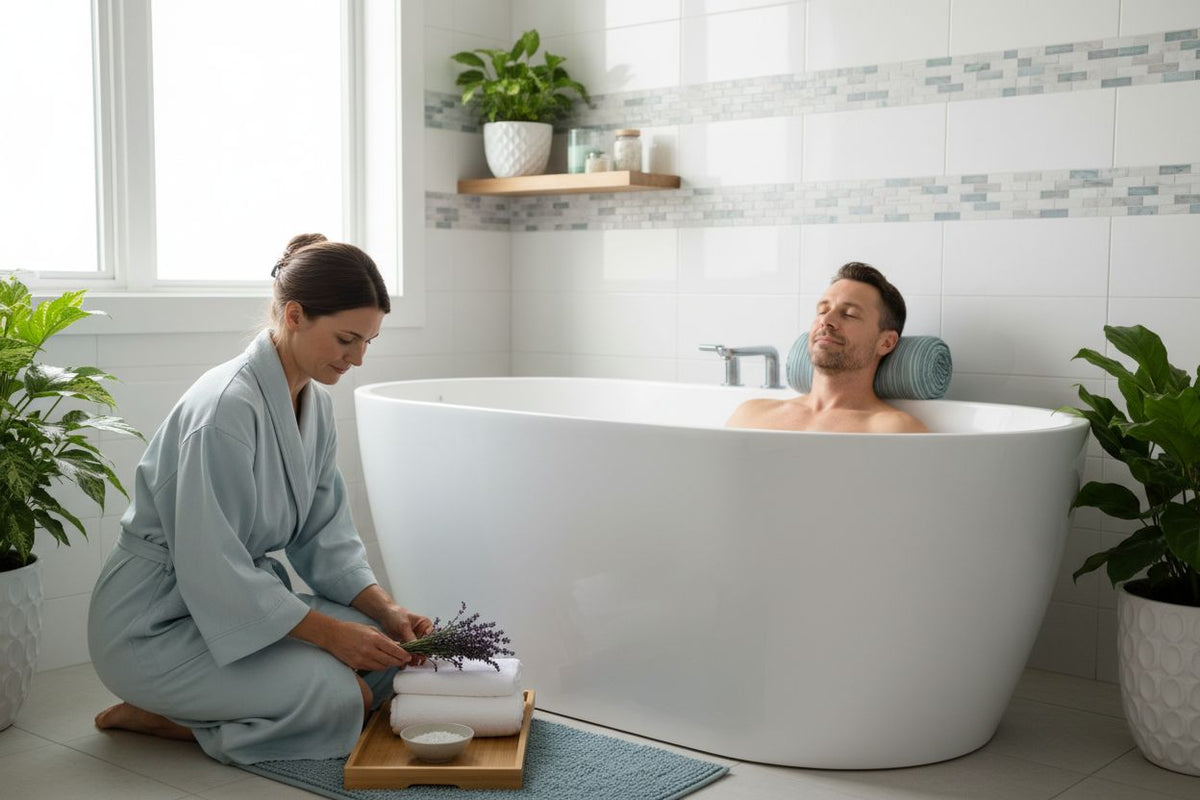
A shower niche tiled in a white mosaic that contrasts with the surrounding wall tile is one of the most effective small-scale design details in a bathroom renovation. If the shower walls are large-format white porcelain, a white penny round or arabesque mosaic inside the niche creates an elegant, built-in quality. The niche becomes a focal point rather than just a functional shelf.
Bathroom Accent Walls and Feature Applications
White mosaic tile does not have to cover an entire surface to make an impact. A horizontal band of white glass mosaic at chair rail height on a bathroom wall, or a full mosaic treatment on a single feature wall behind the vanity, adds craftsmanship and visual interest without overwhelming the space. This is a particularly effective approach in bathrooms where the rest of the tile is simple and the mosaic band provides the design moment.
Grout Color for White Mosaic Tile
Grout color choice matters more with mosaic tile than with any other format, simply because the ratio of grout to tile surface is higher. On a 1-inch hexagon mosaic floor, a significant portion of what you actually see is grout, so the grout color substantially determines the character of the installation.
White grout on white mosaic tile creates a seamless, unified surface where the mosaic pattern is subtle. Light gray grout defines each tile clearly while keeping the overall palette light. Charcoal or dark gray grout creates the most dramatic result, the classic black-and-white look that has been a staple of bathroom design for over a century. Warm beige grout works well alongside ceramic mosaic with a warm white glaze.
For a complete guide to grout decisions across every white tile application, see our post on the best grout color for white tile.
Installation Notes for White Mosaic Tile
Most white mosaic tile is sold mesh-mounted, individual tiles attached to a fiberglass mesh backing in 12x12-inch sheets. This makes installation significantly more manageable than placing individual small tiles. The sheets are cut with scissors to fit around obstacles, and the mesh holds the tiles in their correct spacing during installation. Grout is applied over the entire surface once the thinset has cured, filling the joints between tiles and between sheets.
For glass mosaic specifically, use a white thinset mortar, not gray. The translucency of glass means that the color of the mortar beneath it affects the final appearance of the tile. A gray mortar can make white glass tile appear dull or off-color. Non-sanded grout is required for glass mosaic to avoid surface scratching during the grouting process.
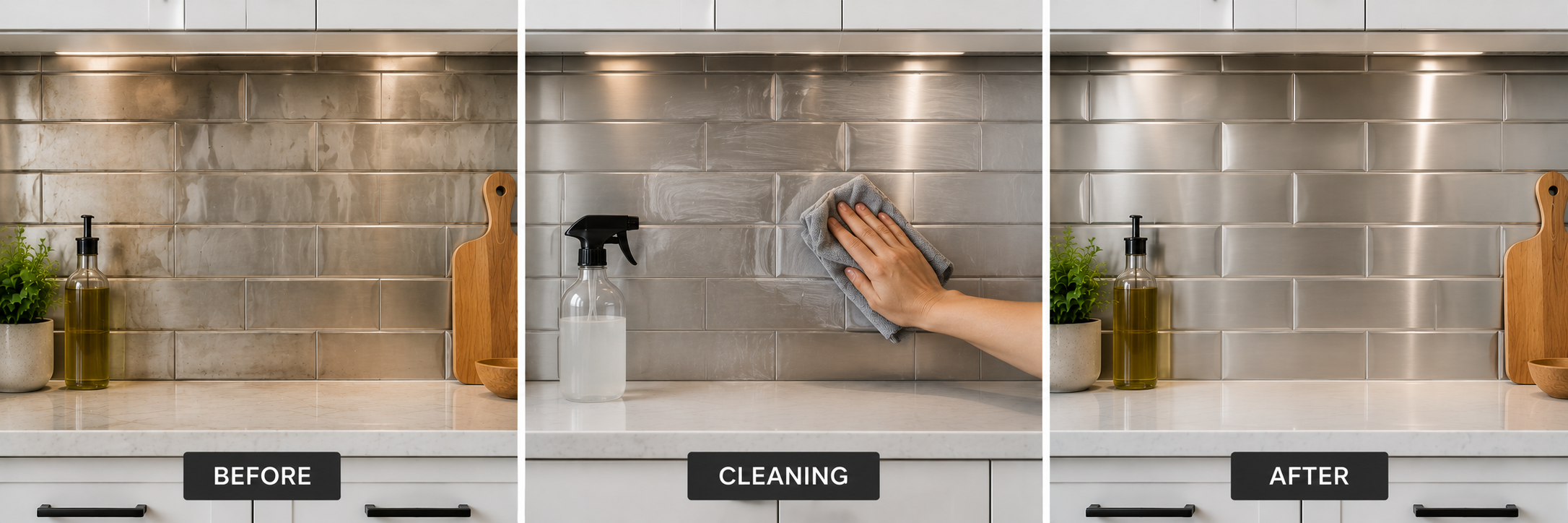
Always seal grout on mosaic installations after the grout has fully cured, and re-seal annually in wet areas. The high density of grout lines in a mosaic installation means a correspondingly high surface area of porous grout, sealing is not optional if you want the installation to stay looking clean. For a complete maintenance routine, see our guide on how to clean white tile.
Shop White Mosaic Tile at Tile Choices
Browse our full selection of white mosaic tile in glass, porcelain, and ceramic — including penny round, hexagon, mini brick, arabesque, and square grid formats, in our glass mosaic tile collection and our complete white tile collection. Free samples are available and strongly recommended before purchasing — the difference between a 1-inch and 2-inch format, or between a matte and glossy finish, is much easier to evaluate on a physical sample in your own space. Call our team at 614-515-7816 for personalized recommendations on the right white mosaic tile for your project.