
Of all the decisions involved in a tile installation, grout color is the one that surprises homeowners most. The same white tile installation can look dramatically different depending on whether the grout is white, light gray, charcoal, or beige. Grout color determines whether tile lines disappear into a seamless surface or become a bold design element. It affects how clean the installation looks over time, how much maintenance it requires, and whether the tile pattern reads as the focal point or fades into the background.
This guide covers everything you need to know about choosing the right grout color for white tile, for every room, surface, and design aesthetic. Before diving in, browse our complete white tile collection and our professional-grade grout selection.
Why Grout Color Matters More Than Most People Realize
Many homeowners choose grout color as an afterthought, picking something at the tile store right before installation begins. This is a mistake. Grout typically occupies anywhere from 10 to 30 percent of the visible surface area of a tile installation, depending on tile size and spacing. On a mosaic tile floor with many small tiles and close grout lines, grout can make up an even larger share of what you actually see.
The grout color therefore has an enormous impact on the final appearance. It determines:
- Whether the individual tile shape is clearly visible or subtly suggested
- How much visual contrast exists between the tile and the grout
- How clean the installation looks on a day-to-day basis
- Whether the overall installation feels modern, traditional, bold, or understated
The Main Grout Color Options for White Tile
White or Bright White Grout
Matching the grout to the tile color creates the most seamless possible installation. White grout on white tile makes the tile surface read as one unified plane, the individual tile shapes are visible on close inspection, but from a normal viewing distance the overall effect is clean and continuous.
Best for: Large-format white tile installations (12x24 and larger) where you want to minimize the visual interruption of grout lines. Modern and minimalist spaces where simplicity is the goal. Shower walls where fewer visible lines create a cleaner, more spa-like feel.
Practical consideration: White grout in a kitchen can show cooking grease and discoloration over time, especially directly behind the stove. In a shower, white grout can develop mildew staining without diligent sealing and cleaning. These challenges are manageable with proper sealing, but they are worth knowing about before you choose pure white grout for high-use areas.
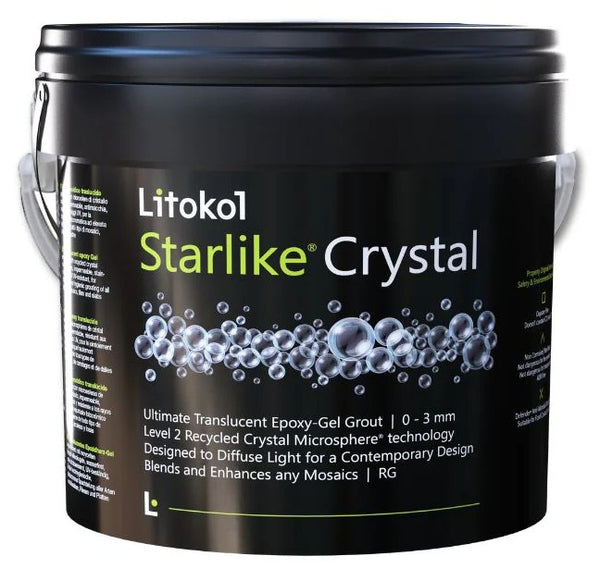
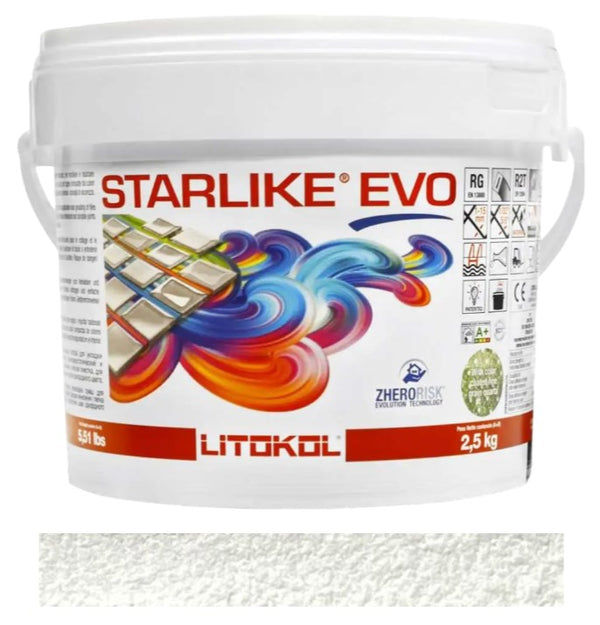
Pro tip: If you love the look of white grout but worry about maintenance, use a stain-resistant or epoxy grout like Starlike EVO epoxy grout, which resists staining significantly better than traditional cement-based grout.
Off-White or Antique White Grout
A very slightly warm or toned-down white, not quite cream, not pure white. This is often the most natural-looking choice alongside white tile because it does not read as stark or clinical, and it hides minor discoloration better than bright white while still reading as white from a distance.
Best for: Warm-toned or off-white tiles, textured or zellige-style white tile, farmhouse and transitional design aesthetics. Anywhere a pure bright white grout would look slightly harsh.
Light Gray Grout
Light gray is the most popular grout color choice for white tile overall, and it is easy to understand why. It defines each tile clearly without creating harsh contrast. It hides minor soiling better than white grout. And it works with a very wide range of white tile styles, from classic subway to hexagon to large-format porcelain.
Best for: Most standard white tile applications in kitchens and bathrooms. White subway tile where you want the individual tiles clearly visible but not dramatically highlighted. White hexagon tile where light grout definition enhances the geometric pattern without making it too graphic. Any application where you want practicality and good looks without making a strong stylistic statement.
What "light gray" means: There is a wide range of grays available. Stay toward the lighter end, a cool or warm light gray, rather than medium gray for white tile. Medium gray can start to feel heavy and industrial alongside white tile.
Warm Beige or Sand Grout
A warm neutral grout creates a very different effect than a cool gray. Beige and sand grout tones pair beautifully with warmer white tiles, off-white, cream white, or tiles with a warm undertone, and with natural materials like wood, stone, and brass.
Best for: Zellige-style and handcrafted textured white tile where a warm grout tone complements the organic quality of the tile. Farmhouse and rustic kitchens with wood accents and warm finishes. Bathrooms with natural stone countertops or wood vanities. Any space where a warm, earthy feel is the goal rather than a cool, crisp one.
Not ideal for: Very bright, cool white tiles, a warm beige grout can look slightly off or yellowish alongside a bright cool white tile. Always test a sample in the actual space before committing.
Charcoal or Dark Gray Grout
Pairing white tile with a charcoal or near-black grout creates the most dramatic and graphic result. The contrast turns the grout lines themselves into a deliberate design element. The individual tile shapes are clearly defined and become part of the visual composition.
Best for: White subway tile in a herringbone or stacked pattern where you want the layout itself to be the design statement. White hexagon tile on a bathroom floor, this is the classic Victorian look that has been popular for over a century and shows no sign of stopping. Any installation where you want a high-contrast, graphic result.
Practical consideration: Dark grout shows efflorescence (white mineral deposits) more readily than light grout, especially in wet areas like showers. Use an epoxy grout or seal thoroughly and regularly. Also be aware that dark grout in a large floor application requires very precise and complete cleanup of grout haze before it sets, since grout residue is very visible against white tile.
Not ideal for: Very small mosaic tile with extremely dense grout lines, the overall surface can read as predominantly dark rather than white. Test a sample area before committing to charcoal grout on a penny round or 1-inch hexagon mosaic floor. For more on how grout color interacts specifically with mosaic formats, see our white mosaic tile guide.
Black Grout
The most dramatic option. Black grout on white tile creates an unmistakably bold, graphic look. This works best in bathrooms with a deliberate black-and-white design scheme — black fixtures, black hardware, black accents, where the black grout is consistent with the overall palette rather than isolated to the tile installation.
Grout Color by Room and Application
Best Grout for White Kitchen Backsplash Tile
For a white kitchen backsplash, light gray is the most practical everyday choice. It hides cooking residue and grease better than white without making the backsplash feel heavy. Behind the stove specifically, a slightly darker light gray is the most maintenance-friendly option. If you want a seamless, clean look throughout the entire backsplash, white grout with a stain-resistant formula (epoxy or modified cement) is a perfectly viable choice.
Best Grout for White Bathroom Wall Tile
For white bathroom walls, the choice typically comes down to whether you want the tile pattern to be visible or seamless. White grout creates a spa-like, seamless look. Light gray defines the tile pattern subtly. Charcoal makes the pattern graphic and bold. All three work, it depends on the overall aesthetic you are going for.
Best Grout for White Subway Tile
White subway tile is flexible enough to work with almost any grout color. White grout creates the most classic, unified subway tile look. Light gray is the most popular overall choice. Charcoal is the most graphic and pattern-forward option. When in doubt, go with light gray, it works in almost every situation.
Best Grout for White Hexagon Tile
For white hexagon tile, the grout choice significantly affects the character of the installation. Charcoal grout is the most popular choice for hexagon tile floors, it creates the classic Victorian-era black-and-white look that is genuinely timeless. Light gray is a softer, more contemporary alternative. White grout is the quietest option, letting the hexagonal shape be visible but subtle.
Best Grout for White Shower Tile
For white shower tile, consider both aesthetics and maintenance. In the shower, grout is exposed to moisture constantly. A light gray grout in a stain-resistant formula is the most practical choice — it hides soap scum and mineral deposits better than white while not drawing as much attention as charcoal. If you choose white grout for the clean, spa-like look, use an epoxy grout formula for maximum stain and mold resistance.
Grout Type Matters as Much as Grout Color
Standard Cement-Based Grout
The most common type. Works well in most applications. Requires sealing after installation and periodic re-sealing. Available in sanded and unsanded formulas depending on joint width.
Epoxy Grout
Significantly more stain-resistant and moisture-resistant than cement grout. Ideal for showers, kitchen backsplashes, and anywhere maintenance is a concern. More expensive and slightly more difficult to install, but the longevity and performance are significantly better. Our Starlike EVO epoxy grout is a professional-grade option that performs exceptionally well in demanding applications.
Modified Cement Grout
A middle ground, cement grout with polymer additives that improve stain resistance and flexibility. Less expensive than epoxy, more forgiving than standard cement, and a good choice for most residential applications.
Practical Tips for Grout Color Selection
- Order a grout sample: Most tile stores and suppliers offer grout samples or small quantities. Mix a small amount and apply it to a scrap piece of tile to see the actual color before purchasing.
- Grout color changes when wet: Grout looks darker when wet during installation and lightens significantly as it cures. What you see during installation is not the final color.
- Always seal: Regardless of grout color, sealing grout after installation protects it from staining and extends its life. Re-seal annually in wet areas.
- Consistency matters: Use the same grout color throughout connected spaces (a kitchen and adjacent dining area, for example) to maintain a cohesive look.
For more details on grout products, visit our grout collection. For information on how dye lot variation affects tile color consistency, see our post on understanding tile dye lots.
Ready to Shop White Tile and Grout?
Browse our complete white tile collection and our selection of professional-grade grout, including Mapei Ultracolor and Starlike EVO epoxy grout in a wide range of colors. Order tile samples to evaluate your tile choice, then bring a grout chip alongside to find the right combination. Call 614-515-7816 for expert guidance from our team.