
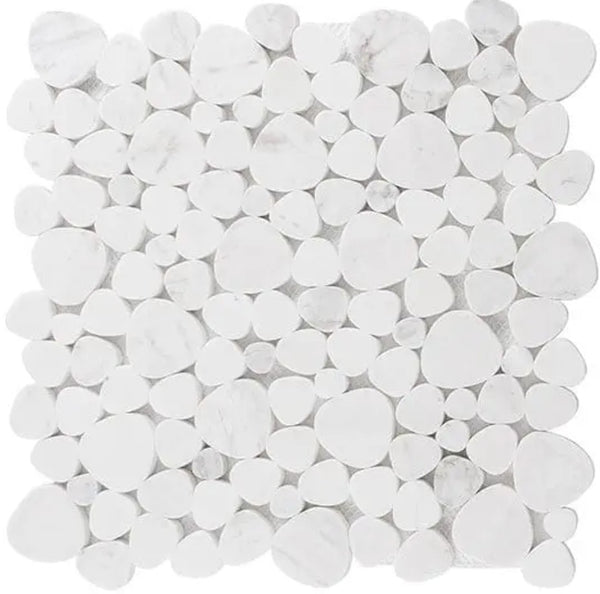
A white tile shower is one of the most universally appealing choices in bathroom design, clean, bright, timeless, and adaptable to any design aesthetic. Whether you are building a new shower from scratch or renovating an existing one, white tile on the walls and floor creates a fresh, spa-like environment that never goes out of style.
The challenge is choosing which white tile to use where, and how to combine different formats and finishes for a result that is both beautiful and practical. This guide covers the best white tile shower ideas for walls and floors, including format recommendations, finish choices, grout guidance, and design inspiration for every style of shower.
Browse our white tile collection and explore our dedicated shower wall tile and shower floor tile collections.
Why White Tile Is the Top Choice for Showers
White tile dominates shower design for several practical reasons beyond aesthetics. It is available in porcelain, the most water-resistant and durable tile material, in virtually every size and format. A white shower reflects light, making the enclosed space feel more open and less cave-like. White tile pairs with any fixture finish, from polished chrome to matte black to brushed gold. And because white tile is neutral, it does not require replacement when you update other elements of the bathroom, a new mirror, new hardware, new paint, the way a strongly colored tile might.
White Tile for Shower Walls
Large-Format White Porcelain Shower Walls
The most popular current choice for shower walls is large-format white porcelain tile, 12x24, 24x24, or even 24x48 inches. The primary advantage is the dramatic reduction in grout lines. Fewer grout lines mean less opportunity for mold and mildew to develop, much easier cleaning, and a cleaner, more seamless visual that reads as deliberately modern and spa-like.
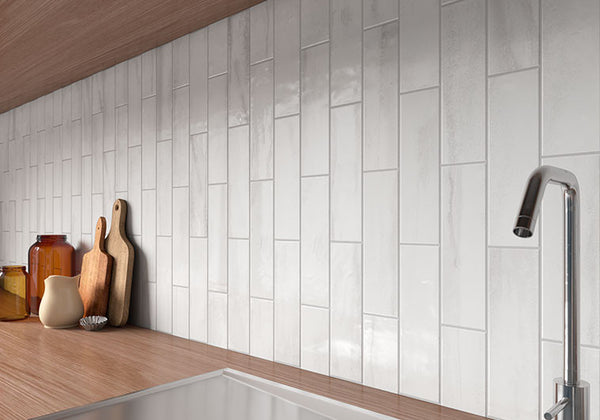
A 12x24 white porcelain tile installed vertically on shower walls creates a sophisticated, elongated pattern that makes the shower feel taller. Installed horizontally, it creates a calming, horizontal emphasis. A 24x48 format installed with minimal grout joints and a polished finish creates the closest thing to a seamless stone-slab look that tile can achieve.
For large-format shower tiles, use a rectified tile (precisely cut to exact dimensions) with minimal grout joints. Visit our large format tile collection for available options.
White Subway Tile Shower Walls
The classic shower wall choice. A 3x6 white ceramic or porcelain subway tile in a traditional offset pattern is the foundation of a reliable, beautiful, and affordable shower design. It works in bathrooms of every style. The key decisions are grout color and tile finish.
For a subway tile shower, glossy or satin finish is more practical than matte, the smoother surface sheds water more effectively and is slightly easier to clean. For grout, a light gray is the most practical everyday choice, it hides soap residue better than pure white while still keeping the shower feeling light and bright. See our complete white subway tile guide for layout and styling options.
White Glass Tile Shower Walls
White glass tile in a shower adds an iridescent, luminous quality that ceramic and porcelain cannot match. Glass reflects light from within the tile itself, giving the shower a depth and shimmer that is distinctly premium. Glass tile is also non-porous by nature, it will not absorb water, soap, or mineral deposits the way an unsealed grout joint will. Popular as a full shower wall treatment or as an accent on a niche wall or feature wall within a larger shower.
Browse our white glass mosaic tile options.
White Zellige-Style Shower Walls
Textured, zellige-inspired white tile on shower walls is a high-design choice that adds warmth and organic character to what can otherwise be a sterile environment. The slightly irregular surface of zellige-style tile catches light at varying angles throughout the day, creating a dynamic, living quality. Use in combination with matte black fixtures and a warm wood vanity outside the shower for a cohesive designer aesthetic.
Practical note: textured tiles require more thorough grout cleaning than smooth tiles due to the surface variation. Seal grout thoroughly and clean regularly.
Shower Niche Tile
The shower niche is a design opportunity that many homeowners overlook. Rather than using the same tile inside the niche as on the surrounding walls, consider using a contrasting tile to define the space, a smaller format, a different finish, or a subtly different white tone. For example, large-format white porcelain on the shower walls with a white glass mosaic inside the niche creates an elegant, layered effect.
White Tile for Shower Floors
White Hexagon Mosaic Shower Floors
White hexagon mosaic tile is among the most popular shower floor choices for good reason. The small tile format conforms naturally to the gentle slope of a shower pan, which is important for proper drainage. The high density of grout lines in a mosaic installation provides excellent traction, far more grip than a single large smooth tile. And the geometric pattern adds visual interest underfoot without competing with the shower walls.
For shower floors, choose a matte or textured finish hexagon tile rather than high-gloss for maximum slip resistance. A 1-inch or 2-inch hexagon is the most common format. See our complete guide to white hexagon tile for more options. Shop our shower floor tile collection.
White Penny Round Mosaic Shower Floors
The circular cousin of hexagon tile, white penny round mosaic creates a softer, more organic pattern on the shower floor. Like hexagon, the small format and dense grout lines provide excellent drainage conformity and traction. Penny round tile has a slightly more bohemian, vintage quality compared to the more geometric hexagon. Both are excellent shower floor choices, the choice between them is purely aesthetic. For a full breakdown of all white mosaic materials and shapes suitable for shower floors, see our white mosaic tile guide.
White Linear Drain Shower Floor
Contemporary showers with linear drains allow for a single large-format tile on the shower floor, since drainage runs to one edge rather than sloping toward a center drain. A 12x24 or 24x24 white porcelain tile on a linear drain shower floor creates an extremely clean, seamless look that coordinates beautifully with large-format white porcelain on the walls.
White Pebble Mosaic Shower Floor
For a natural, organic shower floor, white pebble mosaic tile, smooth river stones mounted on mesh backing, creates a tactile, spa-like surface underfoot. The smooth pebbles and the grout lines between them provide gentle massage-like texture. White pebble is typically paired with white or natural stone wall tile for a cohesive, nature-inspired aesthetic.
Combining White Shower Wall and Floor Tile
The most effective white shower tile combinations use different formats or finishes on the wall and floor to create visual distinction between the two surfaces. Here are five proven combinations:
Combination 1: Large-Format Walls + Hexagon Floor
24x24 or 12x24 white porcelain on the walls, 2-inch white hexagon mosaic on the floor. Clean and contemporary. The large-scale wall tile creates a calm backdrop; the geometric mosaic floor adds interest and traction. Use white or light gray grout throughout for a cohesive look.
Combination 2: Subway Tile Walls + Penny Round Floor
3x6 white ceramic or porcelain subway tile on the walls in an offset pattern, white penny round mosaic on the floor. The most classic combination, timeless, reliable, and good-looking in any bathroom style from farmhouse to transitional to classic.
Combination 3: Glossy Walls + Matte Floor
Any glossy white tile on the walls combined with a matte white tile on the floor. The finish distinction creates subtle but effective visual separation between wall and floor without introducing color or pattern contrast. Practical too, matte floors provide better traction.
Combination 4: White Walls + Charcoal-Grouted Hexagon Floor
White subway or large-format porcelain walls with white or light gray grout, white hexagon mosaic floor with charcoal grout. The floor becomes the design moment without overwhelming the overall white palette. The charcoal grout on the floor anchors the space visually.
Combination 5: Zellige Walls + Simple Porcelain Floor
Textured zellige-style white tile on all shower walls, clean matte white porcelain on the floor. The textured walls are the focal point; the simple floor recedes and grounds the space. This combination works particularly well in showers where the design aesthetic is organic, warm, and artisan.
Matte vs. Glossy White Tile in the Shower
Both finishes work in showers, but with different trade-offs. Glossy white tile sheds water more easily, can be slightly easier to wipe clean, and reflects light to brighten the shower enclosure. Matte white tile has a softer look, hides water spots and soap residue better, and provides more surface texture (which can be advantageous on shower floors). On shower walls, glossy or satin is often the most practical choice. On shower floors, matte or textured is recommended for safety. For a complete comparison, see our guide to matte vs glossy white tile.
Keeping Your White Shower Tile Looking Clean
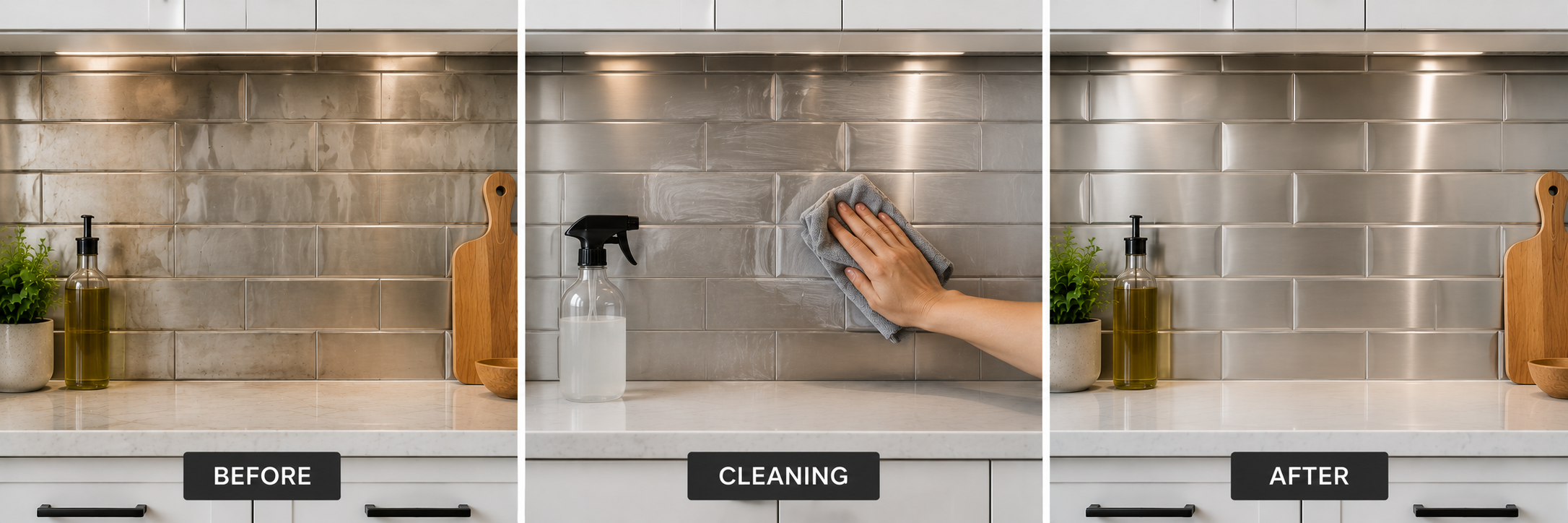
The biggest maintenance challenge in a white tile shower is grout. Use a stain-resistant or epoxy grout, seal immediately after installation, and re-seal annually. Squeegee shower walls after each use to minimize soap scum and mineral deposit buildup. Clean weekly with a pH-neutral tile cleaner. For a comprehensive cleaning guide, see our post on how to clean white tile.
Grout Color for White Shower Tile
In the shower specifically, grout color selection involves both aesthetics and practicality. White grout is beautiful but requires a stain-resistant formula and diligent cleaning to stay looking white. Light gray is the most practical middle ground, it hides soap scum better while keeping the shower feeling bright. Charcoal grout creates a graphic look but can show mineral deposits (white efflorescence) in wet environments. For a full guide, see our post on the best grout color for white tile.
Ready to Plan Your White Tile Shower?
Browse our complete white tile collection, including all formats and finishes suitable for showers. Shop dedicated collections: shower wall tile, shower floor tile, and bathroom tile. For complete bathroom inspiration, see our guide to white bathroom tile ideas. Free samples available — call our team at 614-515-7816 for personalized recommendations.