
More than one in four adults in the United States lives with some form of disability, making accessible design vital for both public spaces and private projects. When design choices overlook accessibility, daily routines can quickly turn into frustrating obstacles. Clear guidelines offer more than just legal compliance—they can help create environments where everyone moves freely and safely. Understanding how these principles work in real-world layouts can be the difference between exclusion and true inclusivity.
Table of Contents
- Defining Accessible Design Guidelines in Practice
- ADA Standards and Legal Accessibility Requirements
- Key Principles for Tile-Focused Accessible Design
- Common Barriers and Tile Design Pitfalls
- Steps to Ensure ADA Compliance in Projects
Key Takeaways
| Point | Details |
|---|---|
| Inclusive Design Principles | Accessible design focuses on creating spaces that accommodate diverse abilities, prioritizing functionality over aesthetics. |
| ADA Compliance Necessity | Compliance with the ADA is a legal requirement; organizations must proactively implement accessibility standards to avoid penalties. |
| Strategic Tile Design | Tile selection should emphasize safety and mobility through features like slip resistance and color contrast to support users with various needs. |
| Comprehensive Implementation | Successful accessibility initiatives require a structured approach, including assessments, planning, and ongoing training to ensure effective practices. |
Defining Accessible Design Guidelines in Practice
Accessible design isn’t just a legal requirement - it’s a fundamental approach to creating spaces that welcome and accommodate everyone, regardless of physical ability. According to ADA, accessibility standards provide comprehensive requirements ensuring buildings and facilities can be navigated and used by individuals with diverse mobility and sensory needs.
Accessibility fundamentally transforms how we conceptualize design, moving beyond aesthetics to prioritize functional inclusivity. The core principles involve creating environments that are:
- Easily navigable for wheelchair users
- Compatible with assistive technologies
- Featuring clear, intuitive spatial layouts
- Providing multiple interaction options
The Access Board emphasizes that effective accessible design requires thoughtful consideration across multiple dimensions. This means examining everything from entrance width and doorway clearance to bathroom fixture placement, signage visibility, and surface texture transitions.
Practical implementation demands a holistic approach. Designers must think beyond minimum compliance, viewing accessibility as an opportunity to create more intelligent, adaptive spaces. This means anticipating diverse user needs - whether someone uses a wheelchair, walker, has visual impairments, or requires hearing assistance. By integrating universal design principles, professionals can craft environments that feel natural and welcoming to everyone, without creating spaces that feel institutionalized or segregated.
ADA Standards and Legal Accessibility Requirements
The Americans with Disabilities Act (ADA) represents a critical legal framework designed to eliminate discrimination and ensure equal opportunities for individuals with disabilities. ADA regulations outline comprehensive legal obligations for state and local governments, businesses, and organizations to create inclusive environments that accommodate diverse human needs.
Legal Compliance involves more than just meeting minimum requirements. The standards cover multiple critical areas:
- Building infrastructure design
- Public space accessibility
- Employment workplace modifications
- Communication and technology adaptations
- Transportation and service accessibility
Businesses and organizations must proactively implement these standards, understanding that accessibility is not an optional feature but a fundamental civil rights requirement. Non-compliance can result in significant legal penalties, including potential lawsuits, financial fines, and mandatory retrofitting of facilities.
Practical implementation requires a comprehensive approach. This means conducting thorough accessibility audits, developing strategic modification plans, and continuously training staff about inclusive design principles. Successful accessibility isn’t just about physical modifications - it’s about creating a culture of understanding, respect, and equal opportunity for all individuals, regardless of their physical capabilities or assistive technology requirements.
Key Principles for Tile-Focused Accessible Design
Accessible tile design goes far beyond aesthetic considerations, focusing instead on creating surfaces that support mobility, safety, and independence. Access Board technical specifications emphasize the critical importance of material selection and finish in developing truly inclusive spaces.
Tile Selection involves strategic considerations across multiple dimensions:
- Slip resistance for wet and dry conditions
- Surface texture that prevents tripping
- Color contrast for visual navigation
- Minimal grout lines to support mobility aids
- Smooth transitions between different flooring materials
Tile choices directly impact users with mobility challenges, visual impairments, and those using assistive devices. Professionals must think comprehensively about how tile surfaces interact with wheelchairs, walkers, canes, and other mobility tools. This means selecting materials that provide stable, predictable surfaces without abrupt level changes or unexpected texture variations.
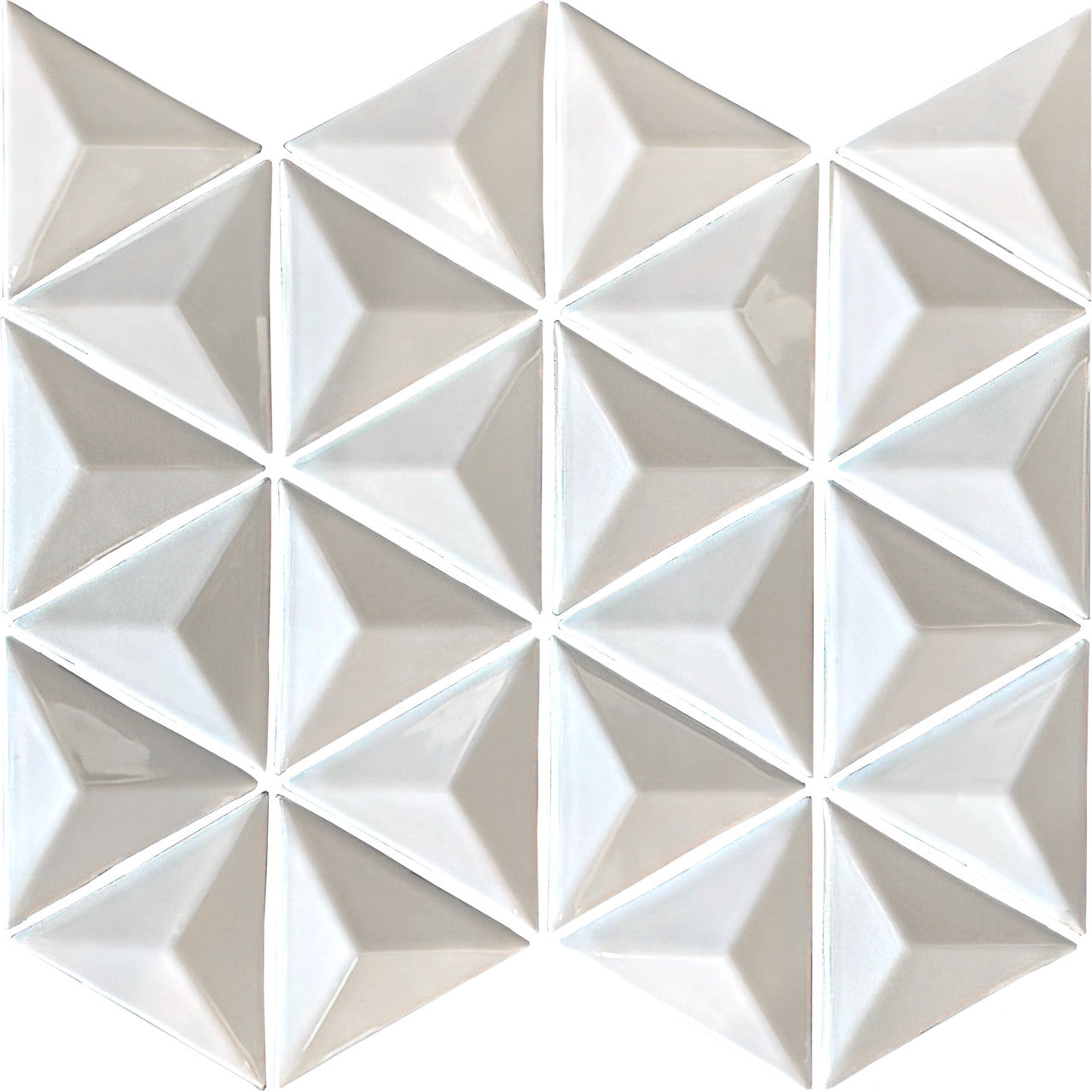
Practical implementation requires collaboration between designers, tile manufacturers, and accessibility experts. By understanding geometric tile shapes, professionals can create floor designs that are not just compliant, but genuinely supportive of diverse human movement patterns. The goal isn’t just meeting minimum standards - it’s crafting environments that feel natural, intuitive, and welcoming to everyone, regardless of physical capability.

Common Barriers and Tile Design Pitfalls
Access Board research highlights critical design challenges that can transform seemingly simple tile installations into significant mobility obstacles. Inadequate surface considerations can dramatically impact users with physical disabilities, transforming what appears to be a straightforward flooring choice into a potential navigation nightmare.
Design Barriers often emerge through several key issues:
- Excessive tile lippage creating uneven surfaces
- Glossy tiles with high slip potential
- Narrow grout lines restricting wheelchair movement
- Abrupt color transitions causing visual confusion
- Inconsistent surface textures across connected spaces
Professionals must recognize that tile selection is more than an aesthetic decision. Surface characteristics directly influence mobility, safety, and independence for individuals using assistive devices. Understanding tile lippage becomes crucial in preventing potential tripping hazards and ensuring smooth transitions between different flooring materials.
Mitigating these barriers requires a holistic approach that prioritizes user experience over pure visual appeal. This means carefully analyzing tile specifications, understanding material properties, and anticipating how different users might interact with the space. The ultimate goal is creating environments that feel intuitive, safe, and welcoming for everyone, regardless of their physical capabilities or mobility challenges.
Steps to Ensure ADA Compliance in Projects
ADA guidelines emphasize a structured, systematic approach to accessibility planning that goes beyond mere checkbox compliance. Successful implementation requires a comprehensive strategy that integrates accessibility considerations from the earliest stages of project design and development.
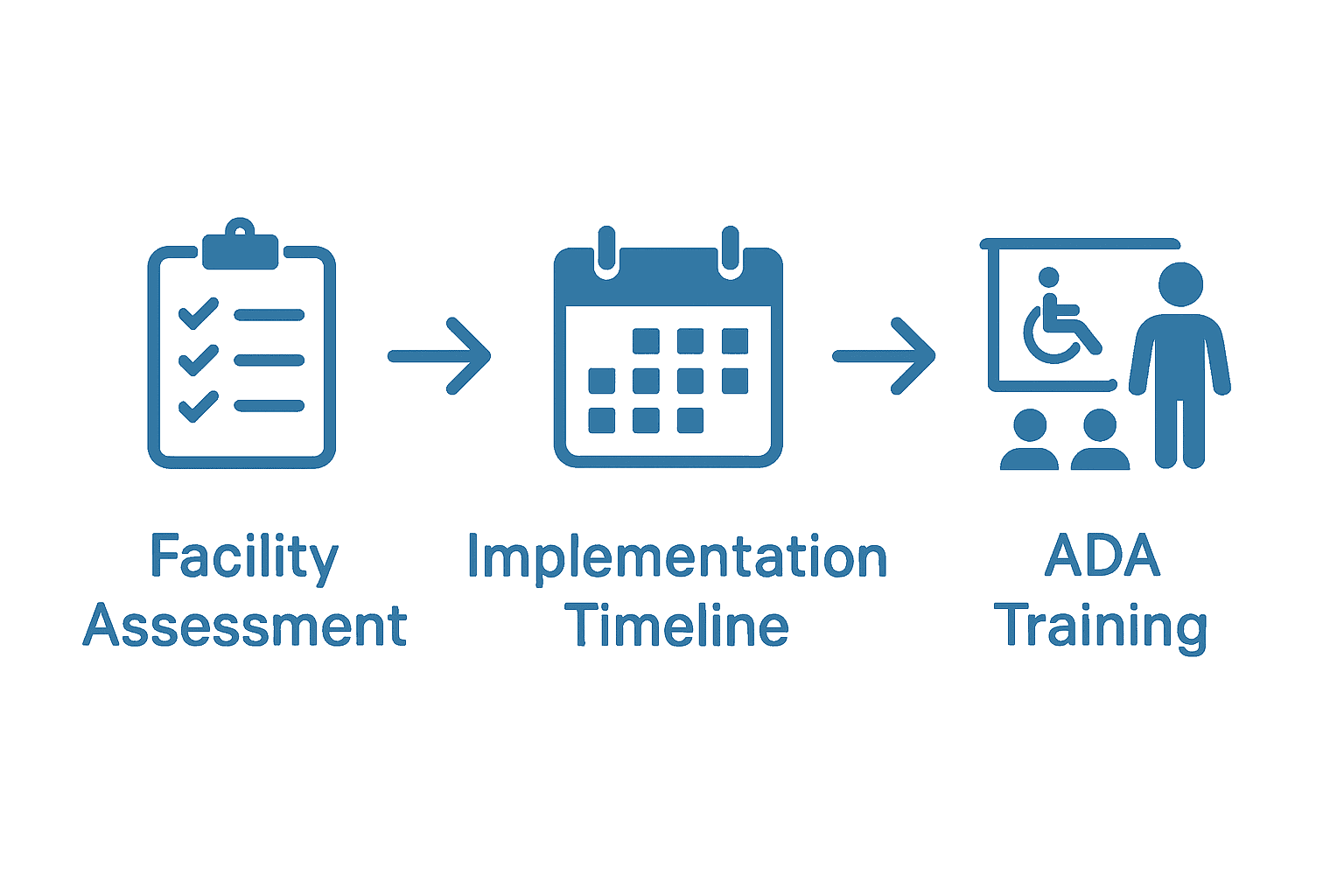
Compliance Roadmap involves critical sequential steps:
- Conduct comprehensive facility assessment
- Develop detailed accessibility transition plan
- Prioritize modifications based on impact
- Establish clear implementation timelines
- Budget for necessary structural changes
- Train staff on accessibility requirements
Detailed documentation becomes crucial in this process. ADA web resources recommend maintaining thorough records of assessments, modifications, and ongoing compliance efforts. This not only demonstrates commitment to accessibility but also provides a clear roadmap for continuous improvement.
Practical implementation requires collaboration across multiple disciplines. Architects, designers, project managers, and accessibility consultants must work together to create environments that are not just compliant, but genuinely inclusive. By understanding inclusive design principles, professionals can transform regulatory requirements into meaningful opportunities to enhance spatial experiences for all users, regardless of their physical capabilities.
Create Truly Inclusive Spaces with TileChoices.com
Navigating the complexities of accessible design guidelines can feel overwhelming. This is especially true when it comes to selecting the right tile surfaces that balance safety, functionality, and style. The article highlights key challenges such as slip resistance, minimal grout lines, color contrast, and smooth transitions that are essential for compliance and inclusivity. These are more than just design choices they directly affect mobility, safety, and independence for users with diverse physical needs.
At TileChoices.com, we understand how important it is to choose tiles that not only meet ADA standards but also enhance your space. Our extensive collection features options designed to support accessibility without compromising on aesthetic appeal. From textured surfaces that reduce slip risk to color-contrasting tiles that aid navigation, we offer solutions that put inclusive design within your reach. Don’t wait to transform your project into a welcoming and compliant environment. Explore our curated selections now at TileChoices.com and start building spaces everyone can enjoy today.
Recommended
- Inclusive Design Principles: Complete Guide for 2025 – Tile Choices
- High Contrast Interior Design: Complete Guide – Tile Choices
- Complete Guide to Nature Inspired Interiors – Tile Choices
- 7 Smart Home Office Design Inspiration Ideas for Success – Tile Choices
- Declaración de Accesibilidad - Mónika Varela