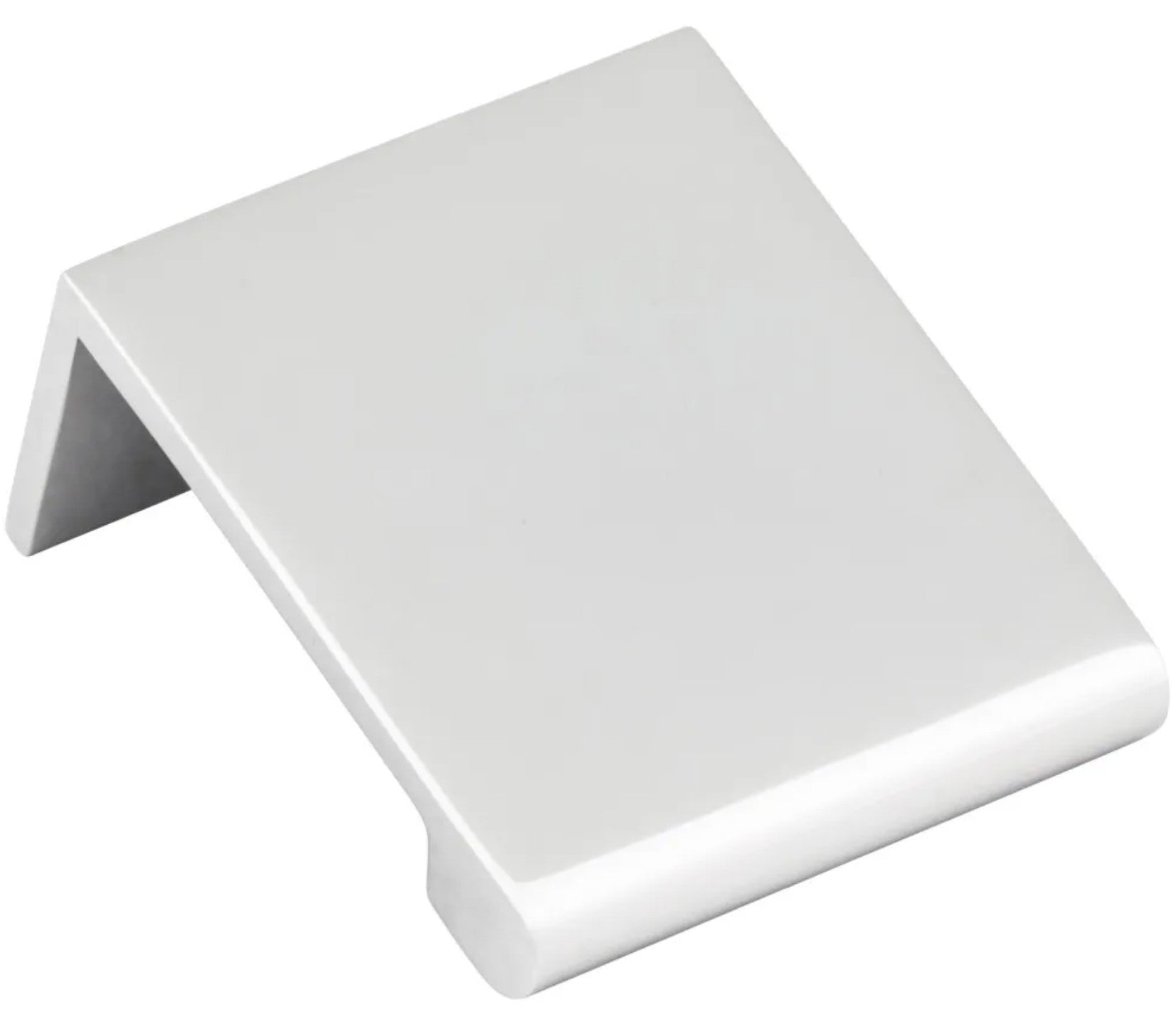
No reviews
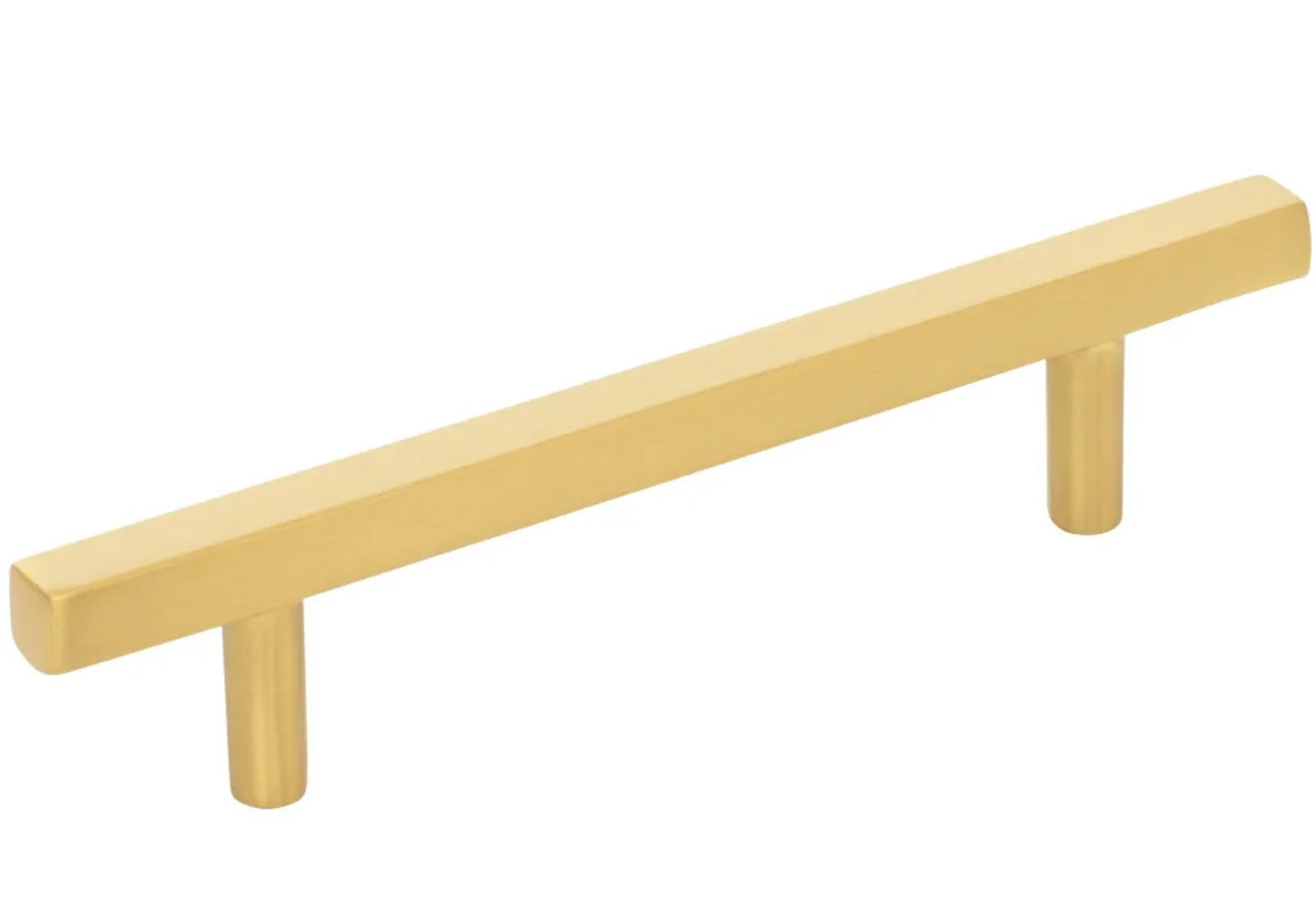
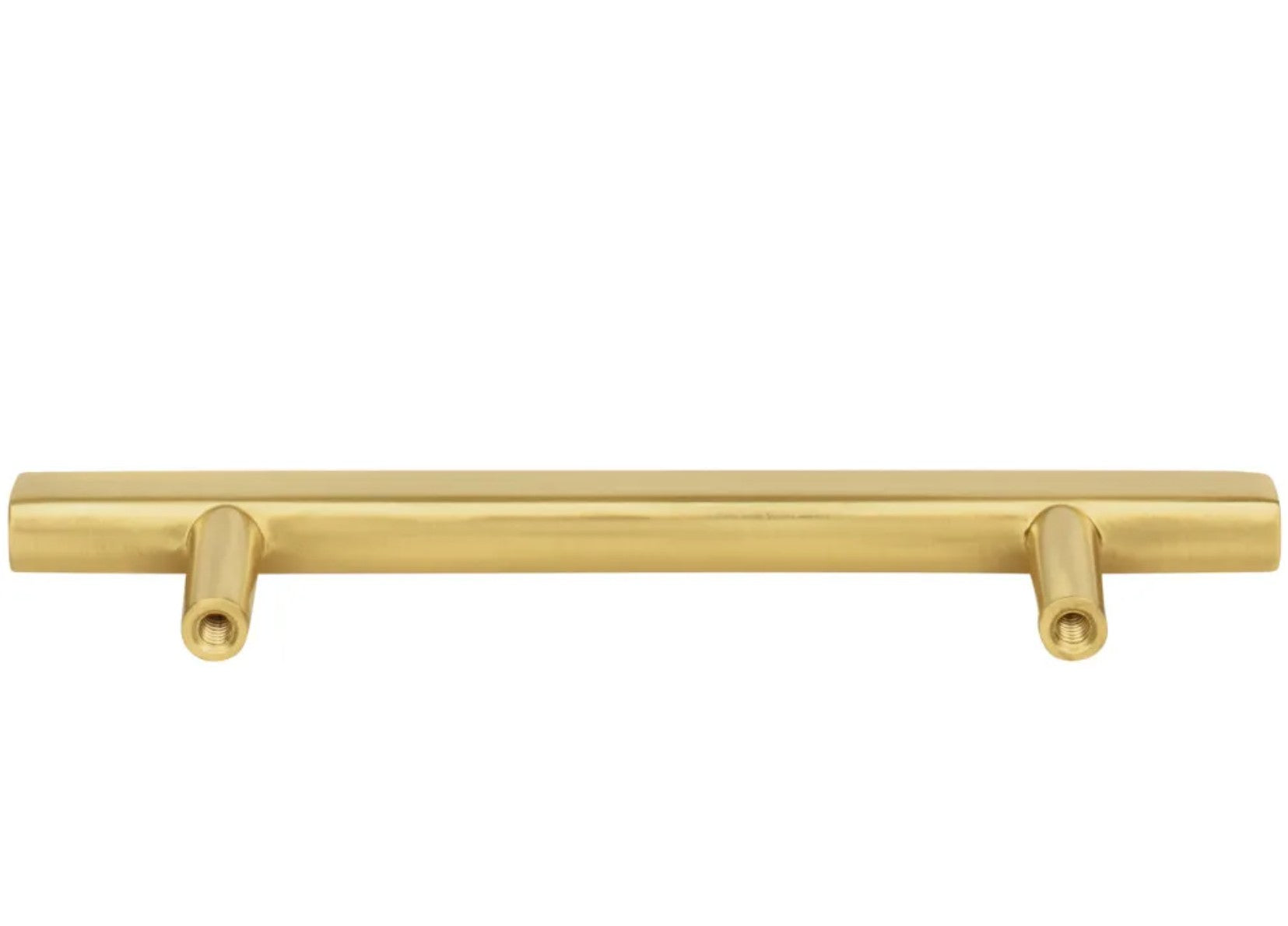
No reviews
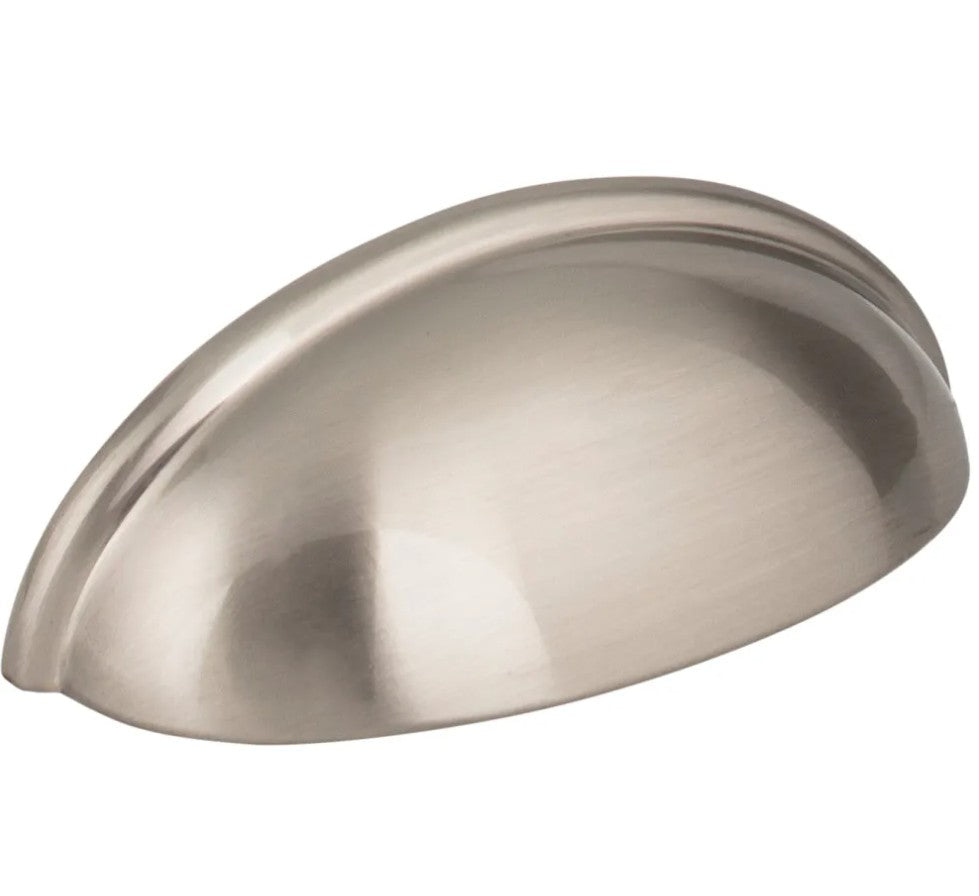
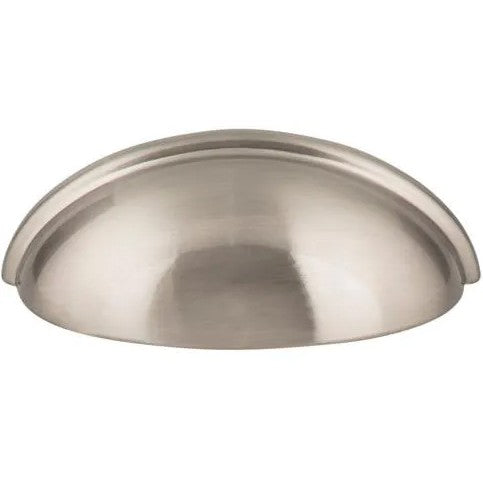
No reviews
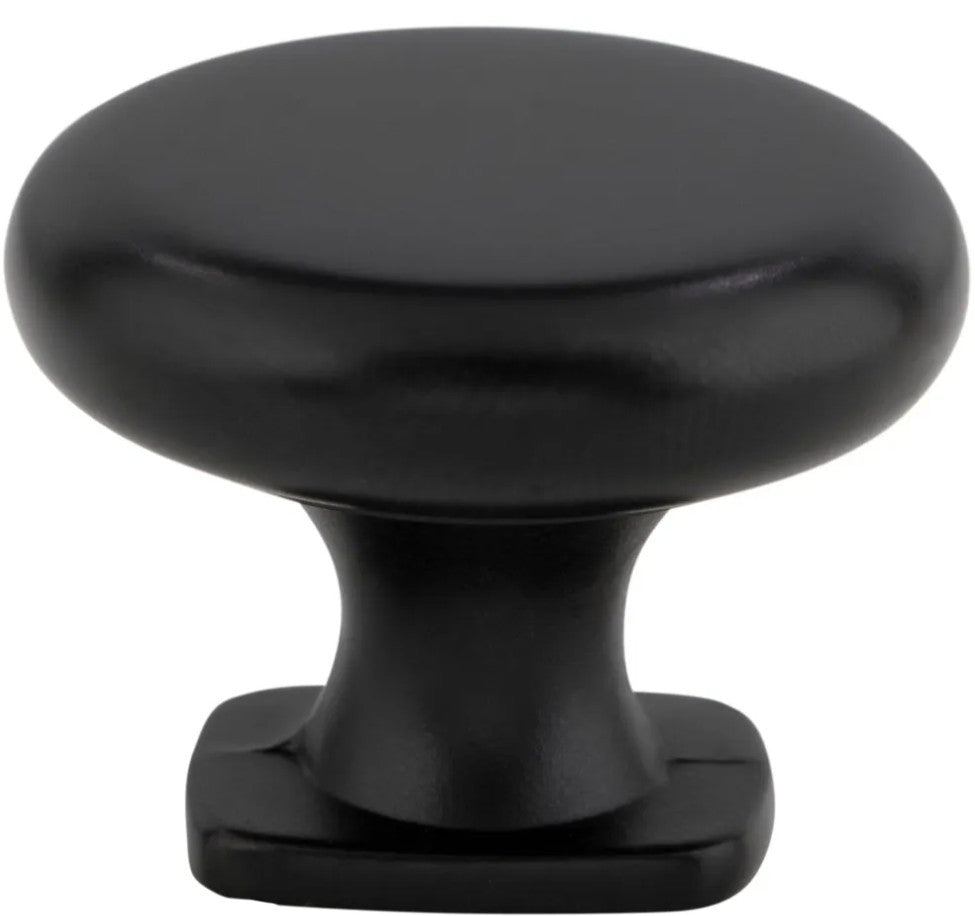
No reviews
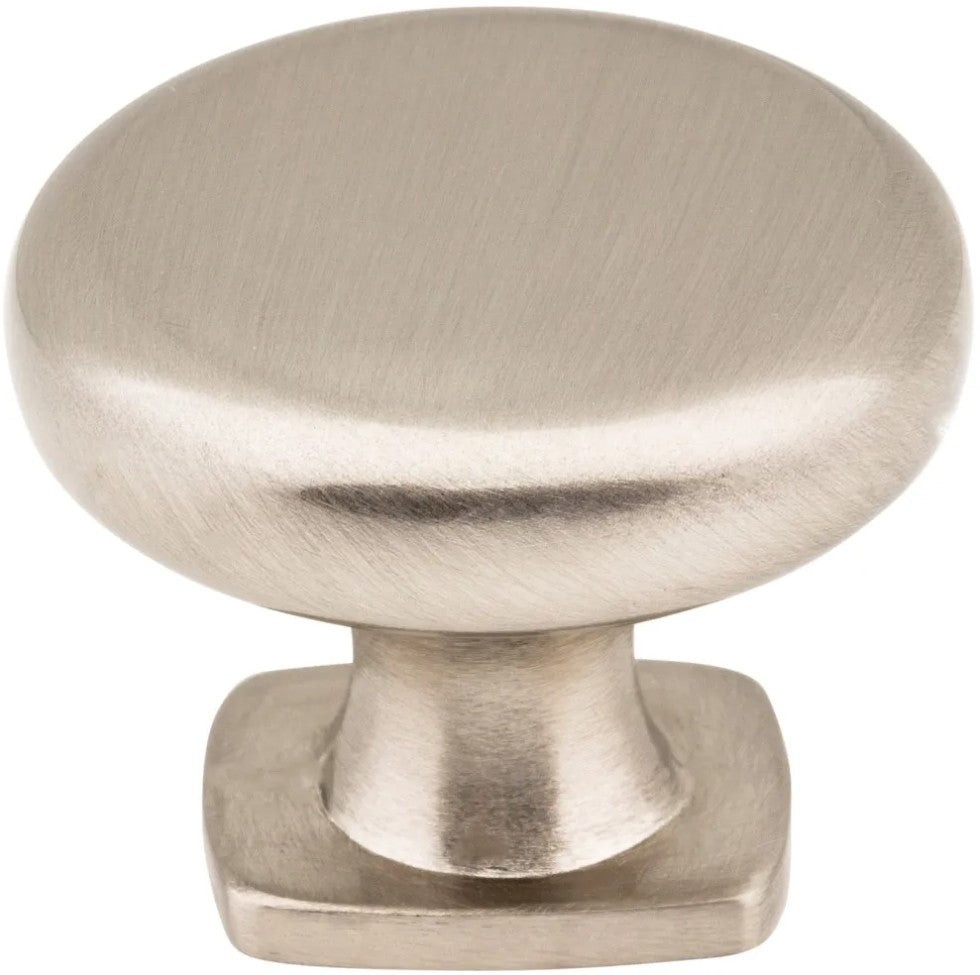
No reviews
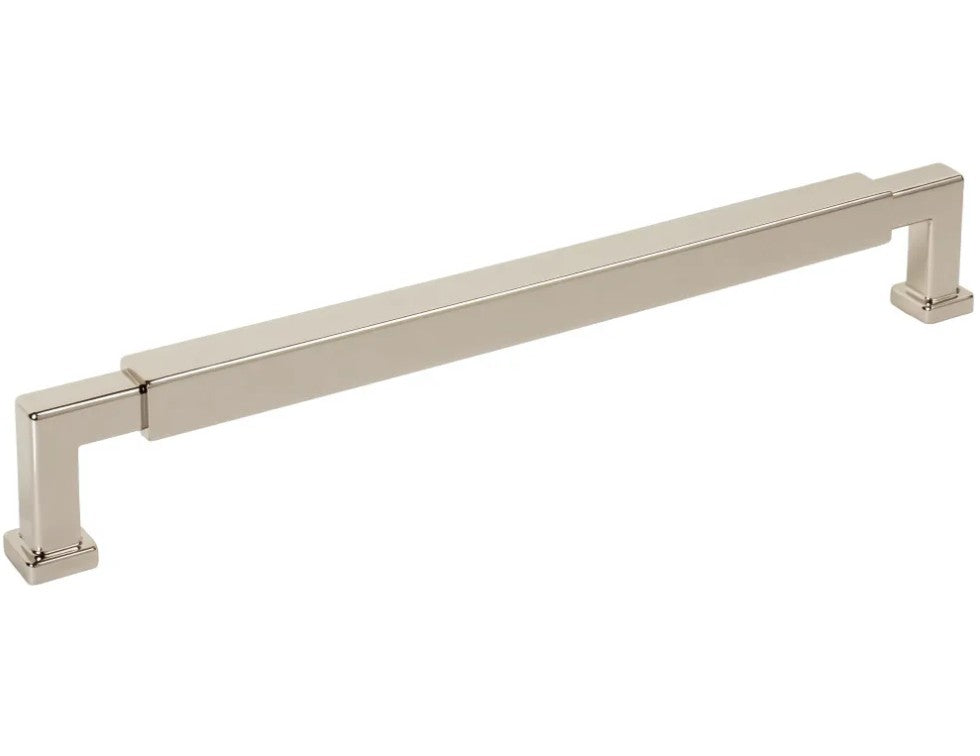
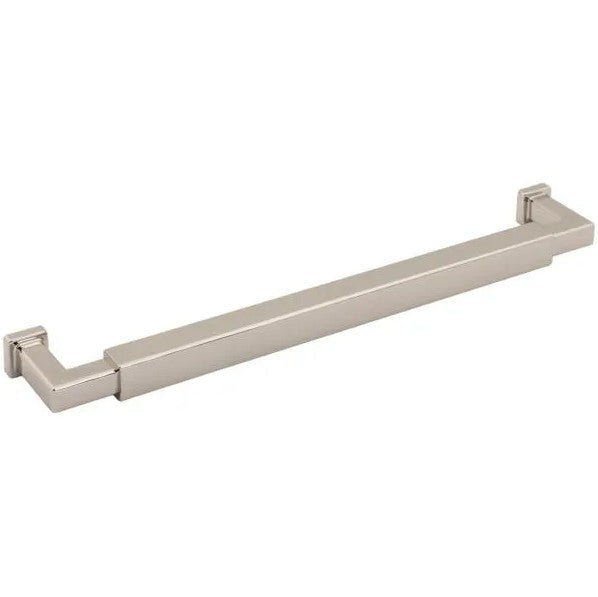
No reviews
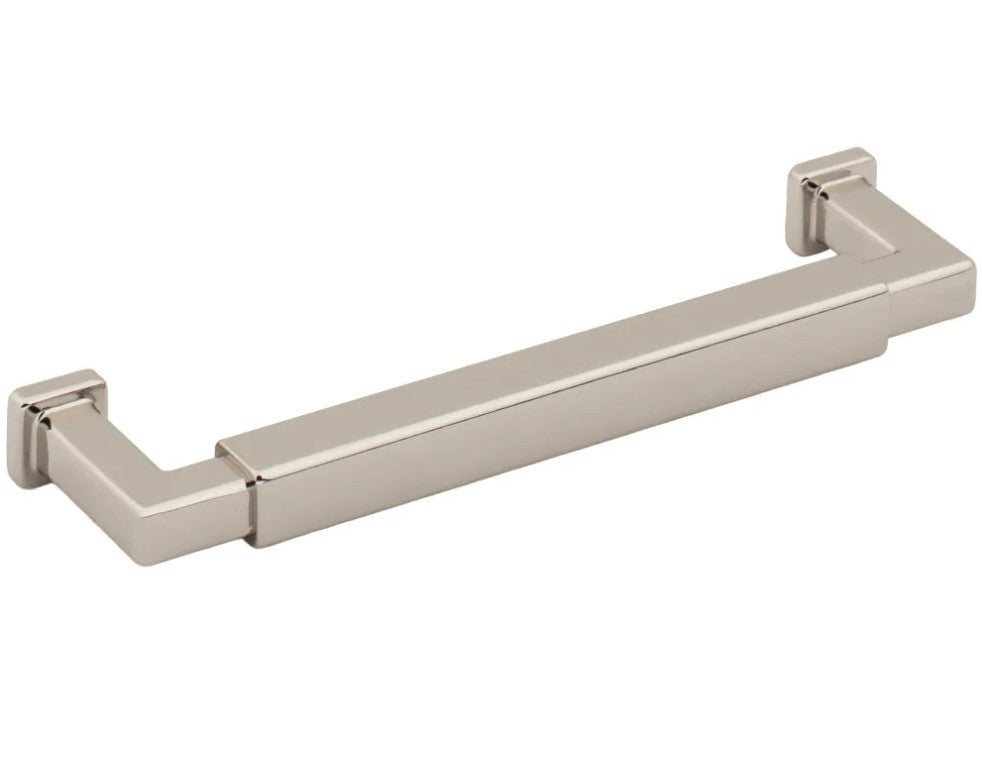
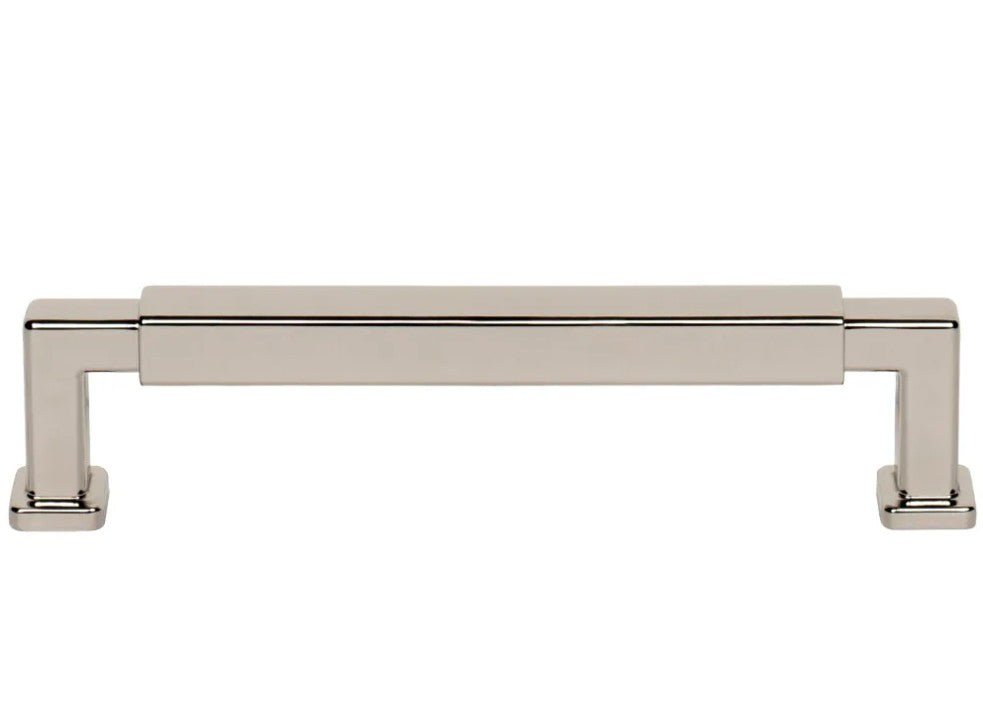
No reviews
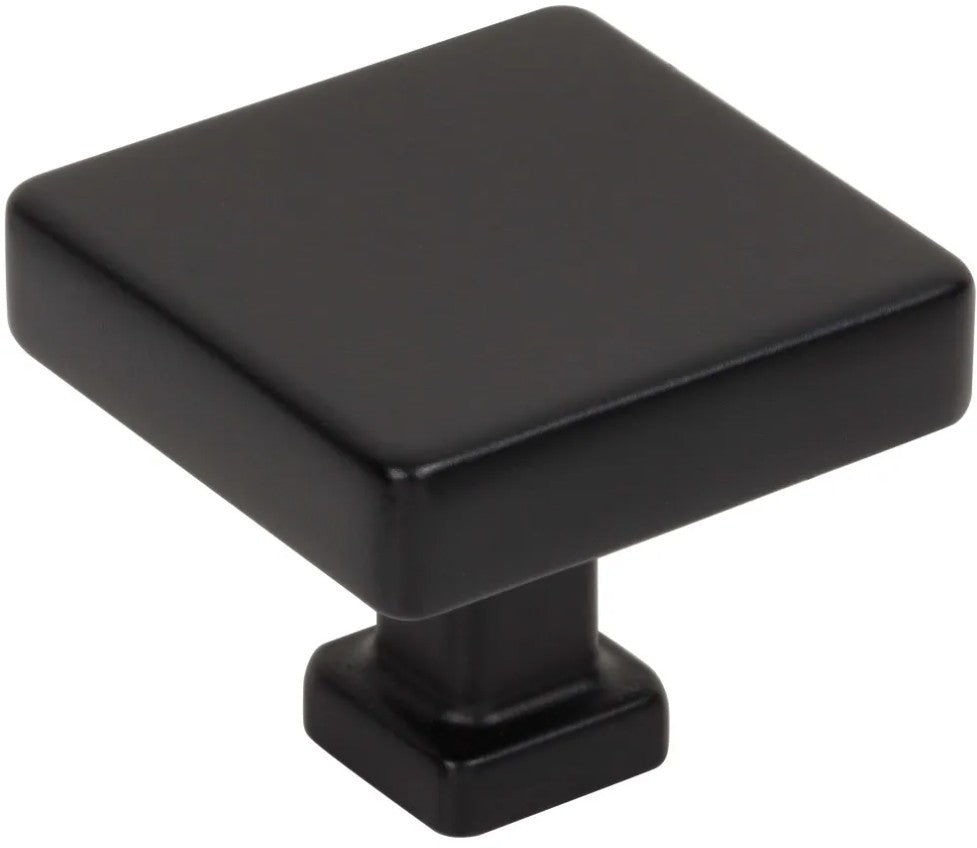
No reviews
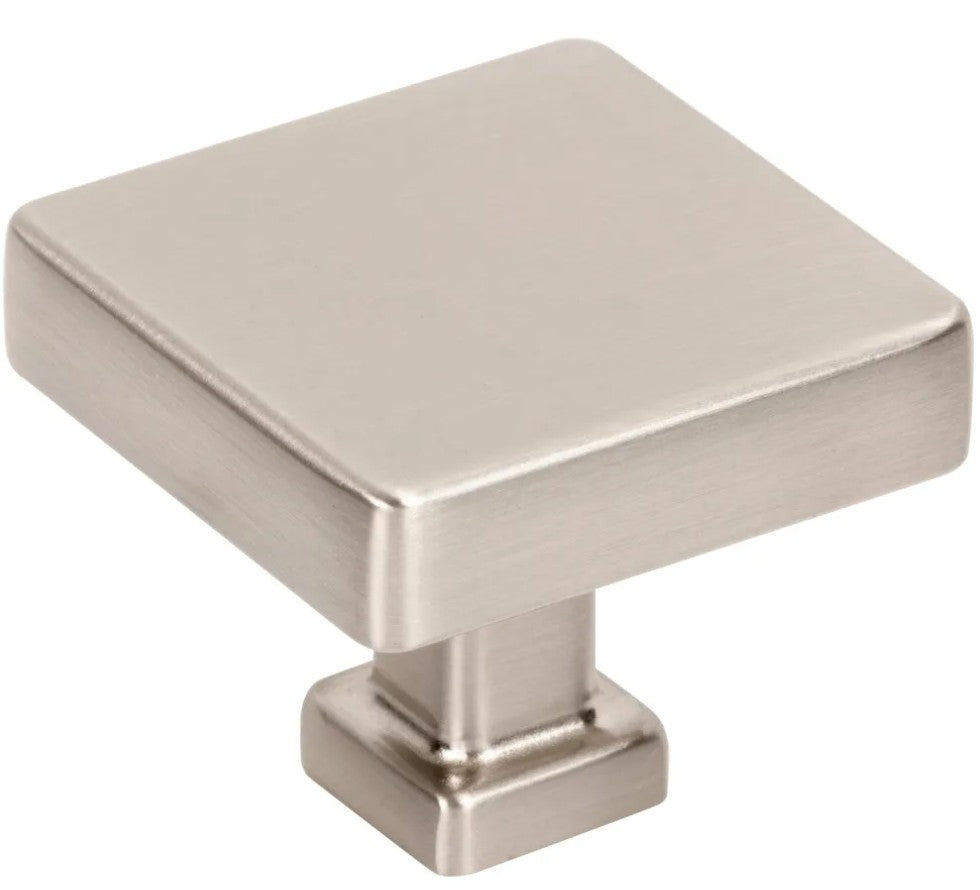
No reviews
The selection process becomes straightforward once you anchor it to three decisions: cabinet door style, finish, and center-to-center measurement. Work through those in order and the right product becomes obvious.
Start with cabinet door style. Shaker and flat-panel doors are the most versatile, they suit everything from cabinet pulls to traditional knobs without any style conflict. Raised-panel and detailed doors look most resolved with hardware that has some architectural weight, collections with curved feet or layered profiles that echo the door's own detailing. Slab doors call for restraint, a clean bar pull or a minimal appliance pull in a matte or brushed finish tends to be the right call.
Next, settle the finish. If you are replacing existing hardware, match your current plumbing fixtures or go one step warmer or cooler for a deliberate update. If you are starting fresh, let the tile be the reference point, the section below on pairing hardware with tile covers this in detail.
Finally, measure your center-to-center distance if replacing existing hardware, or use the one-third rule for new installations: a pull that spans roughly one-third of the drawer front width reads as proportional. A 12-inch drawer front typically suits a 96mm (3 3/4 inch) pull; a wider 18-to-24-inch drawer front calls for a 128mm to 160mm pull.
Hardware and tile share every wall and countertop in a kitchen and bathroom, which means they need to be considered together. The goal is not to match finishes exactly, it is to build a palette where every surface in the room reads as part of the same intention.
Warm tile palettes, cream subway tile, beige ceramic, terracotta-toned stone, warm gray grout, work naturally with Brushed Gold, Satin Bronze, and Brushed Oil Rubbed Bronze hardware. The warmth of the metal echoes the warmth in the tile without competing with it. Cool tile palettes, white glass tile, icy-gray porcelain, blue-toned stone, bright white grout — pair cleanly with Polished Chrome, Polished Nickel, and Matte Black. The contrast is sharp and intentional. For neutral and mid-tone tile selections, which covers most standard ceramic and subway tile, Satin Nickel is the safest and most versatile call, it does not pull the eye and does not clash with anything already in the room.
If you are selecting tile and hardware at the same time, browsing our kitchen backsplash tile collection alongside the hardware options here is an efficient way to compare how the surfaces will read together before committing to either.
Jeffrey Alexander hardware works best when it is considered alongside the rest of the room. If you are still working through your tile selection or want to see how different hardware finishes read against specific tile materials, these collections are the logical next step:
Have a question about a specific collection, finish, or whether a pull will work with your existing holes? The Tile Choices team is available at sales@tilechoices.com or +1 614-515-7816. We are a family-owned business and we take the time to help you get it right.
Not sure where to start? These guides answer the three most common questions we hear before a hardware purchase — finish, type, and how it all fits together with the rest of the room.
Every tile in this collection is carefully selected based on real-world performance, design relevance, and long-term durability. We don’t list thousands of random products — we curate materials that meet professional installation standards.
Our collections are guided by Bruno Mendolini, a tile expert with over 25 years of experience and deep roots in the Italian tile industry.