Grout color might be the most underestimated decision in a tile project. People spend weeks choosing the perfect shower floor tile, then default to whatever grout the tile store recommends without much thought. The result is sometimes fine, and sometimes they realize too late that a different grout choice would have made the same tile look dramatically better.
Grout does two things simultaneously: it completes the installation structurally, and it becomes a permanent visual element of the finished floor. In a shower, where the surface is seen up close every single day, that visual element matters more than people expect. This guide gives you a complete framework for making a deliberate, confident grout color decision for your shower floor.
Shop shower floor tiles at Tile Choices →
Understanding How Grout Changes the Look of Tile
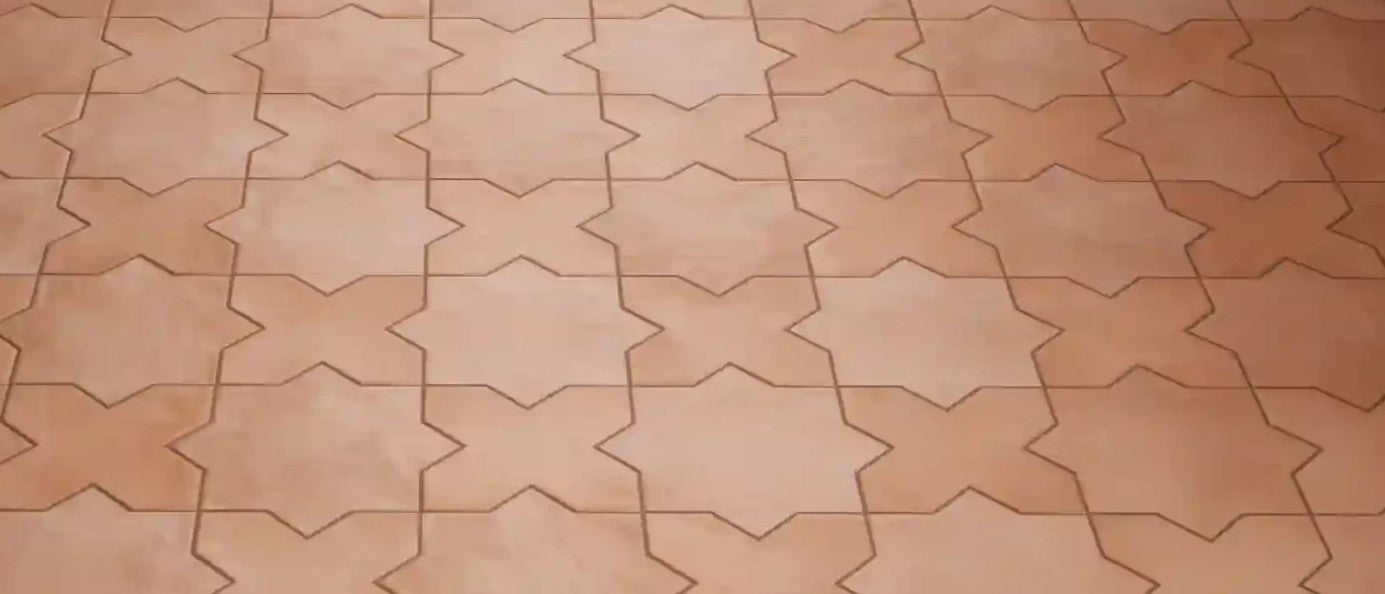
The same tile can look dramatically different depending on grout color. This isn't a minor variation, it's a fundamental shift in how the finished floor reads to the eye. Understanding the three main grout approaches helps clarify which direction is right for your project.
Matching Grout (Tone-on-Tone)
When grout closely matches the tile color, the individual tiles visually blend into a single surface. The eye sees the overall color and texture of the floor rather than the pattern. This approach reads as sophisticated, calm, and spa-like. It tends to make the material the star rather than the geometry of the tile.
Best for: Natural stone mosaics, pebble tile, and any situation where you want the floor to recede visually rather than make a graphic statement. Also great for small showers where you don't want the grid pattern to emphasize the compact dimensions of the space.
Contrasting Grout
Contrasting grout, light tile with dark grout, or dark tile with light grout, makes the tile pattern the dominant visual element. The geometry of the tile becomes the design. This is the approach that produces the iconic white hex with black grout look, or the white penny round with charcoal grout.
Best for: Strong, intentional design statements where the pattern is meant to be seen. Works best when the rest of the bathroom is relatively restrained so the floor pattern isn't competing with busy walls or complex fixtures.
Harmonizing Grout
Harmonizing grout falls between matching and contrasting, it's clearly a different color from the tile but not dramatically so. Light gray grout on white tile, for example, defines each tile clearly without the bold graphic quality of black grout. This is the most forgiving and versatile approach, and often produces the most livable, long-term result.
Best for: Most showers. It balances visual interest with practicality, defines the tile pattern without overwhelming it, and hides everyday grime better than bright white grout.
Grout Color by Tile Color
White Tile
White shower floor tile, hexagon, penny round, basketweave, or square mosaic, offers the widest grout color range because white is the most neutral backdrop. The three most popular choices:
- Bright white grout — Seamless, monolithic, very clean. Shows grime faster; use epoxy grout to minimize this.
- Light gray grout — The most practical and popular choice. Defines the tile, hides soil, pairs with everything.
- Charcoal or black grout — Bold, graphic, intentional. The white-and-black pattern becomes a strong design statement.
For white shower floor design inspiration, see our post on white shower floor tile ideas.
Gray Tile
Gray tile offers excellent grout flexibility because gray sits comfortably between light and dark on the spectrum:
- Matching gray grout — Creates a tonal, sophisticated surface. Particularly effective with light to medium gray tiles.
- White grout on gray tile — Makes the pattern crisp and graphic. Works well with charcoal or dark gray tiles.
- Dark charcoal grout on light gray tile — Creates high contrast from a relatively subtle foundation. Bold without being garish.
For more gray tile guidance, see our gray shower floor tile ideas post.
Beige and Natural Stone Tile
For beige, travertine, sandstone, and warm-toned natural stone mosaics, matching grout is almost always the right call. A warm gray or ivory grout that closely matches the stone tone allows the natural variation in the stone to be the visual focus rather than the grout grid. Shop natural stone tiles →
Black and Dark Tile
Dark shower floors, charcoal hex, black marble mosaic, slate pebble, can go two directions:
- Matching dark grout — Creates a dramatic, monolithic dark surface. Striking in large showers with good lighting.
- Light or white grout — Defines the tile pattern clearly against the dark tile. Particularly effective with geometric formats like hex where you want the shape to be visible.
Pebble Tile
Pebble tile almost always benefits from a harmonizing or matching grout that blends with the natural stone tones. Because pebble tiles have organic variation in their own coloring, multiple tones of gray, tan, or brown in a single sheet, matching grout isn't about hitting a single color but rather choosing a grout that falls within the stone's overall palette. A warm medium gray works for most natural pebble tile. Learn more about pebble tile shower floors →
Practical Considerations: Beyond Aesthetics
Light Grout vs. Dark Grout: Maintenance Reality
Bright white grout in a shower grout looks immaculate when new and requires the most maintenance to keep that way. Soap scum, mildew, and hard water deposits show more clearly on light grout. The solution is either to use epoxy grout (which is stain-resistant and doesn't require sealing) or to be diligent about weekly cleaning. Light gray grout is the most forgiving, it shows grime less than white and maintains its appearance with normal cleaning.
Dark grout has the opposite characteristics: it hides most everyday soil very well but can show white mineral deposits from hard water. In areas with hard water, a water softener or regular descaling treatment helps prevent this.
Epoxy vs. Cement Grout in Showers
For shower floors specifically, epoxy grout is strongly recommended regardless of color choice. Epoxy grout is non-porous, it doesn't absorb water, soap, or mildew, and doesn't require annual sealing the way cement grout does. The upfront cost is higher, but the long-term performance and reduced maintenance make it worth it. If you use cement grout, apply a penetrating sealer before the first use and reseal annually.
Grout Width and Tile Size
Grout joint width affects the look as much as color does. Narrow joints (1/16 inch, common for 1-inch mosaics) make the pattern finer and more delicate. Wider joints (1/8 to 1/4 inch) make the pattern bolder and the grout lines more prominent. Tile manufacturer specifications typically indicate the appropriate grout joint width for each tile size. As we cover in our shower floor tile size guide, tile size and grout joint width are closely related decisions.
How to Test Grout Colors Before Committing
Grout looks very different wet versus dry, and in different lighting conditions. Before finalizing your choice:
- Get grout samples — Most tile suppliers offer small grout samples. Place them next to your tile in the actual bathroom space under different lighting conditions (morning light, evening light, artificial light)
- Mock up a section — If possible, grout a small test area (even on a piece of backer board) to see the full effect before committing
- Consider the room's lighting — Dark grout in a bathroom with warm, dim lighting can make a shower feel cave-like. Bright white grout in a very bright, white bathroom can feel harsh. Consider the lighting environment when evaluating samples
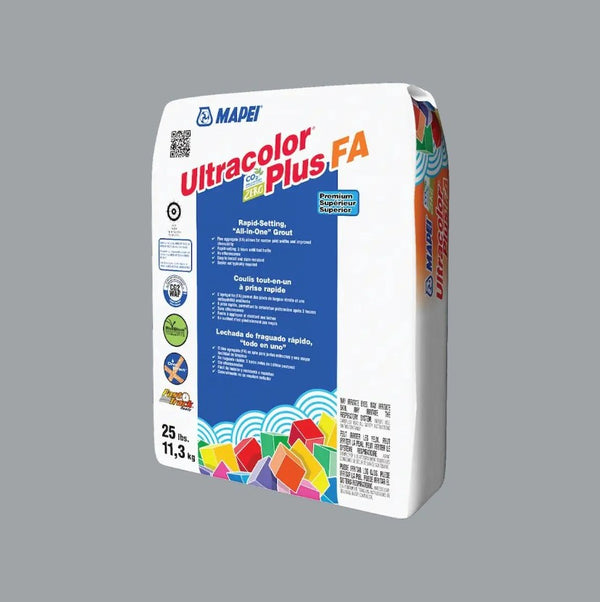
Browse our grout collection at Tile Choices →
Need help choosing? Call us at 614-515-7816 or email sales@tilechoices.com.