
Choosing a backsplash tile material is one of the most consequential design decisions in a kitchen or bathroom renovation. The backsplash covers a highly visible surface, takes daily abuse from heat, moisture, grease, and cleaning products, and ties the aesthetic of the entire room together. Getting the material choice right matters, not just for how the space looks on day one, but for how it performs and ages over years of use.
Three materials consistently lead the conversation for backsplash tile: metal tile, porcelain tile, and glass tile. Each has genuine strengths, meaningful limitations, and specific conditions where it outperforms the others. This guide walks through each material honestly, covering durability, maintenance, cost, aesthetics, and the scenarios where each material is the clear right choice, so you can make a confident, well-informed decision for your project.
For a broader view of backsplash material options, see our complete resource on How to Choose the Perfect Kitchen Backsplash Tile.
Metal Tile Backsplash: The Case For and Against
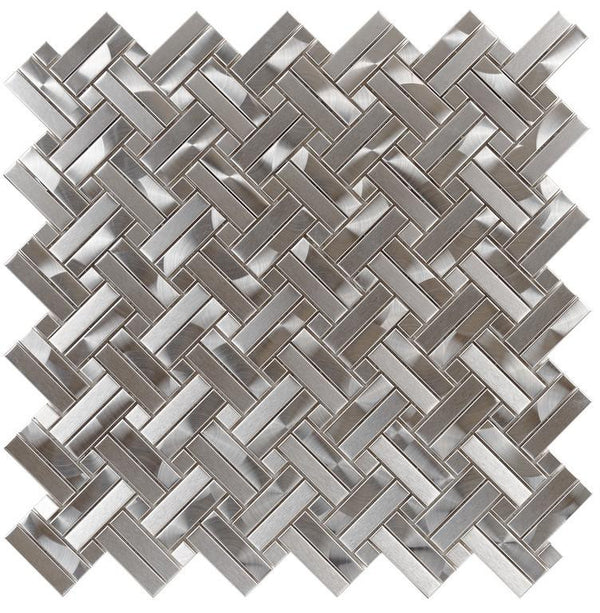
Metal tiles encompass a family of distinct finishes, including stainless steel, antique copper, aluminum, and brushed gun metal, each with its own character and ideal application. What they share is a genuine metallic surface, a bold visual statement, and a set of performance characteristics that distinguish them clearly from ceramic, porcelain, and glass alternatives.
Durability and Performance
Metal tile is exceptionally heat-resistant, making it one of the few backsplash materials you can install directly behind a high-output professional range without concern. It is non-porous at the tile face, meaning grease, oil, and food splatters sit on the surface and wipe off easily. Genuine metal tiles, particularly those with a metal surface wrapped over a ceramic body, are dense, impact-resistant, and built to maintain their appearance for decades with proper care.
The primary performance consideration with metal tile is moisture. Most metal tiles are not recommended for applications with constant standing water, such as shower floors. Copper and iron-based metals benefit from a solvent-based sealer to protect against oxidation. Stainless steel and aluminum are more inherently corrosion-resistant but should still be dried thoroughly after cleaning to prevent water spots and surface dullness over time.
Aesthetics and Design Range
Metal tile produces a design result that no other backsplash material can fully replicate: a genuine metallic surface with depth, texture, and a quality that reads as both industrial and luxurious depending on the finish. The four primary finishes at Tile Choices each create a distinct look:
Stainless steel tiles deliver a clean, contemporary, high-shine aesthetic, see our full Stainless Steel Tile Backsplash guide for design ideas and layouts. Antique copper tiles add warmth, patina, and vintage character. Aluminum tiles offer a lightweight modern look with matte or brushed finishes. Brushed gun metal tiles create a dark, moody, industrial-contemporary statement.
Metal tile is available in mosaic, subway, linear, and geometric formats, and mixes effectively with glass, stone, and porcelain for custom layered designs.
Maintenance
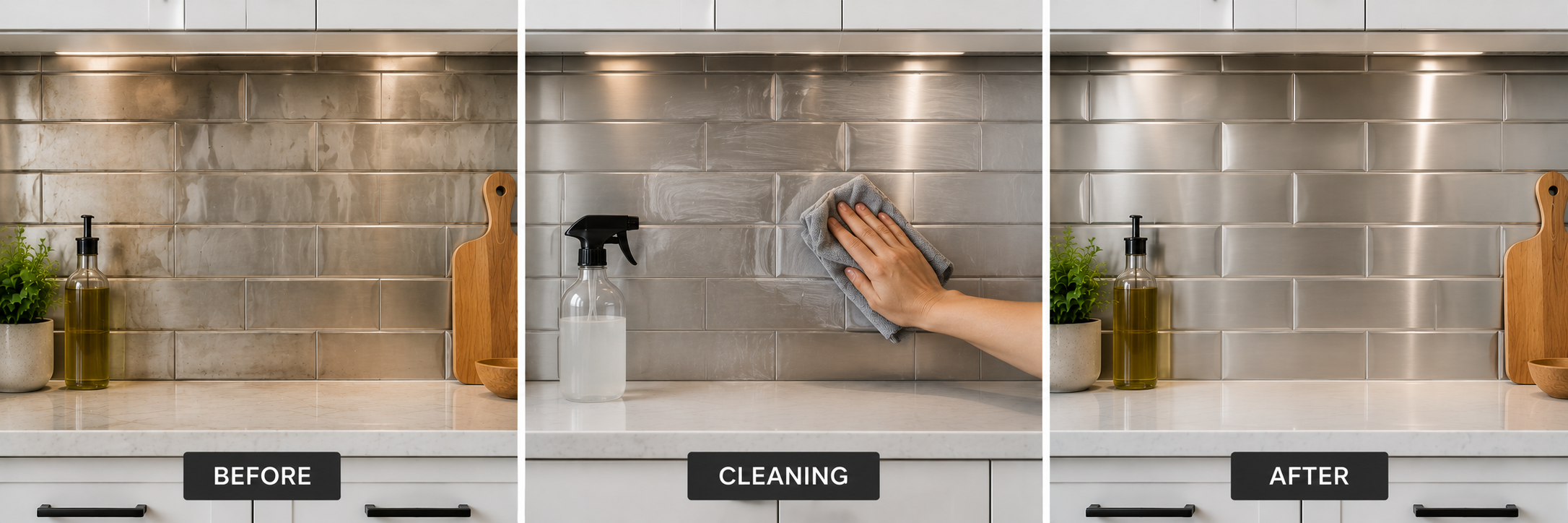
Metal tile is low-maintenance in daily use, the non-porous tile face wipes clean quickly. The key maintenance rules are material-specific: stainless steel and aluminum clean best with a microfiber cloth and a mild cleaner or stainless steel cleaner; copper and iron tiles benefit from periodic sealing. Grout selection matters significantly, always use epoxy or unsanded grout with metal tile to avoid scratching the surface. Full care guidance by metal type is available in the Metal Tile Installation and Care Guide, and our step-by-step cleaning post covers every finish in detail: How to Clean Metal Tiles: A Complete Maintenance Guide by Metal Type.
Cost
Metal tile typically sits at a higher price per square foot than standard porcelain or ceramic tile. The price range varies by metal type and format, aluminum mosaic tiles can be competitive with mid-range glass tile, while premium stainless steel or antique copper tile in larger formats represents a more significant investment. The durability and longevity of genuine metal tile, however, makes it a strong long-term value proposition.
Best For
Metal tile is the strongest choice for kitchen backsplashes in heavy-cooking environments, fireplace surrounds, bar walls, accent walls, and any space where you want a bold, unmistakably metallic finish with real-world heat resistance and easy cleaning.
Porcelain Tile Backsplash: The Case For and Against
Porcelain tile is the most widely used backsplash material in residential renovation, and with good reason. It is extremely versatile, available at virtually every price point, and suitable for an exceptionally wide range of applications inside and outside the home.
Durability and Performance
Porcelain is fired at higher temperatures than ceramic tile, producing a denser, harder material with a water absorption rate below 0.5%. It is scratch-resistant, stain-resistant, and highly impact-resistant, making it the most broadly durable of the three materials under discussion. Porcelain handles temperature changes well, is suitable for both indoor and outdoor applications, and requires no sealing in glazed formats.
For backsplash applications, porcelain is an extremely safe and reliable choice with no significant performance limitations. It can be used behind cooktops, in bathrooms, in showers, and on floors, its application range is broader than either metal or glass tile.
Aesthetics and Design Range
Porcelain tile's design range is vast. Modern digital printing technology allows porcelain to convincingly replicate the appearance of natural stone, wood, concrete, fabric, and, relevant to this comparison, even metal. Porcelain tiles with metallic finishes can achieve a similar visual effect to genuine metal tile at a lower price point and with easier installation. What they cannot replicate is the authentic weight, depth, and genuine material quality of real metal.
In terms of original design character, porcelain offers unlimited color, pattern, and texture options. It is the most design-versatile of the three materials, able to serve classic, modern, rustic, industrial, and transitional design schemes with equal effectiveness.
Maintenance
Glazed porcelain tile faces clean easily with mild detergent and water. The primary maintenance consideration is grout, grout lines in a porcelain backsplash need to be sealed periodically to prevent staining and mold, particularly in kitchen environments. Using epoxy grout eliminates this requirement, as epoxy grout is non-porous and requires no sealing. With the right grout choice, a porcelain backsplash is extremely low-maintenance long-term.
Cost
Porcelain tile is generally the most cost-accessible of the three materials across mid-range quality levels, making it the most budget-friendly path to a high-quality, durable backsplash. Premium designer porcelain tiles can reach price points comparable to metal or glass, but the entry-level range is lower than either alternative.
Best For
Porcelain is the strongest all-around choice for homeowners who want maximum design flexibility, reliable durability, and the broadest possible range of applications, particularly if budget is a factor or if the installation includes areas that see heavy moisture or foot traffic.
Glass Tile Backsplash: The Case For and Against
Glass tile brings a unique set of qualities to backsplash design, particularly its ability to reflect light and introduce color in a way that is distinct from any other tile material. It has become a cornerstone of contemporary backsplash design, particularly in kitchens that prioritize brightness and visual elegance.
Durability and Performance
Glass tile is non-porous, absorbing zero water, which makes it extremely resistant to mold, mildew, and staining at the tile face. It is durable for wall and backsplash applications and handles moisture exceptionally well, glass is rated for wet applications including shower walls and pool waterlines in appropriate formats. The primary durability consideration is edge chipping: glass tile is more susceptible to chipping or cracking at edges under direct impact than porcelain or metal. For this reason, glass tile performs best in backsplash applications where it will not encounter heavy mechanical impact.
Glass tile can also show water spots and smudges on its surface more readily than brushed metal or matte porcelain, requiring more frequent wiping in high-splash kitchen environments near the sink.
Aesthetics and Design Range
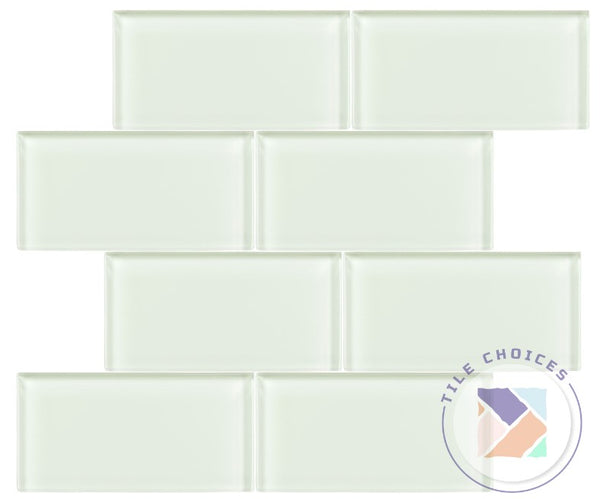
Glass tile's defining aesthetic quality is its luminosity. Translucent and semi-translucent glass tiles allow light to pass through and reflect off the wall behind them, creating a depth and shimmer that no other material achieves. Glass tile is also available in the widest color range of the three materials, from pure whites and neutrals to vivid blues, greens, and custom colors, making it the most powerful tool for introducing color into a backsplash design.
Glass tile's reflective surface actively brightens a kitchen by bouncing both natural and artificial light around the room, making it an especially valuable choice for smaller or darker kitchens. It is available in mosaic, subway, and linear formats and mixes beautifully with natural stone and metal for layered designs.
Maintenance
Glass tile faces clean very easily, a glass cleaner or a solution of warm water and mild soap applied with a soft cloth removes most kitchen grime quickly. The main maintenance note is fingerprints and water spots, which show more readily on glossy glass tile than on most other backsplash materials. In kitchen environments near the sink, glass tile backsplashes may require more frequent wiping than metal or matte porcelain alternatives to keep looking their best.
Cost
Glass tile spans a wide price range. Recycled glass mosaic tiles can be competitively priced relative to mid-range metal tile, while premium handcrafted or custom-color glass tile can be among the most expensive backsplash options available. Installation cost is also worth noting: glass tile requires professional installation in most cases, as precise alignment, the right adhesive, and careful grout selection are critical to the finished result.
Best For
Glass tile is the strongest choice when the primary design goal is brightness, color, or a light-reflective, luminous quality, particularly in smaller kitchens, bathrooms, or any space where amplifying natural light is a priority. It is also the best choice when you want to introduce a specific color into a backsplash that ceramic or metal tile cannot achieve.
Side-by-Side Comparison: Metal vs. Porcelain vs. Glass
Heat Resistance
Metal tile is the strongest performer behind high-output ranges and professional cooktops. Porcelain is reliable for standard residential applications. Glass tile is suitable for standard residential cooktops but requires more caution in high-heat, direct-exposure scenarios.
Water Resistance
All three materials are non-porous at the tile face. Glass tile has the widest wet-application suitability (including shower walls and pools in appropriate formats). Metal tile has the most restrictions in constant-moisture applications, particularly copper and iron types.
Ease of Cleaning
Metal and glass tile are both very easy to clean at the tile face. Metal tile has an edge in heavy-cooking environments. Glass shows water spots and smudges more readily. Porcelain is easy to clean at the tile face but requires attention to grout maintenance unless epoxy grout is used.
Design Uniqueness
Metal tile produces the most distinctive and unmistakably unique result, a genuine metallic surface that no other material fully replicates. Glass tile offers the greatest color range and luminosity. Porcelain offers the broadest overall design range including realistic replications of stone, wood, and metal.
DIY Friendliness
Porcelain is the most DIY-friendly of the three. Metal tile has specific requirements (saw type, grout selection, caulk at perimeters) that make professional installation strongly recommended for complex projects. Glass tile typically requires professional installation due to precise alignment and adhesive requirements.
For a comprehensive guide on making the backsplash installation decision, see DIY vs. Professional Backsplash Installation: Which Is Best?
How to Mix Materials for a Custom Backsplash
The most effective backsplashes are often not single-material installations, they are thoughtfully curated combinations that take advantage of what each material does best. Metal liner tiles integrated into a porcelain or natural stone backsplash add a metallic accent detail that elevates the entire installation. Glass mosaic inserts in a stainless steel tile field create an interplay of light and texture. Antique copper pencil strips framing a neutral porcelain wall add warmth and color that the base tile alone could not deliver.
When mixing materials, the guiding principle is one dominant material with one or two deliberate accents, not equal competition between materials. For detailed guidance on material and pattern mixing, see Master Mixing Tile Patterns for Stunning Spaces.
Shop by Material
Ready to explore your options? Browse the full collections at Tile Choices:
- Metal Tiles — Stainless steel, antique copper, aluminum, brushed gun metal
- Stainless Steel Tiles
- Antique Copper Tiles
- Aluminum Tiles
- Brushed Gun Metal Tiles
Samples ship free on most products, always a smart first step before committing to a full purchase.
Want to go deeper on a specific material? Read our full design and installation guide for stainless steel tile backsplashes, or our complete care guide for cleaning and maintaining every metal tile type.