Shop Shower Floor Tiles by Style & Material
Every shower is different. Whether you’re remodeling a master bath into a spa retreat or refreshing a guest shower on a budget, the right tile is here. Browse by the styles and shapes that suit your vision.
Popular Shower Floor Tile Styles
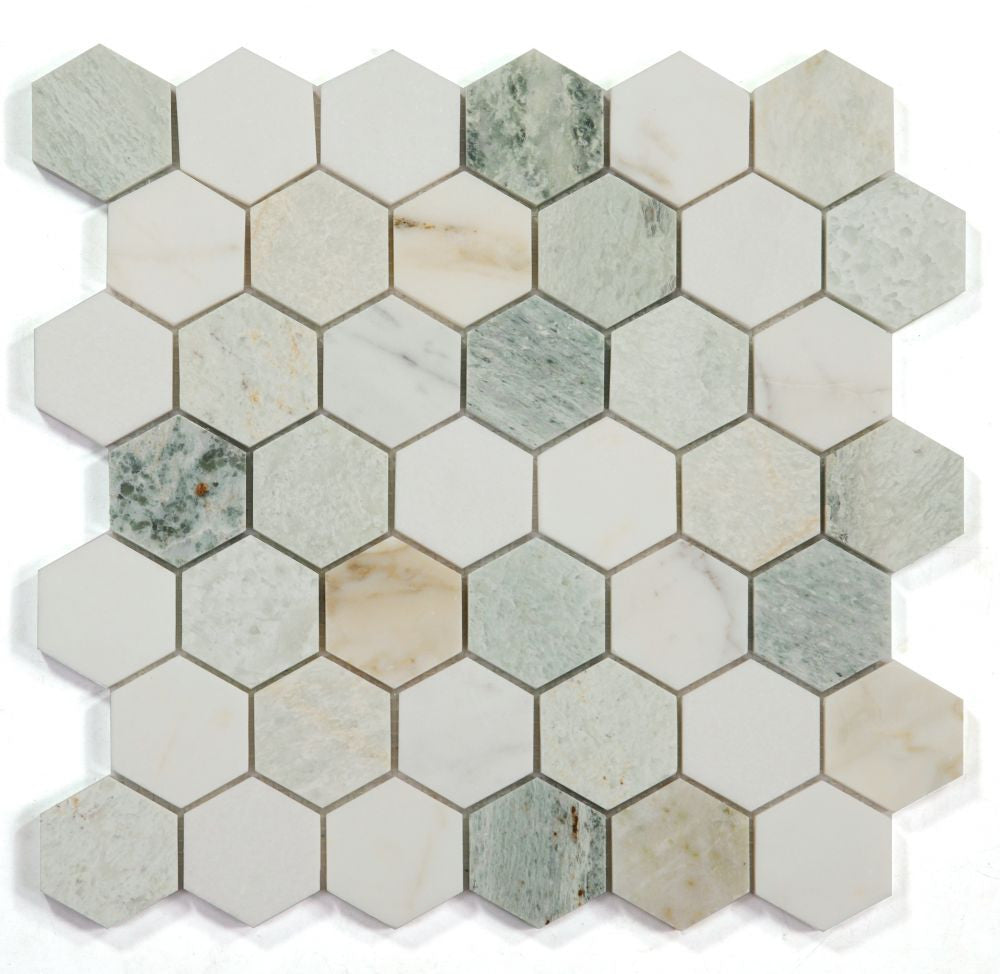
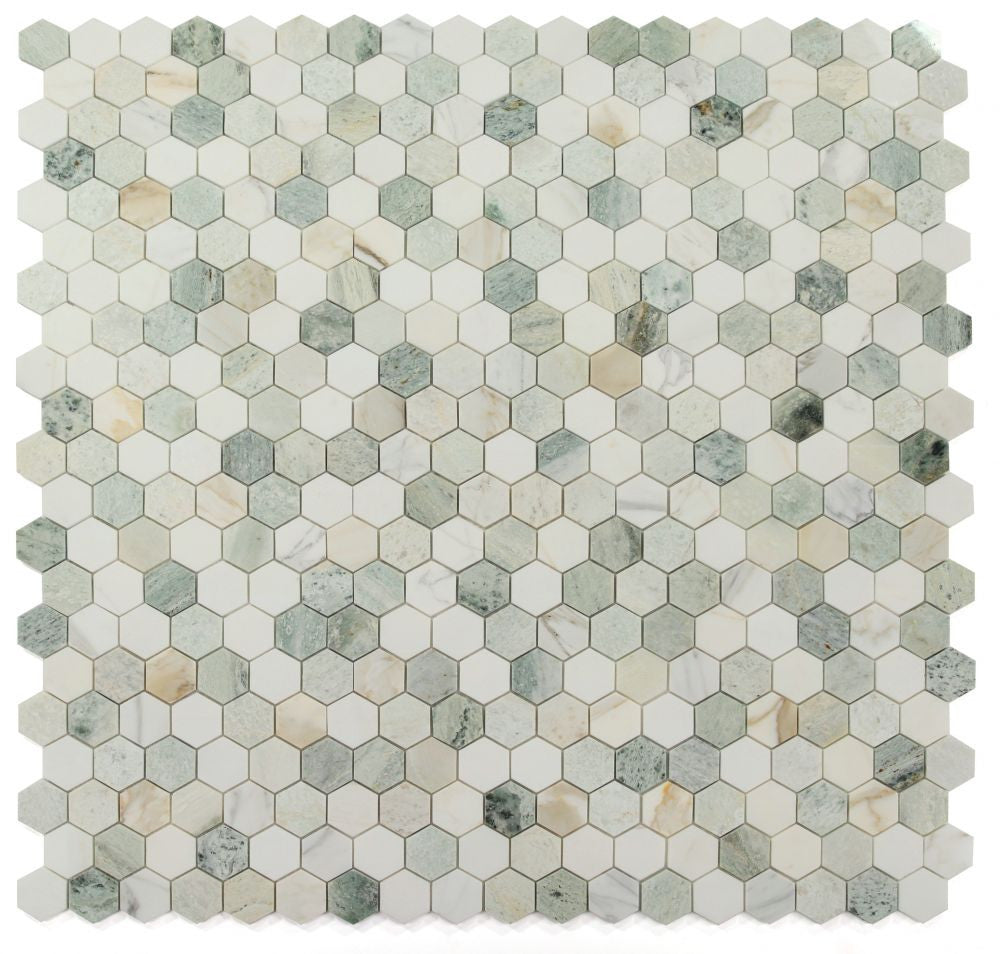
Hexagon Shower Floor Tiles
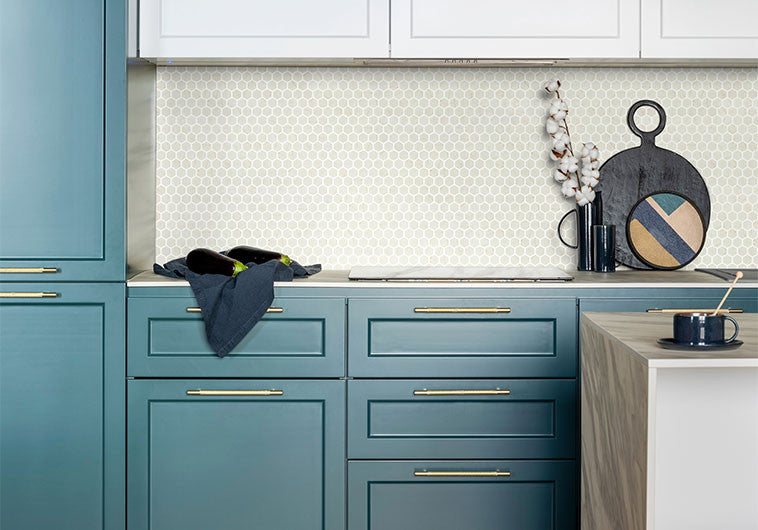
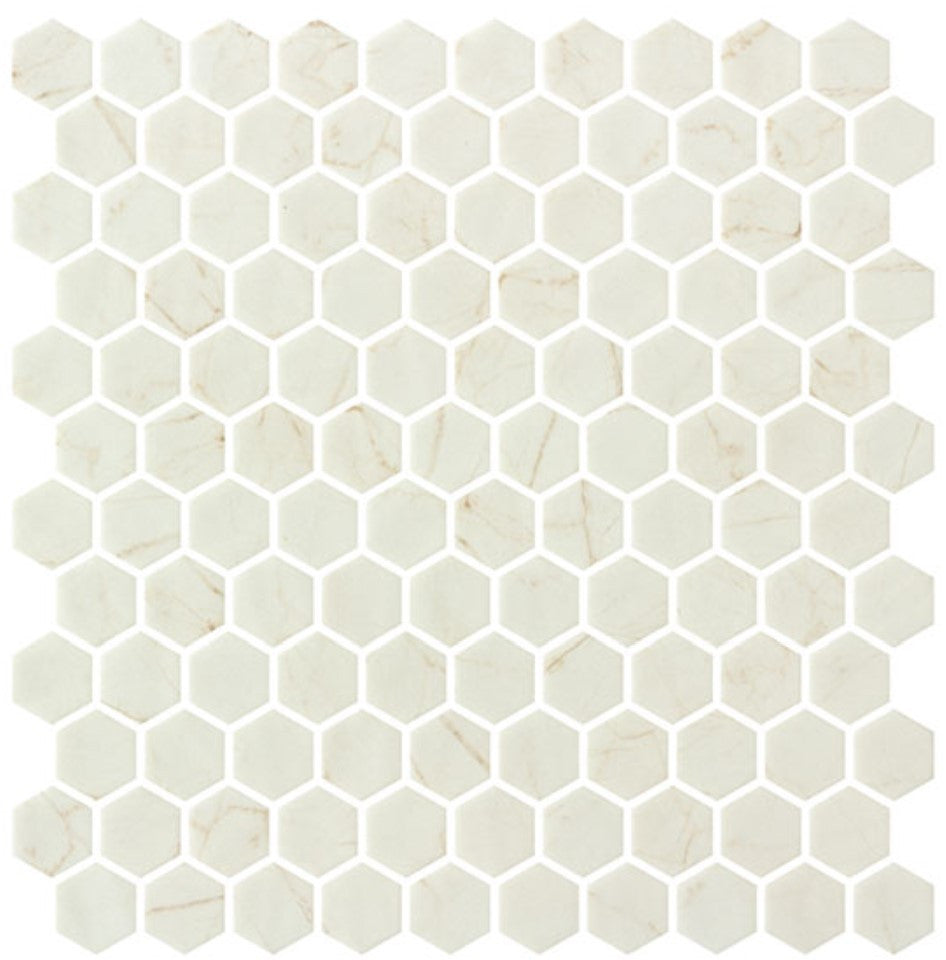
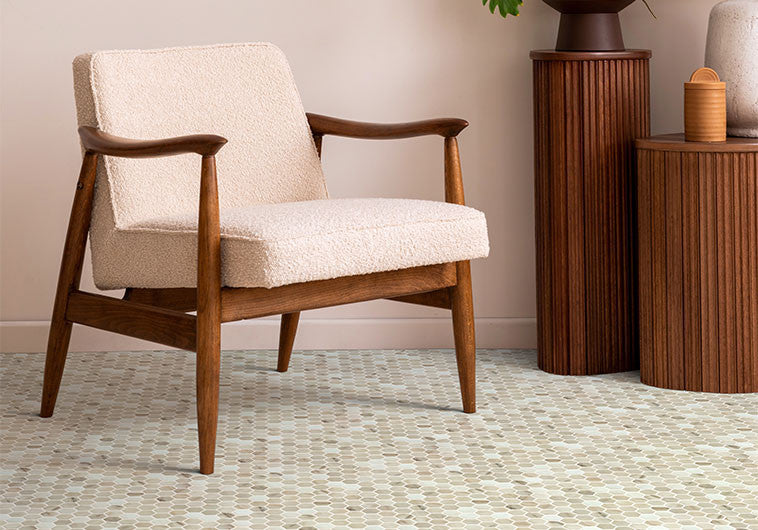
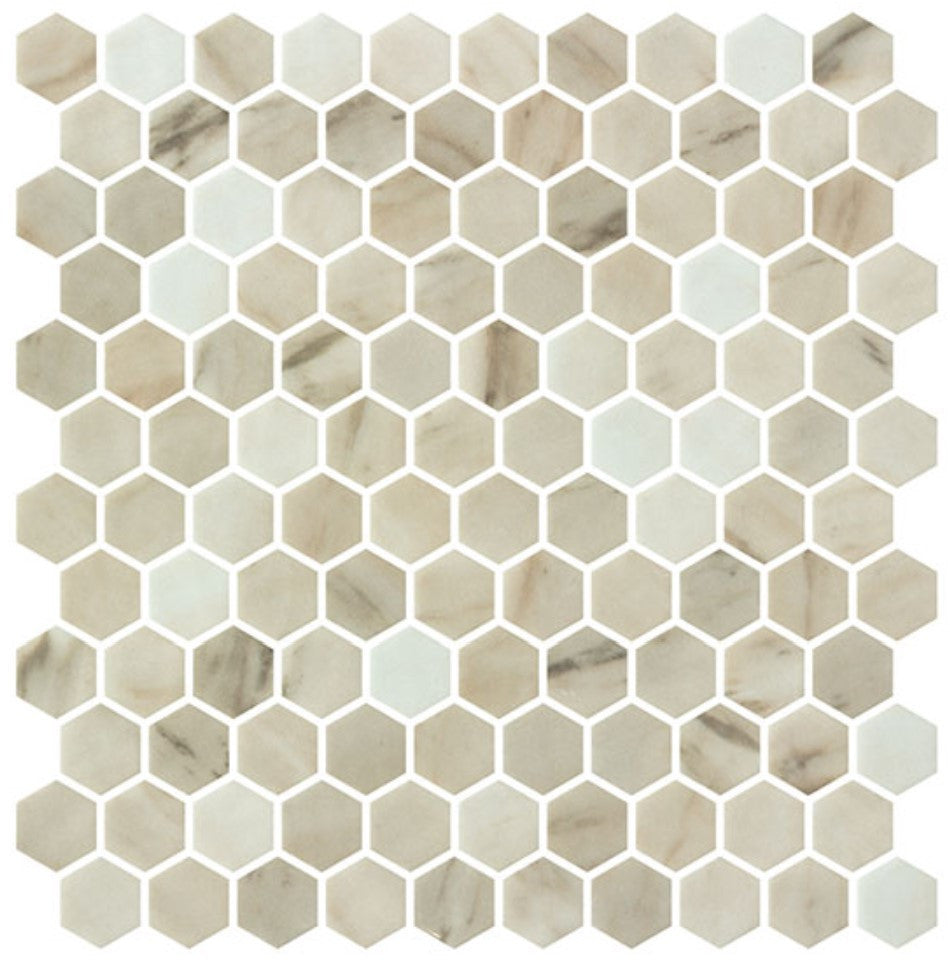
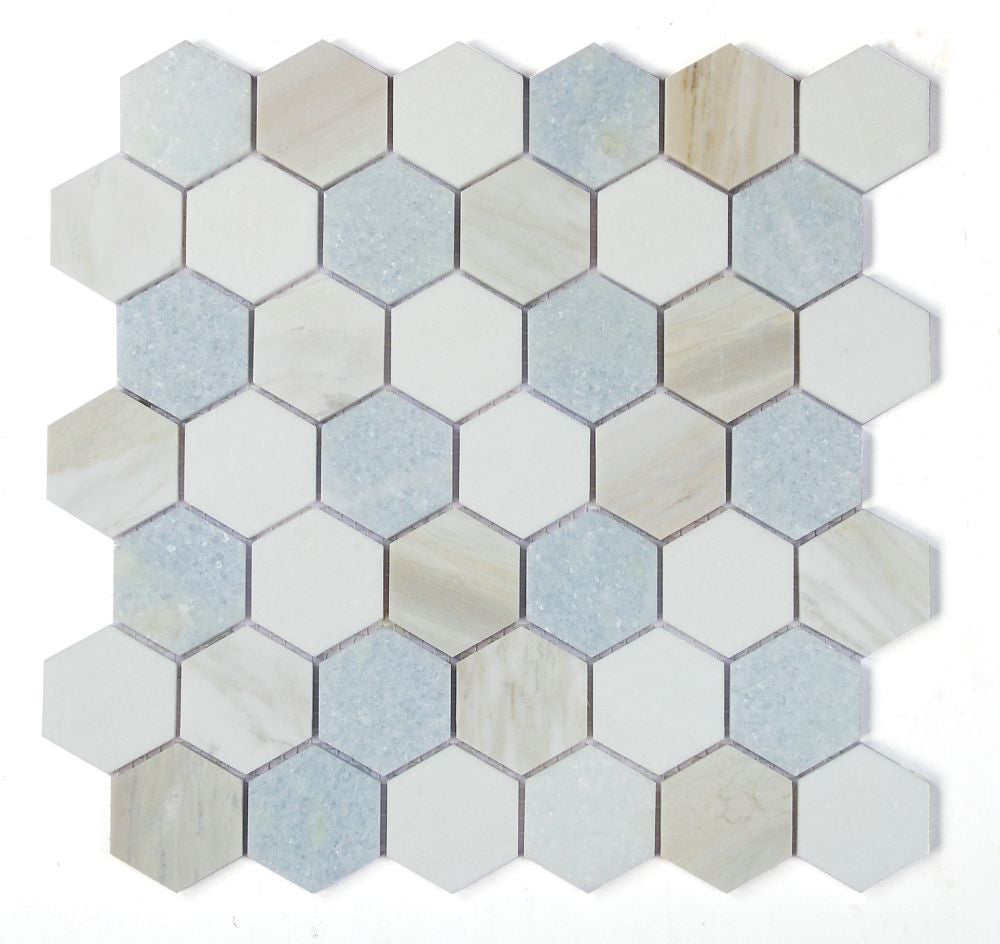
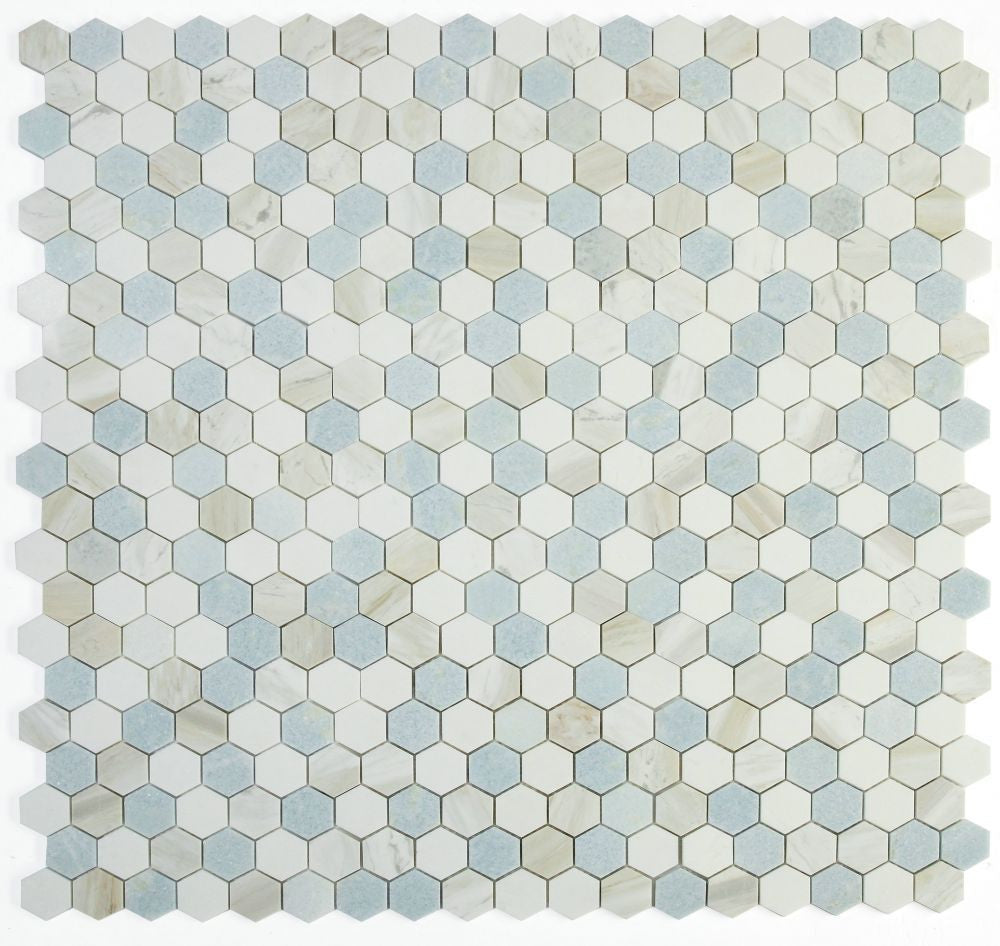
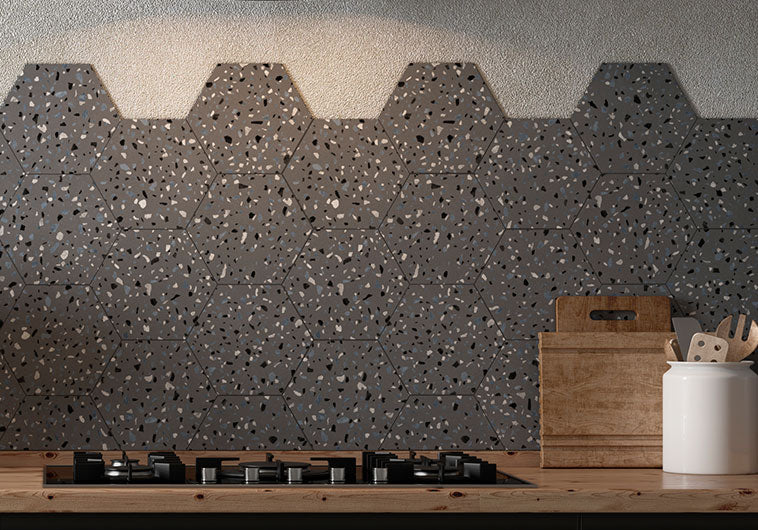
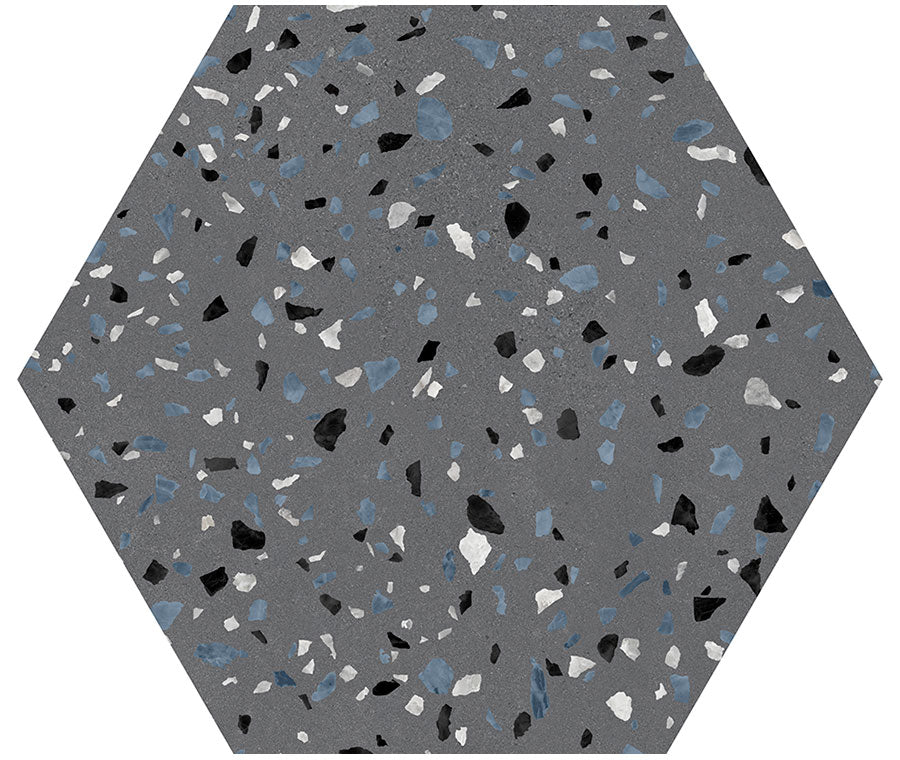
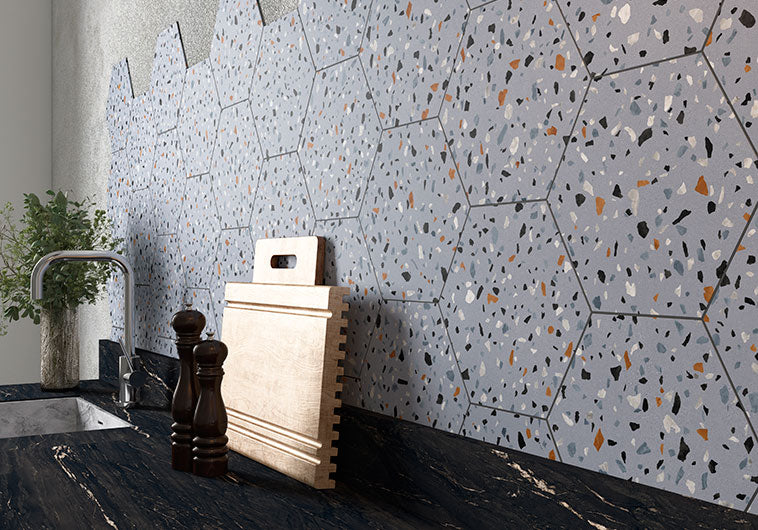
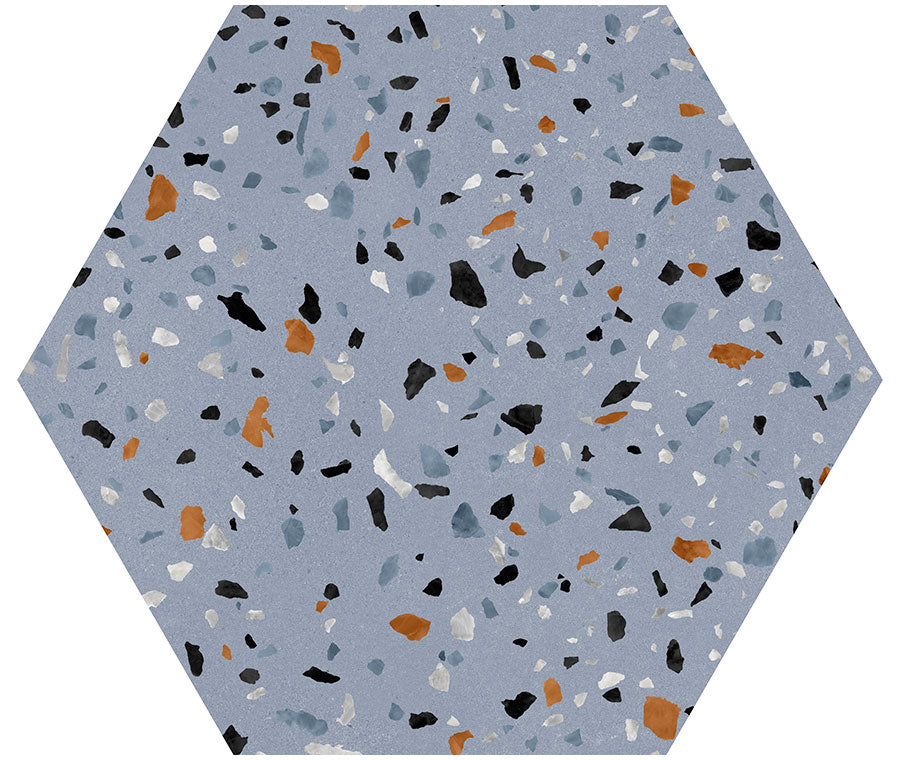
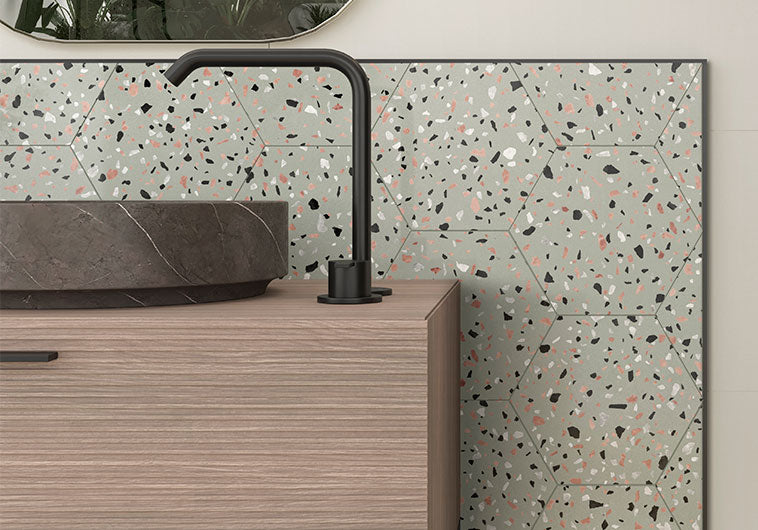
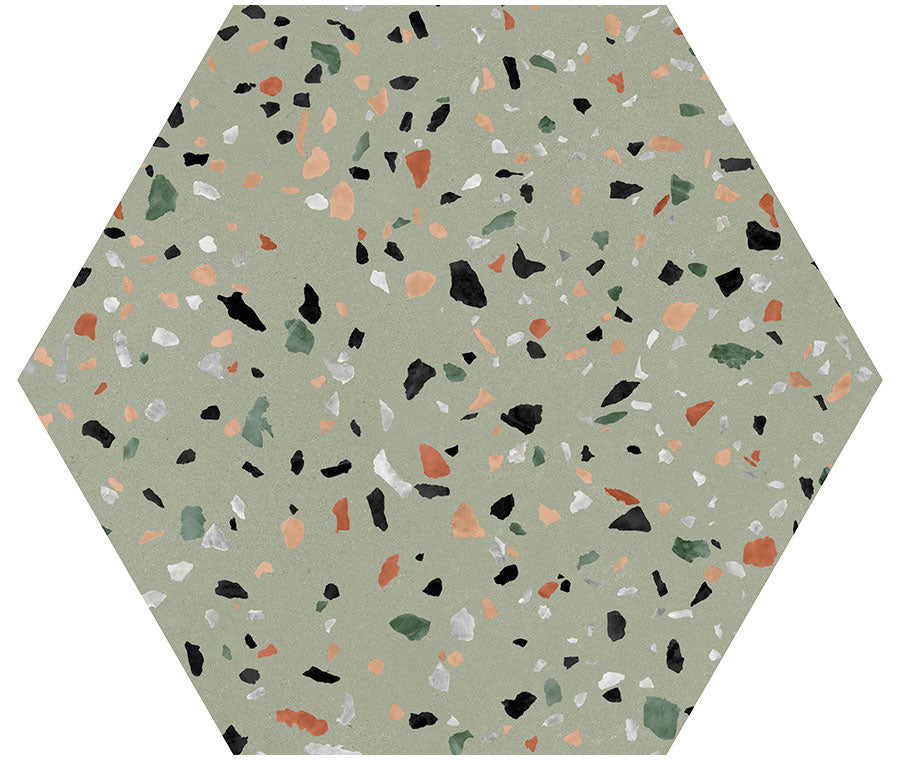
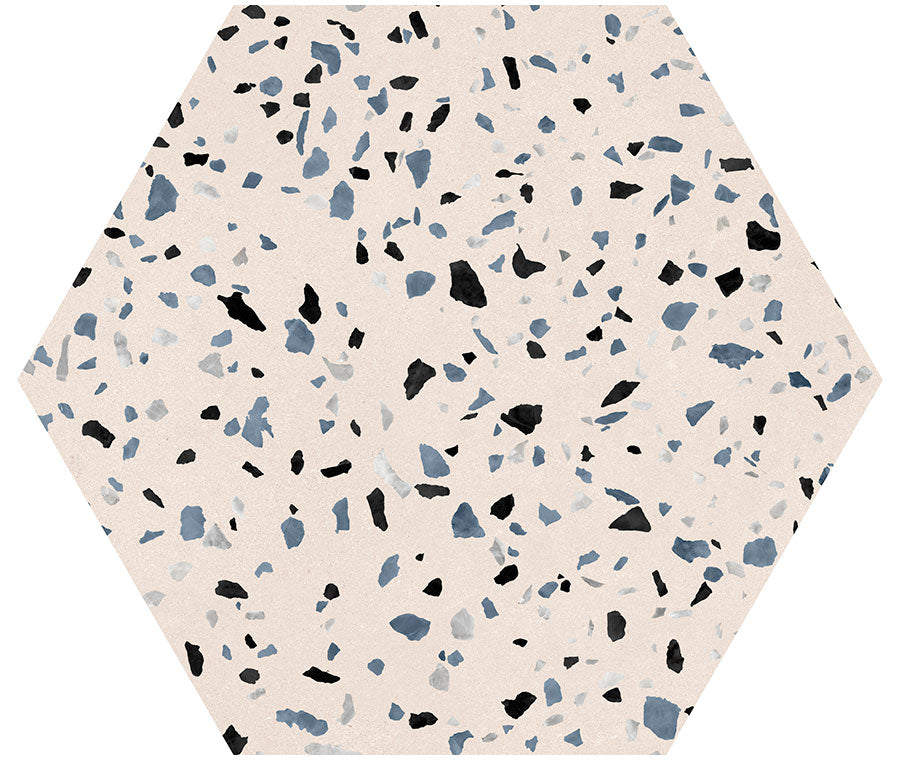
Hexagonal tiles are one of the most popular shapes for shower floors right now — and for good reason. Their geometry creates a visually dynamic surface while the numerous grout joints provide excellent traction. Available in porcelain, marble, and glass. Shop Hexagon Tiles →
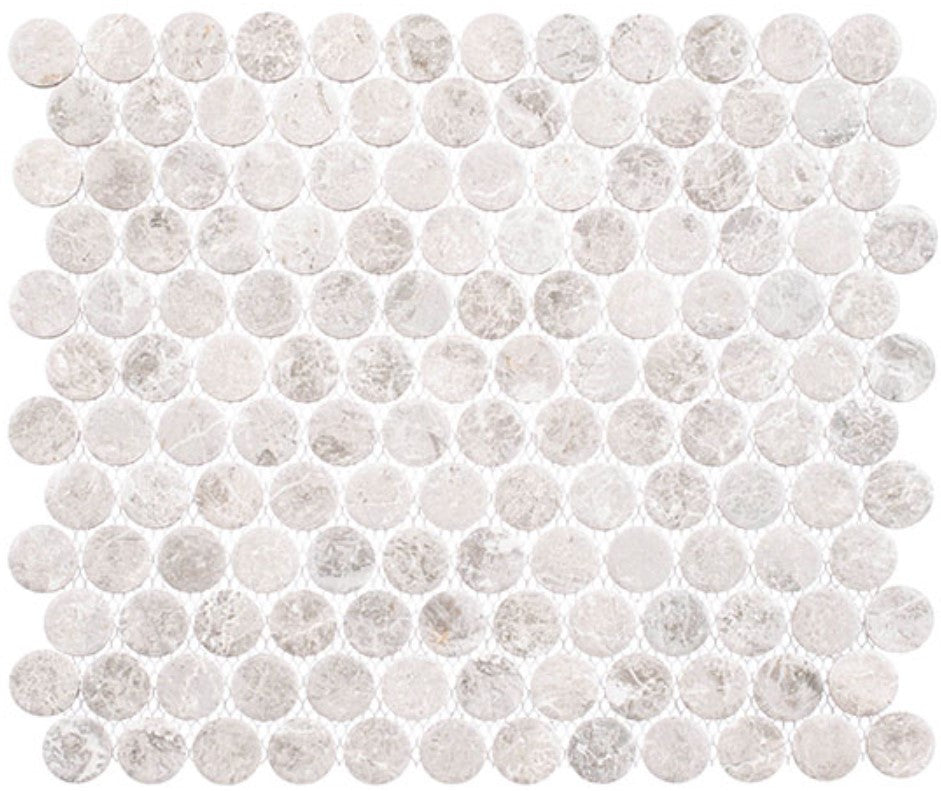
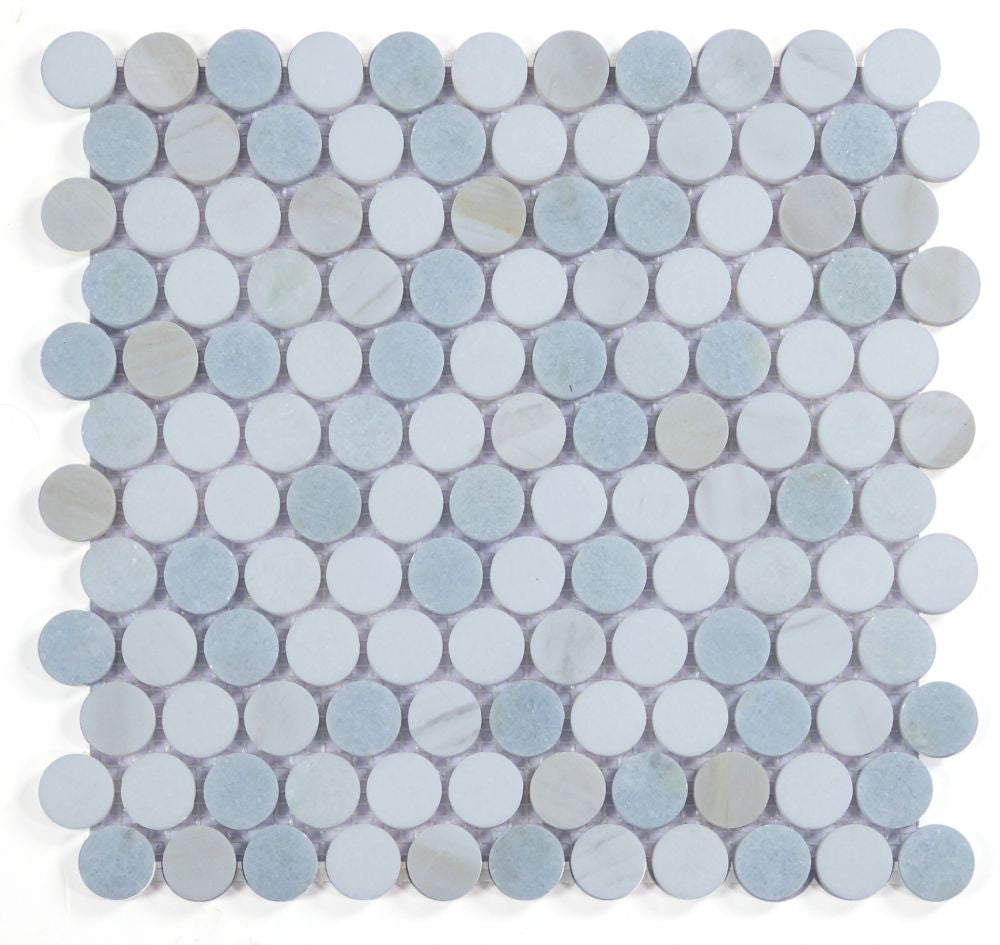
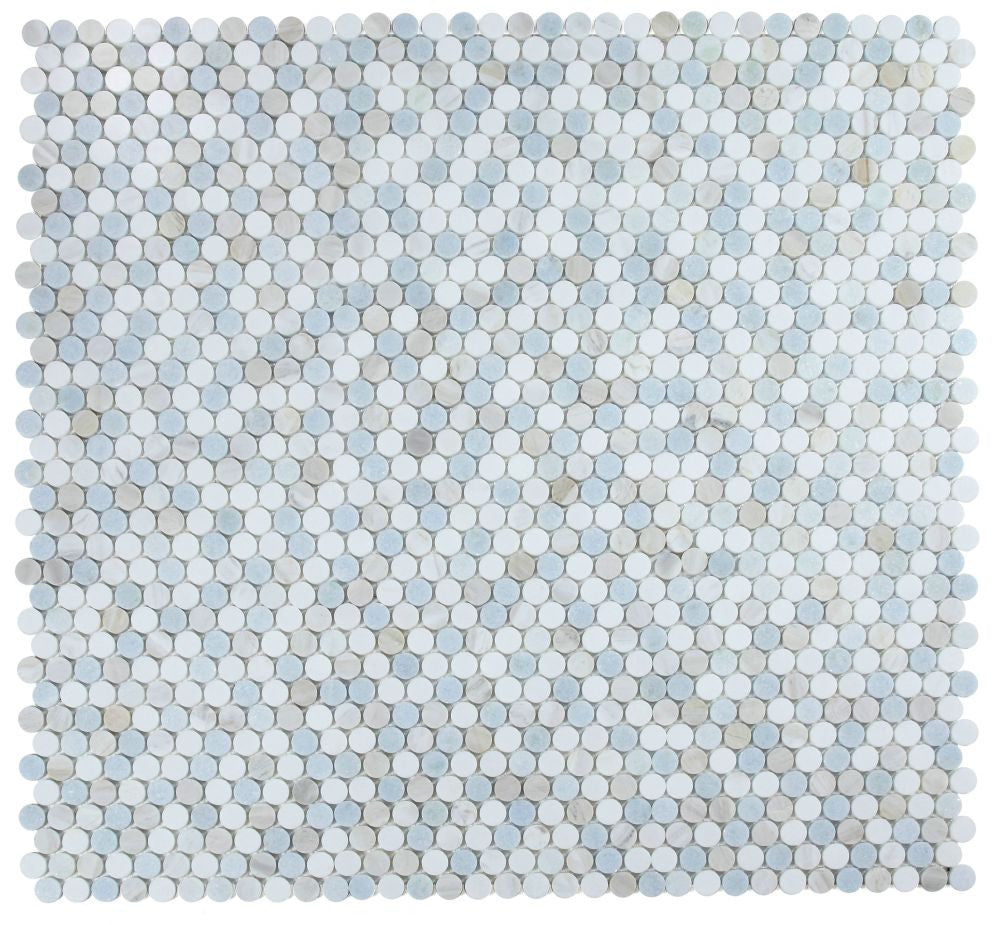
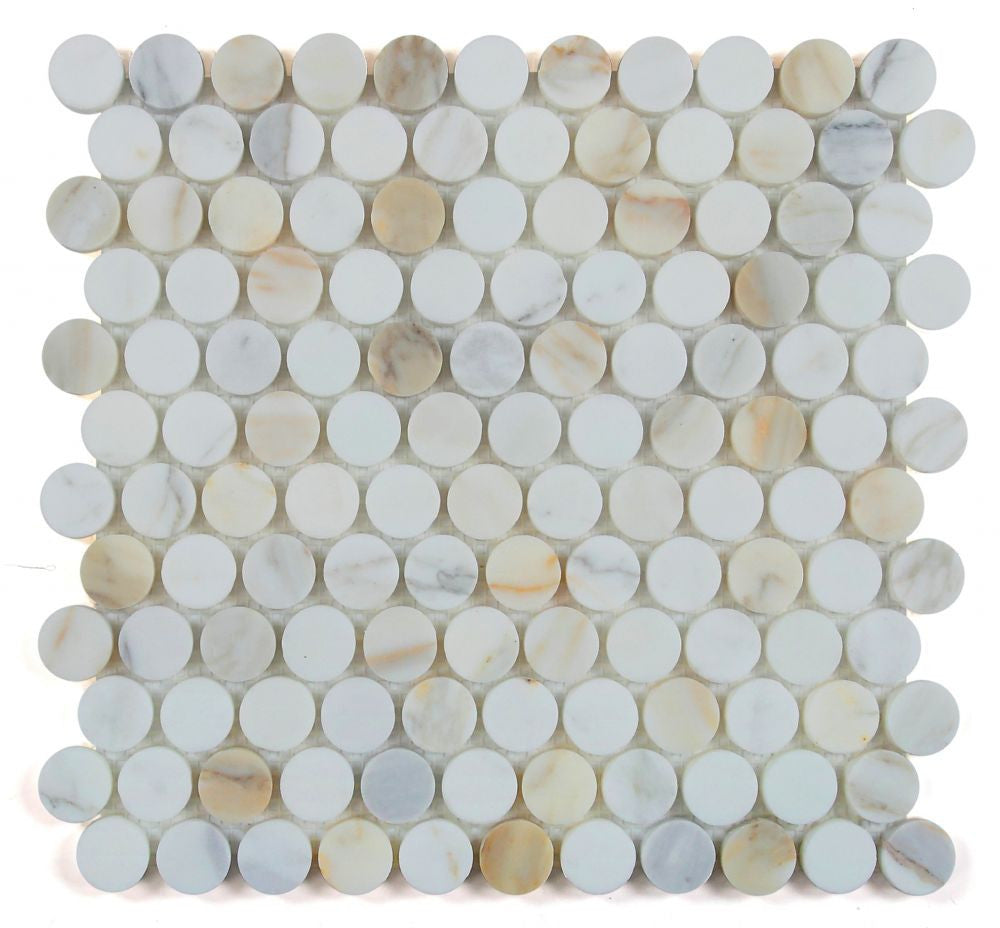
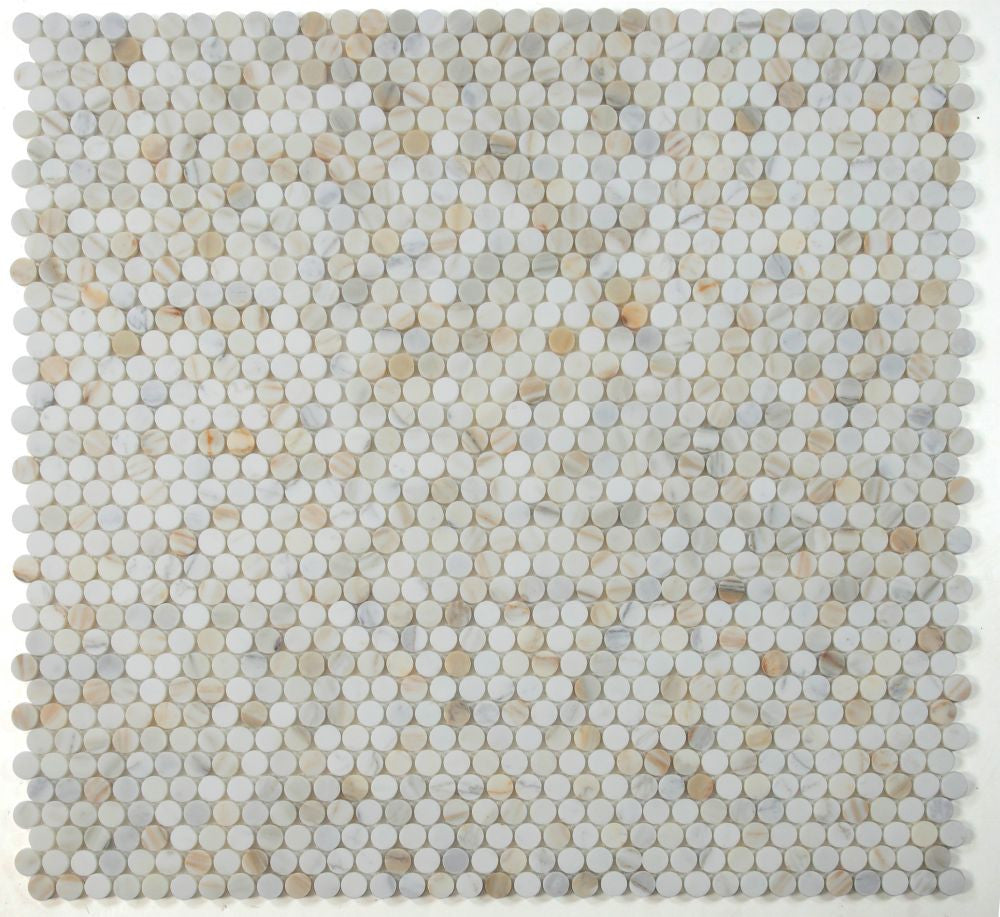
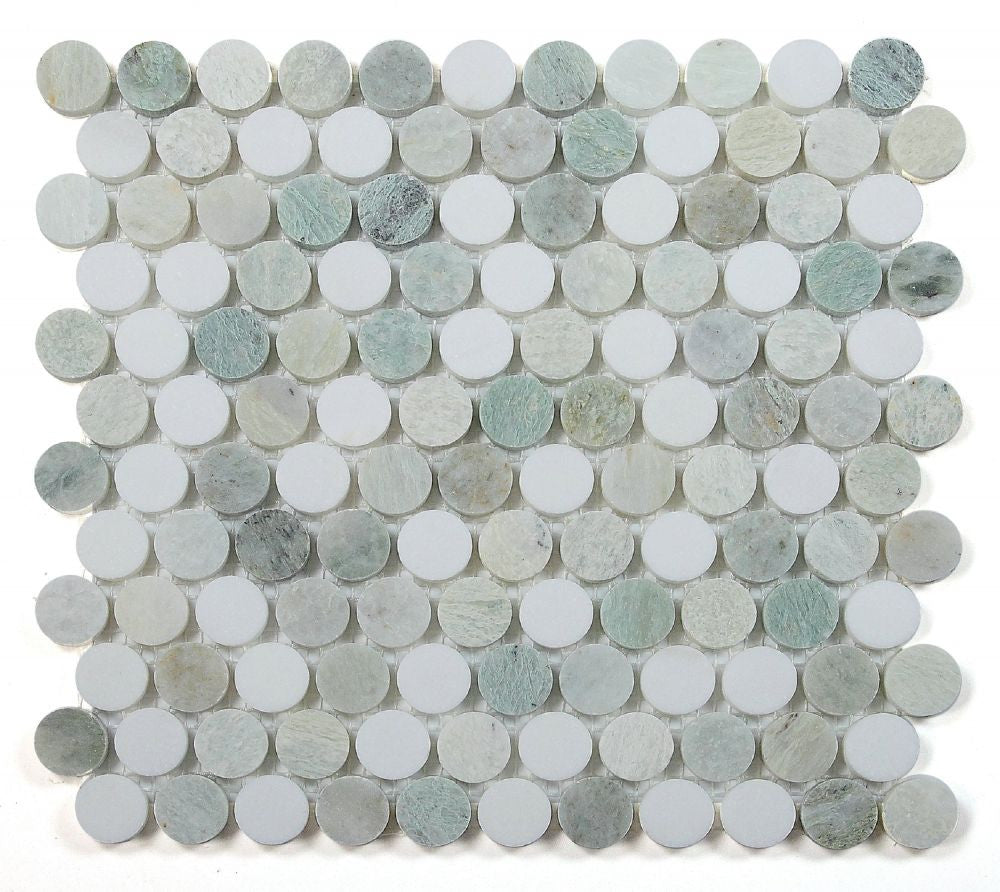
Penny Round Shower Floor Tiles
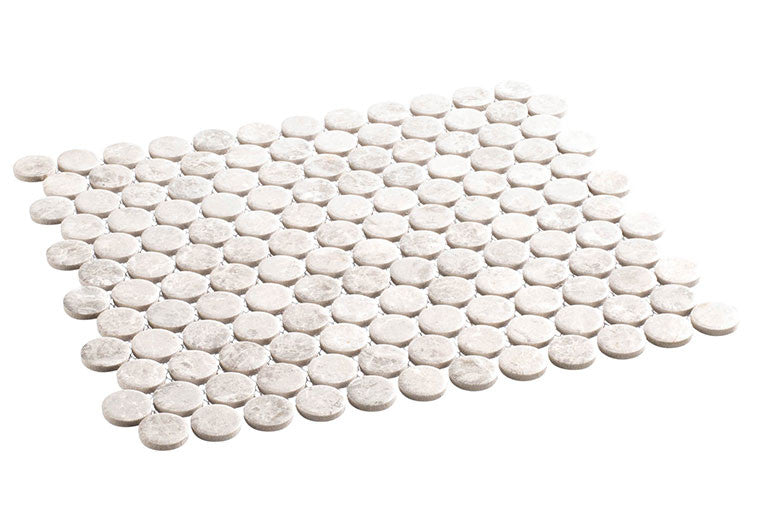
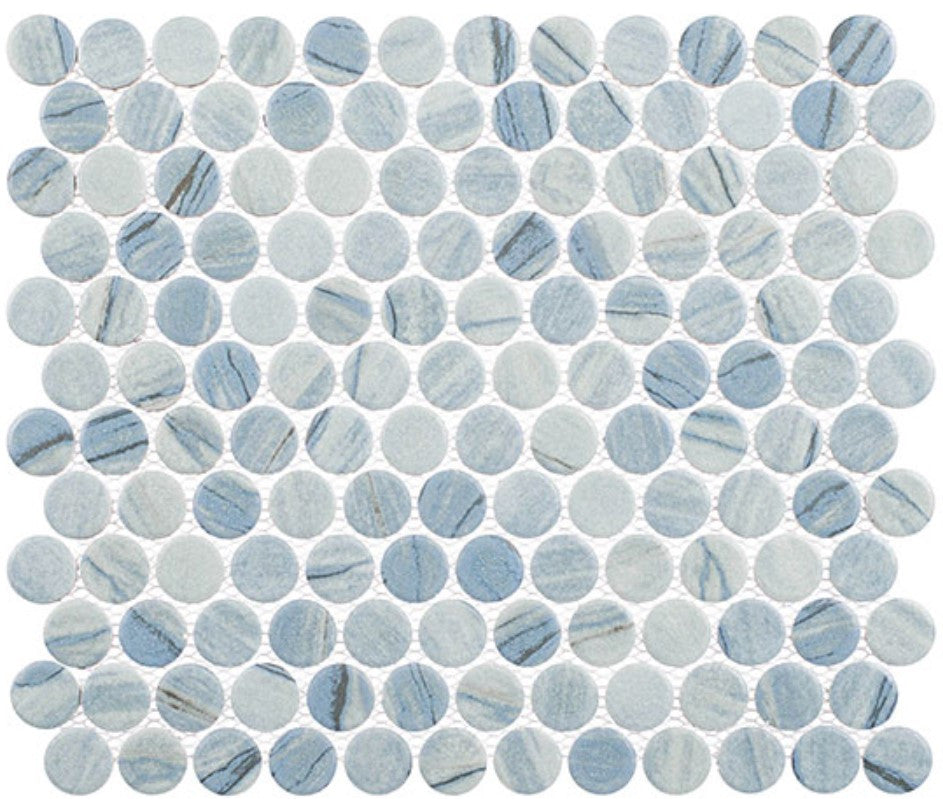
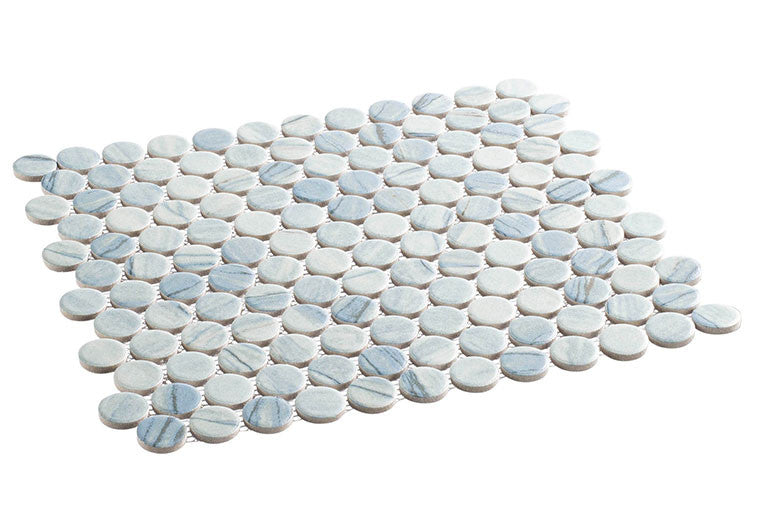
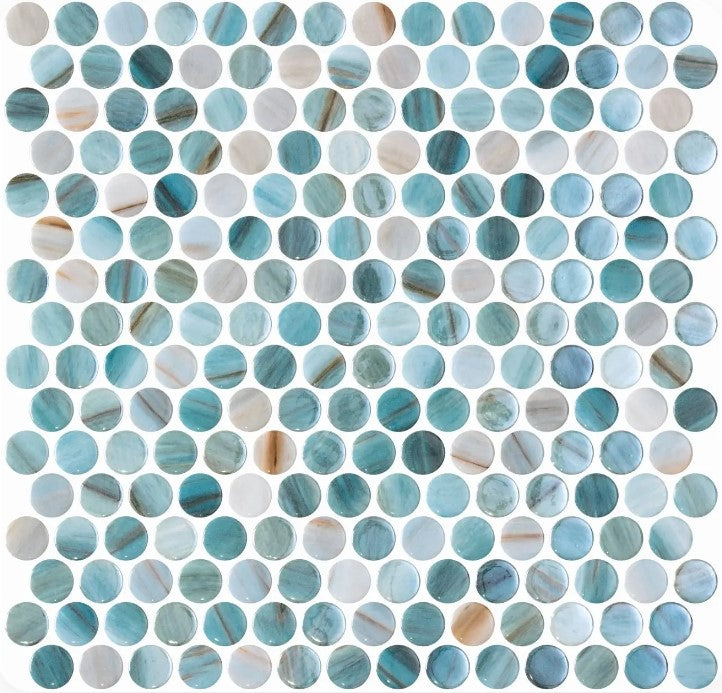
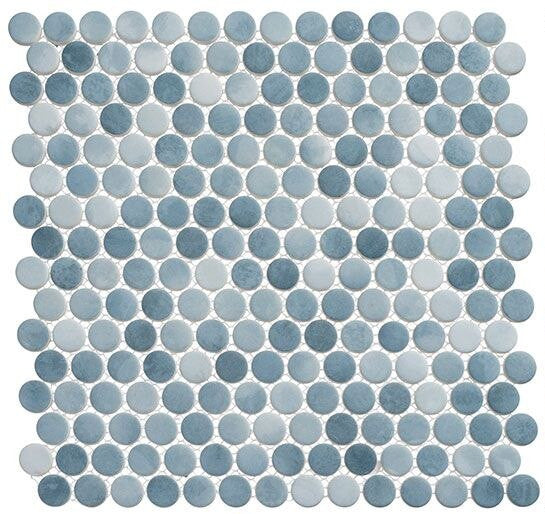
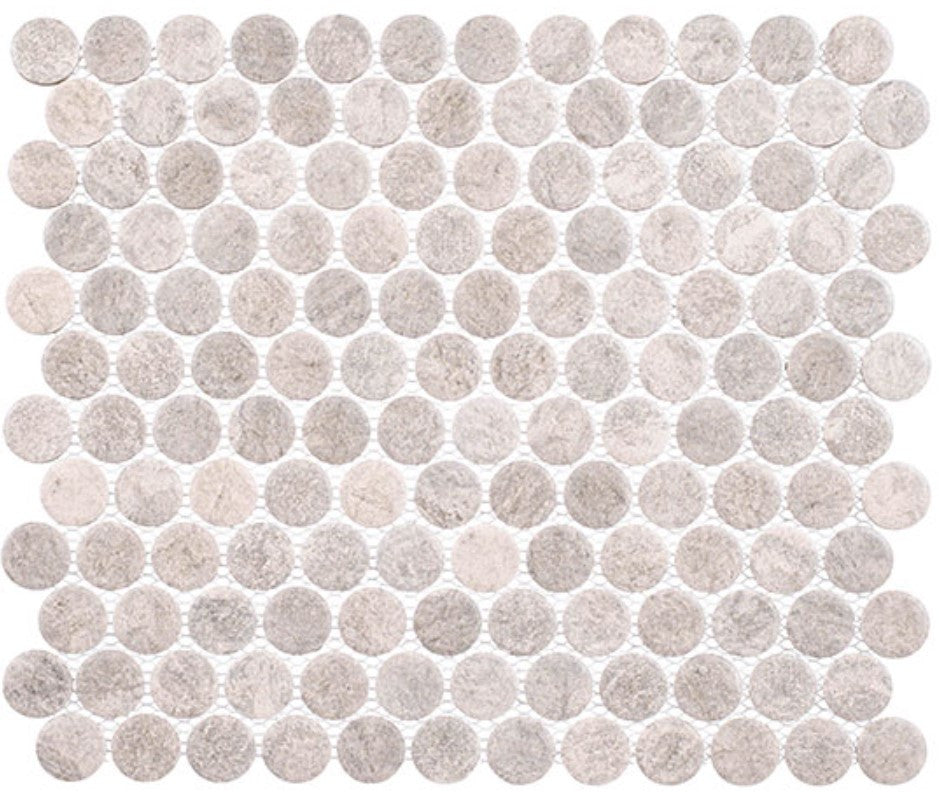
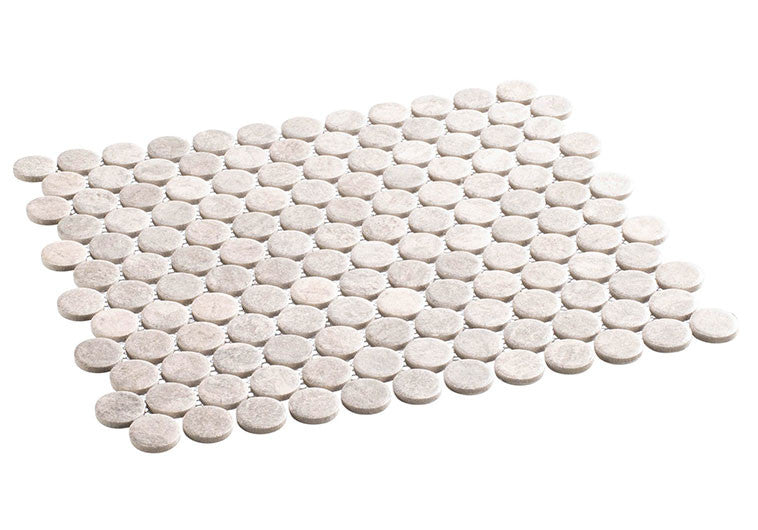
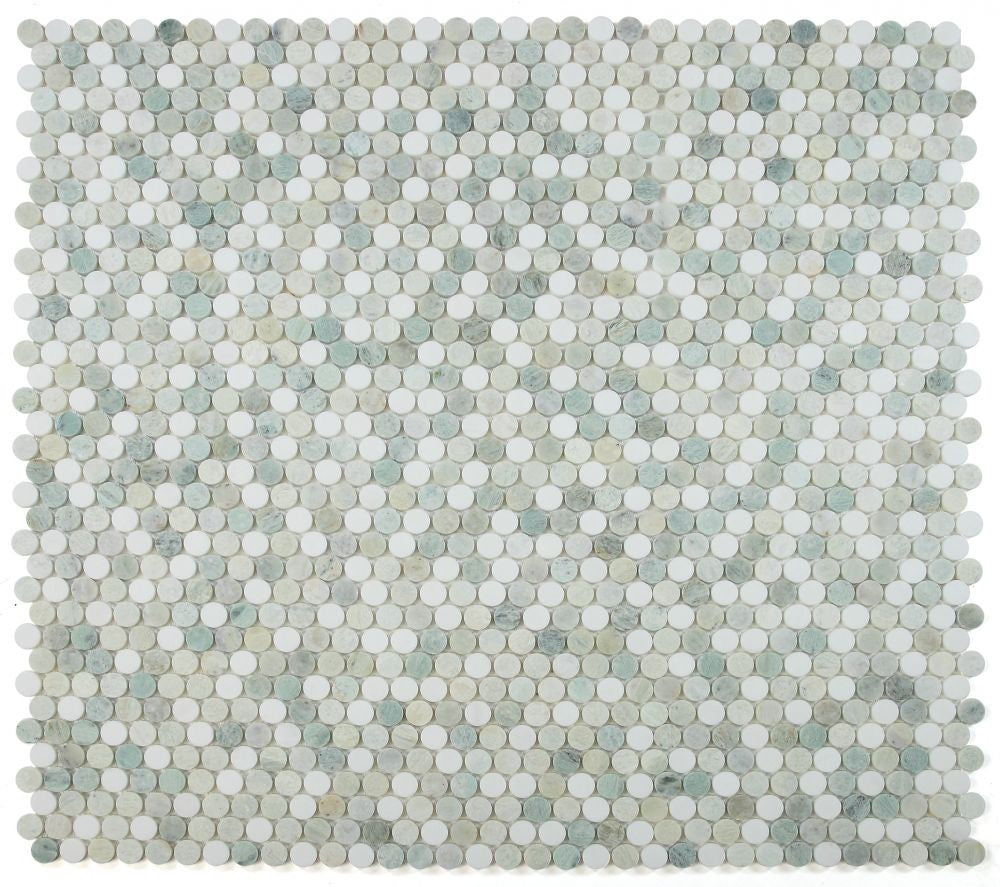
Small, circular, and charming — penny rounds have been a bathroom staple for over a century because they work. Their size maximizes grip on wet surfaces and the shape adapts perfectly to shower floor slopes. Shop Penny Round Tiles →
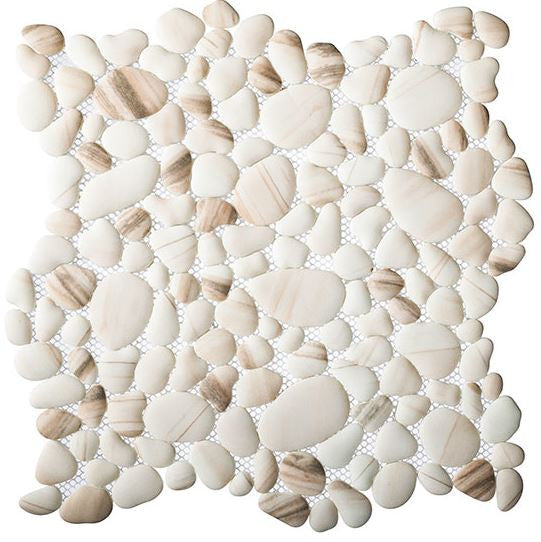
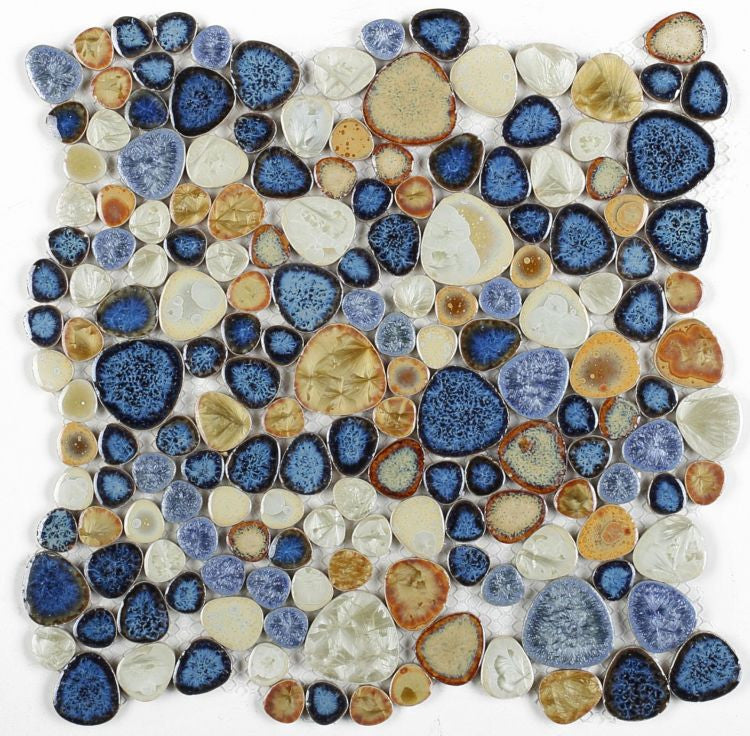
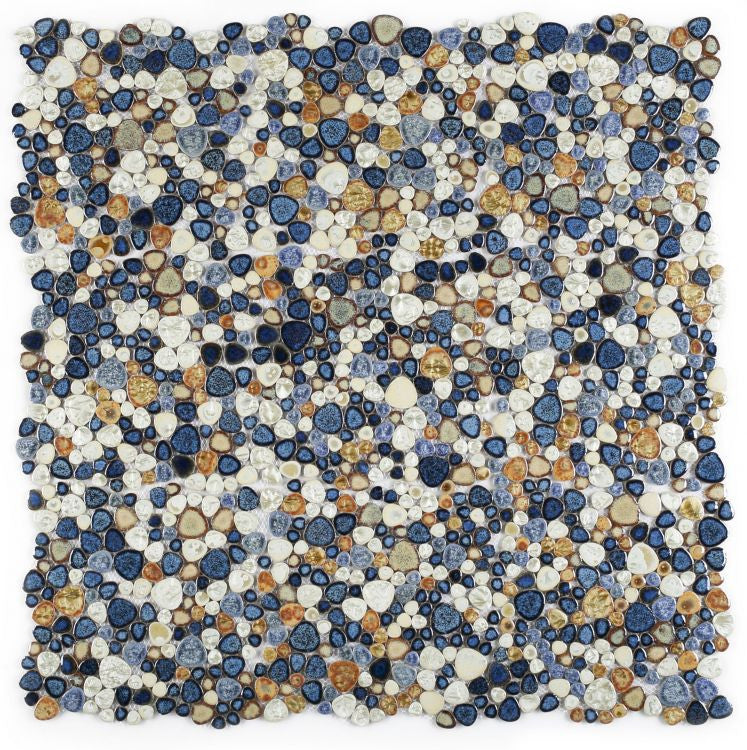
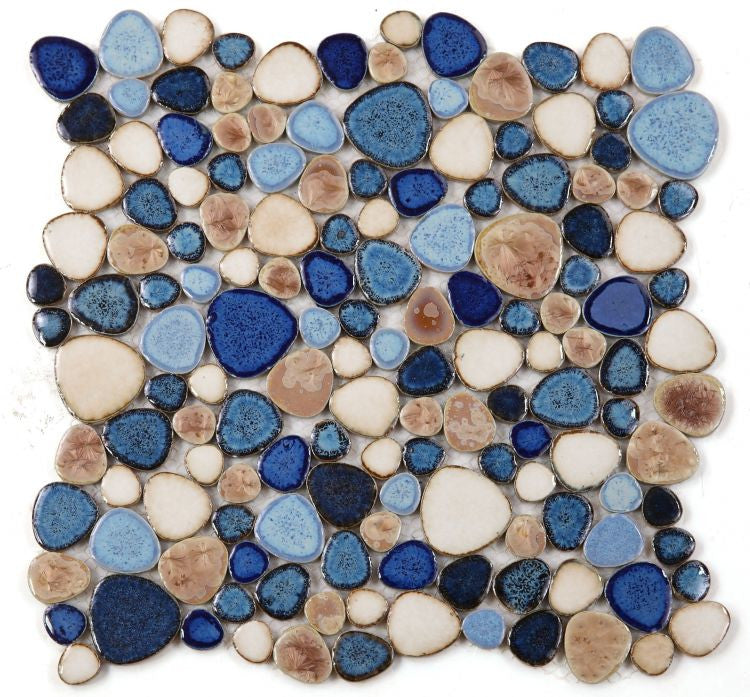
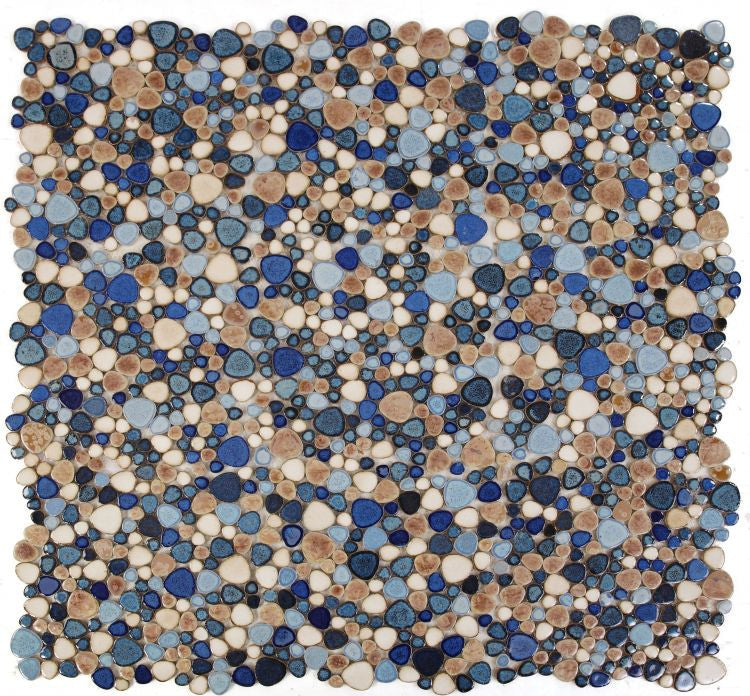
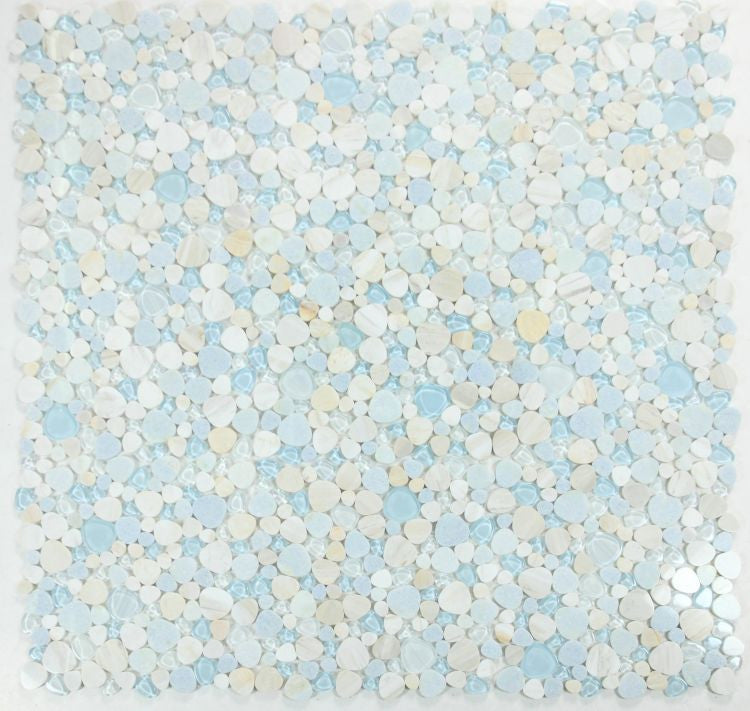
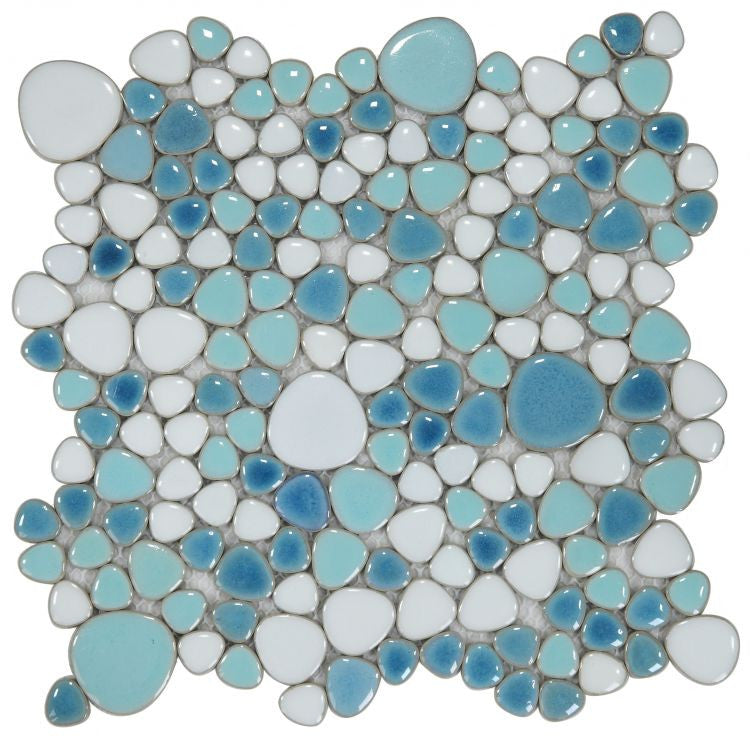
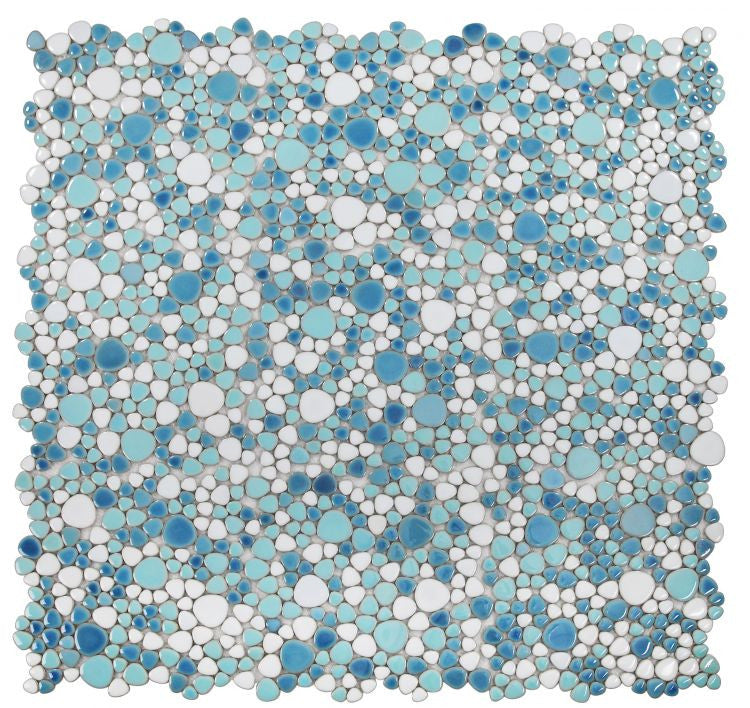
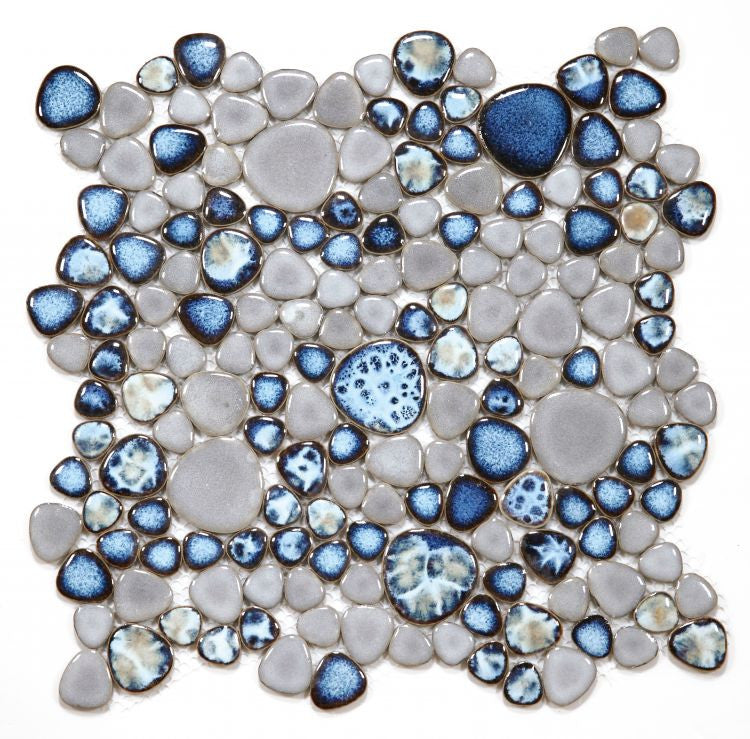
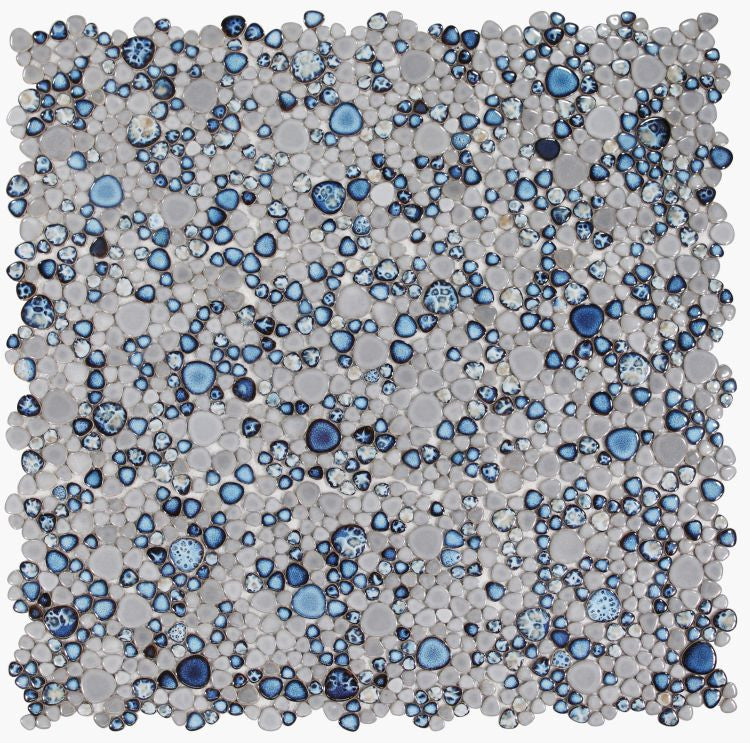
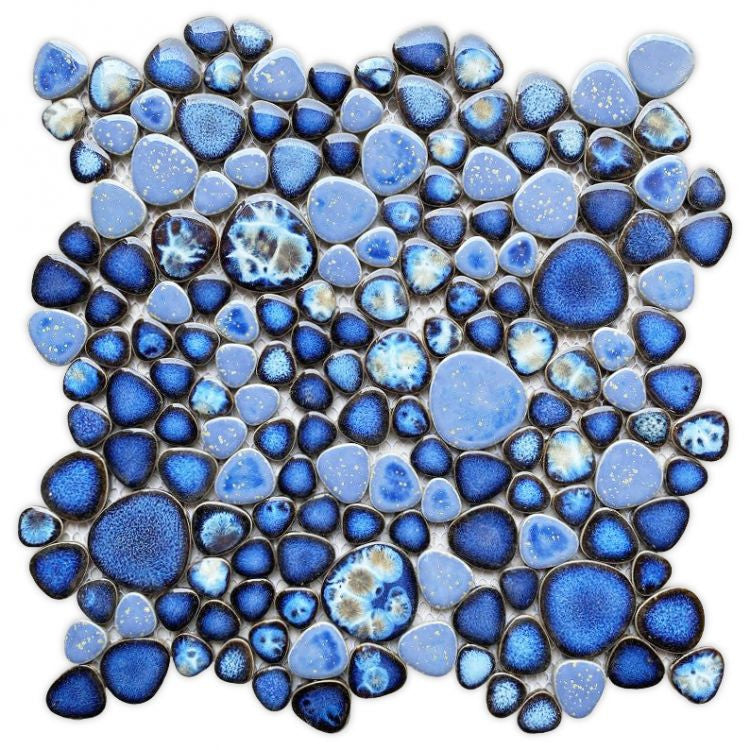
Pebble Shower Floor Tiles
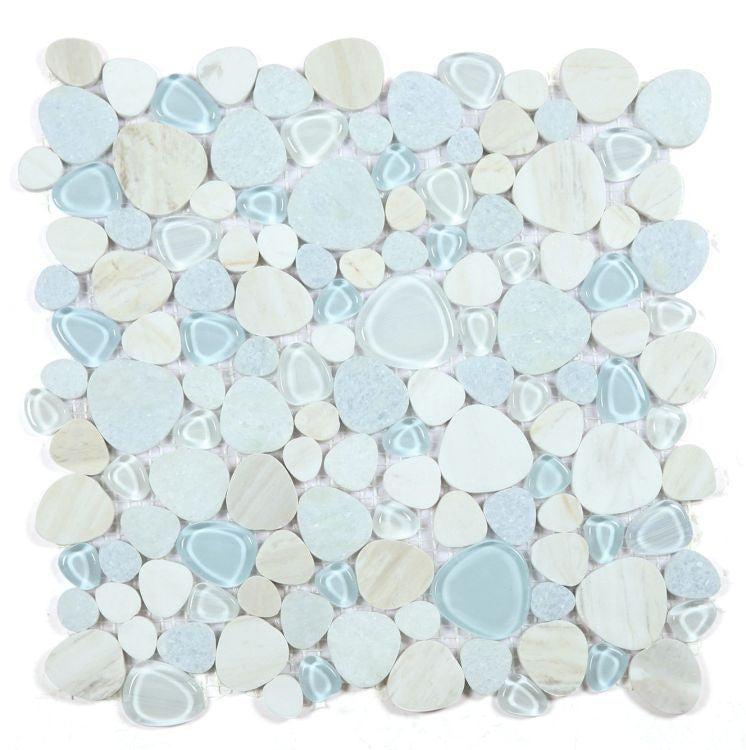
Natural river pebbles mounted on mesh sheets give you a spa-style shower floor that massages your feet and drains beautifully. Highly slip-resistant and uniquely organic — no two floors look exactly the same. Shop Pebble Tiles →
Basketweave Shower Floor Tiles
A classic pattern that’s been gracing bathroom floors for generations. Basketweave tiles bring timeless visual interest to a shower floor and pair beautifully with subway tile walls. Shop Basketweave Tiles →
Herringbone Shower Floor Tiles
The diagonal, interlocking pattern of herringbone tiles creates a sense of movement and dimension that flat-laid tiles can’t match. Works equally well in a neutral white or a bold contrasting color. Shop Herringbone Tiles →
Slip Resistance & Safety: What You Need to Know
Slip resistance is measured by a tile’s Dynamic Coefficient of Friction (DCOF). For wet floor applications like showers, the ANSI A137.1 standard recommends a DCOF of 0.42 or higher. All tiles in our shower floor collection meet or exceed this threshold, but if you have specific safety requirements — such as for elderly family members or ADA compliance — our team can help you find the best match.
Practically speaking: matte and textured finishes outperform glossy finishes in wet conditions. Smaller tiles with more grout joints outperform large-format smooth tiles. Pebble tiles and mosaic tiles are naturally among the most slip-resistant options available.
Shower Floor Tile Installation Tips
Waterproofing First
Before any tile goes down, your shower floor needs a proper waterproof membrane — either a sheet membrane or a liquid-applied system. No tile or grout is 100% waterproof on its own. Skipping this step is the number one cause of expensive shower failures.
Slope Toward the Drain
Your shower floor should slope at a rate of ¼ inch per foot toward the drain. Smaller tiles conform to this slope naturally. Larger tiles require more precise back-buttering and may need to be cut more aggressively near the drain.
Grout Selection Matters
Use an epoxy or polymer-modified grout for shower floors — they’re more resistant to staining, mold, and moisture than standard cement grout. Unsanded grout works for joints under 1/8 inch; sanded grout for anything wider. Seal cement grout annually to maintain protection.
Sealing Natural Stone
If you’re using marble, travertine, slate, or any other natural stone on your shower floor, sealing is non-negotiable. Apply a penetrating sealer before grouting and reseal every 6–12 months depending on use. This prevents staining and moisture infiltration into the stone.
How to Clean & Maintain Shower Floor Tiles
Most shower floor tiles are very low maintenance with the right habits. After each shower, a quick squeegee or rinse removes soap residue before it can build up. Weekly cleaning with a pH-neutral tile cleaner keeps grout lines fresh. Avoid bleach on natural stone and avoid acidic cleaners (like vinegar) on marble and travertine — they’ll etch the surface over time.
For pebble tiles, use a soft brush to work cleaner into the spaces between stones. For glass mosaic, a simple spray-and-wipe with a non-abrasive cleaner keeps the surface sparkling.
Why Shop Shower Floor Tiles at Tile Choices?
We’re not a big-box store. We’re a specialty tile retailer that curates collections you won’t find at the home improvement warehouse down the street — recycled glass mosaics, shell tiles, iridescent finishes, and hand-selected natural stone that has to be seen to be appreciated.
-
Specialty materials — Recycled glass, shell, aluminum, and stainless steel alongside traditional porcelain and ceramic
-
Expert guidance — Real tile people available by phone at 614-515-7816 or email at sales@tilechoices.com
-
Curated for quality — Every tile in our collection is selected with design and durability in mind
-
Inspiration resources — Browse our Shower Floor Tile Blog and Tile Guides for ideas and how-tos
Explore Related Collections
From the Tile Choices Blog