Tile adhesive sounds like a minor detail in a renovation, but it actually decides the fate of your project. Surprised? Picking the wrong adhesive can lead to tile detachment and expensive repairs, costing homeowners thousands more over a building’s lifespan. Most people focus only on style and color, missing the real control point: that invisible bond under every tile. The smallest choice could be the difference between a flawless finish and a renovation disaster.
Table of Contents
- What Is Tile Adhesive And Its Role In Renovation?
- Why Choosing The Right Adhesive For Tiles Matters
- How Different Types Of Tile Adhesives Work
- Key Factors To Consider When Selecting Tile Adhesive
- Real-World Applications And Common Misconceptions
Quick Summary
| Takeaway | Explanation |
|---|---|
| Choosing the right adhesive is crucial | The adhesive selected affects longevity, performance, and aesthetics in any renovation project. |
| Tile type and environment dictate adhesive choice | Different tiles require specific adhesives tailored for their material and the installation environment. |
| Improper adhesive can lead to failures | Using the wrong adhesive can result in tile detachment, moisture issues, and structural damage over time. |
| Quality adhesives save long-term costs | Investing in premium adhesives minimizes future repair or replacement costs and enhances project resilience. |
| Understand bonding mechanisms for best results | Familiarizing yourself with how different adhesives work helps ensure optimal performance in various settings. |
What is Tile Adhesive and Its Role in Renovation?
Tile adhesive represents a specialized construction material designed to create a strong, durable bond between tiles and underlying surfaces during home renovation projects. Unlike traditional mortar, modern adhesives provide superior attachment capabilities that ensure tiles remain securely positioned across various residential and commercial environments.
Understanding Tile Adhesive Composition
Tile adhesives are engineered chemical compounds combining polymers, resins, and specialized binding agents that create exceptional surface attachment. Research from the University of Maryland’s Facilities Management highlights how these adhesives differ significantly from older bonding methods, offering enhanced performance characteristics such as:
- Increased flexibility during temperature fluctuations
- Superior water resistance
- Faster curing times
- Improved load-bearing capabilities
Functional Significance in Renovation Projects
In renovation contexts, tile adhesive serves multiple critical functions beyond simple attachment. It acts as a crucial intermediary layer that compensates for surface imperfections, provides thermal and acoustic insulation, and prevents moisture penetration. Professional installers recognize that selecting the appropriate adhesive determines the long-term success of tile installations.
The selection process involves carefully evaluating specific project requirements, including surface type, tile material, environmental conditions, and anticipated stress levels. For instance, bathroom installations demand moisture-resistant adhesives, while exterior applications require products with enhanced weather-resilience.
For homeowners looking to understand more about creating robust tile installations, read our comprehensive guide on waterproofing bathroom tiles to gain deeper insights into professional installation techniques.
Why Choosing the Right Adhesive for Tiles Matters
Selecting the appropriate tile adhesive is far more than a simple technical decision it represents a critical investment in the longevity, performance, and aesthetic quality of renovation projects. Professional contractors understand that the wrong adhesive can transform a promising renovation into a costly maintenance nightmare.
Performance and Durability Considerations
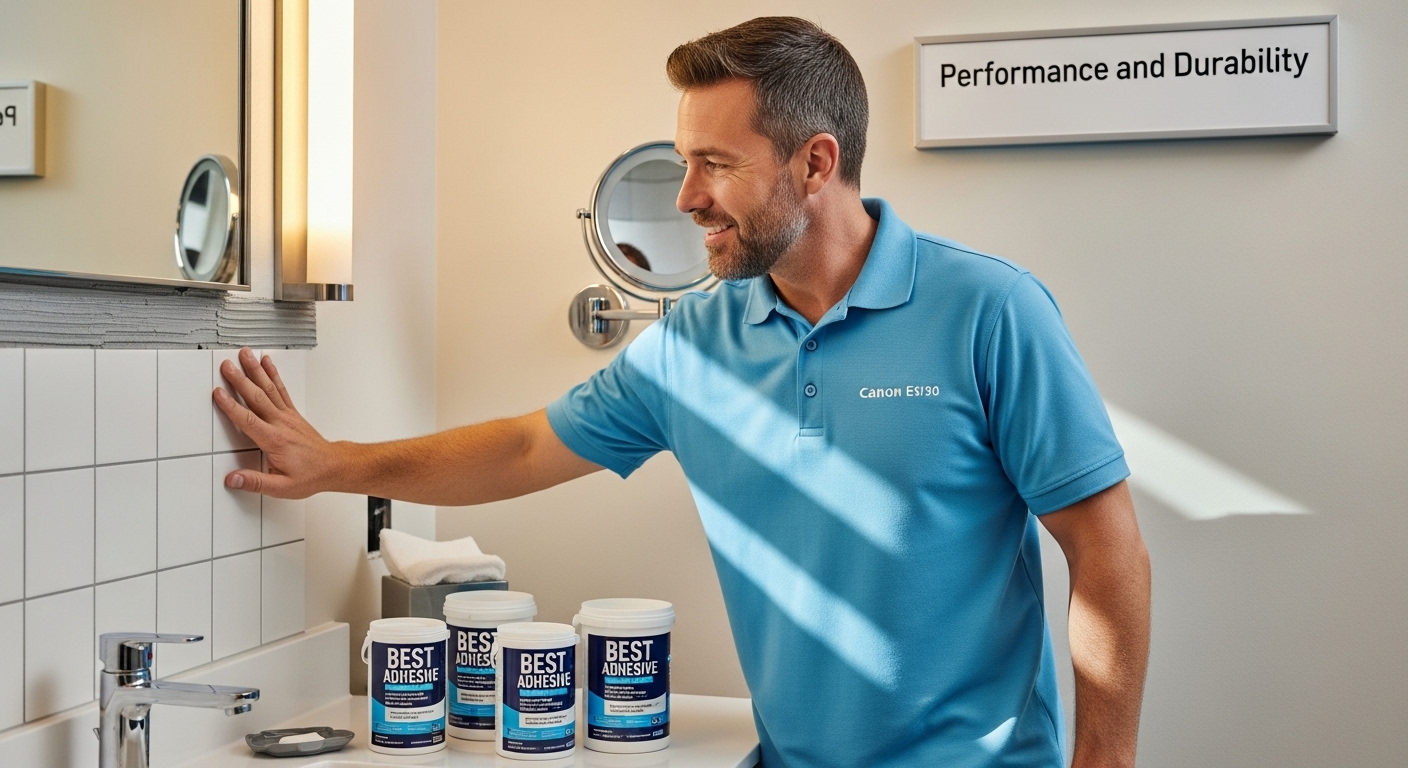
Research from the Building and Environment journal demonstrates that environmental factors dramatically impact adhesive performance. Different spaces demand specialized adhesive solutions with specific characteristics tailored to unique conditions. The wrong adhesive can lead to several potential failures:
- Premature tile detachment
- Compromised surface integrity
- Moisture penetration and potential structural damage
- Reduced thermal and acoustic insulation
Economic and Structural Implications
The financial consequences of selecting inappropriate tile adhesives extend far beyond initial installation costs. Improper adhesive selection can result in significant long-term expenses related to repairs, replacement, and potential structural remediation. Homeowners and contractors must recognize that adhesive choice directly influences:
- Total project lifecycle costs
- Maintenance requirements
- Overall structural resilience
- Property value preservation
Understanding tile material nuances is crucial in adhesive selection. Learn more about the differences between glazed and unglazed tiles to make more informed adhesive decisions. Each tile type requires a specific bonding approach to ensure optimal performance and longevity.
Below is a table summarizing the main types of tile adhesives, their major properties, and ideal use cases to help you compare options quickly.
| Adhesive Type | Key Properties | Ideal Use Cases |
|---|---|---|
| Cement-based | Strong initial bond, cost-effective | Ceramic, porcelain tiles in standard conditions |
| Epoxy | High chemical resistance, excellent waterproof | High-moisture, industrial or chemical areas |
| Acrylic | Flexible, fast curing | Areas needing flexibility, rapid installations |
| Polyurethane | Superior strength, moisture resistance | Exteriors, wet zones, heavy-duty applications |
How Different Types of Tile Adhesives Work
Tile adhesives function through complex chemical interactions that create robust, long-lasting bonds between tiles and underlying surfaces. Understanding their mechanics requires exploring the unique properties and performance characteristics of various adhesive formulations used in modern construction and renovation projects.
Chemical Composition and Bonding Mechanisms
According to the Stanford University Environmental Health & Safety department, tile adhesives operate through intricate molecular interactions that enable strong attachment across different surface conditions. The primary bonding mechanisms involve:
- Mechanical interlocking between adhesive and surface texture
- Chemical adhesion through polymer chain interactions
- Capillary action that enables deep substrate penetration
- Molecular attraction enhancing surface contact points
Performance Characteristics by Adhesive Type
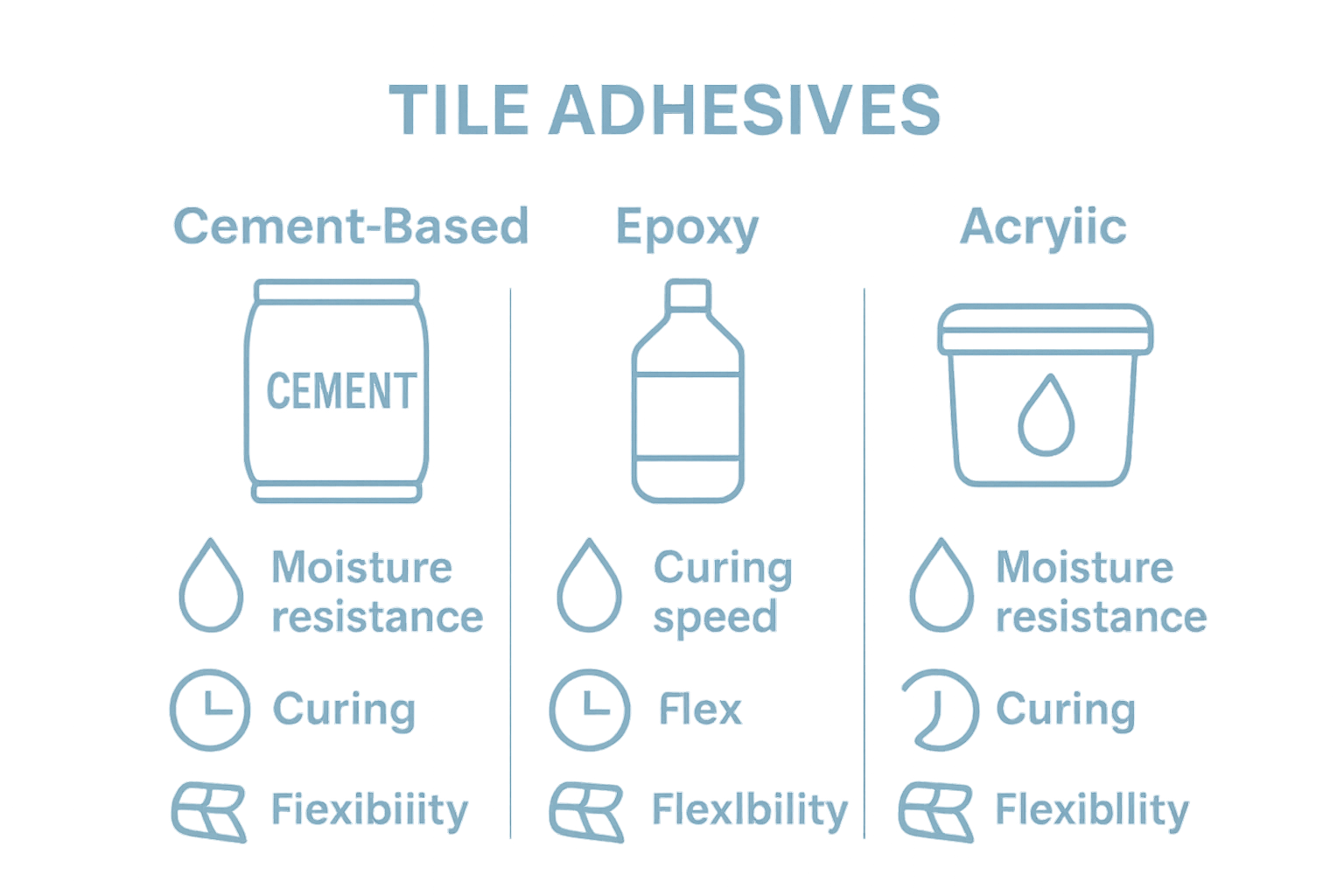
Different tile adhesive categories demonstrate distinct performance profiles tailored to specific application requirements. Professionals categorize these adhesives based on their fundamental chemical structures and intended use environments
 :
:
- Cement-based Adhesives: Ideal for traditional ceramic and porcelain tiles
- Epoxy Adhesives: Superior for high-moisture and chemically demanding environments
- Acrylic Adhesives: Provide excellent flexibility and rapid curing times
- Polyurethane Adhesives: Offer exceptional strength and moisture resistance
Explore our comprehensive guide to understanding different floor tile types to gain deeper insights into how adhesive selection intersects with specific tile materials and installation requirements. By comprehending these nuanced interactions, homeowners and contractors can make more informed decisions about tile installation strategies.
Key Factors to Consider When Selecting Tile Adhesive
Selecting the right tile adhesive involves a comprehensive evaluation of multiple technical and environmental considerations. Professional installers recognize that adhesive selection is not a one-size-fits-all decision, but a nuanced process requiring careful analysis of specific project requirements.
Environmental and Substrate Compatibility
According to the Ceramic Tile Education Foundation, premium quality adhesives represent a critical investment in long-term tile installation performance. The fundamental compatibility between adhesive, tile, and underlying surface determines overall project success. Critical environmental factors include:
- Moisture exposure levels
- Temperature fluctuation ranges
- Potential chemical interactions
- Surface structural integrity
- Anticipated mechanical stress
Performance and Application Specifications
Different spaces demand specialized adhesive solutions with unique performance characteristics. Professionals systematically evaluate adhesive properties to ensure optimal installation outcomes:
- Bonding Strength: Capacity to maintain tile attachment under varying conditions
- Curing Time: Speed and consistency of adhesive hardening
- Flexibility: Ability to accommodate minor surface movements
- Chemical Resistance: Protection against degradation from cleaning agents
Discover more about selecting the perfect tiles for your space to complement your adhesive selection strategy. Understanding these intricate details empowers homeowners and contractors to make informed decisions that balance aesthetic preferences with technical requirements.
Real-World Applications and Common Misconceptions
Tile adhesive applications extend far beyond simple residential renovations, encompassing complex professional installations across diverse environments. Understanding their practical implementation requires navigating a landscape of technical requirements and frequently misunderstood performance expectations.
Professional Installation Contexts
According to the Informed website, tile adhesive selection involves strategic considerations that go beyond basic attachment. Professional contexts demand sophisticated approaches that account for multiple performance variables:
- Laboratory and medical facility installations
- Commercial kitchen and food processing environments
- Industrial manufacturing spaces
- High-traffic public infrastructure projects
- Specialized marine and underwater applications
Debunking Prevalent Installation Myths
Professional installers frequently encounter misconceptions that can compromise tile installation quality. These widespread misunderstandings often lead to suboptimal results and potential long-term structural issues:
- Myth: All adhesives work universally across different surfaces
- Reality: Adhesive selection must match specific substrate characteristics
- Myth: Cheaper adhesives provide equivalent performance
- Reality: Premium adhesives offer superior long-term durability
- Myth: Adhesive thickness does not impact installation quality
- Reality: Precise adhesive application thickness is critical for optimal bonding
Learn more about selecting the perfect tiles for specialized environments to complement your technical understanding of adhesive applications. Professional-grade tile installations demand comprehensive knowledge that transcends basic material selection.
The table below compares common myths about tile adhesives with the actual professional realities and consequences, helping clarify some of the most persistent misconceptions in tile installation.
| Myth | Reality |
|---|---|
| All adhesives work universally on all surfaces | Selection must be matched to the specific substrate |
| Cheaper adhesives offer the same performance | Premium adhesives deliver better durability |
| Adhesive thickness is unimportant | Precise thickness is critical for optimal bonding |
Confident Tile Choices Start With Expert Adhesive Guidance
Are you worried about choosing the wrong adhesive and risking tile failure in your renovation? This article shares how critical it is to pick the right adhesive for tiles, highlighting risks like poor bonding, water damage, and extra costs if you make a misstep. With so many adhesive types and tile materials, the process can feel overwhelming, especially when you want your project to last.
At TileChoices.com, we understand these concerns. Our in-depth product descriptions and educational resources make it easy to match the best adhesive to your specific tile type, surface, and room conditions. You can explore our expert blog posts on waterproofing bathroom tiles and understanding different floor tile types to take the guesswork out of planning your next project. We are committed to helping you feel confident every step of the way, with clear guidance and real solutions for every challenge.
Ready to create a renovation that lasts? Visit TileChoices.com now to browse our curated tile collections and get advice from the experts. Secure the perfect combination of style, performance, and durability for your project before supplies run out.
Frequently Asked Questions
What is tile adhesive and why is it important?
Tile adhesive is a specialized construction material designed to create a strong bond between tiles and their underlying surfaces. It plays a crucial role in ensuring tiles remain securely positioned during renovation projects, unlike traditional mortar.
How can I determine the right adhesive for my tile installation?
Selecting the right adhesive involves evaluating factors such as the type of tile, surface material, environmental conditions, and expected stress levels. It’s crucial to choose an adhesive that suits your specific project requirements, such as moisture resistance for bathrooms or enhanced weather resilience for outdoor applications.
What are the main types of tile adhesives and their uses?
The primary types of tile adhesives include cement-based adhesives for ceramic and porcelain tiles, epoxy adhesives for high-moisture environments, acrylic adhesives for flexibility and rapid curing, and polyurethane adhesives for strength and moisture resistance. Each type has unique properties tailored to specific installation needs.
What consequences can arise from using the wrong tile adhesive?
Using the wrong tile adhesive can lead to several issues, including premature tile detachment, compromised surface integrity, moisture penetration, and reduced thermal and acoustic insulation. These problems can result in costly repairs and decreased durability of the tile installation.