Most american homes lose nearly 30 percent of their natural light potential due to common interior design choices. With abundant sunlight available in many regions, maximizing every ray can make a noticeable difference in both comfort and energy efficiency. If you want brighter rooms without costly construction, small changes in materials and layout can unlock a lighter, airier feel in your spaces and help you make the most of what nature offers.
Table of Contents
- 1. Choose Light-Colored Wall And Tile Finishes
- 2. Install Glass Tiles For Reflective Surfaces
- 3. Use Large Windows And Skylights Strategically
- 4. Opt For Open Floor Plans And Fewer Walls
- 5. Incorporate Mirrors To Bounce Natural Light
- 6. Select Minimal Window Treatments For Clarity
- 7. Keep Spaces Decluttered For Best Light Flow
Quick Summary
| Takeaway | Explanation |
|---|---|
| 1. Choose light-colored finishes | Light colors enhance natural light by reflecting it, transforming dark spaces into bright environments easily. |
| 2. Use glass tiles for brightness | Glass tiles reflect light effectively, expanding visual space and creating a luminous effect in any room. |
| 3. Install large windows and skylights | Properly placed windows and skylights significantly improve natural lighting and energy efficiency in your home. |
| 4. Opt for open floor plans | Open layouts eliminate walls, allowing sunlight to flow freely throughout your living spaces, enhancing illumination. |
| 5. Keep spaces decluttered | Removing excess items allows light to flow unobstructed, creating a brighter, more inviting atmosphere in your home. |
1. Choose Light-Colored Wall and Tile Finishes
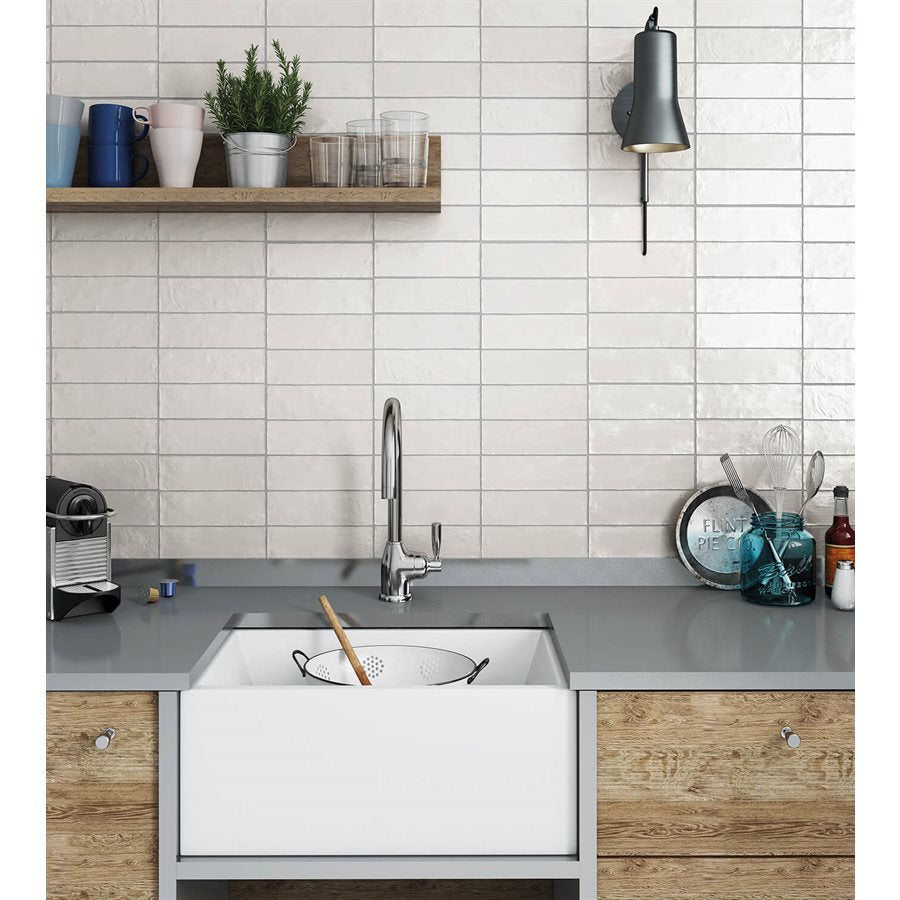
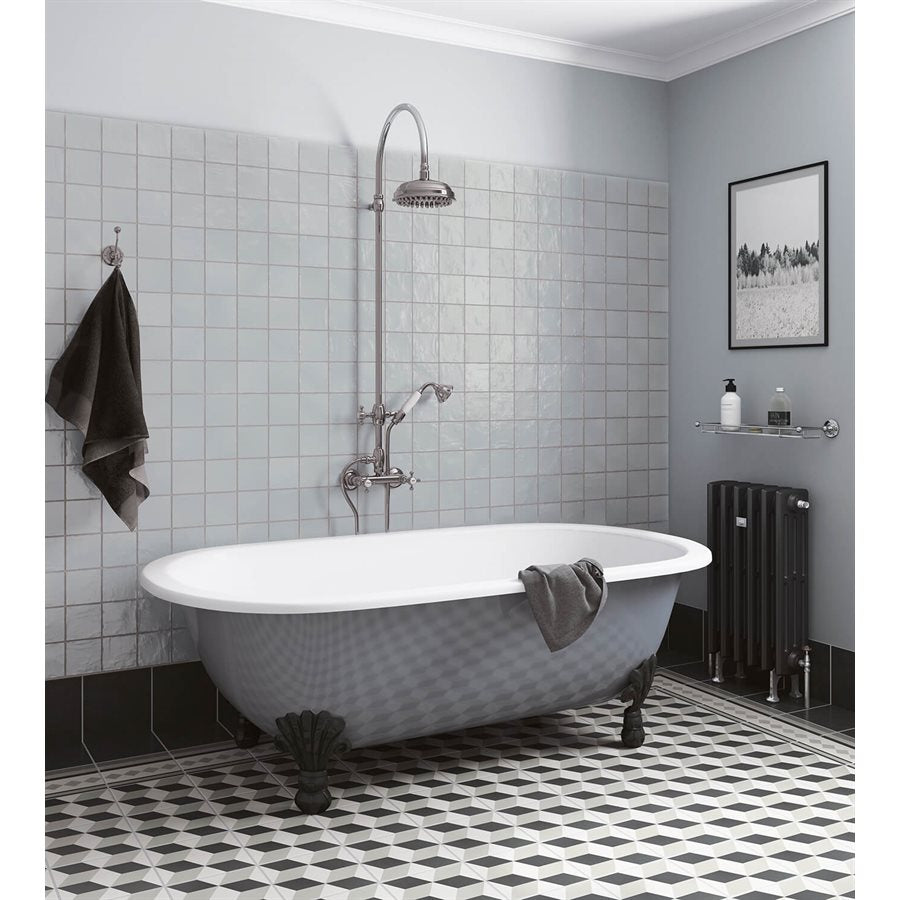
Light colored walls and tiles are your secret weapon for maximizing natural illumination in any interior space. By strategically selecting pale hues, you can transform dark rooms into bright, inviting environments without expensive renovations.
Scientific research supports this approach. A groundbreaking study in Ceramics International revealed that ceramic tiles with high solar reflectance can dramatically enhance light reflection and reduce heat absorption. This means light colored surfaces do more than just look good they actively improve your space’s lighting dynamics.
How Light Colors Work
White and pastel surfaces act like natural light amplifiers. When sunlight hits these surfaces, they reflect significantly more light compared to darker colors. This phenomenon creates a multiplier effect where each ray of sunshine bounces around the room, creating a brighter overall environment.
Consider these strategic color choices:
- Soft white tiles with subtle gray undertones
- Cream ceramic surfaces with minimal texture
- Pale beige wall tiles that provide warmth without absorbing light
- Neutral ecru finishes that complement multiple design styles
Research from the Proceedings of the National Academy of Sciences demonstrates how specialized light colored materials can even diffuse sunlight effectively, creating softer more uniform illumination.
Practical Implementation Tips
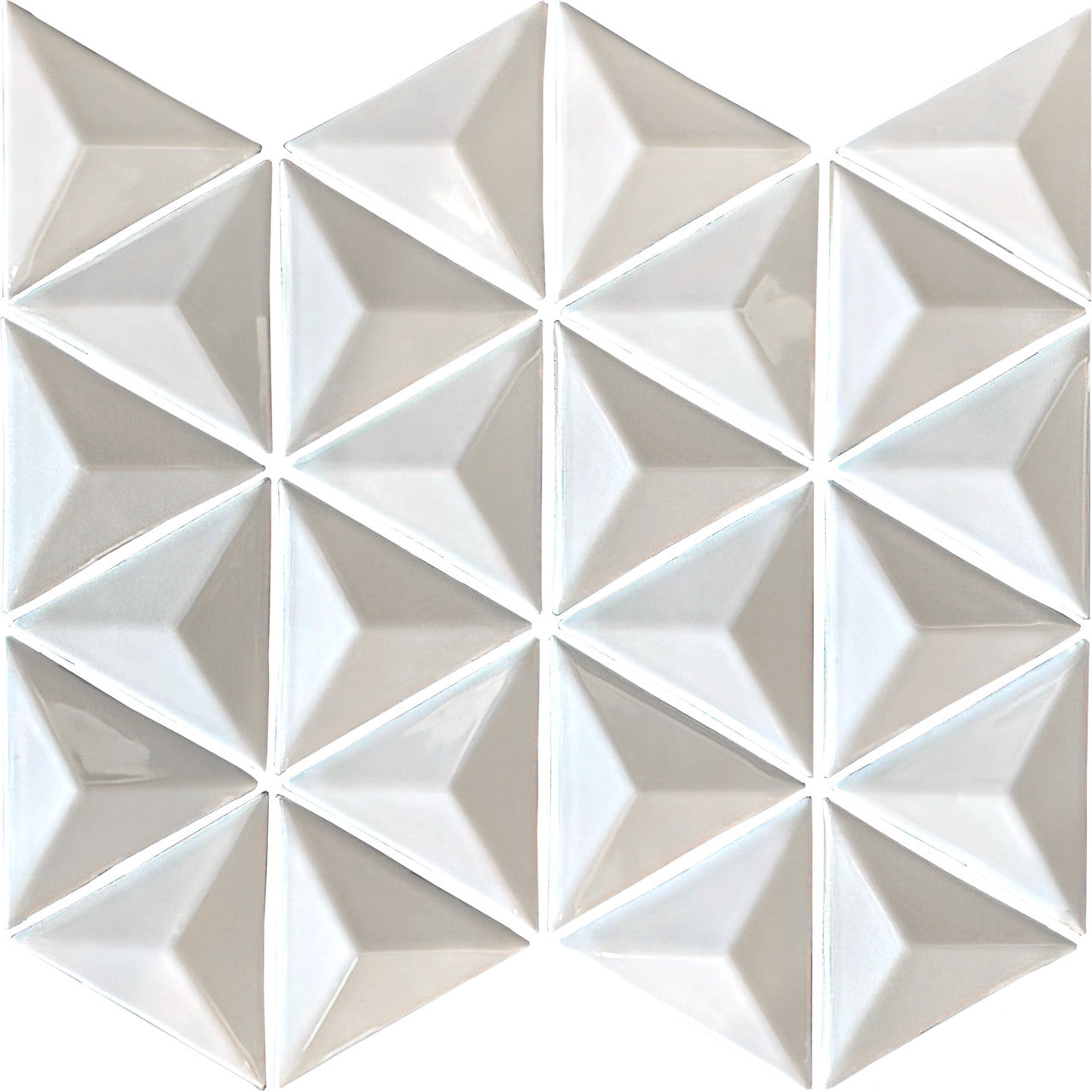
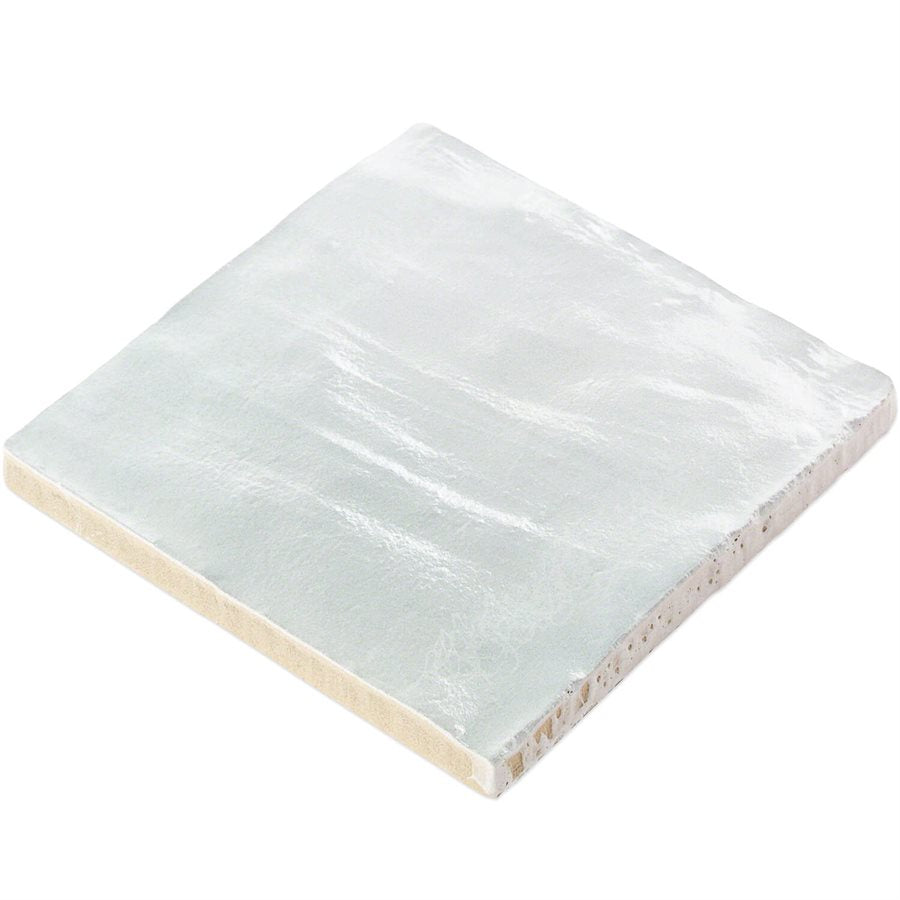
When selecting tiles and wall colors, opt for finishes with slight sheen or semi gloss properties. These surfaces reflect light more efficiently than completely matte finishes. Look for tiles with minimal texture variations to maximize light bounce.
Pro tip: Test color samples in your actual space at different times of day. Natural light varies, and what looks perfect in a showroom might appear differently in your home. Most tile stores offer sample programs that let you take home tiles to evaluate in your specific lighting conditions.
2. Install Glass Tiles for Reflective Surfaces
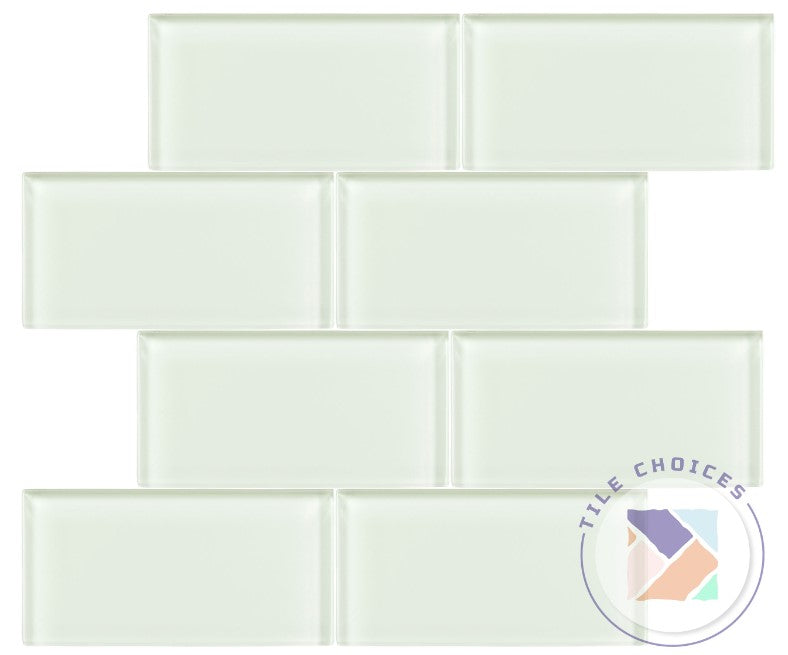
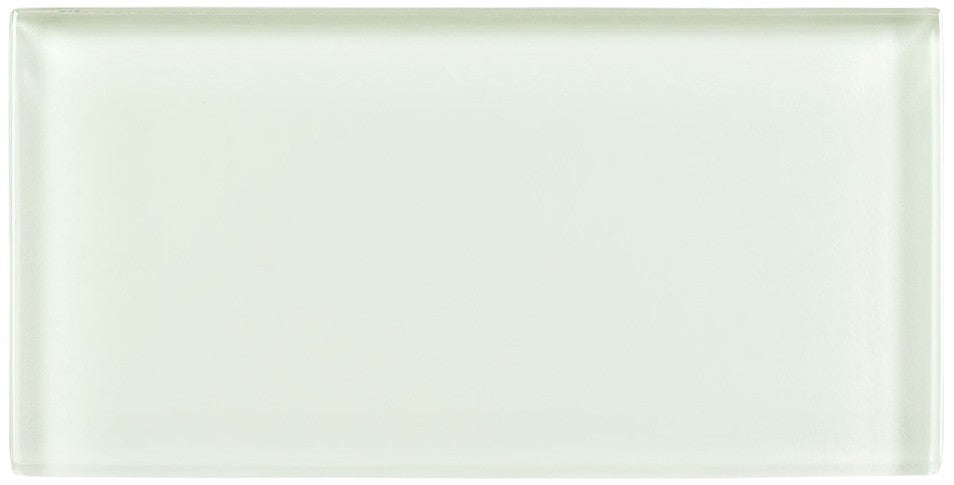
Glass tiles are a transformative design solution for amplifying natural light in any space. These unique surfaces create a luminous effect that can instantly brighten rooms and make them feel more expansive.
According to Full Circle Flooring, glass tiles with different finishes like glossy, frosted, or iridescent can significantly enhance room brightness by strategically reflecting light.
How Glass Tiles Work
Unlike traditional ceramic or stone tiles, glass tiles have an inherent ability to bounce light around a room. Their smooth, reflective surface acts like a series of miniature mirrors, capturing and redirecting sunlight into darker corners and creating a luminous environment.
Key advantages of glass tiles include:
- Maximum light reflection
- Ability to visually expand small spaces
- Contemporary and sleek aesthetic
- Versatility in design and color options
- Easy maintenance and cleaning
Strategic Placement Tips
Consider installing glass tiles in areas that receive direct or indirect sunlight. Prime locations include:
- Kitchen backsplashes facing windows
- Bathroom wall accents
- Entryway feature walls
- Around interior windows
- Near skylights or glass doors
Pro tip: Mix different glass tile finishes to create depth and visual interest. Combine glossy tiles with frosted or matte options to develop a layered light reflection strategy that adds dimension to your space.
3. Use Large Windows and Skylights Strategically
Large windows and skylights are powerful tools for transforming interior spaces with abundant natural light. By thoughtfully positioning these architectural elements, you can dramatically improve your home’s brightness and energy efficiency.
Research from the Proceedings of the National Academy of Sciences highlights the critical importance of strategic placement when using transparent roofing and wall systems to harness natural illumination while managing potential challenges like glare and overheating.
Window and Skylight Placement Principles
Successful natural light integration requires more than simply adding glass surfaces. The National Glass Association recommends carefully considering orientation, size, and glazing characteristics to optimize light without compromising comfort.
Strategic Positioning Recommendations
- North facing windows provide consistent soft light
- South facing windows maximize winter sunlight exposure
- East windows capture morning light
- West windows bring warm afternoon illumination
- Skylights work best in rooms with limited wall window options
Design Considerations
When planning window and skylight installations, evaluate these key factors:
- Room function and lighting needs
- Building orientation
- Local climate conditions
- Potential heat gain or loss
- Surrounding landscape and potential obstructions
Pro tip: Consider using low emissivity glass or adding light filtering treatments to control intensity and prevent excessive heat buildup. Modern glazing technologies can help you achieve optimal light transmission while maintaining interior comfort.
4. Opt for Open Floor Plans and Fewer Walls
Open floor plans represent a revolutionary approach to interior design that can dramatically enhance natural light distribution throughout your living spaces. By eliminating unnecessary walls, you create a seamless environment where sunlight can freely travel and illuminate multiple areas.
Research from the International Journal of Research in Engineering, Science and Management confirms that minimizing interior walls significantly improves light diffusion, creating brighter and more expansive interiors.
The Science of Open Spaces
Traditional compartmentalized rooms act like light barriers, trapping natural illumination in specific zones. Open floor plans eliminate these obstacles, allowing light to bounce and reflect across broader areas. The Proceedings of the National Academy of Sciences further supports this concept, noting that transparent and open architectural designs contribute to improved natural light distribution.
Strategic Implementation Approaches
Consider these methods to create more open interior spaces:
- Remove non structural walls between kitchen and living areas
- Use glass room dividers instead of solid partitions
- Create sight lines that extend natural light paths
- Implement sliding or pocket doors to maintain flexibility
- Select furniture that does not block light transmission
Practical Transformation Tips
If complete renovation seems overwhelming, start with smaller interventions. Removing upper cabinet sections in kitchens, using translucent room dividers, or strategically placing mirrors can create similar light amplification effects without major construction.
Pro tip: Consult a structural engineer before removing any walls to ensure you are not compromising your home’s structural integrity. Some walls are load bearing and require professional assessment before modification.
5. Incorporate Mirrors to Bounce Natural Light
Mirrors are powerful design tools that can dramatically amplify natural light in any interior space. By strategically positioning reflective surfaces, you can transform dark rooms into bright, luminous environments without expensive renovations.
Research on retroreflectors reveals fascinating insights into how reflective surfaces can redirect and maximize light distribution. Understanding the science behind light reflection can help you make smarter design choices.
How Mirrors Enhance Lighting
Mirrors work by bouncing light waves across a room, effectively multiplying the available natural illumination. When positioned opposite windows or light sources, they create a visual expansion that makes spaces feel larger and brighter.
The concept of raking light demonstrates how angled light can dramatically enhance surface textures and illuminate spaces from unique perspectives. This principle is key to understanding mirror placement.
Strategic Mirror Placement Techniques
Consider these optimal mirror positioning strategies:
- Place large mirrors directly across from windows
- Use mirrors to reflect light into dark corners
- Select mirrors with minimal frame interference
- Experiment with antique or textured mirror surfaces
- Consider full length and floor to ceiling mirror options
Practical Implementation Tips
Choose mirrors with clean frames and high quality glass to maximize light reflection. Avoid overly ornate designs that can interrupt light transmission. Thin metallic or minimal wooden frames work best for pure light amplification.
Pro tip: Combine mirror placement with light colored walls to create a multiplicative light effect. The combination can make even small spaces feel open and brilliantly illuminated.
6. Select Minimal Window Treatments for Clarity
Window treatments can either enhance or obstruct natural light. Choosing minimal treatments allows maximum sunlight penetration while maintaining visual elegance and functional design.
The National Glass Association highlights how minimal window coverings can reduce reflective glare and optimize indoor light transmission. Research demonstrates that strategic window treatment selection is key to creating bright, inviting spaces.
Understanding Light Transmission
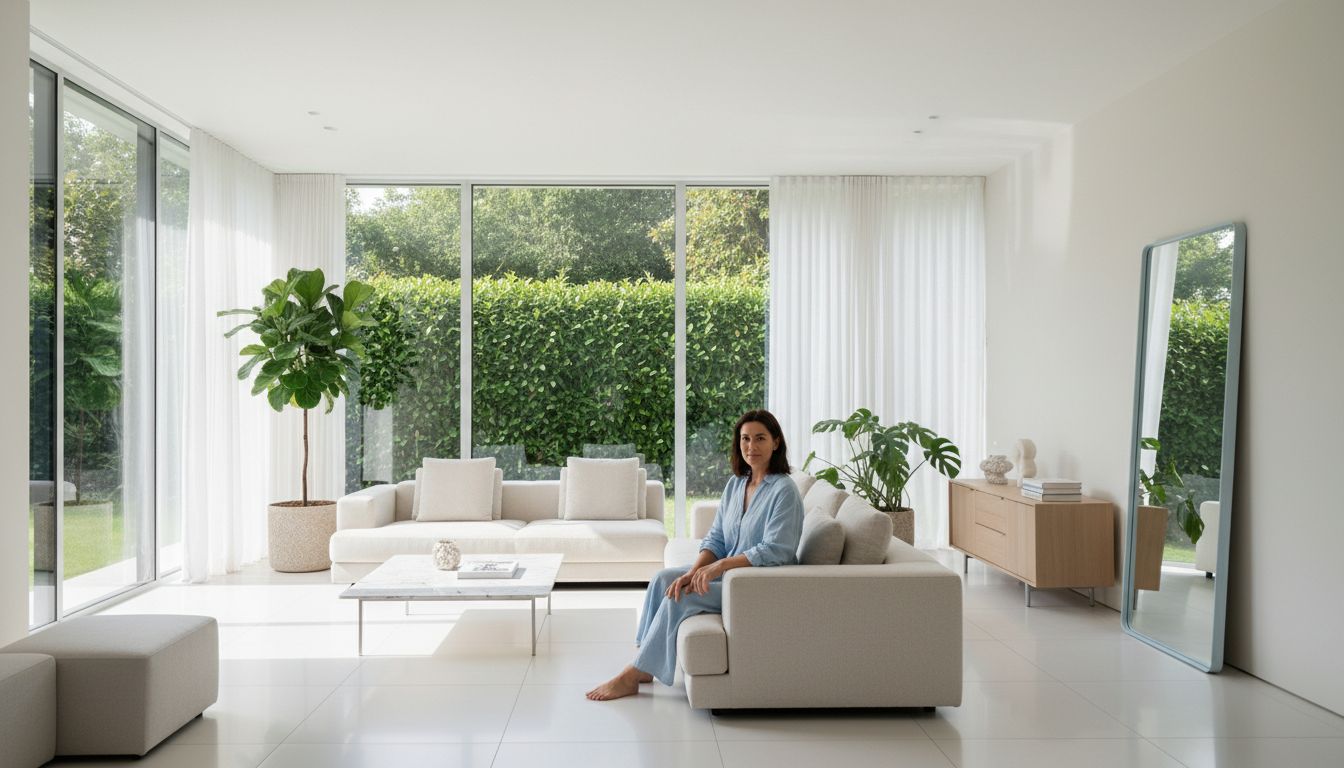
Traditional heavy drapes and complex window coverings act as light barriers. Minimal treatments like sheer fabrics, light filtering roller shades, or translucent panels allow sunlight to flow freely while providing privacy and aesthetic appeal.
The Proceedings of the National Academy of Sciences emphasizes the benefits of transparent materials in maximizing natural light diffusion throughout interior spaces.
Recommended Minimal Treatment Options
- Sheer white or neutral colored curtains
- Lightweight roller shades
- Frosted window films
- Translucent cellular shades
- Minimalist wooden or fabric blinds with wide slats
Strategic Selection Criteria
When choosing window treatments, prioritize:
- Transparency levels
- Light filtering capabilities
- Color and texture
- Ease of adjustment
- Compatibility with room design
Pro tip: Consider motorized or cordless options for sleek, unobstructed window appearances that maximize light while providing convenient control.
7. Keep Spaces Decluttered for Best Light Flow
Cluttered spaces are natural light’s worst enemy. Unnecessary furniture, accessories, and objects create visual barriers that interrupt light movement and diminish the brightness of your interior environments.
Research from the International Journal of Research in Engineering, Science and Management confirms that decluttered spaces dramatically enhance light flow, creating more open and luminous interiors.
The Science of Space and Light
Each object in a room acts like a small light absorption zone. Bulky furniture, decorative items, and unnecessary accessories interrupt natural light pathways, creating shadows and reducing overall illumination. The Proceedings of the National Academy of Sciences supports this concept, indicating that clear spaces contribute to improved light distribution.
Decluttering Strategies for Optimal Light
Implement these approaches to maximize light transmission:
- Remove unnecessary furniture from window areas
- Select streamlined furniture with slim profiles
- Use wall mounted shelving instead of floor standing units
- Choose transparent or glass furniture pieces
- Create clear pathways between light sources and room edges
Minimalist Design Principles
Adopt a minimalist approach that prioritizes light and space over volume. Each item in your room should serve a specific purpose and contribute to an open, airy atmosphere.
Pro tip: Conduct a quarterly review of your spaces. Remove items that do not spark joy or serve a functional purpose. This practice not only improves light flow but also creates a more peaceful living environment.
The table below summarizes key strategies and benefits for enhancing natural light in interior spaces as discussed in the article.
| Strategy | Implementation | Benefits |
|---|---|---|
| Light-Colored Finishes | Use pale hues like white, cream, and beige; choose tiles with a slight sheen. | Maximizes light reflection and reduces heat absorption. |
| Glass Tiles | Install in kitchens, bathrooms, and near windows. Mix finishes for depth. | Amplifies light, expands space visually, and adds aesthetic versatility. |
| Large Windows & Skylights | Position based on orientation; consider glazing options. | Increases brightness, improves energy efficiency, and reduces glare. |
| Open Floor Plans | Remove non-structural walls; use glass dividers. | Enhances light distribution and creates expansive interiors. |
| Mirrors | Place opposite windows and in dark corners; use minimal frames. | Multiplies illumination and visually enlarges spaces. |
| Minimal Window Treatments | Opt for sheer fabrics and roller shades. | Optimizes light penetration and maintains visual clarity. |
| Decluttering | Remove unnecessary items and select slim furniture. | Improves light flow and creates open, peaceful environments. |
Brighten Your Home Effortlessly with Expert Tile Choices
Maximizing natural light can transform any space, making it feel open, airy, and welcoming. The challenge is finding the right surfaces that reflect light beautifully while fitting your style and practical needs. This article highlights the power of light-colored finishes, glass tiles, and strategic placements to bounce and diffuse sunlight effectively. If you want to enhance your environment with tiles that amplify natural light, choosing the perfect materials is key.
At TileChoices.com, we offer an extensive collection of tiles designed to boost your interior brightness naturally. From ceramic and porcelain tiles with reflective surfaces to stylish glass tile options that act like miniature mirrors, our carefully curated selections help you achieve the lighting goals discussed in the article. Explore our collections now to find elegant, durable tiles that make your home shine. Take the first step today, and let your space glow with the light it deserves.