Filters

$
-
$

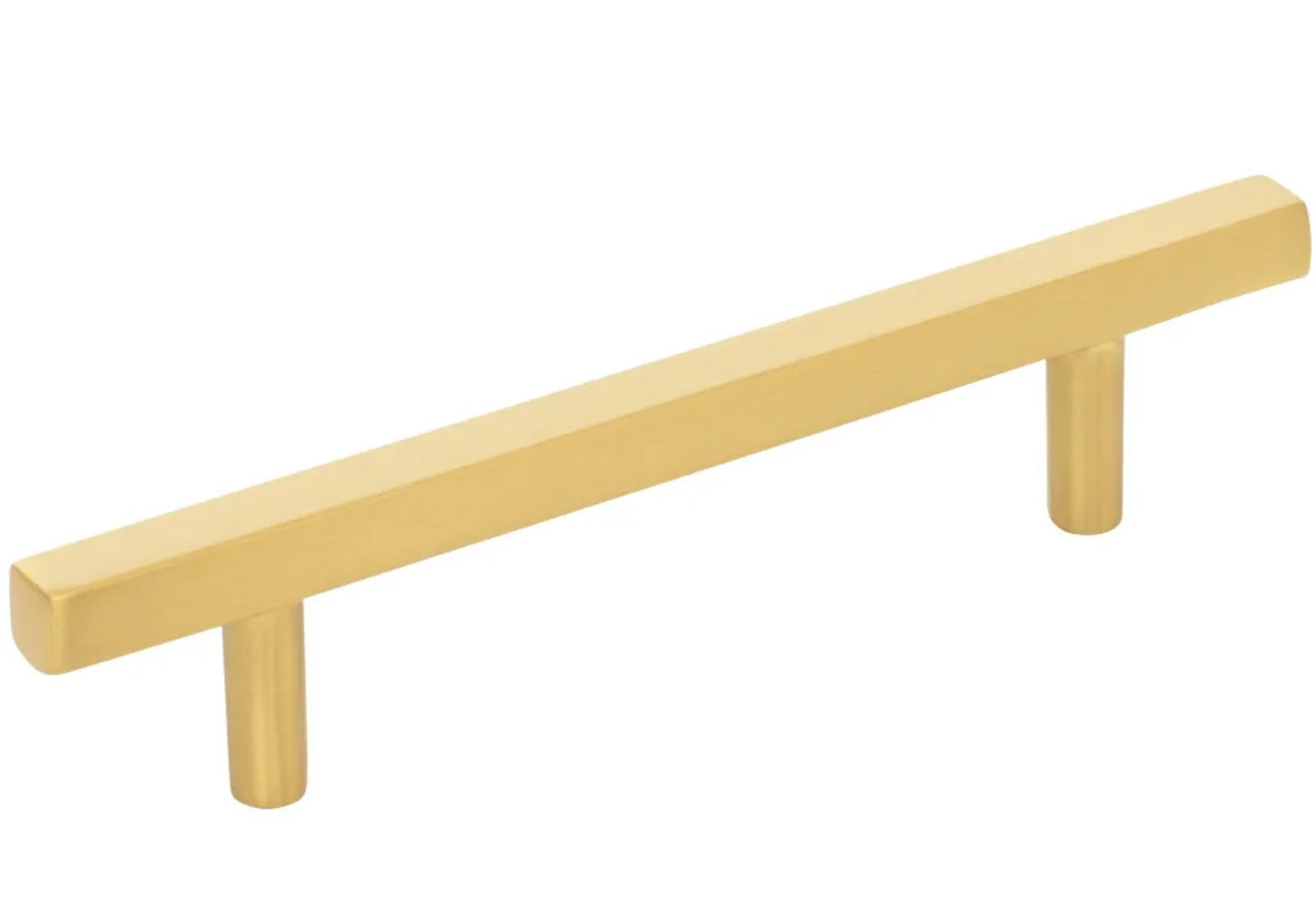
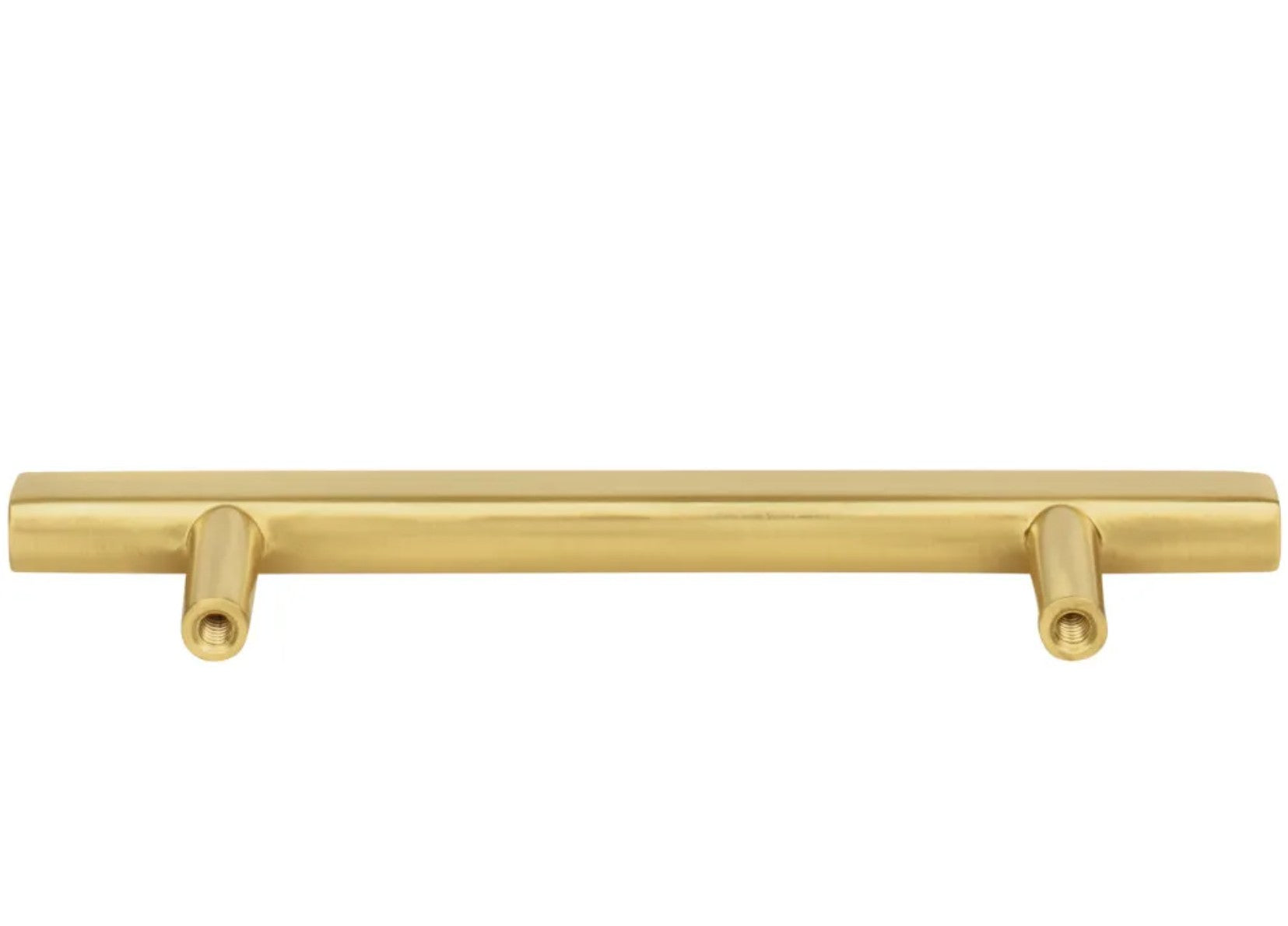
Antique Gold Cabinet Hardware

1 product

Showing 1 - 1 of 1 product

Showing 1 - 1 of 1 product
View

How to Style Antique Gold Cabinet Hardware in Your Home

One of the reasons designers return to antique gold hardware again and again is its styling flexibility. It does not demand a specific design era or color story, instead it acts as a warm anchor that makes surrounding materials feel more intentional and considered. Below are some of the most effective ways to incorporate antique gold hardware into a cohesive interior design.

Pairing Antique Gold Hardware with Cabinet Colors

Cabinet color sets the stage, and antique gold hardware performs differently against each backdrop. Here is how to think through the combination:

  • White and off-white cabinets — The contrast between a clean white cabinet and the warm depth of antique gold is one of the most timeless combinations in kitchen design. Bright white reads crisp and modern; antique gold softens it into something warmer and more approachable. Off-white and cream cabinets intensify this warmth even further.
  • Sage green and olive cabinets — Earthy green tones and antique gold are a natural match. Both reference the organic world, and together they create a kitchen or bathroom that feels grounded, calm, and elevated at the same time.
  • Navy and deep blue cabinets — Deep blue cabinetry with antique gold hardware creates a dramatic jewel-box effect. The contrast is striking without being harsh, making it a popular choice for kitchen islands and powder room vanities.
  • Natural wood cabinets — Wood and gold share warmth. Light woods like maple and white oak take on a soft, organic quality with antique gold hardware, while medium woods like cherry and alder deepen the richness of both materials.
  • Charcoal, slate, and dark gray cabinets — The warm gold against a cool dark cabinet creates a refined, high-contrast look that feels sophisticated and intentional, particularly effective in transitional and contemporary kitchens.

Mixing Antique Gold Hardware with Other Metals

Mixed-metal interiors are a well-established design strategy, and antique gold integrates naturally into layered metal schemes. The key is maintaining a primary metal, in this case antique gold on the cabinetry, while allowing secondary metals to appear in fixtures, lighting, and accessories.

Antique gold pairs particularly well with unlacquered brass (a close tonal relative), warm bronze, and oil-rubbed bronze. It can also work alongside matte black when you want to add depth and edge to a space, as long as the black is used sparingly as an accent. Chrome and polished nickel are generally not recommended pairings, as the cool, bright tones pull in the opposite direction from the warmth that makes antique gold so effective.

Antique Gold Hardware for Kitchens vs. Bathrooms

While many hardware finishes are positioned exclusively for kitchens, antique gold moves seamlessly between rooms. In the kitchen, larger bar pulls and cup pulls on drawers combined with smaller knobs on upper cabinet doors create a classic layered look. In the bathroom, knobs and smaller pulls work especially well on vanities where a lighter touch is appropriate. For a powder room, often a homeowner's opportunity for a bolder, more jewelry-like design statement, antique gold hardware on a dark or patterned vanity cabinet can become the focal point of the entire room.

Explore the full range of styles and finishes available across our hardware categories by visiting our complete cabinet hardware collection. You can also browse our Cabinet Hardware Blog for in-depth guides on finish selection, sizing, and installation tips.

Frequently Asked Questions?

Antique gold cabinet hardware refers to knobs, pulls, cup pulls, bar handles, and related cabinet accessories finished in a warm, aged-gold tone. Unlike bright or polished gold, antique gold features a slightly muted, patinated appearance with amber and honey undertones. The finish is typically achieved through multi-step plating, chemical patination, or hand-applied aging techniques that create depth and tonal variation across the surface. The result is hardware that conveys warmth and character rather than the high-shine appearance of newer-looking metallic finishes. Antique gold is often used interchangeably with antique brass in some product lines, though true antique gold tends to have a slightly more yellow-gold base compared to the brown-olive undertones found in antique brass.

Antique gold hardware pairs well with a broad range of cabinet colors because of its neutral-warm tonal base. White and off-white cabinets are the most popular pairing, as the antique gold breaks up the coolness of bright white while keeping the overall palette bright and airy. Sage green, olive, and soft eucalyptus cabinets share the earthy warmth of antique gold and create a nature-inspired, cohesive look. Navy blue and deep teal cabinets create a sophisticated contrast against antique gold, a combination that works particularly well on kitchen islands and vanities. Natural wood tones, especially lighter woods like maple, white oak, and alder, complement antique gold beautifully by sharing similar warm undertones. Gray cabinets, particularly warm grays and greige tones, also pair well. The main finishes to avoid are very cool, stark white cabinets paired with nothing else warm, and high-gloss contemporary cabinetry where a warmer patinated finish may look out of place stylistically.

Antique gold and antique brass are closely related but not identical. Both feature aged, warm-metal finishes with patina-like depth, but the underlying tone differs between the two. Antique gold tends to have a cleaner yellow-gold base with amber and honey overtones, while antique brass typically leans toward a warmer, slightly brown or olive-tinted gold that references the natural color of aged solid brass. In practice, different manufacturers interpret both finishes differently, so it is always worth comparing product photography under natural light before purchasing. When mixing hardware across different product lines, the most reliable approach is to order samples or purchase one piece from each collection and compare them in your actual space before committing to a full order.

Antique gold hardware has demonstrated lasting staying power in interior design for a reason that goes beyond trend: its warmth and tonal complexity work across multiple design eras and styles. While specific interpretations of the finish have shifted in popularity, from the ornate, heavily gilded hardware of the 1980s to the cleaner, more refined antique gold of contemporary design, the fundamental appeal of a warm, aged-gold finish has remained consistent. Interior designers widely regard antique gold as a transitional and traditional staple with genuine longevity, unlike trend-driven finishes that cycle in and out of favor quickly. That said, the specific shape and profile of the hardware matters as much as the finish. Cleaner, more streamlined silhouettes in antique gold tend to age more gracefully than highly ornate or heavily decorative profiles that are tied to a specific stylistic moment.

The primary difference between antique gold and brushed gold hardware lies in surface texture and tonal quality. Brushed gold features a soft, linear brushed texture applied to a relatively consistent, brighter gold-tone base. The brushing process creates a subtle directionality on the surface and helps minimize fingerprints, but the overall tone is relatively even and bright. Antique gold, by contrast, features deliberate tonal variation across the surface, darker in recessed areas, lighter on raised details, giving each piece a sense of age and dimension. Brushed gold reads as modern and refined with a slight warmth; antique gold reads as heritage-rich, characterful, and deeply warm. In contemporary and transitional kitchens, brushed gold is often the preference for a cleaner, more current look. In traditional, transitional, and farmhouse spaces, antique gold's added depth and patina quality is typically the more resonant choice.

Antique gold cabinet hardware is best cleaned with a soft, damp microfiber cloth and mild dish soap diluted in warm water. Avoid abrasive cleaners, scouring pads, or chemical-based products containing bleach, ammonia, or acetone, as these can strip the finish coating and damage the underlying plating. For routine maintenance, a dry microfiber cloth wiped over the hardware several times a week is usually sufficient to remove fingerprints and light grease from daily kitchen use. For more thorough cleaning, dampen the cloth, wipe the hardware gently, and dry immediately, do not allow moisture to sit on the surface for extended periods. Because antique gold hardware features a layered or patinated finish rather than a solid metal surface, aggressive polishing products designed for solid brass or gold should not be used, as they can alter or remove the aged appearance that defines the finish.

Yes, mixing metals is an established interior design practice, and antique gold works particularly well in layered-metal schemes. The general guideline for successful metal mixing is to designate one primary hardware finish for the cabinetry (in this case antique gold) and allow one or two secondary metal finishes to appear in supporting roles through fixtures, lighting, or decorative accessories. Antique gold pairs naturally with unlacquered brass, warm bronze, and oil-rubbed bronze because these finishes share similar warm undertones. Matte black can work as an accent alongside antique gold in transitional and modern-meets-traditional spaces, provided the black is used in limited quantities. Avoid pairing antique gold with cool metals like chrome, polished nickel, or stainless steel finishes in high-visibility applications, as the temperature contrast between warm and cool metals can feel unintentional rather than deliberately curated.

Antique gold cabinet pulls are available across a range of center-to-center hole spacing measurements to fit both standard and custom cabinetry. Common sizes include 3-inch (76mm), 3-3/4-inch (96mm), 5-inch (128mm), and larger bar pull options for wide drawers and appliance-front applications. Knobs are typically single-hole installations measured by their diameter, most commonly 1 inch to 1-1/2 inches for standard cabinet knobs. When replacing existing hardware, measure the center-to-center distance between the two mounting holes on your current pulls before ordering to ensure a direct fit. If you are installing new hardware without existing holes, the most common guidance is to use pulls on drawers and knobs on doors for upper cabinets, or pulls throughout for a more contemporary unified look. Browse our full cabinet hardware collection to filter by size, style, and finish.

Expertly Curated Tile You Can Trust

Every tile in this collection is carefully selected based on real-world performance, design relevance, and long-term durability. We don’t list thousands of random products — we curate materials that meet professional installation standards.

Our collections are guided by Bruno Mendolini, a tile expert with over 25 years of experience and deep roots in the Italian tile industry.

  • 25+ years tile industry expertise
  • Italian tile sourcing heritage
  • Curated for backsplash, shower, and floor performance
  • Installation-focused product selection

Recently viewed