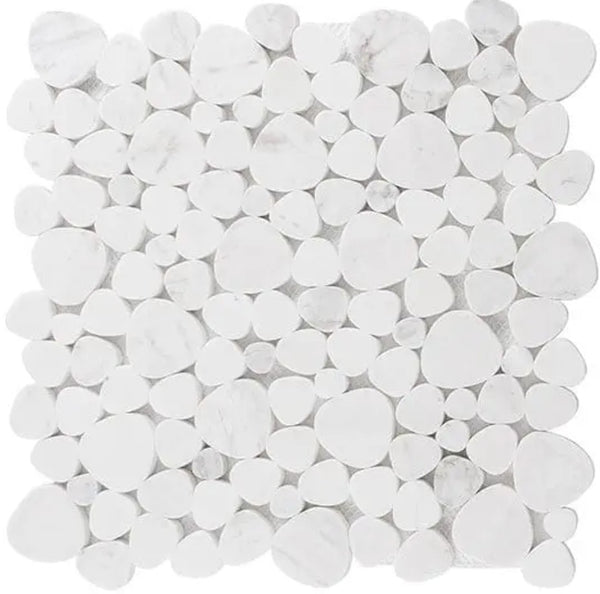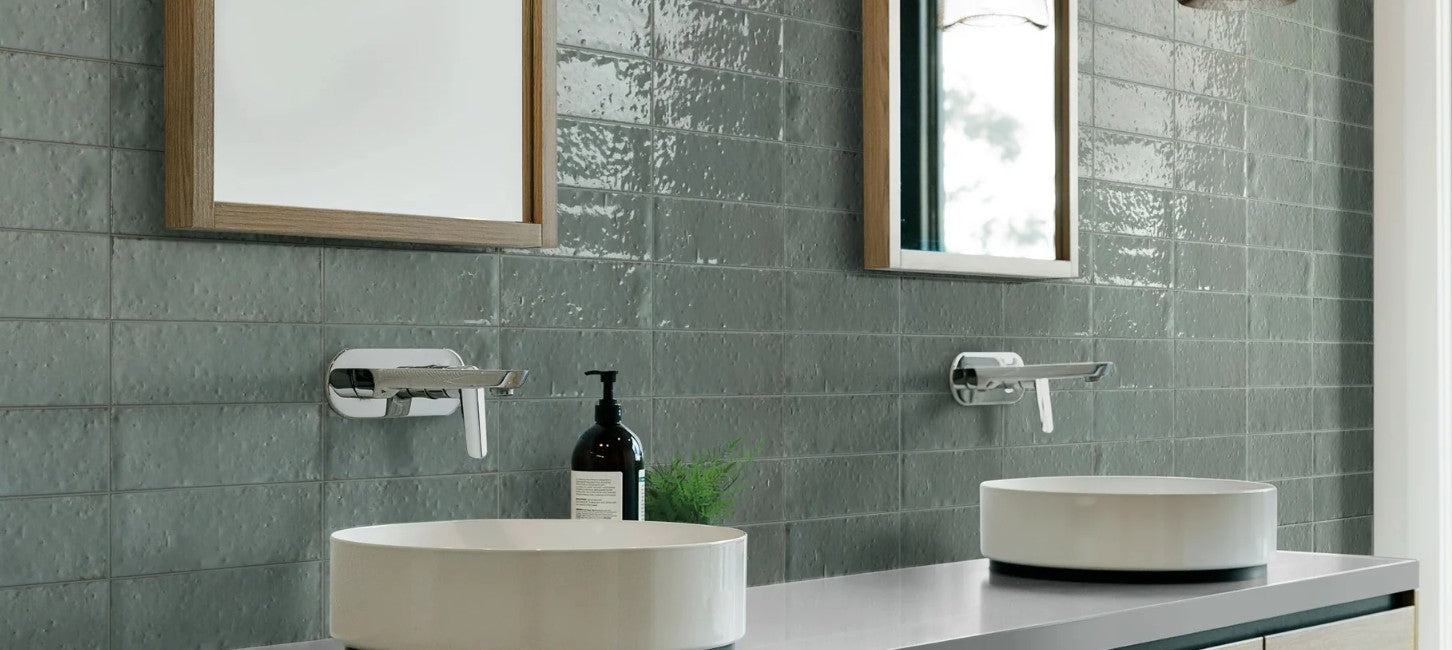
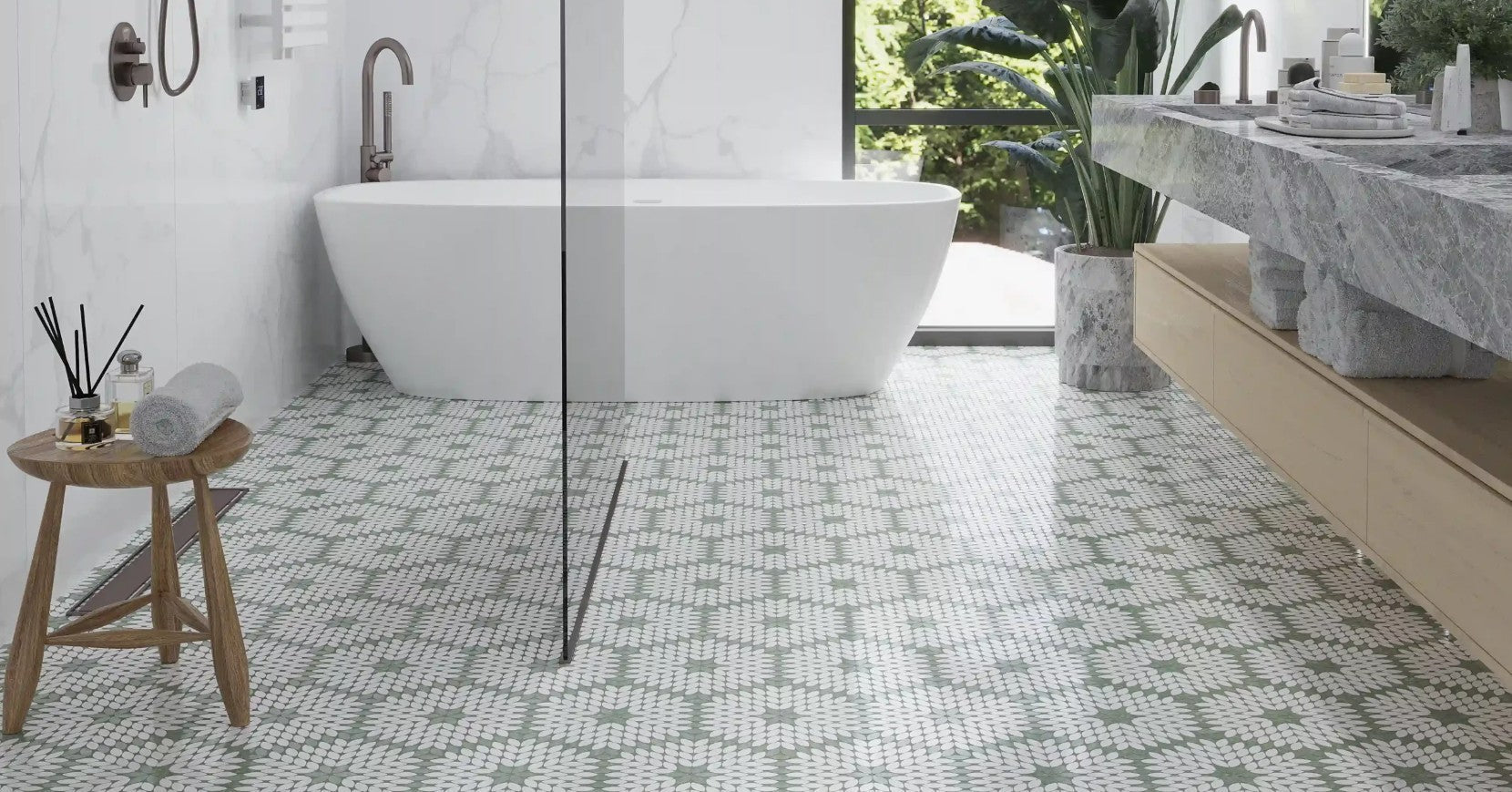
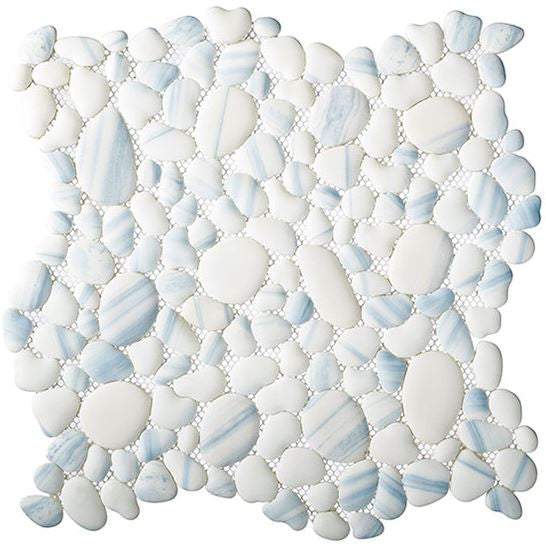
Choosing the right tile for your shower floor isn’t just about looks—it directly impacts safety, durability, and long-term performance. Among all the available options, mosaic tiles consistently stand out as one of the best choices for shower floors. But are they always the right option for your space?
In this guide, we’ll break down everything you need to know about using mosaic tiles in showers, including their benefits, potential drawbacks, best materials, and how to choose the right size and finish. If you’re exploring options, browse our mosaic tiles collection to see styles designed specifically for wet areas.
Why Mosaic Tiles Are One of the Best Choices for Shower Floors
Mosaic tiles have become the go-to solution for shower floors for several practical reasons. While larger tiles may look sleek, they often struggle to perform in wet, sloped environments. Mosaic tiles solve those problems naturally.
1. Superior Slip Resistance
Safety is one of the biggest concerns in any shower, and this is where mosaic tiles truly excel. Because they are made up of many small pieces, they create a higher number of grout lines across the surface.
These grout lines act as natural traction points, helping reduce the risk of slipping—even when the floor is wet and soapy. Compared to large-format tiles, which can become slick, mosaics provide a noticeably more secure footing.
2. Better Drainage Performance
Every properly built shower floor has a slight slope toward the drain. Larger tiles can have difficulty conforming to this slope, which can lead to uneven surfaces or standing water.
Mosaic tiles, on the other hand, easily adapt to the pitch of the shower pan. This allows water to flow naturally toward the drain, reducing pooling and helping prevent long-term moisture issues.
3. Flexibility for Installation
Because mosaic tiles are mounted on mesh sheets, they are easier to install over curved or angled surfaces. This makes them ideal not only for shower floors but also for benches, niches, and custom shower designs.
For more design inspiration, explore our guide on bathroom mosaic tile ideas.
Potential Drawbacks of Mosaic Tiles
While mosaic tiles offer many advantages, it’s important to understand a few potential downsides so you can plan accordingly.
More Grout Lines = More Maintenance
The same grout lines that provide traction also mean there is more surface area to clean. Over time, grout can collect soap residue, dirt, and mineral buildup if not properly maintained.
Using a high-quality grout—especially epoxy grout—can significantly reduce maintenance and improve long-term durability.
Installation Requires Attention to Detail
While mesh-backed sheets make installation easier, achieving a perfectly flat surface still requires care. Uneven mortar application or poor alignment can result in visible inconsistencies.
Best Materials for Mosaic Shower Floors
Not all mosaic tiles perform equally in a shower environment. Choosing the right material is critical for long-term success.
Porcelain Mosaic Tiles (Best Overall Choice)
Porcelain mosaics are widely considered the best option for shower floors. They are dense, non-porous, and highly resistant to water, stains, and wear.
They also require minimal maintenance and are available in a wide range of styles, making them a versatile choice for nearly any design.
Natural Stone Mosaic Tiles
Stone mosaics, such as marble or travertine, offer a more organic and textured appearance. They are often used in spa-like bathrooms where a natural aesthetic is desired.
However, they do require sealing to protect against moisture and staining. When properly maintained, they can last for decades.
Glass Mosaic Tiles (Use with Caution)
Glass mosaics can be used on shower floors if they are specifically rated for floor applications. However, many glass tiles have a smoother surface, which may not provide the same level of traction as porcelain or stone.
What Size Mosaic Tile Is Best for Shower Floors?
Tile size plays a major role in both safety and performance.
In general, mosaic tiles between 1 inch and 2 inches are considered ideal for shower floors. This size provides enough grout lines for traction while still maintaining a clean and balanced look.
Smaller tiles also make it easier to conform to the slope of the shower pan, improving drainage and preventing water buildup.
Design Tips for Mosaic Shower Floors
Choose the Right Finish
Matte or textured finishes are typically better for shower floors because they provide additional grip compared to glossy surfaces.
Coordinate with Wall Tile
Your shower floor should complement your wall tile without competing with it. Neutral tones are a safe choice, while subtle patterns can add visual interest.
Consider Grout Color
Grout color can dramatically affect the final look. Matching grout creates a seamless appearance, while contrasting grout highlights the pattern of the mosaic.
Common Mistakes to Avoid
- Using tiles that are too large for proper drainage
- Choosing glossy tiles that may become slippery
- Skipping proper waterproofing beneath the tile
- Using low-quality grout that stains easily
Final Thoughts: Are Mosaic Tiles Worth It for Shower Floors?
In most cases, the answer is yes—mosaic tiles are one of the best choices you can make for a shower floor. Their combination of slip resistance, drainage performance, and design flexibility makes them both practical and visually appealing.
When paired with the right material and proper installation, mosaic tiles provide a durable, safe, and long-lasting solution that works in virtually any bathroom design.
Explore More Mosaic Tile Guides
- What Are Mosaic Tiles?
- Best Mosaic Tiles for Kitchen Backsplashes
- Bathroom Mosaic Tile Ideas
- Glass vs Stone Mosaic Tiles
- How to Install Mosaic Tile
- Mosaic Tiles for Shower Floors
Ready to start your project? Browse our full mosaic tiles collection to find the perfect style.