In tile terminology, anti-slip refers to a tile surface engineered to provide increased friction and improved traction underfoot. Anti-slip tiles are designed with textured finishes or specialized surface treatments that help reduce the risk of slipping, making them a safer choice for wet, damp, or high-traffic areas. These tiles are commonly used in bathrooms, kitchens, showers, entryways, and outdoor patios where moisture is present.
Slip resistance is often measured using industry safety classifications such as R-ratings, which indicate the level of grip a tile provides. Choosing anti-slip tile improves safety while maintaining durability, performance, and visual appeal in both residential and commercial environments.
What Makes a Tile Anti-Slip?
Textured Surfaces
Anti-slip tiles typically feature a textured or structured surface that increases friction. This texture helps shoes and bare feet maintain better contact with the tile, even when the surface is wet.
Matte and Structured Finishes
Tiles with matte, honed, or structured finishes tend to offer better slip resistance than highly polished tiles. These finishes reduce surface smoothness, improving traction.
Specialized Surface Treatments
Some tiles are manufactured with micro-texturing or slip-resistant coatings that enhance grip without significantly changing the tile’s appearance.
Understanding Slip Resistance Ratings
R-Ratings Explained
Slip resistance is commonly measured using R-ratings, which range from R9 to R13. The higher the number, the greater the slip resistance:
- R9: Minimal slip resistance, suitable for dry interior areas
- R10: Moderate slip resistance for kitchens and bathrooms
- R11: High slip resistance for showers and commercial spaces
- R12–R13: Maximum slip resistance for outdoor, industrial, and wet environments
DCOF Ratings
In North America, slip resistance is also measured using the Dynamic Coefficient of Friction (DCOF). For interior wet areas, a DCOF value of 0.42 or higher is typically recommended for safety.
Where to Use Anti-Slip Tile
Bathrooms and Showers
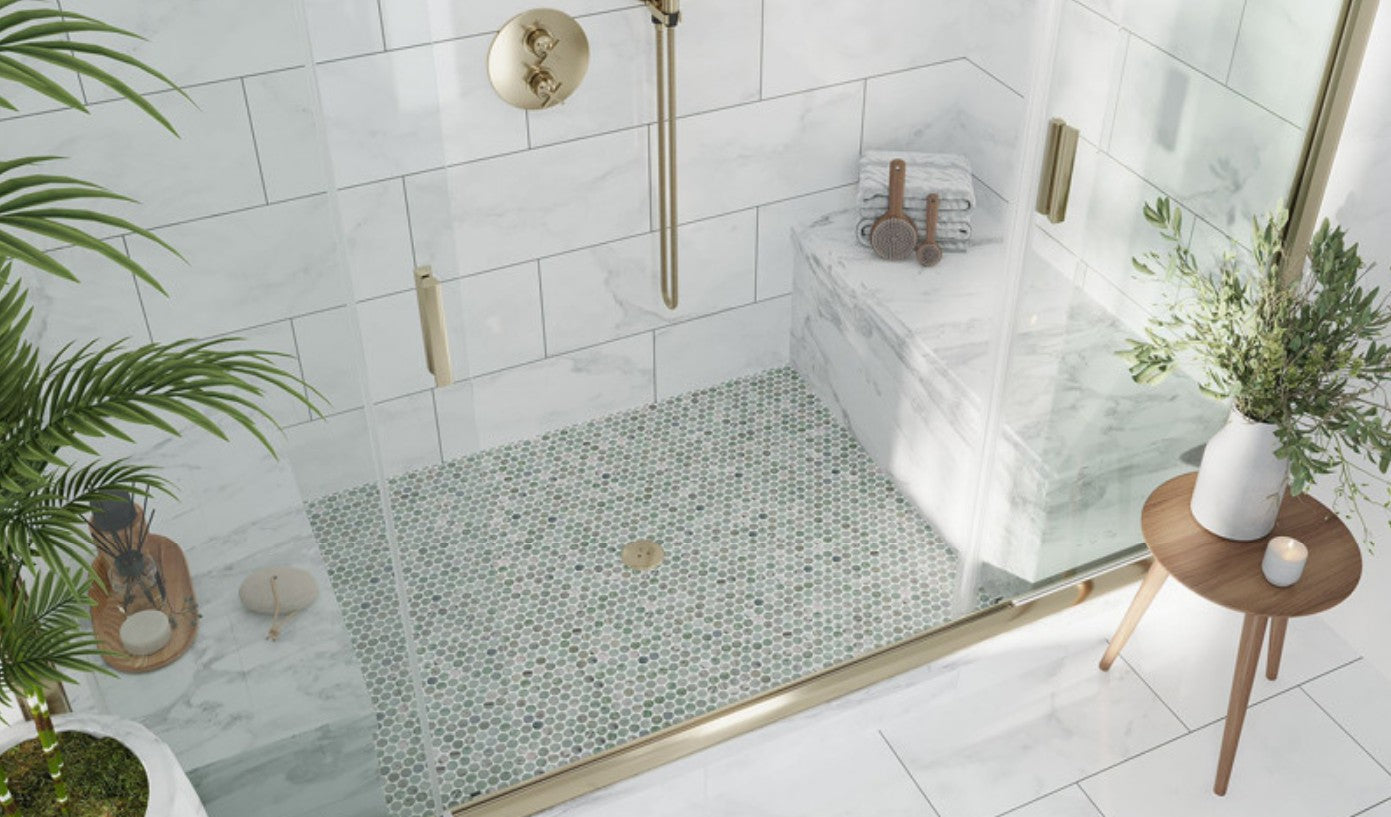
Bathrooms and shower floors are among the most important areas for anti-slip tile. Water exposure increases the risk of slipping, so tiles with higher traction are essential for safety.
Kitchens
Kitchens often experience spills and moisture. Anti-slip floor tiles help reduce accidents while maintaining a durable surface that can handle heavy foot traffic.
Entryways and Mudrooms
Entryways are prone to wet shoes and debris. Slip-resistant tile improves safety and provides a durable surface that is easy to clean.
Outdoor Patios and Walkways
Outdoor installations require tiles that can handle rain, snow, and temperature changes. Anti-slip outdoor tiles provide the traction needed to prevent falls in exposed environments.
Best Tile Materials for Slip Resistance
Porcelain Tile
Textured porcelain is one of the most popular anti-slip options due to its durability, low water absorption, and wide range of slip-resistant finishes.
Natural Stone
Honed or textured natural stone can offer good slip resistance, especially when properly sealed and maintained.
Mosaic Tile
Mosaic tiles with multiple grout joints naturally provide more traction, making them a common choice for shower floors.
Anti-Slip Tile vs. Polished Tile
Safety Considerations
Polished tiles have a smooth, reflective surface that can become slippery when wet. Anti-slip tiles, by contrast, are designed to maintain traction even in moisture-prone areas.
Design Balance
Modern anti-slip tiles are available in a wide variety of colors, patterns, and finishes, allowing homeowners and designers to prioritize safety without sacrificing style.
Commercial vs. Residential Anti-Slip Requirements
Residential Applications
In homes, anti-slip tiles are typically used in bathrooms, kitchens, laundry rooms, and outdoor living spaces to improve everyday safety.
Commercial Applications
Commercial environments such as restaurants, retail spaces, and public restrooms often require higher slip-resistance ratings to meet safety codes and reduce liability risks.
Installation Tips for Anti-Slip Tile
Proper Substrate Preparation
A flat, clean, and structurally sound substrate is essential to ensure the tile performs as intended.
Correct Grout Joint Size
Using appropriate grout joints can improve traction, particularly for smaller format tiles and mosaics.
Professional Installation
Proper installation techniques help maintain the tile’s slip-resistant properties and ensure long-term durability.
Maintenance Considerations
Regular cleaning is important because dirt, soap residue, and grease can reduce slip resistance over time. Using the correct cleaning products helps preserve the tile’s textured surface.
Why Anti-Slip Tile Matters
Anti-slip tile plays a critical role in creating safer living and working environments. By improving traction in wet and high-traffic areas, these tiles help prevent slips and falls while maintaining durability and aesthetic appeal. Whether used in a residential bathroom or a commercial kitchen, selecting the right slip-resistant tile enhances both safety and long-term performance.
Conclusion
Understanding the meaning of anti-slip tile is essential when choosing flooring for moisture-prone or high-traffic spaces. With textured surfaces, specialized finishes, and industry-rated slip resistance, anti-slip tiles provide the grip needed to reduce accidents and improve safety. From bathrooms and kitchens to outdoor patios and commercial settings, these tiles offer a practical and stylish solution for environments where traction matters most.