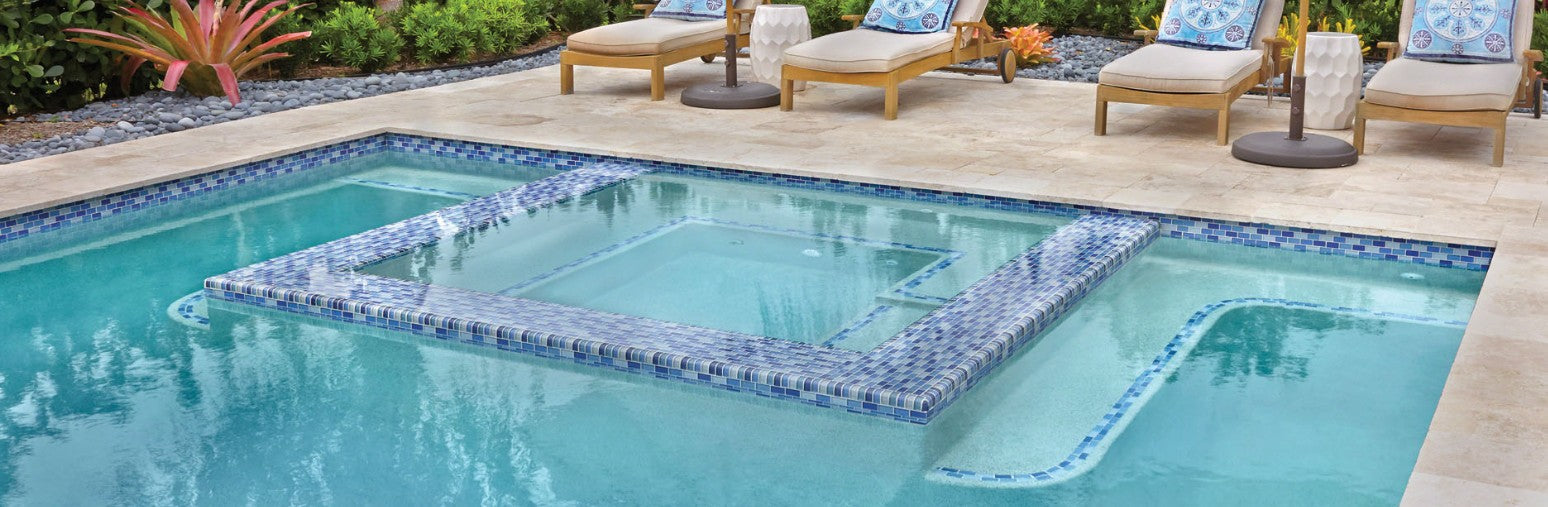
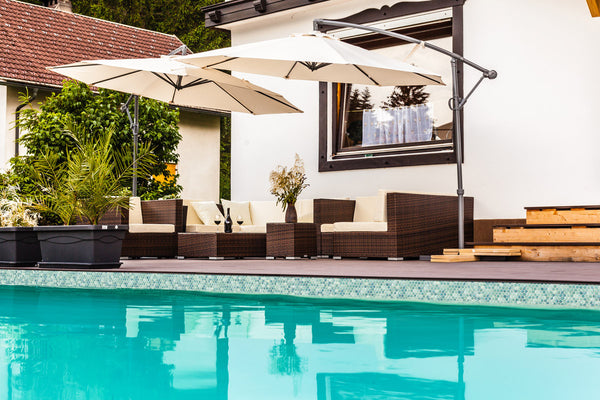
The waterline is the most visible section of any swimming pool. That six-inch band of tile running along the full perimeter of the pool at the surface of the water is the first thing guests see when they approach, the detail that defines the character of the entire pool, and the surface that has to perform day after day in one of the harshest environments a tile can face. Getting this choice right matters — both for how your pool looks and for how long it lasts.
Choosing the right waterline pool tile involves more than picking a color you like. Material, size, finish, chemical performance, and installation requirements all affect how the tile performs and how it looks over time. This guide walks through every factor you need to consider so you can make a confident, well-informed decision before you buy.
What Is Pool Waterline Tile and Why Does It Matter?
Pool waterline tile is the band of tile installed at the waterline of a swimming pool — typically 6 inches tall, running the full perimeter of the pool at the surface of the water. In most residential pools, the rest of the pool interior is finished with plaster, quartz aggregate, or pebble — but the waterline zone gets tile, and for good reason.
The waterline is constantly cycling between wet and dry. As the pool is used, water splashes above the tile line. As water evaporates between uses, the tile is exposed to air and sunlight. This wet-dry cycling is extremely hard on plaster and aggregate finishes — they crack, discolor, and deteriorate quickly when repeatedly exposed to air at the waterline. Tile is the only pool finish material that handles this transition zone reliably over the long term. It's stable both in and out of the water, it doesn't absorb the mineral deposits that accumulate at the surface, and when those deposits do form, they clean away easily from a tiled surface in a way they never do from plaster.
Beyond performance, the waterline tile is the visual frame of your pool. It's the design detail that distinguishes a carefully designed pool from a generic one, and the place where you have the most opportunity to express your personal style — through color, pattern, material, and texture.
Best Materials for Pool Waterline Tile
Glass Waterline Tile
Glass is the most popular material for pool waterlines, and for good reason. Its non-porous surface resists staining and calcium buildup better than any other tile material — mineral deposits that form at the waterline sit on top of the glass surface rather than bonding to it, making them far easier to remove with routine cleaning. Glass also reflects light beautifully, making the waterline shimmer and actively enhancing the color and vibrancy of the water. In a pool environment where sunlight, water movement, and reflection are constant, glass tile performs at its absolute best.
Glass waterline tile is available in an enormous range of colors, formats, and finishes — from small 1×1 inch mosaics in hundreds of colors to 2×4 inch brick-format tiles in iridescent, frosted, matte, and glossy finishes. Glass tile for pool use is rated for full chemical and UV exposure and will hold its color indefinitely — the color is part of the glass body itself and cannot fade or wash out. Browse our complete glass pool tile collection for waterline options.
Iridescent Glass Waterline Tile
Iridescent glass is a specialty glass tile with a multi-layer metallic coating that creates a color-shifting effect — the tile appears to change color depending on the angle of light and the viewer's position. At the waterline, this effect is especially dramatic because the light angle changes constantly throughout the day as the sun moves across the sky and water reflects light at changing angles. A pool with iridescent waterline tile never looks exactly the same twice — the waterline shimmers and shifts color continuously, creating a dynamic, living quality that no other material achieves.
Iridescent glass costs more than standard glass tile, but for waterline applications the quantity of tile needed is modest and the visual payoff is substantial. It is the premium choice for pools where visual impact is the defining priority. See our iridescent pool tile collection for a full range of colors and finishes.
Porcelain Waterline Tile
Porcelain is a durable, more affordable alternative to glass for the waterline. It's frost-proof, chemical-resistant, and available in a wide range of colors and textures. While porcelain doesn't have the reflective quality of glass, it achieves a clean, modern look at a lower price point and is a practical choice for homeowners who want a quality waterline tile without the premium cost of glass. Porcelain is also available in larger sizes than glass mosaic, which suits pools with a more architectural, minimal aesthetic where clean lines and fewer grout joints are preferred. Browse our porcelain pool tile collection for waterline-appropriate options.
Mosaic Waterline Tile
Mosaic tile — small individual tiles mounted on mesh sheets — is the most versatile waterline option for pools with curves, freeform shapes, or custom design requirements. The mesh backing allows the sheet to flex around curved surfaces that larger tiles cannot accommodate. Mosaic waterline tile is available in glass, iridescent glass, and porcelain, and can be combined in multiple colors to create patterns, gradients, and borders. Browse our glass mosaic collection for waterline border and pattern ideas.
What Size Tile Is Best for the Pool Waterline?
The standard pool waterline band is 6 inches tall. Tile size choice affects the visual character of the waterline significantly — here's how the most common sizes compare:
6×6 inch tiles — The traditional choice. A single row of 6×6 tiles fills the entire 6-inch waterline band perfectly, creating clean, horizontal lines with minimal grout joints. This is a classic pool look that works well in rectangular and geometric pools with straight lines. Easy to install along straight runs; more challenging around curves.
4×4 inch tiles — A slightly smaller format that gives a more detailed, textured look to the waterline. Requires more tiles per linear foot but offers a bit more flexibility for pools with gentle curves and rounded corners.
1×1 or 2×2 mosaic sheets — The most popular format overall, especially for pools with any curves at all. Mesh-mounted mosaic sheets flex easily around curves and freeform shapes that larger tiles cannot follow without cutting. The small tile size also allows for gradient effects, patterns, and detailed border designs that single-color large-format tiles cannot achieve.
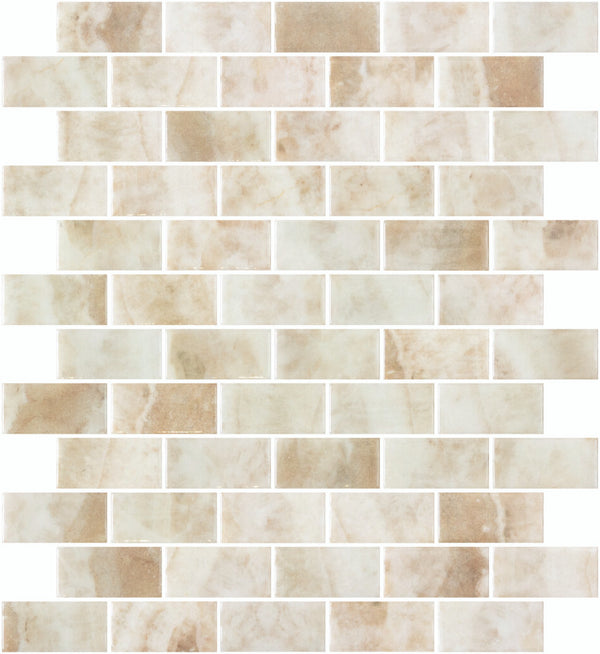
1×2 or 2×4 brick-format mosaics — A popular choice in contemporary pool design. The elongated brick format creates a horizontal running bond pattern at the waterline that looks sleek and intentional, giving the pool a modern, architectural quality.
How to Choose the Right Color for Your Waterline Tile
Waterline tile color has a dramatic effect on how your pool water looks, because the tile color reflects into the water and interacts with the pool's interior finish and the surrounding light to create the overall water appearance. This is one of the most common surprises for first-time pool builders — the water color you see in your pool is not just about the water itself, it's largely determined by the surface colors surrounding and underneath it.
Blue and blue-green tile is the most popular choice by far and produces the vivid, inviting blue water color most people associate with a beautiful pool. Sky blue and aqua creates bright, cheerful water; cobalt and deep blue creates richer, more dramatic water that appears deeper. Blue-green and teal produces a tropical, lagoon-like quality particularly popular in warm climates and naturalistic pool designs.
White and light neutral tile creates the most natural water appearance — the water reads as a light, airy blue-green that looks pristine and clean. Popular in Mediterranean, modern, and minimalist pool designs where the surrounding landscape or architecture is the focus rather than the tile itself.
Black and dark charcoal tile at the waterline produces a dramatic, contemporary water effect. The water appears very dark and mirror-like, reflecting the sky and surrounding landscape beautifully. Popular in luxury residential pools and modern architectural settings. Dark tile absorbs more heat from sunlight, which can slightly warm pool water temperature.
Iridescent and multi-toned tile shifts between colors throughout the day, creating water that appears to glow and change rather than reflecting a single static color. Works with virtually any pool interior finish and surrounding palette.
One essential tip: always evaluate tile samples wet and in your outdoor light conditions before committing to a full order. Tile color on a screen is rarely accurate, and even a physical sample looks different dry in a showroom versus wet in a pool environment. Samples are available on most products in our collection and ship quickly.
Key Installation Requirements for Waterline Tile
Waterline tile installation is more demanding than standard interior tile work. The most important requirements to understand before hiring an installer or purchasing materials:
The thinset adhesive must be rated for continuous water submersion. Standard bathroom thinset is not sufficient for pool use and will fail under the chemical and immersion conditions of a swimming pool. For glass tile, the thinset must also be white and specifically rated for glass tile installation.
A waterproofing membrane must be applied to the pool shell before tile installation. The pool shell concrete and mortar bed are not inherently waterproof, and without a membrane, water migrates through the substrate and causes tile bond failure over time.
Grout must be pool-grade epoxy grout or a high-performance polymer-modified cementitious grout rated for water immersion. Standard interior grout will fail rapidly under pool chemical and water exposure.
Expansion joints at all changes of plane — where the waterline tile meets coping, where walls meet floors — are not optional. Pool shells move with temperature, and without expansion joints to absorb that movement, tiles crack and delaminate regardless of how good the adhesive is.
Order a 10% quantity overage. Pool tile is manufactured in production lots and colors shift slightly between runs. Reordering later risks a visible color mismatch. Keep extra tiles stored dry after installation for future repairs.
Ready to choose your waterline tile? Browse our complete collection of pool waterline tiles in glass, iridescent, porcelain, and mosaic formats, or explore all swimming pool tiles at Tile Choices. Our customer service team is available by phone and email to help with material selection and quantity calculations before you order.