In the tile industry, ANSI standards are nationally recognized guidelines that define how ceramic and porcelain tile products are manufactured, tested, and installed. Developed by the American National Standards Institute, these standards provide consistency across the industry, ensuring tile products meet specific quality, safety, durability, and performance benchmarks.
For homeowners, designers, contractors, and commercial builders, understanding ANSI standards helps ensure that tile installations perform as expected and comply with professional best practices.
What Is ANSI?
The American National Standards Institute (ANSI) is a private, non-profit organization that oversees the development of voluntary consensus standards in the United States. Rather than creating standards directly, ANSI accredits committees and industry organizations that develop technical guidelines for materials and installation methods.

In the tile industry, ANSI standards establish requirements for tile specifications, installation procedures, and performance testing to create uniform expectations nationwide.
Key ANSI Standards for Tile
ANSI A137.1 – Tile Material Specifications
ANSI A137.1 defines the manufacturing and performance standards for ceramic and porcelain tile. This specification covers critical characteristics such as:
- Tile dimensions and allowable size variations
- Water absorption rates
- Breaking strength
- Surface quality and visual standards
- Slip resistance classifications
- Shade and calibration tolerances
By meeting ANSI A137.1 requirements, tile manufacturers demonstrate that their products satisfy established performance benchmarks for both residential and commercial use.
ANSI A108 – Tile Installation Standards
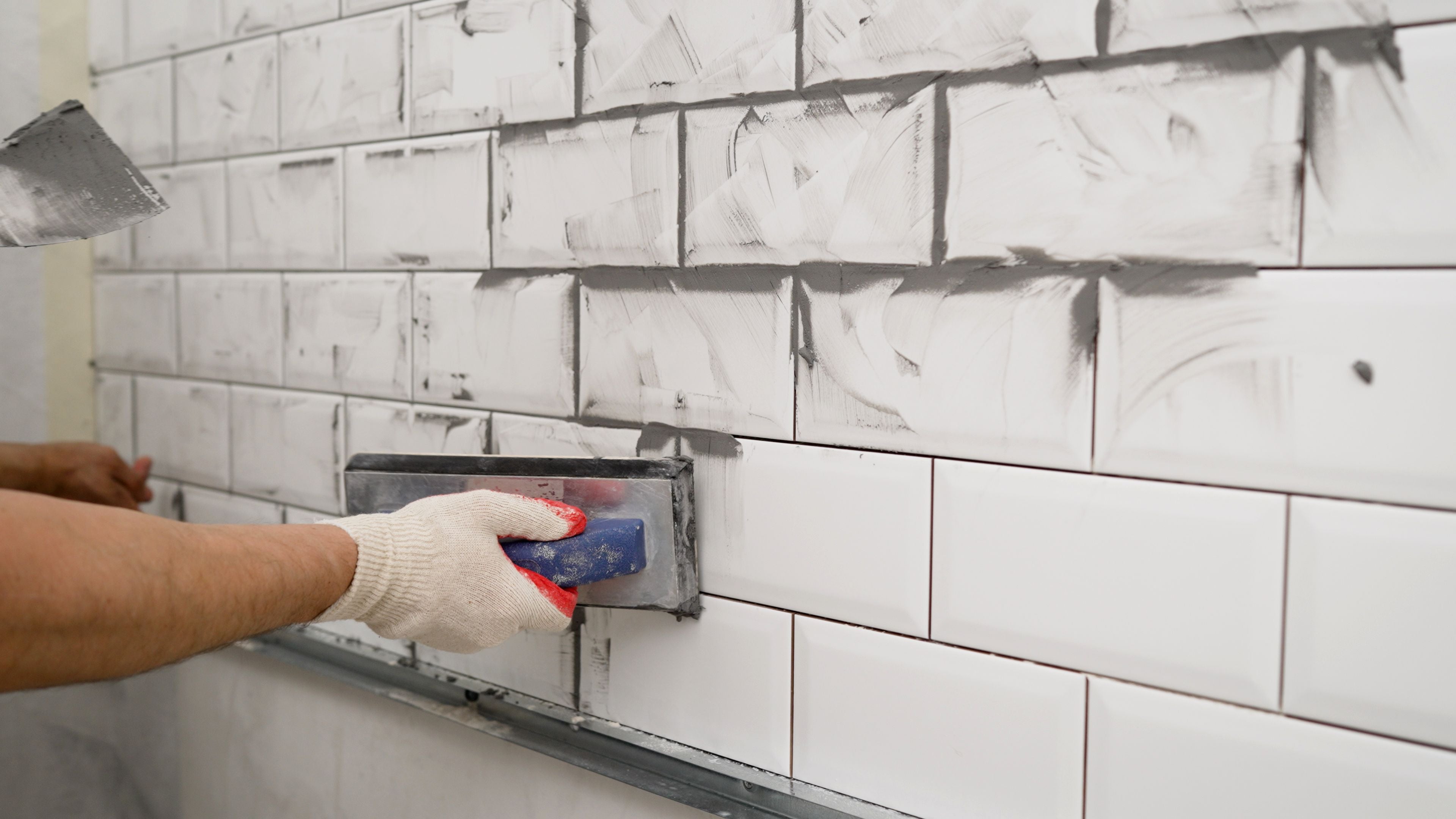
ANSI A108 outlines professional installation practices for ceramic and porcelain tile. These standards define proper procedures for setting materials, substrate preparation, grout joints, and installation tolerances.
ANSI A108 addresses important factors such as:
- Substrate flatness requirements
- Mortar coverage expectations
- Grout joint sizing guidelines
- Lippage tolerances
- Movement joint placement
Following ANSI A108 ensures that tile installations are structurally sound, visually consistent, and built to perform over time.
Why ANSI Standards Matter
Consistency Across the Industry
ANSI standards create uniform guidelines that manufacturers, installers, architects, and inspectors can rely on. This consistency reduces confusion and helps ensure projects meet predictable quality standards.
Improved Safety and Durability
By addressing slip resistance, strength, and installation tolerances, ANSI standards help prevent premature failures, cracking, and safety hazards in both residential and commercial environments.
Protection for Homeowners and Builders
When tile products and installations comply with ANSI standards, buyers gain added assurance that materials have been properly tested and installed according to industry-recognized procedures.

ANSI and Tile Performance Testing
Dimensional Accuracy
ANSI standards define allowable size variations and warpage tolerances to help maintain consistent grout joints and alignment during installation.
Breaking Strength Requirements
Minimum breaking strength values ensure tiles can withstand typical loads and foot traffic without cracking or failing.
Slip Resistance Considerations
ANSI standards incorporate testing protocols related to slip resistance, helping define acceptable performance levels for wet and dry environments.
Relationship to Other Industry Standards
ANSI standards often work alongside other recognized guidelines, such as ASTM testing procedures and TCNA installation recommendations. Together, these standards create a comprehensive framework for tile performance and quality assurance.
ANSI Standards in Residential Applications
In homes, ANSI-compliant tile products and installations help ensure:
- Durable kitchen and bathroom floors
- Properly installed shower systems
- Even grout joints and professional finishes
- Long-term resistance to wear and moisture
Installers who follow ANSI A108 guidelines reduce the likelihood of common issues such as tile lippage, hollow spots, or bond failure.
ANSI Standards in Commercial Projects
Commercial environments demand higher performance due to increased foot traffic and liability considerations. ANSI standards help architects and contractors specify tile products that meet required strength, safety, and durability criteria for retail spaces, offices, healthcare facilities, and public buildings.
Code Compliance and Inspection
Many building inspectors and project specifications reference ANSI standards to verify compliance. Using ANSI-approved materials and installation methods helps projects pass inspections and meet contractual requirements.
How to Verify ANSI Compliance
Manufacturer Documentation
Most reputable tile manufacturers list ANSI A137.1 compliance within product specifications. Reviewing technical data sheets ensures the tile meets required standards.
Professional Installation Practices
Working with experienced installers who understand ANSI A108 standards ensures proper substrate preparation, mortar coverage, and grout spacing.
Reviewing Technical Specifications
Before purchasing tile, reviewing specification sheets can confirm performance characteristics such as water absorption, strength ratings, and dimensional tolerances in accordance with ANSI requirements.
Final Thoughts on ANSI Tile Standards
ANSI standards play a vital role in maintaining quality, safety, and consistency within the tile industry. By defining material specifications through ANSI A137.1 and installation practices through ANSI A108, these guidelines establish clear expectations for manufacturing, testing, and workmanship.
Whether for a residential remodel or a large commercial project, choosing tile products and installation methods that comply with ANSI standards helps ensure long-lasting performance, structural integrity, and professional results.