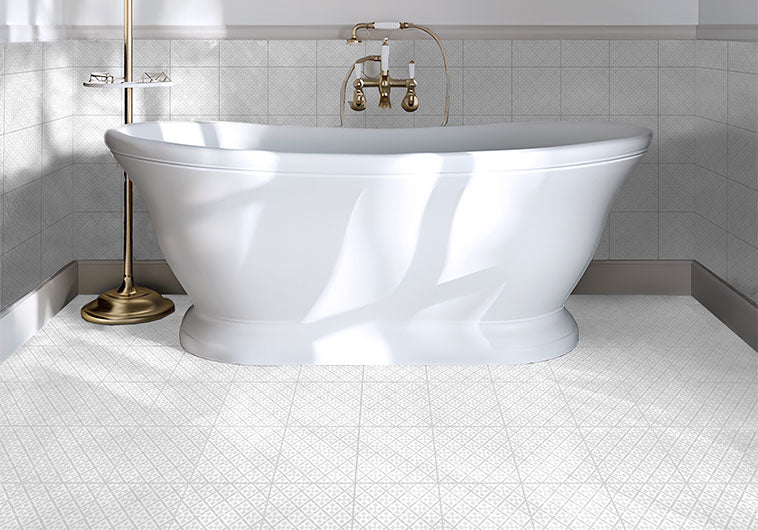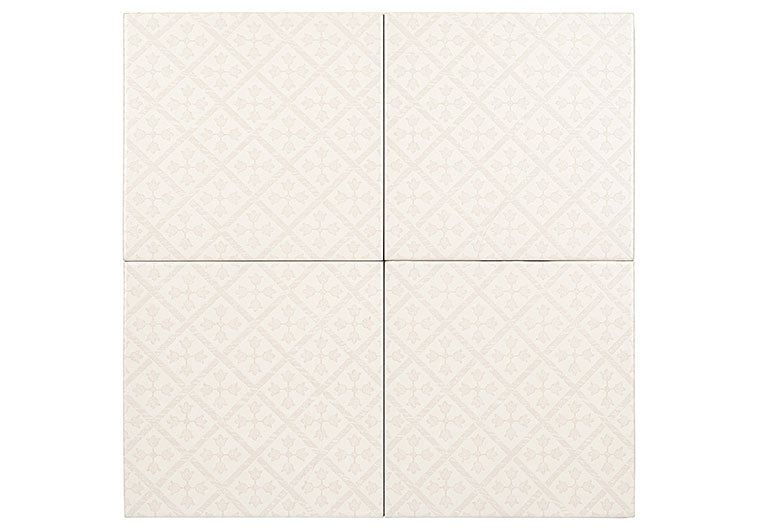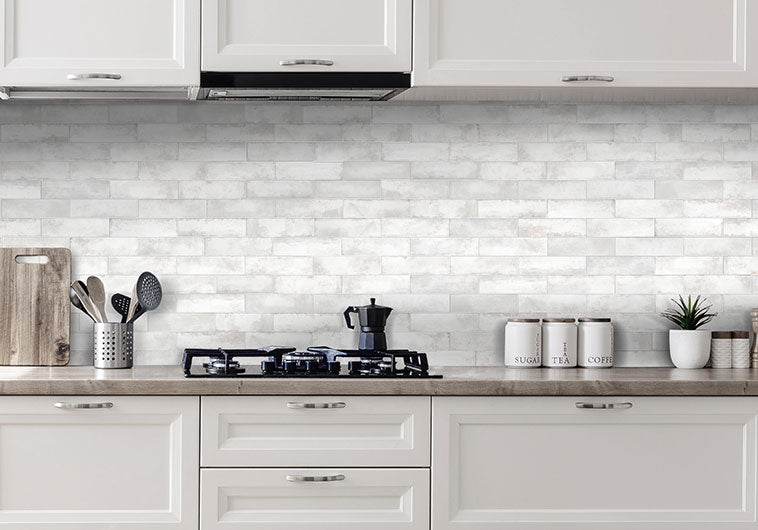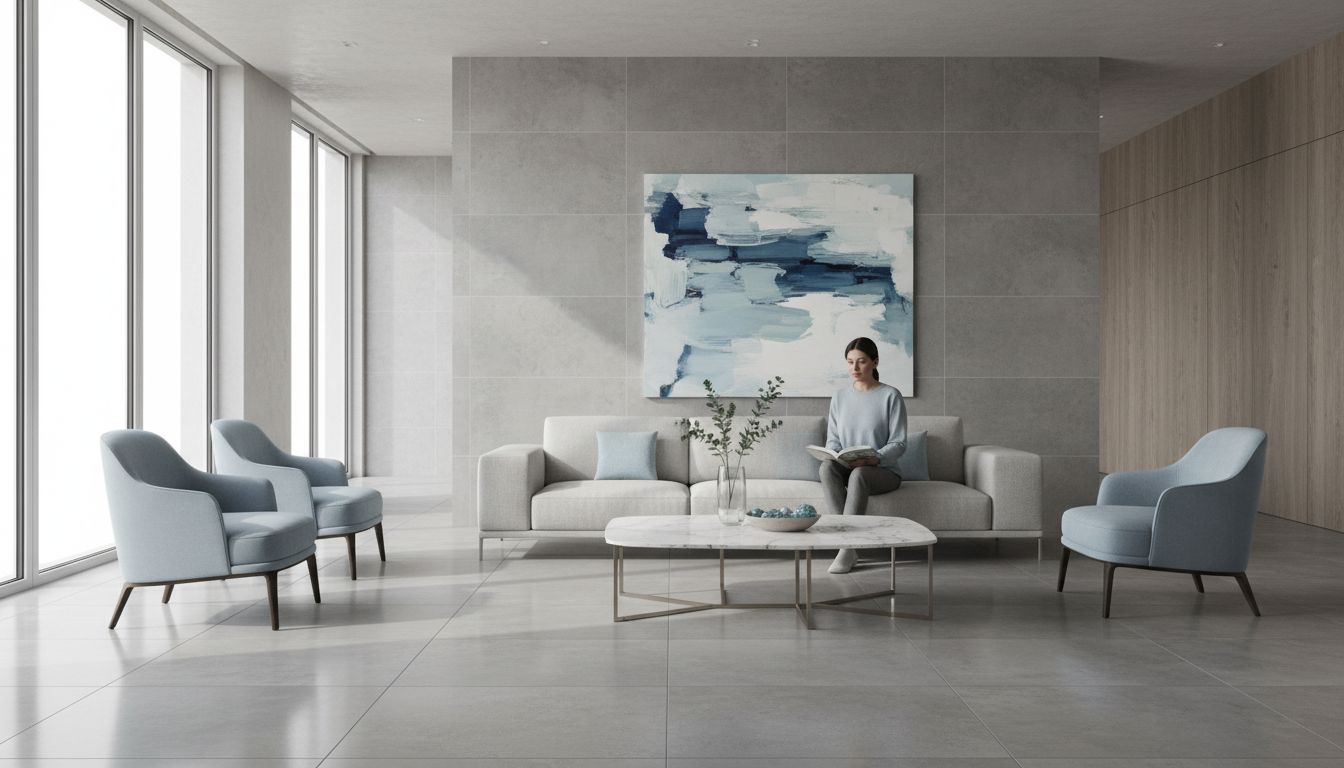

Choosing the right tile for your bathroom floor is more than just picking a pretty pattern, it's about balancing durability, water resistance, safety, maintenance, and design. At Tile Choices, we’ve assembled this comprehensive guide to help you make an intelligent, long-lasting decision that elevates your bathroom’s look and performance.
Why the Right Bathroom Floor Tile Matters
The flooring you choose affects:
- Water safety and moisture resistance: Bathrooms are high-moisture environments, and your tile needs to resist water seepage and avoid long-term damage.
- Slip resistance and safety: A wet floor is a slip hazard, the right tile surface and texture reduce risk.
- Durability under foot traffic: Floors endure weight, movement, and daily wear, quality tile can last years without damage.
- Maintenance and hygiene: Bathroom floors need tiles that resist stains, mold, and are easy to clean.
- Style and overall design cohesion: Tile floor sets the tone of the bathroom, color, style and layout can change a space’s ambiance.
Because of these demands, selecting a bathroom floor tile requires careful consideration, not just of appearance, but performance, safety, and long-term value.
Common Materials for Bathroom Floor Tile — Pros, Cons & Best Uses
Porcelain Tile — The All-Around Winner
Porcelain remains the top pick for bathroom floors thanks to its strength, water resistance, and versatility. It’s denser and less porous than standard ceramic, making it well-suited to wet, high-traffic environments like bathrooms.
Benefits of Porcelain
- Low water absorption: Many porcelain tiles absorb very little water, reducing moisture damage risk.
- High durability: Resistant to chips, cracks, and wear, ideal for busy households or commercial-grade durability.
- Easy maintenance: Typically glazed and non-porous, so they can be cleaned regularly without sealing.
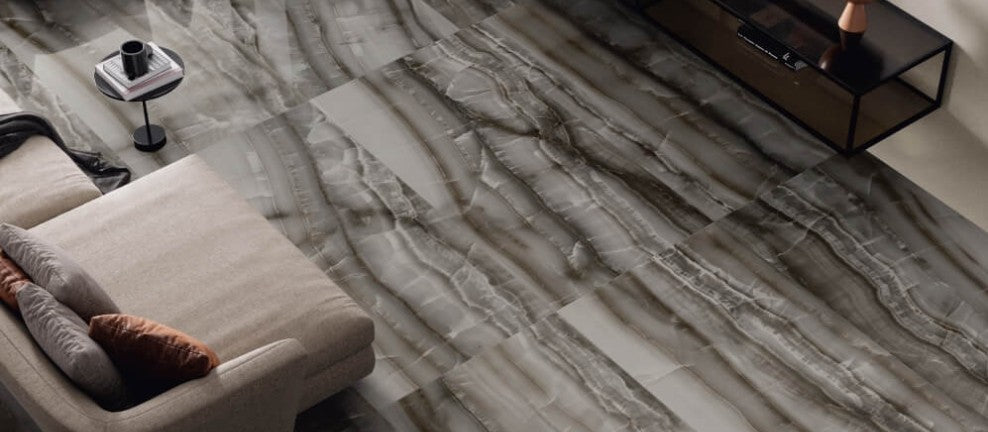
- Style flexibility: Comes in a range of finishes and designs, including stone-look, wood-look, large-format, and matte textures.
- Longevity: A well-installed porcelain floor can last decades with minimal upkeep.
Considerations for Porcelain
- Because porcelain is dense and heavy, installation may require proper subfloor preparation and sometimes professional workmanship.
- Some glazed porcelain can be slippery when wet, it's important to pick textured, matte, or slip-rated tiles for bathrooms.
Best Situations for Porcelain
Porcelain is ideal for primary bathrooms, bathrooms with heavy traffic (kids, pets, frequent use), or homeowners seeking low-maintenance floors with long-term performance. If you prefer a modern, clean, or minimalist bathroom design, porcelain delivers both looks and resilience.
Ceramic Tile — Budget-Friendly & Versatile (with Caveats)
Ceramic remains a popular choice, especially in more budget-conscious projects. Ceramic tile is fired from clay, glazed on top, and generally lighter and easier to cut than porcelain.
Benefits of Ceramic
- Lower cost: More affordable than porcelain or natural stone.
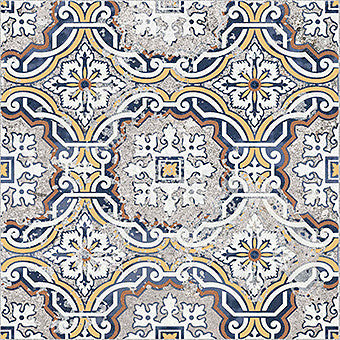
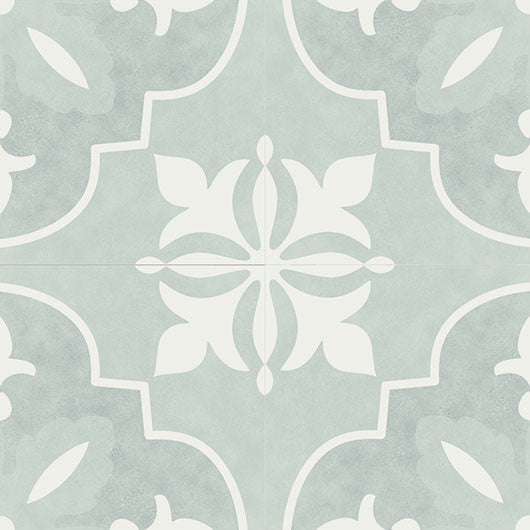
- Wide variety of colors, glazes, and finishes: Great for decorative patterns, vintage looks, or colorful bathrooms.
- Lightweight & DIY-friendly: Easier to cut and install, often good for DIY remodels or smaller bathrooms.
Drawbacks of Ceramic for Bathroom Floors
- Higher water absorption than porcelain: More porous, which can mean greater risk of moisture damage, especially if glaze is poor or grout is not sealed properly.
- Less durable under heavy foot traffic: More prone to chips, cracks, or wear over time compared to porcelain.
- Not ideal for high-moisture floors: Better suited for walls or lower-traffic bathrooms.
When Ceramic Works Well
Use ceramic if you’re renovating a guest bathroom, want to stay on a budget, or desire a more decorative tile look. For best results, choose glazed ceramic with a good finish and ensure proper grout sealing and maintenance over time.
Natural Stone Tile — For Luxury & Character (With Maintenance Commitment)
Natural stone, such as marble, slate, granite, or travertine, brings a unique, luxurious aesthetic to bathrooms, with organic variation, depth, and timeless appeal.
Why People Choose Natural Stone
- Unique, natural variation: No two tiles look exactly alike, each has distinct veining, texture, and character.
- Premium aesthetic: Ideal for spa-style bathrooms, luxury homes, or designs aiming for a classic high-end look.
- Warmth and texture: Some stones offer more grip underfoot than smooth glazed tile, especially when honed or textured, beneficial for floors in wet areas.
Challenges with Natural Stone
- Porosity requires sealing: Most natural stones absorb water and stains unless sealed properly, sealing must be repeated regularly.
- Higher maintenance needs: Clean with stone-safe or pH-neutral cleaners; avoid acidic cleaners or harsh chemicals which can etch or discolor the stone.
- Cost and installation: Usually more expensive, and installation often requires skilled labor; plus, flooring underneath must be properly prepared.
Best Use Cases for Natural Stone
Natural stone is best for master bathrooms, luxury renovations, or feature floor areas intended to impress, especially when used with careful sealing and ongoing maintenance. It’s particularly effective when pairing with underfloor heating or when a textured, authentic atmosphere is desired.
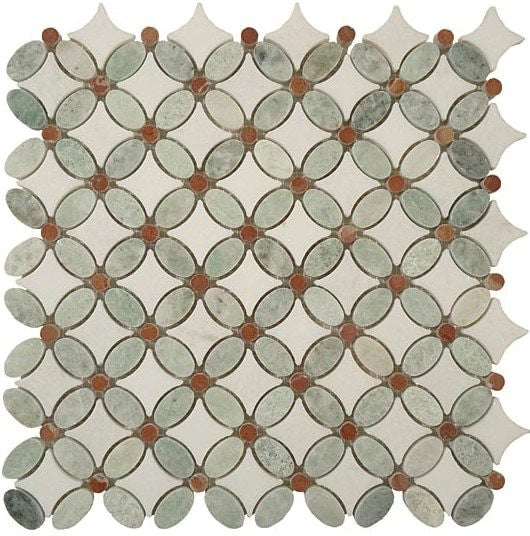
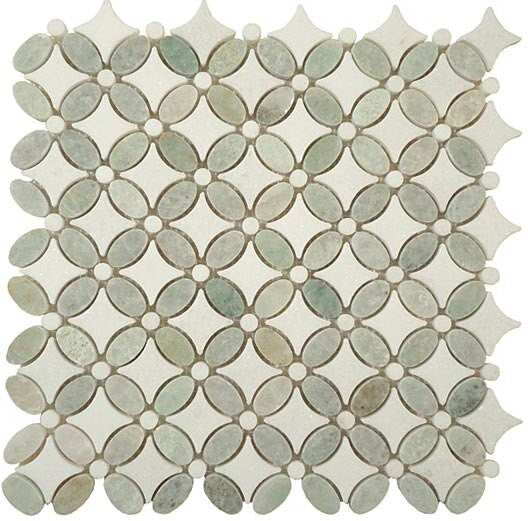
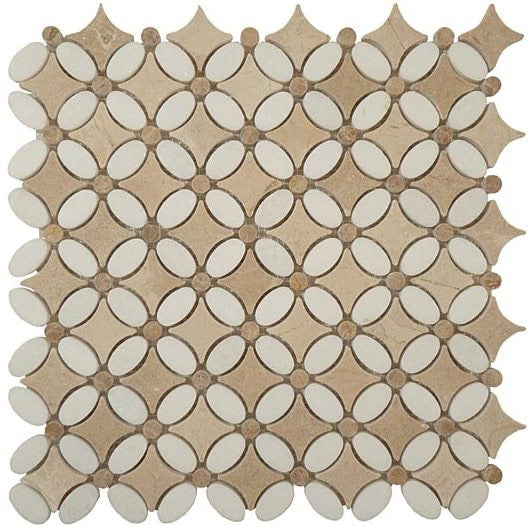
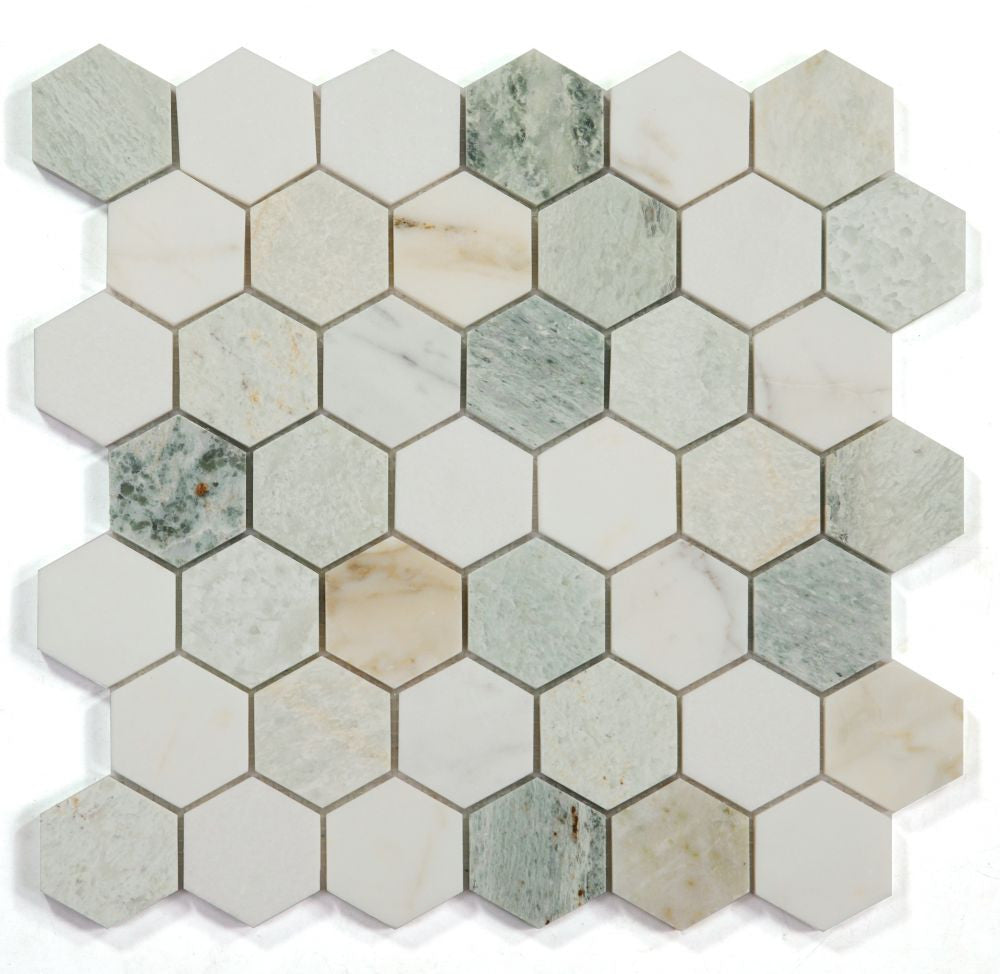
Mosaic & Small-Format Tiles — Grip, Style & Versatility
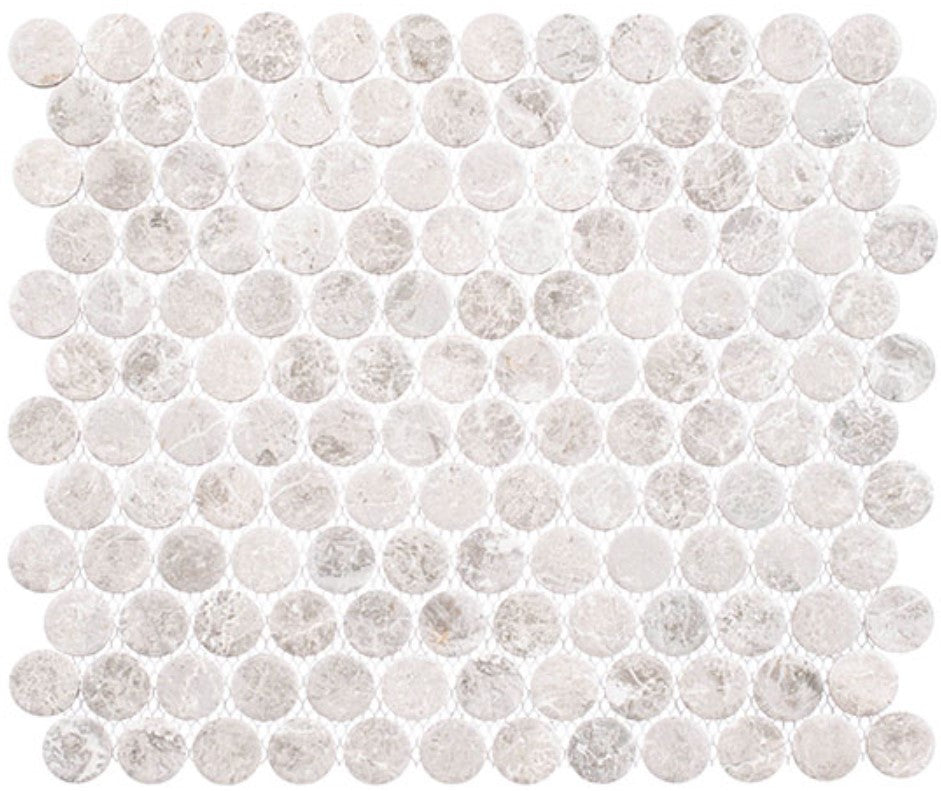
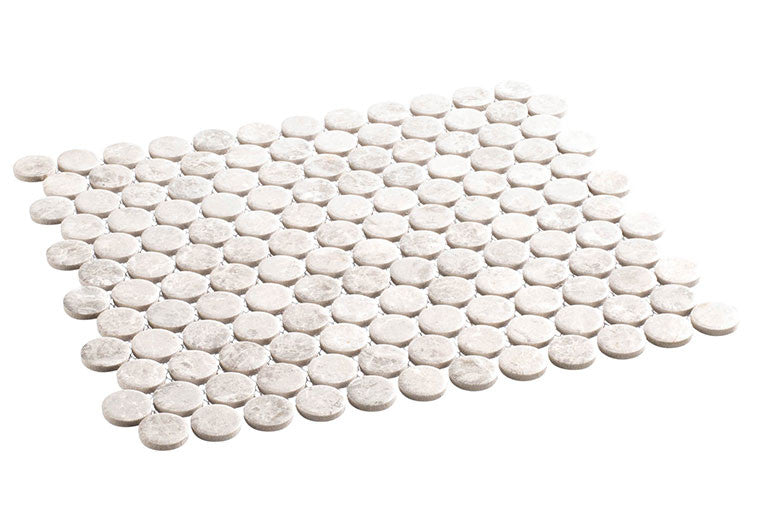
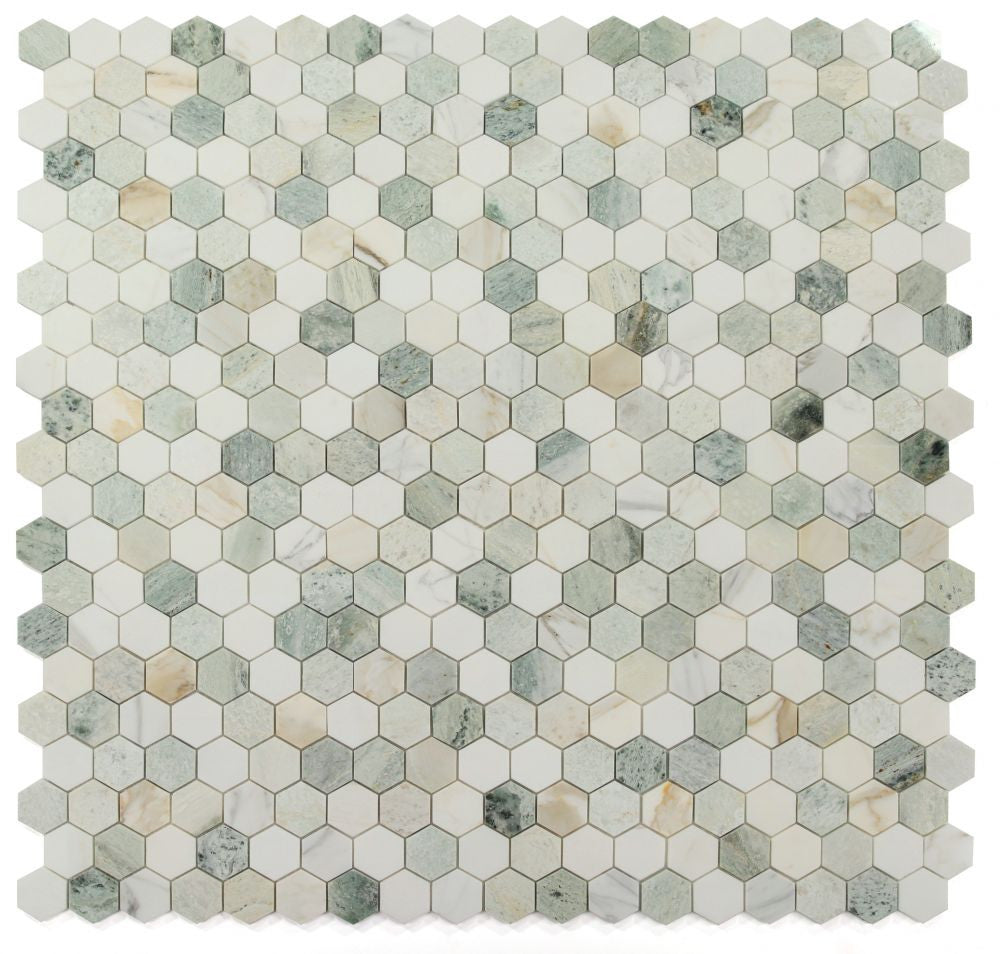
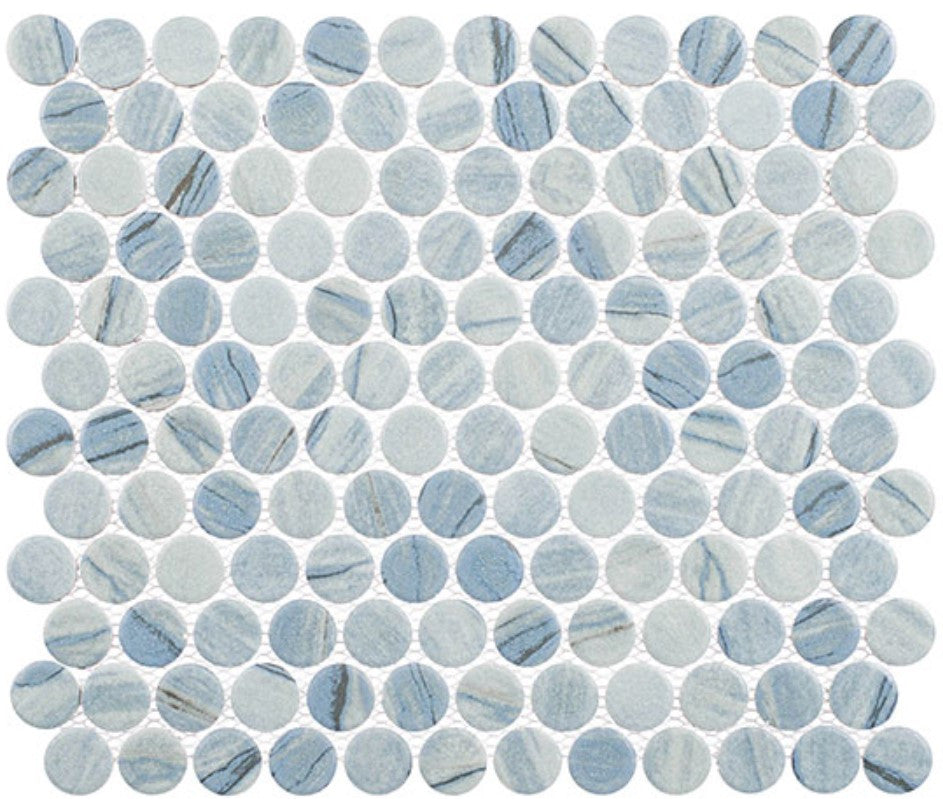
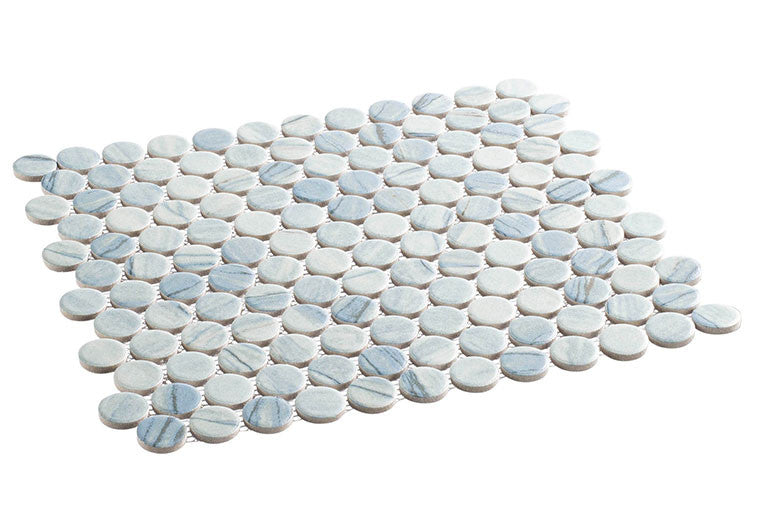
Mosaic and small-format tiles, whether ceramic, porcelain, or stone, can be smart choices for bathrooms, particularly shower floors, curved walls, or when you want extra grip underfoot.
Advantages of Mosaic/Small-Format Tile
- Better traction: More grout lines increase slip resistance, ideal for wet floors, shower pans, and high-moisture zones.
- Flexible for complex layouts: Great for small or awkward spaces, curved areas, or detailed design patterns.
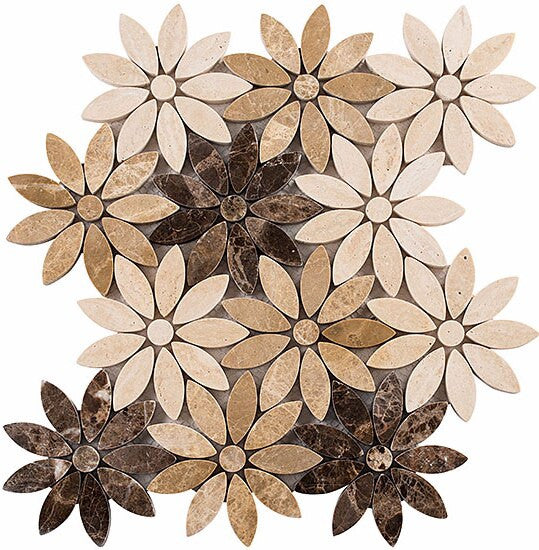
- Design freedom: Use varied colors or shapes, create borders, intricate patterns, or custom features.
Drawbacks to Consider
- More grout lines: Means more maintenance, grout can stain or mildew if not sealed and cleaned properly.
- Complex installation: Requires more careful layout planning, precise cutting, and often more labor.
Best Use Cases for Mosaic Tiles
Use mosaic or small-format tiles for shower floors, niches, accent areas, or smaller bathrooms where added texture, grip, or creative design is desired.
Key Performance Factors: What to Check Before Buying
Water Resistance & Porosity
Since bathrooms are high-moisture zones, the tile’s water absorption rate and porosity matter greatly. Porcelain has very low absorption (often < 0.5%), making it ideal. Ceramic and stone vary, glazed ceramics can perform well, but natural stone usually needs sealing.
Slip Resistance & Safety
Floors must stay safe when wet. Tiles with textured finishes or a higher coefficient of friction (COF) are preferable. Matte, honed, or textured tiles, as well as mosaic formats, tend to offer better traction than smooth, polished surfaces.
Durability & Wear Rating (PEI Rating)
For ceramic or porcelain, check the PEI (Porcelain Enamel Institute) or equivalent wear rating. For residential bathrooms, PEI 3 or higher is generally recommended; for busy households or heavy traffic, PEI 4–5 offers more long-term resistance.
Maintenance & Cleaning Needs
Tiles like porcelain or glazed ceramic need minimal maintenance, simple cleaning with mild cleaners. Natural stone, in contrast, requires periodic sealing and gentle, stone-safe cleaning. Grout also needs sealing to avoid mold, mildew, and staining.
Tile Size & Layout — Aesthetic and Practical Considerations
- Large-format tiles: Create a clean, sleek look, reduce grout lines, and make small bathrooms feel more spacious; but need flat subfloor and precise installation.
- Small-format/mosaic tiles: Offer better grip and flexibility in irregular or wet areas, like shower niches or small bathrooms.
- Grout color & joint width: Matching grout gives seamless look; contrasting grout highlights patterns. Narrow grout lines feel modern, but require precise installation and maintenance.
How to Choose the Right Bathroom Floor Tile for Your Needs
There's no one-size-fits-all answer, the “best” tile depends on your bathroom’s use, style, and long-term goals. Here’s a quick decision-making outline:
- Frequent Use & High Traffic: Choose porcelain – strong, durable, low-maintenance.
- Budget-Focused / Guest Bathroom / Light Use: Glazed ceramic or mid-range porcelain.
- Luxury Remodel / Timeless Design / Spa-like Bathroom: Natural stone (with sealing), or high-end porcelain that mimics stone.
- Wet Areas / Showers / Slopes / Small Bathrooms: Mosaic or small-format tiles for better grip and drainage.
- Desire Minimalism & Large Visual Space: Large-format porcelain or ceramic for fewer lines and more visual flow.
Common Mistakes to Avoid When Choosing Bathroom Floor Tile
- Choosing tiles purely for looks, ignoring water absorption, slip resistance, or floor suitability.
- Using polished or smooth tiles without considering slip risk when wet.
- Installing natural stone without planning for sealing and ongoing maintenance.
- Overlooking grout sealing, especially in high-moisture bathrooms, grout is often the weakest link.
- Picking tiles for the floor that are only rated for walls or low-traffic areas. Always confirm PEI or floor rating.
- Ignoring subfloor preparation, underlayment, or waterproofing, essential for long-term performance.
- Mismatching tile variations, mixing different thicknesses, textures or materials without planning can cause uneven floors or aesthetic inconsistency.
Why Tile Choices Is Your Best Partner for Bathroom Tile Selection
At Tile Choices, our mission is to give homeowners and designers access to high-quality tiles that combine performance, safety, and style. Here's what sets us apart:
- Wide selection: From budget-friendly ceramic to premium porcelain, natural stone, mosaic and large-format — we cover all styles and needs.
- Quality assurance: We only stock tiles rated for floor and bathroom use — with attention to water resistance, durability, and safety.
- Design-forward approach: Our catalog features versatile colors, finishes, and textures to match any bathroom aesthetic — modern, classic, rustic, minimal, or luxury.
- Customer support & guidance: We provide installation tips, maintenance advice, and help you choose tiles based on your space and lifestyle.
- Great value: We balance between cost, longevity, and ease-of-maintenance — to give you a floor that lasts without overspending.
Conclusion: Make the Right Choice for a Bathroom Floor That Lasts
There’s no single “best” bathroom floor tile — but there is a right choice for your lifestyle, budget, and design vision. Whether you go with durable porcelain, budget-friendly ceramic, luxurious natural stone, or flexible mosaics — if you consider water resistance, slip safety, maintenance, and layout carefully, you’ll end up with a bathroom floor that performs and impresses for years to come.
Let Tile Choices help you find that perfect tile, and enjoy a bathroom floor that brings both style and peace of mind.