Choosing the right floor tile can transform the style, durability, and functionality of your home. Whether you are renovating a bathroom, updating a kitchen, or designing a new space, tile flooring offers a combination of beauty and long-lasting performance.
From porcelain and ceramic to natural stone and mosaic tile, today’s flooring options provide homeowners with nearly unlimited design possibilities. This floor tile buying guide explains the most important factors to consider when selecting tile flooring, including tile materials, durability ratings, installation considerations, and the best tile choices for each room in your home.
Why Floor Tile Is One of the Best Flooring Choices
Tile flooring continues to be a popular option because it combines design flexibility with long-term durability. Compared with carpet or hardwood, tile is extremely resistant to moisture, scratches, and daily wear.
Key Benefits of Floor Tile
- Highly durable and resistant to heavy foot traffic
- Easy to clean and maintain
- Water-resistant and ideal for wet areas
- Wide variety of colors, textures, and styles
- Available in many price ranges to fit different budgets
Many modern tiles are also manufactured with slip-resistant surfaces, making them suitable for areas such as bathrooms, entryways, and kitchens.
Types of Floor Tile Materials
One of the first steps when choosing floor tile is deciding which material best suits your project. Each type of tile offers unique advantages in terms of appearance, durability, and maintenance.
Porcelain Floor Tile
Porcelain tile is one of the most durable flooring materials available. It is manufactured using dense clay and fired at very high temperatures, resulting in a tile that absorbs very little water.
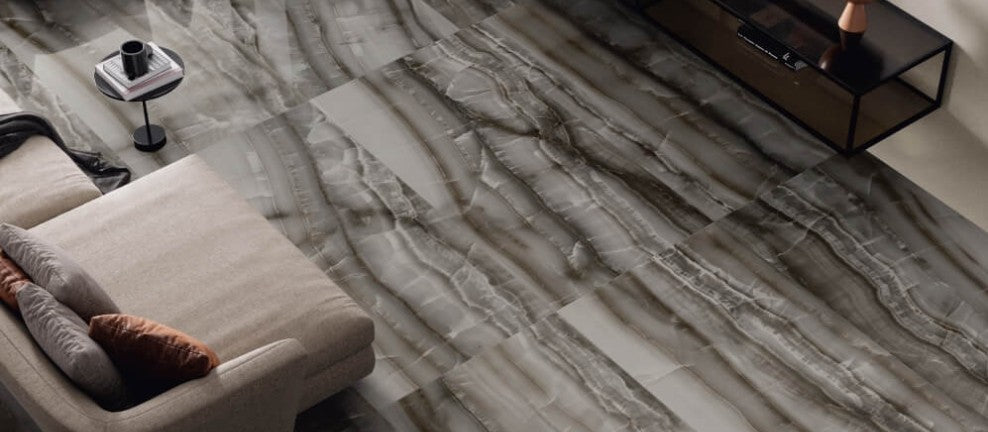
Porcelain tiles are ideal for high-traffic areas such as kitchens, hallways, and entryways. Many porcelain tiles are designed to replicate the look of natural materials such as marble, wood, or concrete while offering easier maintenance.
Ceramic Floor Tile
Ceramic tile is another widely used flooring option for residential spaces. It is generally more affordable than porcelain and comes in a wide variety of finishes and colors.
Ceramic tiles are best suited for areas with moderate foot traffic such as bathrooms, bedrooms, and living areas.
Natural Stone Tile
Natural stone tiles such as marble, slate, travertine, and granite provide a luxurious and timeless appearance. Each tile has unique patterns and color variations that add character to a space.
Because natural stone is porous, it typically requires sealing to protect it from moisture and stains.
Mosaic Floor Tile
Mosaic tiles are small tiles arranged on mesh sheets that create intricate patterns and designs. They are commonly used in bathrooms, entryways, and decorative flooring accents.
The additional grout lines in mosaic tile can improve traction, making them a popular option for shower floors and wet environments.
Floor Tile vs Wall Tile: What’s the Difference?
Although many tiles look similar, floor tiles and wall tiles are designed for different purposes.
Floor tiles are thicker, stronger, and designed to withstand weight and heavy traffic. They also often include textured surfaces that provide better traction.
Wall tiles, on the other hand, are typically thinner and lighter. While they work well for backsplashes and shower walls, they are not designed to support the stress of foot traffic.
Choosing the Right Floor Tile Size
Tile size plays an important role in the overall look and feel of a room. Large tiles can make a space feel more open and modern, while smaller tiles can add texture and detail.
Common Floor Tile Sizes
- 12 x 12 inch tiles – classic and versatile
- 12 x 24 inch tiles – modern and popular for bathrooms
- 18 x 18 inch tiles – ideal for larger rooms
- Mosaic tiles – great for decorative designs and shower floors
Larger format tiles create fewer grout lines, which can make floors appear cleaner and more spacious.
Water Resistance and Slip Ratings
Water resistance is one of the most important factors when choosing tile for bathrooms, kitchens, laundry rooms, or entryways.
Porcelain tile typically absorbs less water than ceramic tile, making it a preferred option for wet areas. Slip-resistant finishes are also recommended in spaces where floors frequently become wet.
Best Floor Tiles for Each Room
Kitchen Floor Tiles
Kitchens experience heavy foot traffic and frequent spills. Porcelain and ceramic tiles are excellent choices because they resist stains, moisture, and everyday wear.
Bathroom Floor Tiles
Bathrooms require tiles that provide traction and moisture resistance. Smaller tiles or mosaic tiles are often used because the additional grout lines create better slip resistance.
Living Room and Bedroom Tiles
For living spaces and bedrooms, homeowners often select tiles that mimic natural materials such as wood or stone. These designs provide warmth and texture while maintaining the durability of tile.
Entryway and Mudroom Tiles
Entryways experience some of the highest traffic in a home. Durable porcelain tiles with textured finishes help resist dirt, moisture, and wear.
Popular Floor Tile Design Trends
Modern tile design trends continue to evolve, but several styles remain popular among homeowners and interior designers.
Large Format Tiles
Large format tiles create a clean, contemporary look with fewer grout lines.
Wood Look Tile
Wood-look porcelain tiles provide the appearance of hardwood flooring while offering the durability and water resistance of tile.
Stone Look Tile
Tiles designed to resemble marble, slate, or limestone deliver a natural aesthetic without the maintenance requirements of real stone.
Geometric and Patterned Tile
Patterned tiles and geometric shapes can create eye-catching floors and statement designs in bathrooms and entryways.
How to Buy Floor Tile: Step-by-Step
1. Set Your Budget
Tile prices can vary widely depending on the material and design. Ceramic and porcelain tiles tend to be among the most cost-effective options.
2. Measure Your Space
Carefully measure the area you plan to tile and always order extra material to account for cuts, waste, and future repairs.
3. Check Durability Ratings
Look for tiles with ratings that match the expected traffic level in the space. High-traffic areas require stronger, more durable tile.
4. Order Samples First
Tile samples allow you to see colors, textures, and finishes in your home’s lighting before committing to a full purchase.
Final Thoughts: Choosing the Right Floor Tile
The best floor tile for your home balances durability, design, and functionality. By considering the tile material, size, water resistance, and intended room use, you can select a flooring option that enhances your home’s style while providing years of performance.
Whether you prefer classic ceramic, durable porcelain, elegant natural stone, or intricate mosaic designs, tile flooring remains one of the most versatile and long-lasting choices available for modern homes.