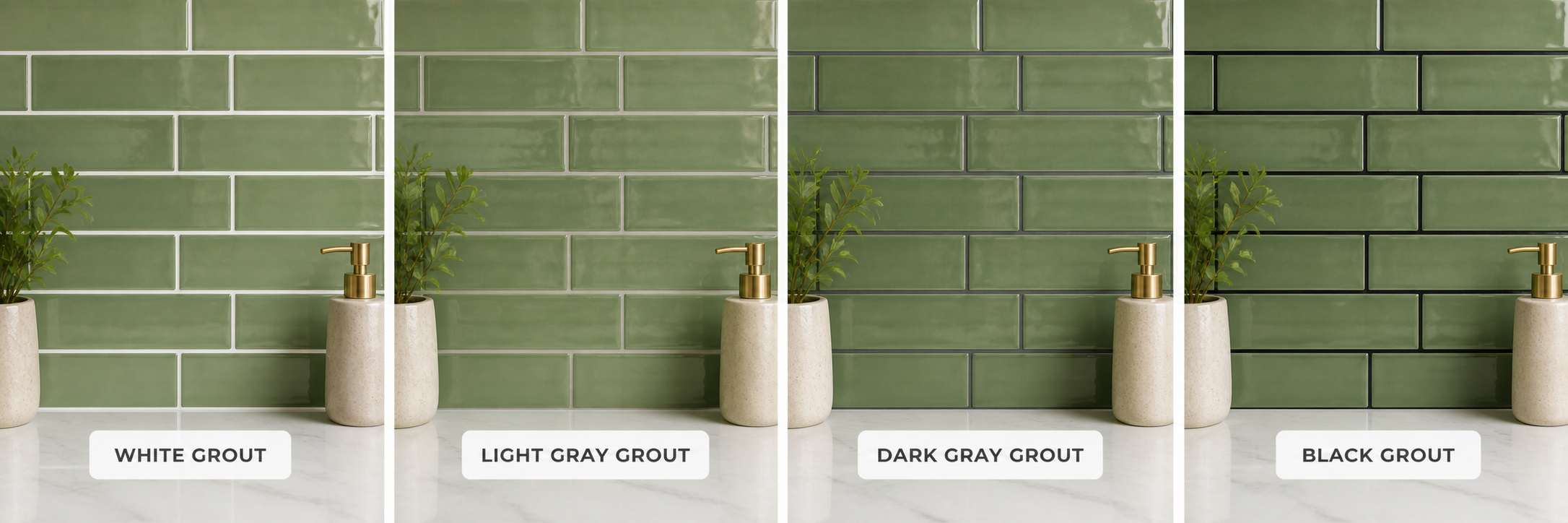
Choosing the right grout for green tile is one of the most important decisions in your entire tile project, and one of the most frequently underestimated. Get it right and your grout lines become part of the design, reinforcing the tile's color and pattern in exactly the way you intended. Get it wrong and even the most beautiful green tile can look unfinished, muddy, or oddly divided. This guide covers every combination you need to consider: by tile shade, by room, by finish, and by the design effect you are trying to achieve. By the end, you will know exactly which grout to order alongside your green tile.
Why Grout Color Matters More Than People Expect
Grout occupies between 5% and 15% of the total visual surface of a tiled wall or floor, depending on tile size and grout joint width. In small-format tile, mosaic, penny round, hexagon, grout lines can represent 20% or more of the visible surface. At that coverage level, grout is genuinely a co-design element, not a background detail.
The grout color you choose will determine whether your green tile installation reads as seamless and immersive (color-matched grout), softly contrasted (complementary neutral grout), or boldly graphic (high-contrast grout). None of these is inherently right or wrong, the choice depends on the design effect you want to create. This guide maps every option for every green shade in our green tile collection.
Grout for Sage Green Tile
Best Choice: Warm White or Linen Grout
Warm white grout, not bright, cold white, but a white with beige or cream undertones, is the most popular and universally flattering choice for sage green tile. It creates gentle, readable contrast that highlights the tile format without competing with the color. In a bathroom or kitchen, warm white grout with sage green tile feels clean without being harsh. This pairing works for subway tile, large-format tile, and mosaic formats equally well.
Alternative: Warm Beige or Sandstone Grout
For a more tonal, nature-inspired result, warm beige or sandstone grout picks up the earthy undertones of sage green and creates a cohesive palette that feels organic and warm. This pairing is especially effective in bathrooms with natural wood, travertine, or warm stone accents where the grout connects the tile to the surrounding materials.
Color-Matched: Soft Sage Grout
Matching your grout closely to a sage green tile creates the color-drenched, seamless effect that interior designers are specifying in 2026. The individual tile format recedes visually, and the wall reads as a continuous field of soft warm green. This approach works beautifully in shower enclosures and feature walls where immersive color is the goal. Read our green tile shower ideas guide for full context on designing a color-drenched green shower.
What to Avoid with Sage Green Tile
Avoid stark, cool-white grout with sage green tile. The contrast is too sharp and makes the installation look clinical. Also avoid cool gray grout, which can pull the sage toward a dull, lifeless tone that loses its warmth. Sage green tile is doing nuanced color work, its grout should support that, not fight it.
Grout for Emerald Green Tile
Best Choice: Charcoal or Dark Gray Grout
Charcoal grout with emerald green tile creates a bold, deliberate, high-contrast look that emphasizes each tile's shape and the depth of the green color. This is the grout choice most associated with deep green tile in interior design, it reads as sophisticated, intentional, and unapologetically modern. It works especially well in enclosed shower enclosures and powder rooms where the high contrast creates drama without feeling overpowering. See our emerald green tile design guide for full design context.
Alternative: Off-White or Linen Grout
Off-white grout with emerald green tile creates a lighter, more traditional result. The contrast is softer than charcoal, which allows the richness of the emerald color to carry the design rather than the tile format. This pairing works well in traditional and transitional interiors where a softer contrast feels more appropriate than the graphic impact of charcoal.
Color-Matched: Deep Green Grout
Color-matched deep green grout with emerald tile is the most immersive option. Used in a shower enclosure, this combination creates walls that read as a single, continuous field of rich color. Use epoxy grout for best color retention and stain resistance in wet environments. This is the most dramatic green shower approach and the one that creates the most memorable, spa-like experience.
Grout for Forest Green Tile
Best Choice: Warm White or Linen Grout
Forest green tile is earthy enough that warm white or linen grout creates a comfortable, natural contrast without the sharpness of stark white. The combination reads like moss against pale stone, organic and effortlessly beautiful. Our bathroom tile collection and shower wall tile collection both include forest green options well suited for this pairing.
Alternative: Warm Gray Grout
Warm gray grout with forest green tile creates a more contemporary, muted result. The warmth in the gray prevents it from reading as cold, and the combination has a quieter, more understated quality, well suited to minimalist and Japandi-inspired bathroom designs where restraint is the design value.
Grout for Mint Green Tile
Best Choice: Bright White or Crisp White Grout
Mint green tile, the lightest and coolest of the green shades, pairs naturally with bright, crisp white grout. The combination creates a clean, vintage-inspired result that works especially well in bathrooms and kitchens where you want freshness and brightness. White grout with mint green subway tile is a classic pairing with decades of design history that looks at home in both traditional and contemporary settings.
Alternative: Light Gray Grout
Light gray grout with mint green tile softens the contrast while maintaining clarity. For contemporary kitchens and bathrooms where a slightly more muted result is preferred, light gray grout reads as more modern than stark white while still keeping the overall palette bright and fresh.
Grout for Olive Green Tile
Best Choice: Warm Beige or Sandstone Grout
Olive green tile has strong yellow-warm undertones, and warm beige grout works perfectly alongside those undertones without competing. The combination is earthy, organic, and grounding, ideal for bathrooms and entryways with natural stone, terracotta, or warm wood elements. This is the most popular grout choice for olive green tile in Mediterranean, farmhouse, and transitional interiors.
Alternative: Warm Gray Grout
Warm gray grout creates a slightly cooler, more contemporary result with olive green tile. It neutralizes some of the yellow warmth in olive without eliminating it entirely, creating a sophisticated palette that works in modern kitchen and bathroom designs where the earthiness of olive is desirable but some contemporary edge is wanted.
Grout for Jade and Teal Green Tile
Best Choice: White or Light Gray Grout
Jade and teal green tile carry a blue undertone that pairs naturally with the crispness of white or light gray grout. The combination maintains the aquatic, luminous quality of jade and teal, particularly beautiful when used with glass tile formats where the grout lines create visible structure within the glimmering field of color.
Color-Matched: Jade or Teal Grout
Matching grout to jade or teal green tile creates an immersive, water-like quality that is especially effective in pool-adjacent applications and glass mosaic shower installations. This approach transforms a tiled surface from a pattern of individual tiles into a single, flowing plane of rich aquatic color.
The Color-Drenching Approach: Matching Grout to Tile
Color-drenching, running the same grout color as your tile throughout an installation, is one of the strongest interior design trends in 2026. In a shower enclosure, matching grout to your green tile creates walls that read as a single, immersive surface. The tile format recedes; the color is everything. This works best in enclosed spaces where the effect can be experienced fully: shower enclosures, powder rooms, and full-height bathroom feature walls. For guidance on grout types and application, see our dedicated post on choosing the right grout.
Sanded vs. Unsanded Grout for Green Tile
Use unsanded grout for grout joints under 1/8 inch, common with mosaic tile and small-format subway tile. Use sanded grout for joints 1/8 inch and wider. Sanded grout should not be used with polished glass tile as the sand particles can scratch the surface. For glass green tile in any format, always specify unsanded grout and confirm compatibility with your tile supplier before purchasing.
Epoxy Grout for Wet Green Tile Applications
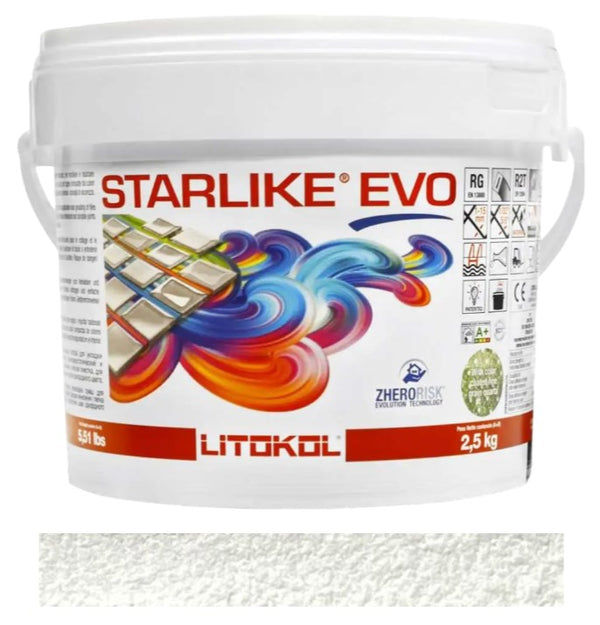
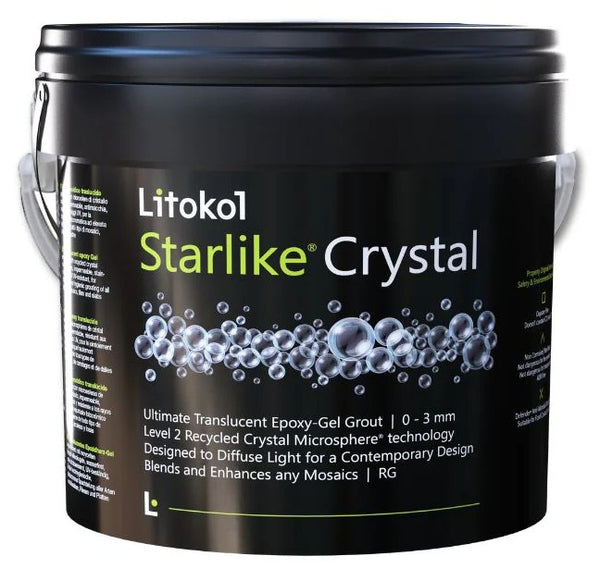
For shower floors, shower walls, and kitchen backsplashes near the sink, epoxy grout provides the best long-term performance. It is stain-resistant, does not require sealing, and maintains color vibrancy over time in wet environments. Epoxy grout is more expensive and more technically demanding to install than cement grout, work quickly and clean tiles thoroughly before grout sets. For high-moisture green tile installations you want to keep looking pristine for years, the additional investment in epoxy grout is worthwhile.
Quick Reference: Best Grout Colors for Every Green Tile Shade
| Green Tile Shade | Best Grout | Alternative Grout | Color-Drenched Option |
|---|---|---|---|
| Sage Green | Warm White / Linen | Warm Beige | Soft Sage Match |
| Emerald Green | Charcoal / Dark Gray | Off-White | Deep Green Match |
| Forest Green | Warm White / Linen | Warm Gray | Forest Green Match |
| Mint Green | Bright White | Light Gray | Mint Match |
| Olive Green | Warm Beige / Sandstone | Warm Gray | Olive Match |
| Jade / Teal Green | White or Light Gray | Warm Beige | Jade Match |
For the tiles themselves, browse our complete green tile collection. For bathroom-specific guidance, see our green tile bathroom ideas guide. For kitchen applications, visit our green kitchen backsplash tile ideas post. For full shower design guidance using green tile, read our green tile shower ideas guide. Also explore our bathroom tiles and shower wall tiles for green options across formats and materials.