Choosing between arabesque tile and subway tile is one of the most common decisions homeowners face when designing a kitchen backsplash or bathroom wall. Both styles are incredibly popular—but they offer very different looks, design impacts, and installation experiences.
So which one is better? The answer depends on your style, budget, and the overall feel you want to create. In this complete guide, we’ll break down the differences between arabesque tile and subway tile, compare their pros and cons, and help you decide which option is right for your space.
Table of Contents
- Arabesque Tile vs Subway Tile (Quick Overview)
- Design & Visual Impact
- Style Compatibility
- Installation Differences
- Maintenance & Durability
- Cost Comparison
- Best Use Cases for Each
Arabesque Tile vs Subway Tile (Quick Overview)
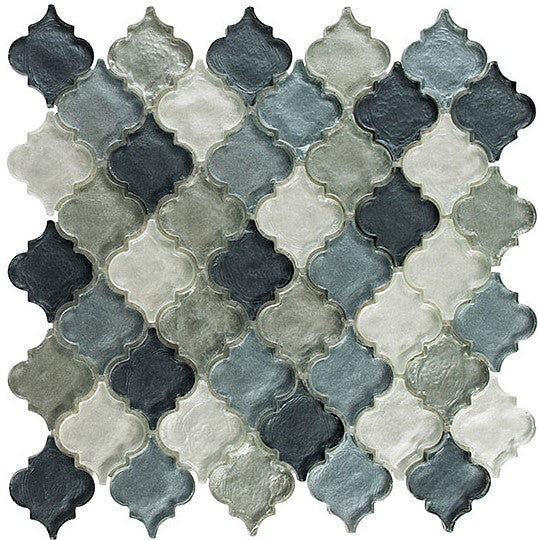
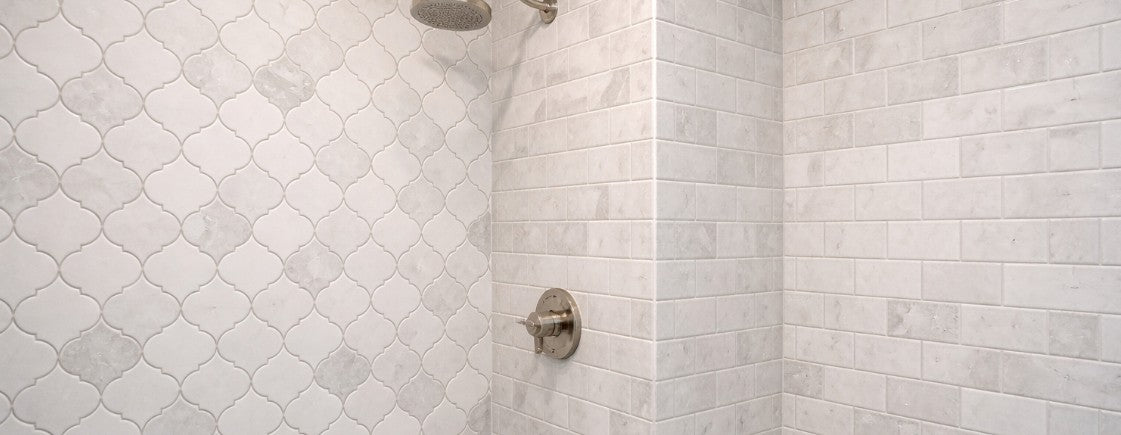
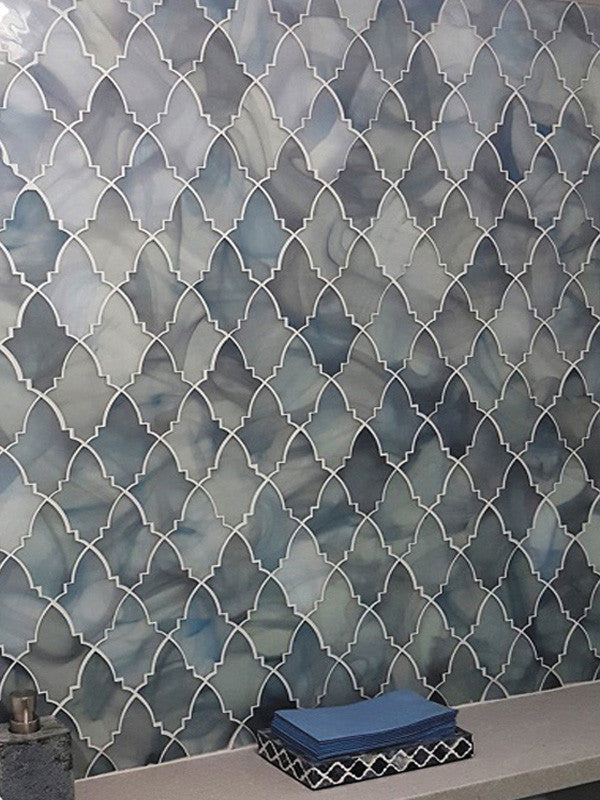
Arabesque tile features a curved, decorative shape inspired by Moroccan and Moorish design, while subway tile is a simple rectangular tile known for its clean, linear appearance.
- Arabesque Tile: Decorative, elegant, and eye-catching
- Subway Tile: Simple, classic, and versatile
Both are timeless—but they serve different design purposes.
Design & Visual Impact
Arabesque Tile
Arabesque tile creates movement and flow due to its curved edges. It naturally draws attention and works well as a focal point in kitchens and bathrooms.
- Intricate pattern
- High-end appearance
- Best for statement designs

Subway Tile
Subway tile offers a clean and structured look. Its straight lines create a sense of order and simplicity.
- Minimalist design
- Clean lines
- Works well as a background element
If you want a bold backsplash, arabesque tile wins. If you prefer a subtle and clean look, subway tile is the better choice.
Style Compatibility
Arabesque Tile
Arabesque tile works best in:
- Luxury kitchens
- Coastal designs
- Transitional spaces
- Statement walls
Subway Tile
Subway tile fits almost any style:
- Modern kitchens
- Farmhouse designs
- Industrial spaces
- Traditional interiors
Subway tile is more universally adaptable, but arabesque tile offers a more unique and custom feel.

Installation Differences
Arabesque Tile Installation
Due to its curved shape, arabesque tile requires careful alignment and planning.
- More complex layout
- Requires dry fitting
- Takes more time to install
Subway Tile Installation
Subway tile is one of the easiest tiles to install.
- Straightforward layout
- Faster installation
- Beginner-friendly
If you’re doing a DIY project, subway tile is easier. For a high-end custom look, arabesque tile is worth the extra effort.
Maintenance & Durability
Maintenance depends more on the material (glass, porcelain, marble) than the shape, but the pattern does play a role.
Arabesque Tile
- More grout lines due to shape
- May require more detailed cleaning
- Sealing needed for natural stone
Subway Tile
- Fewer grout lines
- Easier to clean
- Low maintenance overall
If easy maintenance is a top priority, subway tile has the advantage.
Cost Comparison
Cost can vary depending on material and brand, but here’s a general breakdown:
- Arabesque Tile: Typically higher cost due to shape and design
- Subway Tile: More affordable and widely available
Installation costs may also be higher for arabesque tile because of the added complexity.
Best Use Cases for Each
Choose Arabesque Tile If You Want:
- A statement backsplash
- A high-end, designer look
- A unique and eye-catching pattern
Choose Subway Tile If You Want:
- A clean and simple design
- A budget-friendly option
- An easy DIY installation
In many cases, homeowners even combine both—using subway tile for larger areas and arabesque tile as an accent.
Explore More Arabesque Tile Resources
- Shop Arabesque Tile Collection
- Arabesque Tile Backsplash Ideas
- Is Arabesque Tile Outdated?
- Best Grout Color for Arabesque Tile
- How to Install Arabesque Tile
Ready to upgrade your space? Explore our full selection of arabesque tiles to find the perfect fit for your next kitchen or bathroom project.