Slippery shower floors can turn any relaxing routine into a safety risk. Choosing the right tile is about more than looks—it directly affects how safe you feel with every step. If you want a shower that combines style, durability, and real slip protection, you need options that work in wet conditions.
This list reveals practical ways to achieve a slip-resistant shower floor using proven materials and smart design choices. You’ll discover how porcelain, textured ceramic, pebble, and mosaic tiles provide reliable grip, as well as how key standards like the ANSI minimum DCOF of 0.42 help you make safer decisions. Get ready to find out which tile features truly matter for minimizing slips and keeping your shower worry-free.
Table of Contents
- 1. Choose Porcelain Tile For Top Non-Slip Performance
- 2. Explore Textured Ceramic For Affordable Safety
- 3. Opt For Pebble Tiles For Natural Grip And Spa Appeal
- 4. Select Mosaic Tiles For Enhanced Slip Resistance
- 5. Use Matte Finishes To Prevent Slippery Surfaces
- 6. Prioritize Tiles With High Dcof Ratings For Safety
- 7. Maintain And Clean Tiles Regularly For Long-Lasting Grip
Quick Summary
| Takeaway | Explanation |
|---|---|
| 1. Choose Porcelain Tile for Safety | Porcelain tiles provide excellent slip resistance due to their textured surfaces and low water absorption rates, ensuring safety in wet environments. |
| 2. Opt for Textured Ceramic Tiles | Textured ceramic tiles enhance grip and traction, making them a cost-effective choice for slip-resistant shower flooring while offering aesthetic variety. |
| 3. Select Pebble Tiles for Natural Grip | Pebble tiles’ uneven surfaces create natural traction and provide a spa-like experience, combining beauty with safety in shower designs. |
| 4. Use Mosaic Tiles for Visual Appeal | Mosaic tiles offer high slip resistance through intricate patterns, providing not only safety but also a decorative touch to shower floors. |
| 5. Maintain Tiles Regularly for Safety | Regular cleaning and maintenance of tiles prevent buildup that can reduce slip resistance, ensuring long-lasting safety for shower environments. |
1. Choose Porcelain Tile for Top Non-Slip Performance
Porcelain tile emerges as a champion for shower floors where safety meets style. Its exceptional non-slip performance makes it the go-to choice for homeowners seeking both protection and aesthetic appeal.
When it comes to shower floor safety, porcelain tiles stand out due to their unique composition and manufacturing process. Rigorous DCOF testing standards reveal why porcelain excels in wet environments:
- Engineered texture provides superior grip
- Low water absorption rate reduces surface slipperiness
- Manufacturing precision creates consistent slip-resistant surfaces
The American National Standards Institute (ANSI) requires a minimum dynamic coefficient of friction (DCOF) of 0.42 for wet floor surfaces. Porcelain tiles consistently meet and often exceed these safety benchmarks through advanced production techniques.
Porcelain tiles offer the perfect balance between aesthetic elegance and critical safety requirements for shower environments.
Homeowners can select from textured, matte, or slightly rough porcelain tiles to maximize non-slip performance. These surfaces create microscopic grip points that dramatically reduce the risk of accidental slips.
Pro tip: When selecting porcelain tiles, request the manufacturer’s DCOF rating to confirm optimal slip resistance for your shower floor.
2. Explore Textured Ceramic for Affordable Safety
Textured ceramic tiles offer an affordable and smart solution for creating slip-resistant shower floors. These versatile tiles provide an excellent balance between safety, style, and budget-friendly design.
Ceramic tiles with intentional texture variations create microscopic grip points that significantly enhance traction in wet environments. Detailed installation standards emphasize the critical role of proper substrate preparation and tile placement in maximizing safety.
Key benefits of textured ceramic tiles include:
- Affordable pricing compared to premium materials
- Enhanced slip resistance through surface micro-textures
- Wide design variety allowing personalized aesthetic choices
- Easy maintenance with durable surface treatments
Textured ceramic tiles transform shower safety from a functional necessity into a design opportunity.
Homeowners can select from multiple texture options ranging from subtle raised patterns to more pronounced relief surfaces. These variations not only improve grip but also add visual interest to shower floor designs.
Unlike smooth tiles, textured ceramic provides additional friction when wet, dramatically reducing slip risks. The U.S. Access Board recommends such surfaces for maintaining stable and secure flooring in wet areas.
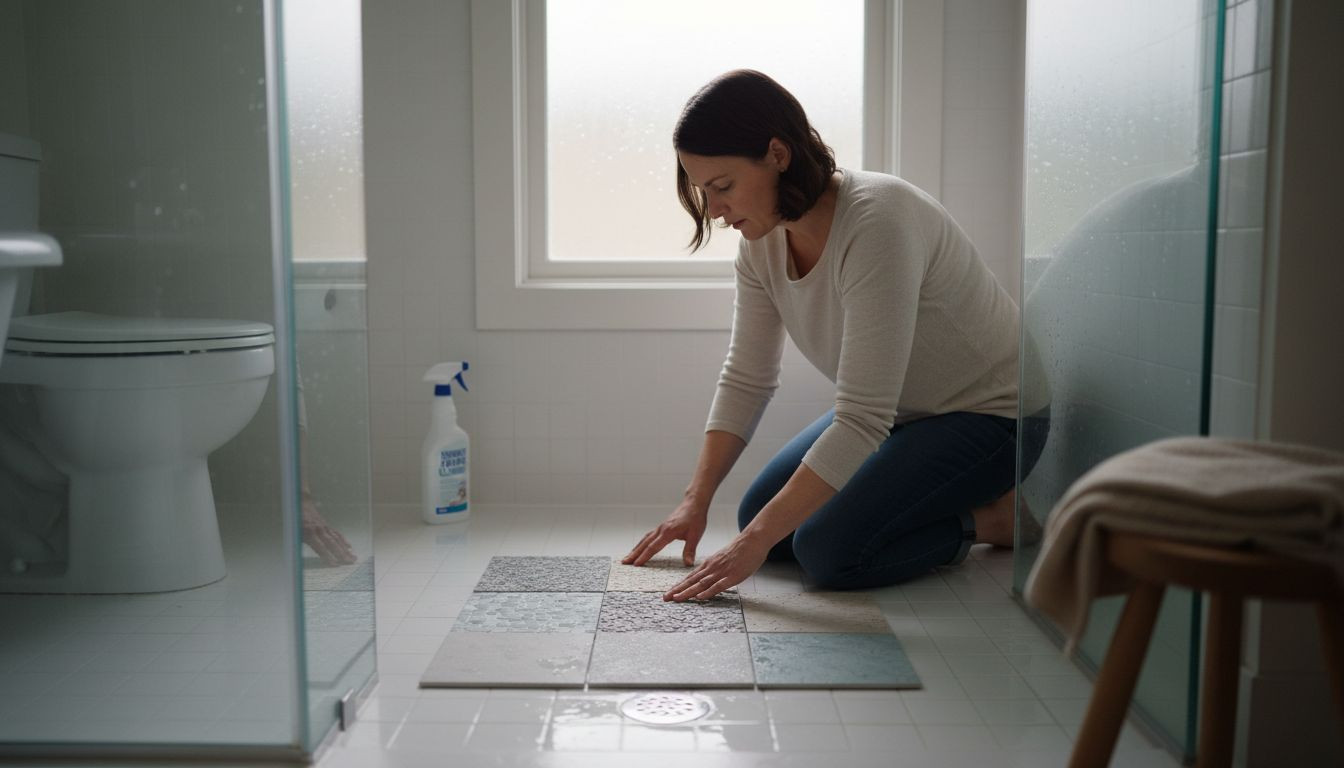
Pro tip: Always request tile samples and test their texture in person to ensure the right balance between slip resistance and comfort.
3. Opt for Pebble Tiles for Natural Grip and Spa Appeal
Pebble tiles transform shower floors into luxurious spa-like experiences while delivering exceptional safety through their natural, textured design. These unique tiles combine aesthetic beauty with practical slip prevention for homeowners seeking both style and functionality.
Bathroom safety recommendations emphasize the importance of surfaces that provide stable and secure footing. Pebble tiles excel in this requirement by offering an inherently uneven surface that naturally increases traction and reduces slip risks.
Key advantages of pebble tile shower floors include:
- Unique three-dimensional surface that enhances grip
- Organic aesthetic mimicking natural riverbed landscapes
- Massaging sensation during barefoot walking
- Adaptable design complementing multiple decor styles
Pebble tiles transform shower safety from a functional necessity into a luxurious sensory experience.
The irregular stone surfaces create multiple contact points for feet, dramatically improving stability compared to traditional flat tiles. Each pebble provides a different height and angle, which helps distribute weight and prevent slipping even when wet.
Beyond safety, these tiles offer a therapeutic walking experience reminiscent of walking on smooth river stones. Their natural variations in color and texture can turn an ordinary shower into a personal wellness retreat.
Pro tip: Select pebble tiles with smaller stones for maximum comfort and smoother walking surface while maintaining excellent slip resistance.
4. Select Mosaic Tiles for Enhanced Slip Resistance
Mosaic tiles represent a brilliant solution for shower floors that demand both safety and visual sophistication. Their unique design provides exceptional slip resistance through intricate patterns and multiple grout lines that naturally enhance traction.
Accessibility design standards emphasize the importance of stable and slip-resistant surfaces. Mosaic tiles excel in meeting these requirements through their distinctive construction and installation technique.
Key advantages of mosaic tile shower floors include:
- High surface friction created by numerous grout lines
- Small tile segments providing multiple contact points
- Decorative versatility with endless color and pattern options
- Increased texture that prevents water pooling
Mosaic tiles transform shower safety from a functional requirement into an artistic design element.
The tiny tile sections create a complex surface topology that interrupts water flow and provides numerous micro-traction points. Each small tile and connecting grout line contributes to a more secure walking surface compared to larger format tiles.
Unlike smooth tile options, mosaic tiles break up water surface tension through their intricate layout. This design prevents water from creating continuous slick surfaces that increase slip risks.
Pro tip: Choose lighter grout colors to highlight the safety-enhancing texture while maintaining a clean and visually appealing shower floor design.
5. Use Matte Finishes to Prevent Slippery Surfaces
Matte finish tiles represent a strategic solution for creating safer shower floors without sacrificing visual appeal. These intelligently designed surfaces minimize slip risks through their unique surface characteristics.
Surface safety guidelines emphasize the critical importance of selecting tiles with appropriate friction levels. Matte finishes excel by providing increased surface grip through their specialized texture and reduced reflectivity.
Key advantages of matte finish shower tiles include:
- Increased surface friction compared to glossy tiles
- Reduced light reflection that prevents visual glare
- Soft visual aesthetic that complements modern bathrooms
- Consistent traction when wet or dry
Matte tiles transform shower safety from a functional requirement into an elegant design choice.
The chemical composition of matte glazes creates microscopic surface variations that interrupt water flow and enhance grip. Unlike polished tiles that create smooth water-trapping surfaces, matte finishes break water tension and provide multiple friction points.
Homeowners can choose from ceramic, porcelain, and stone matte tiles that offer both safety and style. The textured surface not only prevents slipping but also adds depth and sophistication to bathroom design.
Pro tip: Select lighter colored matte tiles to enhance visual brightness while maintaining superior slip resistance in your shower space.
6. Prioritize Tiles with High DCOF Ratings for Safety
Understanding Dynamic Coefficient of Friction (DCOF) ratings is crucial for selecting shower tiles that minimize slip risks and protect your loved ones. These scientific measurements provide a quantitative approach to evaluating tile safety in wet environments.
Slip resistance testing standards reveal critical insights into tile performance under wet conditions. Tiles with a DCOF rating of 0.42 or higher meet national safety standards for interior wet spaces.
Key aspects of DCOF ratings include:
- Scientifically measured slip resistance
- Standardized testing protocols
- Objective safety assessment
- Compliance with national guidelines
DCOF ratings transform tile selection from a visual choice to a safety-driven decision.
Certified laboratories conduct rigorous testing using specialized equipment that simulates real-world walking conditions. These tests measure the friction between a tile surface and a standardized walking material under wet conditions.
Homeowners should request DCOF documentation when selecting shower tiles. This technical information provides concrete evidence of a tile’s slip resistance beyond visual or tactile impressions.
Pro tip: Always ask tile manufacturers for their official DCOF test results and aim for ratings of 0.42 or higher to ensure maximum shower floor safety.
7. Maintain and Clean Tiles Regularly for Long-Lasting Grip
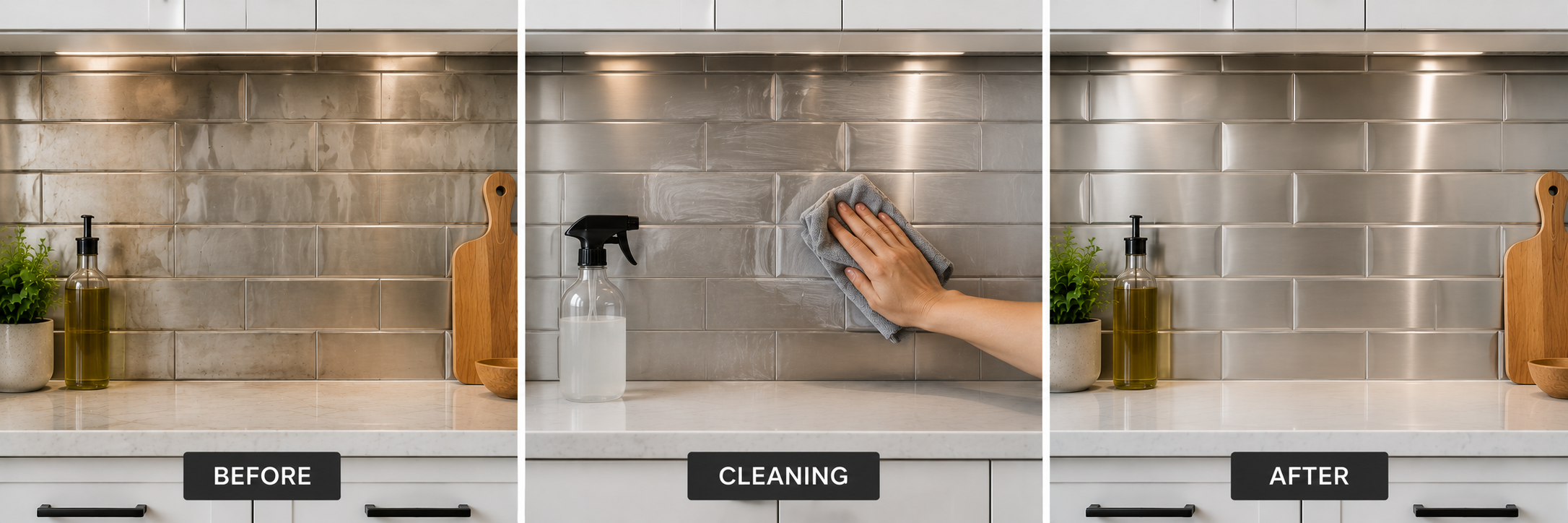
Consistent tile maintenance is the secret weapon for preserving your shower’s safety and slip resistance. Regular cleaning prevents the gradual build-up of substances that can compromise your floor’s traction and overall performance.
Tile maintenance guidelines underscore the critical role of proper upkeep in maintaining surface safety. Accumulated soap scum, body oils, and mineral deposits can significantly reduce a tile’s slip-resistant properties.
Key maintenance strategies include:
- Weekly thorough cleaning to prevent contaminant build-up
- Use of pH-neutral cleaning agents
- Avoiding harsh chemical cleaners
- Regular inspection of tile and grout condition
Consistent maintenance transforms tile care from a chore into a safety investment.
Different tile materials require specific cleaning approaches. Ceramic and porcelain tiles respond well to mild detergents, while natural stone tiles need specialized cleaning solutions that preserve their unique surface characteristics.
Homeowners should develop a routine cleaning schedule that removes dirt, prevents mold growth, and maintains the tile’s original slip-resistant texture. This approach not only enhances safety but also extends the tile’s aesthetic appeal and functional integrity.
Pro tip: Invest in a squeegee and use it immediately after showering to remove water and reduce mineral deposit accumulation that can compromise surface grip.
Below is a comprehensive table summarizing the strategies, material options, and tips for enhancing safety and design in shower floors as discussed in the article.
| Material/Strategy | Key Features | Benefits | Pro Tip |
|---|---|---|---|
| Porcelain Tile | Engineered texture, low water absorption. | Durable, stylish, highly slip-resistant. | Request the DCOF rating from manufacturers. |
| Textured Ceramic Tile | Microtexture variations, affordable. | Increased traction providing secure footing. | Test textures in person for comfort. |
| Pebble Tile | Natural uneven surfaces, spa-like aesthetic. | Enhanced grip and soothing surface. | Opt for smaller pebbles for comfort. |
| Mosaic Tile | Intricate patterns with numerous grout lines. | High friction and decorative adaptability. | Select lighter grout for a visually appealing texture. |
| Matte Finish Tile | Low reflectivity, increased surface friction. | Elegant and consistent traction. | Use lighter matte tiles for brightness and safety. |
| High DCOF Rating Tiles | Quantified slip resistance standards. | Certainty of safety in wet environments. | Aim for tiles with DCOF ratings of 0.42 or higher. |
| Regular Maintenance | Cleaning and upkeep routines. | Sustains traction and aesthetic appeal. | Wipe down with a squeegee post-shower to reduce buildup. |
Find the Perfect Non-Slip Shower Tiles for Your Safe and Stylish Bathroom
Choosing the right tile for your shower floor is essential to prevent slips and falls while elevating the look of your bathroom. This article highlights key safety features like high DCOF ratings, textured surfaces, and matte finishes that protect your loved ones without sacrificing design. If you are looking to transform your shower into a space that combines beauty with robust safety standards TileChoices.com offers a diverse collection of porcelain, ceramic, pebble, and mosaic tiles carefully selected for their slip resistance and style.
Explore the full range of options where you can compare textures, finishes, and materials all backed by detailed product descriptions and user-friendly features like sample requests and customer support. Don’t wait until safety becomes an issue Enhance your shower floor today with tiles that meet national slip resistance guidelines and add lasting elegance by visiting TileChoices.com.
Take the next step toward a safer shower floor now and discover tile solutions designed for protection and style all in one place.