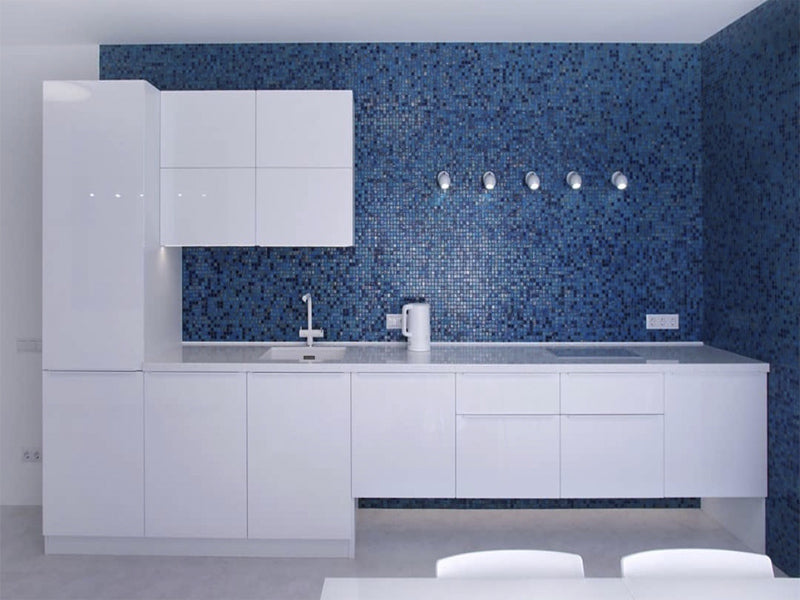

Choosing the right kitchen backsplash tile is one of the most important design decisions you’ll make. It not only protects your walls but also defines the overall style of your kitchen. One of the biggest choices homeowners face is whether to go with a modern or traditional backsplash design.
Both styles offer unique advantages. Modern backsplashes focus on clean lines and simplicity, while traditional designs bring warmth and timeless appeal. In this guide, we’ll break down the differences, pros and cons, and how to choose the right option for your space. Do not focus on what the hot backsplash tile trends are for 2026, but focus on how you want to design your home.
Table of Contents
- What Defines Modern Backsplash Tiles?
- What Defines Traditional Backsplash Tiles?
- Modern vs Traditional: Key Differences
- How to Choose the Right Style
- Can You Mix Modern and Traditional Styles?
What Defines Modern Backsplash Tiles?
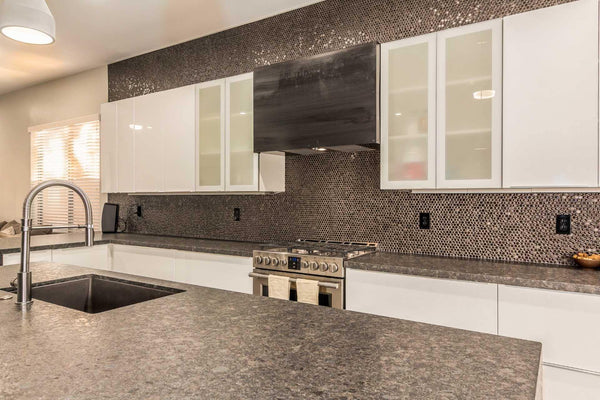
Modern backsplash tiles are all about simplicity, clean lines, and minimalism. They often focus on subtle elegance rather than bold ornamentation.
Key Features of Modern Backsplashes:
- Large Format Tiles: Fewer grout lines for a sleek look
- Minimal Patterns: Clean and uncluttered designs
- Neutral Color Palettes: Whites, grays, blacks, and soft earth tones
- Matte or Smooth Finishes: Contemporary and understated
- Vertical or Stacked Layouts: Updated tile installation styles
Modern backsplashes work especially well in contemporary kitchens with flat-panel cabinets, quartz countertops, and minimalist design elements.
What Defines Traditional Backsplash Tiles?
Traditional backsplash tiles focus on classic design elements that have stood the test of time. These styles often incorporate more detail and decorative features.
Key Features of Traditional Backsplashes:
- Subway Tile Layouts: Classic offset patterns
- Decorative Mosaics: Intricate designs and accents
- Natural Stone Materials: Marble, travertine, and tumbled stone
- Warm Color Tones: Creams, beiges, and soft browns
- Detailed Edges & Borders: Trim pieces and accent strips
Traditional styles are ideal for farmhouse, classic, or transitional kitchens where warmth and detail are key.

Modern vs Traditional: Key Differences
Design Style
Modern backsplashes emphasize simplicity and clean lines, while traditional designs focus on detail and decorative elements.
Color Palette
Modern kitchens lean toward neutral and monochromatic tones, while traditional kitchens often use warmer, more varied colors.
Tile Size
Modern designs favor larger tiles, while traditional styles often use smaller formats like subway or mosaic tiles.
Maintenance
Modern backsplashes with fewer grout lines are generally easier to maintain, while traditional designs may require more upkeep due to grout and natural materials.
How to Choose the Right Style for Your Kitchen
Your choice between modern and traditional backsplash tiles should reflect your overall kitchen design and lifestyle.
- Choose modern if: You prefer clean lines, minimalism, and low maintenance
- Choose traditional if: You love classic design, texture, and decorative details
- Consider your cabinets: Flat-panel cabinets pair well with modern tiles, while raised-panel cabinets suit traditional styles
- Think long-term: Choose a backsplash style that will still feel relevant years from now
Browse both styles: Kitchen Backsplash Tiles
Can You Mix Modern and Traditional Styles?
Yes—many homeowners are now blending modern and traditional elements to create a transitional kitchen design. This approach combines the best of both styles.
Ways to Mix Styles:
- Use a classic subway tile in a modern vertical layout
- Pair natural stone with clean, simple cabinetry
- Combine neutral colors with subtle texture
- Add a modern tile pattern with traditional materials
This balanced approach creates a unique and personalized kitchen that doesn’t feel overly trendy or outdated.
Ready to find your perfect style? Explore our full collection of modern kitchen backsplash tiles to create a kitchen that fits your vision.