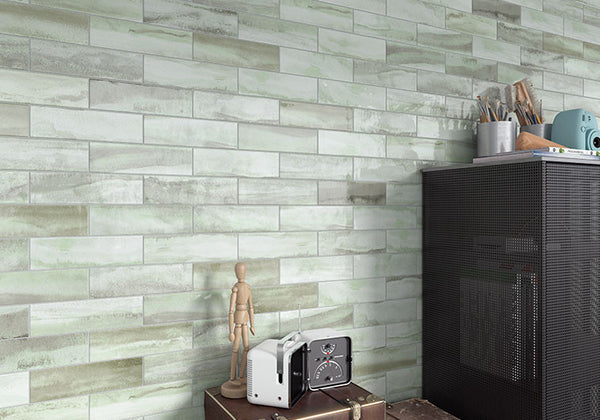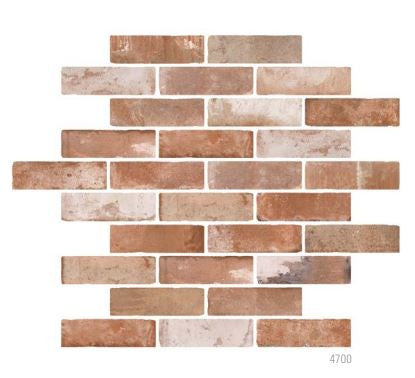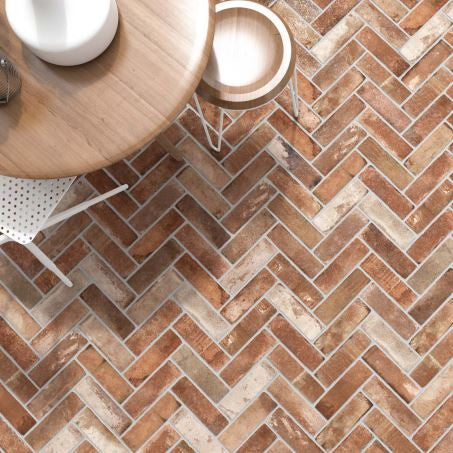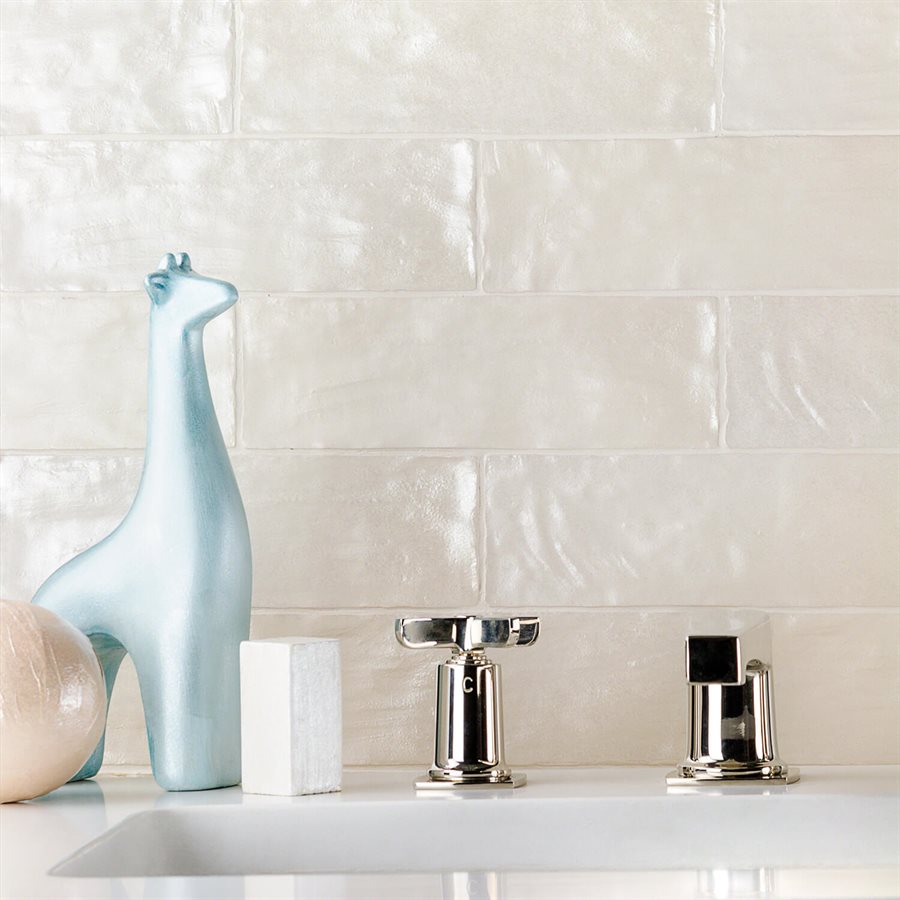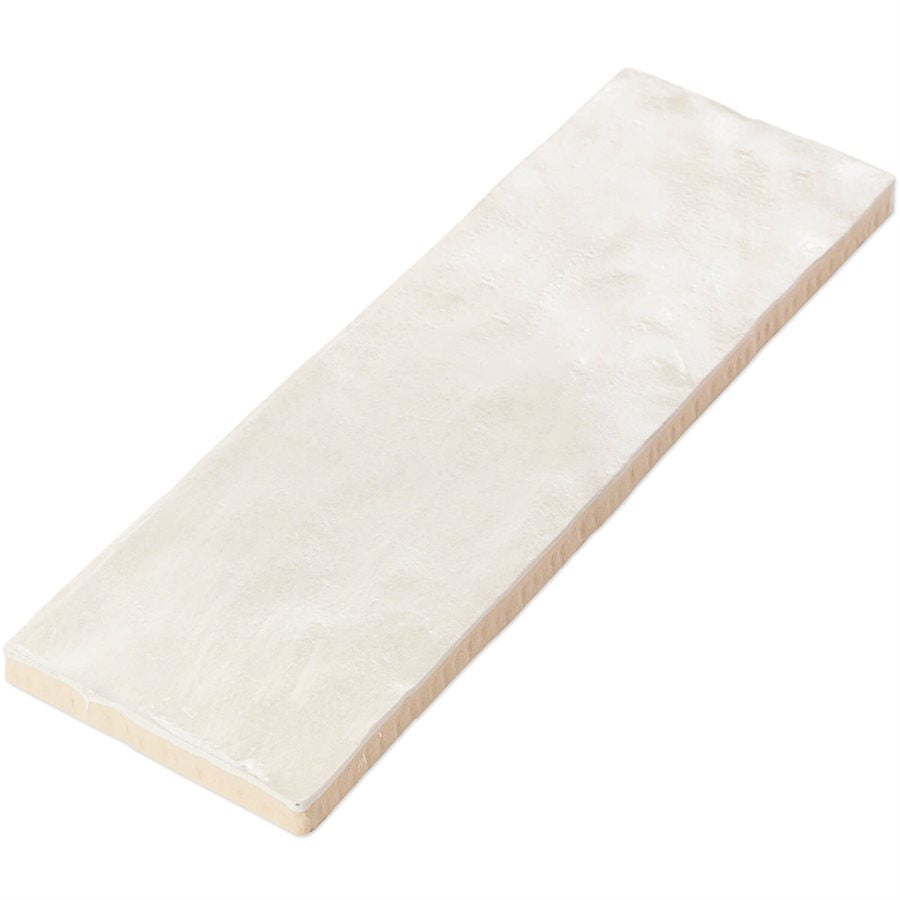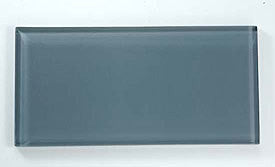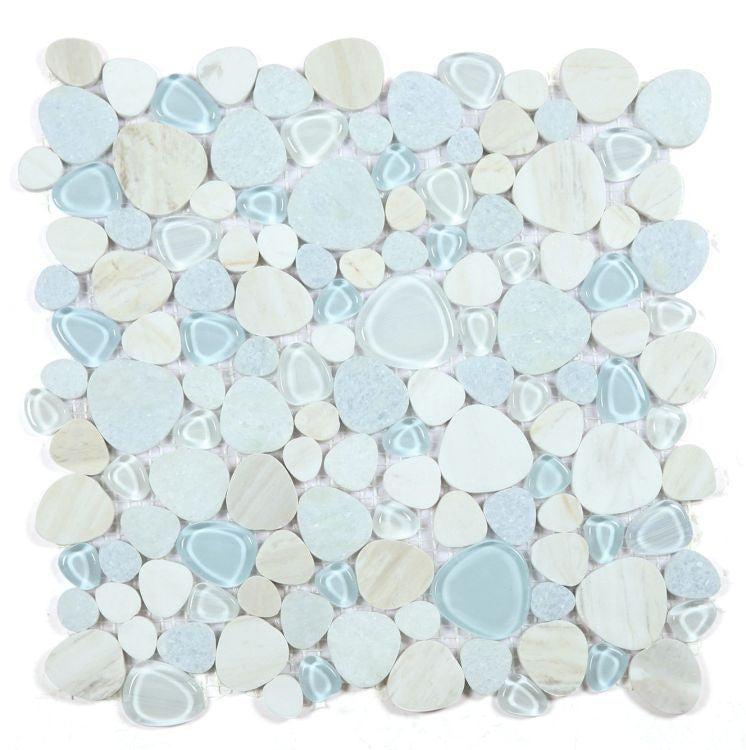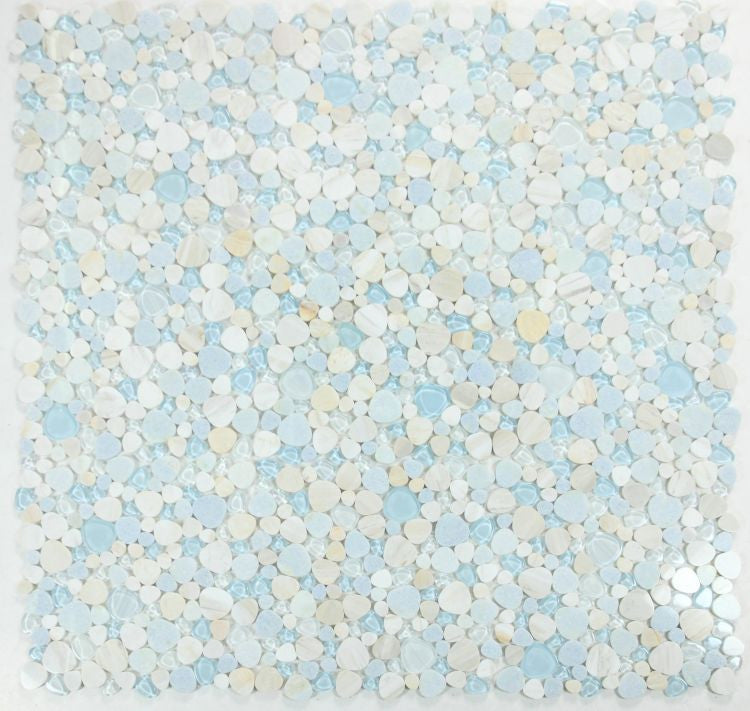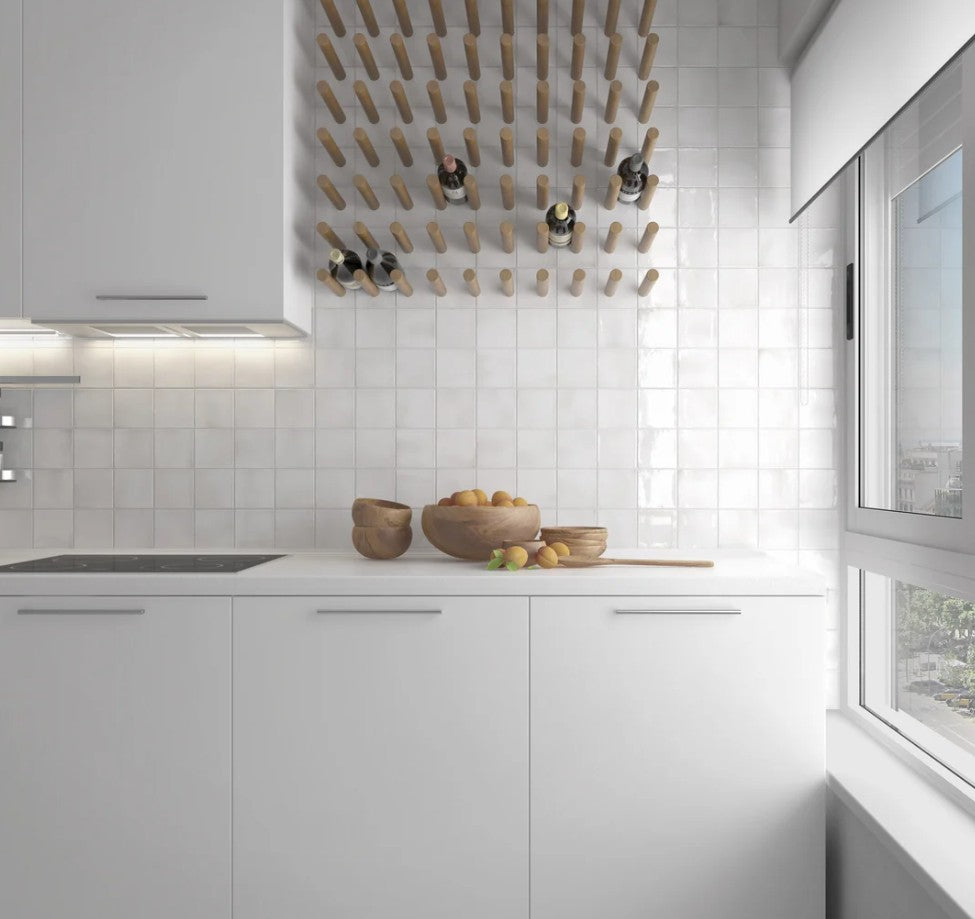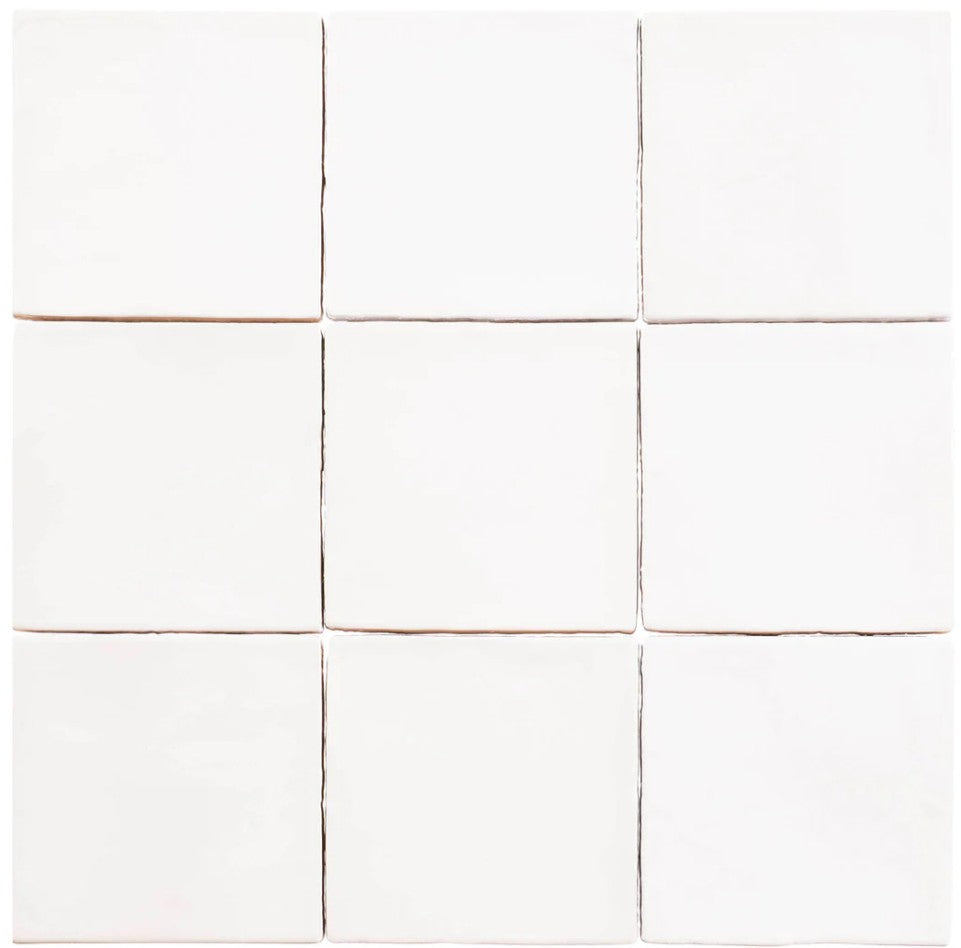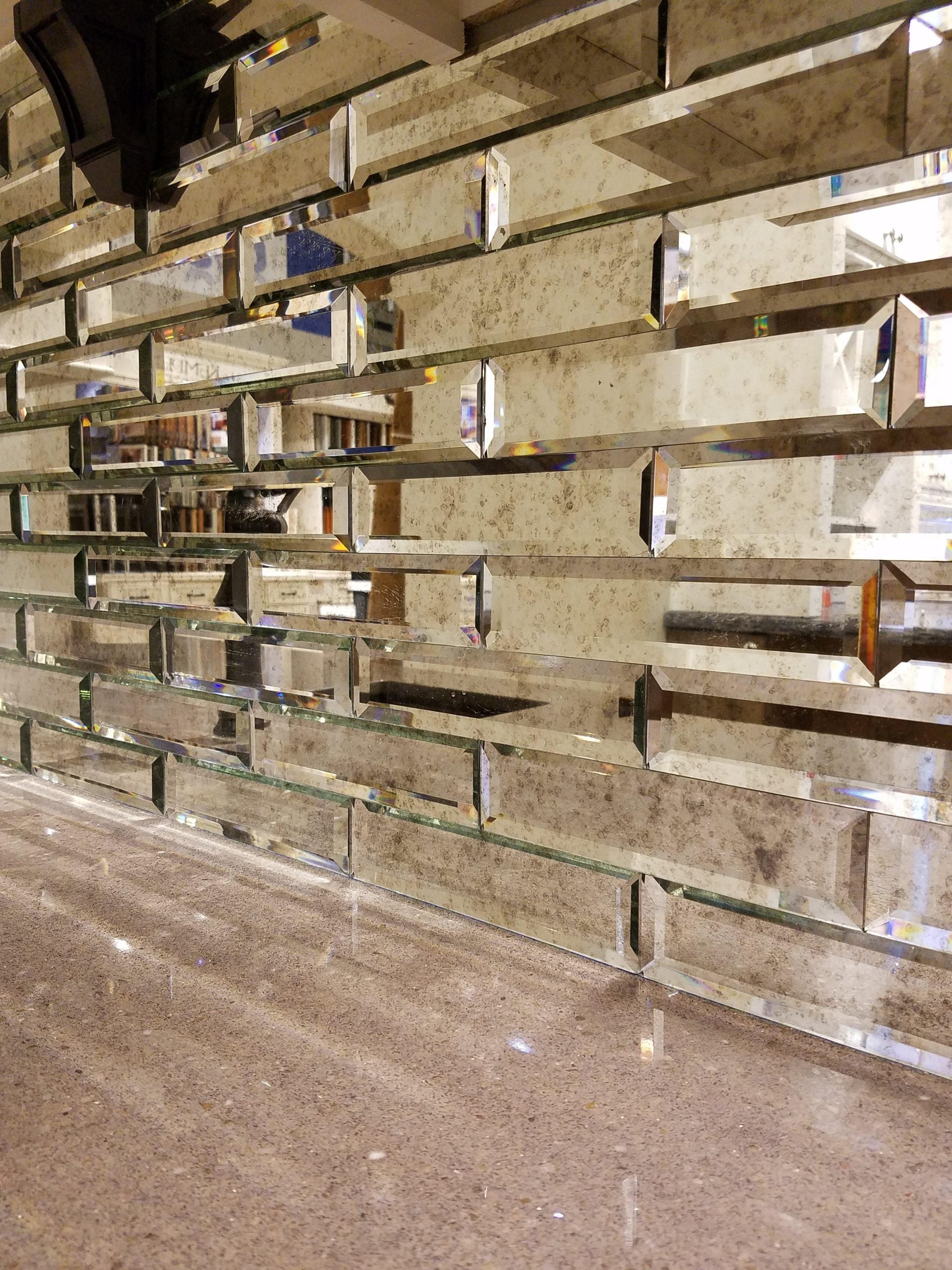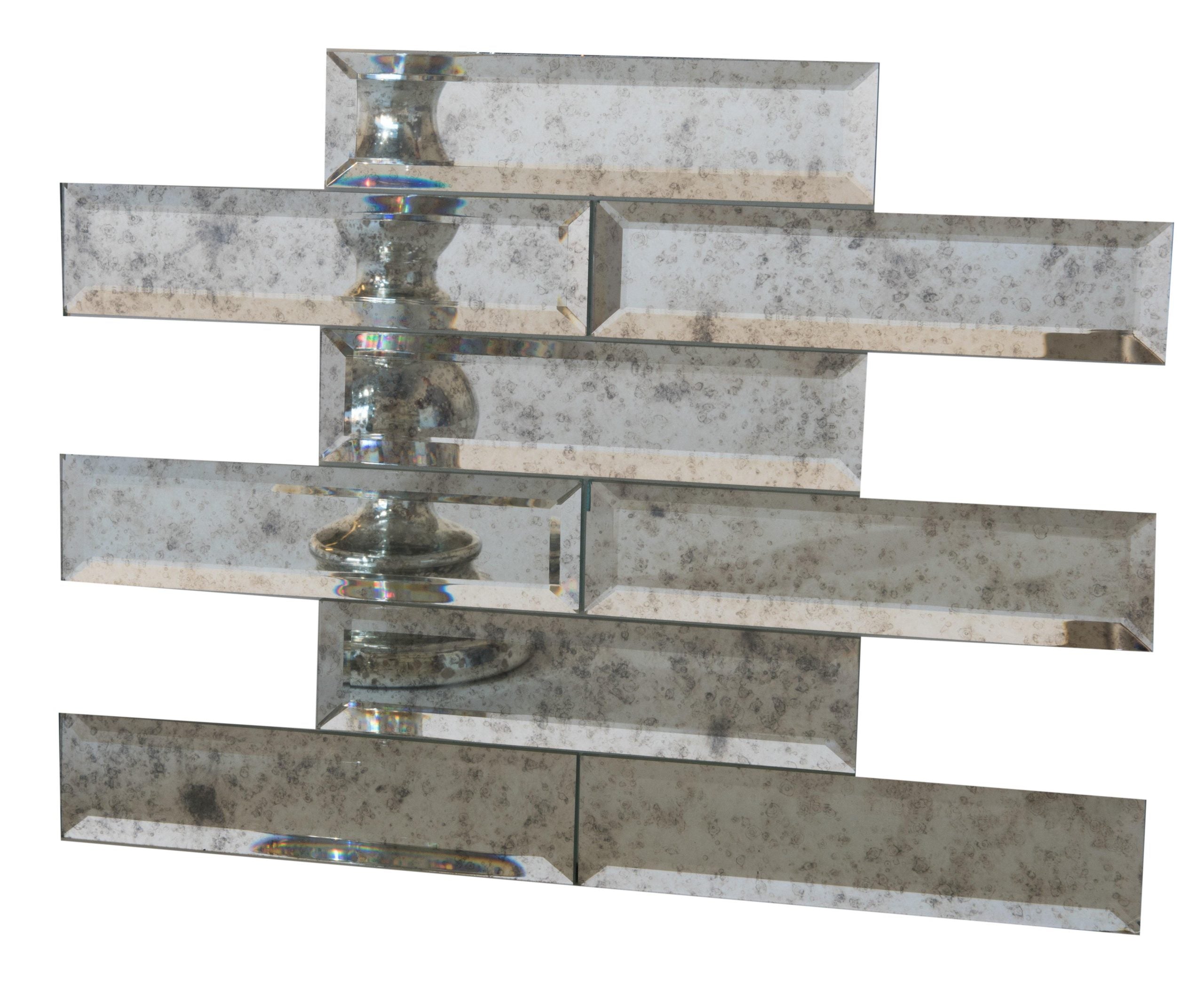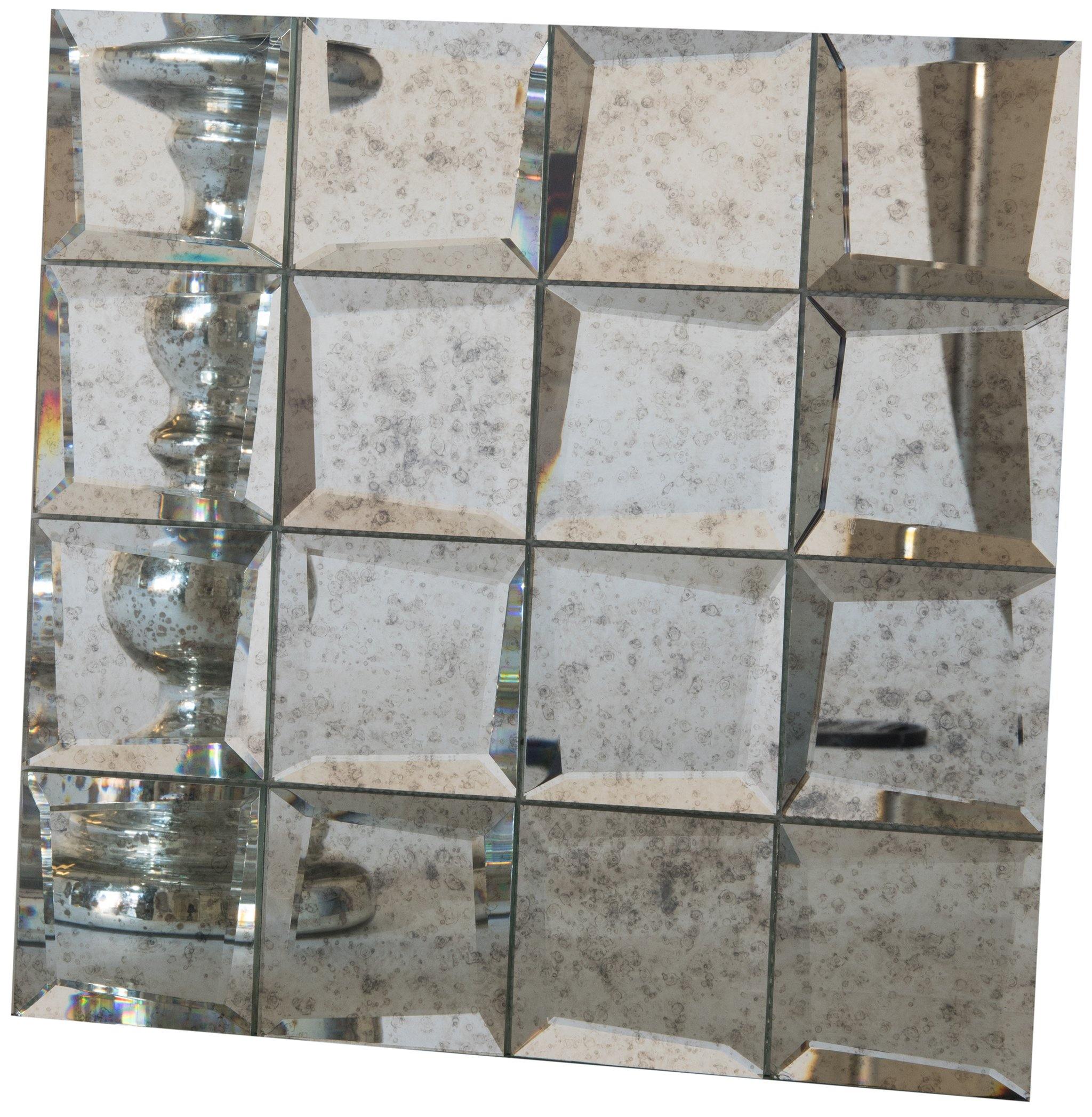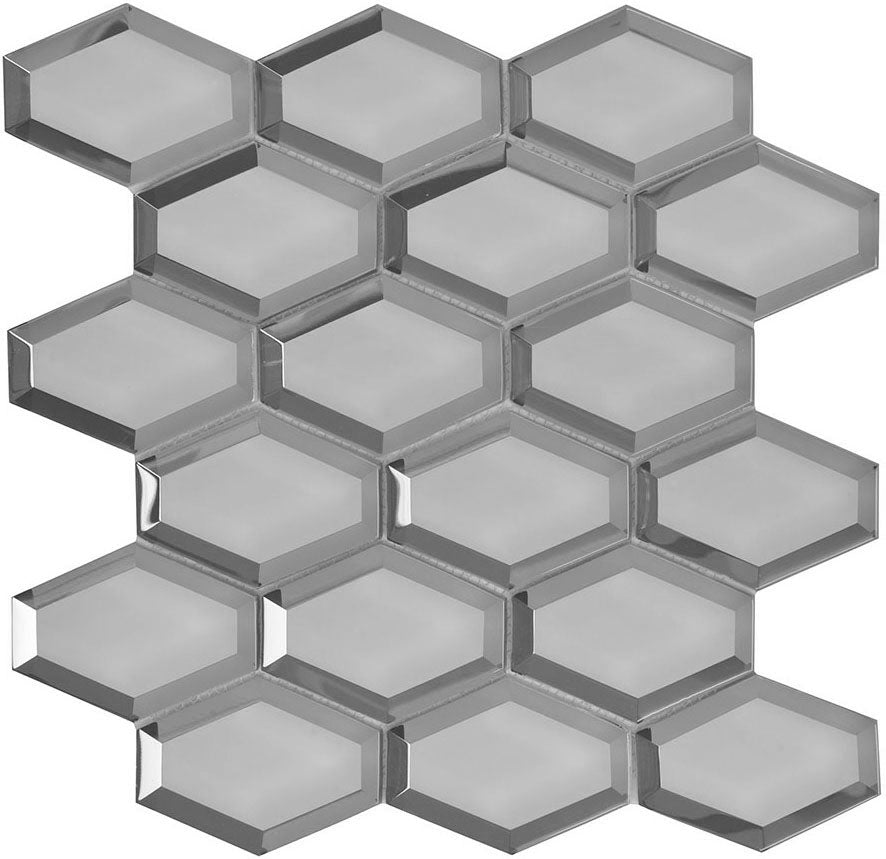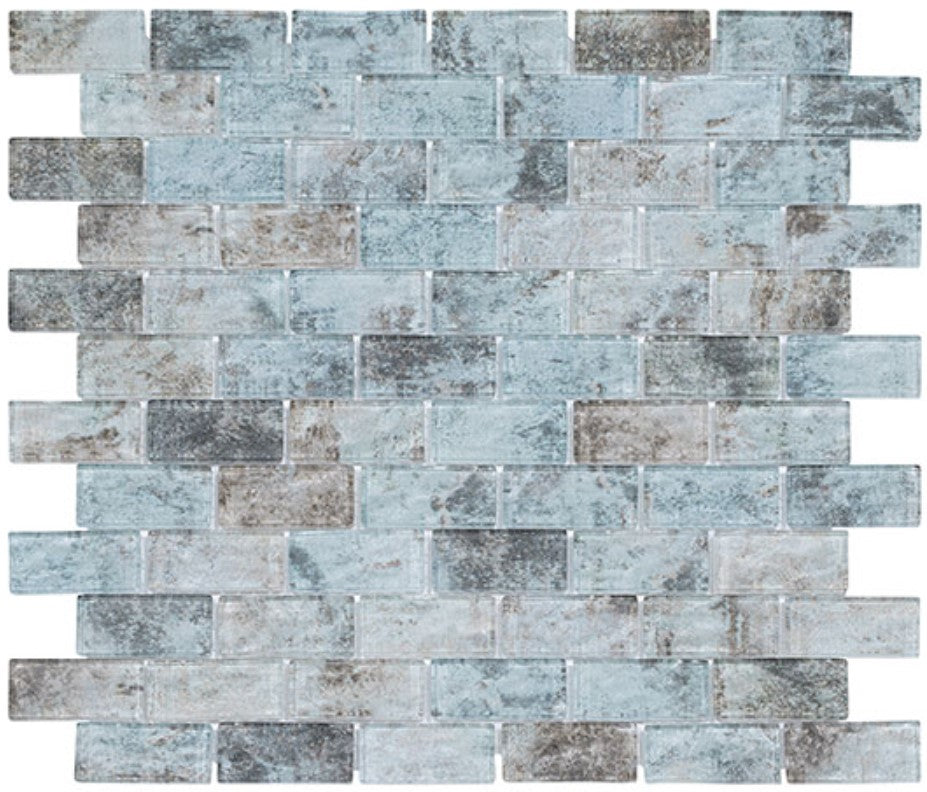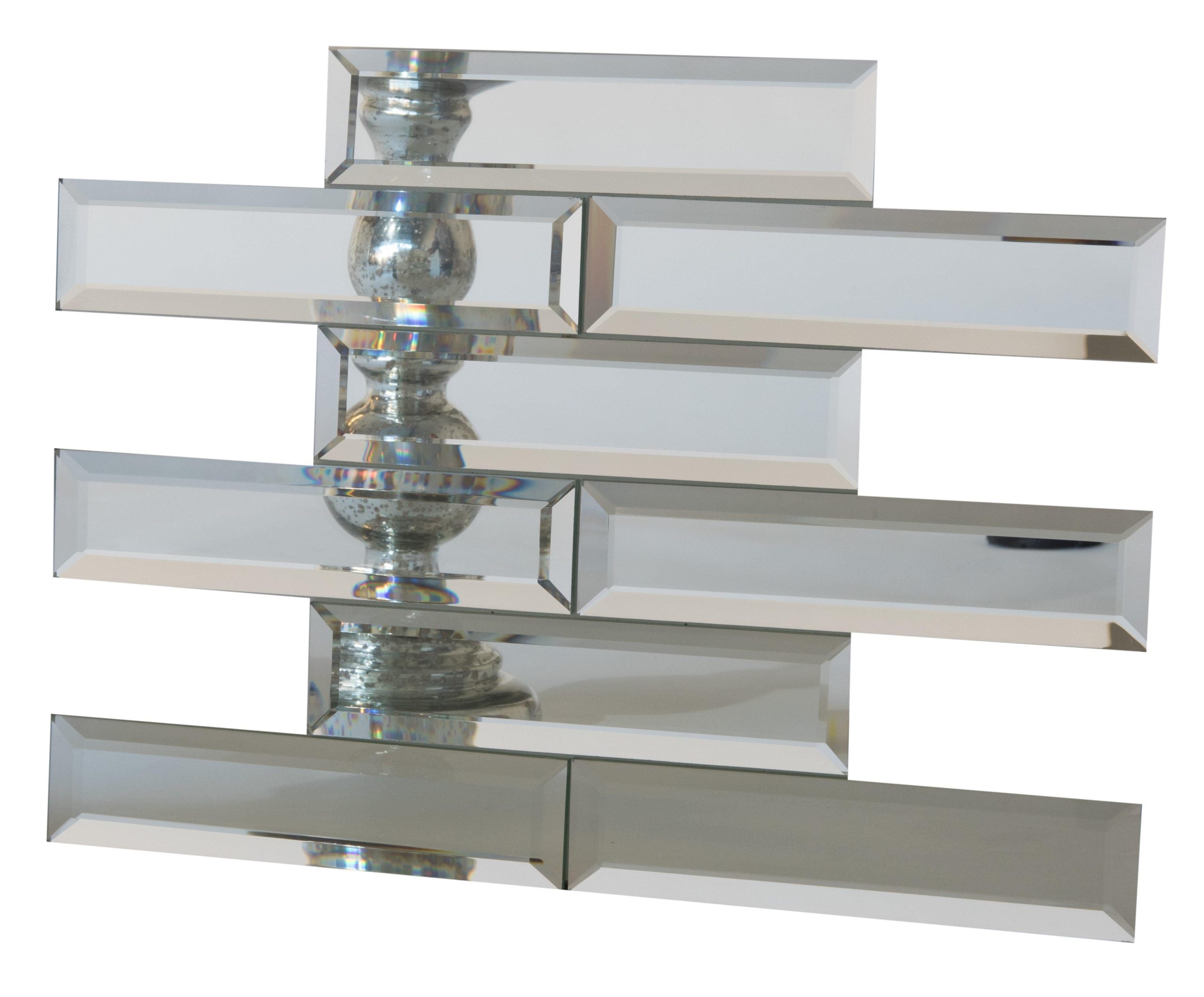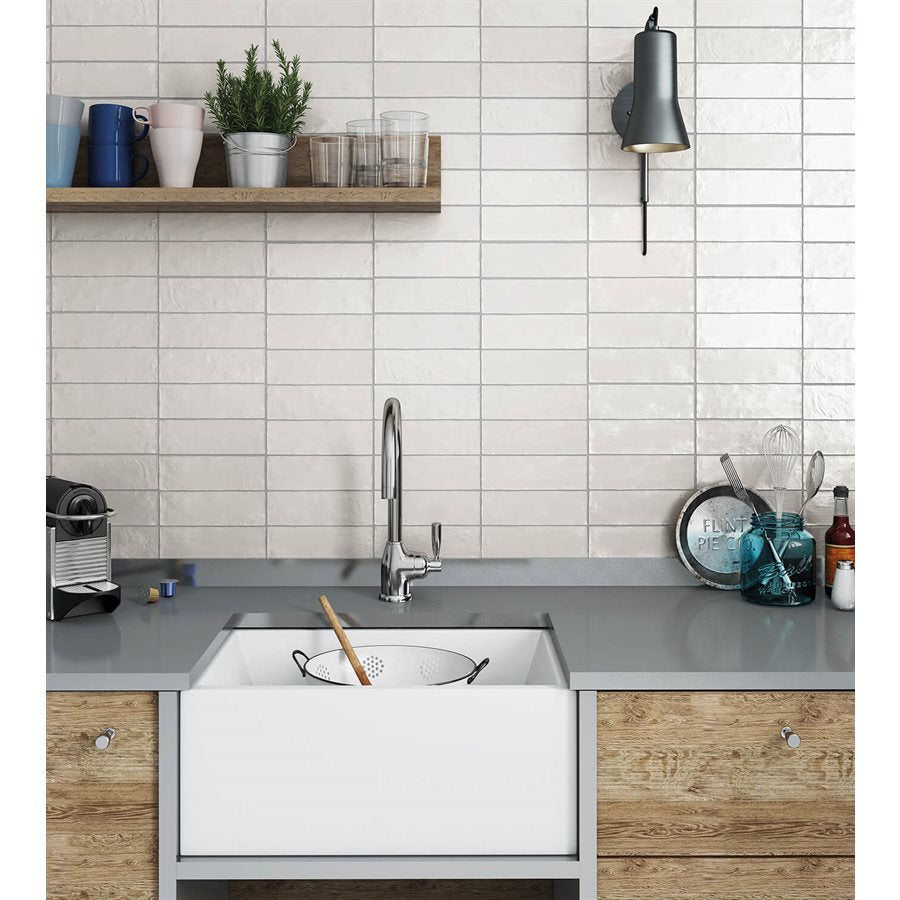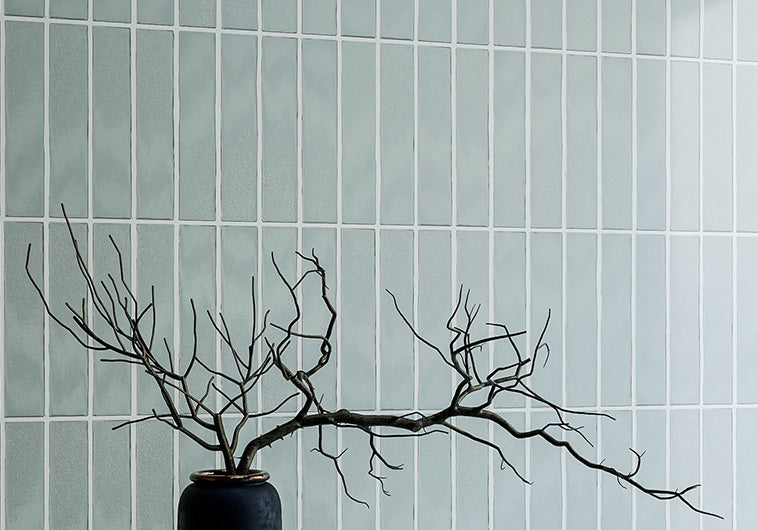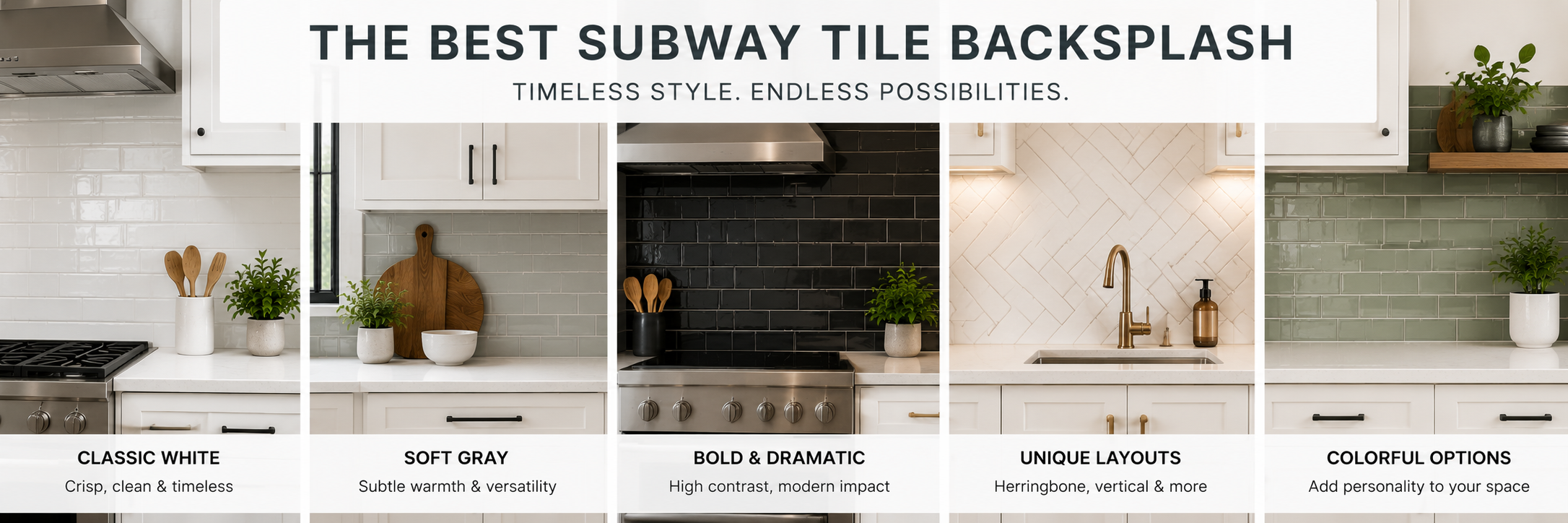


Choose your kitchen backsplash tile by matching three things: your cabinet finish, your countertop material, and how much maintenance you want. For painted cabinets, glass or glossy ceramic maximizes reflectivity. For wood or warm-toned cabinets, natural stone or matte porcelain balances the warmth. If your countertop is already busy (marble, quartzite), keep the backsplash simple, a single-color subway or field tile. If your countertop is plain, the backsplash is where you can add pattern.
Table of Contents
- Step 1: Assess Your Kitchen Style And Needs
- Step 2: Establish A Realistic Tile Budget
- Step 3: Select Suitable Tile Materials And Finishes
- Step 4: Request And Review Tile Samples At Home
- Step 5: Verify Final Tile Choice With Lighting And Design
Quick Summary
| Key Insight | Explanation |
|---|---|
| 1. Assess Your Kitchen Style | Understand your kitchen’s design to choose a backsplash that complements it. |
| 2. Set a Realistic Budget | Prepare a budget between $600 and $2,300, factoring in installation and materials. |
| 3. Choose Suitable Materials | Select tiles based on durability, aesthetics, and maintenance needs for best results. |
| 4. Test Tile Samples at Home | Order samples to see how they look with your kitchen’s lighting and surfaces. |
| 5. Check Lighting Effects | Observe tile samples in various lighting to ensure they meet your design expectations. |
Step 1: Assess your kitchen style and needs
Choosing the perfect kitchen backsplash starts with understanding your unique kitchen’s aesthetic and functional requirements. Your backsplash isn’t just a protective surface its a design statement that ties your entire kitchen together. Ensuring your backsplash aligns with your kitchen’s overall style is crucial for creating a cohesive and visually appealing space.
Begin by examining your kitchen’s existing design elements. Modern kitchens with sleek appliances and minimalist cabinetry demand different tile selections compared to rustic or traditional spaces. Classic subway tiles work wonderfully in many kitchen styles offering versatility through various layout patterns. Consider classic brick layouts for traditional spaces or herringbone arrangements for contemporary designs. Look closely at your countertops color palette and cabinet finishes to select complementary tile materials and colors that enhance rather than compete with existing elements.
Pro tip: Always purchase tile samples and place them next to your kitchen surfaces under different lighting conditions before making a final decision. Natural and artificial light can dramatically change how tiles appear and interact with your kitchen’s design elements.
Step 2: Establish a realistic tile budget
Creating a realistic budget for your kitchen backsplash is crucial to avoiding unexpected expenses and ensuring a successful renovation project. Understanding the typical costs of tile installation can help you plan more effectively and prevent financial surprises.
Most homeowners can expect to spend between $10 to $40 per square foot for a tile backsplash, with total project costs ranging from $600 to $2,300 depending on your material choices. Ceramic tiles represent the most affordable option, typically running between $600 and $750, while premium materials like natural stone, glass, or metal can push your budget closer to $1,700 to $2,300. Remember to factor in additional costs such as professional installation, which often has a daily minimum charge of $400 to $800. Consider the square footage of your kitchen, the complexity of your chosen tile pattern, and potential additional expenses like surface preparation or custom cutting.
To help plan your backsplash budget, here’s an overview of key cost factors and their typical ranges:
| Cost Factor | Typical Range | What Affects This Cost |
|---|---|---|
| Material Price (per sq ft) | $10 – $40 | Tile type, finish, uniqueness |
| Total Project Cost | $600 – $2,300 | Kitchen size, labor, materials |
| Installation (daily min.) | $400 – $800 | Complexity, installer rates |
| Budget Buffer | Add 10–15% extra funds | Design changes, surprises |
Pro tip: Always add a 10 to 15 percent buffer to your initial budget to account for unexpected costs or design changes during the installation process.
Step 3: Select suitable tile materials and finishes
Selecting the right tile materials and finishes for your kitchen backsplash requires careful consideration of both aesthetics and functionality. Understanding material durability becomes crucial when choosing tiles that will withstand daily kitchen activities.

Various materials offer unique benefits for kitchen backsplashes. Natural stone options like granite, slate, and marble provide elegant design possibilities, with each material presenting distinct characteristics. While marble works beautifully in backsplash applications, it requires more maintenance compared to harder stones like granite. Ceramic and porcelain tiles remain popular for their durability, affordability, and wide range of design options. Glass tiles offer a modern, sleek appearance and reflect light wonderfully, making smaller kitchens feel more spacious. Metal tiles can add an industrial or contemporary touch, creating visual interest and providing excellent resistance to moisture and heat.
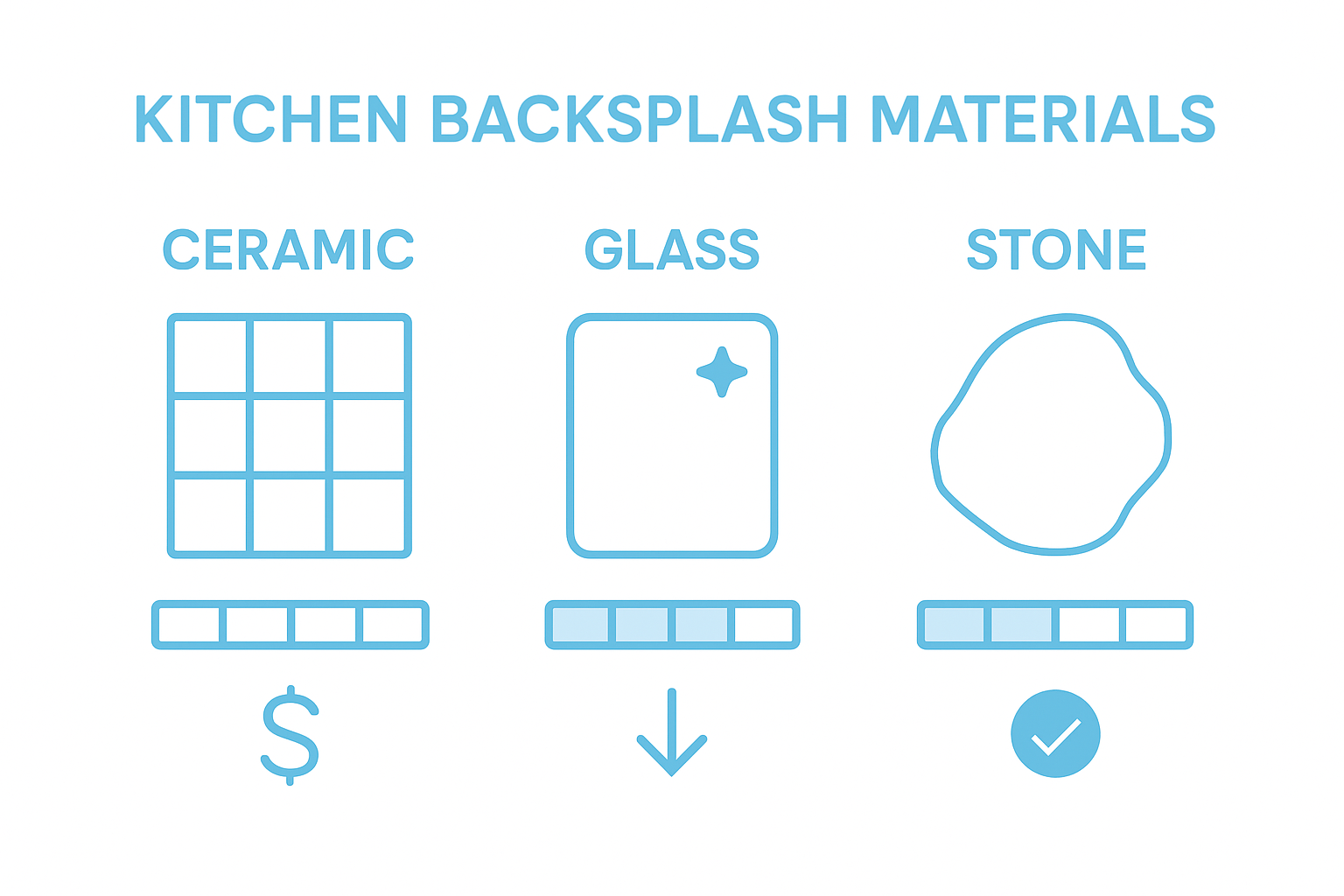
Here’s a comparison of popular kitchen backsplash materials based on durability, design impact, and maintenance or cost considerations:
| Material | Durability | Design Impact | Maintenance/Cost Considerations |
|---|---|---|---|
| Ceramic Tile | Highly resistant | Wide color/pattern range | Very low maintenance, budget-friendly |
| Glass Tile | Moderately durable | Brightens space, modern | Easy cleaning, higher material cost |
| Natural Stone | Varies by stone | Luxurious, unique grains | Needs sealing, higher price and upkeep |
| Metal Tile | Extremely durable | Industrial, reflective | Resists heat/moisture, premium investment |
| Porcelain Tile | Very durable | Versatile, polished look | Low maintenance, mid-range cost |
Pro tip: Always purchase tile samples and test them against your kitchen’s lighting, existing color scheme, and daily usage patterns before making a final commitment.
Step 4: Request and review tile samples at home
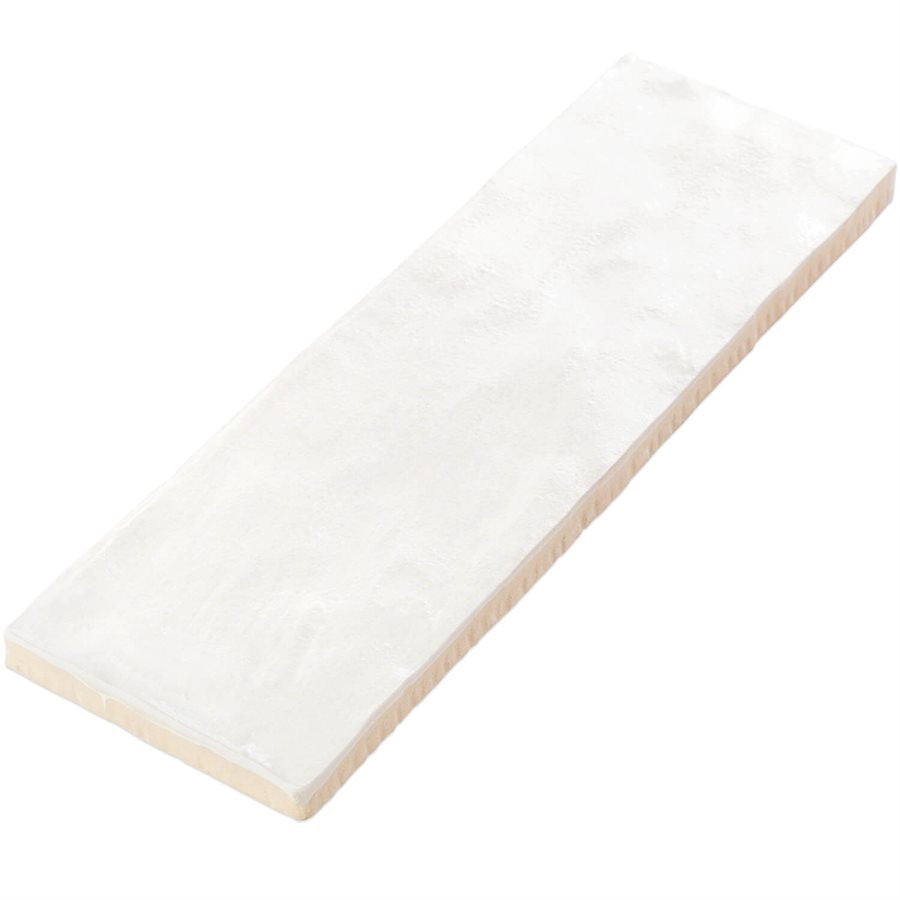
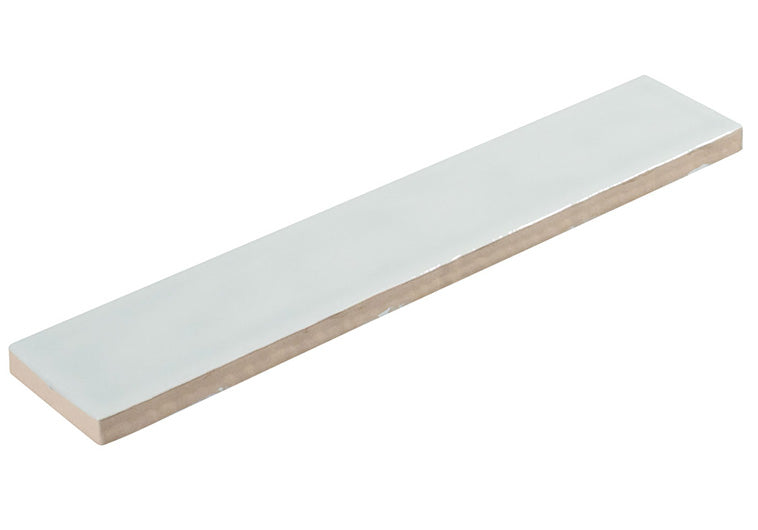
Requesting and reviewing tile samples is a critical step in ensuring your kitchen backsplash meets your aesthetic and functional expectations. Always order samples and observe them in your kitchen’s lighting throughout the day to prevent costly design mistakes and ensure your final selection looks perfect in your specific space.
When requesting samples, contact multiple tile suppliers and request at least three to five different options that align with your design vision. Place each sample in various locations around your kitchen to see how they interact with existing surfaces, natural light, and artificial lighting at different times of day. Pay close attention to how colors shift, how textures appear, and how the samples complement your countertops, cabinetry, and overall kitchen color scheme. Photograph the samples in different lighting conditions and compare them side by side to make a truly informed decision. Consider factors like ease of cleaning, reflectivity, and how the material might age over time.
Pro tip: Create a temporary display board by mounting your tile samples on a piece of cardboard or foam board, which allows you to move them around your kitchen and view them from multiple angles without making multiple holes in your walls.
Step 5: Verify final tile choice with lighting and design
Lighting plays a critical role in how your backsplash tiles will ultimately appear in your kitchen environment. Understanding how different light sources interact with your selected tiles can prevent unexpected visual disappointments after installation.
Examine your chosen tile samples under multiple lighting conditions throughout the day. Natural daylight, morning sunlight, evening ambient light, and under-cabinet lighting will each reveal different dimensions of your tile’s color, texture, and reflective qualities. Glass mosaics can particularly transform your space by reflecting light and creating visual depth, making them an excellent choice for kitchens seeking brightness and dimension. Take photographs of the tiles in these varying light conditions to compare and ensure consistency. Pay special attention to how the tiles interact with surrounding surfaces like countertops, cabinetry, and flooring.
Pro tip: Create a mockup area using painter’s tape to outline the exact backsplash dimensions, then place your selected tile samples within this space to get a realistic preview of the final installation.
Discover Your Ideal Kitchen Backsplash with TileChoices.com
Choosing the perfect kitchen backsplash can feel overwhelming with so many material options and design considerations like the ones discussed in the article. From balancing aesthetic harmony with your kitchen style to managing a practical budget and selecting durable tile materials, these challenges require access to quality products and trustworthy guidance. Whether you are drawn to classic ceramic tiles, elegant natural stone, or sleek glass and metal finishes, finding the right samples and envisioning tiles under your kitchen’s unique lighting is crucial for success.
At TileChoices.com we understand these pain points and have tailored our extensive tile collections to address them directly. Explore a vast range of backsplash materials with detailed images and descriptions so you can confidently compare and select the perfect fit for your kitchen’s style and functionality. Our platform offers convenient sample request options allowing you to test tiles in your home environment just as the article recommends. Plus, with secure online payments and expert customer support, your backsplash project can move smoothly from planning to installation.
Ready to transform your kitchen with the ideal backsplash tile? Visit TileChoices.com now to browse our curated backsplash selections and order samples that help you visualize your dream kitchen. Take control of your renovation today and ensure your kitchen space is both stunning and resilient for years to come.