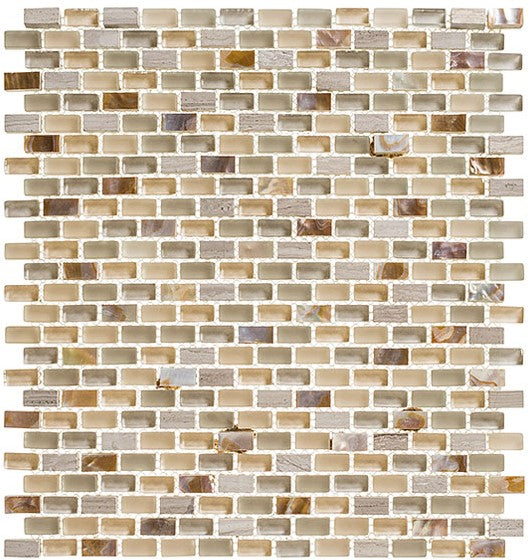
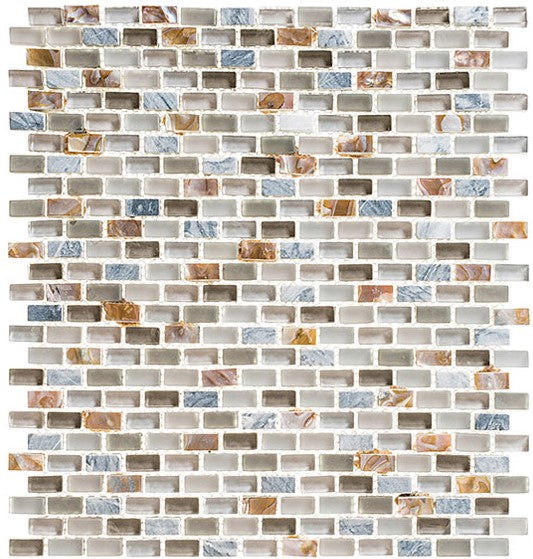
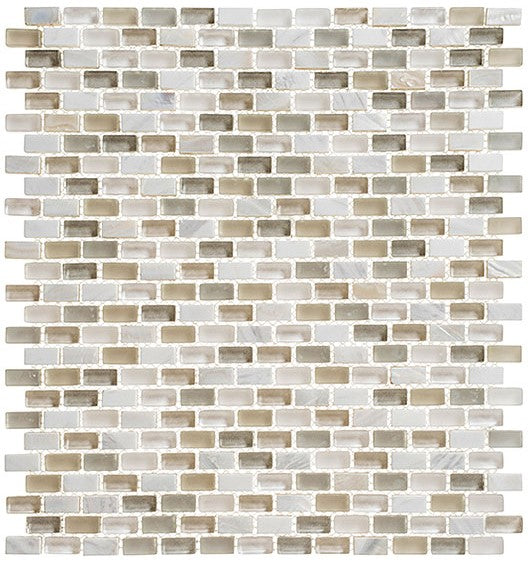
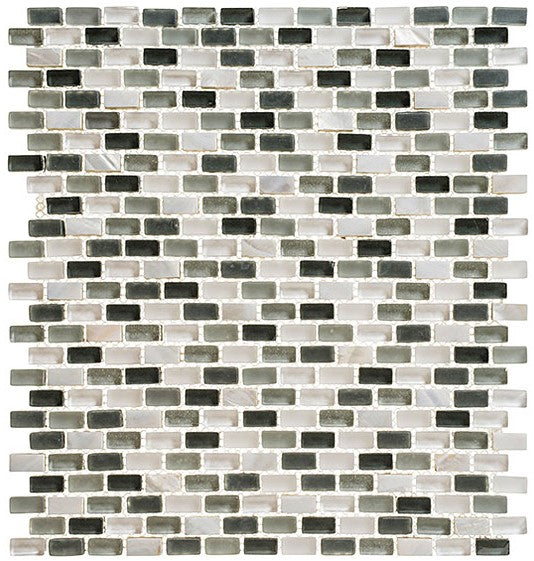
Why Subway Tile Remains One of the Most Popular Wall Tile Choices
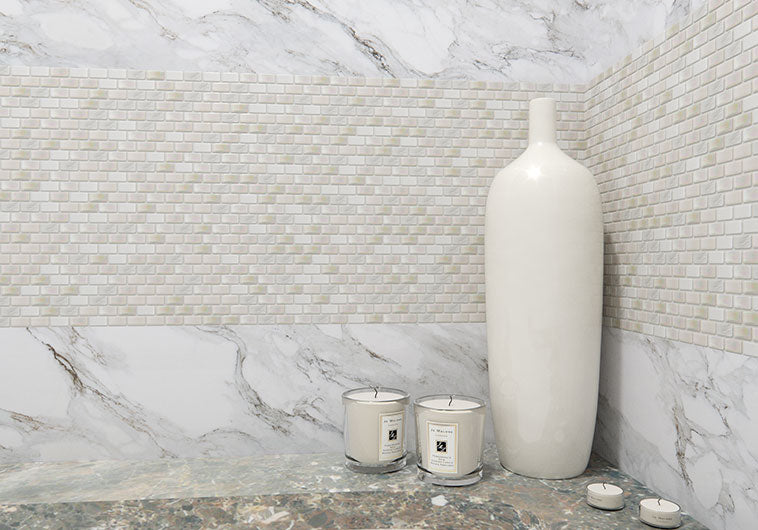
Subway tile has stayed popular for more than a century because it offers a rare combination of simplicity, durability, and design flexibility. The rectangular shape is easy to understand visually, but it can still create many different looks depending on how it is installed. This makes subway tile a strong option for homeowners who want a design that feels current today but will not look dated quickly.
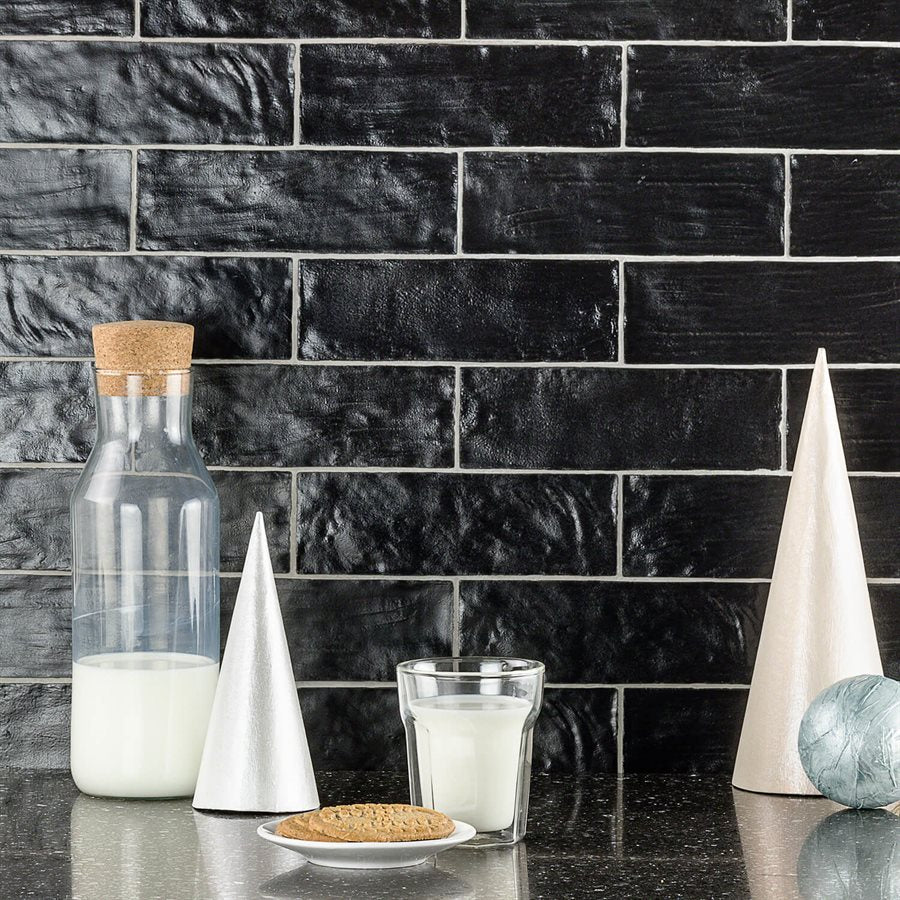
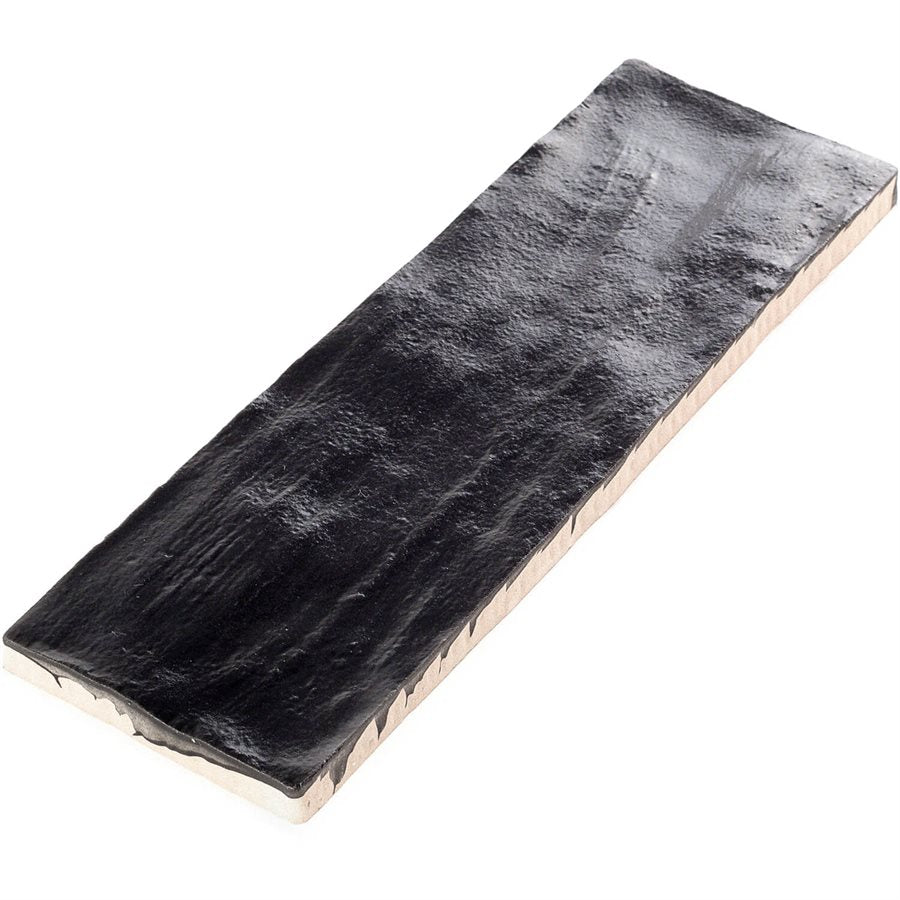
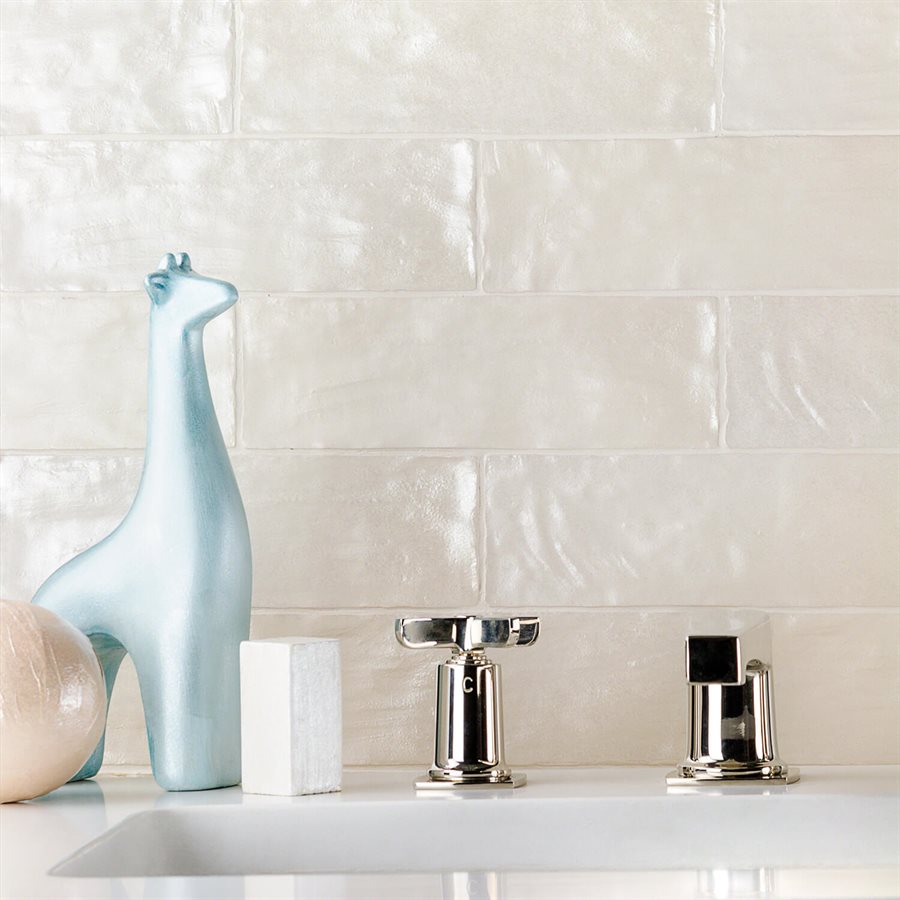
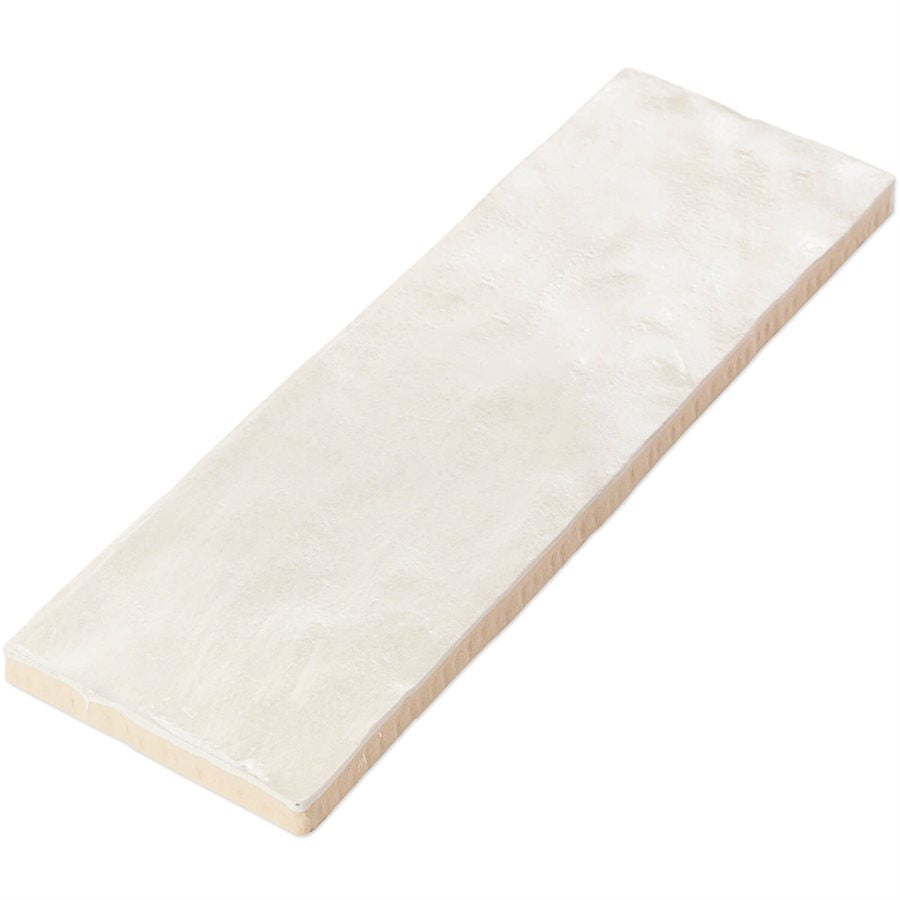
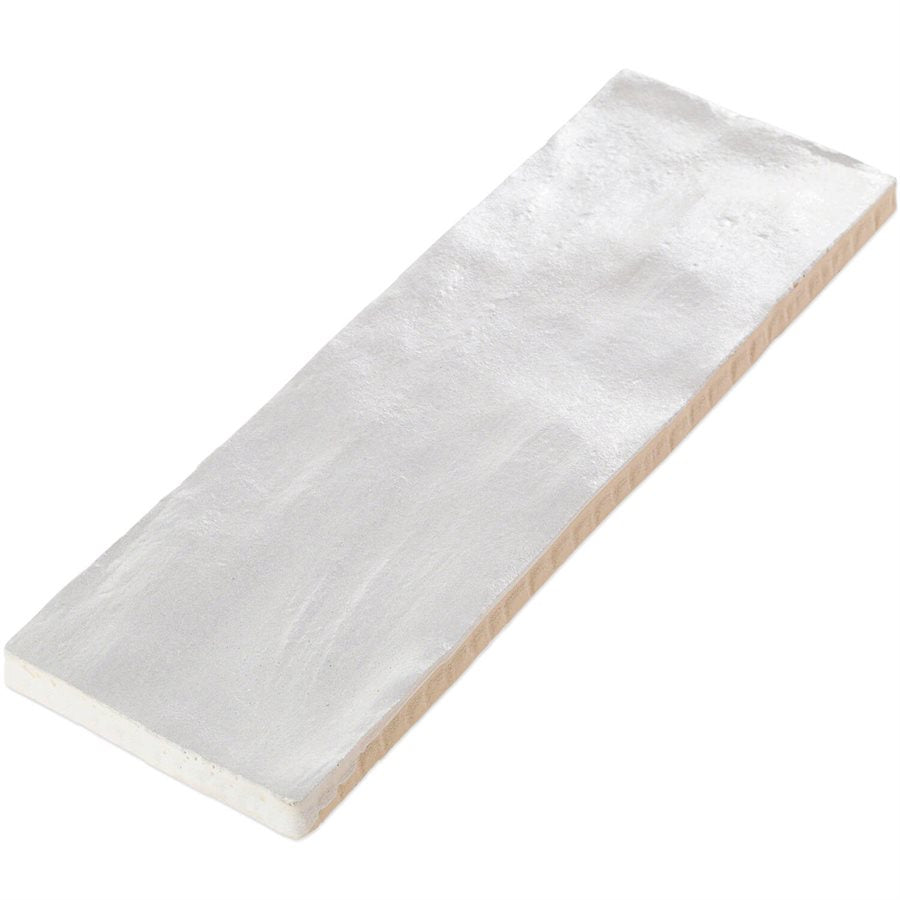
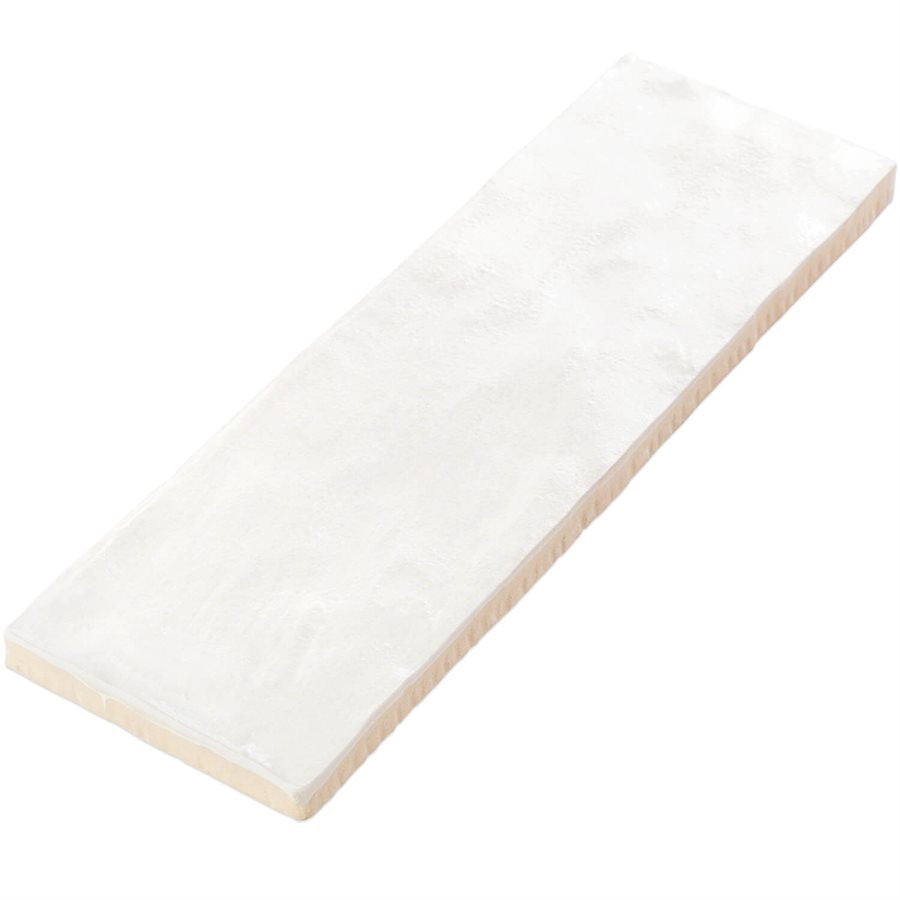
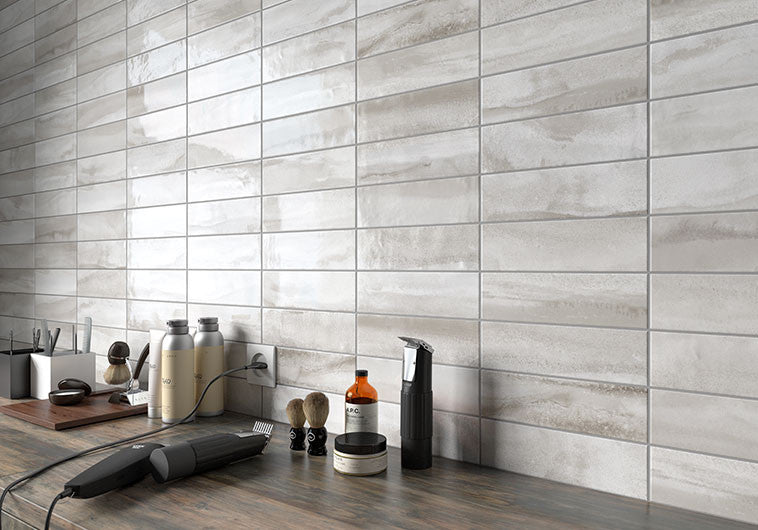
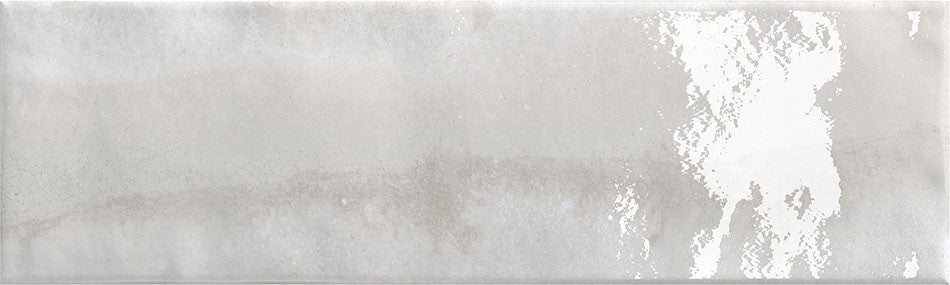
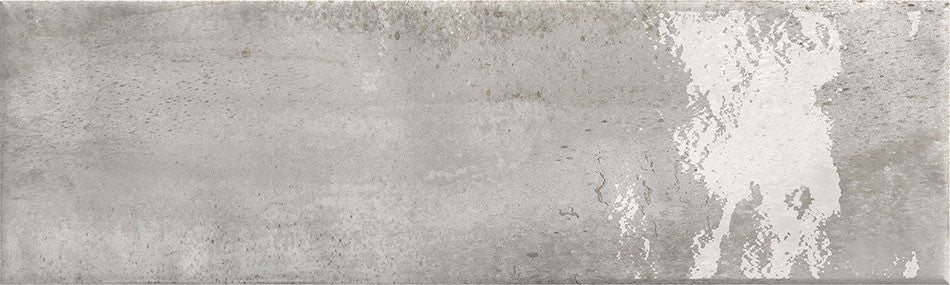
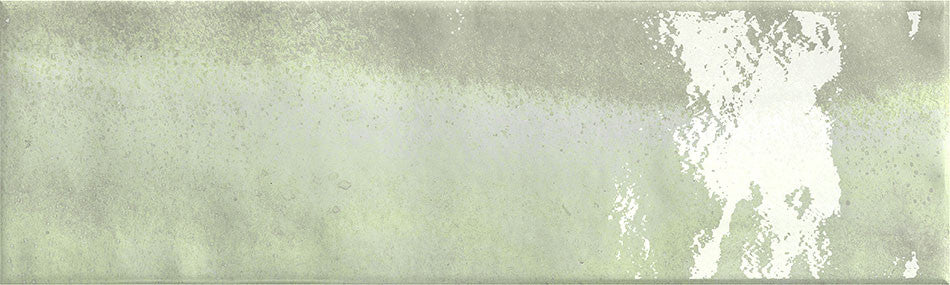
One of the biggest advantages of subway tile is that it works with many interior styles. It can look traditional in a brick pattern, modern in a vertical stack, elegant in a herringbone layout, or handmade and organic when using tiles with uneven edges, surface movement, or tonal variation. Because of this flexibility, subway tiles are frequently used in kitchens, bathrooms, showers, laundry rooms, mudrooms, bars, and fireplace areas.
Subway Tile for Kitchen Backsplashes
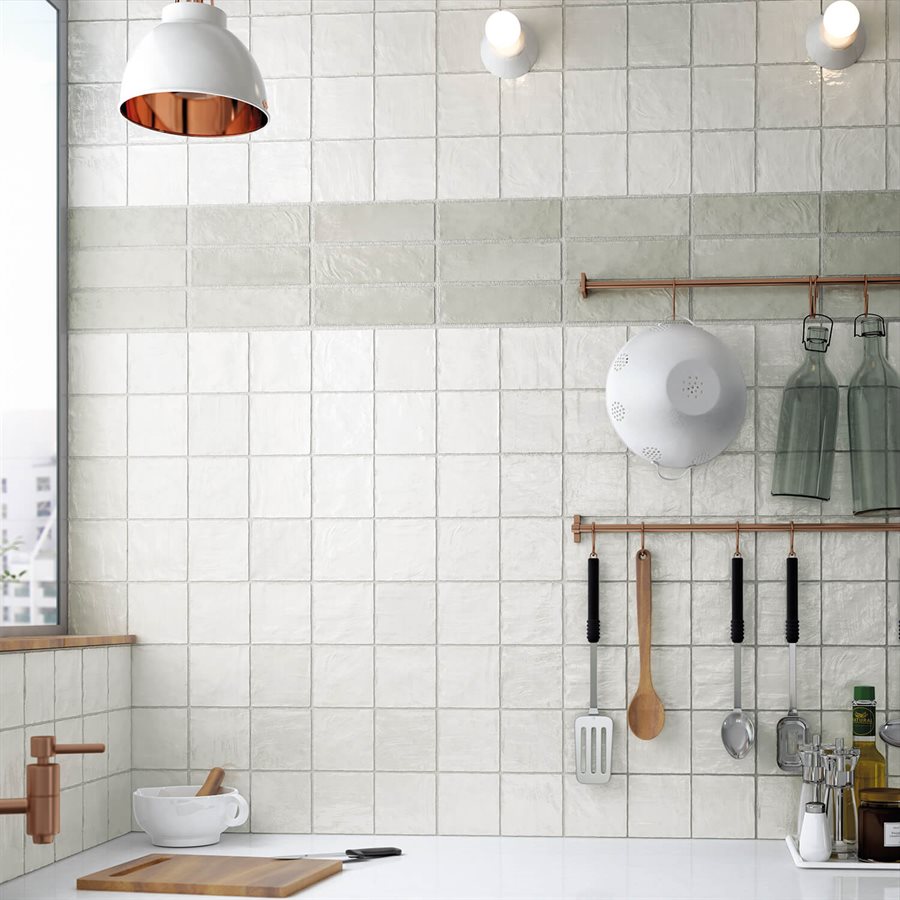
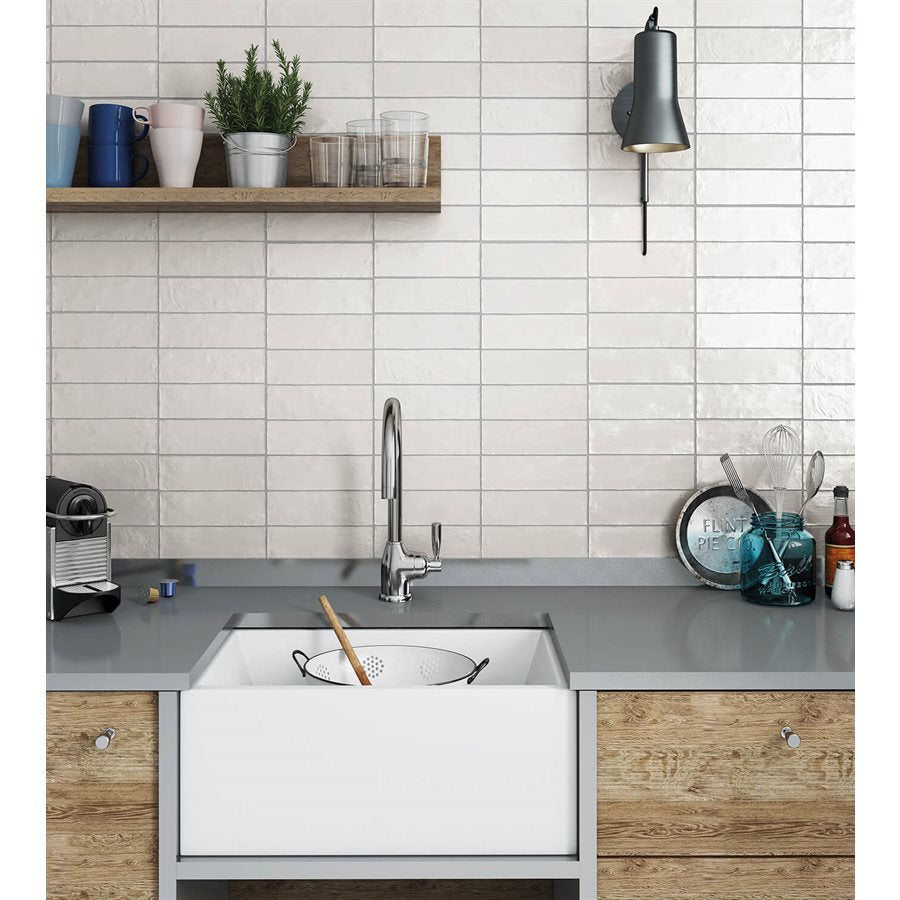
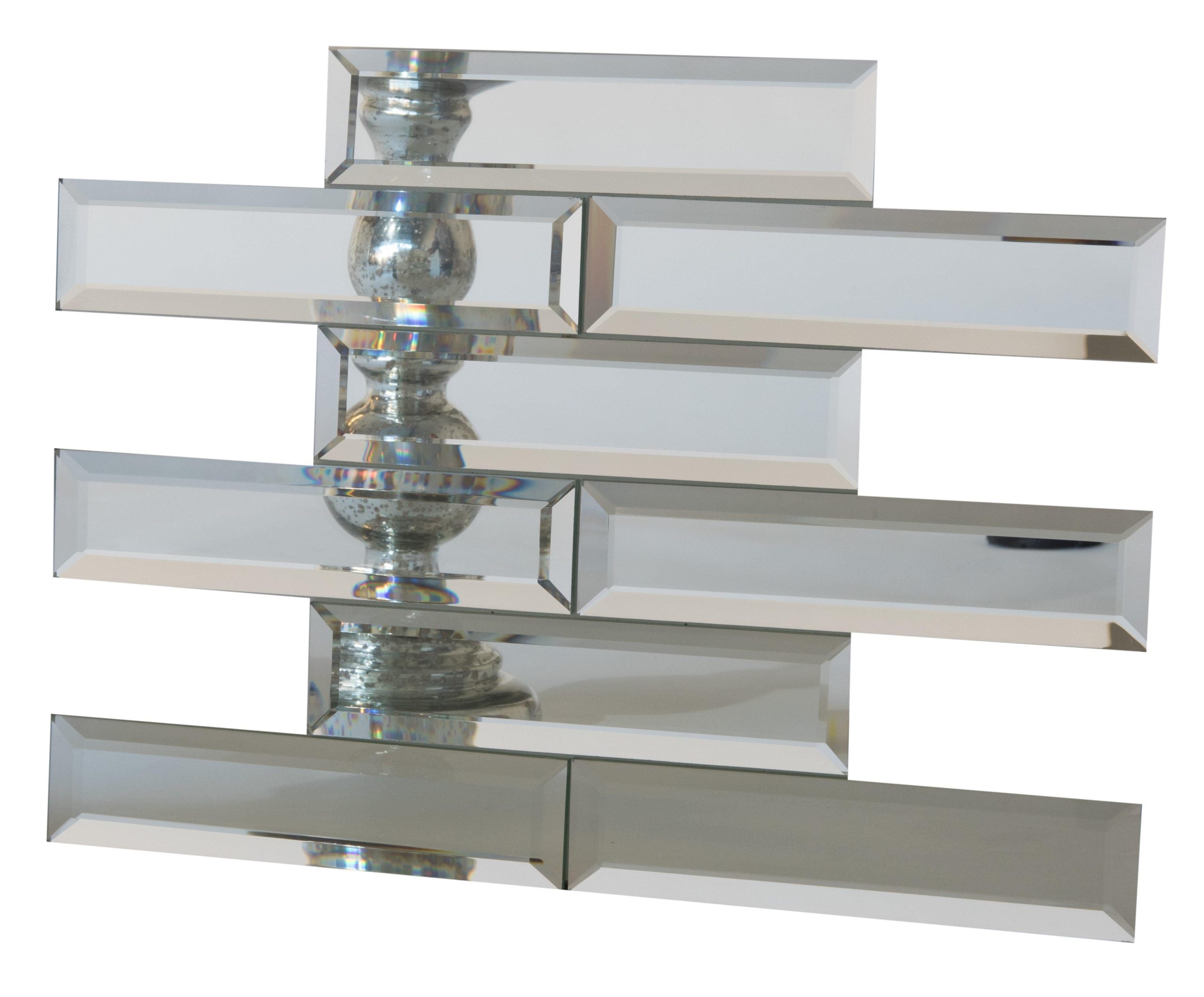
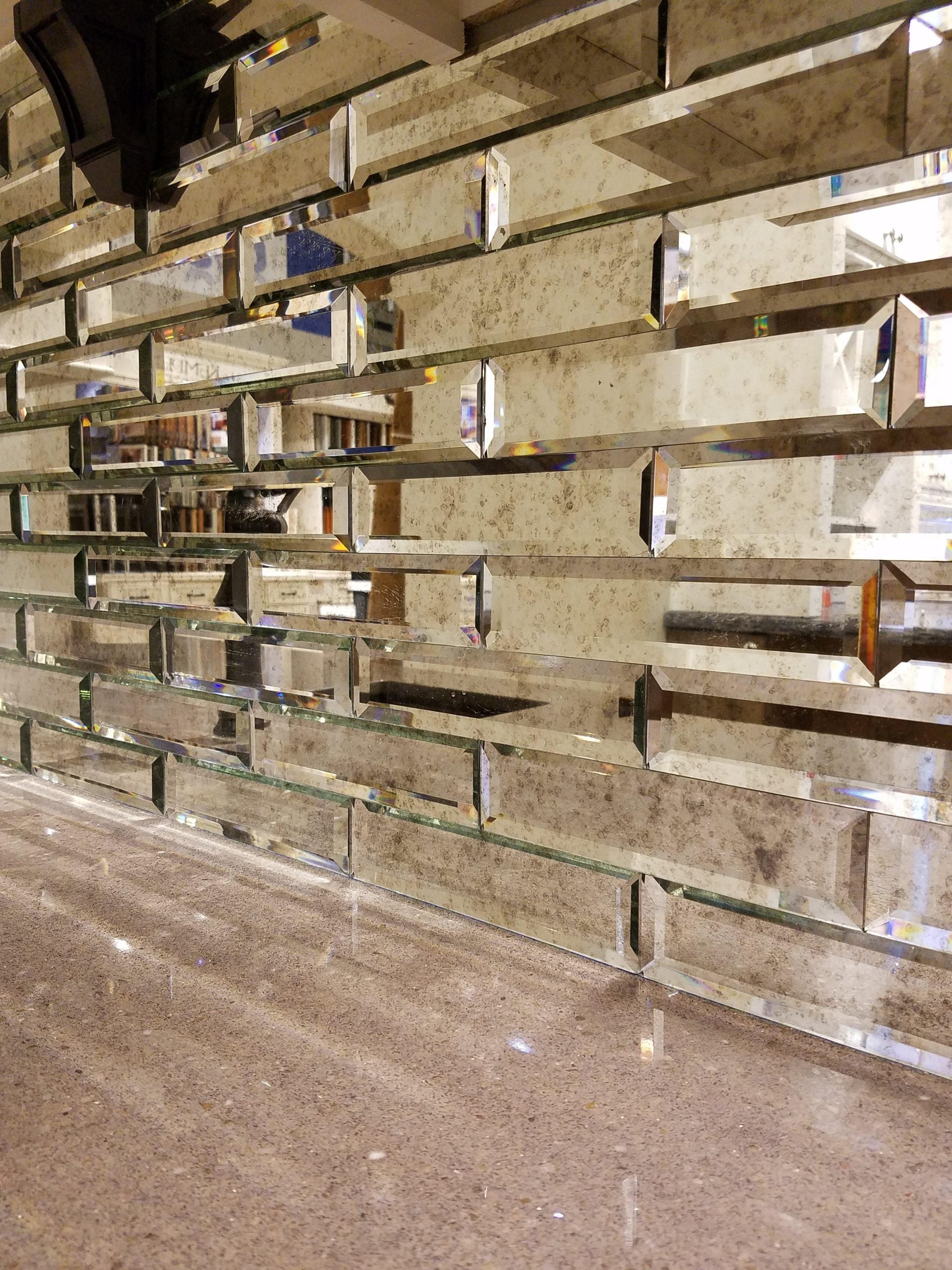
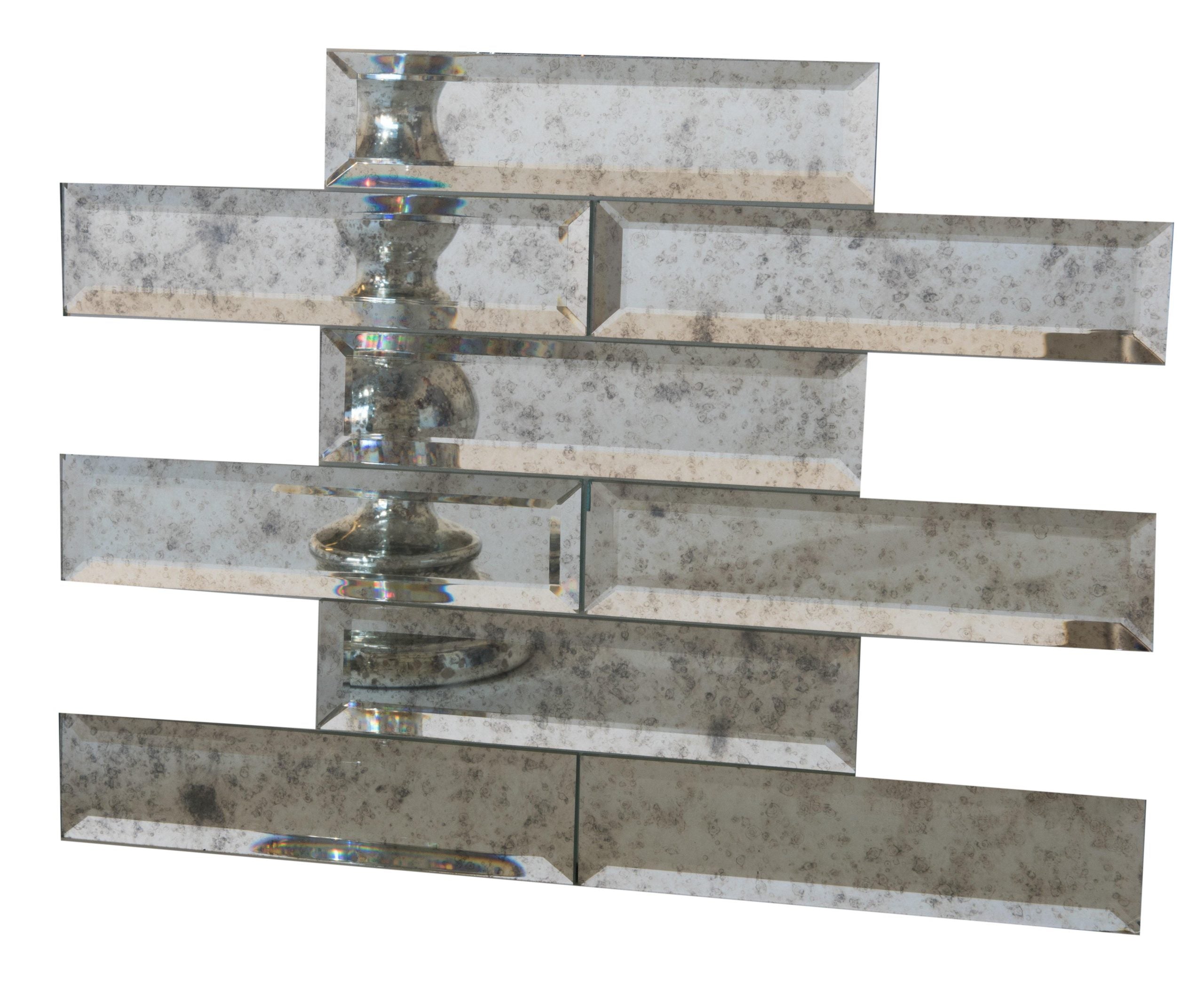
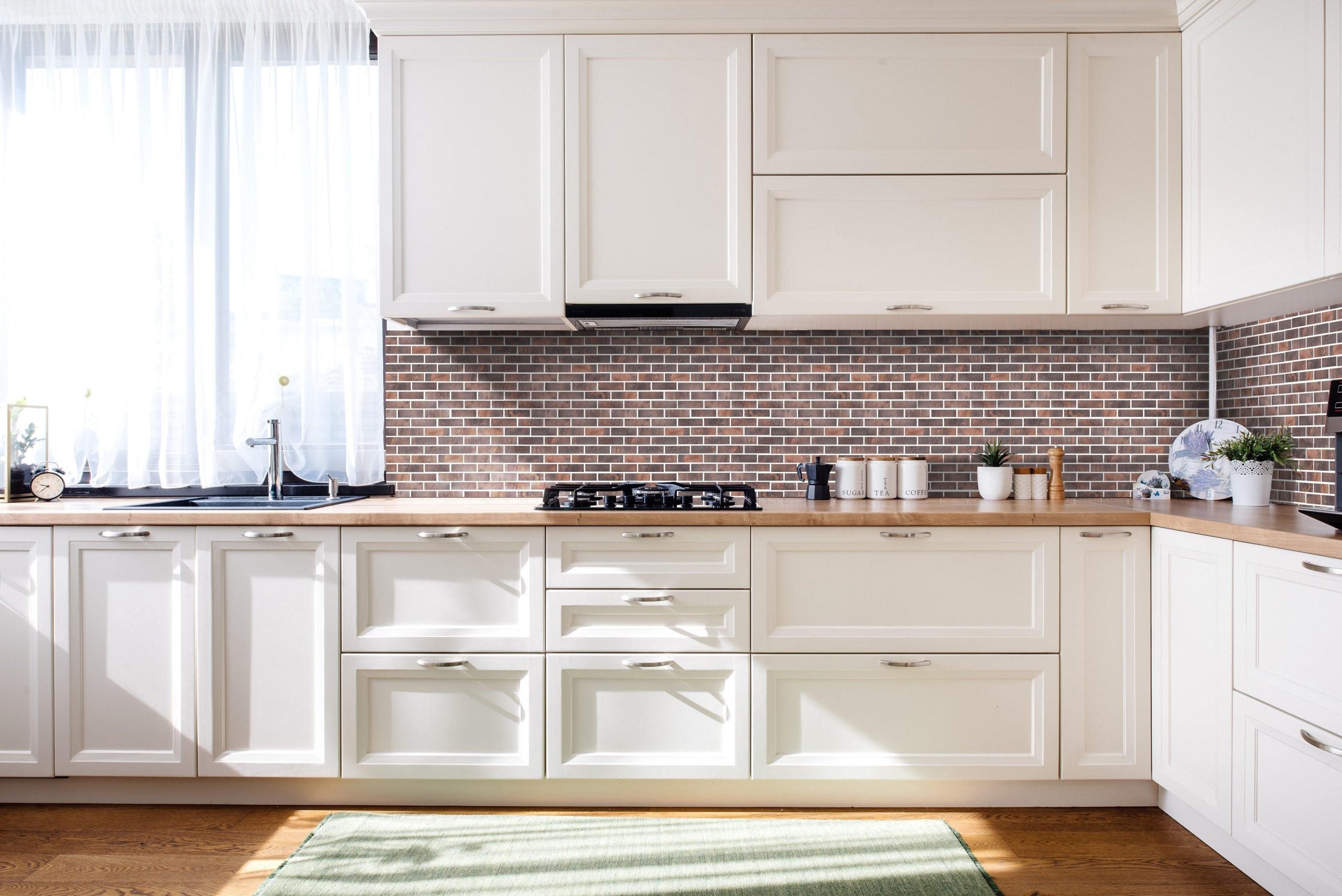
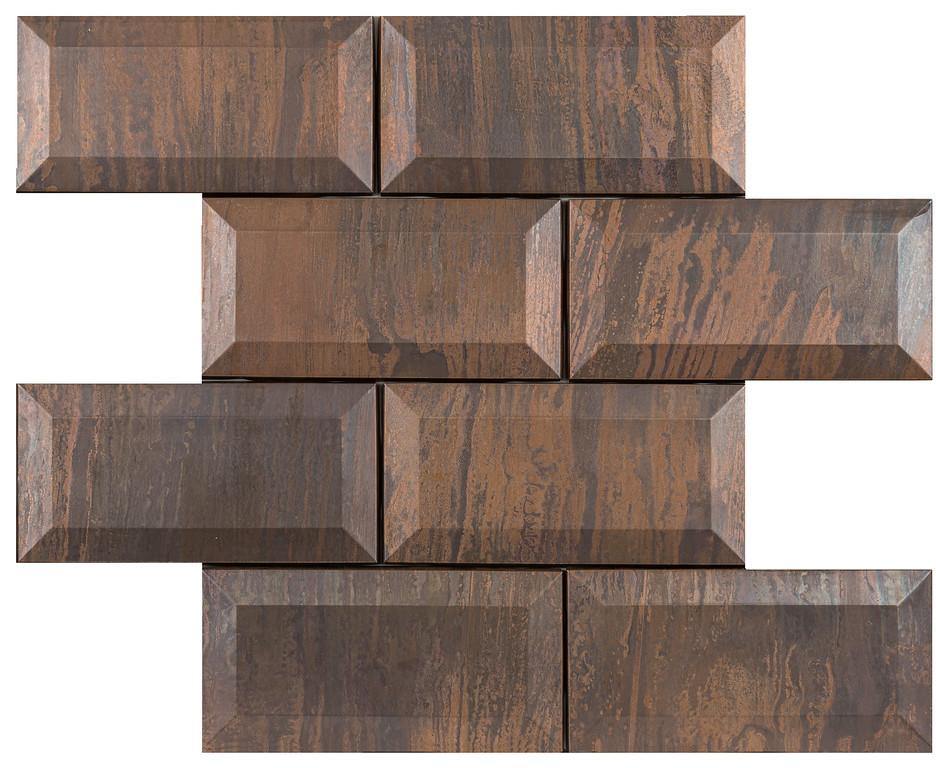
A kitchen backsplash is one of the most common places to use subway tile. The shape naturally complements cabinets, countertops, open shelving, range hoods, and under-cabinet lighting. Subway tile can create a clean background that allows the rest of the kitchen to stand out, or it can become the design feature when you choose a bold color, glossy finish, beveled edge, or handmade-look surface.
Explore more backsplash options in our kitchen backsplash tile collection.
Subway Tile for Bathroom Walls
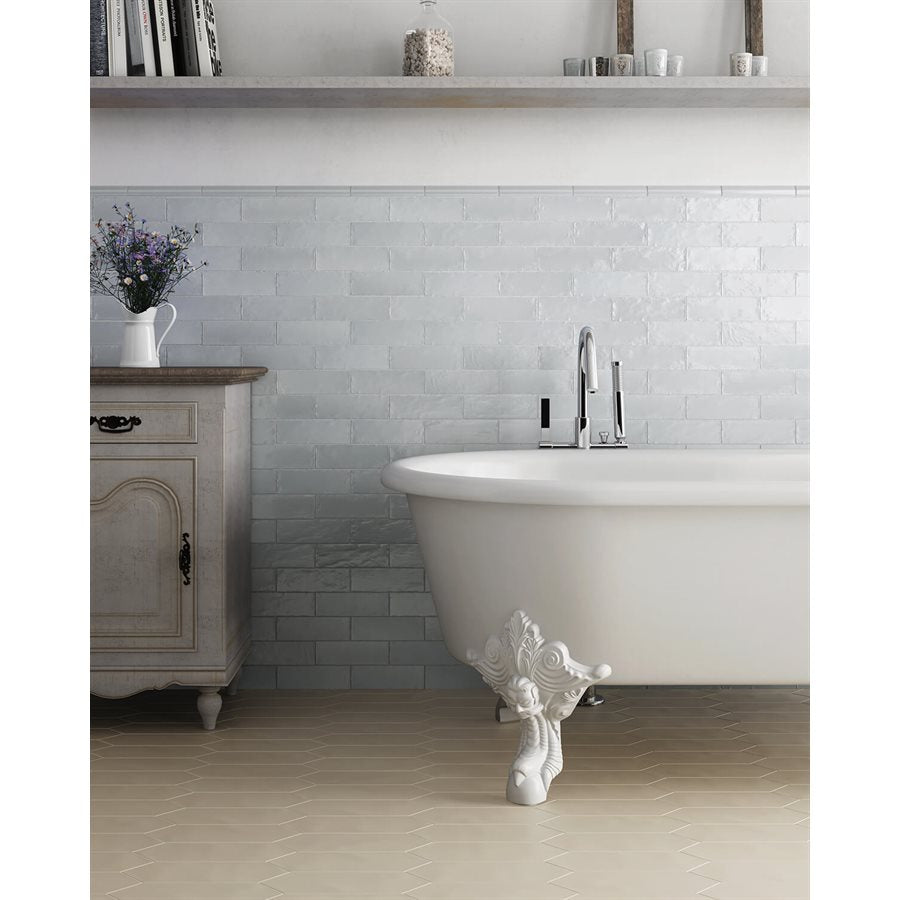
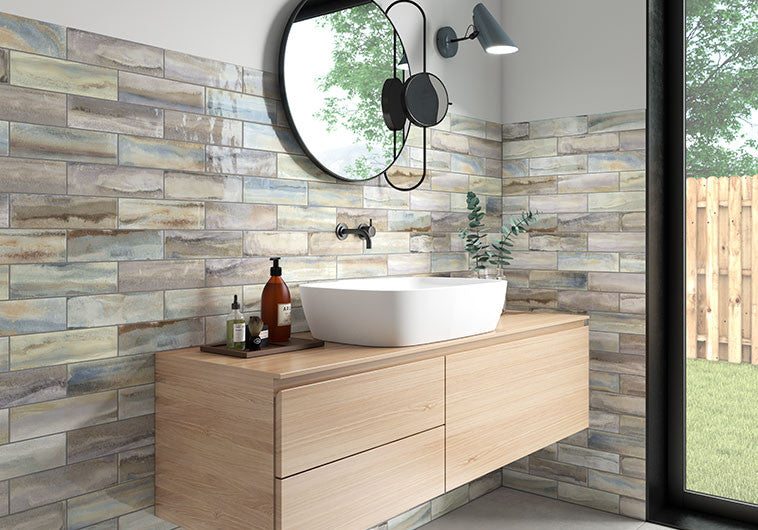
Subway tile is also an excellent choice for bathroom walls because it creates a clean, finished appearance without overwhelming the room. In smaller bathrooms, light subway tile can help brighten the space and make the walls feel more open. In larger bathrooms, darker or more colorful subway tile can create a dramatic feature wall behind a vanity, tub, or shower area.
For more bathroom design options, visit our bathroom tile collection.
Subway Tile for Shower Walls
Subway tile is a strong option for shower walls because it offers a clean look and can be used across a full wall, shower surround, niche, or accent section. Glossy subway tiles can reflect light and make the shower feel brighter, while matte subway tiles can create a softer and more understated appearance.
Browse related options in our shower wall tile collection.
Best Subway Tile Materials to Consider
Ceramic Subway Tile
Ceramic subway tile is one of the most popular choices for kitchen backsplashes and bathroom walls. It is known for its classic look, wide range of colors, and strong value. Ceramic subway tiles are often available in glossy, matte, beveled, handmade-look, and textured finishes.
See more options in our ceramic tile collection.
Glass Subway Tile
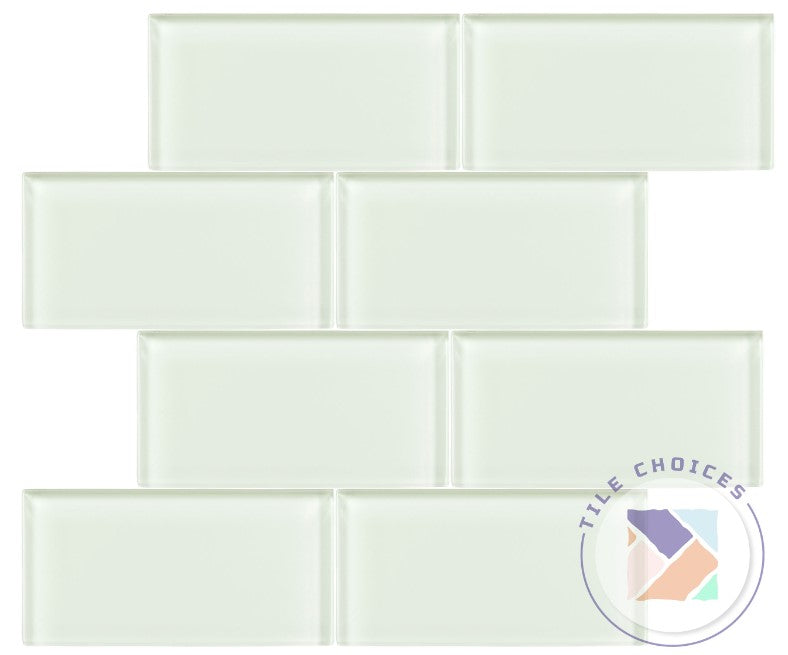
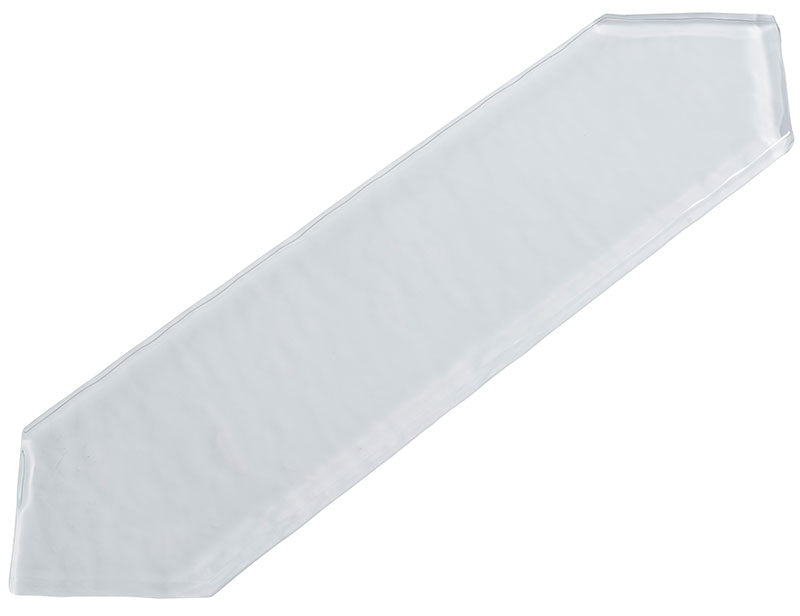
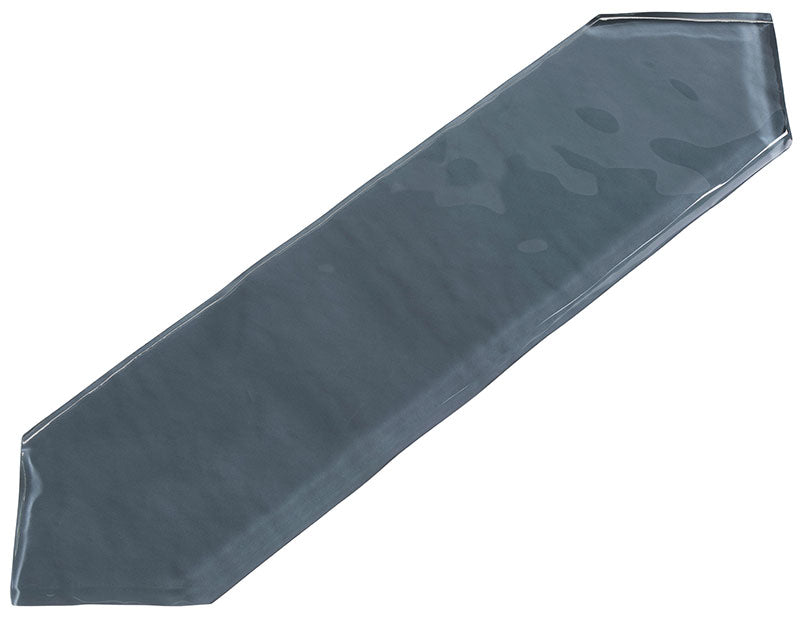
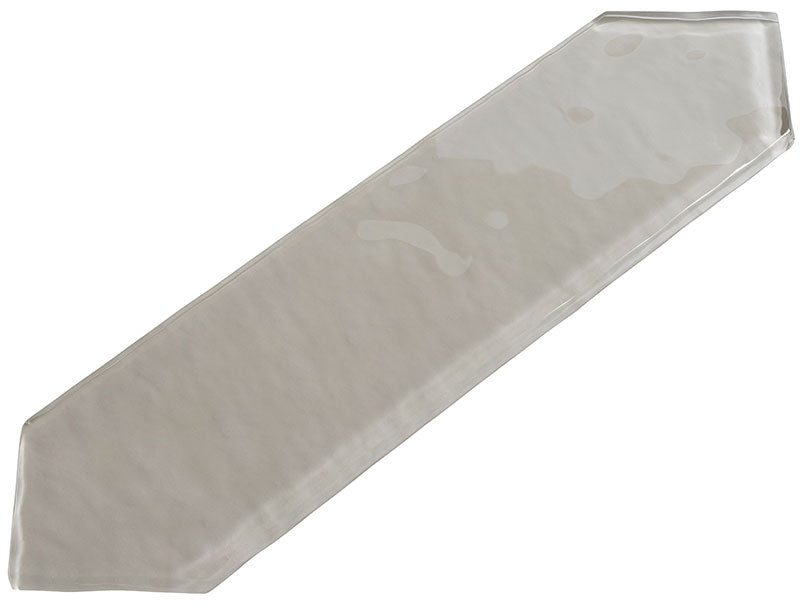
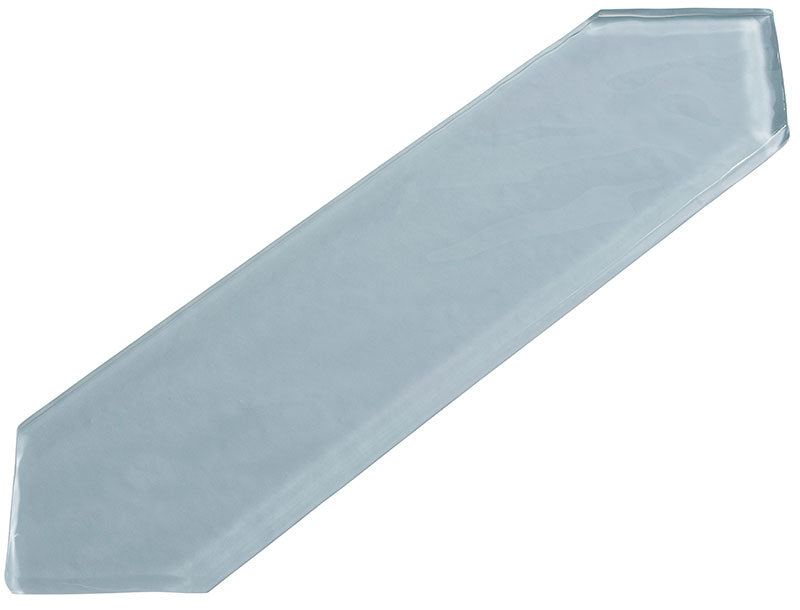
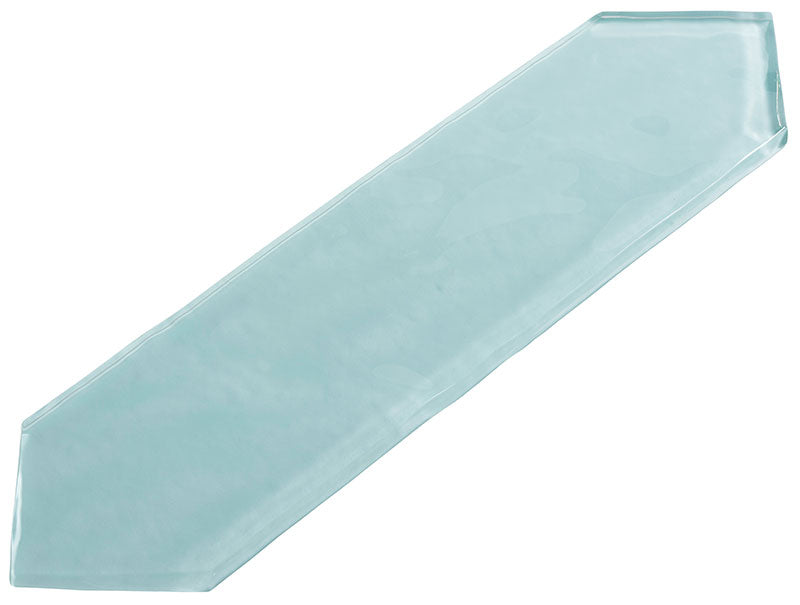
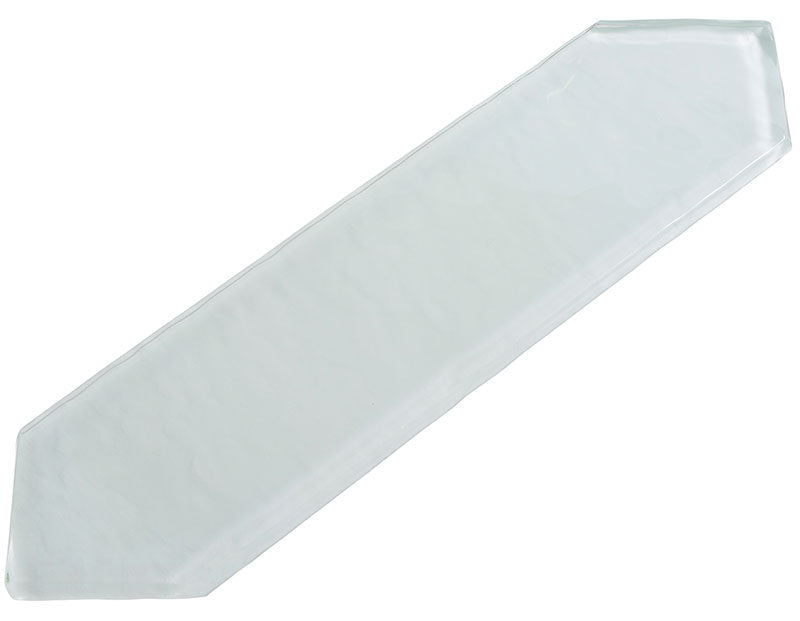
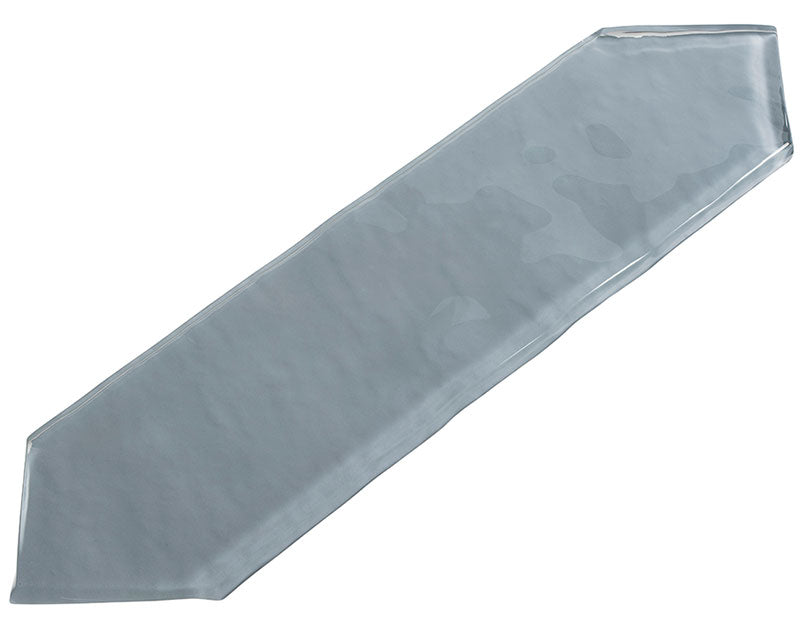
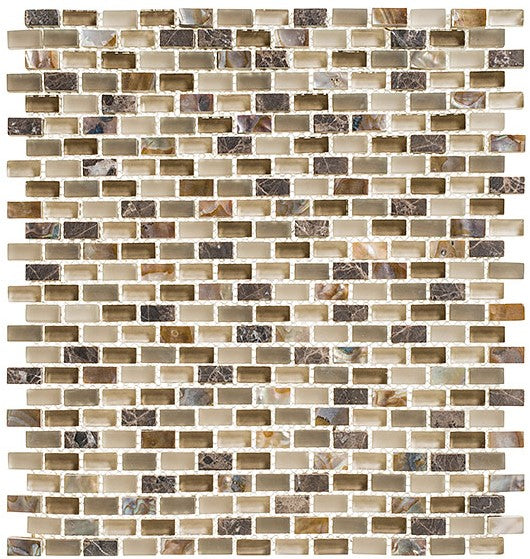
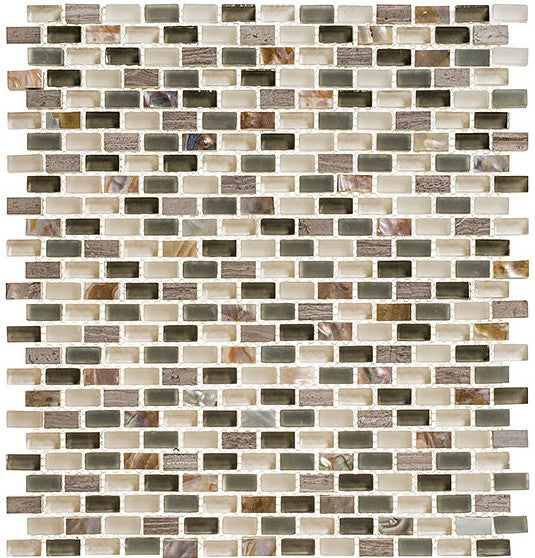
Glass subway tile is a great choice when you want brightness, reflection, and color depth. It works especially well for kitchen backsplashes because it can catch natural and artificial light, helping the backsplash feel more dimensional.
Browse additional styles in our glass tile collection.
Porcelain Subway Tile
Porcelain subway tile can be a durable option for walls and, depending on the specific product rating, some floor applications. Porcelain is dense and often selected for areas where durability and moisture resistance are important.
White Subway Tile
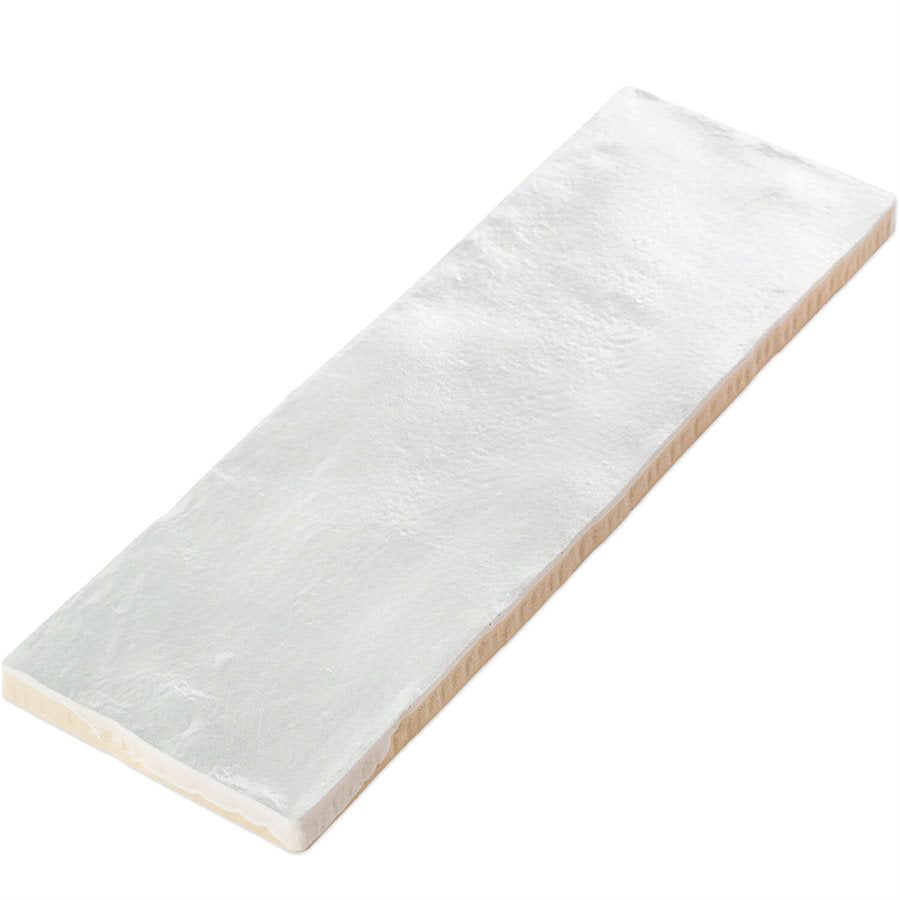
White subway tile remains one of the most searched and most installed tile styles because it works with nearly every cabinet color, countertop material, fixture finish, and design style.
For more white tile options, visit our white tile collection.
Popular Subway Tile Layout Patterns
Classic Offset Subway Tile Pattern
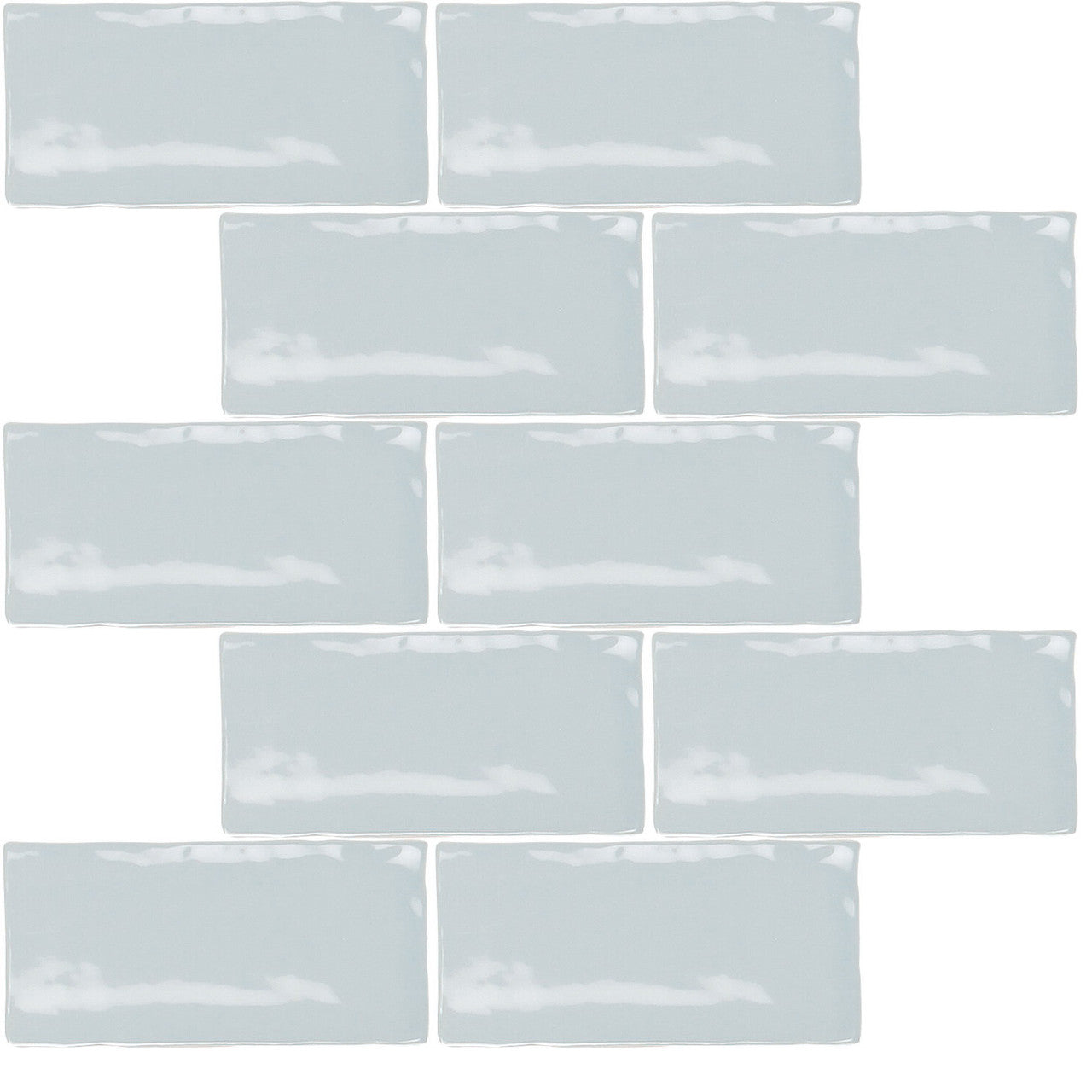
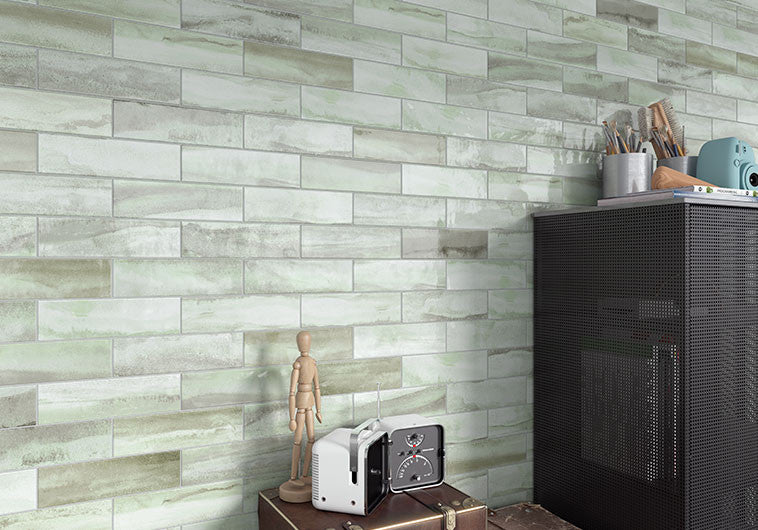
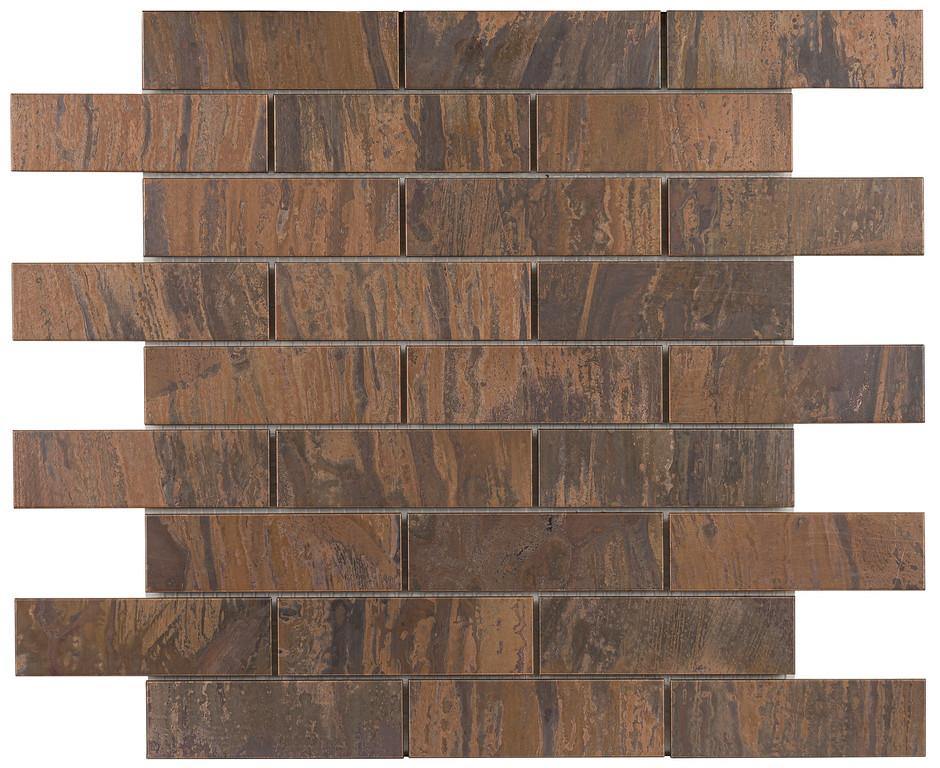
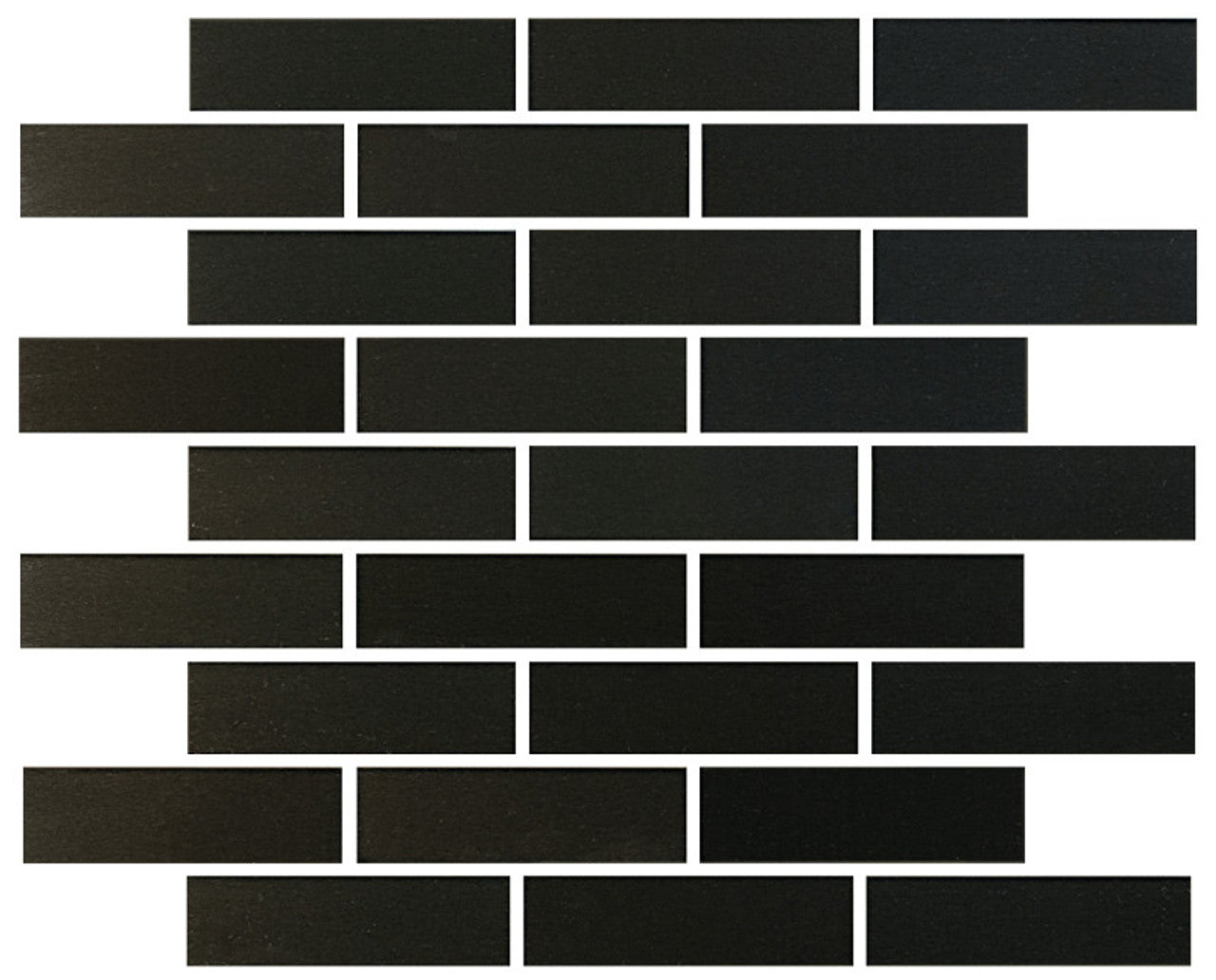
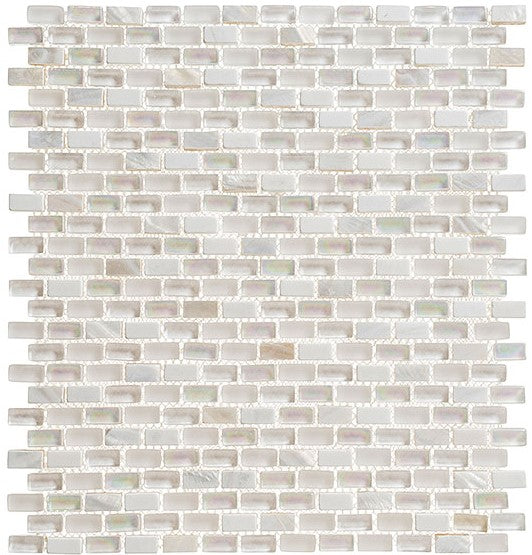
The classic offset pattern, sometimes called a brick pattern, is the most traditional subway tile layout. Each row is staggered from the row above it, creating a familiar and balanced look.
Vertical Stacked Subway Tile
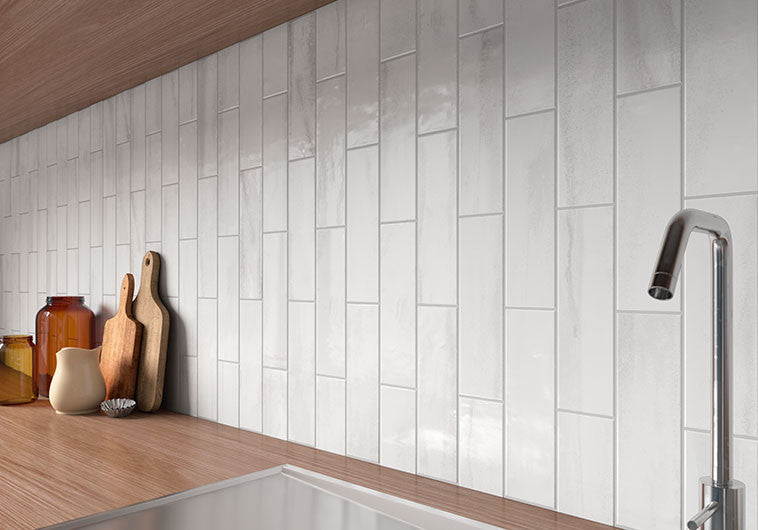
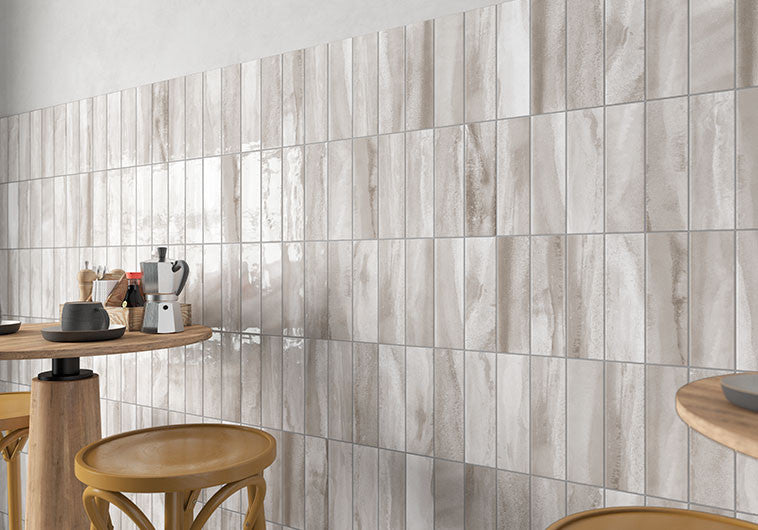
Vertical stacked subway tile creates height and gives a familiar tile shape a more modern appearance. This layout works especially well in showers, bathroom walls, and contemporary kitchens.
Straight Stacked Subway Tile
A straight stacked pattern lines the tiles up evenly in a grid. This creates a clean, modern look with strong lines.
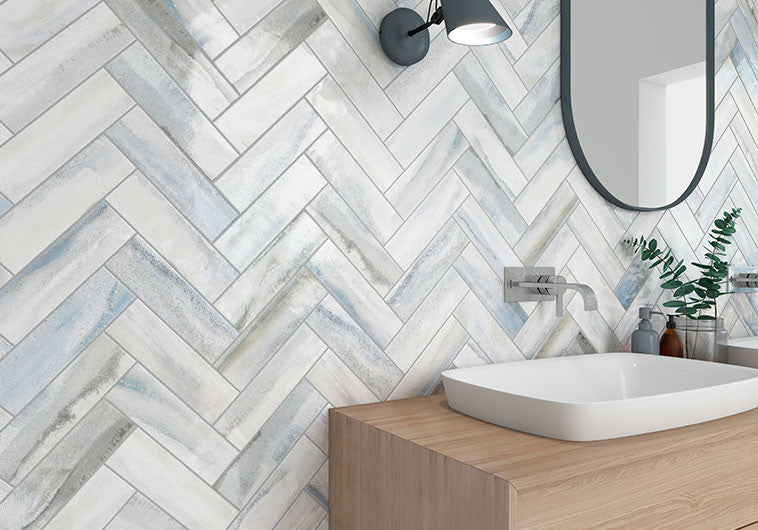
Herringbone Subway Tile
Herringbone adds movement and visual interest to subway tile. It is often used behind ranges, on shower feature walls, or as a backsplash focal point.
Glossy vs. Matte Subway Tile
Glossy subway tile reflects more light and can make a kitchen or bathroom feel brighter. Matte subway tile creates a softer and more understated look. The right choice depends on whether you want a reflective, polished surface or a calmer, more organic finish.
How to Choose the Right Grout Color for Subway Tile
Grout color has a major impact on the final appearance of subway tile. A matching grout color creates a softer and more seamless look, while a contrasting grout color highlights the individual tile shape and pattern.