
More than 60 percent of American homeowners planning a pool upgrade say durability is their top concern. Choosing the right tile goes far beyond style—pool surfaces must withstand harsh chemicals, temperature swings, and constant moisture. Unpacking the real strengths and persistent myths about porcelain pool tile helps American buyers make confident, lasting choices for both beauty and performance in their backyard oasis.
Table of Contents
- Defining Porcelain Pool Tile And Common Myths
- Types Of Porcelain Tiles For Pools
- Key Performance Features And Installation Needs
- Comparing Porcelain To Glass And Stone Tiles
- Cost, Maintenance, And Potential Pitfalls
Key Takeaways
| Point | Details |
|---|---|
| Porcelain Pool Tiles Offer Durability | Engineered for exceptional strength and low water absorption, porcelain tiles are ideal for aquatic environments. |
| Variety in Design | Modern porcelain tiles come in a wide range of colors and textures, debunking the myth of limited aesthetic options. |
| Low Maintenance | While initial costs may be higher, porcelain tiles require minimal maintenance, making them cost-effective over time. |
| Professional Installation is Key | Proper installation using specialized materials is crucial for ensuring the longevity and performance of porcelain pool tiles. |
Defining Porcelain Pool Tile and Common Myths
Porcelain pool tiles represent a sophisticated flooring solution engineered for exceptional durability and aesthetic versatility. Unlike traditional ceramic materials, porcelain tiles are manufactured through an advanced process involving high-temperature firing and extremely fine clay compositions, resulting in an incredibly dense and water-resistant product. Understanding porcelain versus ceramic tiles helps homeowners make more informed design choices for aquatic environments.
The defining characteristic of porcelain pool tiles lies in their remarkably low water absorption rate, which meets rigorous industry standards. According to specialized tile certification agencies, authentic porcelain tiles must demonstrate a water absorption rate of 0.5% or less, making them supremely suited for moisture-intensive spaces like swimming pools, spas, and outdoor water features. This technical specification ensures tiles remain structurally stable and resistant to cracking, chipping, and degradation even under constant water exposure.
Despite their remarkable performance, several persistent myths surround porcelain pool tiles that merit debunking. Many consumers mistakenly believe porcelain tiles are prohibitively expensive or exclusively available in limited design options. In reality, modern manufacturing techniques have expanded porcelain tile collections to include an extensive range of colors, textures, and visual styles that can mimic natural stone, wood grain, and intricate artistic patterns. Porcelain tiles are not just functional but can serve as a design statement, transforming pool areas into visually stunning environments.
Key myths about porcelain pool tiles include:
- Myth: Porcelain tiles are fragile and prone to damage
- Reality: These tiles are engineered for exceptional strength and long-term performance
- Myth: Limited design aesthetic
- Reality: Available in hundreds of colors, patterns, and visual textures
- Myth: Expensive installation and maintenance
- Reality: Cost-effective over time due to durability and minimal maintenance requirements
Types of Porcelain Tiles for Pools
Porcelain tiles for swimming pools represent a sophisticated range of design and functional options that cater to diverse aesthetic preferences and performance requirements. Understanding different types of floor tiles provides essential context for selecting the ideal pool surface. Specialized manufacturers have developed multiple categories of porcelain pool tiles that address specific design and durability needs, ensuring homeowners can find precise solutions for their aquatic environments.
According to industry research, porcelain pool tiles can be comprehensively categorized into two primary technical classifications based on their water absorption rates. Technical porcelain tiles feature an exceptionally low water absorption rate below 0.1%, representing the highest performance tier for pool installations. Alternatively, glazed porcelain tiles offer slightly higher water absorption capabilities up to 0.5%, providing versatile design options while maintaining robust structural integrity. These technical classifications ensure swimmers and pool owners can select tiles that balance aesthetic appeal with long-term functional performance.
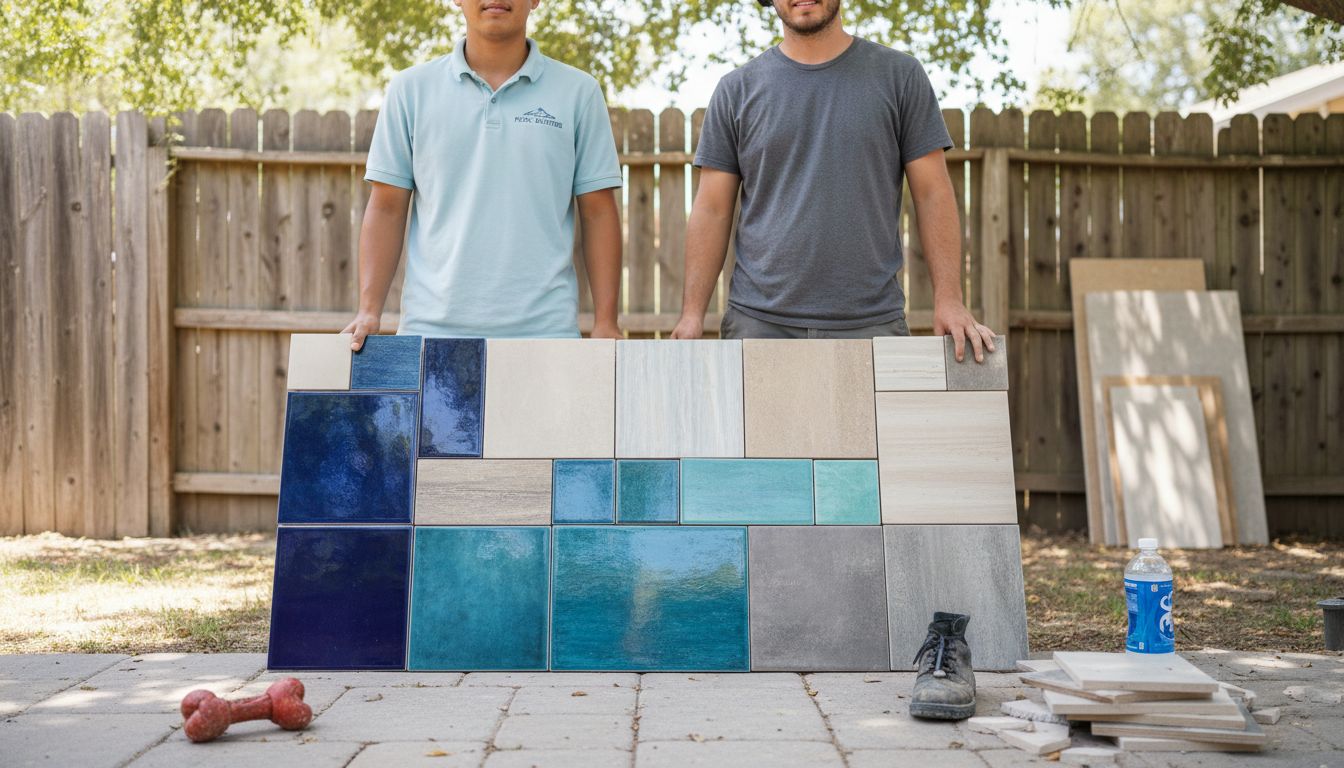
The diverse range of porcelain pool tile types includes specialized design variations to meet different architectural and functional requirements. Full-body porcelain tiles provide consistent color and texture throughout the entire tile thickness, ensuring superior wear resistance and visual continuity. Granite full-body porcelain tiles offer enhanced visual depth and natural stone-like appearances, creating luxurious pool environments. Swimming pool-specific tiles often incorporate additional features like textured surfaces for improved slip resistance, making them ideal for wet environments where safety is paramount.
Key types of porcelain pool tiles include:
- Full-Body Porcelain Tiles: Uniform color and texture throughout tile
- Glazed Porcelain Tiles: Decorative surface layer with varied design options
- Technical Porcelain Tiles: Extremely low water absorption rates
- Granite-Style Porcelain Tiles: Natural stone-like appearance
- Textured Pool Tiles: Enhanced slip-resistance for safety
Key Performance Features and Installation Needs
Porcelain pool tiles demand precise installation techniques and performance specifications to ensure long-term durability and aesthetic appeal. Understanding high traffic tile requirements provides critical insights into the technical considerations essential for successful pool tile implementation. Professional installers must carefully evaluate multiple performance factors that extend far beyond simple visual attraction.
The installation process for porcelain pool tiles requires meticulous attention to technical standards and specialized materials. Industry guidelines, such as ANSI A108.5, specify exact protocols for tile placement, mandating the use of cementitious grout and thin-set mortar to guarantee optimal tile adhesion and structural integrity. These professional-grade installation materials create a robust foundation that prevents tile displacement, minimizes water infiltration, and ensures the longevity of the pool surface under constant moisture and temperature fluctuations.
Key performance features of porcelain pool tiles encompass multiple critical aspects that determine their suitability for aquatic environments. These tiles must demonstrate exceptional resistance to chemical treatments, UV exposure, temperature variations, and mechanical stress. Advanced porcelain tiles typically offer superior characteristics including:
- Chemical Resistance: Withstanding chlorine and salt treatments
- Thermal Stability: Maintaining structural integrity across temperature ranges
- Slip Resistance: Providing safe walking surfaces
- Low Water Absorption: Preventing moisture penetration
- Color Fastness: Resisting fading from sunlight and chemical exposure
Professional installation requires precise preparation and execution, including:
- Surface leveling and preparation
- Selecting appropriate adhesive systems
- Maintaining consistent grout lines
- Implementing proper expansion joint strategies
- Ensuring comprehensive waterproofing measures
Comparing Porcelain to Glass and Stone Tiles
Selecting the ideal pool tile requires a comprehensive understanding of the unique characteristics and performance profiles of porcelain, glass, and stone materials. Understanding natural stone tile selection provides critical context for evaluating these distinctive flooring options. Each material presents distinct advantages and limitations that significantly impact long-term pool environment durability and aesthetic appeal.
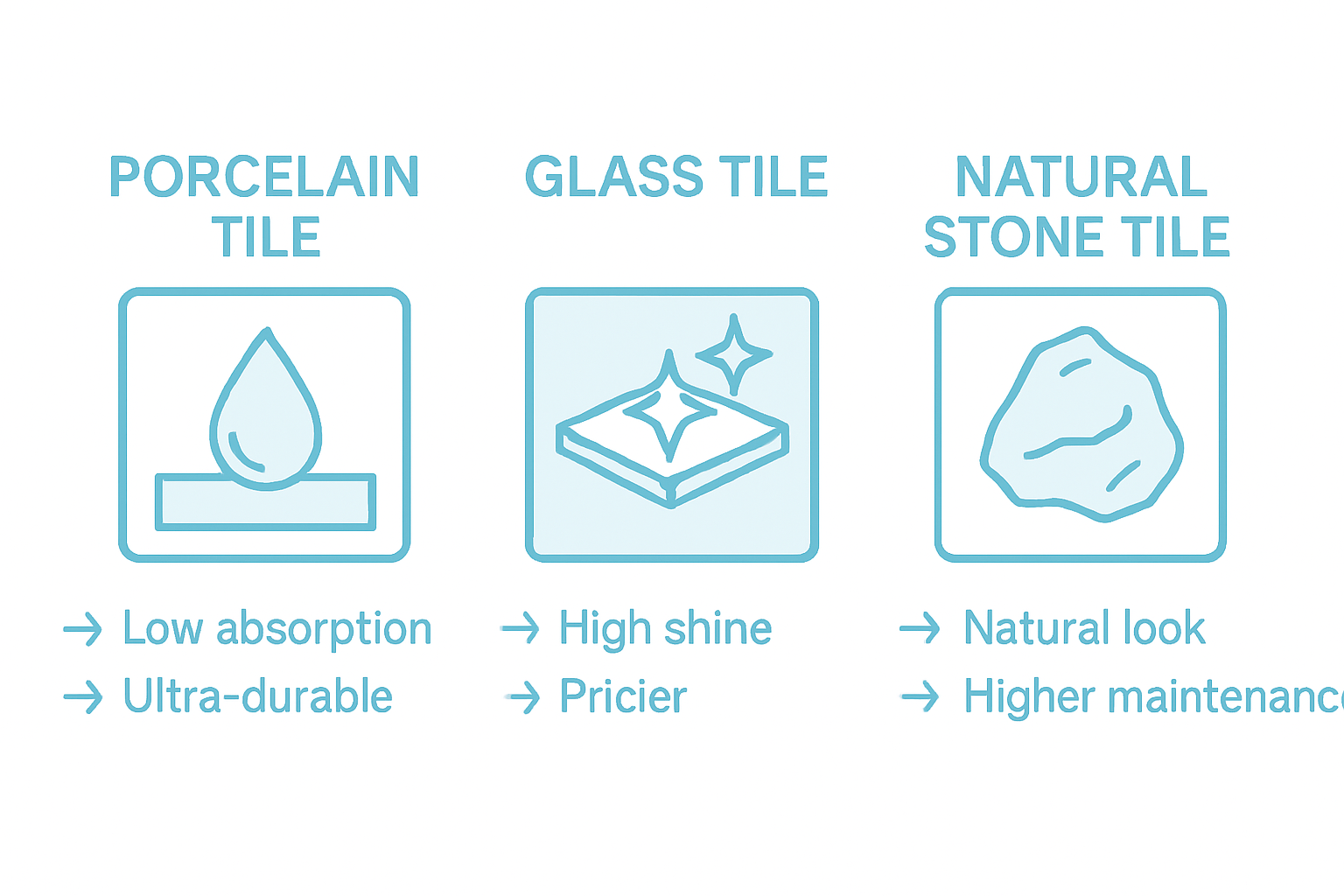
Porcelain tiles distinguish themselves through exceptional technical performance in aquatic environments. Research indicates that porcelain demonstrates superior water resistance and durability, with remarkable scratch and chemical resistance capabilities. Unlike stone tiles requiring regular maintenance and sealing, porcelain maintains structural integrity with minimal upkeep. However, porcelain tiles can be brittle and potentially susceptible to impact damage, a critical consideration for high-traffic pool areas. Glass tiles offer stunning visual translucency and color vibrancy but typically provide lower mechanical resistance compared to porcelain’s robust construction.
Comparative performance characteristics reveal nuanced differences between these tile materials:
-
Porcelain Tiles
- Extremely low water absorption
- High chemical resistance
- Uniform color and texture
- Potential brittleness under heavy impact
-
Glass Tiles
- Exceptional visual aesthetics
- Limited impact resistance
- Vibrant color options
- Higher potential for surface scratching
-
Stone Tiles
- Natural, organic appearance
- Requires periodic sealing
- Higher maintenance requirements
- Variable water absorption rates
Ultimately, the selection between porcelain, glass, and stone tiles depends on balancing aesthetic preferences, performance requirements, maintenance capabilities, and budget constraints. Homeowners must carefully evaluate each material’s specific strengths and limitations to create a pool environment that combines visual appeal with long-term functional reliability.
Cost, Maintenance, and Potential Pitfalls
Portland pool tile installations represent significant financial investments requiring strategic planning and comprehensive understanding of long-term maintenance requirements. Understanding the difference between wall and floor tiles offers crucial insights into the nuanced considerations homeowners must evaluate when budgeting for pool renovations. While porcelain tiles often present higher upfront costs, their durability can translate to more economical long-term solutions compared to alternative materials.
Maintenance protocols for porcelain pool tiles demand precision and specialized care to preserve their aesthetic and functional qualities. Research indicates that modern porcelain tiles, particularly those mimicking natural materials, can be susceptible to damage from aggressive cleaning agents. Professionals recommend using neutral-pH cleaners and microfiber mops to prevent surface degradation and maintain tile integrity. Potential maintenance pitfalls include using alkaline or acidic cleaning solutions, which can compromise the tile’s protective glazing and accelerate wear patterns.
Financial and maintenance considerations for porcelain pool tiles encompass multiple critical factors:
-
Initial Installation Costs
- Higher upfront investment
- Professional installation recommended
- Varies based on tile complexity and design
-
Long-Term Maintenance Expenses
- Minimal recurring maintenance
- Occasional professional deep cleaning
- Potential grout replacement every 10-15 years
-
Potential Maintenance Challenges
- Susceptibility to chemical damage
- Potential grout discoloration
- Risk of surface scratching with improper cleaning techniques
Homeowners must carefully balance initial expenses against long-term performance, considering factors like durability, aesthetic preferences, and maintenance requirements. Investing in high-quality porcelain tiles and following recommended care protocols can significantly extend the lifespan and visual appeal of pool environments, ultimately providing superior value compared to less robust tile alternatives.
Discover Long-Lasting Beauty with Porcelain Pool Tiles from TileChoices.com
Choosing the right tile for your pool involves balancing durability, design, and maintenance challenges. As highlighted in the article, porcelain pool tiles offer exceptional strength, low water absorption, and resistance against chemicals and fading. If you want a tile that withstands harsh pool conditions while enhancing your outdoor space with stylish options like textured or granite-style porcelain, then exploring proven tile solutions is essential. Avoid the pitfalls of fragile or high-maintenance alternatives by selecting tiles engineered for aquatic environments.
At TileChoices.com—your one-stop-shop for premium tile solutions—you can browse a vast collection tailored for swimming pools. We provide detailed descriptions and visuals to help you select porcelain tiles that marry functionality with your desired look. From professional installation resources to a wide array of design choices including porcelain versus ceramic tiles insights, Tile Choices equips you with everything needed to achieve a durable and stunning pool area. Start your project today and experience how durable, low-maintenance porcelain pool tiles can transform your home’s outdoor oasis.