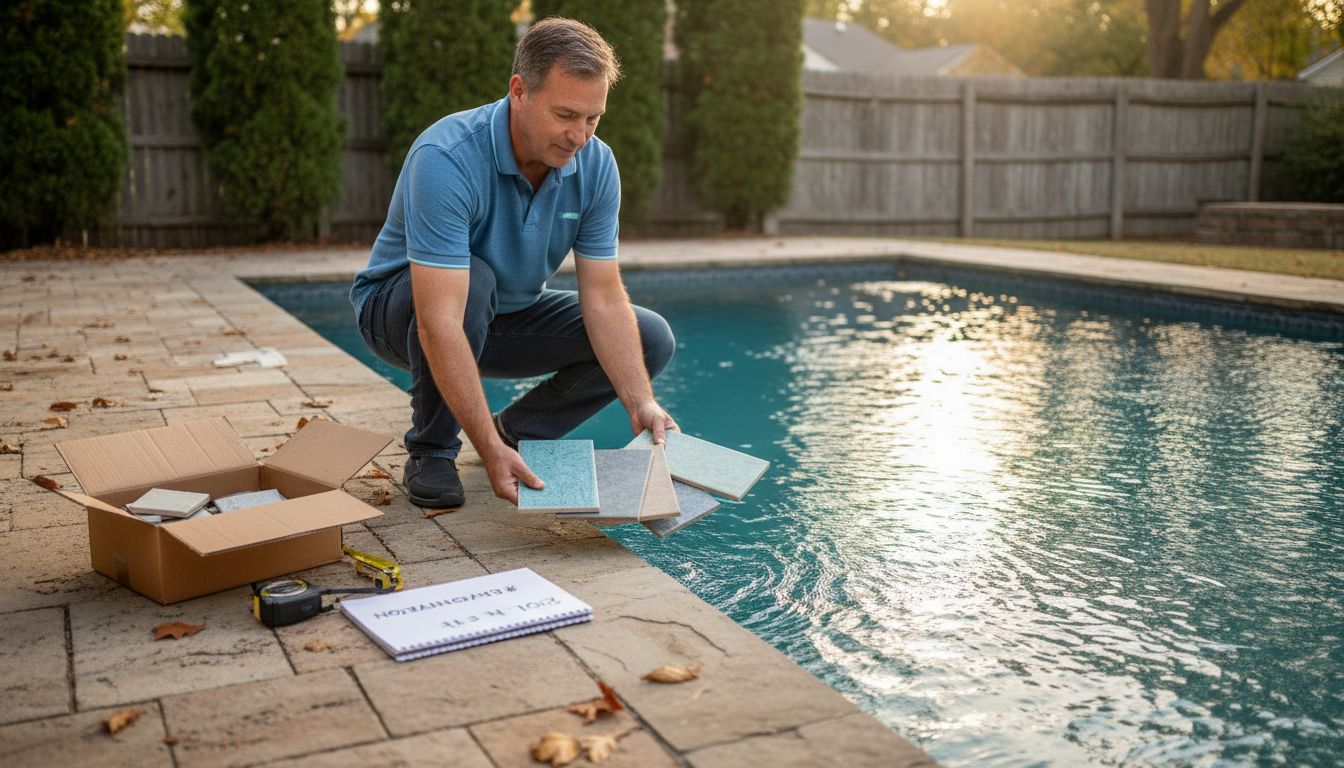
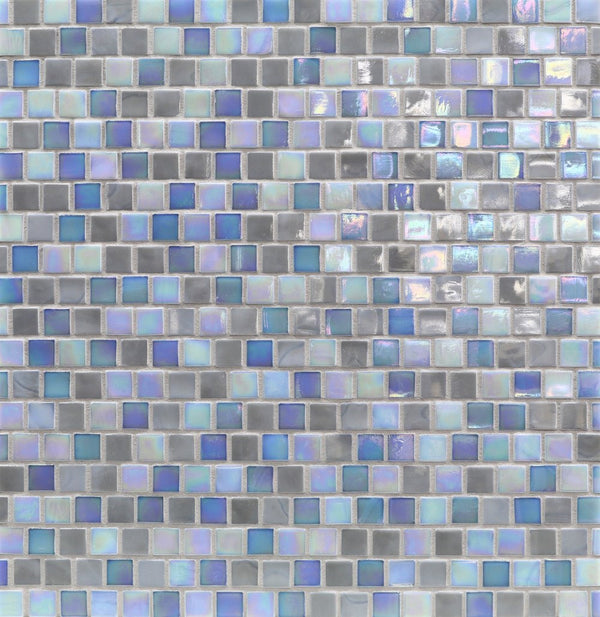
Finding the right pool tiles can overwhelm even the most experienced American homeowners. With so many textures, colors, and materials to choose from, one simple choice suddenly feels complex. Safety and durability matter just as much as aesthetics, especially since over 60 percent of residential pool injuries in the United States involve slippery surfaces. Understanding how to match your pool’s unique needs with the perfect tile will save you time, money, and frustration as you create a functional and beautiful swimming space.
Table of Contents
- Step 1: Assess Pool Design And Functional Needs
- Step 2: Compare Tile Materials And Finishes
- Step 3: Select Styles And Colors To Match Aesthetics
- Step 4: Verify Tile Durability And Safety Ratings
- Step 5: Confirm Installation Requirements And Compatibility
Quick Summary
| Key Point | Explanation |
|---|---|
| 1. Assess Design and Functionality | Understand your pool’s specific needs and characteristics to ensure proper tile selection based on use and environmental factors. |
| 2. Compare Tile Materials | Different materials offer unique properties; evaluate durability, water resistance, and maintenance needs to find the right fit for your pool. |
| 3. Choose Styles and Colors | Select tiles that enhance your pool’s aesthetic while considering the surrounding landscape and how color interacts with natural light. |
| 4. Verify Durability and Safety | Ensure tiles meet durability standards and have good slip resistance to create a safe swimming environment for all users. |
| 5. Confirm Installation Requirements | Understand the specific installation needs for chosen tiles to ensure a successful and durable pool surface. |
Step 1: Assess Pool Design and Functional Needs
Choosing the perfect pool tiles starts with understanding your specific design requirements and functional needs. This critical first step helps you select tiles that not only look stunning but also perform exceptionally in your unique swimming environment.
Begin by carefully evaluating your pool’s characteristics. Consider the pool’s size, shape, and intended use. Is it a lap pool for exercise, a recreational family pool, or a decorative water feature? Each purpose demands different tile properties. For instance, a high traffic lap pool requires more slip resistant tiles compared to a decorative pool. The pool’s location also matters tremendously - an outdoor pool exposed to sunlight and weather will need different tiles than an indoor pool.
Accessibility is another crucial factor in pool design. The Americans with Disabilities Act (ADA) provides specific guidelines for creating inclusive pool spaces. These standards recommend tile selections that accommodate individuals with mobility challenges, ensuring safe and comfortable pool entry and navigation. This means considering tile texture, color contrast, and surface smoothness to create a welcoming environment for all swimmers.
Pro tip: Take detailed measurements and photograph your pool area before shopping for tiles. Having precise dimensions and visual context will streamline your selection process and help tile professionals provide more accurate recommendations.
As you move forward, remember that pool tiles are more than just a decorative element. They are a functional component that impacts safety, durability, and overall pool experience. Your next step will involve exploring specific tile material options that align with your design and performance requirements.
Step 2: Compare Tile Materials and Finishes
Navigating the world of pool tile materials requires a strategic approach to match aesthetic preferences with functional performance. Your goal in this step is to understand the unique characteristics of different tile options and how they align with your specific pool design requirements.
Ceramic and porcelain tiles remain popular choices for pool environments due to their durability and water resistance. Glass tiles offer a luxurious, reflective surface that can create stunning visual effects. Natural stone tiles like travertine or slate provide an organic, textured look but require more maintenance. The National Park Service rehabilitation guidelines recommend carefully considering material longevity and maintenance needs when selecting pool tiles.
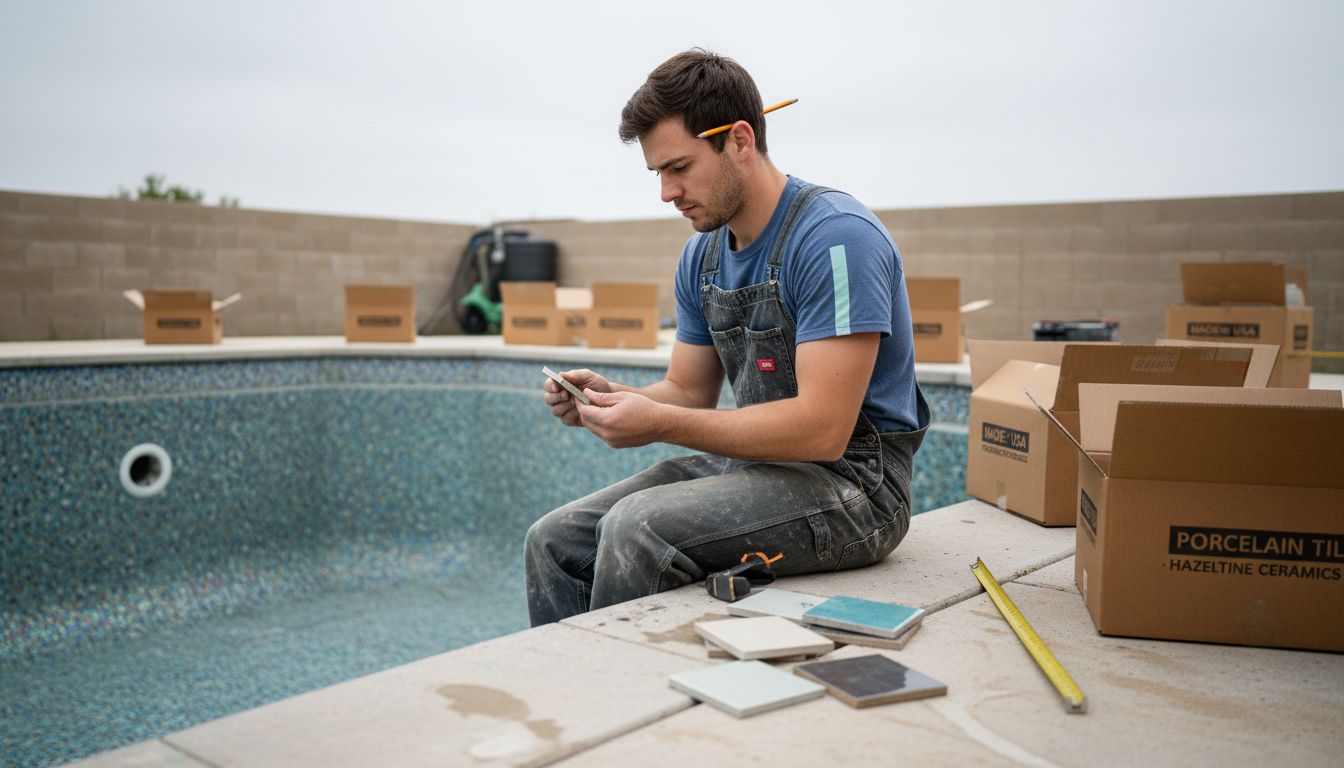
Consider these critical factors while comparing materials: water absorption rate, slip resistance, color stability, and thermal properties. Porcelain tiles typically outperform ceramic in water resistance, making them ideal for high moisture areas. Glass tiles provide unparalleled aesthetic brilliance but can be more expensive and potentially slippery when wet. Natural stone tiles offer unique textures but demand regular sealing and more intensive upkeep.
Pro tip: Request physical tile samples and test them under pool conditions. Observe how different materials react to water, sunlight, and potential chemical treatments. Some tiles that look perfect in a showroom might perform differently in actual pool environments.
Your next step involves examining specific finish options that complement your chosen tile material and enhance your pool’s overall design aesthetic.
Step 3: Select Styles and Colors to Match Aesthetics
Selecting the perfect pool tile style and color transforms your swimming space from ordinary to extraordinary. Your aesthetic choices will set the entire mood and visual character of your pool area while reflecting your personal design sensibilities.
Preservation guidance from the National Park Service emphasizes understanding how color and style interact with architectural context. When choosing pool tiles, consider your surrounding landscape, architectural style, and existing outdoor design elements. A modern minimalist home might call for sleek glass tiles in cool blues or grays, while a Mediterranean style property could benefit from warm terracotta or textured stone tiles that create visual depth and connection.
Color psychology plays a critical role in your selection. Blues and greens evoke tranquility and water themes, creating a serene swimming environment. Neutral tones like beige and gray provide versatility and timeless elegance. Brighter colors can energize the space but should be used strategically to avoid overwhelming the visual landscape. Consider how natural light interacts with your chosen tile colors throughout different times of day.
Pro tip: Always view tile samples in your actual pool environment and under various lighting conditions. Tile appearance can dramatically change between showroom displays and your specific outdoor setting.
Your next step involves understanding installation techniques that will bring your carefully selected tile design to life.
Step 4: Verify Tile Durability and Safety Ratings
Ensuring your pool tiles meet stringent durability and safety standards is critical to creating a secure swimming environment. This step involves carefully evaluating materials that can withstand constant water exposure, chemical treatments, and potential physical stress.
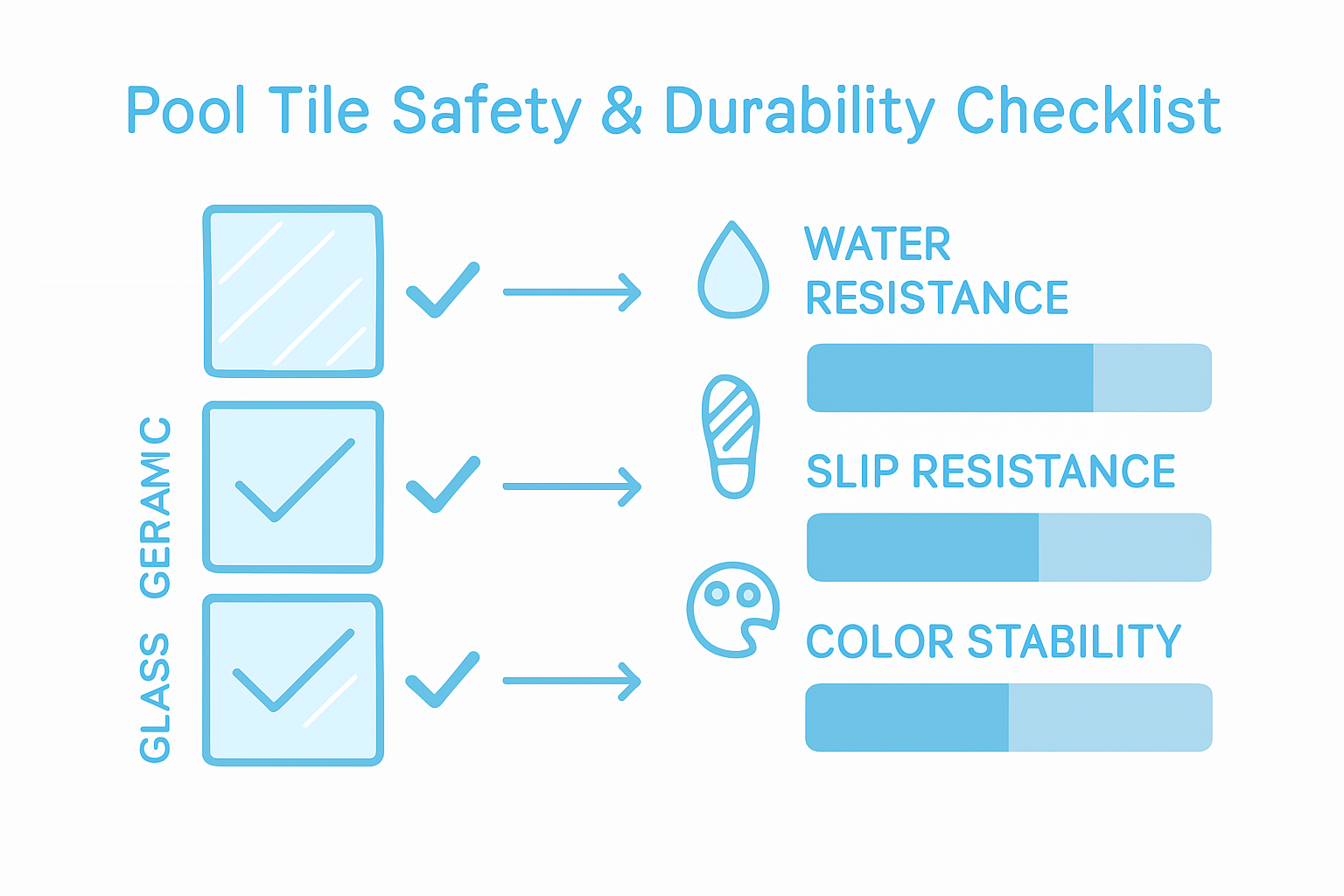
Accessibility guidelines from the Americans with Disabilities Act emphasize the importance of selecting tiles that provide safe, slip resistant surfaces for all users. When assessing durability, look for tiles with high coefficient of friction ratings, which indicate better traction and reduced slip risk. Porcelain and textured ceramic tiles typically perform best in pool environments, offering superior resistance to water absorption and potential cracking.
Key safety considerations include assessing tile hardness, water resistance, and chemical stability. Ceramic tiles rated between 3 and 5 on the Mohs hardness scale provide an ideal balance between durability and slip resistance. Consider tiles with textured surfaces that create micro grip patterns, which significantly improve traction when wet. Pay special attention to edge treatments and transitions between tile surfaces to prevent potential tripping hazards.
Pro tip: Request detailed technical specifications from manufacturers, including coefficient of friction ratings, water absorption percentages, and chemical resistance test results. These technical documents provide concrete evidence of a tile’s performance capabilities beyond visual appearance.
Your next step involves understanding proper installation techniques that will maximize the safety and longevity of your selected pool tiles.
Step 5: Confirm Installation Requirements and Compatibility
Successful pool tile installation requires meticulous planning and understanding of complex technical requirements. Your goal is to ensure that your chosen tiles will not only look beautiful but also integrate seamlessly with your pool’s existing structure and environment.
Preservation guidelines from the National Park Service recommend comprehensive compatibility assessments before installation. This means evaluating substrate conditions, understanding moisture barriers, and selecting appropriate adhesive and grout systems specific to pool environments. Different tile materials demand unique installation approaches ceramic tiles require different bonding techniques compared to glass or natural stone tiles, making professional consultation crucial.
Careful preparation involves several critical steps. Assess your pool surface for levelness, structural integrity, and potential moisture issues. Check for any existing cracks, uneven areas, or potential water infiltration points that could compromise tile adhesion. Verify that your substrate can support the weight of your selected tiles and withstand constant water exposure. Ceramic and porcelain tiles typically require a cement board or specialized pool grade substrate, while glass tiles might need additional reinforcement and specialized thin set mortars.
Pro tip: Invest in a professional site assessment before beginning installation. Many tile failures occur not from the tiles themselves but from improper substrate preparation or incorrect installation techniques.
Your next step involves understanding the specific installation process that will transform your carefully selected tiles into a stunning pool surface.
Elevate Your Pool Project with Expert Tile Choices
Choosing the right pool tiles is about more than just looks. You want durable materials that withstand water and weather, provide safety through slip resistance, and match your unique style and design needs. This guide highlights the challenges of assessing design requirements, selecting the perfect tile materials, and ensuring safe, lasting installation. At the same time, you need access to trusted tile options that meet these high standards without sacrificing beauty or functionality.
Discover how TileChoices.com can simplify your pool tile selection process. Our extensive collection features ceramic, porcelain, glass, and natural stone tiles tailored for pool environments with detailed product descriptions and samples for confident decision making. Benefit from expert guidance, premium quality, and a straightforward shopping experience that supports your goal of creating a stunning yet safe swimming space. Don’t wait to transform your pool area with tiles that combine lasting style and performance. Explore our curated pool tile collections at TileChoices.com and take the first step toward flawless installation informed by industry best practices.
Ready to turn your pool vision into reality? Visit TileChoices.com now and find the perfect tiles that deliver both beauty and durability for your next pool project.