Why Swimming Pool Tile Is Worth the Investment
Pool tile isn't just decorative — it protects your pool's structure, makes maintenance easier, and dramatically elevates the look of your backyard. Here's why so many homeowners, designers, and pool contractors choose tile over paint or plaster alone.
UV and Chemical Resistant
Quality pool tiles are engineered to withstand chlorine, salt water, and pool chemicals while enduring years of direct sunlight — without fading, cracking, or deteriorating. Every tile in our swimming pool collection is selected for its real-world performance in pool environments.
Non-Porous and Easy to Clean
Unlike plaster or painted surfaces, tile doesn't absorb algae, calcium deposits, or bacteria. A weekly brush-down with balanced water chemistry keeps pool tile looking brand new year after year.
Long-Term Durability
Premium glass and porcelain pool tiles routinely outlast the pool shell itself. Done right, your tile investment can last 20 to 30 years without needing replacement — making it one of the best long-term values in pool construction.
Design Versatility
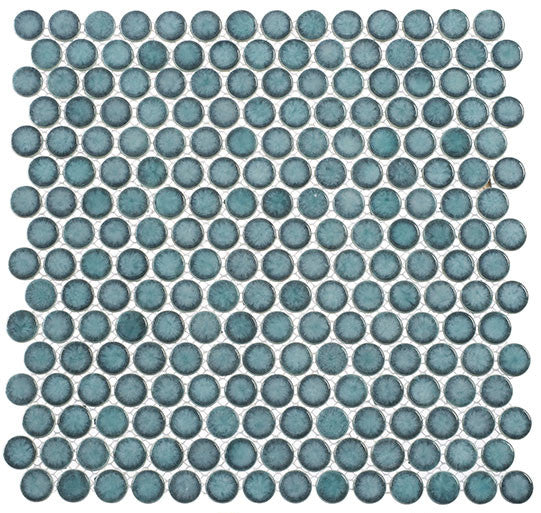
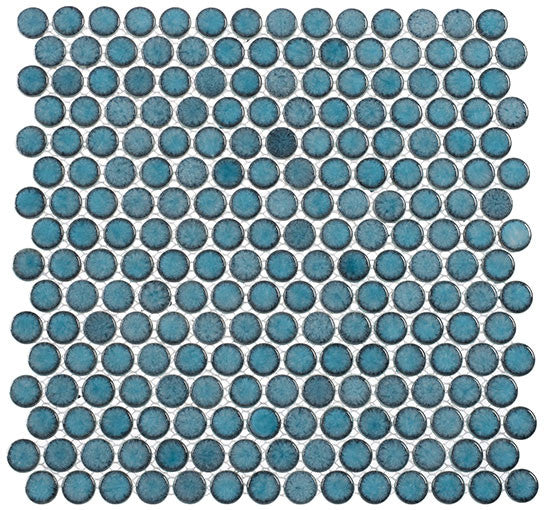
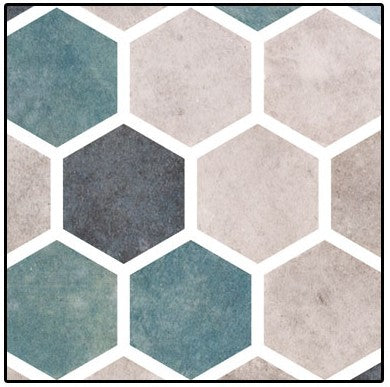
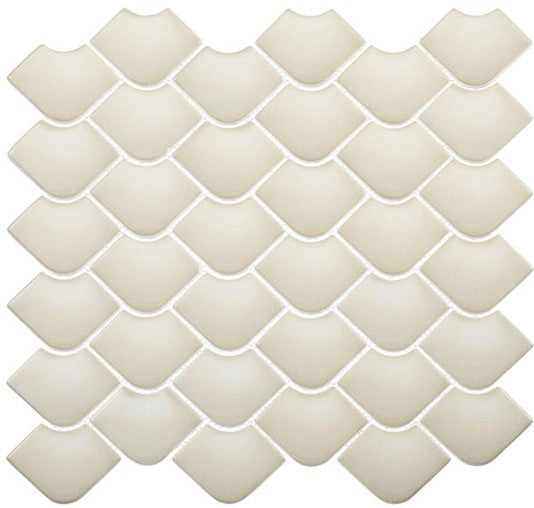
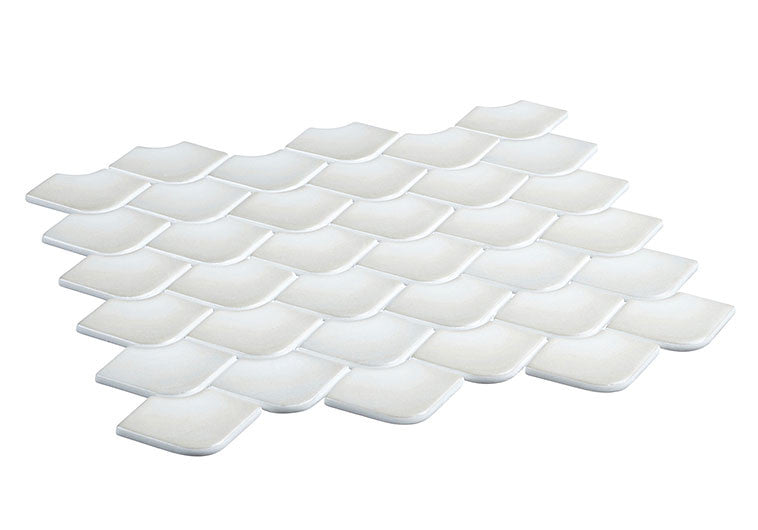
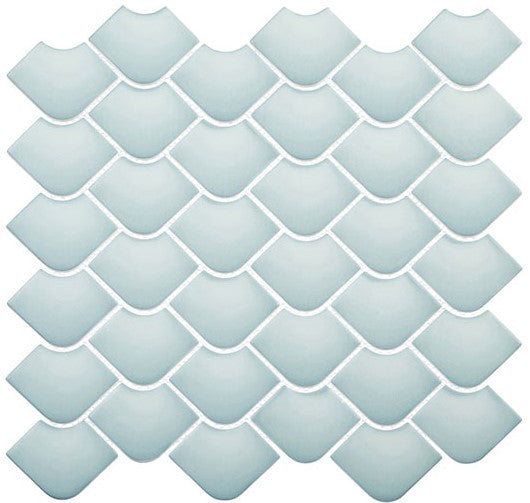
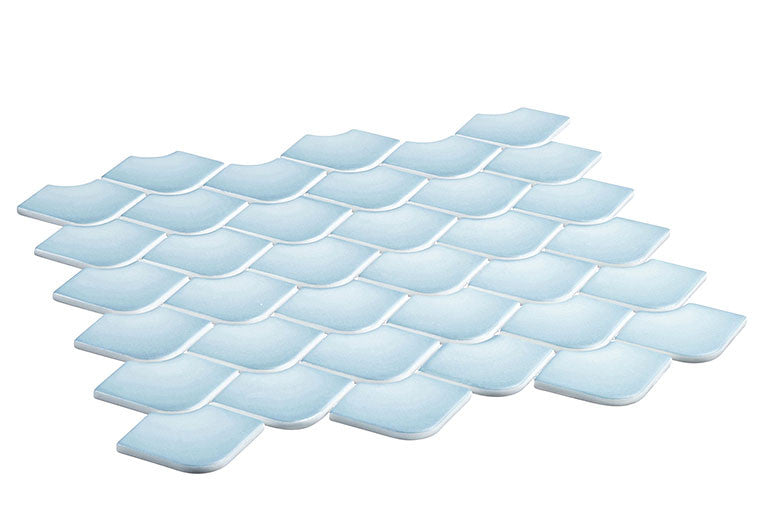
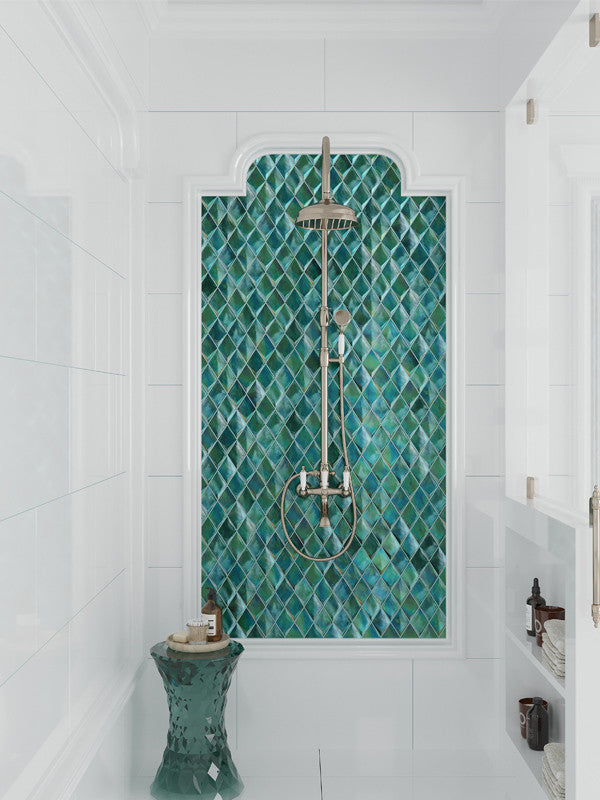
From ocean-blue iridescent mosaics to sleek white porcelain, pool tile offers far more design flexibility than paint or plaster. Mix materials, create custom patterns, or keep it classic — the choice is entirely yours.
Adds Home Value
A beautifully tiled pool is a premium feature that resonates with homebuyers. Pool tile upgrades consistently provide strong return on investment and help properties stand out in competitive real estate markets.
Slip-Resistant Options Available
Many of our porcelain and textured pool tiles are rated for slip resistance — an important safety consideration for pool steps, entry areas, and surrounding deck surfaces. Look for textured and matte finishes when tiling high-traffic wet zones.
Pool Tile Materials: Which Is Right for You?
Each pool tile material has different performance characteristics, price points, and aesthetic properties. Here's what you need to know before you shop.
Glass Pool Tile
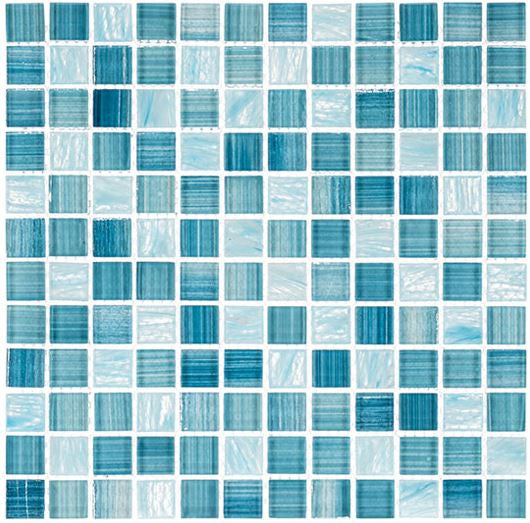
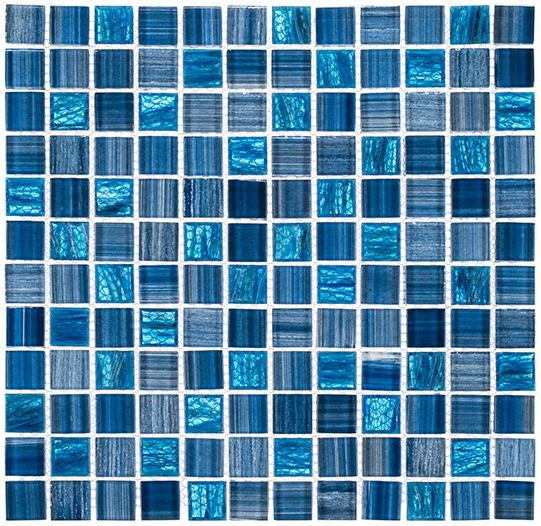
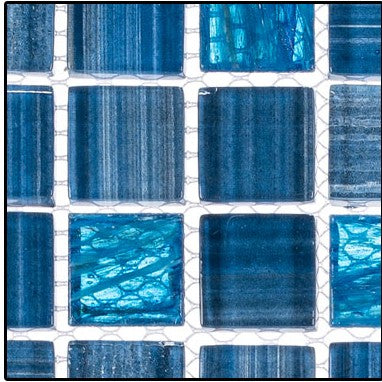
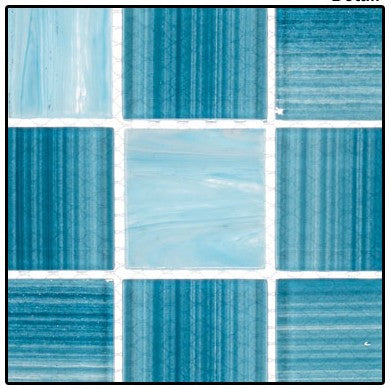
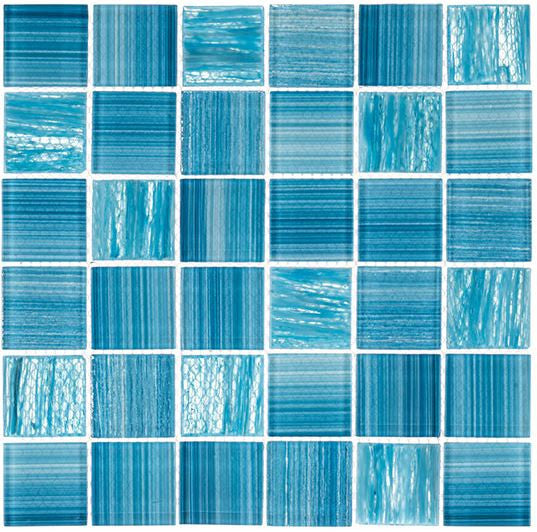
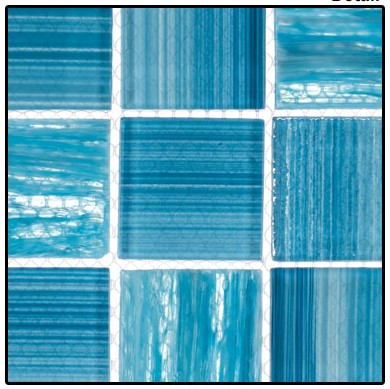
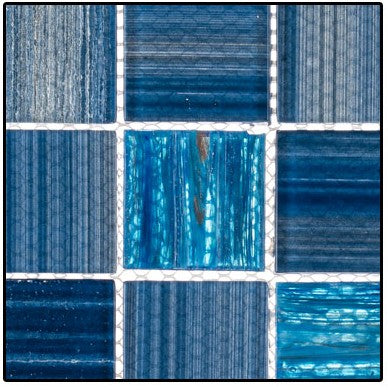
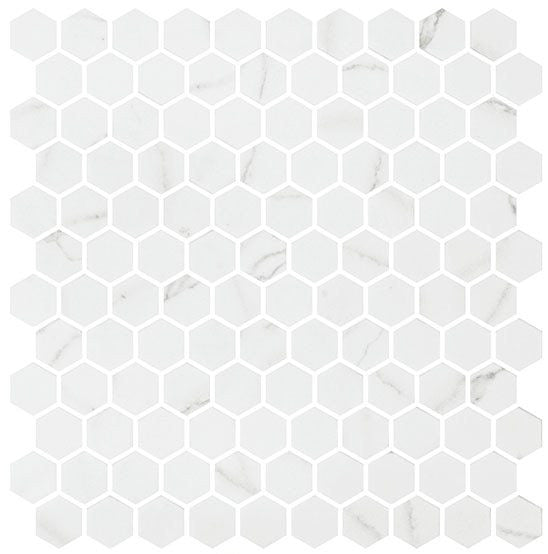
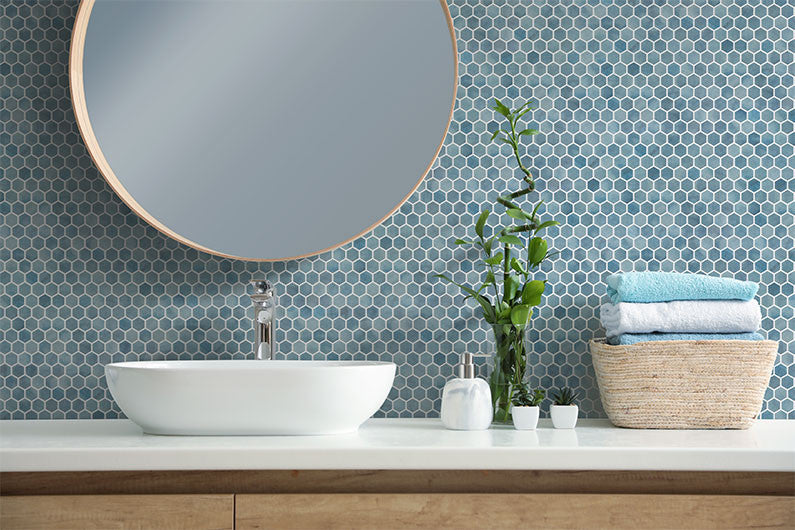
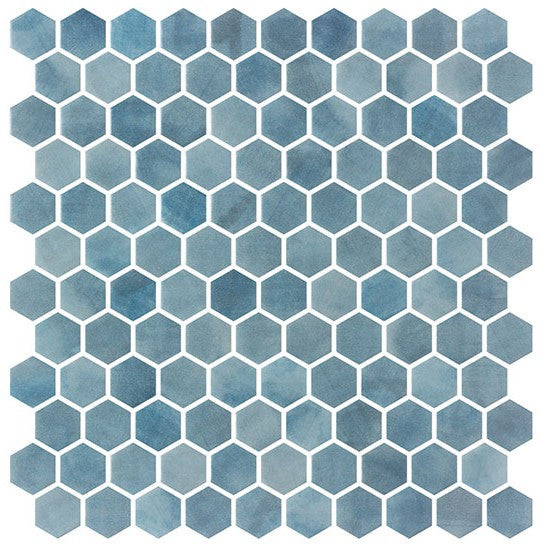
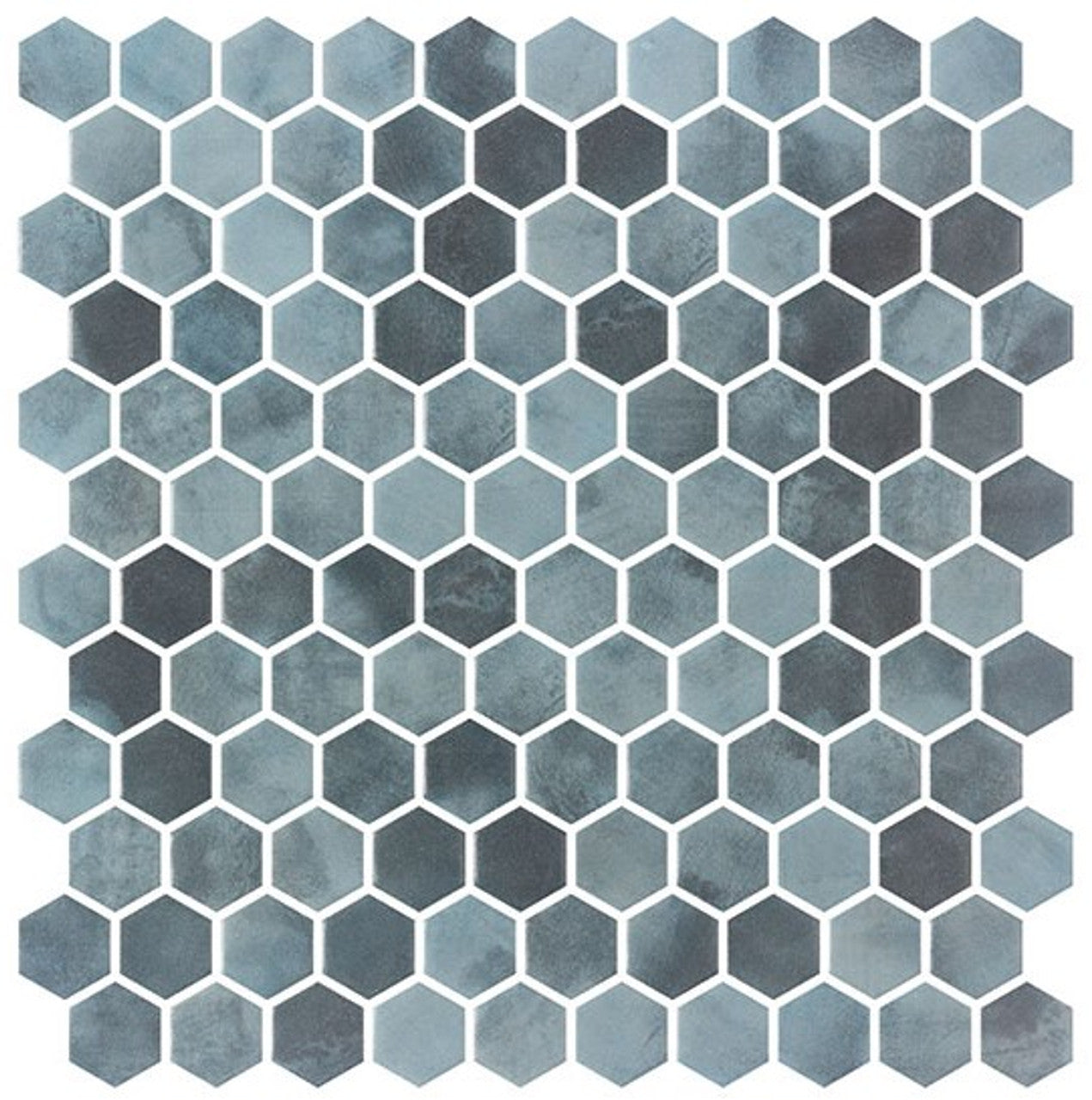
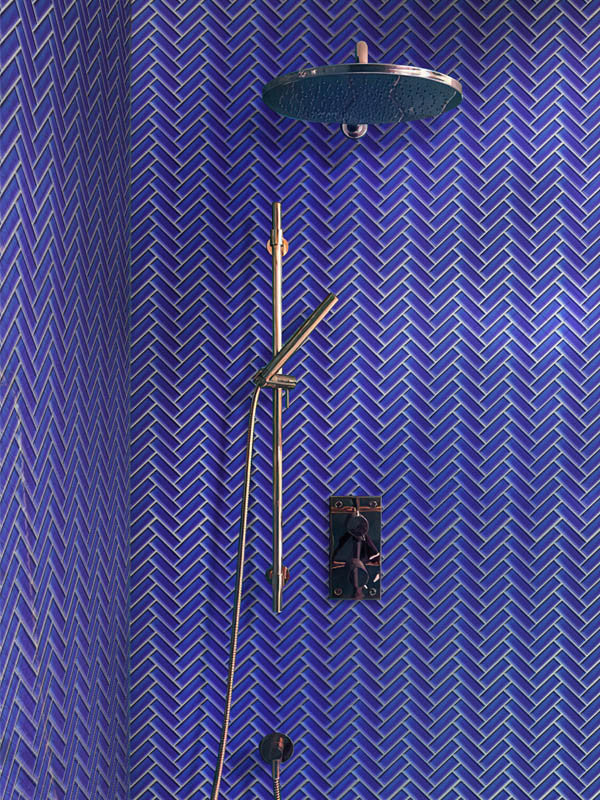
Glass is the most popular choice for pool interiors and waterlines. Its non-porous surface resists algae and staining, while its reflective properties create dynamic light effects in the water. Available in hundreds of colors, finishes, and sizes — from 1×1 mosaics to large-format mesh-mounted sheets. Glass pool tile holds its color for decades without fading, even under continuous UV and chemical exposure.
Best for: Pool interiors, waterlines, raised spas, fountains, and decorative feature walls.
Porcelain Pool Tile
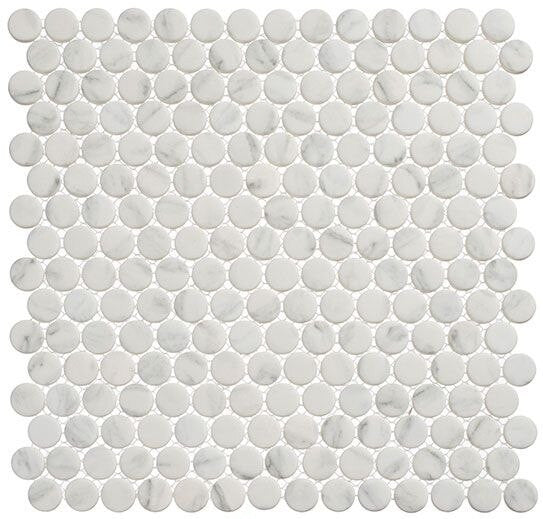
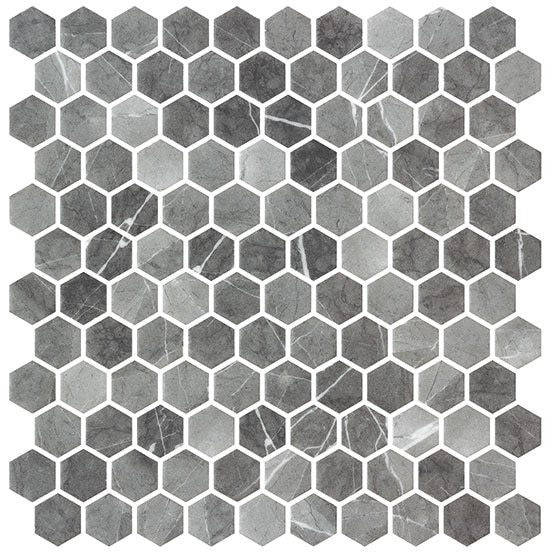
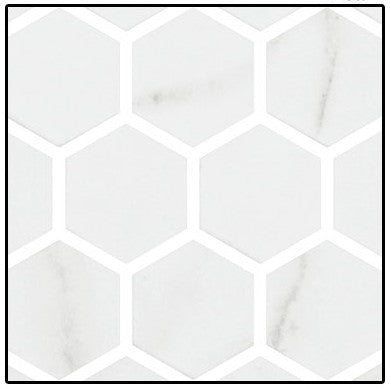
Fired at high temperatures for maximum density, porcelain tile absorbs almost no water — making it naturally frost-proof and highly durable outdoors. Porcelain can mimic the look of natural stone or wood at a fraction of the maintenance. Many styles carry certified slip-resistance ratings, making them the standard choice for pool floors and steps.
Best for: Pool floors, steps, entry areas, surrounding deck, and outdoor wet zones.
Iridescent Pool Tile
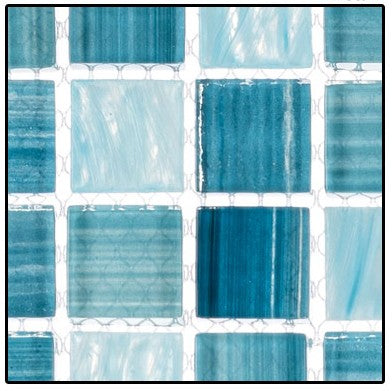
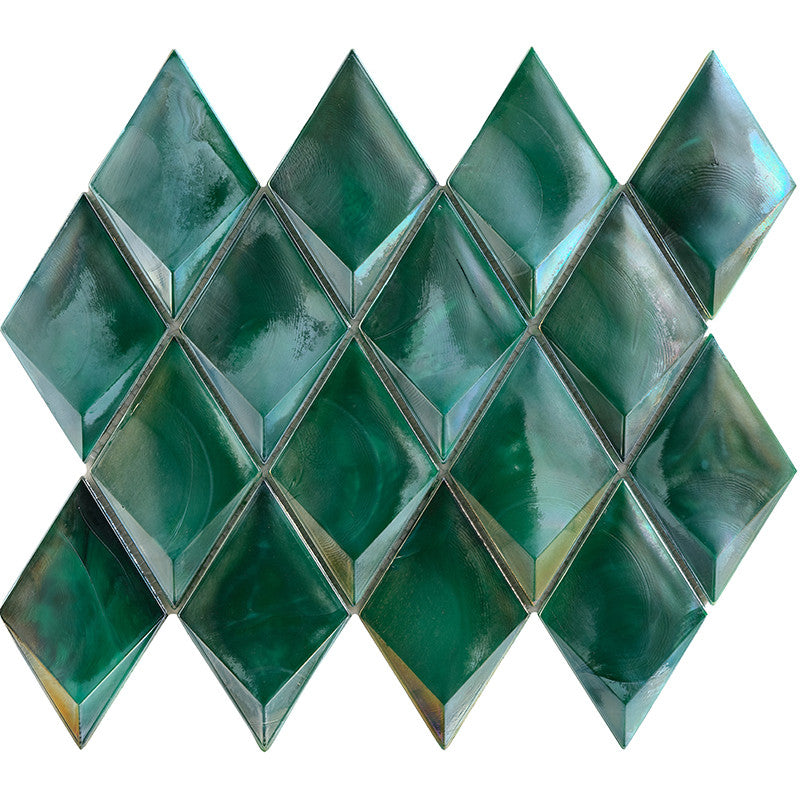
Made from specialty glass with a multi-layer coating, iridescent pool tile shifts color and brightness depending on the angle of light and the depth of the water. The effect is especially dramatic in a swimming pool, where sunlight creates a constantly-changing shimmer across the surface. If visual impact is your priority, iridescent tile delivers it like nothing else.
Best for: Pool interiors, waterlines, luxury spas, and statement accent walls.
Mosaic Pool Tile
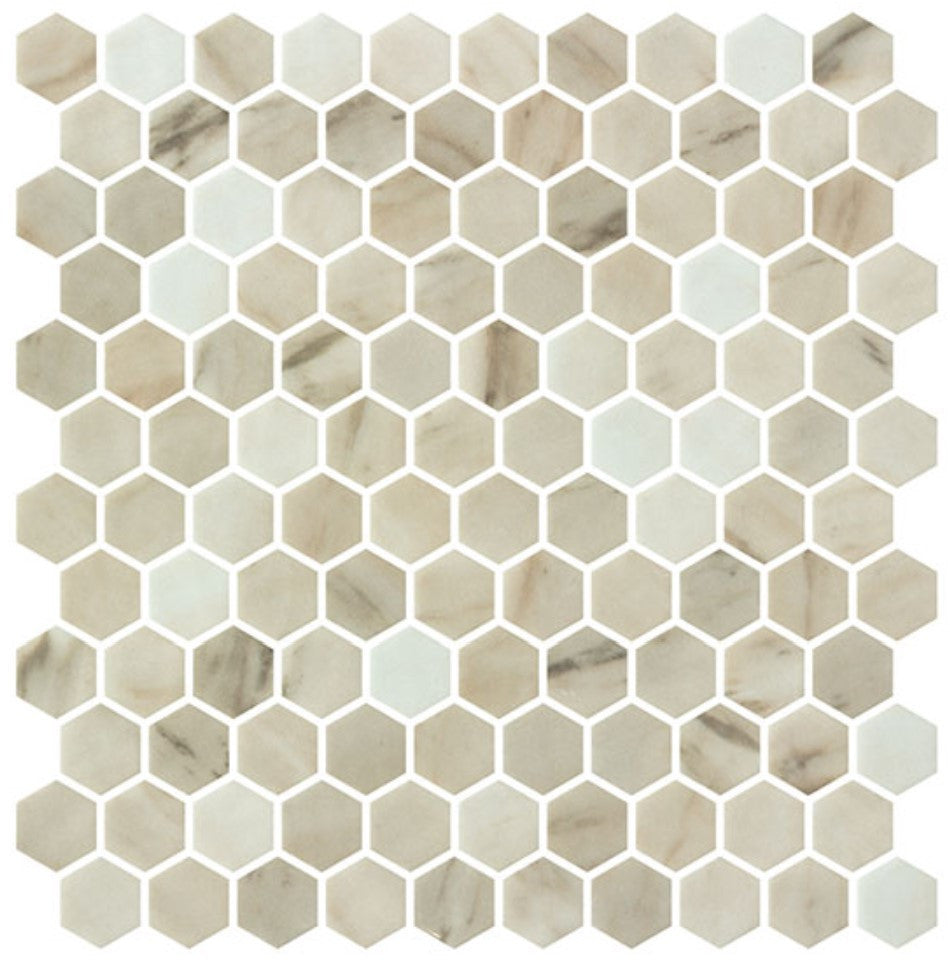
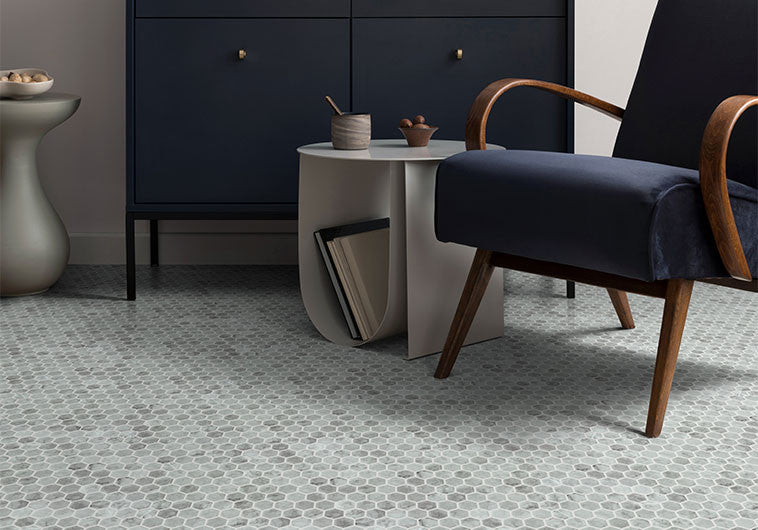
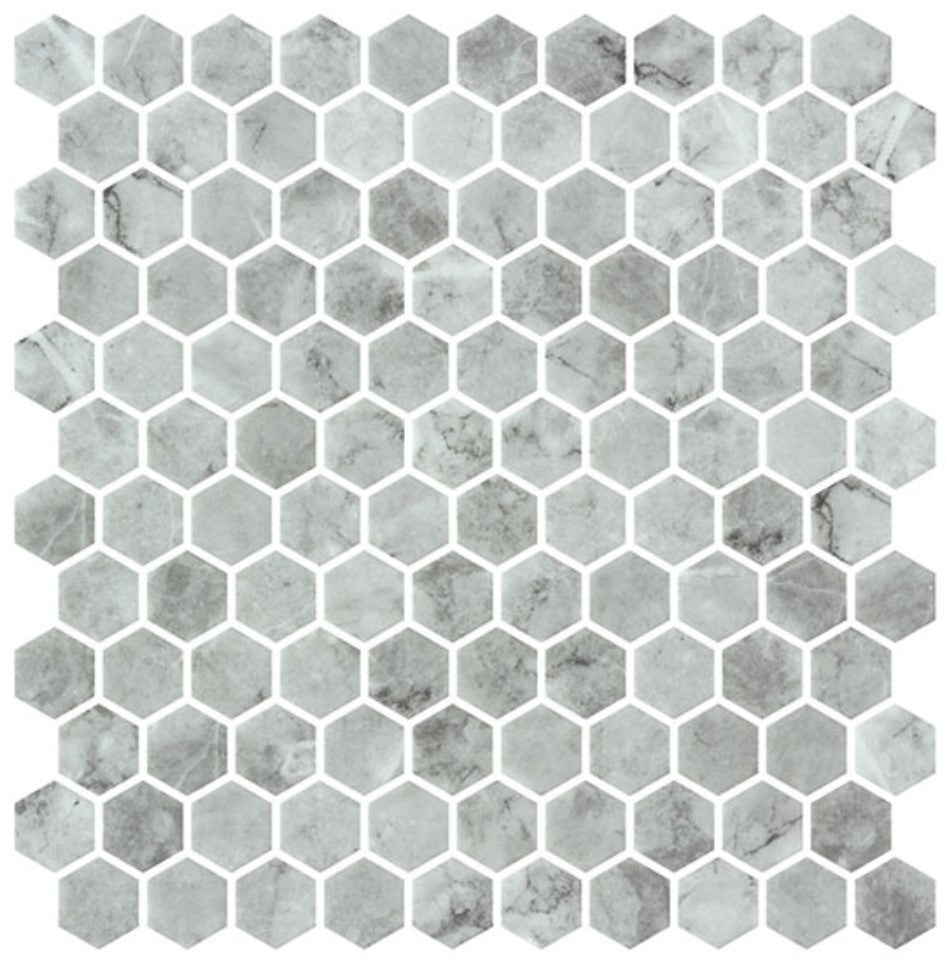
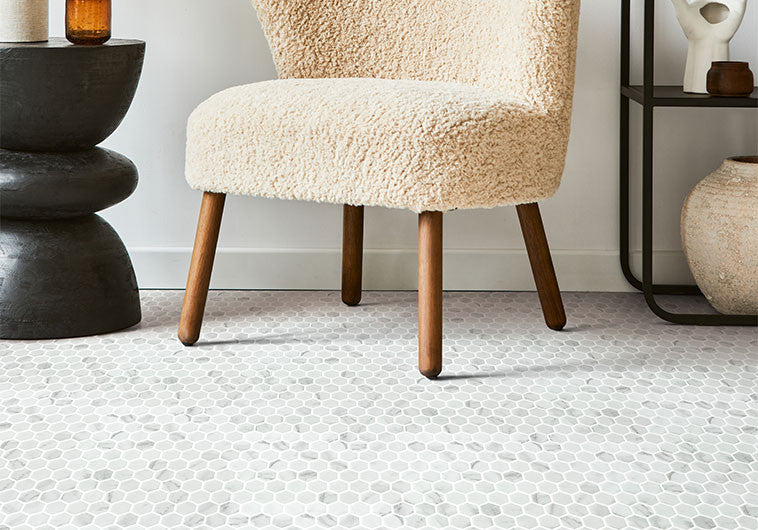
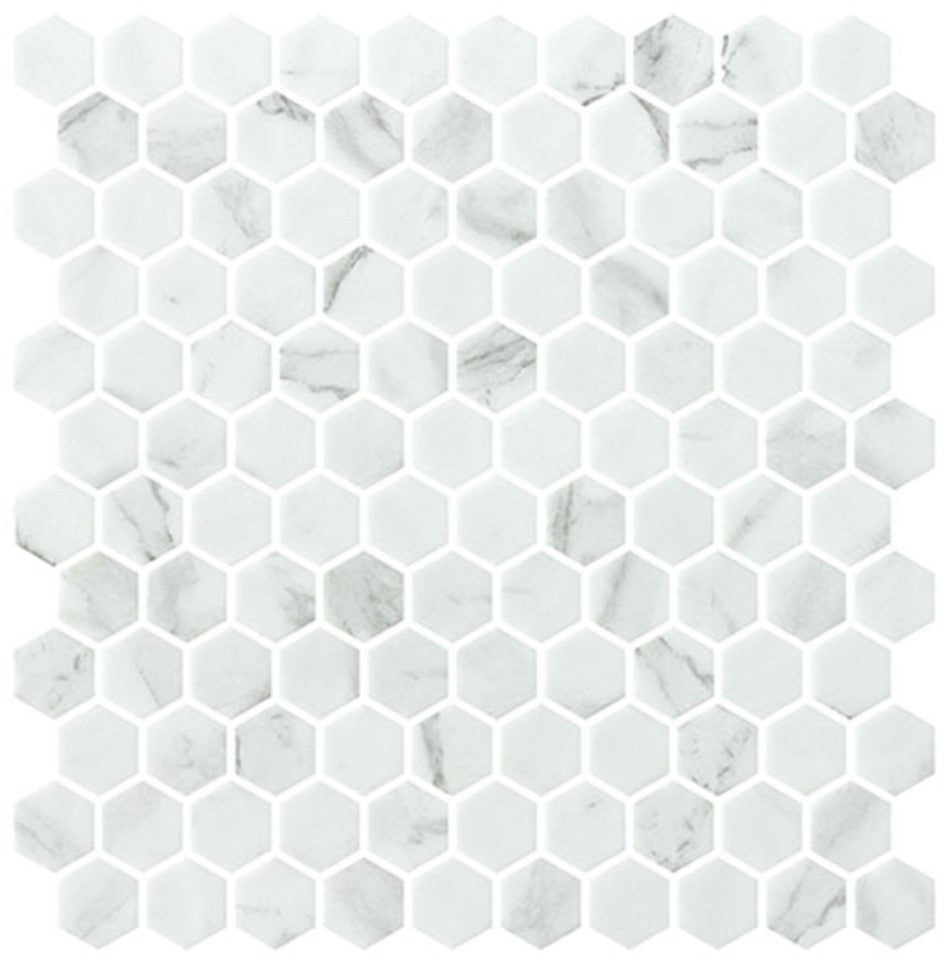
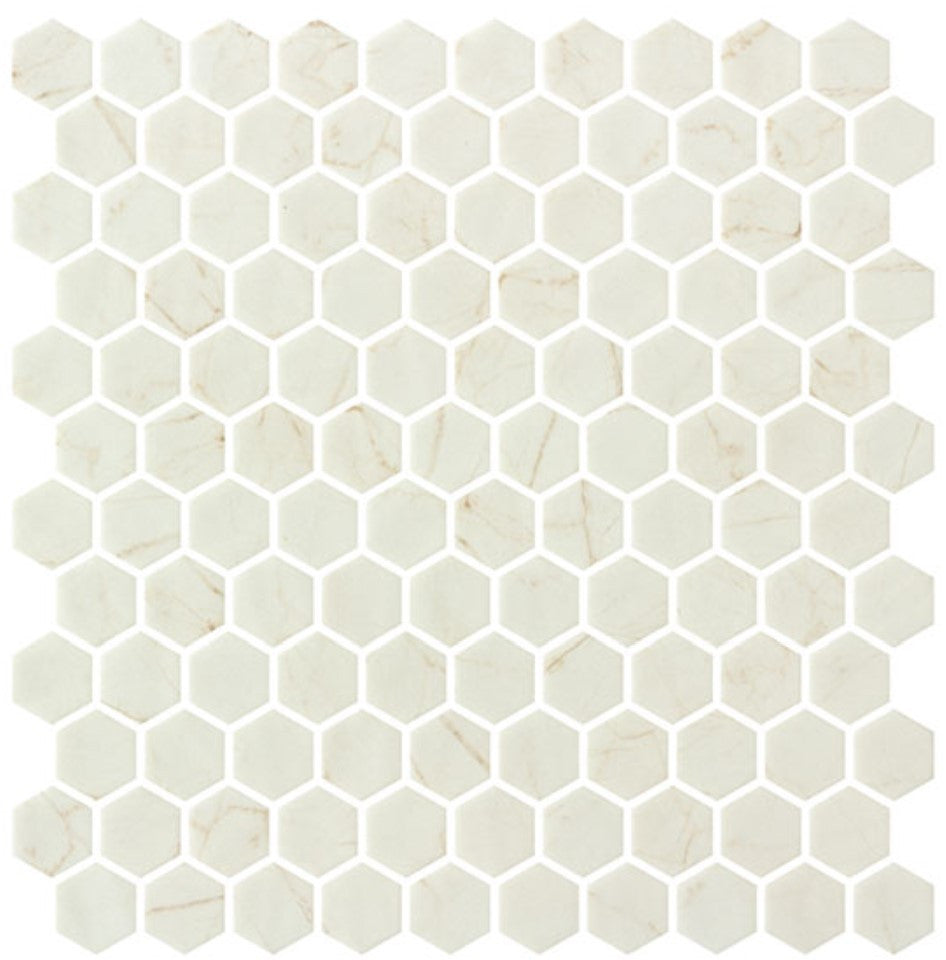
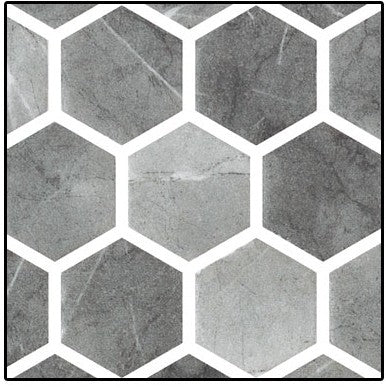
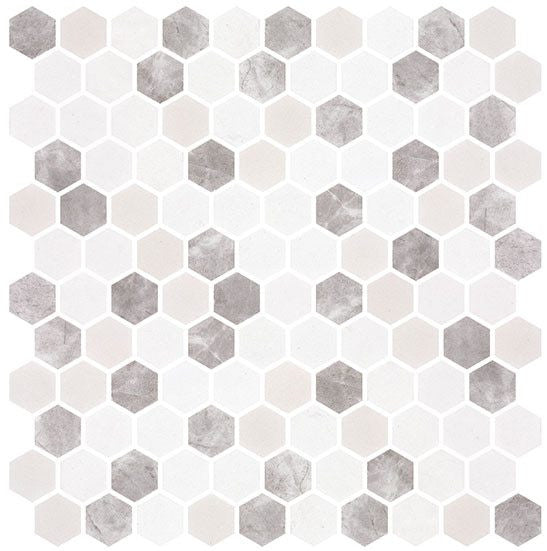
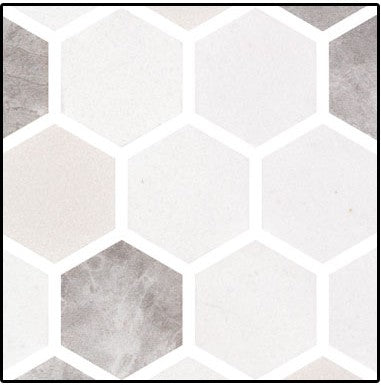
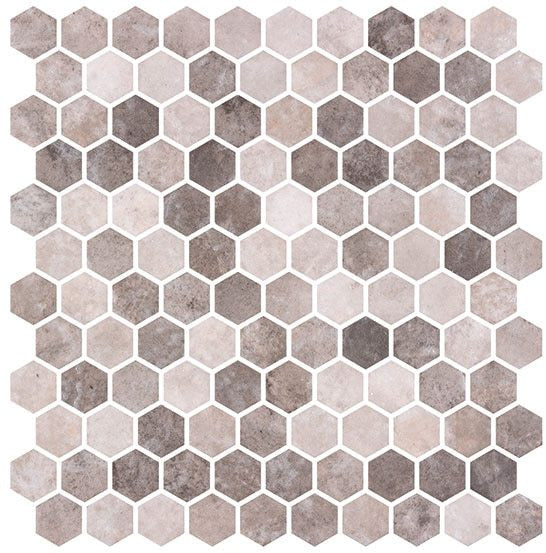
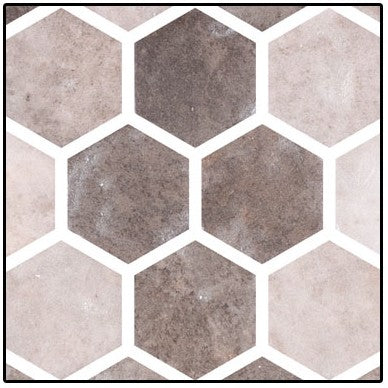
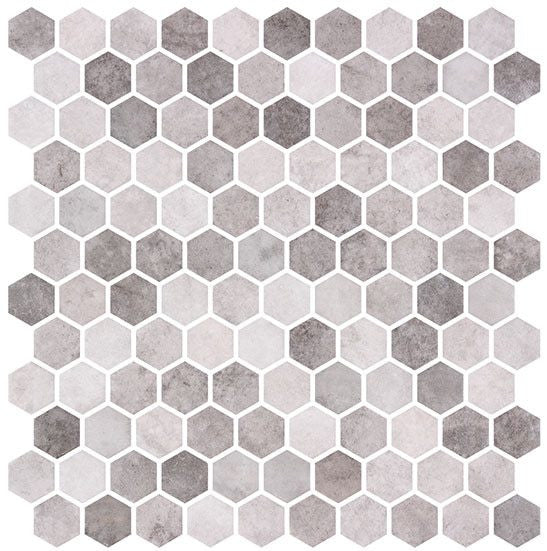
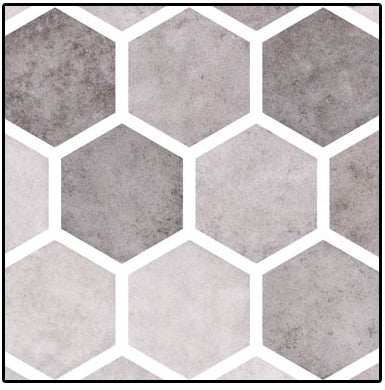
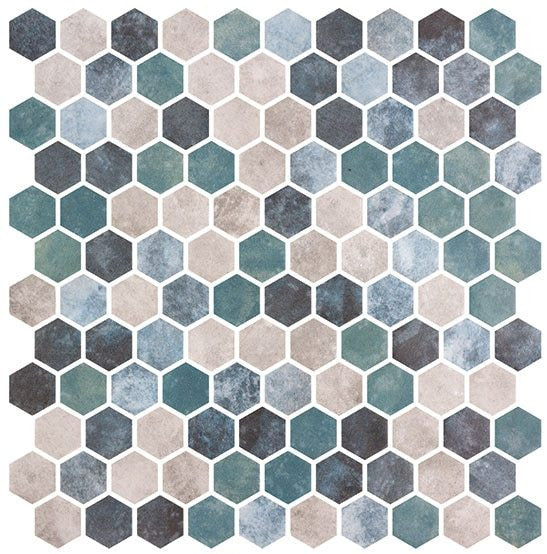
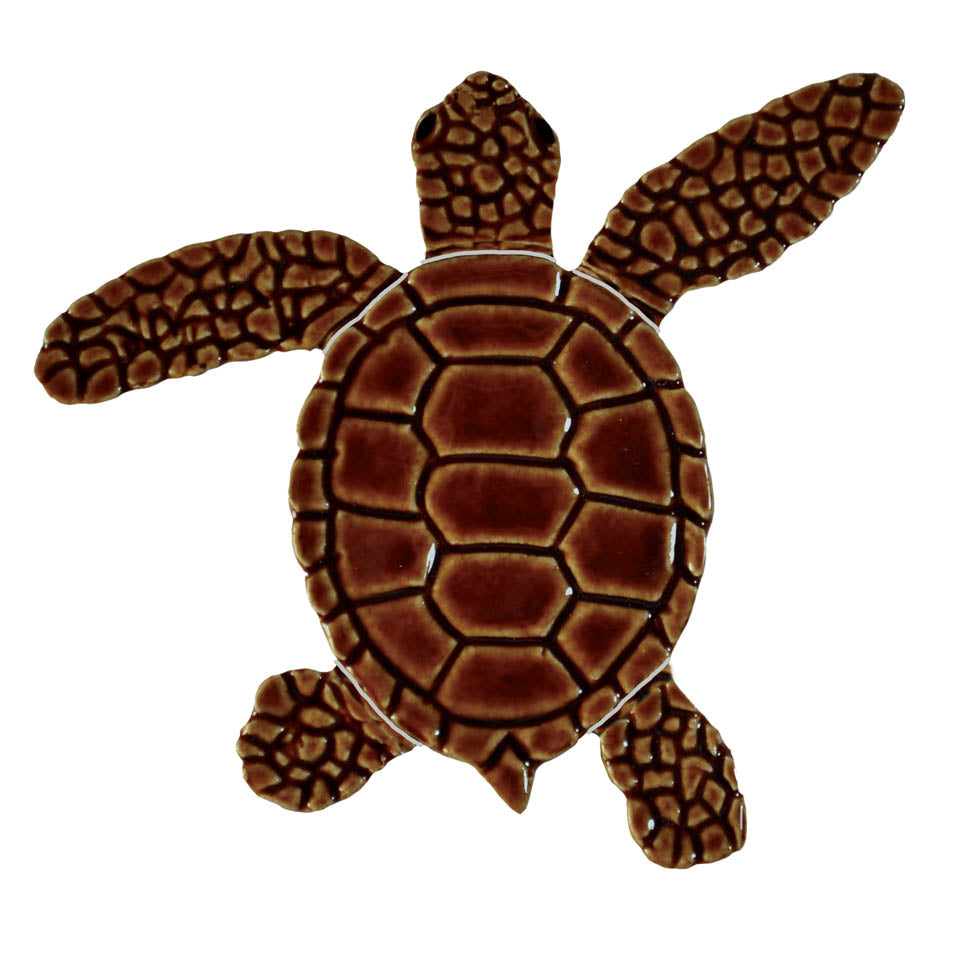
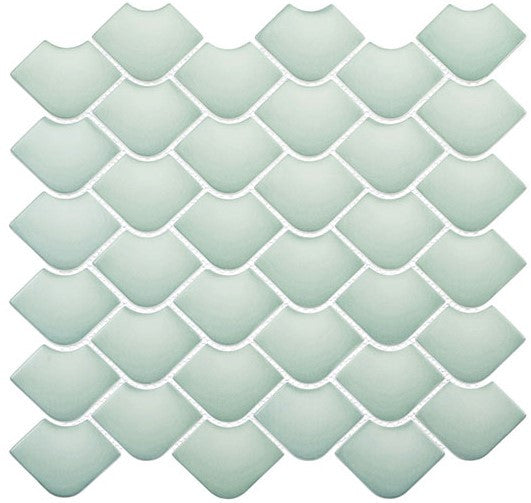
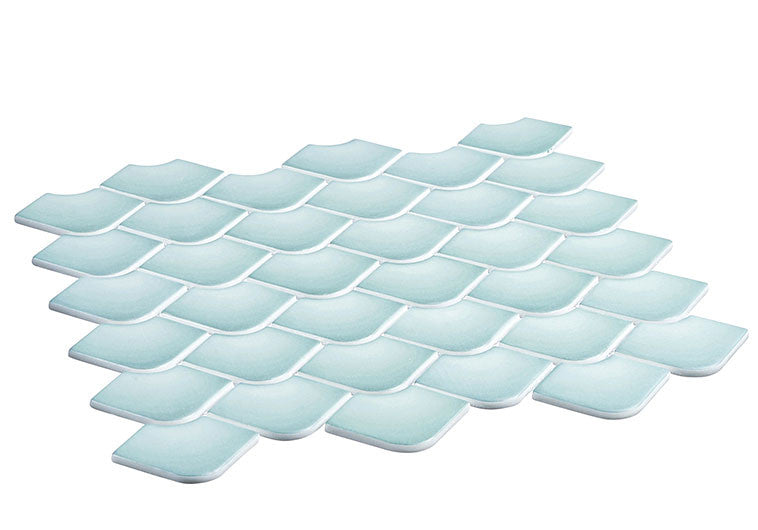
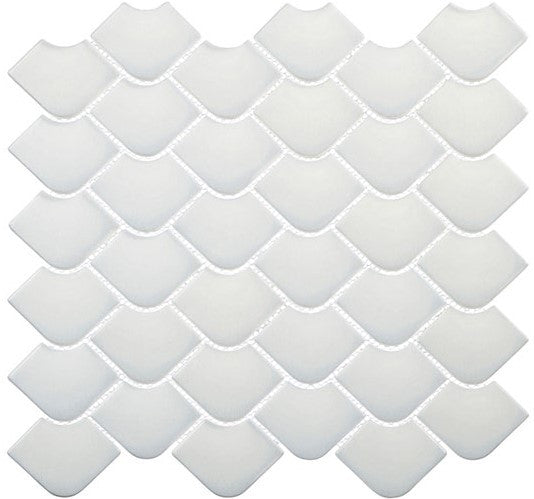
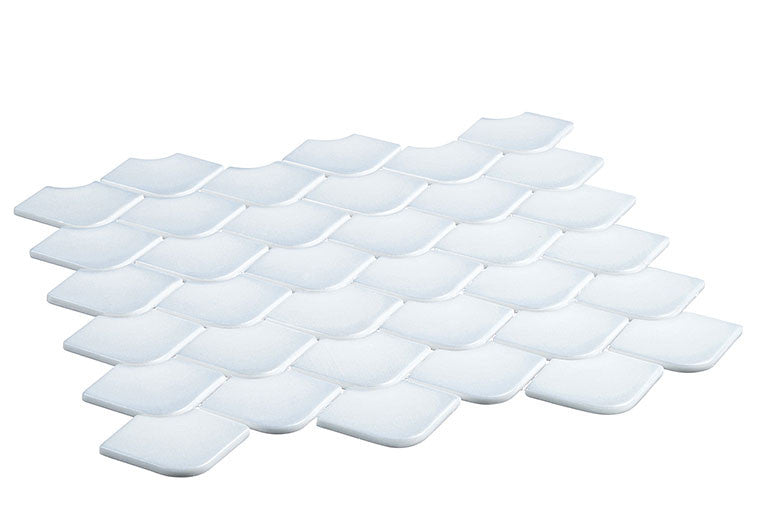
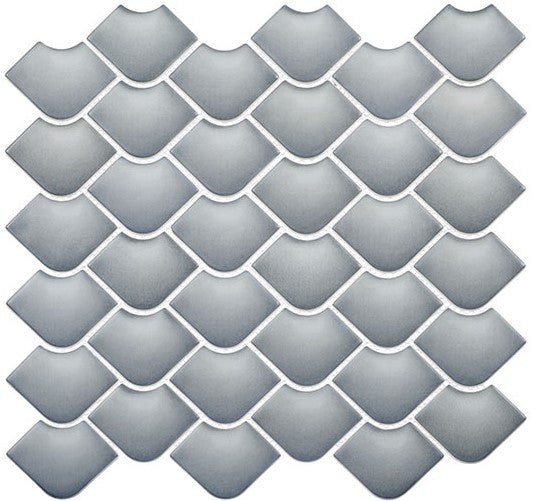
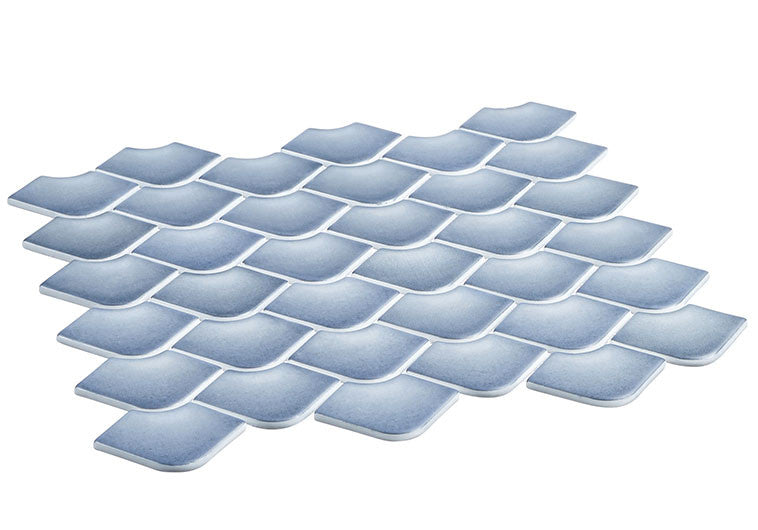
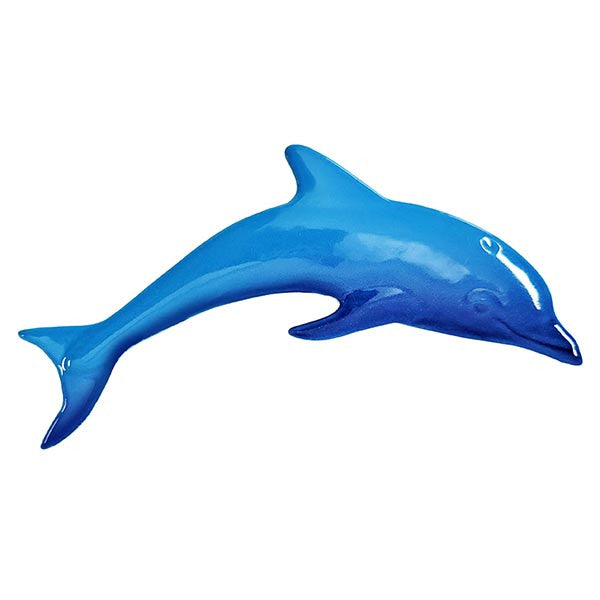
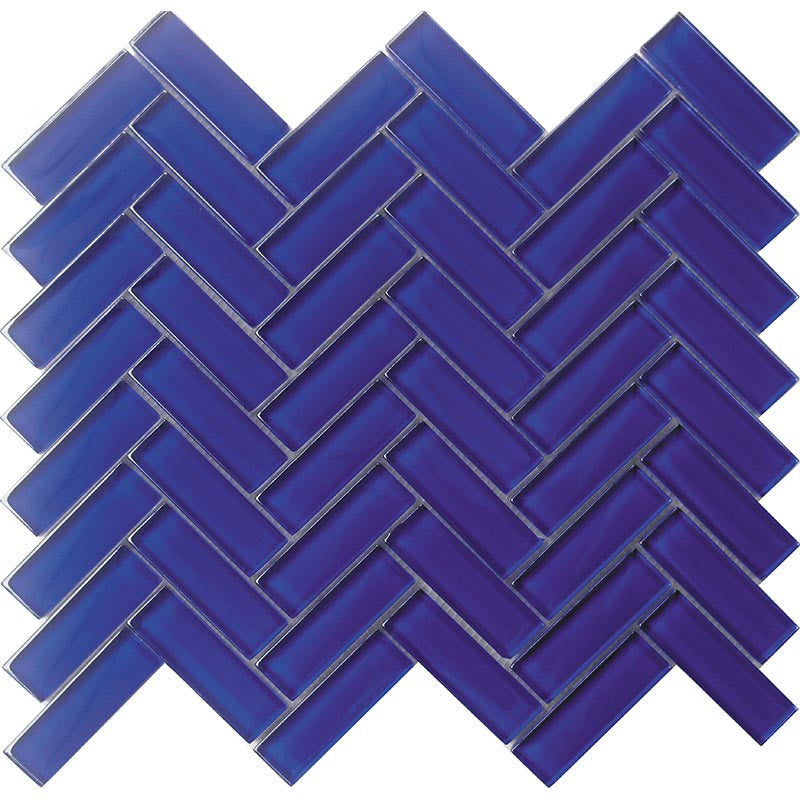
Mosaic tiles open up unlimited design possibilities — from geometric patterns and Grecian borders to custom artwork and murals on the pool floor. Available in glass, porcelain, and natural stone, mosaic tiles are mesh-mounted for straightforward installation and flex easily around curved pool walls. They can be combined with other tile types to create a fully custom pool design.
Best for: Pool floors, accent bands, steps, custom artwork, and raised spas.
Choosing Pool Tile by Location
Different areas of a pool face different conditions. Use this reference guide to match the right tile to each zone of your pool.
Waterline
The waterline band is the most visible part of your pool tile and the most exposed to chemical residue, scale buildup, and sun. Choose glass or iridescent glass for maximum visual impact, or porcelain for a clean, low-maintenance finish. The waterline band is typically 6 inches tall and runs the full perimeter of the pool.
Pool Interior Walls
For full interior tiling, glass mosaic and iridescent glass are the top choices — their reflective surfaces enhance the water's color and depth. Look for tiles rated for continuous water immersion with a low water absorption rate (under 0.5%).
Pool Floor
Slip resistance is the primary requirement for pool floors. Choose matte or textured porcelain tile with a coefficient of friction (COF) of 0.60 or higher. Mosaic tiles also work well on pool floors because their small size and grout joints provide natural texture underfoot.
Steps and Entry Areas
Pool steps see the most foot traffic and carry the highest slip risk. Textured porcelain or tumbled stone is the safest choice. Consider using a contrasting tile color on step edges to improve visibility and safety, especially for children and older swimmers.
Raised Spa and Hot Tub
Spa environments involve heat in addition to chemicals and UV exposure. Glass, iridescent, and mosaic tiles all perform well in spa settings. Many homeowners choose a more decorative tile for the spa to distinguish it visually from the main pool.
Pool Surround and Deck
The pool deck extends beyond the waterline and is subject to freeze-thaw cycles, heavy foot traffic, and outdoor elements. Choose frost-rated porcelain or natural stone with a slip-resistant finish. Avoid glossy tiles on horizontal outdoor surfaces.
Fountains and Water Features
For fountains, spillways, and water walls, small glass or iridescent mosaics create the most dramatic visual effect in moving water. Freeze-thaw resistance is critical for any outdoor water feature in climates with cold winters.
How Much Pool Tile Do You Need?
Use these simple formulas to estimate your tile quantity. Always add a 10% overage for cuts, waste, and future repairs.
Calculating Waterline Tile
Measure the full perimeter of your pool in feet. The standard waterline band is 6 inches (0.5 feet) tall. Multiply: Perimeter (ft) × 0.5 = Square Footage Needed. Add 10% and round up to the nearest full case. For a typical 30×15 foot pool with a 90-foot perimeter, you'll need approximately 45 square feet of waterline tile plus overage.
Calculating Full Interior Tile
For a fully tiled pool interior, calculate the combined surface area of all walls and the floor. For a rectangular pool, the formula is: (2 × Length × Depth) + (2 × Width × Depth) + (Length × Width) = Total Square Feet. Add 10–15% for waste. For irregular shapes, freeform pools, or pools with steps and ledges, contact our team for a free quantity estimate before ordering.
Not sure how much to order? Our customer service team is available by phone and email and happy to help you calculate quantities so you order exactly what you need — no more, no less.