Designing a shower? The tile you choose for your shower wall does more than just look good. It determines durability, moisture-resistance, cleaning ease, safety, and the overall vibe of your bathroom. At Tile Choices, we believe in guiding you toward smart, long-lasting, beautiful tile choices — so you get a shower built to last and impress.
Why the Right Shower Wall Tile Matters
A shower wall tile isn’t just decoration — it’s protection. It shields your walls from constant water, steam, soap, and humidity. A poor tile choice can lead to water damage, mold, staining, or frequent maintenance. A great tile choice means years of low-maintenance use and a beautiful bathroom aesthetic.
Beyond function, tile impacts your shower’s design: from sleek modern minimalism to classic spa-like retreats or bold statement walls. The right tile transforms a shower into a sanctuary.
Tile Materials for Shower Walls: Pros, Cons & Best Uses
Ceramic Tile
Ceramic tiles are a time-tested classic, widely available, budget-friendly, and ideal for many homeowners.
Advantages of Ceramic
- Very affordable compared to many other tile types.
- Wide variety of colors, glazes, patterns, and shapes — from classic subway to artisanal styles.
- Lighter weight — easier to cut and install, often simpler for DIY installations.
- When glazed, they resist water reasonably well — acceptable for shower walls with proper installation and sealing.
Drawbacks of Ceramic
- Higher porosity compared to porcelain — if glaze or edges are compromised, water absorption can occur, increasing risk of moisture issues.
- Less durable — more prone to cracking or chipping under impact.
- Requires careful sealing and grout maintenance over time, especially in wet environments.
When Ceramic Works Best
If you are on a budget, want easy DIY installation, or prefer lighter tile — ceramic is a solid choice for shower walls. Just ensure proper waterproofing behind the tile and consider occasional sealing if required.
Porcelain Tile: The All-Around Champion
Porcelain tile stands out as the most versatile and reliable option for shower walls — combining durability, water resistance, and premium aesthetics.
Why Porcelain Excels
- Extremely low water absorption (often ≤ 0.5%) — ideal for constant moisture exposure in showers.
- Very durable and resistant to chips, stains, and wear over time — great for long-term use.
- Available in a wide range of styles — from natural stone looks to modern concrete or wood finishes — giving you design flexibility without maintenance headaches.
- Minimal maintenance required — easy to wipe clean, resistant to moisture, ideal for busy bathrooms.
Considerations When Using Porcelain
- Porcelain is heavier and harder to cut — installation may require professional tools or an experienced installer.
- Costs tend to be higher than ceramic.
Best Uses for Porcelain
Porcelain is often the best overall choice for shower walls (and sometimes floors), especially in bathrooms with high moisture, frequent use, or desire for longevity. It suits modern, transitional, or classic designs where you want durability, water resistance, and low maintenance.
Glass Tile: Light, Style & Modern Shine
If you want a shower space that feels open, bright, and contemporary — glass tile might be the aesthetic hero of your bathroom design.
Advantages of Glass Tile
- Non-porous and highly water-resistant, making it suitable for wet areas.
- Reflects light — great for small bathrooms and steam showers, making spaces feel larger and brighter.
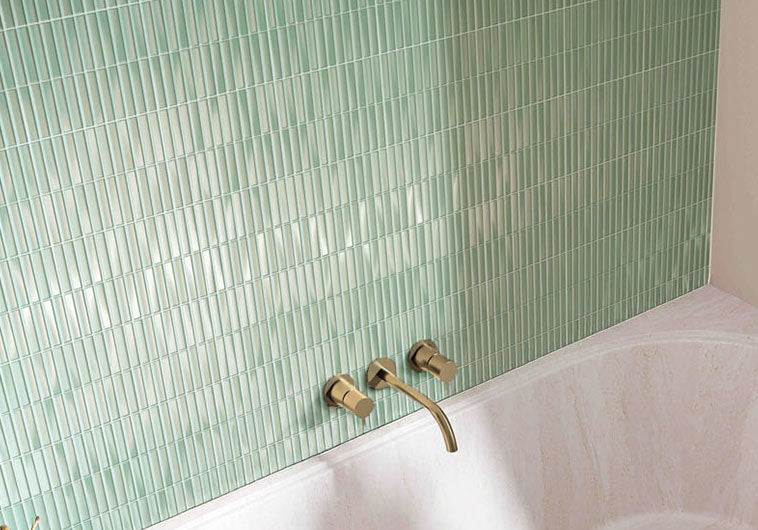
- Wide design flexibility — available in mosaics, large tiles, iridescent finishes, and a variety of colors and textures.
- Easy to clean and resistant to stains, mold, and mildew when correctly installed.
Things to Watch Out For with Glass Tile
- Glass tiles can be more brittle — risk of cracking or chipping if not handled carefully during installation.
- On floors or benches, glass can be slippery — textured or mosaic glass tile is preferred; avoid large polished glass for flooring.
- Water spots, soap scum, and mineral deposits can show more on glass — regular gentle cleaning recommended.
Best Uses for Glass Tile
Glass tile is ideal for shower wall accents, niches, feature walls, or smaller showers where brightness and light reflection matter. It pairs beautifully with porcelain or ceramic main walls for a sophisticated accent effect.

Natural Stone Tile: Luxury & Character – With Maintenance
For those who want a bathroom that feels like a high-end spa or timeless retreat, natural stone tile, marble, slate, travertine, granite, delivers unmatched beauty and individuality.
Why People Choose Stone
- Unique natural veining and variation — no two tiles are exactly alike.
- High-end, luxury aesthetic — often increases perceived value of the home.
- Textured finishes or tumbled stone add depth and character, perfect for rustic, traditional, or natural-style bathrooms.
Challenges of Natural Stone in Showers
- Natural stone is porous — it absorbs water unless properly sealed, and needs regular resealing to remain water- and stain-resistant.
- Stone can react to acidic cleaners or hard water, leading to etching, discoloration, or damage.
- Installation is more complicated — cuttings, sealing, and properly waterproofing the substrate are critical to avoid long-term issues.
- Maintenance is higher — regular cleaning with stone-safe cleaners, periodic sealing, and careful use of non-acidic products.
Best Uses for Stone Tile
Natural stone works beautifully for accent walls, niches, spa-like showers, feature backdrops, or for homeowners who appreciate natural materials and are committed to maintenance. It’s ideal when luxury and uniqueness matter more than low maintenance.
Mosaic & Small-Format Tiles
Mosaic tiles — whether ceramic, porcelain, glass or stone — offer design flexibility that large tiles can’t match. They’re especially useful in niches, benches, curved walls, or as decorative inlays.
Advantages of Mosaics
- Flexible for curves, slopes, and small spaces where large tiles won’t fit.
- Lots of grout lines — increases traction (when used on floors or benches) and reduces slipping risk.
- Create intricate patterns and custom designs — ideal for accent strips, feature walls, or artistic layouts.
Drawbacks of Mosaics
- More grout lines — means more maintenance, cleaning, and potential grout discoloration over time.
- Labor-intensive installation — grout sealing, more cuts/adjustments, more precision needed.
Best Uses for Mosaic Tiles
Use mosaics for shower floors, niches, benches, accent walls, or decorative borders. They’re especially great when you want grip, safety, and creative design touches.
Choosing Tile Size, Layout & Grout — Design Meets Function
Large Format vs. Traditional Tiles
Large-format tiles (e.g. 12x24, 24x24, or larger) are trending because they create a sleek, modern look with fewer grout lines. Fewer grout lines mean less mold risk, easier cleaning, and a smoother overall appearance.
However, large tiles require perfectly flat walls, careful substrate prep, and often professional installation — especially in showers. They are heavier and more difficult to cut.
Classic Shapes & Patterns
- Subway tiles (e.g., 3x6, 4x12) — timeless, versatile and clean; great for traditional or transitional bathrooms.
- Rectified tiles — offer tight, uniform grout lines for a clean, almost seamless finish.
- Hexagon, arabesque, or geometric tiles — add personality and visual interest, especially in feature walls or niches.
- Mosaics / small-format tiles — useful for curved walls, niches, benches, or shower floors where grip is important.
Selecting grout color also affects the final look: matching grout offers a seamless look; contrasting grout adds definition and highlights tile patterns. Sealing grout — especially if it's light colored — is important to prevent staining and discoloration over time.
Waterproofing, Substrate & Installation Essentials
No tile, no matter how high quality, will perform well in a shower if the installation is poor. Key prerequisites:
- Proper waterproofing membrane or backer board behind the tile.
- Use of appropriate thin-set mortar or adhesive compatible with tile type (e.g. dense porcelain vs lighter ceramic).
- Careful grouting and sealing (especially for stone or ceramic). Use mold- and mildew-resistant grout in high-moisture areas.
- Periodic maintenance for porous materials (stone, some ceramics) — sealing, resealing, and gentle cleaning with non-acidic, pH-neutral cleaners.

How to Choose the Right Shower Wall Tile: Questions to Ask
Before buying tile for your shower, ask yourself these questions — and let Tile Choices help you answer them.
- How often will the shower be used? High-use shower = prioritize durability and low maintenance (porcelain, glass). Low-use spa shower = natural stone or specialty tile could work.
- What’s my budget? Ceramic is budget-friendly; porcelain and glass cost more but offer durability; natural stone is premium and maintenance-heavy.
- Do I prefer a sleek, modern look or textured, natural aesthetic? Large-format porcelain or glass = modern; stone or textured tile = natural/spa look.
- Am I okay with maintenance/sealing requirements? Stone requires sealing; ceramic may need resealing; porcelain/glass require least maintenance.
- Who will install it? DIYers should choose easy-install tiles (ceramic, mosaic); complex tiles or large-format porcelain often need pros.
Recommended Shower Tile Choices by Bathroom Type
High-Traffic, Everyday Shower (Family Bathroom)
- 12×24 large-format **porcelain tile** — low maintenance, easy to wipe down, water-resistant and durable.
- Glazed ceramic subway tile — budget-conscious, versatile, easy to install, especially for walls or accents.
- Porcelain or ceramic mosaic for shower floor or niche — adds grip and traction if floor is part of remodel.
Spa-Style or Luxe Shower (Master Bathroom, Steam Shower, Luxury Remodel)
- Natural stone (marble, travertine, slate) or high-end porcelain that mimics stone — for a luxurious, timeless look. Seal regularly to maintain beauty.
- Glass tile accent wall or niche for light play and sophisticated shimmer.
- Mosaic or small-format tile in niches or benches — adds texture and custom detail.
Small Shower or Guest Bathroom (Need to Maximize Light & Space)
- Glossy or light-colored glass tile — reflects light, makes space feel bigger.
- Large-format porcelain in light tones — fewer grout lines, clean modern look, easy maintenance.
- Neutral glazed ceramic subway — timeless, bright, and easy on the budget.
Tile Maintenance & Cleaning: How to Keep Your Shower Looking New
Low-Maintenance Materials (Porcelain, Glass, Glazed Ceramic)
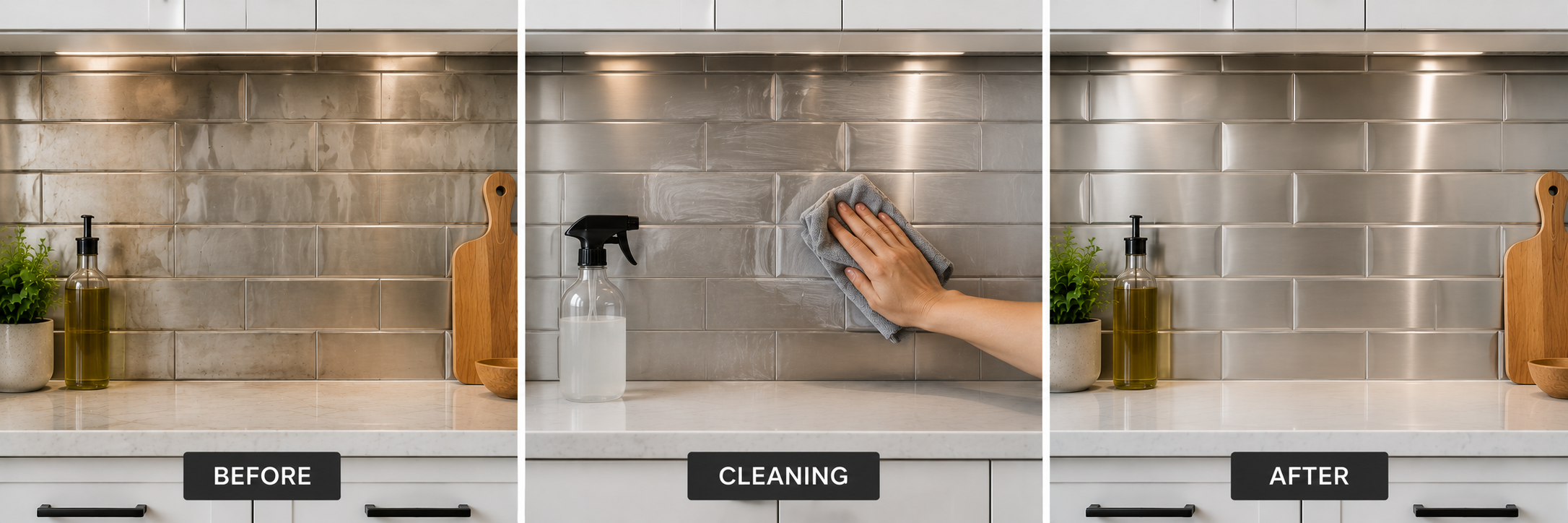
For these tiles, simple weekly cleaning with warm water and a mild, non-abrasive cleaner is enough. Wiping down tiles after each shower helps prevent soap scum and mineral buildup. Glass tiles may show water spots — dry with a soft cloth for spotless shine.
Materials Requiring Care (Natural Stone, Unglazed Ceramic, Mosaics)
- Seal grout and (if required) tile surface on installation and re-seal every 6–12 months.
- Use pH-neutral, stone-safe or tile-safe cleaners. Avoid acidic or abrasive chemicals, which may etch or damage surfaces.
- Clean grout lines regularly to avoid discoloration or mildew, especially in darker grout.
Common Mistakes to Avoid When Installing Shower Tile
- Using porous or unsealed tile in a wet environment without adequate waterproofing behind the substrate — leads to water intrusion and damage.
- Choosing large-format polished tiles without proper slope or drainage on shower floors — risk of slipperiness and drainage problems.
- Neglecting grout sealing or using incorrect grout type — increases risk of mold, mildew, and grout failure.
- Mixing tile types without planning — mismatched expansion/ contraction, different cleaning requirements, visual inconsistency. Always plan tile layout carefully.
- Failing to hire a professional for complex tiles or heavy materials — improper installation can compromise waterproofing and long-term durability.

Why Choose Tile Choices for Your Shower Tile Needs?
At Tile Choices, we’ve curated a premium selection of shower wall tiles, sourced from trusted manufacturers and selected for real-world durability and style. Here’s why many homeowners trust us:
- Wide selection: From budget-friendly ceramic to high-end porcelain, stone, glass, and mosaic — we cover all styles and price ranges.
- Quality you can trust: All our tiles meet high standards for water resistance, durability, and finish.
- Installation support: We provide guidance and resources for both DIYers and professional installers.
- Design flexibility: Whether you want modern minimal, classic spa, rustic charm, or bold statement — we offer tiles to realize every vision.
- Long-term value: Our recommended tiles balance cost, maintenance, longevity, and aesthetics — so your shower looks great for years.
Final Thoughts
Choosing the right tile for your shower walls doesn’t have to be overwhelming. By understanding the advantages and limitations of each material, considering how you use your shower, and planning installation and maintenance carefully, you can create a beautiful, functional, and long-lasting shower space.
At Tile Choices, we believe the perfect tile for your shower is out there — and this guide is here to help you find it. Browse our collection, match your vision, and build a shower you’ll enjoy every day.