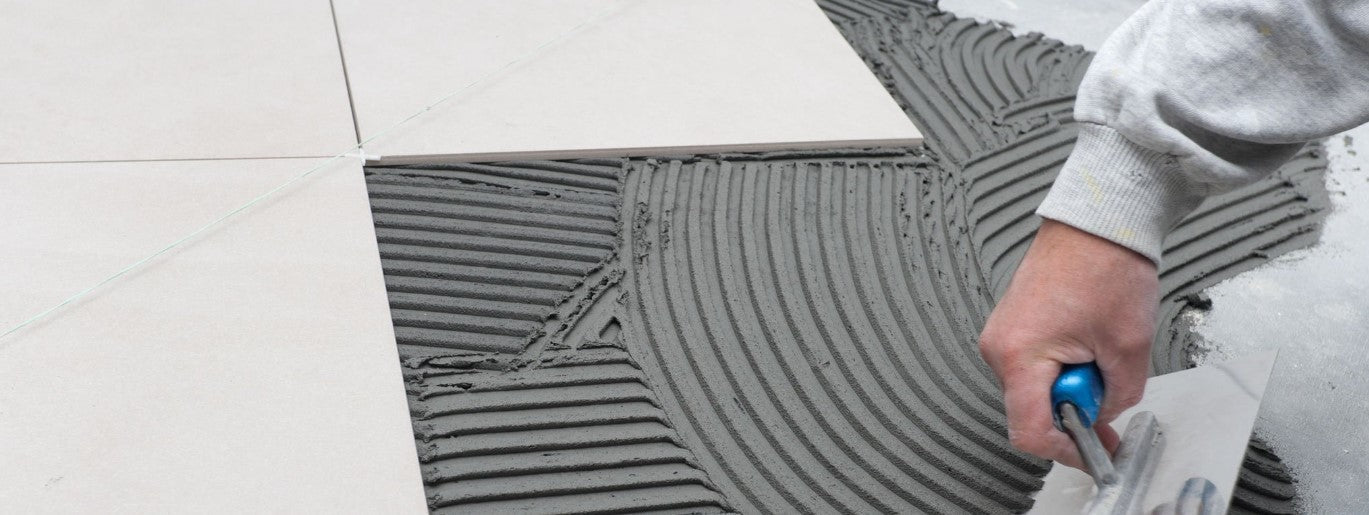
In the tile industry, back-buttering refers to the installation technique of applying a thin, even layer of thin-set mortar directly to the back of a tile before setting it into place. This tile is then installed onto a wall or floor surface that already has mortar applied with a notched trowel.
Back-buttering is a widely recommended best practice that helps improve bond strength, increase mortar coverage, and reduce the risk of installation failures. It is especially important for large-format tiles, glass tiles, and installations in wet or high-stress areas.
What Does Back-Buttering Mean in Tile Installation?
Back-buttering means spreading a skim coat of mortar across the entire back surface of a tile using the flat side of a trowel. This step fills in the tile’s texture, keys mortar into the tile body, and ensures maximum contact between the tile and the substrate.
Back-Buttering vs Standard Tile Installation
In standard installations, mortar is applied only to the substrate. While this may be sufficient for small tiles, it can leave voids behind larger tiles or tiles with irregular backs.
Why Tile Backs Matter
Many tiles have recessed patterns, ridges, or warpage on the back. Back-buttering fills these voids, allowing the mortar on the wall or floor to bond more effectively.

Why Back-Buttering Tile Is Important
The primary goal of back-buttering is to achieve near-complete mortar coverage. Industry guidelines often recommend at least 80% coverage for dry areas and 95% coverage for wet or exterior installations.
Improved Mortar-to-Tile Contact
By applying mortar directly to the tile, back-buttering eliminates air pockets that can compromise adhesion and lead to hollow-sounding tiles.
Stronger Bond and Long-Term Durability
Back-buttering improves the mechanical bond between tile and mortar, helping prevent movement, cracking, or tile failure over time.
Reducing Hollow Spots and Lippage
Hollow spots can cause tiles to sound loose or fail under stress. Back-buttering helps compensate for minor substrate irregularities and tile warpage, reducing these risks.
When Is Back-Buttering Required?
While back-buttering is beneficial for nearly all tile installations, it is especially recommended in specific scenarios where performance is critical.
Large-Format Tile Installations
Large-format tiles often exceed 15 inches on one side and are more prone to warpage. Back-buttering ensures proper coverage and support across the entire tile surface.
Glass Tile Installations
Glass tiles require full mortar contact to prevent visible voids and ensure proper adhesion. Back-buttering is commonly required by glass tile manufacturers.
Wet and High-Stress Areas
Showers, bathrooms, pool surrounds, and exterior walls are exposed to moisture and temperature changes. Back-buttering helps protect against water intrusion and long-term movement.

Commercial and High-Traffic Spaces
In commercial settings, full mortar coverage helps tiles withstand heavy loads and frequent use without failure.
How to Properly Back-Butter Tile
Correct back-buttering technique is simple but requires attention to detail.
Step-by-Step Back-Buttering Process
- Apply thin-set mortar to the substrate using a notched trowel
- Use the flat side of the trowel to spread a thin, even layer on the back of the tile
- Press the tile firmly into place, moving it slightly to collapse the mortar ridges
- Check coverage periodically by lifting a tile
Common Back-Buttering Mistakes to Avoid
Applying too much mortar, skipping coverage checks, or using the wrong mortar type can reduce the effectiveness of back-buttering.
Back-Buttering and Tile Industry Standards
Many tile manufacturers and installation guidelines reference back-buttering as a best practice for achieving required coverage. It aligns with industry recommendations for long-lasting, professional-grade installations.
At Tile Choices, we emphasize proper installation techniques like back-buttering to help customers achieve durable, high-quality results that stand the test of time.
Final Thoughts on Back-Buttering Tile
Back-buttering is a simple yet essential technique that significantly improves tile performance. By increasing mortar coverage, strengthening the bond, and reducing voids, back-buttering helps ensure tiles remain secure, level, and durable for years to come.
Explore Tile Choices for expert guidance, installation tips, and tile products designed to perform beautifully in any space.