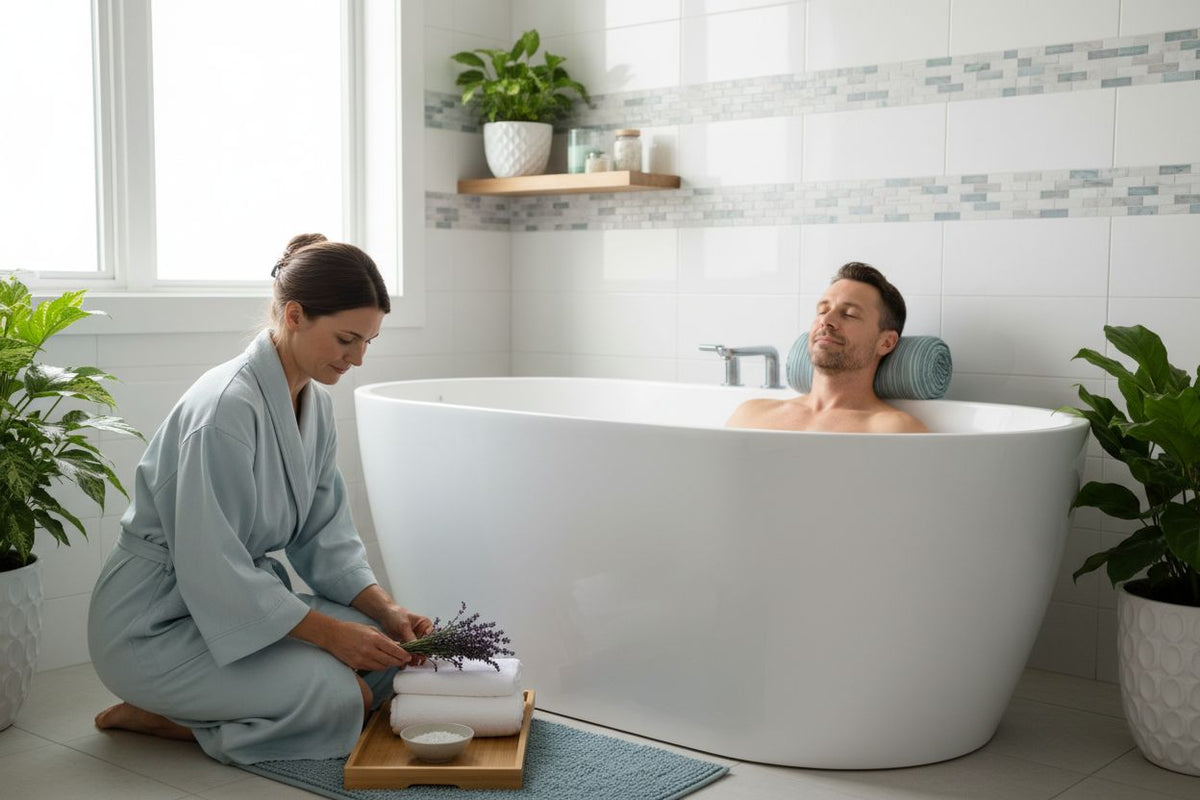
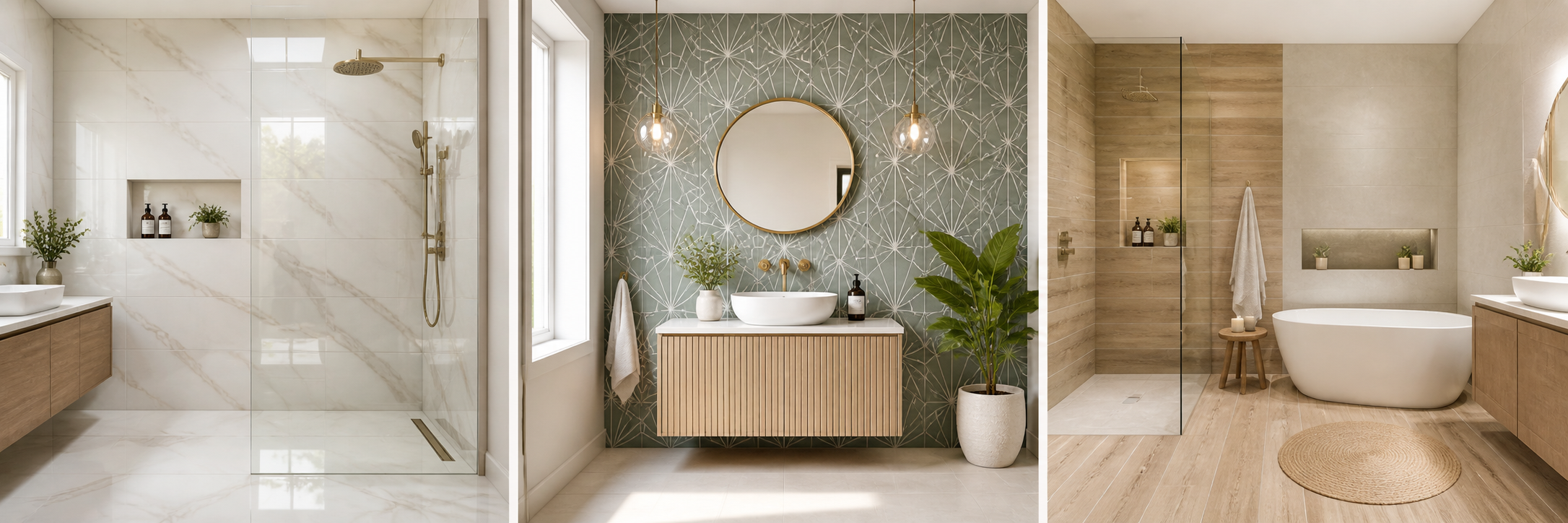
Designing a small bathroom doesn’t mean sacrificing style. In fact, with the right tile choices, even the most compact space can feel open, modern, and luxurious. Whether you're remodeling a powder room or upgrading a tight full bath, selecting the right bathroom tiles can visually expand your space while improving functionality.
In this guide, we’ll break down the best tile ideas for small bathrooms, including layout strategies, color choices, and materials that maximize both style and space.
Table of Contents
- Use Large Format Tiles
- Choose Light Colors
- Use Vertical Tile Layouts
- Extend Tile Into the Shower
- Best Tile Materials for Small Bathrooms
- Smart Tile Patterns for Small Spaces
Use Large Format Tiles to Minimize Grout Lines
One of the most effective ways to make a small bathroom feel larger is by using large format tiles. Fewer grout lines create a cleaner, more seamless look, reducing visual clutter. This trick helps the eye move continuously across the room, making it appear more open.
Large tiles work especially well on both floors and walls. When paired with a consistent color palette, they can dramatically enhance the sense of space. You can explore a wide range of options in our bathroom tile collection to find the perfect large-format style for your project.
Choose Light and Neutral Colors
Color plays a major role in how spacious a room feels. Light colors such as white, soft gray, beige, and pale blue reflect more light, instantly making a bathroom feel brighter and larger. Dark tiles, while stylish, tend to absorb light and can make a small space feel more confined.
For best results, consider using a monochromatic color scheme. Matching floor and wall tiles in similar tones creates a cohesive, uninterrupted look that enhances visual depth.
Use Vertical Tile Layouts to Add Height
If your bathroom has low ceilings, vertical tile layouts can create the illusion of height. Installing rectangular tiles in a vertical stack or vertical offset pattern draws the eye upward, making the ceiling feel taller.
This technique works particularly well with subway tiles or elongated porcelain tiles on shower walls. For more inspiration, browse our shower wall tiles to find styles that complement vertical layouts.
Extend Tile Into the Shower for a Seamless Look
Continuity is key when designing small bathrooms. Extending the same tile from the bathroom floor into the shower area eliminates visual breaks and creates a unified look. This approach makes the entire space feel larger and more cohesive.
Using matching or complementary tiles across different areas of the bathroom helps maintain flow. For example, pairing floor tiles with coordinating shower floor tiles can enhance both safety and style while keeping the design consistent.
Best Tile Materials for Small Bathrooms
Choosing the right material is just as important as selecting the right design. Here are some of the best tile materials for small bathrooms:
Porcelain Tile
Porcelain is one of the most popular choices due to its durability, water resistance, and low maintenance. It’s ideal for both floors and walls and is available in styles that mimic natural stone, wood, and concrete.
Ceramic Tile
Ceramic tile is a cost-effective option that offers a wide variety of colors and patterns. It works well on walls and in low-traffic areas.
Glass Tile
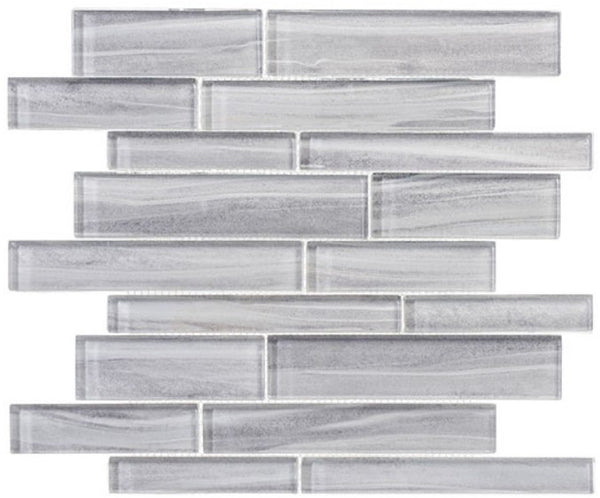
Glass tiles reflect light, making them an excellent choice for small bathrooms. They are often used as accents or backsplashes to add brightness and depth.
Natural Stone Tile
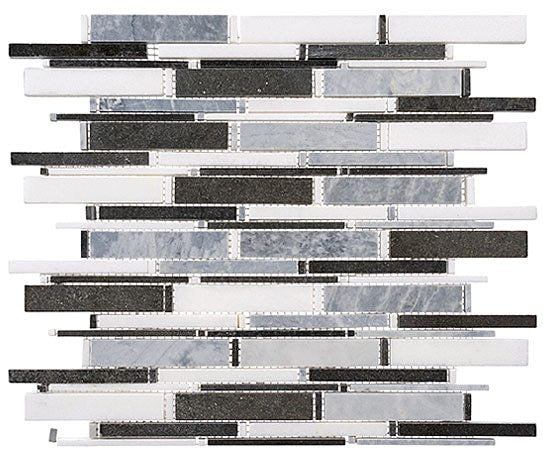
Natural stone adds a luxurious feel, but it requires more maintenance. When used strategically, it can create a high-end look even in smaller spaces.
Smart Tile Patterns for Small Spaces
The way tiles are arranged can significantly impact how large a bathroom feels. Certain patterns can visually expand the space when used correctly.
- Diagonal Patterns: Make floors appear wider by drawing the eye outward.
- Herringbone Layout: Adds movement and visual interest without overwhelming the space.
- Stacked Layout: Creates a clean, modern aesthetic that works well in minimalist designs.
- Continuous Floor-to-Wall Tile: Blurs boundaries and makes the room feel larger.
Combining smart patterns with the right tile size and color can dramatically transform even the smallest bathroom.
Final Thoughts: Small Bathroom, Big Impact
Designing a small bathroom is all about making strategic choices. From large format tiles and light color palettes to vertical layouts and seamless transitions, each decision plays a role in how spacious your bathroom feels.
By selecting the right materials and layouts, you can turn a compact bathroom into a stylish, functional space that feels much larger than it actually is. Explore our full selection of bathroom tiles to start planning your next project with confidence.